Mosquitoes are no longer just a minor backyard annoyance. Across the world, warmer temperatures, longer rainy seasons, and expanding urban environments have made mosquito activity more aggressive and persistent than ever. In 2026, homeowners, campers, travelers, gardeners, and outdoor enthusiasts are turning toward a new generation of mosquito-control innovations that go far beyond sticky sprays and citronella candles.
Today’s mosquito-control market is packed with smart devices, AI-powered traps, ultrasonic wearables, solar-powered systems, and environmentally conscious repellents designed to make outdoor living safer and more comfortable. Whether you’re protecting a patio, planning a summer camping trip, or trying to mosquito-proof your backyard for children and pets, modern technology is changing the game.
This guide explores the 10 most exciting mosquito-control technologies of 2026, how they work, their advantages and limitations, and why they are becoming essential for modern outdoor living.
Why Mosquito Technology Is Evolving So Fast
The mosquito-control industry has experienced explosive growth in recent years for several reasons:
-
Rising mosquito populations in urban and suburban areas
-
Increased concern over mosquito-borne illnesses
-
Growing demand for chemical-free pest control
-
Expansion of smart home ecosystems
-
Better battery and solar technology
-
Increased outdoor lifestyle trends
Traditional repellents still play a role, but consumers increasingly want solutions that are:
-
Safer for children and pets
-
Eco-friendly
-
Longer-lasting
-
Portable
-
Smarter and automated
-
Less dependent on harsh chemicals
As a result, manufacturers are combining entomology, AI, IoT technology, and renewable energy to create highly advanced mosquito defense systems.
1. AI-Powered Smart Mosquito Traps
What They Are
AI-powered mosquito traps represent one of the biggest breakthroughs in pest-control technology. Unlike older traps that simply emit light or heat, these systems use artificial intelligence and environmental sensors to identify mosquito activity patterns.
Many premium models in 2026 can:
-
Detect mosquito density
-
Analyze peak activity times
-
Differentiate insects by wingbeat frequency
-
Adjust trapping intensity automatically
-
Sync with smartphone apps
Some advanced systems even send real-time notifications when mosquito activity spikes in your yard.
How They Work
Smart mosquito traps typically combine several attractants:
-
Carbon dioxide simulation
-
Heat signatures
-
UV light
-
Human scent mimicking compounds
-
Airflow suction systems
The AI system learns when mosquito activity is highest and optimizes trapping cycles for maximum efficiency.
Benefits
Extremely Effective for Large Outdoor Spaces
These traps are ideal for:
-
Patios
-
Gardens
-
Pool areas
-
Campsites
-
Outdoor dining spaces
Reduced Chemical Usage
Most smart traps minimize or eliminate pesticide spraying.
Automated Operation
Once installed, many units require minimal maintenance.
Potential Drawbacks
-
Higher upfront cost
-
Requires power source or solar charging
-
Performance varies by climate
2. Wearable Mosquito Repellent Bands With Ultrasonic Technology
The Rise of Wearable Protection
Wearable mosquito repellents have evolved dramatically by 2026. Earlier ultrasonic products often received criticism for inconsistent performance, but newer generations combine multiple technologies into one compact wearable device.
Modern smart bands may include:
-
Ultrasonic pulse emission
-
Essential oil diffusion
-
Temperature-based activation
-
Bluetooth connectivity
-
Rechargeable lithium batteries
These devices are especially popular among:
-
Hikers
-
Joggers
-
Travelers
-
Gardeners
-
Parents with young children
Why Wearables Are Trending
People increasingly prefer hands-free protection over constantly reapplying sprays.
Advantages include:
-
Portable design
-
No sticky residue
-
Quiet operation
-
Lightweight comfort
-
Continuous protection
Key Innovation in 2026
The newest wearable systems use adaptive frequency cycling to reduce the risk of mosquitoes becoming habituated to a single ultrasonic tone.
Some premium devices also sync with weather data to optimize performance during high mosquito-risk conditions.
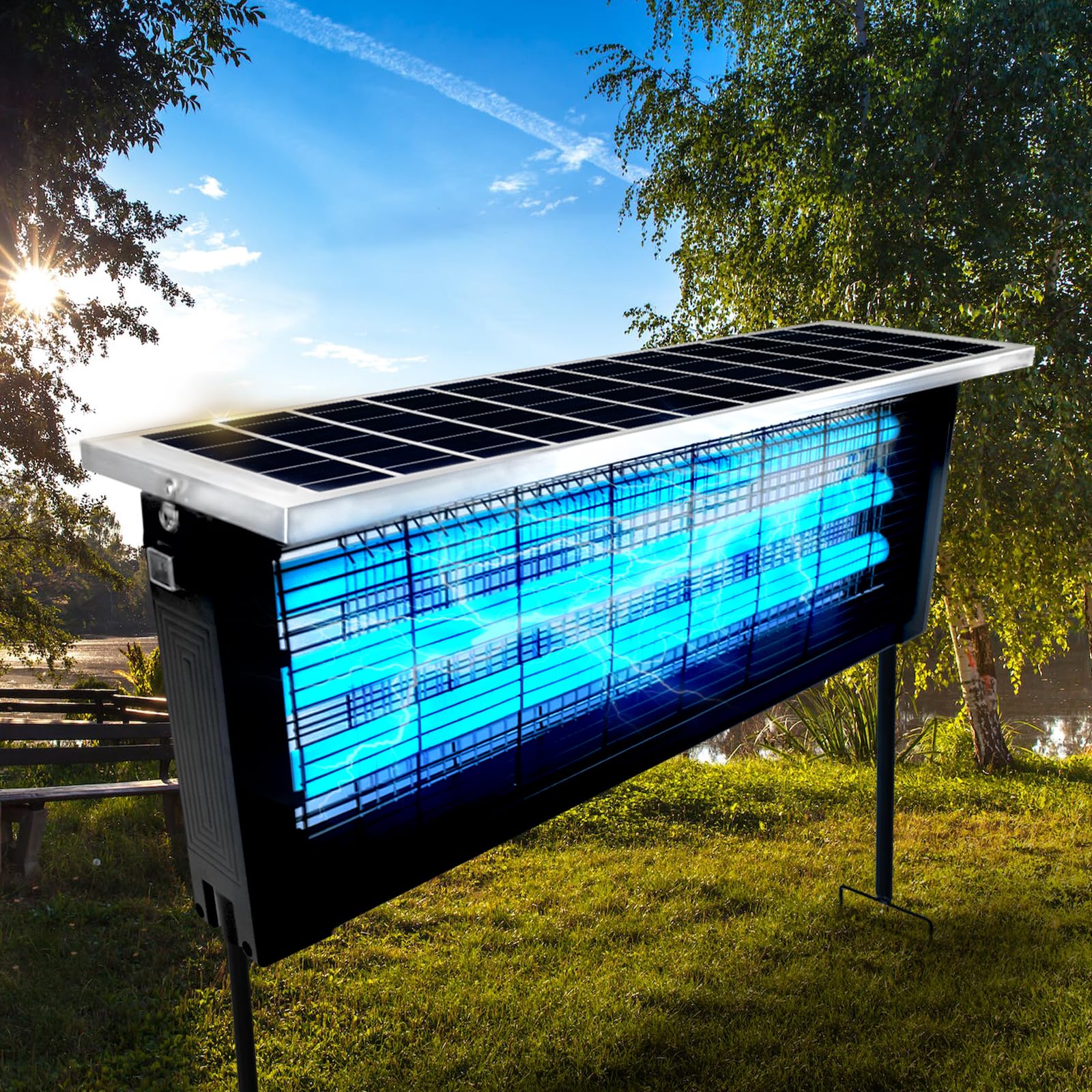
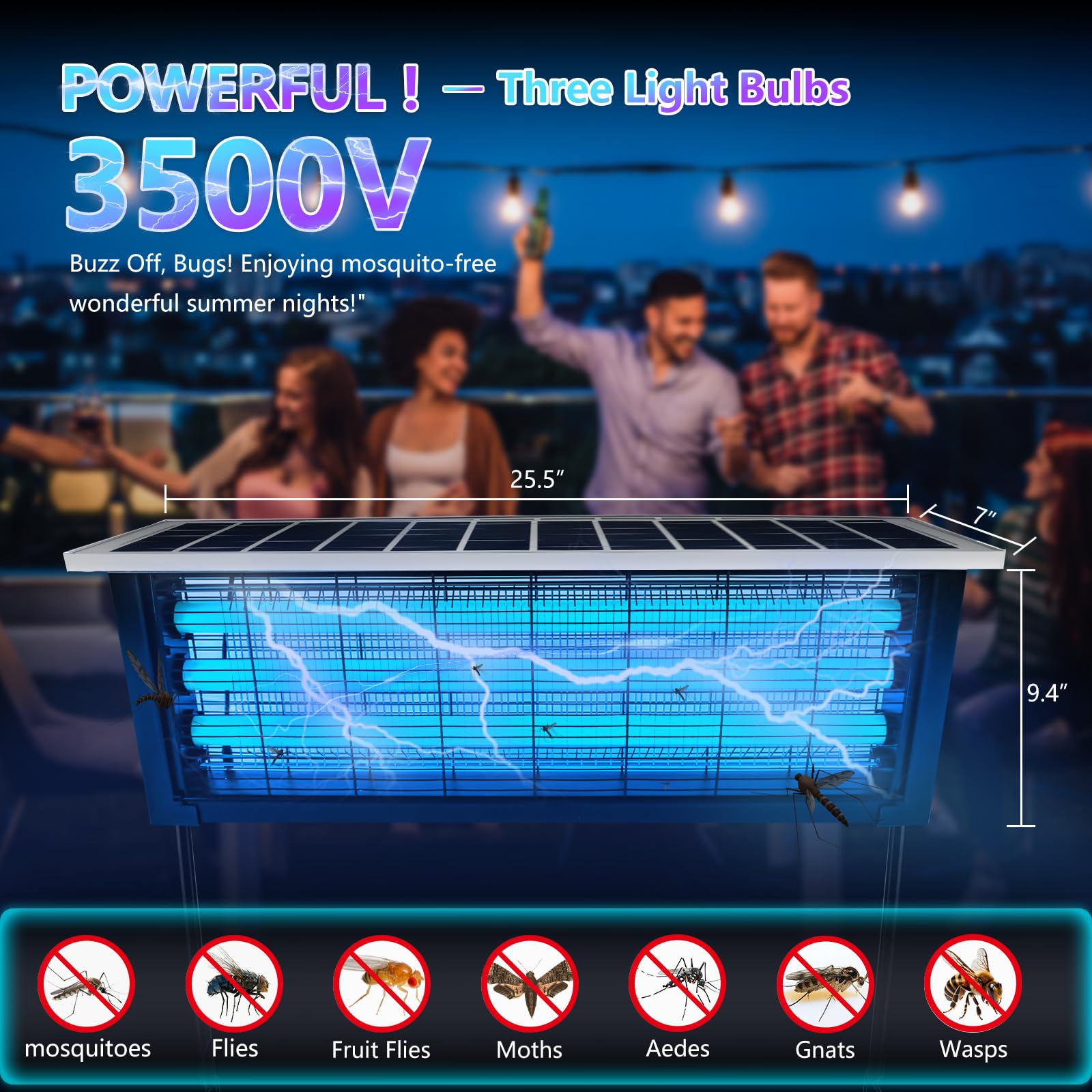
3. Solar-Powered Mosquito Zappers
Eco-Friendly Mosquito Defense
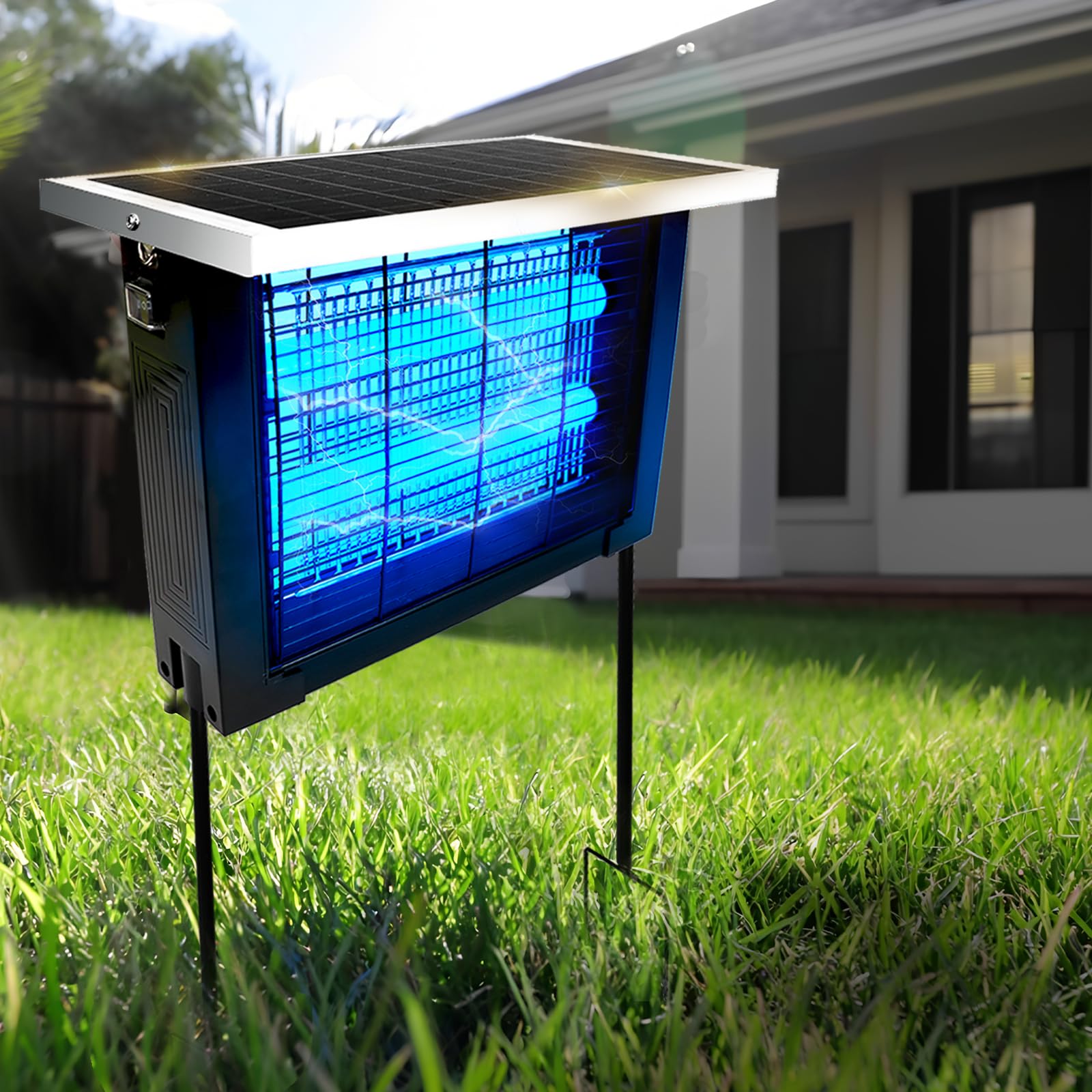
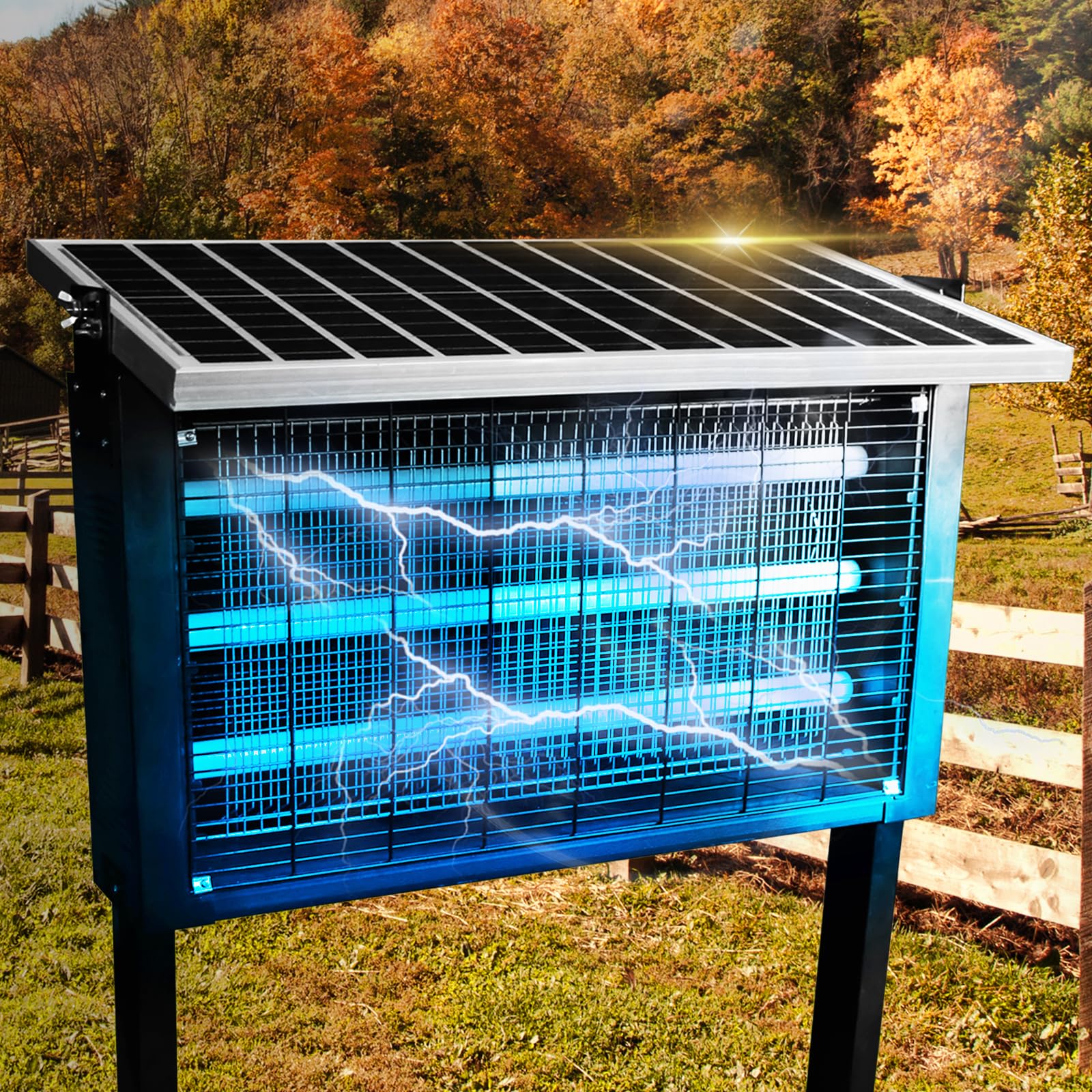
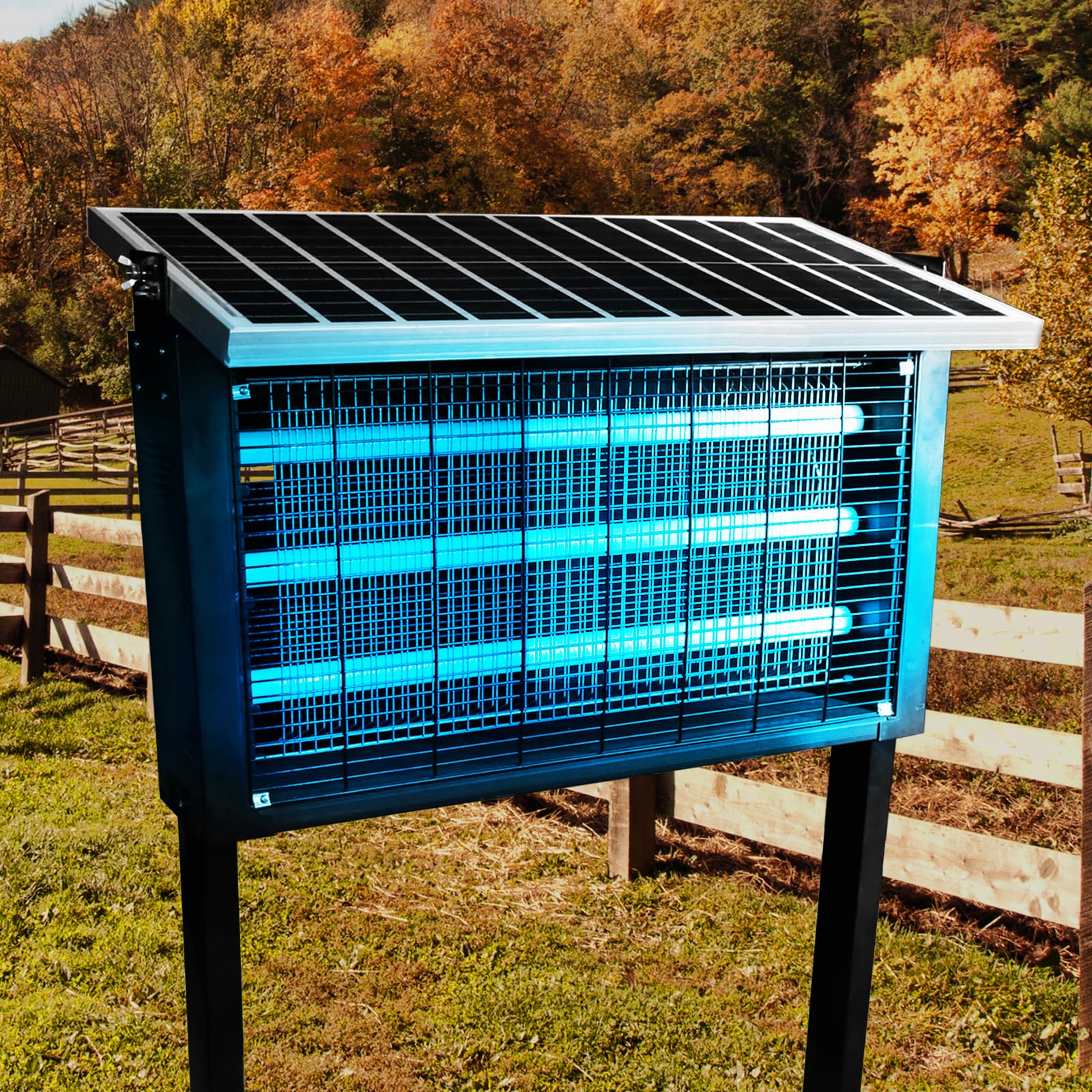
Solar mosquito zappers are becoming a favorite for homeowners seeking energy-efficient outdoor pest control.
Unlike older electric bug zappers that consumed constant electricity, 2026 solar models feature:
-
High-capacity solar panels
-
Long-life lithium batteries
-
Weather-resistant housing
-
Smart dusk-to-dawn activation
-
Motion sensor integration
Best Use Cases
Solar-powered systems work particularly well in:
-
Gardens
-
RV parks
-
Decks
-
Pathways
-
Outdoor kitchens
-
Cabins
Advantages
Lower Electricity Costs
Solar charging dramatically reduces operational expenses.
Easier Installation
No complicated wiring is needed.
Improved Safety Features
Modern systems now include enclosed grids to reduce accidental contact.
Limitations
-
Performance depends on sunlight availability
-
Some zappers attract non-target insects
-
Not ideal for very large properties alone
4. CO2 Mosquito Attractant Systems
Mimicking Human Breath
Mosquitoes locate humans primarily through carbon dioxide detection. New-generation CO2 mosquito attractant systems use this biological weakness against them.
These systems release controlled bursts of carbon dioxide alongside heat and scent lures to draw mosquitoes into capture chambers.
Why They’re So Effective
Female mosquitoes actively seek carbon dioxide because it signals nearby hosts.
Modern attractant systems can:
-
Cover large areas
-
Operate silently
-
Reduce breeding populations
-
Work continuously for weeks
Commercial and Residential Growth
In 2026, compact residential models are becoming more affordable, making CO2-based protection accessible to average homeowners rather than just commercial facilities.
5. Smart Mosquito Repellent Diffusers
The Smart Home Connection
Mosquito protection is now integrating directly into smart home ecosystems.
Smart diffusers can be controlled via:
-
Smartphone apps
-
Voice assistants
-
Scheduling systems
-
Automation routines
Some systems automatically increase repellent output at sunset when mosquito activity typically rises.
Advanced Features
New smart diffusers may include:
-
Refill monitoring
-
Child-lock systems
-
Indoor/outdoor mode switching
-
AI-based environmental adjustments
-
Air quality integration
Popular Repellent Ingredients
Modern smart diffusers often use:
-
Plant-based oils
-
Geraniol
-
Citronella derivatives
-
Lemongrass compounds
-
Low-toxicity synthetic repellents
Ideal For
-
Bedrooms
-
Patios
-
Nurseries
-
Outdoor entertaining areas
-
Tiny homes
-
RVs
6. Mosquito-Blocking Smart Clothing
Fashion Meets Protection
Mosquito-resistant clothing has become more stylish and technologically advanced in 2026.
Today’s smart outdoor apparel may feature:
-
Insect-repellent fabric coatings
-
UV protection
-
Cooling technology
-
Moisture-wicking materials
-
Embedded wearable sensors
How the Technology Works
Some garments use tightly woven fabrics that physically block mosquito bites, while others use microencapsulated repellents gradually released over time.
The newest innovations involve nanotechnology coatings that remain effective after multiple washes.
Growing Popularity
Mosquito-protective clothing is increasingly popular among:
-
Campers
-
Anglers
-
Hikers
-
International travelers
-
Outdoor workers
Key Advantage
Unlike sprays, clothing protection provides consistent full-body coverage without reapplication.
7. Drone-Based Mosquito Surveillance Systems
A High-Tech Public Health Solution
One of the most futuristic mosquito-control technologies of 2026 involves drones equipped with mosquito surveillance tools.
These drones can:
-
Identify standing water
-
Map mosquito breeding zones
-
Monitor population density
-
Deploy targeted larvicides
-
Capture environmental data
Municipal and Commercial Adoption
Cities and large property managers are increasingly using drone technology to combat mosquito outbreaks more efficiently.
Applications include:
-
Golf courses
-
Resorts
-
Farms
-
Parks
-
Wetlands
-
Residential developments
Environmental Benefits
Drone targeting reduces unnecessary pesticide spraying by focusing only on high-risk zones.
8. UV and Photocatalytic Mosquito Traps
Beyond Traditional UV Lights
Older UV bug zappers often killed many insects indiscriminately while offering inconsistent mosquito control.
New photocatalytic mosquito traps are much more advanced.
These systems combine:
-
UV wavelengths
-
Titanium dioxide catalysts
-
Heat generation
-
CO2 simulation
-
Silent vacuum capture
Why Photocatalytic Technology Matters
Photocatalytic reactions can create trace compounds that mimic human respiration and skin chemistry, making traps significantly more attractive to mosquitoes.
Advantages
Quiet Operation
Most systems use fan-based capture rather than loud electric zapping.
Better Indoor Suitability
Modern designs are quieter and more aesthetically pleasing.
Lower Maintenance
Many units feature washable collection chambers.
9. Smartphone-Connected Mosquito Monitoring Systems
Data-Driven Mosquito Defense
2026 has introduced a new category of connected mosquito monitoring devices designed for homeowners.
These systems gather environmental information such as:
-
Humidity
-
Temperature
-
Rainfall
-
Mosquito density
-
Peak activity periods
Users receive alerts and recommendations directly through mobile apps.
Smart Ecosystem Integration
Some systems can trigger connected devices automatically, such as:
-
Turning on outdoor traps
-
Activating patio fans
-
Starting repellent diffusers
-
Adjusting smart lighting
Why Homeowners Love Them
Instead of reacting after being bitten, users can proactively reduce mosquito exposure before outdoor gatherings or evening activities.
10. Biological Mosquito Control Technologies
Fighting Mosquitoes Naturally
One of the most environmentally friendly trends in 2026 is biological mosquito control.
Rather than relying heavily on chemicals, these technologies use natural biological processes to reduce mosquito populations.
Examples include:
-
Beneficial bacteria
-
Sterile insect techniques
-
Natural predators
-
Gene-targeted population suppression
-
Eco-safe larvicides
Sterile Male Mosquito Programs
Some regions are releasing sterile male mosquitoes that reduce reproduction rates over time.
This strategy helps lower mosquito populations without widespread pesticide spraying.
Bacterial Larvicides
Bacterial solutions target mosquito larvae in standing water while minimizing harm to other wildlife.
These products are increasingly used in:
-
Ponds
-
Drainage systems
-
Decorative water features
-
Agricultural irrigation areas
Emerging Trends Shaping Mosquito Technology in 2026
1. Sustainability
Consumers increasingly prioritize:
-
Solar-powered devices
-
Refillable systems
-
Reduced chemical exposure
-
Eco-conscious manufacturing
2. Smart Automation
Mosquito-control products are becoming part of broader smart home networks.
Automation allows systems to respond dynamically to environmental changes.
3. Portable Protection
Travel-friendly mosquito technologies continue to grow in popularity, especially among digital nomads and outdoor enthusiasts.
4. Multi-Layered Defense Systems
The most effective mosquito-control strategies now combine several technologies simultaneously.
For example:
-
Wearable repellents
-
Smart traps
-
Protective clothing
-
Automated diffusers
This layered approach dramatically improves effectiveness.
How to Choose the Right Mosquito Technology
Consider Your Environment
Small Apartment Balcony
Best options:
-
Smart diffusers
-
Compact UV traps
-
Wearable repellents
Large Backyard
Best options:
-
AI smart traps
-
CO2 attractant systems
-
Solar zappers
Camping and Hiking
Best options:
-
Wearables
-
Protective clothing
-
Portable rechargeable devices
Important Factors to Compare
Before purchasing mosquito-control technology, evaluate:
-
Coverage area
-
Battery life
-
Weather resistance
-
Noise level
-
Maintenance requirements
-
Safety around pets and children
-
Smart features
-
Operating costs
Are High-Tech Mosquito Devices Worth It?
For many consumers, the answer is increasingly yes.
Traditional sprays and candles still have value, but modern mosquito technologies offer:
-
Longer-lasting protection
-
Greater convenience
-
Reduced chemical exposure
-
Better environmental sustainability
-
Improved outdoor comfort
The most advanced systems can significantly reduce mosquito populations around homes and recreational areas.
The Future of Mosquito Control
Mosquito-control innovation is accelerating rapidly. Over the next few years, experts expect continued growth in:
-
AI-assisted pest management
-
Eco-friendly repellents
-
Smart wearable systems
-
Autonomous mosquito surveillance
-
Biological population control
Future technologies may even incorporate predictive analytics that anticipate mosquito outbreaks before they happen.
As outdoor living spaces become more important to homeowners and travelers alike, mosquito-control technology will continue evolving into a smarter, safer, and more sustainable industry.
Final Thoughts
The mosquito-control landscape of 2026 looks dramatically different from just a few years ago. From AI-powered traps and solar zappers to smart wearables and biological control systems, consumers now have access to highly advanced tools that make outdoor life far more comfortable.
The best mosquito technology depends on your environment, lifestyle, and protection goals. For many households, combining multiple technologies provides the strongest defense against mosquitoes while minimizing environmental impact.
Whether you’re upgrading your backyard setup, planning summer travel, or preparing for camping season, these next-generation mosquito innovations are shaping the future of outdoor comfort and pest protection.