
In 2026, the humble mosquito lamp is no longer a simple summer accessory. It’s evolving into a smart, silent, environmentally responsible home device—and the market is responding accordingly.
Once seen as a seasonal solution with limited sophistication, mosquito lamps are now entering the mainstream of smart home ecosystems, driven by consumer demands for convenience, comfort, and sustainability. From AI-powered targeting to whisper-quiet operation and reduced environmental impact, the industry is undergoing a transformation.
This blog explores the trends shaping the mosquito lamp industry in 2026—from technological innovation and consumer behavior to environmental responsibility and global market growth.
1. The Shifting Landscape of Mosquito Control
1.1 The Old Model: Reactive and Manual
A decade ago, mosquito control was:
-
Manual
-
Seasonal
-
Smell-and-smoke intensive
-
Loud and chemical heavy
Products were often:
-
Coils and sprays
-
Plug-in repellents
-
Basic LED lamps without intelligence
They worked—sometimes—but consumers tolerated compromises: smoke, noise, and limited effectiveness.
1.2 The New Model: Integrated, Intelligent, and Comfortable
By 2026, buyers expect:
-
Technology that adapts to behavior
-
Quiet operation day and night
-
Minimal environmental impact
-
Seamless integration with smart home systems
Smart mosquito lamps are no longer niche—they are part of year-round home comfort and health strategies.
2. Trend #1: Intelligent Mosquito Lamps—Beyond Basic Attraction
One of the most significant shifts is the rise of intelligent mosquito lamps—devices that learn, adapt, and optimize performance using data.
2.1 AI-Driven Targeting and Pattern Recognition
Modern mosquito lamps now leverage:
-
Motion sensors
-
Infrared detection
-
Heat maps
-
Behavioral pattern algorithms
These technologies:
-
Detect mosquito activity peaks
-
Activate only when needed
-
Reduce power consumption
-
Improve capture accuracy
In effect, the lamp doesn’t just light up—it responds to real pest behavior.
2.2 Integration With Smart Home Systems
Smart lamps connect to:
-
Wi-Fi
-
Bluetooth
-
Home assistants (Alexa, Google Home)
-
Mobile apps
Users can:
-
Schedule operation times
-
Receive activity reports
-
Monitor power usage
-
Set eco-modes
This level of control is especially desirable in urban and connected households.
2.3 Predictive Cleaning and Maintenance Alerts
Advanced models even alert users when:
-
Traps are full
-
Fans need attention
-
UV bulbs degrade
This reduces maintenance guesswork and helps preserve performance over time.
3. Trend #2: Silent Operation—Comfort Without Compromise
3.1 Noise as a Quality Signal
Early mosquito lamps were often:
-
Buzzing
-
Rattling
-
Fan-noisy
-
Distracting in bedrooms
Consumer feedback made one thing clear: sound matters.
3.2 Acoustic Engineering for Quiet Performance
New designs prioritize:
-
Brushless DC motors
-
Low-decibel airflow
-
Sound-insulated housings
-
Vibration dampening materials
The result:
-
Whisper-quiet operation
-
Better for bedrooms, nurseries, offices
-
Less intrusion into daily life
Silent operation is no longer a luxury—it’s a baseline expectation.
3.3 Sleep-Friendly Modes and Night Profiles
Today’s smart mosquito lamps include:
-
Sleep mode (ultra-silent)
-
Scheduled silencing
-
Adaptive speed controls
Quiet all night, active when needed. No compromise between comfort and effectiveness.
4. Trend #3: Environmental Responsibility—From Waste to Sustainability
Environmental consciousness is no longer fringe—it’s a core purchase driver in 2026.
4.1 Eco-Friendly Design Principles
Leading products now incorporate:
-
Recyclable materials
-
Minimal plastic use
-
Low power consumption
-
Long-life UV LEDs
Manufacturers also disclose:
-
Life cycle environmental impact
-
Recyclability scores
-
Sustainable packaging
This transparency resonates with eco-minded consumers.
4.2 Chemical-Free Mosquito Control
Many traditional mosquito control methods rely on:
-
Chemical repellents
-
Smoke
-
Burning materials
These have environmental and health trade-offs.
Modern lamps focus on:
-
Physical luring mechanisms
-
UV + airflow trapping
-
No pesticides
-
No emissions
This shift aligns with clean-air priorities and indoor air quality awareness.
4.3 Energy Efficiency Matters
Consumers today compare:
-
kWh per season
-
Eco modes vs always-on models
-
Renewable energy compatibility
Low power usage isn’t just cost-effective—it’s green living aligned.
5. Lifestyle and Demographic Drivers
5.1 Urban Apartments vs Suburban Homes
Urban dwellers want:
-
Compact designs
-
Silent operation
-
App control
Suburban or rural homes value:
-
Larger coverage areas
-
Outdoor/indoor hybrid modes
-
Weather-resilient designs
Manufacturers now segment products based on living context, not just technical specs.
5.2 Family-Focused Features
Parents increasingly prioritize:
-
Safe, chemical-free operation
-
Child-proof traps
-
Indicator lights that avoid blue/UV glare at night
-
App alerts instead of noisy alarms
Health and safety combined with user comfort are essential buying criteria.
6. Multi-Purpose Devices: More Than Just Mosquito Lamps
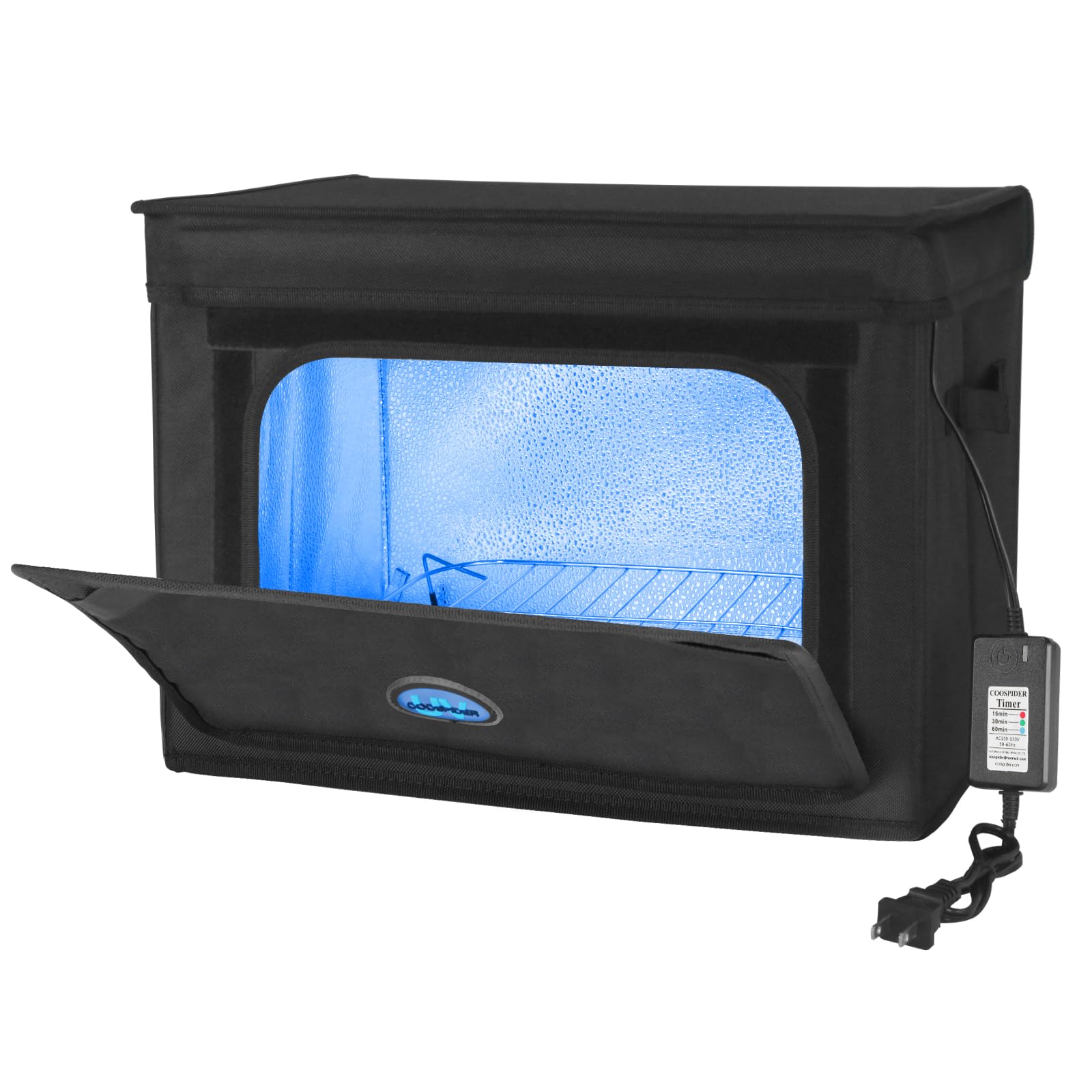
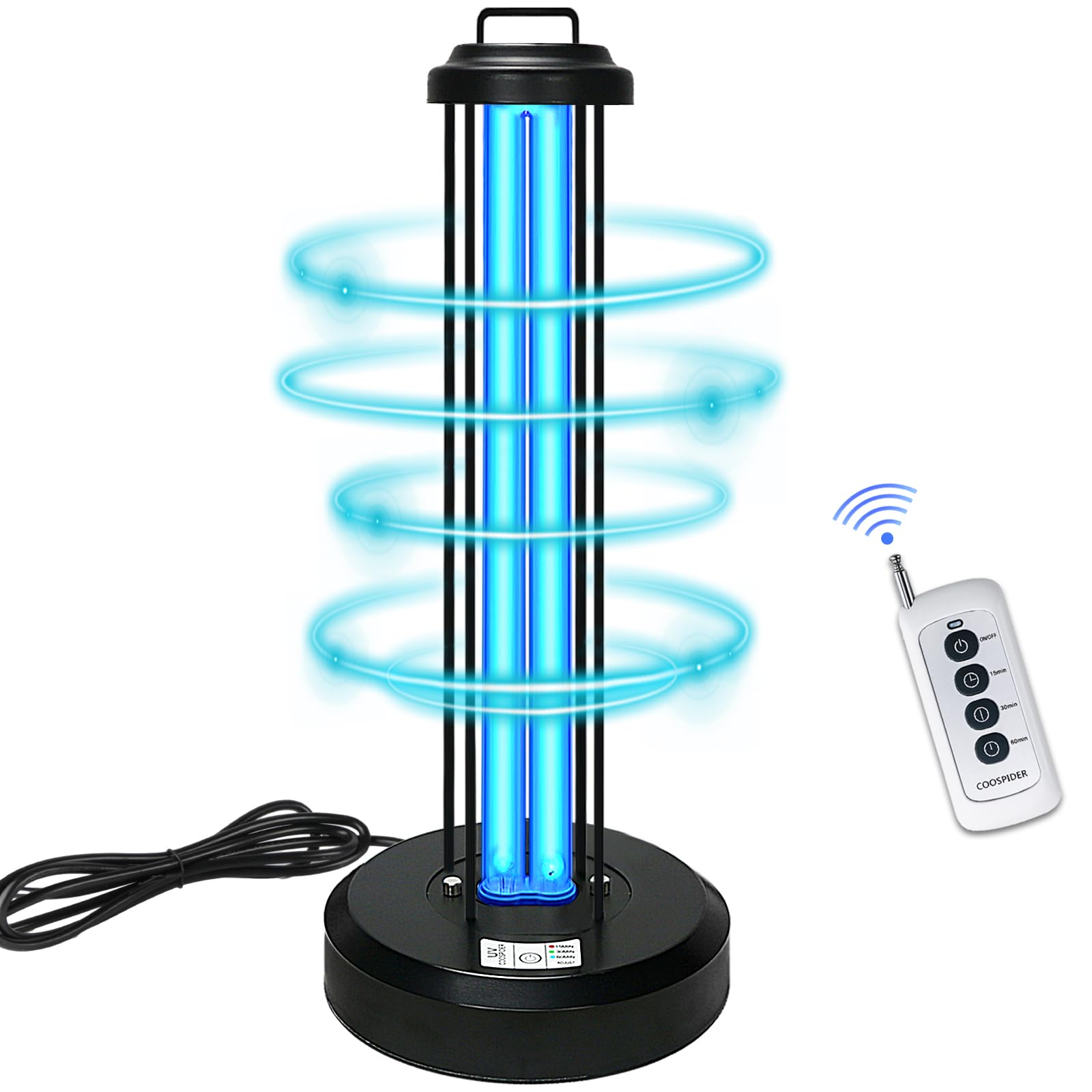
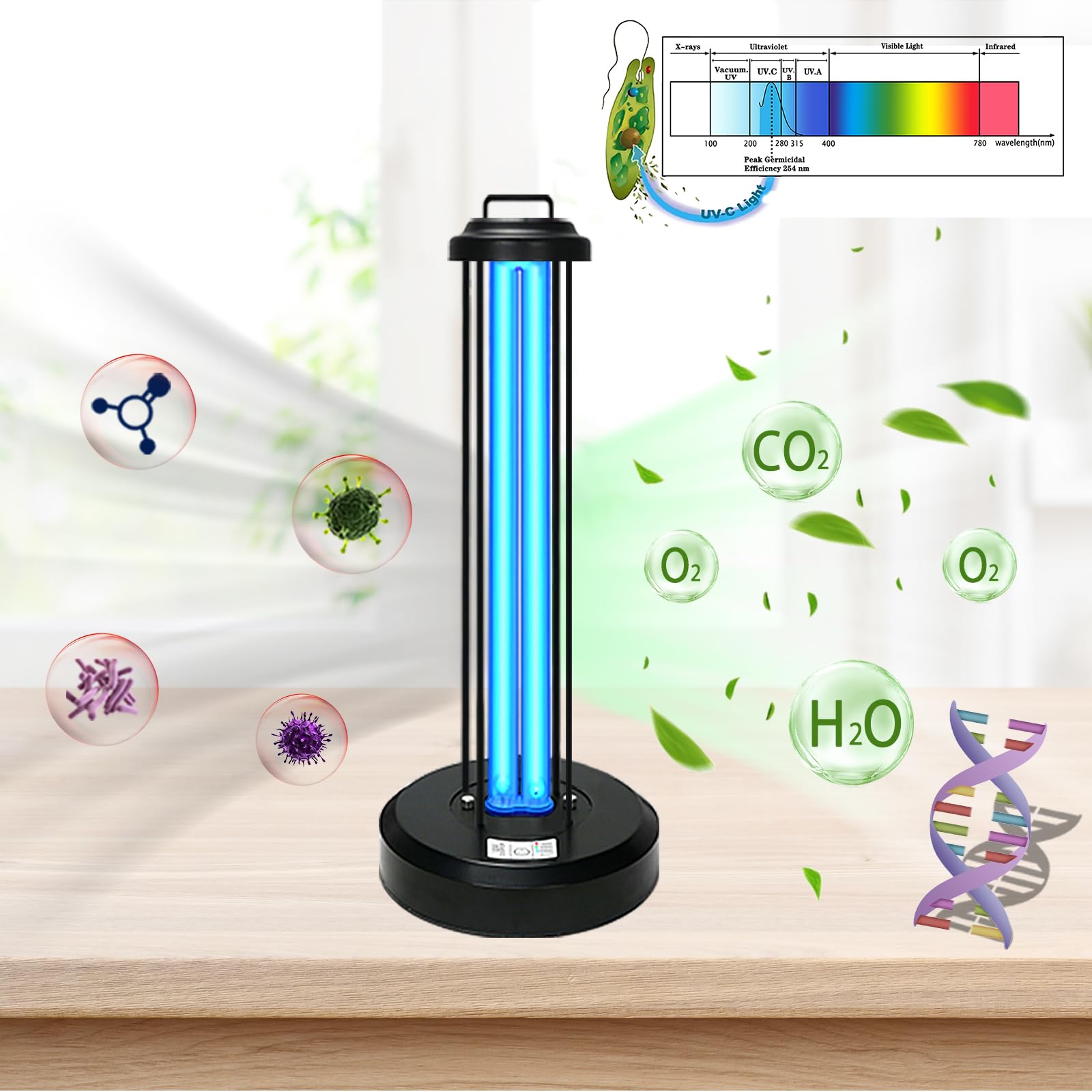
6.1 Combining UV Sterilization and Pest Control
Some advanced models integrate:
-
Air purifiers
-
UV sterilization for surfaces
-
All-in-one hygiene and pest control
This convergence reflects broader home health trends accelerated by pandemic awareness.
6.2 Smart Home Ecosystems
Mosquito lamps are now:
-
Scene-aware (night mode, away mode, guest mode)
-
Linked to outdoor sensors
-
Part of routine automation
This is not just a lamp—it’s an element of a connected living ecosystem.
7. The Global Market Outlook
7.1 Growth in Asia-Pacific and Tropical Regions
Mosquito prevalence is geographically uneven. Demand remains high in:
-
Southeast Asia
-
Sub-Saharan Africa
-
Tropical and subtropical climates
However, temperate regions now see seasonal spikes in demand, which increases annualized market growth.
7.2 Expansion in North America and Europe
While historically lower in baseline demand, mosquito lamps are gaining traction due to:
-
Lifestyle purchasing
-
Eco-friendly product adoption
-
Outdoor living trends
-
Health-conscious consumers
This broadens the market from necessity to lifestyle accessory.
8. Pricing and Value Expectations in 2026
Today’s consumers evaluate value based on:
-
Longevity
-
Silent comfort
-
Smart features
-
Eco credentials
-
Warranty and service
Low-cost, disposable units still exist—but serious buyers increasingly choose mid-to-high tier products that justify investment.
9. Challenges and Considerations Ahead
Even with these trends, challenges remain:
9.1 Balancing Cost and Features
Not every consumer needs full smart integration.
Entry models still need to be affordable.
9.2 Standardization and Quality Control
As smart features proliferate:
-
Interoperability matters
-
Data privacy becomes relevant
-
Firmware updates and security are new considerations
9.3 Educating Consumers
Not every buyer understands:
-
What UV wavelengths matter
-
How airflow and trap design work
-
The difference between attracting and eliminating mosquitoes
Clear communication will separate leaders from laggards.
10. The Future Is Adaptive, Quiet, and Responsible
Looking past 2026, the mosquito lamp category is poised to become part of holistic home care:
-
Sensor-driven adaptive systems
-
AI learning of local mosquito patterns
-
Seasonal energy optimization
-
Integration with health monitoring
-
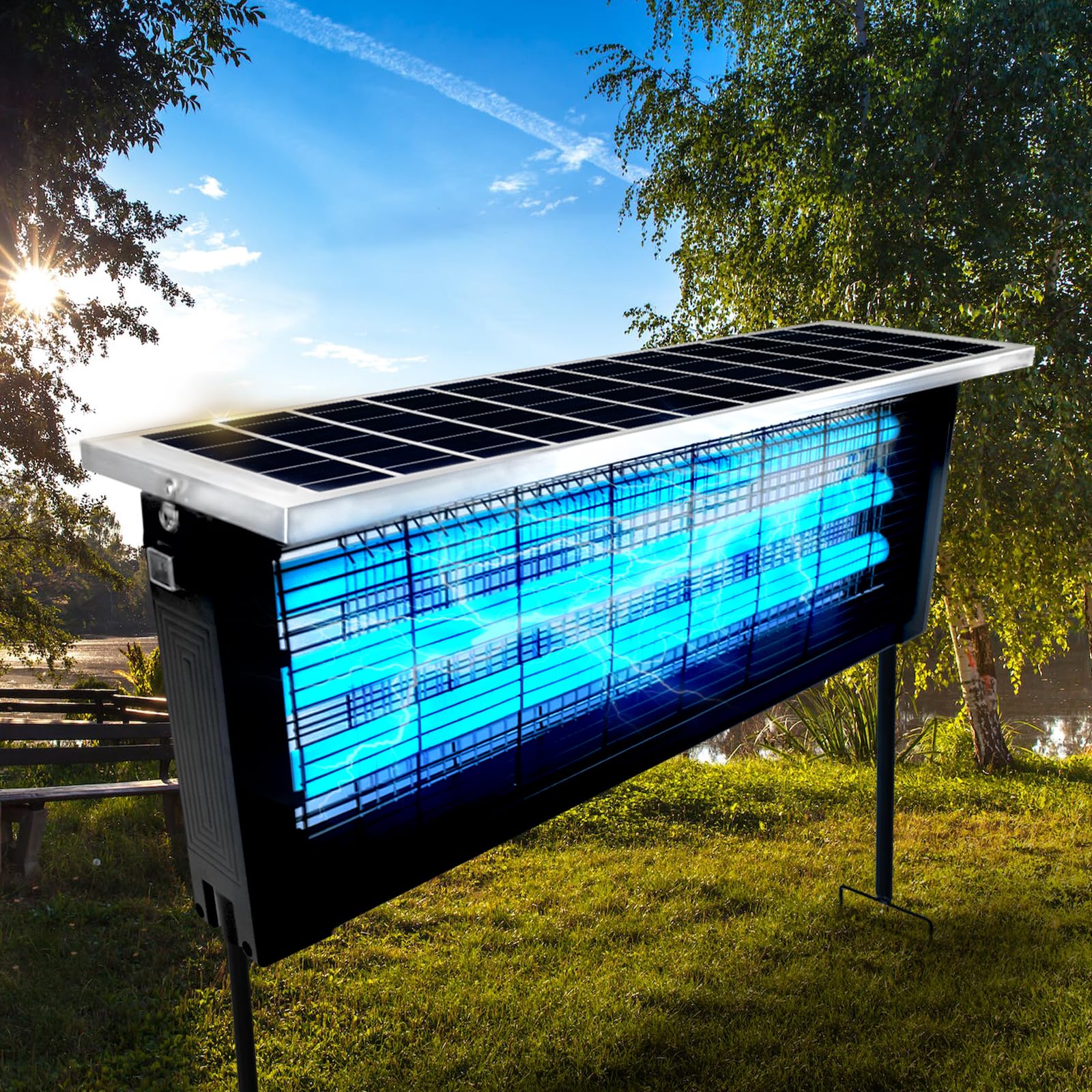
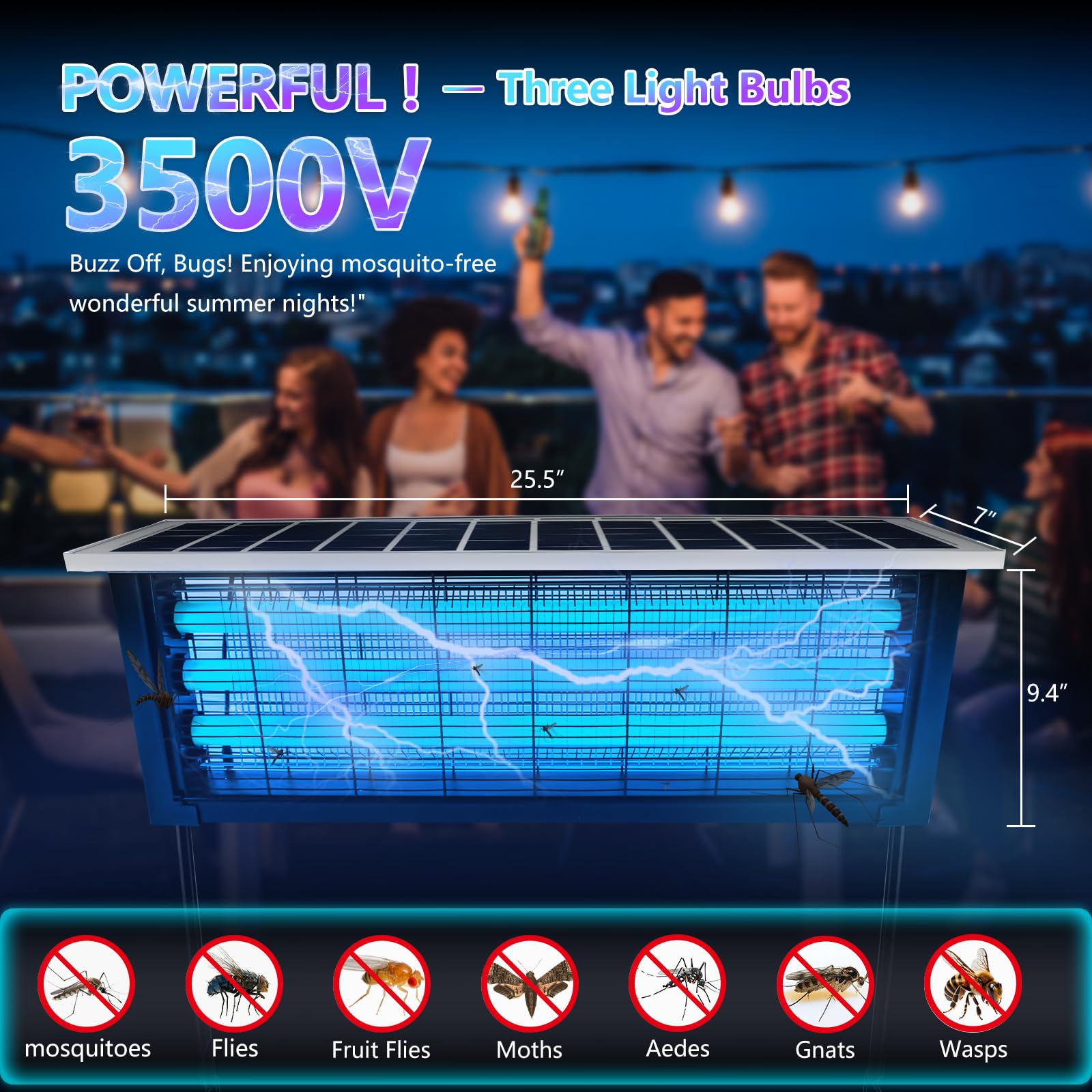
Solar-assisted outdoor solutions
No longer a seasonal problem, mosquito control is becoming a year-round smart home concern.
In Conclusion: A New Era of Mosquito Control
The future of mosquito lamps is not just about catching bugs.
It’s about:
-
Intelligent behavior
-
Silent comfort
-
Environmental stewardship
-
Smart home synergy
-
Human-centric design
In 2026, the industry is leaving behind:
-
Loud, chemical-heavy
-
Smoke-producing
-
One-size-fits-all
And moving toward:
-
Smart, silent
-
Eco-friendly, connected
-
Personalized, contextual
Because modern consumers don’t just want solutions—they want solutions that make life better.
Mosquito lamps used to chase pests.
Now they fit into your lifestyle.
They don’t just protect your night.
They protect your comfort, your air, and your world.
And that’s a trend with real staying power.