If you’ve ever used a mosquito lamp and thought,
“Why are there still mosquitoes flying around?”—you’re not alone.
Mosquito lamps are helpful, but many users quickly discover a frustrating truth:
attracting mosquitoes is only half the battle.
The real challenge is keeping them from escaping.
That’s where traps come in.
By adding a simple, well-designed catch container—often built from recycled household materials—you can dramatically increase the effectiveness of almost any mosquito lamp. This guide will show you why traps work, how they work, and exactly how to build your own.
1. Why Mosquito Lamps Alone Are Often Not Enough
1.1 Attraction Without Capture Is a Missed Opportunity
Most mosquito lamps rely on:
-
Light (UV or specific wavelengths)
-
Heat from the bulb
-
Air movement
They successfully draw mosquitoes closer, but without a proper trapping mechanism:
-
Mosquitoes may circle the lamp
-
They may land briefly and fly away
-
Many never get neutralized
In short: attraction without containment leads to poor results.
1.2 How Commercial Lamps Solve This Problem
Higher-end mosquito lamps often include:
-
Fan-based suction
-
Sticky boards
-
Enclosed chambers
DIY lamps and budget models usually don’t—which makes them perfect candidates for DIY trap upgrades.
2. Understanding Mosquito Behavior: Why Traps Work
To design an effective trap, you need to understand how mosquitoes move and think.
2.1 Mosquitoes Are Weak Flyers
Compared to flies, mosquitoes:
-
Fly slowly
-
Struggle against steady airflow
-
Have limited escape acceleration
This makes them ideal targets for airflow-based traps.
2.2 Mosquitoes Follow Gradients, Not Objects
Mosquitoes don’t “aim” for a lamp.
They follow:
-
Light gradients
-
Air currents
-
CO₂ trails
A trap works by:
-
Letting mosquitoes enter easily
-
Making exit paths confusing or physically difficult
3. What Is a Mosquito Catch Container?
A mosquito catch container is a secondary structure added to a lamp that:
-
Receives mosquitoes after attraction
-
Prevents escape
-
Either dehydrates, traps, or neutralizes them
Think of it as the final checkpoint.
4. Core Principles of an Effective DIY Mosquito Trap
Every good trap—DIY or commercial—follows the same principles:
4.1 Easy Entry, Hard Exit
The entrance should be:
-
Wide
-
Obvious
-
Aligned with airflow or light
The exit should be:
-
Narrow
-
Hidden
-
Against airflow
4.2 Continuous Airflow Direction
Air should:
-
Pull mosquitoes inward
-
Never push outward
Even gentle airflow is enough to prevent escape.
4.3 No Light Inside the Trap
Light inside the container:
-
Encourages mosquitoes to move
-
Helps them find exits
A dark interior keeps them disoriented and inactive.
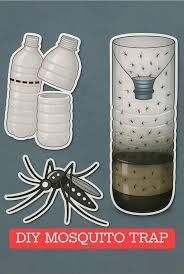
5. DIY Trap Design #1: The Funnel Catch Container
5.1 Why Funnels Are So Effective
Funnel traps:
-
Are cheap
-
Are easy to build
-
Exploit mosquito flight weakness
Once mosquitoes pass the narrow neck, they rarely find their way back out.
5.2 Materials Needed
-
Plastic bottle (1–2 liter)
-
Scissors or utility knife
-
Tape or glue
-
Black paper or paint
-
Optional mesh
5.3 Step-by-Step Build
-
Cut the top third off the bottle
-
Invert the top to form a funnel
-
Insert it into the bottom half
-
Seal edges tightly
-
Darken the exterior
-
Attach the wide end near the mosquito lamp intake
This container works best when combined with fan-assisted lamps.
5.4 Performance Expectations
Best for:
-
Indoor rooms
-
Balconies
-
Desk setups
Limitations:
-
Needs occasional cleaning
-
Not ideal for strong outdoor airflow
6. DIY Trap Design #2: Mesh Dehydration Chamber
6.1 How Dehydration Traps Work
Instead of killing mosquitoes instantly, this design:
-
Traps them in airflow
-
Dehydrates them over time
-
Requires no chemicals or electricity beyond the fan
6.2 Materials Needed
-
Fine mesh fabric
-
Cardboard or plastic frame
-
Tape or zip ties
-
Small USB fan (optional but recommended)
6.3 Assembly Process
-
Build a cylindrical or box-shaped chamber
-
Install mesh walls on all sides
-
Position airflow so mosquitoes are pulled in
-
Seal all seams
-
Place behind the light source
Mosquitoes gradually lose moisture and stop moving.
7. DIY Trap Design #3: Sticky Catch Container (Chemical-Free)
7.1 When Sticky Traps Make Sense
Sticky traps are useful when:
-
You want visual confirmation
-
Fan use is limited
-
Noise must be minimized
7.2 Materials Needed
-
Cardboard or plastic container
-
Non-toxic sticky glue or adhesive sheets
-
Black tape or paint
7.3 Key Design Tips
-
Keep sticky surfaces away from the entrance
-
Do not block airflow
-
Replace adhesive regularly
Sticky traps work best indoors and away from dust.
8. Integrating the Trap with Your Mosquito Lamp
8.1 Positioning Is Everything
The trap should:
-
Sit directly in the mosquito’s flight path
-
Be downstream of airflow
-
Never block the light source
Poor positioning can reduce effectiveness by over 50%.
8.2 One Lamp, Multiple Traps?
In larger rooms:
-
Use one lamp
-
Add multiple passive traps around it
This creates a capture zone instead of a single point.
9. Common DIY Mistakes That Ruin Trap Effectiveness
Avoid these pitfalls:
-
Transparent containers (too much light)
-
Gaps larger than mosquito body width
-
Weak or inconsistent airflow
-
Overcrowded trap interiors
-
Poor sealing
DIY success is about details, not complexity.
10. Safety Considerations You Should Not Ignore
10.1 Electrical Safety
-
Use low-voltage USB power
-
Secure wiring
-
Keep away from water
10.2 UV Safety (If Applicable)
-
Never expose skin or eyes directly
-
Prefer enclosed designs
-
Shield all UV sources
10.3 Child and Pet Safety
-
Avoid sticky substances within reach
-
Secure containers firmly
-
No exposed fans or blades
11. How Effective Is a Trap-Enhanced Mosquito Lamp?
When properly built and positioned:
-
Capture rates can increase 2–5x
-
Mosquito presence drops noticeably within days
-
Nighttime disturbance is significantly reduced
However:
-
No trap eliminates mosquitoes completely
-
Environmental control is still necessary
12. Combine Traps with Environmental Management
For best results:
-
Remove standing water
-
Use window screens
-
Place traps away from sleeping areas
-
Run lamps consistently, not intermittently
Mosquito control is a system, not a gadget.
13. Environmental Benefits of DIY Catch Containers
DIY traps:
-
Reuse plastic waste
-
Avoid insecticides
-
Produce no smoke or residue
-
Reduce disposable product use
This makes them ideal for eco-conscious households.
Final Thoughts: Turning Attraction into Action
A mosquito lamp that only attracts insects is like a door without a lock.
By adding a thoughtfully designed DIY catch container, you transform your lamp from a passive light source into an active mosquito control system.
The beauty of DIY traps isn’t just cost savings—it’s control:
-
Control over materials
-
Control over effectiveness
-
Control over environmental impact
With a little creativity and understanding, you can dramatically improve mosquito control—using nothing more than household materials and smart design.
Sometimes, the smartest upgrades are the simplest ones.