Mosquitoes are more than just annoying summer pests. Around the world, they remain one of the most significant insect-related health concerns due to their ability to transmit diseases such as dengue fever, malaria, West Nile virus, Zika virus, chikungunya, and yellow fever.
Even in regions where mosquito-borne diseases are less common, mosquito bites can still cause:
-
Severe itching
-
Allergic reactions
-
Skin irritation
-
Sleep disruption
-
Outdoor discomfort
-
Secondary skin infections from scratching
As outdoor living continues to grow in popularity and global travel becomes more accessible, mosquito protection has become an essential part of modern health and lifestyle planning.
Consumers now face an overwhelming number of mosquito repellent products on the market. Sprays, lotions, wipes, wearable devices, natural oils, clothing treatments, and spatial repellents all compete for attention.
However, despite flashy marketing and trendy packaging, most effective mosquito repellents still rely on a relatively small number of proven active ingredients.
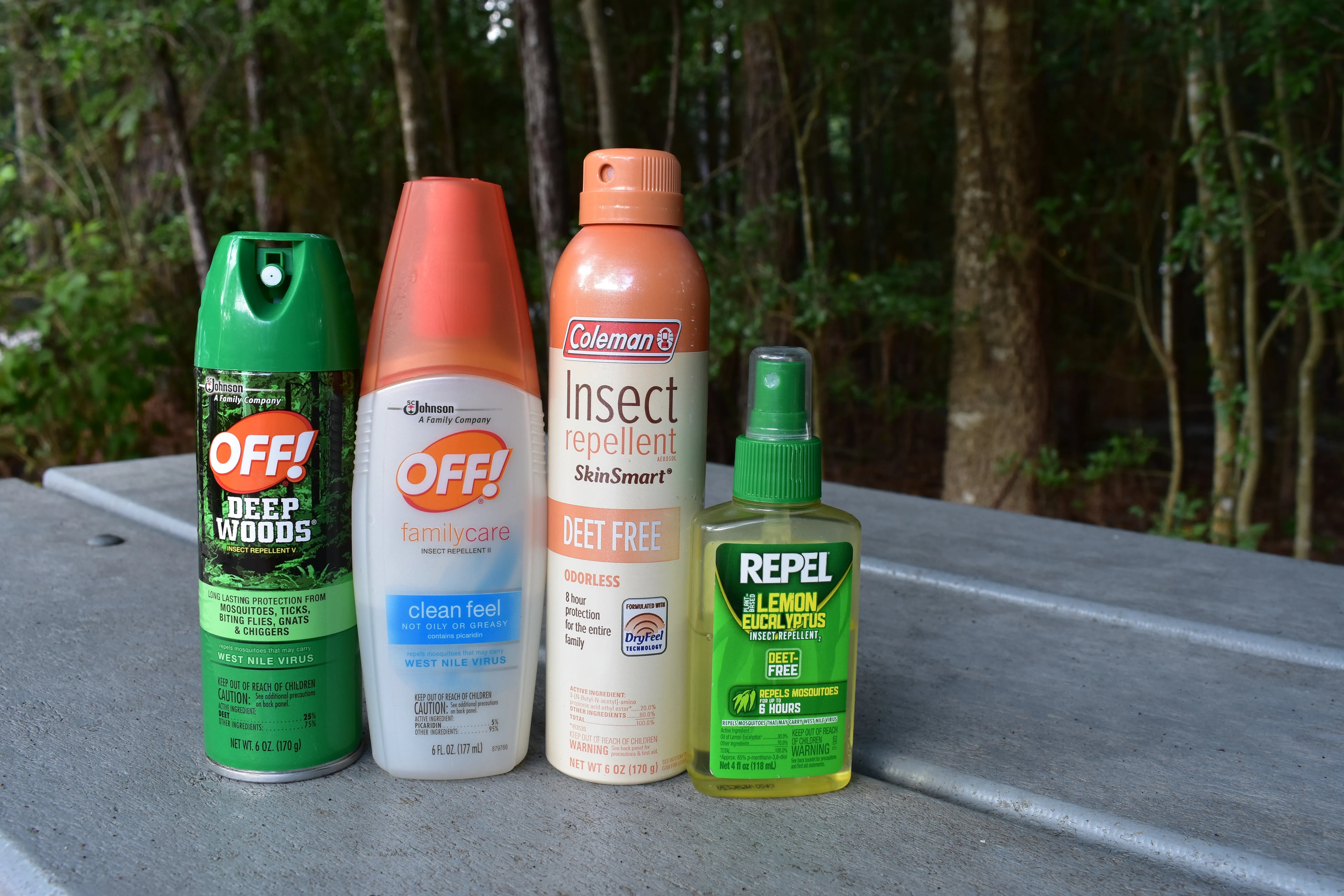
In 2026, the three most discussed mosquito repellent ingredients are:
-
DEET
-
Picaridin
-
Oil of Lemon Eucalyptus (OLE)
Each ingredient has unique strengths, limitations, safety considerations, and ideal use cases.
This in-depth guide compares DEET, Picaridin, and OLE across multiple categories, including:
-
Effectiveness
-
Duration of protection
-
Safety
-
Skin feel
-
Odor
-
Outdoor performance
-
Family use
-
Travel applications
-
Environmental considerations
-
Best use scenarios
Whether you are planning a camping trip, preparing for international travel, protecting children from bites, or simply trying to enjoy your backyard during mosquito season, understanding these ingredients can help you choose the right protection strategy.
Why Mosquito Repellents Matter More Than Ever
Mosquito populations continue to expand in many parts of the world.
Several factors contribute to this trend:
-
Climate change
-
Urbanization
-
Increased rainfall patterns
-
Global travel
-
Warmer temperatures
-
Expanding breeding habitats
Longer mosquito seasons are becoming common in many regions.
At the same time, people are spending more time outdoors:
-
Camping
-
Hiking
-
Backyard entertaining
-
Gardening
-
Fishing
-
Traveling
As exposure increases, effective mosquito repellents become increasingly important.
How Mosquito Repellents Actually Work
Contrary to popular belief, most repellents do not kill mosquitoes.
Instead, they interfere with the mosquito’s ability to locate humans.
Mosquitoes detect people using:
-
Carbon dioxide
-
Body heat
-
Sweat compounds
-
Skin odors
-
Moisture
Repellent ingredients disrupt these detection systems.
This makes humans harder for mosquitoes to identify and target.
Different ingredients use slightly different mechanisms, but the goal remains the same: reducing bites.
DEET: The Longstanding Industry Standard
DEET has been used for decades and remains one of the most extensively studied mosquito repellent ingredients in the world.
Originally developed by the U.S. military in the mid-20th century, DEET quickly became the benchmark for insect repellent effectiveness.
What Is DEET?
DEET stands for N,N-Diethyl-meta-toluamide.
It is used in:
-
Sprays
-
Lotions
-
Wipes
-
Aerosols
-
Outdoor gear products
DEET concentrations vary widely.
Common products range from:
-
5%
-
10%
-
20%
-
30%
-
40%
-
Higher specialty formulations
Higher concentrations generally provide longer-lasting protection rather than stronger immediate repellency.
Advantages of DEET
Excellent Effectiveness
DEET is highly effective against:
-
Mosquitoes
-
Ticks
-
Biting flies
-
Chiggers
-
Fleas
It remains one of the most reliable options for high-risk mosquito environments.
Long Protection Duration
Higher-concentration DEET formulas may provide several hours of protection.
This makes DEET especially useful for:
-
Camping
-
Hiking
-
Tropical travel
-
Fishing trips
-
High mosquito-density environments
Strong Research History
DEET has decades of scientific data supporting its effectiveness and general safety when used properly.
Drawbacks of DEET
Despite its effectiveness, DEET also has disadvantages.
Strong Odor
Many people dislike DEET’s chemical smell.
Greasy or Sticky Feel
Some DEET products feel oily or uncomfortable on the skin.
Material Damage
DEET may damage:
-
Plastics
-
Synthetic fabrics
-
Painted surfaces
-
Eyeglass coatings
-
Watch finishes
This is one reason travelers and outdoor enthusiasts sometimes prefer alternatives.
Consumer Concerns About Chemicals
Some users avoid DEET due to concerns about synthetic chemicals, even though regulatory agencies generally consider it safe when used correctly.
Picaridin: The Modern Alternative
Picaridin has become increasingly popular in recent years.
Many experts now consider it one of the best overall mosquito repellent ingredients available.
What Is Picaridin?
Picaridin is a synthetic repellent modeled after compounds found in pepper plants.
It was developed to provide:
-
High effectiveness
-
Better cosmetic feel
-
Reduced odor
-
Improved material compatibility
Common concentrations include:
-
10%
-
20%
Picaridin products are widely available in sprays and lotions.
Advantages of Picaridin
Comparable Effectiveness to DEET
Many studies show Picaridin performs similarly to DEET against mosquitoes.
It is also effective against:
-
Ticks
-
Biting flies
-
Gnats
More Comfortable Skin Feel
Picaridin is often praised for being:
-
Lightweight
-
Non-greasy
-
Less sticky
This improves user comfort significantly.
Minimal Odor
Compared to DEET, Picaridin products usually have milder scents.
Safe for Many Fabrics and Plastics
Unlike DEET, Picaridin generally does not damage:
-
Plastics
-
Electronics
-
Outdoor gear
-
Synthetic materials
This makes it attractive for travelers and hikers.
Drawbacks of Picaridin
Slightly Less Familiar to Consumers
Some consumers still recognize DEET more readily.
Product Availability Differences
Availability may vary depending on region.
Premium Pricing
Some Picaridin products cost slightly more than basic DEET sprays.
Oil of Lemon Eucalyptus (OLE): The Popular Plant-Based Option
Oil of Lemon Eucalyptus, often abbreviated OLE, has become one of the most popular plant-based mosquito repellent ingredients.
It appeals strongly to consumers seeking more natural alternatives.
What Is OLE?
OLE is derived from the lemon eucalyptus tree.
The active repellent compound is called PMD (para-menthane-3,8-diol).
It is important to distinguish:
-
Pure lemon eucalyptus essential oil
-
EPA-recognized OLE products containing PMD
These are not exactly the same.
Products specifically formulated with PMD generally provide more reliable mosquito protection.
Advantages of OLE
Plant-Based Appeal
Many consumers prefer botanical ingredients.
OLE is often marketed toward:
-
Families
-
Natural lifestyle consumers
-
Outdoor enthusiasts
Effective Mosquito Protection
Some OLE products provide surprisingly strong mosquito repellency.
In certain studies, effectiveness approaches lower-concentration DEET products.
Pleasant Scent
Many users find OLE smells fresher and more pleasant than DEET.
Drawbacks of OLE
Shorter Protection Duration
OLE products may require more frequent reapplication.
Skin Sensitivity
Essential-oil-based products may irritate sensitive skin.
Age Restrictions
Some health organizations advise against using OLE products on very young children.
Variable Product Quality
Not all natural mosquito repellents are equally effective.
Some products contain very low concentrations of active compounds.
Comparing Protection Duration
Protection duration is one of the most important factors when choosing a repellent.
DEET
Higher concentrations often provide long-lasting protection suitable for extended outdoor exposure.
Picaridin
Picaridin also offers excellent duration, especially at higher concentrations.
Many users find it comparable to DEET.
OLE
OLE can provide solid protection but often requires more frequent application.
Environmental conditions influence performance significantly.
Which Ingredient Feels Best on Skin?
Comfort matters because uncomfortable repellents are less likely to be used consistently.
DEET
Some users describe DEET as:
-
Sticky
-
Oily
-
Heavy
Picaridin
Picaridin is often considered the most cosmetically elegant option.
It usually feels:
-
Light
-
Dry
-
Comfortable
OLE
OLE products vary widely.
Some feel pleasant while others may feel oily depending on formulation.
Which Repellent Smells Better?
Scent preferences are highly personal.
DEET
Often described as chemical or medicinal.
Picaridin
Usually mild and less noticeable.
OLE
Often considered the freshest-smelling option.
However, strong botanical scents may not appeal to everyone.
Which Is Best for Camping and Hiking?
Outdoor adventures typically involve prolonged mosquito exposure.
DEET for High-Risk Environments
DEET remains highly reliable for:
-
Dense mosquito areas
-
Tropical conditions
-
Long outdoor sessions
Picaridin for Comfort and Gear Safety
Picaridin is popular among hikers because it:
-
Protects effectively
-
Feels comfortable
-
Does not damage equipment
OLE for Shorter Outdoor Activities
OLE may work well for:
-
Backyard gatherings
-
Short hikes
-
Moderate mosquito activity
Which Ingredient Is Best for Travel?
Travelers often prioritize:
-
Long-lasting protection
-
Compact packaging
-
Fabric safety
-
Skin comfort
Picaridin has become especially popular for travel because it balances effectiveness and comfort.
However, DEET remains important in regions with elevated mosquito-borne disease risks.
Mosquito Repellents and Children
Parents often carefully evaluate repellent safety.
DEET for Kids
Many health organizations allow appropriately used DEET products for children within age-specific guidelines.
Picaridin for Families
Picaridin is often considered family-friendly due to its mild feel and lower odor.
OLE Restrictions
OLE products are generally not recommended for very young children.
Parents should always follow age recommendations carefully.
Tick Protection Considerations
Mosquitoes are not the only concern.
Ticks can transmit diseases such as Lyme disease.
DEET
Provides good tick repellency.
Picaridin
Also performs well against ticks.
OLE
Tick effectiveness may vary depending on formulation.
For heavy tick exposure, many outdoor experts prefer DEET or Picaridin.
Natural Repellents Beyond OLE
Many natural mosquito repellents are marketed online.
Popular ingredients include:
-
Citronella
-
Lavender
-
Peppermint
-
Cedarwood
-
Geraniol
-
Lemongrass
While some may offer temporary relief, effectiveness often varies significantly.
Many natural products provide shorter protection duration compared to DEET or Picaridin.
Why Reapplication Matters
No mosquito repellent lasts forever.
Sweating, swimming, humidity, and heat all reduce effectiveness over time.
Reapplication becomes especially important during:
-
Outdoor sports
-
Hiking
-
Beach trips
-
Tropical travel
Following label instructions improves protection reliability.
Mosquito Repellent Sprays vs Lotions
Formulation type affects user experience.
Sprays
Benefits include:
-
Fast application
-
Wide coverage
-
Convenience
Lotions
Benefits include:
-
More controlled application
-
Better skin coverage
-
Reduced inhalation exposure
Personal preference often determines the best option.
Treated Clothing and Gear
Some outdoor enthusiasts combine repellents with treated clothing.
Permethrin-treated fabrics help repel:
-
Ticks
-
Mosquitoes
-
Other insects
Unlike skin repellents, permethrin is typically used on clothing rather than directly on skin.
Combining clothing treatments with skin repellents improves protection in high-risk environments.
Why Mosquito Control Is Becoming More Important in 2026
Global mosquito trends continue changing.
Warmer climates and urban expansion contribute to:
-
Longer mosquito seasons
-
Expanded mosquito habitats
-
Increased disease concerns
Consumers are becoming more proactive about protection.
This has fueled rapid growth in the mosquito control market.
Environmental Considerations
Some consumers consider environmental impact when choosing repellents.
DEET
DEET has been studied extensively, but concerns about environmental persistence occasionally arise.
Picaridin
Picaridin is often viewed as having a favorable environmental profile.
OLE
Plant-based positioning appeals strongly to environmentally conscious consumers.
However, sustainability depends on sourcing and manufacturing practices.
Common Myths About Mosquito Repellents
Myth: Natural Means Safer
Natural products can still irritate skin or cause allergic reactions.
Myth: Higher DEET Concentration Means Stronger Protection
Higher concentrations mainly extend duration.
Myth: Mosquitoes Only Bite Certain Blood Types
Mosquito attraction involves many biological factors.
Myth: Citronella Candles Alone Provide Full Protection
They may help slightly but are rarely sufficient in heavy mosquito conditions.
How to Apply Mosquito Repellent Properly
Correct application matters.
Apply Evenly
Missed skin areas remain vulnerable.
Avoid Eyes and Mouth
Repellents should not contact sensitive areas.
Use Only As Directed
More product is not always better.
Wash Off After Exposure
Cleaning skin after returning indoors is generally recommended.
Combining Repellents With Sunscreen
Many people use both sunscreen and insect repellent outdoors.
General recommendations often suggest:
-
Apply sunscreen first
-
Apply repellent second
Combination products exist, but reapplication schedules may differ.
Which Repellent Is Best for Sensitive Skin?
Sensitive skin users may prefer:
-
Fragrance-free formulas
-
Lower concentrations
-
Lightweight lotions
Picaridin is frequently praised for comfort and skin feel.
However, individual reactions vary.
Patch testing can help reduce irritation risk.
Why User Preference Matters
The most effective mosquito repellent is often the one people are willing to use consistently.
If someone dislikes:
-
The smell
-
The texture
-
The feel
they may apply it incorrectly or too infrequently.
Comfort and convenience play major roles in real-world effectiveness.
Comparing DEET, Picaridin, and OLE Side by Side
DEET
Best known for:
-
Long history
-
Strong protection
-
High reliability
Potential downsides:
-
Odor
-
Sticky feel
-
Gear compatibility issues
Picaridin
Best known for:
-
Excellent comfort
-
Strong protection
-
Fabric safety
Potential downsides:
-
Slightly higher pricing in some markets
OLE
Best known for:
-
Plant-based appeal
-
Pleasant scent
-
Good moderate protection
Potential downsides:
-
Shorter duration
-
More frequent reapplication
Choosing the Right Repellent for Your Lifestyle
Different lifestyles require different protection strategies.
For International Travelers
DEET or Picaridin are often preferred.
For Families and Backyard Use
Picaridin or OLE may feel more comfortable.
For High Mosquito Regions
Long-lasting DEET formulas remain highly effective.
For Natural-Lifestyle Consumers
OLE products are often attractive alternatives.
For Outdoor Athletes and Hikers
Picaridin provides strong performance without damaging gear.
The Future of Mosquito Repellent Technology
Mosquito control continues evolving.
Future innovations may include:
-
Smarter wearable repellents
-
Spatial repellent systems
-
Longer-lasting skin formulations
-
Advanced botanical compounds
-
AI-driven mosquito monitoring
-
Improved eco-friendly ingredients
However, in 2026, DEET, Picaridin, and OLE remain the leading active ingredients consumers trust most.
Final Verdict: Which Mosquito Repellent Ingredient Is Best?
There is no single perfect mosquito repellent ingredient for everyone.
The best choice depends on:
-
Environment
-
Duration of exposure
-
Skin sensitivity
-
Travel plans
-
Outdoor activity level
-
Personal comfort preferences
DEET remains one of the most proven and reliable options for heavy mosquito exposure and high-risk environments.
Picaridin has emerged as one of the most balanced modern repellents, offering strong protection with excellent skin comfort and gear compatibility.
Oil of Lemon Eucalyptus appeals strongly to consumers seeking plant-based alternatives and can provide effective protection for many everyday situations.
Ultimately, the most important factor is consistent and correct use.
Even the best repellent cannot protect effectively if applied improperly or inconsistently.
As mosquito seasons continue growing longer and outdoor lifestyles remain popular, understanding the strengths and limitations of each ingredient helps consumers make smarter protection decisions.
Whether you are preparing for tropical travel, summer camping, backyard barbecues, or daily outdoor activities, choosing the right mosquito repellent can make outdoor life safer, more comfortable, and far more enjoyable.