Few things ruin a camping trip faster than mosquitoes. One minute you’re relaxing beside the campfire, listening to the sounds of the forest and breathing in fresh mountain air. The next minute you’re slapping your arms, scratching your ankles, and trying to zip yourself inside a tent before the swarm gets worse.
Mosquitoes are more than just annoying. They can disturb sleep, reduce comfort, affect outdoor meals, and in some regions even carry diseases. For serious campers, hikers, overlanders, RV travelers, and backyard adventurers, mosquito control is not optional — it’s part of smart outdoor preparation.
The good news is that you don’t have to rely on a single spray bottle and hope for the best. Experienced campers know that the most effective mosquito defense is layered protection. Instead of fighting bugs one bite at a time, you can create a complete outdoor mosquito barrier that protects your campsite from every angle.
In this guide, you’ll learn five highly effective ways to build a 360-degree mosquito defense system for camping. From choosing the right campsite and using mosquito-repellent technology to wearing protective clothing and creating a bug-free sleeping area, these strategies work together to help you enjoy the outdoors without constantly battling insects.
Whether you camp in humid forests, lakeside campgrounds, mountain valleys, or coastal areas, these mosquito-control methods can dramatically improve your outdoor experience.
Why Mosquitoes Are So Aggressive at Campsites
Before building a mosquito barrier, it helps to understand why mosquitoes seem especially active during camping trips.
Mosquitoes thrive in environments that campers also love:
-
Moist air
-
Shade
-
Water sources
-
Warm temperatures
-
Human body heat
-
Carbon dioxide from breathing
Lakes, rivers, marshes, wet grass, and wooded campgrounds create ideal mosquito breeding environments. Mosquitoes can detect carbon dioxide from surprisingly long distances, which means your campsite naturally attracts them.
Camping activities also increase mosquito exposure because people spend extended periods outdoors during peak mosquito hours, especially:
-
Early morning
-
Sunset
-
Evening
-
After rainfall
That’s why successful mosquito prevention requires more than one solution. A full outdoor mosquito barrier combines environmental control, personal protection, campsite management, and physical barriers.
Strategy #1: Choose a Mosquito-Smart Campsite
The first layer of mosquito defense starts before you even unpack your gear.
Where you place your tent and camping setup has a major impact on mosquito activity.
Avoid Standing Water
Mosquitoes breed in stagnant water. Even small amounts of water can support mosquito larvae.
Avoid camping near:
-
Swamps
-
Marshes
-
Ponds
-
Slow-moving creeks
-
Flooded grass
-
Large puddles
-
Wet ditches
While lakeside campsites may look beautiful, areas directly beside calm water often experience heavier mosquito populations.
If possible, choose a campsite at least a moderate distance away from standing water.
Look for Breezy Areas
Mosquitoes are weak flyers.
Even a mild breeze can significantly reduce mosquito activity.
When selecting a campsite:
-
Choose open areas with airflow
-
Camp on slightly elevated ground
-
Avoid dense vegetation traps
-
Stay away from low valleys where humid air settles
Hilltops and open clearings usually experience fewer mosquitoes than enclosed wooded areas.
Avoid Dense Shade at Dusk
Mosquitoes prefer cool, shaded environments during the daytime and become more active in the evening.
Heavy tree cover can create perfect mosquito conditions:
-
Moisture retention
-
Reduced airflow
-
Cooler temperatures
-
Increased humidity
Partial shade is fine, but dense forest pockets often become mosquito hotspots after sunset.
Use Sunlight to Your Advantage
Mosquitoes generally avoid direct sunlight during the hottest parts of the day.
A campsite with:
-
Morning sun
-
Moderate airflow
-
Dry ground
can naturally reduce mosquito activity.
Keep Your Campsite Dry and Clean
Standing water doesn’t only exist in nature.
Campers accidentally create mosquito breeding zones by leaving:
-
Open coolers
-
Water buckets
-
Wet tarps
-
Empty cans
-
Folded rainfly pockets
-
Water-filled gear containers
Always empty water containers and dry equipment whenever possible.
A clean campsite is far less attractive to mosquitoes.
Strategy #2: Build a Physical Mosquito Barrier Around Your Camp
The second layer of defense involves creating a physical shield that prevents mosquitoes from reaching you.
This strategy is one of the most effective ways to create a true 360-degree mosquito barrier.
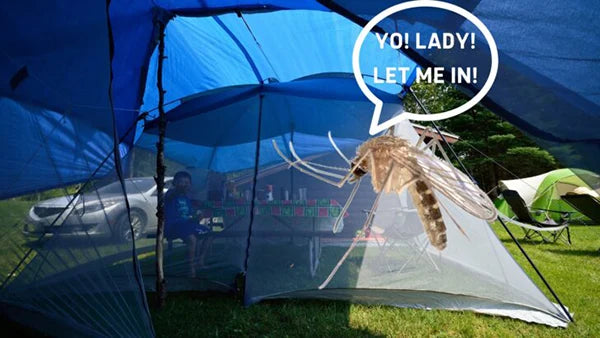
Use a Screen House or Bug Shelter
A portable screen shelter can completely transform camping comfort.
These enclosed structures provide:
-
Mosquito-free dining space
-
Protected social area
-
Safe cooking zone
-
Comfortable evening relaxation
Modern screen tents are lightweight, portable, and easy to set up.
Look for features such as:
-
Fine mesh walls
-
Reinforced zippers
-
Full floor coverage
-
Wind resistance
-
Waterproof roof panels
A high-quality screen house becomes the central “safe zone” of your campsite.
Seal Your Sleeping Area Properly
Even a single mosquito inside your tent can ruin an entire night.
To keep your sleeping area bug-free:
-
Always close tent doors immediately
-
Inspect mesh screens for holes
-
Use tents with high-quality no-see-um mesh
-
Avoid leaving lights on inside the tent with doors open
-
Shake out blankets and clothing before bedtime
Mosquitoes are attracted to light and body heat, so minimizing tent exposure during dusk is critical.
Add Mosquito Netting for Extra Protection
Mosquito netting remains one of the most reliable camping solutions worldwide.
Options include:
-
Hammock mosquito nets
-
Bed canopy nets
-
Head nets
-
Full tent net systems
-
Pop-up bug shelters
Fine mesh netting creates a physical barrier without relying on chemicals.
For backpackers and minimalist campers, a lightweight mosquito net can provide excellent protection with very little added weight.
Create a Bug-Free Eating Zone
Mosquitoes become especially frustrating during meals.
To create a comfortable outdoor dining setup:
-
Place your cooking area inside a screened shelter
-
Use tabletop mosquito repellents
-
Keep food covered
-
Remove trash immediately
-
Avoid sugary drink spills
A designated bug-protected eating zone can dramatically improve the overall camping experience.
Use Ground Tarps Carefully
Ground tarps can trap moisture underneath, especially after rain.
Excess moisture increases mosquito activity.
To reduce problems:
-
Use breathable setups when possible
-
Avoid oversized tarps collecting water
-
Dry tarps daily
-
Maintain airflow under equipment
Moisture control is a major part of mosquito prevention.
Strategy #3: Use Multiple Mosquito Repellent Methods Together
One of the biggest mistakes campers make is depending on a single mosquito repellent.
The most effective outdoor mosquito barrier uses multiple repellent technologies at the same time.
This layered approach targets mosquitoes from different angles.
Use Personal Mosquito Repellent Sprays
Personal bug sprays remain one of the most common camping tools.
Popular active ingredients include:
-
DEET
-
Picaridin
-
Oil of Lemon Eucalyptus (OLE)
Each option has strengths depending on your camping style.
DEET
DEET is highly effective and widely used in areas with heavy mosquito populations.
Advantages:
-
Long-lasting protection
-
Excellent effectiveness
-
Strong performance in humid conditions
Potential drawbacks:
-
Strong smell
-
Can damage certain plastics and synthetic materials
-
Some users dislike the skin feel
Picaridin
Picaridin has become increasingly popular among campers.
Advantages:
-
Low odor
-
Comfortable on skin
-
Doesn’t damage gear materials
-
Effective against mosquitoes and ticks
Many campers prefer picaridin for family camping trips and multi-day outdoor use.
Oil of Lemon Eucalyptus (OLE)
OLE-based repellents offer a plant-based alternative.
Advantages:
-
Botanical origin
-
Fresh scent
-
Effective short-term protection
Drawbacks:
-
Usually shorter duration than DEET or picaridin
-
May require frequent reapplication
For best results, always follow product instructions carefully.
Combine Wearable and Area Repellents
Area repellents help create a mosquito-free zone around your campsite.
Popular options include:
-
Portable mosquito repellers
-
Thermally activated repellent devices
-
Mosquito coils
-
Citronella systems
-
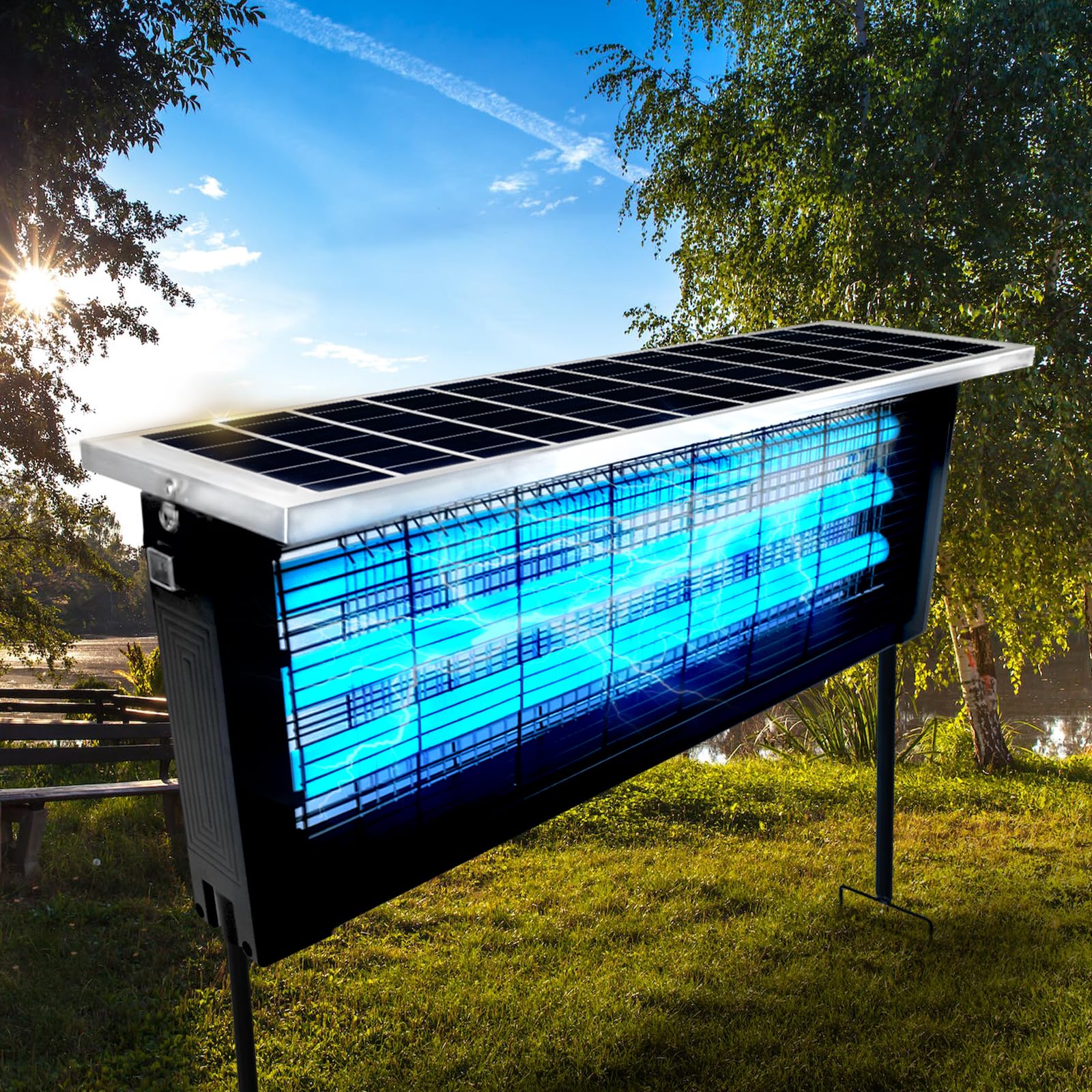
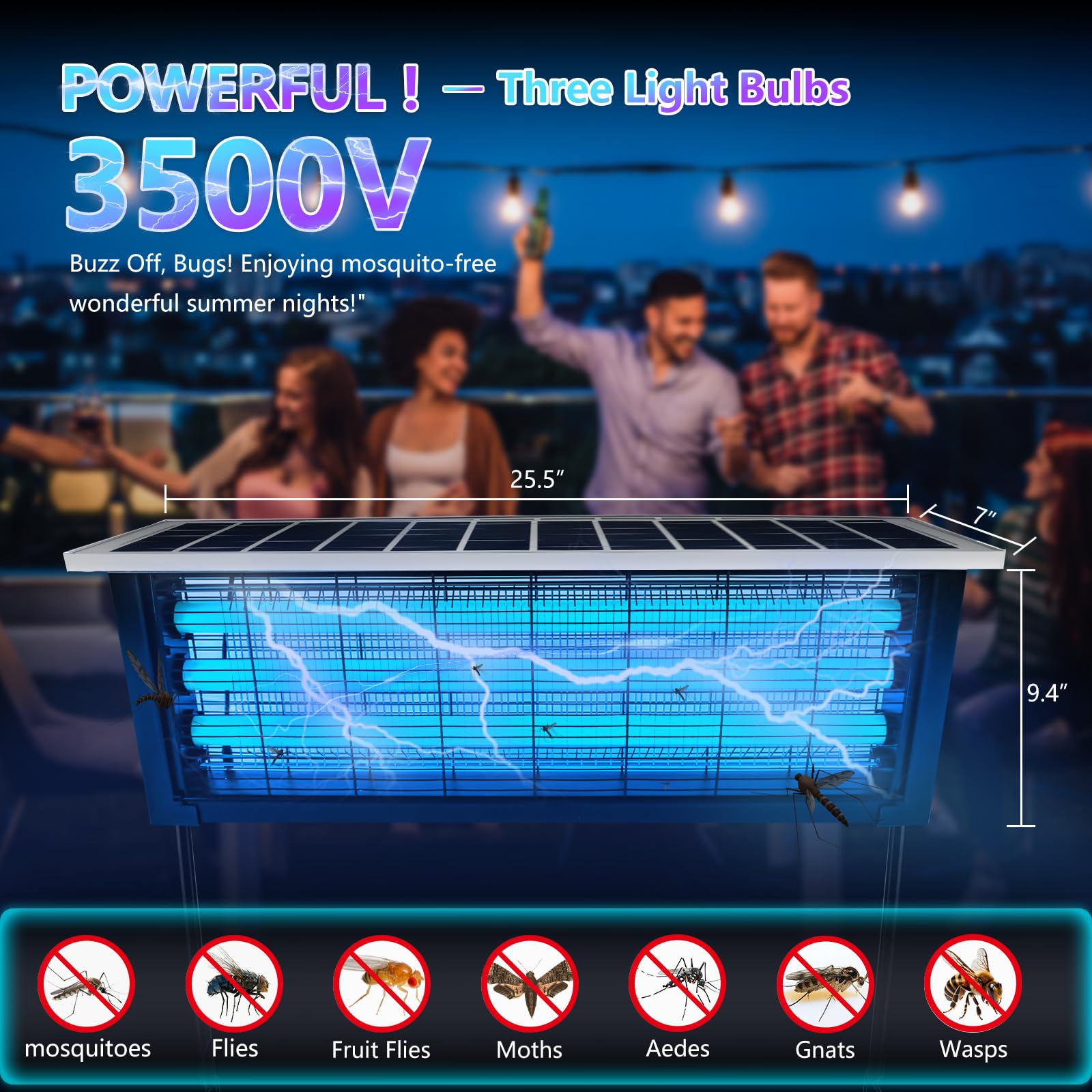
Rechargeable mosquito-defense units
These devices work best in semi-enclosed or low-wind environments.
Instead of relying on direct skin application alone, area repellents reduce overall mosquito presence around camp chairs, tables, and tents.
Use Mosquito Coils Safely
Mosquito coils remain common at campgrounds worldwide.
When used properly, they can reduce mosquito activity around:
-
Picnic tables
-
Seating areas
-
Cooking zones
However, campers should:
-
Keep coils away from tents
-
Avoid enclosed ventilation-poor spaces
-
Place coils on fire-safe surfaces
-
Follow campground fire regulations
Safety always comes first.
Apply Repellent Correctly
Even effective products fail when applied incorrectly.
Common mistakes include:
-
Missing ankles and feet
-
Forgetting behind knees
-
Applying too lightly
-
Skipping reapplication after sweating
-
Ignoring exposed neck and ears
Mosquitoes often target overlooked areas.
Consistent application matters.
Protect Children Carefully
Families camping with children should choose mosquito solutions appropriate for age and skin sensitivity.
Helpful strategies include:
-
Lightweight long sleeves
-
Mosquito net strollers
-
Bug-proof sleeping spaces
-
Child-safe repellents
-
Fan-assisted airflow
Children are often more sensitive to bites and discomfort, making layered protection especially important.
Strategy #4: Wear Clothing Designed for Mosquito Defense
Your clothing acts as another major layer in a complete outdoor mosquito barrier.
The right apparel can dramatically reduce bites.
Wear Long Sleeves and Long Pants
Covering exposed skin is one of the simplest and most effective mosquito defenses.
Lightweight long-sleeve clothing helps protect:
-
Arms
-
Legs
-
Ankles
-
Neck
Modern outdoor fabrics are breathable enough for warm-weather camping while still providing excellent protection.
Choose Light-Colored Clothing
Mosquitoes are often more attracted to dark colors.
Dark clothing absorbs heat and may make you easier for mosquitoes to detect.
Better camping choices include:
-
Khaki
-
Light gray
-
Beige
-
White
-
Pale green
These colors also stay cooler in direct sunlight.
Avoid Tight-Fitting Fabric
Mosquitoes can bite through tight clothing.
Loose-fitting garments create more distance between skin and fabric.
Ideal camping apparel includes:
-
Loose hiking pants
-
Relaxed long sleeves
-
Ventilated outdoor shirts
-
Breathable camping layers
Use Insect-Repellent Clothing
Some outdoor clothing is specially treated for insect resistance.
These garments can help reduce bites during:
-
Hiking
-
Fishing
-
Backpacking
-
Hunting
-
Evening camp activities
Treated gear often includes:
-
Socks
-
Hats
-
Jackets
-
Pants
-
Gaiters
For high-mosquito environments, insect-resistant clothing can provide major comfort improvements.
Don’t Forget Socks and Footwear
Ankles and feet are mosquito favorites.
Protect lower legs by using:
-
High socks
-
Closed-toe shoes
-
Lightweight hiking boots
-
Bug-resistant gaiters
Sandals may feel comfortable but leave skin exposed.
Use Head Nets in Extreme Conditions
In heavily infested areas, head nets can be game-changing.
While they may look excessive, they provide excellent protection during:
-
Fishing trips
-
Wetland camping
-
Deep forest hiking
-
Arctic mosquito season
-
Swamp exploration
Ultralight head nets are easy to pack and surprisingly effective.
Strategy #5: Use Airflow, Timing, and Smart Camp Habits
The final layer of a 360-degree mosquito barrier involves behavioral strategies.
Small camping habits can make a huge difference.
Use Portable Camping Fans
Mosquitoes struggle in moving air.
Portable camping fans provide several advantages:
-
Reduced mosquito activity
-
Improved sleeping comfort
-
Better airflow inside tents
-
Cooler temperatures during humid nights
Battery-powered or rechargeable fans work especially well in enclosed shelters and tents.
Some campers strategically place fans around seating areas to create airflow barriers.
Minimize Activity During Peak Mosquito Hours
Mosquitoes are most aggressive:
-
Around sunrise
-
Around sunset
-
During calm evenings
-
After rainfall
Planning activities strategically can reduce exposure.
For example:
-
Cook dinner before dusk
-
Prepare tents early
-
Finish hikes before evening mosquito surges
-
Use screened shelters after sunset
Timing matters.
Reduce Scent Attractants
Mosquitoes are attracted to certain human scents.
Strong fragrances may increase mosquito attention.
Avoid heavily scented:
-
Lotions
-
Perfumes
-
Body sprays
-
Hair products
Sweat also attracts mosquitoes.
Changing into dry clothing after hiking can help reduce attraction.
Control Campfire Smoke Carefully
Campfire smoke may temporarily discourage mosquitoes.
However, smoke alone is not a reliable mosquito-control method.
Some campers combine campfires with:
-
Fans
-
Screen shelters
-
Area repellents
-
Protective clothing
For a more complete defense system.
Always follow campground fire rules and local safety regulations.
Keep Tent Entry Fast and Organized
Every second your tent stays open creates an opportunity for mosquitoes to enter.
Helpful habits include:
-
Organizing gear outside first
-
Entering and exiting quickly
-
Closing zippers immediately
-
Using vestibules when available
A bug-free tent creates a much better overnight experience.
Shower or Wipe Down Before Bed
Sweat and body odor attract mosquitoes.
Before sleeping:
-
Wipe off sweat
-
Change into clean clothes
-
Use fresh sleeping garments
This simple step can help reduce nighttime mosquito activity.
How to Combine All 5 Strategies Into One Complete Mosquito Barrier
The real secret to successful mosquito prevention is combining all five strategies together.
Instead of depending on one product, experienced campers build overlapping layers of protection.
A strong mosquito-defense setup may include:
-
Smart campsite placement
-
Screened shelter zones
-
Tent mesh protection
-
Wearable repellents
-
Area repellents
-
Long protective clothing
-
Portable airflow systems
-
Smart evening routines
Each layer strengthens the others.
This approach creates a true 360-degree outdoor mosquito barrier.
Sample Mosquito-Proof Camping Setup
Here’s an example of how experienced campers create a low-mosquito campsite.
Campsite Layout
-
Elevated campsite with airflow
-
Away from stagnant water
-
Moderate sunlight exposure
Central Safe Zone
-
Screen house over picnic table
-
Portable fan inside shelter
-
Area mosquito repellent active nearby
Sleeping Area
-
High-quality mesh tent
-
Doors closed immediately after entry
-
Fan inside tent
-
Minimal lighting exposure at dusk
Personal Protection
-
Long-sleeve lightweight clothing
-
Treated hiking socks
-
Picaridin spray on exposed skin
-
Head net available if conditions worsen
Evening Routine
-
Dinner before sunset peak
-
Trash sealed immediately
-
Campfire managed safely
-
Gear dried overnight
This layered system dramatically reduces mosquito problems without ruining the camping experience.
Common Mosquito-Control Mistakes Campers Make
Even experienced campers sometimes overlook critical details.
Relying on One Repellent Only
No single product works perfectly in every condition.
Layered protection always performs better.
Leaving Tent Doors Open
One careless moment can allow multiple mosquitoes inside.
Tent discipline matters.
Wearing Shorts at Dusk
Evening is prime mosquito time.
Protective clothing becomes especially important after sunset.
Ignoring Moisture Around Camp
Wet gear and standing water increase mosquito activity.
Dry campsites are better campsites.
Forgetting Reapplication
Sweat, swimming, and rain reduce repellent effectiveness.
Always reapply when necessary.
Best Environments for a Full Mosquito Barrier System
A complete mosquito defense system is especially valuable in:
-
Lakeside campgrounds
-
Forest campsites
-
Humid summer environments
-
Wetland regions
-
Coastal marshes
-
River valleys
-
Tropical camping areas
-
Rainy-season destinations
In these environments, layered mosquito protection can completely change the outdoor experience.
Final Thoughts
Camping should be relaxing, adventurous, and enjoyable — not a nonstop battle against mosquitoes.
The most effective outdoor mosquito control strategy is not about finding one “magic” product. It’s about combining multiple smart techniques into a complete protection system.
By:
-
Choosing the right campsite
-
Building physical mosquito barriers
-
Using layered repellents
-
Wearing protective clothing
-
Improving airflow and camp habits
you can create a true 360-degree outdoor mosquito barrier that keeps your campsite far more comfortable.
Whether you’re planning a weekend family camping trip, a remote backpacking adventure, an RV road trip, or an extended wilderness expedition, these mosquito-control strategies can help you spend less time swatting bugs and more time enjoying nature.
The outdoors always comes with challenges, but mosquitoes don’t have to control your camping experience.
With the right setup, preparation, and layered defense system, you can enjoy peaceful evenings, better sleep, more comfortable meals, and a dramatically improved camping adventure — even during peak mosquito season.