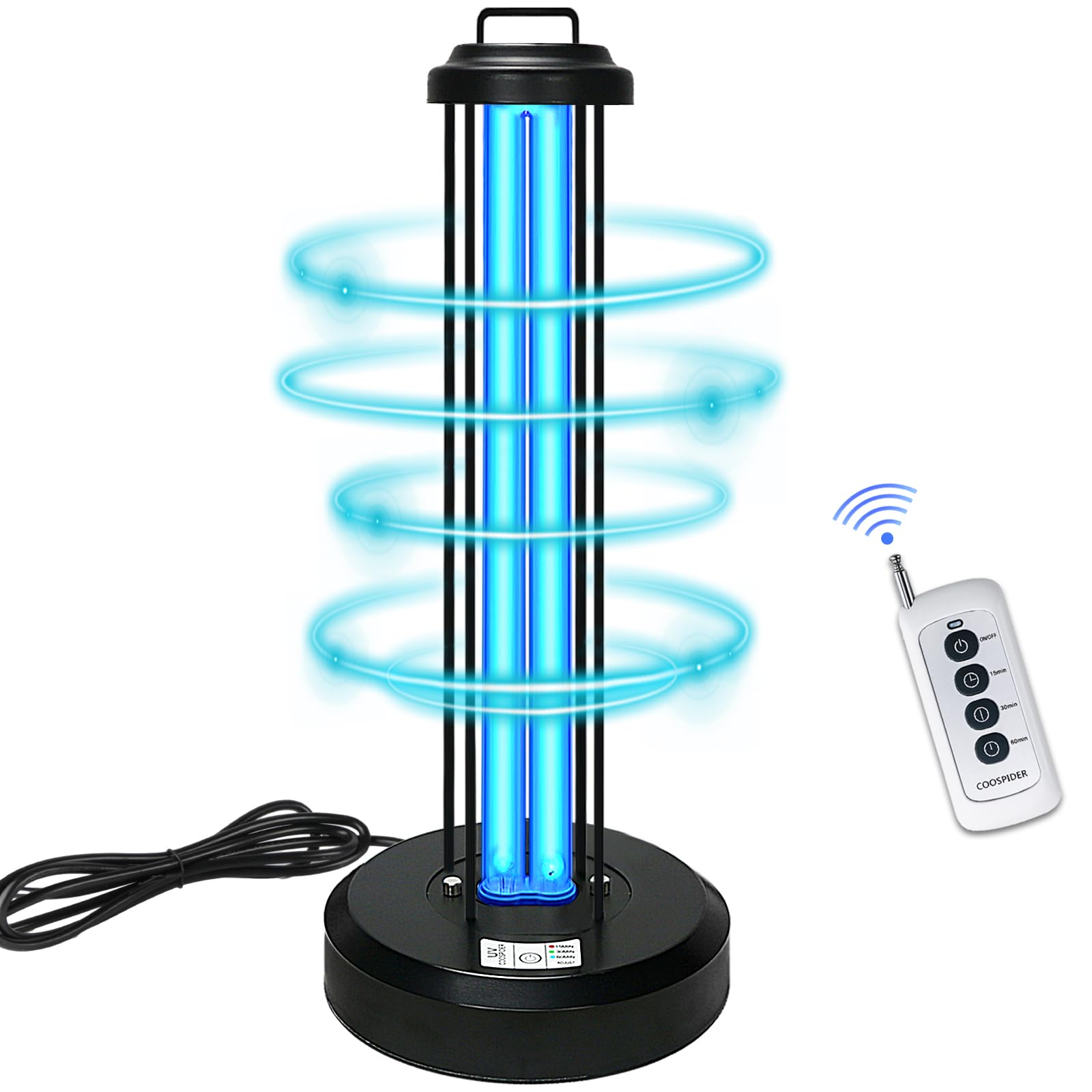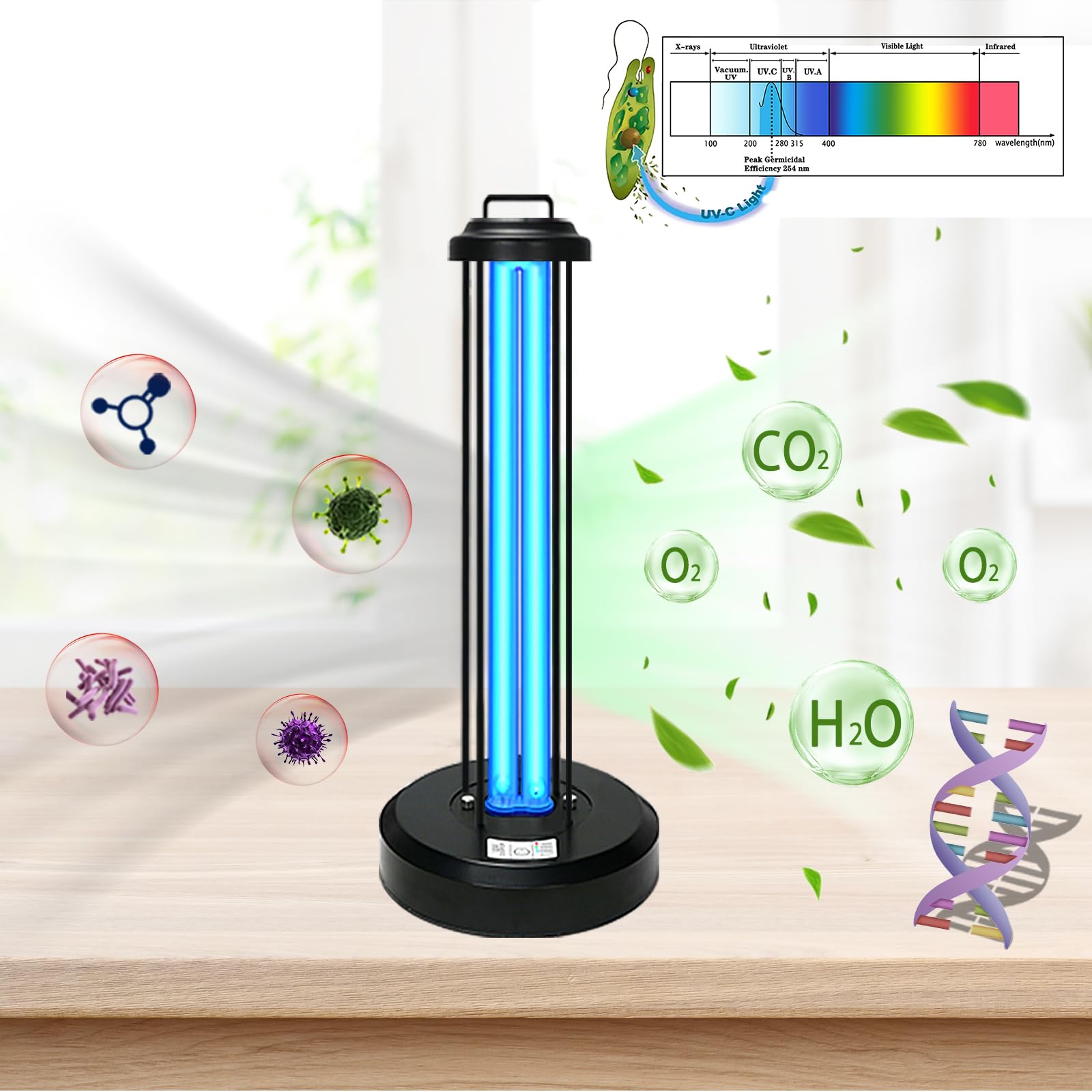
In today’s fast-moving manufacturing world, industrial printing is no longer just about applying ink to a surface. It is about achieving higher production speeds, stronger durability, sharper image quality, and consistent performance across thousands or even millions of printed products.
From packaging materials and electronic components to automotive parts, labels, glass products, plastic panels, and decorative surfaces, industrial ink printing has become a critical part of modern manufacturing. Behind many of these high-performance printing processes, one technology plays a surprisingly important role: the UV lamp.
UV lamps are often considered a hidden component inside industrial printing systems, but their impact is significant. They are responsible for transforming liquid UV ink into a solid, durable coating within seconds. Without efficient UV curing technology, many advanced printing applications would struggle to meet today’s demanding requirements for speed, quality, and reliability.
So, what exactly does a UV lamp do in industrial ink printing? Why has this technology become so important? How does it improve production efficiency and product quality?
This guide will explain the core role of UV lamps in industrial ink printing and why choosing the right UV curing solution can make a major difference for manufacturers.
1. Understanding the Relationship Between UV Lamps and Industrial Ink Printing
To understand the importance of UV lamps, it is necessary to first understand how UV printing works.
Traditional printing methods often rely on heat or air drying to remove solvents from ink. This process can take significant time and may require large drying areas or additional equipment. In contrast, UV printing uses specially formulated UV-sensitive inks that cure when exposed to ultraviolet light.
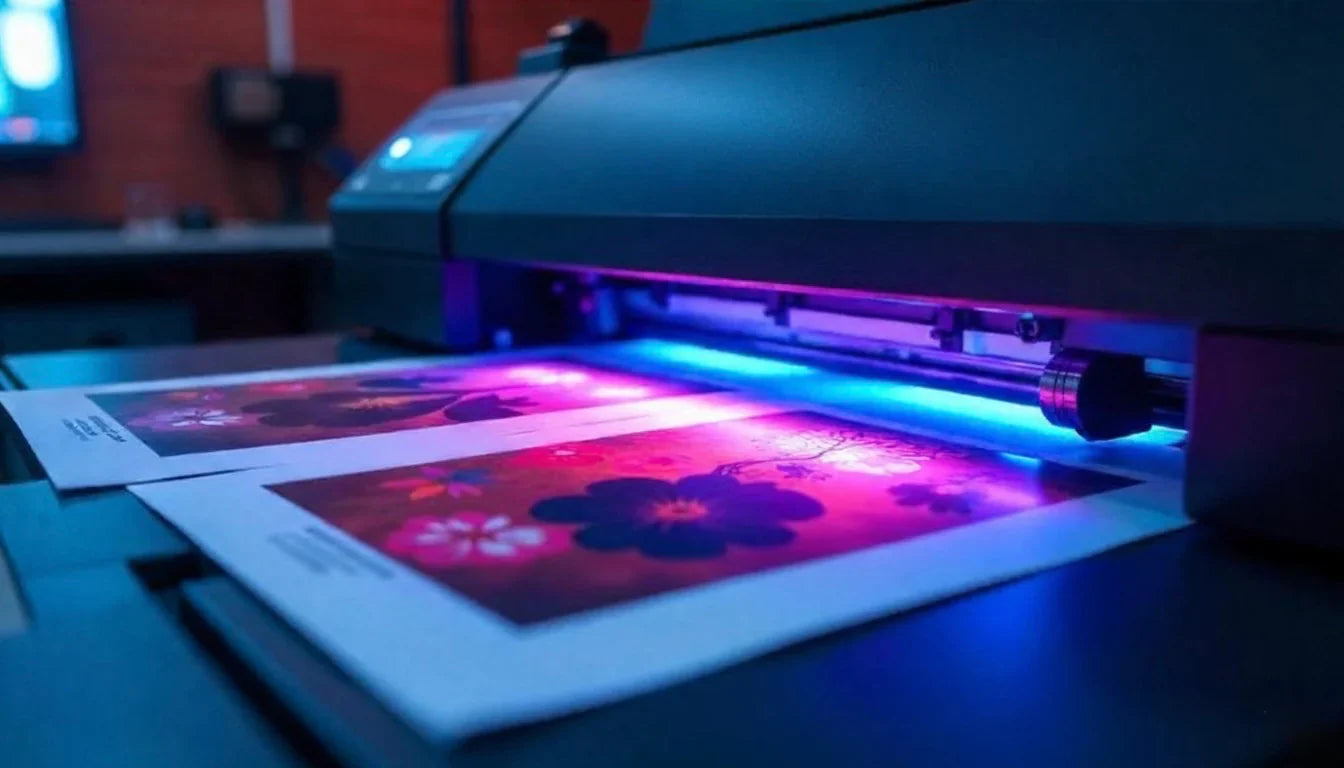
During the printing process, the ink is applied onto the surface of a product. The UV lamp then emits ultraviolet energy at a specific wavelength, activating photoinitiators inside the ink. These photoinitiators trigger a chemical reaction that quickly converts the liquid ink into a solid polymer coating.
This curing process happens almost instantly.
The basic process can be summarized as:
Printing → UV exposure → Chemical reaction → Instant curing → Finished product
The UV lamp is the key energy source that makes this transformation possible.
Without proper UV energy, the ink may remain partially liquid, resulting in poor adhesion, surface defects, reduced durability, and production problems.
2. The Core Function of UV Lamps: Fast and Efficient Ink Curing
The primary role of a UV lamp in industrial ink printing is curing.
Curing is different from simple drying.
Drying usually means removing moisture or solvents from a material. Curing means creating a chemical reaction that changes the structure of the material itself.
In UV printing, the lamp does not simply “dry” the ink. Instead, it initiates polymerization, creating a strong molecular bond that forms a durable printed layer.
This difference provides several major advantages.
2.1 Instant Production Speed
One of the biggest advantages of UV curing technology is speed.
In traditional printing systems, manufacturers often need to wait for ink to dry before moving products to the next production stage. This waiting time can slow down manufacturing lines and increase operating costs.
UV lamps eliminate this delay.
Once exposed to UV light, the ink can become fully cured almost immediately. This allows manufacturers to:
- Increase production speed
- Reduce waiting time between processes
- Improve automation efficiency
- Increase overall factory output
For high-volume industrial production, even a few seconds saved per product can create significant economic benefits.
2.2 Improved Print Quality and Precision
Industrial customers demand more than fast printing. They also require excellent appearance and consistency.
UV lamps help achieve higher print quality by ensuring that ink remains exactly where it is applied.
Because UV ink cures immediately, there is less chance of:
- Ink spreading
- Color mixing
- Surface contamination
- Image distortion
- Edge bleeding
This is especially important for industries that require precise graphics, fine details, or complex patterns.
For example:
- Electronics manufacturers need accurate markings on small components.
- Packaging companies require sharp logos and vibrant colors.
- Automotive suppliers need durable decorative finishes.
In all these applications, stable UV curing plays a critical role.
3. Why UV Lamps Are Critical in Industrial Manufacturing Applications
Industrial ink printing is used across many industries, and each application has unique requirements. UV lamps provide the flexibility and performance needed for these demanding environments.


3.1 Packaging Industry
The packaging industry is one of the largest users of UV printing technology.
Modern brands require packaging that is attractive, durable, and produced quickly. UV printing allows manufacturers to create:
- High-resolution graphics
- Glossy finishes
- Special textures
- Metallic effects
- Scratch-resistant coatings
UV lamps ensure that printed packaging can move rapidly through production lines without smudging or damage.
For food packaging, cosmetics, pharmaceutical products, and luxury goods, consistent UV curing quality is essential for maintaining brand appearance.
3.2 Electronics Manufacturing
Electronics production requires extremely precise printing solutions.
Manufacturers often use industrial printing to apply:
- Identification codes
- Protective coatings
- Decorative patterns
- Circuit-related markings
Because electronic components are sensitive, the curing process must be fast and controlled.
UV lamps provide targeted curing without excessive heat, helping protect delicate materials during production.
3.3 Automotive Applications
The automotive industry uses UV printing for both functional and decorative purposes.
Examples include:
- Interior panels
- Control buttons
- Dashboard components
- Exterior decorative parts
- Custom finishes
Automotive components must withstand:
- Temperature changes
- Mechanical wear
- Chemical exposure
- Long-term outdoor conditions
A properly cured UV ink layer provides excellent resistance and durability.
4. How UV Lamps Work Inside an Industrial Printing System
Although UV lamps may look like simple lighting components, their operation involves advanced engineering. The performance of a UV curing system depends on several factors, including wavelength output, energy intensity, heat control, lamp design, and compatibility with the printing process.
A typical industrial UV curing system includes:
- UV lamp source
- Reflector system
- Cooling mechanism
- Power supply
- Control system
- Printing equipment integration
Each part works together to ensure that the ink receives the correct amount of ultraviolet energy.
4.1 The Science Behind UV Ink Curing
UV ink contains special chemical components called photoinitiators. These materials respond when exposed to ultraviolet radiation.
When the UV lamp emits energy, photoinitiators absorb the light and generate reactive particles. These particles start a chain reaction that links ink molecules together, creating a hardened polymer structure.
This reaction provides several benefits:
- Strong adhesion to different materials
- Excellent resistance to scratching
- Better chemical resistance
- Stable color performance
- Long-lasting surface protection
The efficiency of this process depends heavily on the UV lamp’s ability to deliver consistent and appropriate energy.
If the lamp output is too weak, the ink may not cure completely.
If the energy is excessive, it may cause unnecessary heat, surface damage, or material deformation.
Therefore, selecting the correct UV curing system is essential for maintaining production quality.
5. Different Types of UV Lamps Used in Industrial Ink Printing
Industrial printing applications use different types of UV lamps depending on production requirements.
Understanding the differences helps manufacturers choose the most suitable curing solution.
5.1 Mercury UV Lamps
Mercury UV lamps have been widely used in industrial curing applications for decades.
They generate strong ultraviolet output across multiple wavelengths, making them suitable for many traditional UV inks.
Advantages include:
- High curing intensity
- Reliable performance
- Compatibility with many existing printing systems
- Strong penetration ability
Common applications include:
- Offset printing
- Screen printing
- Industrial coating
- Label printing
However, mercury lamps also have limitations:
- Higher energy consumption
- Heat generation
- Longer warm-up time
- Lamp replacement requirements
For industries with established equipment, mercury UV lamps remain a practical solution.
5.2 UV LED Curing Lamps
UV LED technology has become increasingly popular in modern industrial printing.
Unlike traditional lamps, UV LEDs use semiconductor technology to produce ultraviolet light.
Major advantages include:
Lower Energy Consumption
UV LED lamps convert electrical energy into UV output more efficiently, helping manufacturers reduce operating costs.
Longer Service Life
UV LED systems typically have a much longer lifespan compared with conventional UV lamps.
This reduces:
- Maintenance frequency
- Production interruptions
- Replacement costs
Lower Heat Output
Because UV LEDs generate less infrared radiation, they produce less heat.
This makes them suitable for printing on heat-sensitive materials such as:
- Plastic films
- Thin packaging materials
- Electronic components
Instant On/Off Operation
UV LED lamps do not require warm-up time.
Manufacturers can turn systems on immediately when needed, improving production flexibility.
6. Key Factors That Determine UV Lamp Performance
Not every UV lamp delivers the same results. Several technical factors influence curing quality.
6.1 UV Wavelength Selection
UV light is divided into different wavelength ranges.
Different UV inks require different wavelengths to activate their photoinitiators effectively.
Common UV curing ranges include:
- UVA
- UVB
- UVC
Most industrial ink curing applications rely heavily on UVA wavelengths because they provide effective curing while reducing excessive surface damage.
Choosing the correct wavelength ensures:
- Complete curing
- Strong adhesion
- Better product appearance
- Reduced production defects
6.2 UV Intensity
UV intensity refers to the amount of ultraviolet energy delivered to the ink surface.
Higher intensity can improve curing speed, but excessive intensity may create problems.
Manufacturers must balance:
- Printing speed
- Ink thickness
- Material characteristics
- Required curing depth
A professional UV curing system is designed to maintain stable energy output throughout production.
6.3 Exposure Time
The amount of time ink is exposed to UV light directly affects curing results.
Factors influencing exposure time include:
- Conveyor speed
- Lamp distance
- Ink formulation
- Printing thickness
For high-speed production lines, UV lamps must provide enough energy within a very short exposure period.
6.4 Temperature Management
Heat management is one of the most important considerations in industrial UV curing.
Traditional UV lamps can generate significant heat, which may affect sensitive materials.
Effective cooling systems help maintain:
- Stable production conditions
- Equipment reliability
- Material quality
Modern UV systems often use:
- Air cooling
- Water cooling
- Advanced heat dissipation designs
7. How UV Lamps Improve Manufacturing Efficiency
In competitive manufacturing environments, efficiency determines profitability.
UV curing technology improves production performance in several important ways.
7.1 Reduced Production Downtime
A reliable UV lamp system reduces interruptions caused by:
- Slow drying processes
- Ink quality problems
- Frequent maintenance
- Production delays
With stable curing performance, factories can maintain continuous operation.
7.2 Faster Processing Speeds
Because UV-cured ink becomes solid almost instantly, manufacturers can operate faster production lines.
This allows companies to:
- Increase output capacity
- Complete larger orders
- Improve delivery schedules
- Reduce manufacturing bottlenecks
7.3 Less Material Waste
Incomplete curing can lead to defective products.
Common defects include:
- Ink peeling
- Surface scratches
- Poor adhesion
- Color inconsistency
A high-quality UV lamp ensures better curing results and reduces rejected products.
Lower waste means:
- Lower material costs
- Better environmental performance
- Higher production efficiency
8. Common Problems Caused by Poor UV Lamp Performance
Although UV curing technology is highly effective, poor lamp selection or maintenance can create production issues.
8.1 Incomplete Ink Curing
When UV energy is insufficient, ink may remain partially liquid.
Possible consequences include:
- Sticky surfaces
- Poor durability
- Reduced adhesion
- Product returns
Solutions may include:
- Replacing aging lamps
- Adjusting exposure settings
- Checking UV intensity
- Using compatible ink formulations
8.2 Uneven Curing
Uneven UV distribution can cause inconsistent product quality.
Possible causes include:
- Damaged reflectors
- Incorrect lamp positioning
- Uneven energy output
- Contaminated lamp surfaces
Regular inspection helps maintain consistent curing performance.
8.3 Excessive Heat Generation
Too much heat can damage sensitive substrates.
Manufacturers should consider:
- Proper cooling systems
- Correct lamp selection
- Optimized curing distance
- Temperature monitoring
9. Choosing the Right UV Lamp for Industrial Ink Printing
Selecting the correct UV lamp requires understanding both production requirements and equipment conditions.
Manufacturers should consider the following factors.
9.1 Printing Material Compatibility
Different materials respond differently to UV exposure.
Common substrates include:
- Paper
- Plastic
- Glass
- Metal
- Wood
- Electronic components
The UV system must provide enough curing power without damaging the substrate.
9.2 Production Speed Requirements
High-speed production lines require powerful and stable UV output.
Before selecting a lamp, manufacturers should evaluate:
- Conveyor speed
- Printing volume
- Ink thickness
- Required curing speed
A system designed for small-batch printing may not meet industrial mass-production demands.
9.3 Ink Type Compatibility
Different UV inks have different curing requirements.
Manufacturers should confirm compatibility between:
- Ink formulation
- UV wavelength
- Lamp intensity
- Printing equipment
A mismatch can result in poor curing performance.
9.4 Maintenance and Operating Costs
The initial purchase price is only one part of the total cost.
Companies should also consider:
- Energy consumption
- Replacement frequency
- Maintenance requirements
- Downtime risks
A slightly higher-quality UV lamp may provide better long-term value through improved reliability and lower operating expenses.
10. Proper Maintenance of UV Lamps for Long-Term Performance
A UV curing system is a critical investment in industrial printing operations. Like any industrial equipment, UV lamps require proper maintenance to maintain stable performance and extend service life.
Even a high-quality UV lamp can experience reduced efficiency if it is not properly maintained.
Regular maintenance helps manufacturers avoid:
- Unexpected production interruptions
- Poor printing quality
- Increased energy consumption
- Premature equipment replacement
Below are some essential maintenance practices for industrial UV lamps.
10.1 Regular Cleaning of the Lamp Surface and Reflectors
Dust, ink mist, and manufacturing particles can accumulate on UV lamp surfaces and reflectors over time.
Contamination can reduce UV transmission efficiency and weaken curing performance.
When reflectors become dirty, less ultraviolet energy reaches the printed material. This can result in:
- Slower curing speeds
- Incomplete curing
- Uneven surface quality
Manufacturers should establish routine cleaning schedules based on:
- Production environment
- Printing volume
- Material type
- Operating hours
Keeping the optical system clean ensures maximum UV energy delivery.
10.2 Monitoring UV Output Performance
UV lamps gradually lose intensity during operation.
Although a lamp may still produce visible light, its ultraviolet output can decrease significantly after extended use.
For industrial applications, relying only on operating time is not enough. Manufacturers should monitor actual UV performance through:
- UV intensity measurements
- Energy monitoring systems
- Regular equipment inspections
This helps determine when maintenance or replacement is necessary.
10.3 Maintaining Proper Cooling Systems
Heat management directly affects UV lamp performance.
If cooling systems fail, excessive heat can shorten lamp life and damage printing materials.
Cooling components should be checked regularly, including:
- Fans
- Air filters
- Cooling channels
- Water circulation systems
Stable temperature control improves both equipment reliability and printing consistency.
11. The Environmental Advantages of Modern UV Curing Technology
As industries worldwide focus more on sustainability, UV curing technology has become increasingly attractive.
Compared with traditional solvent-based drying systems, UV printing offers several environmental advantages.
11.1 Reduced VOC Emissions
Traditional inks often release volatile organic compounds (VOCs) during drying.
UV inks cure through a chemical reaction rather than solvent evaporation, which significantly reduces emissions.
Benefits include:
- Cleaner factory environments
- Improved workplace safety
- Reduced environmental impact
- Easier compliance with regulations
For manufacturers seeking greener production methods, UV curing provides an effective solution.
11.2 Lower Energy Consumption with Advanced UV LED Systems
Energy efficiency has become a major consideration in manufacturing.
Modern UV LED curing systems consume less power compared with many conventional curing technologies.
Lower energy consumption helps companies:
- Reduce electricity costs
- Improve production sustainability
- Lower overall operating expenses
As energy prices continue to influence manufacturing decisions, efficient curing solutions are becoming increasingly valuable.
12. The Future Development of UV Lamps in Industrial Printing
The industrial printing industry continues to evolve, and UV curing technology is advancing alongside it.
Future UV lamp development is expected to focus on several key areas.
12.1 Higher Energy Efficiency
Manufacturers are demanding systems that deliver stronger curing performance while using less energy.
Future UV lamps will likely continue improving:
- Electrical efficiency
- Heat management
- Light output stability
- Operating lifespan
These improvements will help factories achieve higher productivity with lower operating costs.
12.2 Smarter UV Curing Systems
Automation and digital manufacturing are transforming industrial production.
Future UV curing systems will increasingly include intelligent features such as:
- Real-time UV intensity monitoring
- Automatic power adjustment
- Predictive maintenance alerts
- Integration with factory control systems
Smart UV technology allows manufacturers to maintain consistent quality while reducing manual monitoring.
12.3 More Flexible Printing Applications
As new materials enter the market, UV curing technology must adapt.
Future applications may include printing on:
- Advanced composite materials
- Flexible electronics
- Sustainable packaging
- Specialty industrial products
UV lamps with adjustable wavelengths and improved control systems will support more diverse manufacturing needs.
13. Why UV Lamps Are the Hidden Power Behind Industrial Printing Success
When people look at a finished printed product, they usually notice the design, color, and appearance.
They rarely see the technology responsible for making that result possible.
Behind every high-quality UV printed product is a carefully controlled curing process.
The UV lamp may be a small component inside a large printing system, but its influence is enormous.
It determines:
- How quickly products can be manufactured
- How durable the printed surface becomes
- How consistent the final appearance is
- How efficiently factories operate
Without reliable UV curing technology, many modern industrial printing applications would not be possible.
From packaging and electronics to automotive components and decorative products, UV lamps have become a fundamental part of advanced manufacturing.
14. Final Thoughts: Choosing the Right UV Lamp Matters
Industrial ink printing is becoming faster, more precise, and more demanding than ever before.
Manufacturers need solutions that can deliver:
- High-speed curing
- Stable performance
- Excellent print quality
- Lower operating costs
- Long-term reliability
A well-designed UV curing system provides the foundation for achieving these goals.
Whether using traditional mercury UV lamps or advanced UV LED curing technology, selecting the right solution requires careful consideration of printing requirements, materials, ink types, and production conditions.
For companies investing in industrial printing equipment, the UV lamp should not be viewed as a simple accessory. It is a core technology that directly affects productivity, quality, and competitiveness.
As industrial manufacturing continues moving toward automation, efficiency, and sustainability, UV curing lamps will remain an essential technology powering the next generation of printing solutions.