For centuries, manufacturers relied on one simple principle to finish products: apply a coating, paint, ink, adhesive, or protective layer, then wait for it to dry. Natural drying was once considered the standard approach across countless industries. Whether it was furniture finishing, printing, automotive coatings, electronics manufacturing, or industrial decoration, time was the invisible ingredient that completed the production process.
However, as global manufacturing continues to move toward higher efficiency, better quality control, and more sustainable production methods, traditional air drying is gradually losing its position. The modern industrial world no longer has the patience to wait hours or even days for materials to naturally cure.
This shift has led to the rapid adoption of UV curing technology, a revolutionary manufacturing process that uses ultraviolet light energy to instantly transform liquid materials into durable solid surfaces. From factory production lines to advanced electronics assembly, UV curing has become a symbol of speed, precision, and innovation.
The question is no longer whether manufacturers should upgrade from natural drying methods, but rather how quickly they can integrate UV curing solutions into their production systems.
So why are modern industries saying goodbye to natural drying? What makes UV curing technology such a powerful alternative? Let’s explore the reasons behind this major manufacturing transformation.
Understanding the Difference Between Drying and Curing
Before understanding why UV curing has become popular, it is important to distinguish between drying and curing.
Although these terms are often used interchangeably, they represent completely different processes.
Traditional drying usually means that solvents or moisture evaporate from a material. For example, when paint is exposed to air, the liquid components slowly disappear, leaving behind a hardened surface. This process depends heavily on environmental factors such as temperature, humidity, ventilation, and airflow.
Natural drying can be unpredictable. A coating may dry faster on a warm, dry day but take much longer in a cold or humid environment. In large-scale manufacturing, this uncertainty creates major challenges.
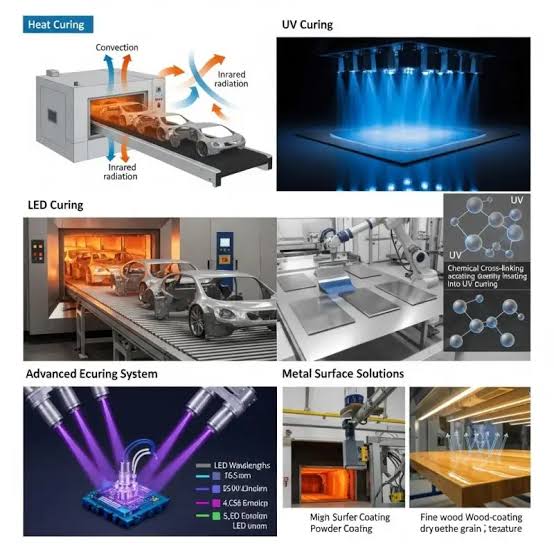
Curing, on the other hand, involves a chemical reaction that changes the structure of a material. UV curing uses ultraviolet light to activate special photoinitiators inside coatings, inks, or adhesives. Once exposed to UV energy, these materials rapidly undergo polymerization, transforming from a liquid state into a solid, high-performance finish.
This difference explains why UV curing delivers results that traditional drying simply cannot achieve.
Why Natural Drying No Longer Meets Modern Manufacturing Demands
1. Production Speed Has Become a Competitive Advantage
In today’s global market, manufacturing speed directly affects business competitiveness.
Traditional drying requires waiting periods that slow down production. A factory may need to allocate large spaces for drying areas, store unfinished products, and carefully control environmental conditions while waiting for materials to harden.
For industries producing thousands or millions of products, these delays create significant costs.
UV curing eliminates this waiting period.
Once exposed to ultraviolet light, many UV-curable materials can achieve full hardness within seconds. This allows manufacturers to move products immediately to the next production stage, dramatically improving workflow efficiency.
For example, in the printing industry, UV inks can be instantly cured after printing, allowing finished materials to be processed, packaged, or shipped without long waiting times. In furniture manufacturing, UV coatings enable faster finishing cycles and higher production capacity.
The ability to shorten production time is one of the biggest reasons manufacturers are replacing traditional drying systems.
2. Improved Product Quality and Consistency
One of the biggest weaknesses of natural drying is inconsistency.
Because air drying depends on external conditions, the final quality can vary from batch to batch. Changes in temperature, humidity, dust levels, and airflow can affect the appearance and performance of coatings.
Manufacturers today require precision and reliability. Customers expect products to look identical, perform consistently, and maintain quality throughout their lifespan.
UV curing provides a controlled manufacturing environment.
Because curing happens through carefully regulated ultraviolet energy, manufacturers can achieve:
- More uniform surface hardness
- Better coating adhesion
- Improved scratch resistance
- Enhanced chemical resistance
- More consistent appearance
This level of control is especially important in industries where surface quality directly affects brand reputation, such as luxury packaging, automotive components, consumer electronics, and premium furniture.
A perfectly cured surface is not only visually appealing but also offers stronger protection against daily wear and environmental damage.
3. Reduced Manufacturing Space Requirements
Traditional drying methods require large areas where products can remain untouched while waiting for coatings to dry.
For many factories, this creates a serious space challenge.
Manufacturing facilities are expensive investments, and every square foot must contribute to productivity. Large drying rooms, storage areas, and waiting zones reduce the efficiency of factory layouts.
UV curing systems require significantly less space because the curing process happens almost instantly.
A production line equipped with UV lamps or LED UV curing systems can integrate curing directly into the workflow. Products move continuously from one stage to another without the need for extended storage periods.
This allows manufacturers to:
- Increase production capacity
- Reduce factory footprint
- Optimize workflow design
- Lower facility costs
For companies operating in regions where industrial space is limited and expensive, UV curing provides a practical solution.
4. Lower Energy Consumption and Environmental Impact
Sustainability has become a major focus across global industries. Manufacturers are under increasing pressure to reduce emissions, minimize waste, and adopt cleaner technologies.
Traditional drying processes often require large amounts of energy, especially when manufacturers use heated air systems to accelerate evaporation. These systems consume significant electricity or fuel and may release volatile organic compounds (VOCs) into the environment.
UV curing technology offers a more environmentally friendly approach.
Many UV-curable materials contain little or no solvent, reducing VOC emissions. Additionally, modern UV LED curing systems consume less energy compared with conventional heating-based drying equipment.
The benefits include:
- Lower energy usage
- Reduced emissions
- Less chemical waste
- Cleaner workplace environments
As environmental regulations become stricter worldwide, UV curing is becoming an increasingly attractive choice for manufacturers seeking long-term sustainability.
5. Superior Durability Creates Longer-Lasting Products
Modern consumers expect products to maintain their appearance and performance for years. Whether it is a smartphone component, a wooden floor finish, a printed package, or an automotive interior part, durability has become a key factor in purchasing decisions.
Traditional drying methods often create coatings that remain vulnerable during the early stages after application. Even when a surface appears dry, the internal structure may not be fully hardened. This can lead to problems such as scratches, surface damage, poor chemical resistance, and premature aging.
UV curing changes this situation by creating a highly cross-linked polymer structure almost instantly.
This advanced curing process improves several important performance characteristics:
Enhanced Scratch Resistance
Products exposed to frequent contact require strong surface protection. UV-cured coatings provide excellent hardness, helping surfaces resist scratches caused by handling, transportation, and daily use.
This advantage is especially valuable in:
- Electronic device housings
- Luxury packaging
- Decorative panels
- Automotive interior components
- High-end furniture
Better Chemical Resistance
Industrial products often come into contact with cleaning agents, oils, moisture, and other chemicals. UV-cured surfaces generally offer stronger resistance compared with many traditionally dried coatings.
This makes them suitable for demanding environments where long-term reliability matters.
Improved Weather Resistance
Outdoor products face challenges from sunlight, temperature changes, rain, and humidity. UV-cured coatings can provide protective barriers that help maintain color stability and surface performance over extended periods.
For manufacturers, this means fewer customer complaints, longer product lifespans, and stronger brand value.
How UV Curing Technology Works
To understand why UV curing has transformed manufacturing, it helps to look at the science behind the process.
UV curing relies on specially formulated materials known as UV-curable coatings, inks, adhesives, or resins. These materials contain reactive components and photoinitiators.
When ultraviolet light reaches the material, the photoinitiators absorb the UV energy and trigger a rapid chemical reaction called polymerization.
During this reaction:
- UV energy activates the photoinitiators.
- Reactive molecules begin connecting with each other.
- A strong polymer network forms.
- The liquid material becomes a solid coating.
Unlike natural drying, which mainly removes solvents or moisture, UV curing changes the actual molecular structure of the material.
This is why UV-cured products often demonstrate superior mechanical strength, chemical resistance, and surface performance.
The Rise of UV LED Curing Systems
Traditional UV curing systems mainly relied on mercury lamps. While these systems helped accelerate industrial production, they also had several limitations, including higher energy consumption, heat generation, and maintenance requirements.
The introduction of UV LED curing technology has pushed the industry even further.
UV LED systems use semiconductor-based light sources to generate ultraviolet energy with greater efficiency and precision.
Advantages of UV LED Curing
1. Longer Equipment Lifespan
UV LED lamps typically have a much longer operating life compared with traditional UV lamps. This reduces replacement frequency and lowers maintenance costs.
For manufacturers running continuous production lines, equipment reliability is extremely important.
2. Lower Heat Output
Many sensitive materials cannot tolerate excessive heat. Traditional curing systems may generate high temperatures that affect product quality.
UV LED technology produces significantly less heat, making it suitable for:
- Electronics
- Plastic components
- Thin materials
- Heat-sensitive substrates
3. Instant On-Off Capability
Unlike conventional lamps that require warm-up and cooling periods, UV LED systems can turn on and off instantly.
This improves production flexibility and reduces unnecessary energy consumption.
4. More Precise Manufacturing Control
UV LED systems can be designed with specific wavelengths, allowing manufacturers to optimize curing performance for different materials.
This precision supports advanced applications where quality requirements are extremely strict.
Industries That Have Embraced UV Curing Technology
UV curing is no longer limited to specialized manufacturing sectors. Today, it is widely used across many industries.
Printing Industry: Faster Production and Premium Finishes
The printing industry was one of the earliest adopters of UV curing technology.
Traditional printing inks often require drying time before further processing. This limits production speed and increases handling requirements.
UV printing technology allows inks to cure immediately after exposure to ultraviolet light.
Benefits include:
- Faster printing speeds
- Sharper images
- Stronger color performance
- Ability to print on various materials
- Reduced waiting time
UV printing is widely used for:
- Product packaging
- Labels
- Advertising materials
- Decorative printing
- Industrial marking
As brands compete for consumer attention, high-quality printed surfaces have become increasingly important.
Electronics Manufacturing: Precision Without Heat Damage
Modern electronic devices contain delicate components that require extremely precise manufacturing processes.
UV adhesives and coatings are commonly used because they cure quickly without exposing sensitive parts to excessive heat.
Applications include:
- Display assembly
- Circuit board protection
- Optical bonding
- Component fixing
- Protective coatings
The ability to achieve strong bonding quickly makes UV technology essential for high-speed electronics production.
Automotive Manufacturing: Strong Protection and Better Appearance
The automotive industry demands materials that can withstand harsh conditions.
Vehicle surfaces must resist:
- Temperature changes
- Moisture
- Chemicals
- Scratches
- Long-term environmental exposure
UV-cured coatings are used in areas such as:
- Interior panels
- Decorative trims
- Protective finishes
- Component coatings
Manufacturers benefit from faster production cycles while maintaining high-quality appearance standards.
Furniture and Wood Processing: Efficient Surface Finishing
Furniture production traditionally depended heavily on natural drying methods.
Wood coatings often required long curing periods, limiting factory efficiency.
UV coating technology has transformed furniture finishing by providing:
- Faster production
- Higher surface hardness
- Better gloss control
- Improved resistance to wear
From flooring to cabinets and decorative panels, UV-cured finishes help manufacturers create attractive and durable products.
Medical Device Manufacturing: Reliability and Safety
Medical equipment requires extremely reliable materials.
UV curing is used in applications where fast and precise bonding is essential, including:
- Medical device assembly
- Disposable equipment manufacturing
- Optical components
- Sensor production
Because UV curing provides controlled and repeatable results, it supports strict quality requirements in medical manufacturing.
The Economic Advantages of Switching to UV Curing
Although installing UV curing equipment requires an initial investment, many manufacturers discover that the long-term benefits outweigh the upfront costs.
Increased Production Capacity
Faster curing allows factories to produce more products within the same timeframe.
Instead of waiting for materials to dry, production lines continue moving efficiently.
Lower Labor Requirements
Traditional drying processes often require workers to move, inspect, and manage unfinished products.
UV curing reduces manual handling and simplifies production workflows.
Reduced Material Waste
Because UV curing provides consistent results, manufacturers experience fewer defective products caused by uneven drying or surface problems.
Less waste means lower costs and improved profitability.
Better Use of Factory Space
By eliminating large drying areas, companies can use production space more effectively.
This is particularly valuable for growing businesses that need additional capacity without expanding facilities.
UV Curing and the Future of Smart Manufacturing
Manufacturing is entering a new era defined by automation, digital control, and intelligent production. As factories become smarter, every process must become faster, more precise, and easier to monitor.
UV curing technology fits naturally into this transformation.
Unlike traditional drying systems that depend heavily on environmental conditions, UV curing equipment can be digitally controlled. Manufacturers can precisely adjust factors such as:
- Light intensity
- Exposure time
- Wavelength selection
- Production speed
- Energy output
This level of control allows factories to create highly consistent production environments.
In smart factories, UV curing systems can also be integrated with automated production lines, sensors, and industrial management software. This enables real-time monitoring and helps manufacturers identify problems before they affect product quality.
The combination of UV curing and intelligent manufacturing represents a major step toward more efficient and reliable industrial production.
The Role of UV Curing in Sustainable Manufacturing
Sustainability is no longer just a trend. It has become a long-term requirement for manufacturers worldwide.
Companies are under pressure from customers, governments, and industry standards to reduce environmental impact while maintaining profitability.
UV curing technology supports these goals in several ways.
Reduced VOC Emissions
Many traditional coating systems rely on solvents that evaporate during drying. These volatile organic compounds can contribute to air pollution and create workplace concerns.
UV-curable materials typically contain significantly fewer solvents, helping manufacturers reduce emissions.
Lower Energy Consumption
Traditional drying often requires heating large volumes of air or maintaining high temperatures for extended periods.
UV curing delivers energy directly to the material, allowing the curing reaction to happen quickly with less wasted energy.
Less Production Waste
Because UV curing creates consistent results, manufacturers can reduce rejected products caused by poor drying quality.
Fewer defective products mean:
- Less wasted material
- Lower disposal costs
- More efficient resource use
For companies building environmentally responsible production systems, UV curing provides a practical path forward.
Challenges When Adopting UV Curing Technology
Although UV curing offers many advantages, manufacturers must carefully evaluate several factors before making the transition.
Initial Equipment Investment
UV curing systems may require higher upfront investment compared with traditional drying equipment.
However, the return comes from improved productivity, reduced operating costs, lower maintenance requirements, and better product quality.
Companies should evaluate the complete lifecycle cost rather than only the initial purchase price.
Material Compatibility
Not every coating, adhesive, or ink is suitable for UV curing.
Manufacturers must select materials specifically designed for UV processes and ensure compatibility between:
- UV equipment
- Materials
- Production speed
- Product requirements
Proper testing is essential before large-scale implementation.
Worker Training and Safety
UV curing systems require appropriate operating procedures.
Manufacturers must ensure employees understand:
- Equipment operation
- Safety requirements
- Maintenance procedures
- Material handling
When properly managed, UV curing systems provide a safe and efficient manufacturing environment.
How Manufacturers Can Successfully Transition From Natural Drying to UV Curing
Switching technologies requires careful planning. A successful transition involves more than simply purchasing new equipment.
Step 1: Analyze Current Production Problems
Manufacturers should first identify the limitations of existing drying methods.
Common challenges include:
- Long waiting times
- Limited production capacity
- High energy costs
- Quality inconsistencies
- Excessive factory space requirements
Understanding these problems helps companies determine how UV curing can provide solutions.
Step 2: Select the Right UV Technology
Different industries require different UV curing solutions.
Important factors include:
Material Type
Different coatings and adhesives require specific UV wavelengths and energy levels.
Production Speed
High-speed production lines may require powerful UV systems designed for continuous operation.
Product Size and Shape
Large industrial components and small precision parts may need different curing configurations.
Quality Requirements
Industries with strict performance standards may require advanced monitoring and control systems.
Choosing the correct technology ensures maximum efficiency.
Step 3: Test Before Full Implementation
Before replacing an entire production process, manufacturers should conduct controlled testing.
Testing helps determine:
- Optimal curing conditions
- Material performance
- Production efficiency
- Final product quality
A gradual transition reduces risk and allows companies to optimize their process.
Why UV Curing Is Becoming the New Standard Across Industries
The movement away from natural drying is not simply about speed. It represents a broader transformation in manufacturing philosophy.
Modern factories require processes that are:
- Faster
- Cleaner
- More reliable
- More energy efficient
- Easier to automate
Natural drying was developed for a manufacturing world where time and space were less critical. Today’s industries operate in a highly competitive environment where every minute matters.
UV curing provides manufacturers with the ability to produce higher-quality products while reducing operational challenges.
This is why industries around the world are replacing traditional drying methods with advanced UV technology.
The Future Development of UV Curing Technology
The future of UV curing will continue to be shaped by innovation.
Several trends are expected to influence the next generation of UV manufacturing solutions.
More Efficient UV LED Systems
UV LED technology will continue improving through:
- Higher energy efficiency
- Longer service life
- Better thermal management
- More precise wavelength control
These improvements will make UV curing accessible to even more industries.
Greater Automation Integration
Future UV curing systems will become increasingly connected with smart manufacturing platforms.
Automated adjustment, real-time monitoring, and predictive maintenance will help factories achieve higher productivity.
Development of New UV-Curable Materials
Material science will continue expanding the possibilities of UV curing.
Researchers are developing new formulations with improved:
- Flexibility
- Durability
- Adhesion
- Chemical resistance
- Environmental performance
These innovations will allow UV curing to enter applications that were previously unsuitable.
Wider Adoption Across Emerging Markets
As manufacturing industries expand globally, more companies will seek technologies that improve efficiency and reduce operating costs.
UV curing offers a practical solution for businesses looking to modernize production without sacrificing quality.
Conclusion: The Manufacturing World Has Moved Beyond Waiting for Materials to Dry
The era of natural drying is gradually becoming a thing of the past.
While traditional drying methods played an important role in industrial history, they cannot fully satisfy the demands of modern manufacturing. Today’s industries need faster production cycles, stronger materials, cleaner processes, and greater control.
UV curing technology delivers all of these advantages.
By using ultraviolet energy to create rapid chemical reactions, UV curing transforms manufacturing processes across printing, electronics, automotive, furniture, medical, packaging, and many other industries.
The transition from natural drying to UV curing is more than a technological upgrade. It represents a fundamental change in how products are designed, manufactured, and delivered.
Factories are no longer built around waiting. They are built around efficiency, precision, and innovation.
As manufacturers continue pursuing smarter and more sustainable production methods, UV curing will remain one of the key technologies shaping the future of industrial manufacturing.
The message is clear: the future does not belong to processes that wait for materials to dry. The future belongs to technologies that make production faster, cleaner, and better.