Introduction: Clean Homes, Hidden Risks
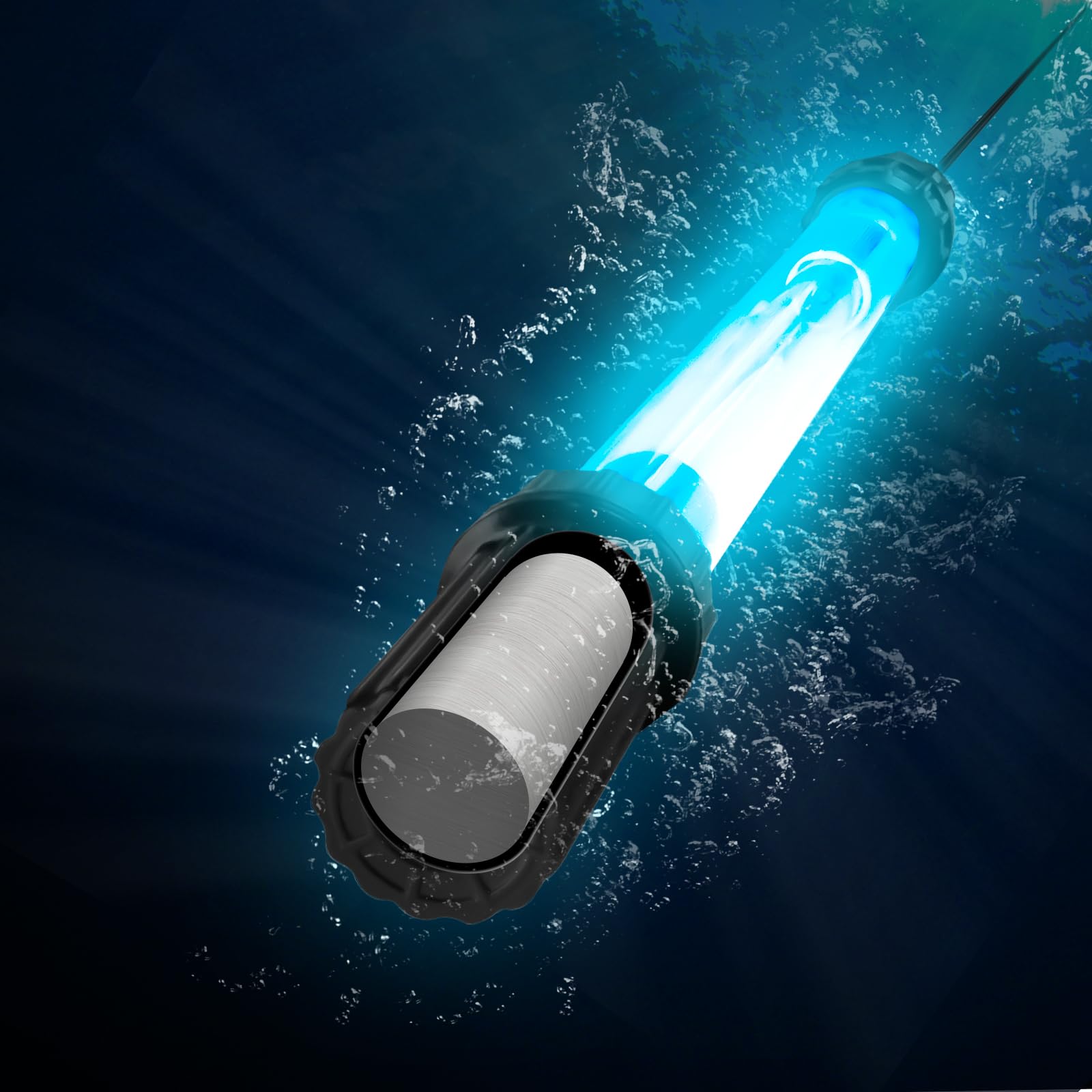
In recent years, ultraviolet (UV) disinfection devices have moved from hospitals and laboratories into everyday homes. Marketed as powerful tools for eliminating bacteria, viruses, and odors, UV sanitizers promise a cleaner living environment with minimal effort. For households with cats and dogs, the appeal is especially strong. Pets track in dirt, shed fur, carry microorganisms, and share close physical space with their owners.
A device that claims to disinfect air and surfaces automatically sounds like the perfect solution.
But there’s an important reality many pet owners don’t realize until problems occur: UV disinfection technology is extremely powerful — and pets experience light very differently than humans.
Animals are often closer to the floor, more sensitive to light exposure, and unable to understand or avoid hazards created by artificial environments. Turning on a UV disinfection device without proper preparation can lead to eye injuries, skin irritation, behavioral stress, or long-term health risks.
UV technology is not inherently dangerous when used correctly. The key lies in understanding how it works and how to operate it safely in homes shared with animals.
Before you press the power button, here are five critical things every cat and dog owner should know.
1. UV Light Is Not Just Light — It Is Radiation
Understanding What UV Actually Does
Ultraviolet light sits outside the visible spectrum. Humans cannot see it, but biological tissues respond strongly to it.
UV disinfection works because ultraviolet radiation damages the DNA or RNA of microorganisms, preventing them from reproducing. This same mechanism explains why incorrect exposure can harm living tissue.
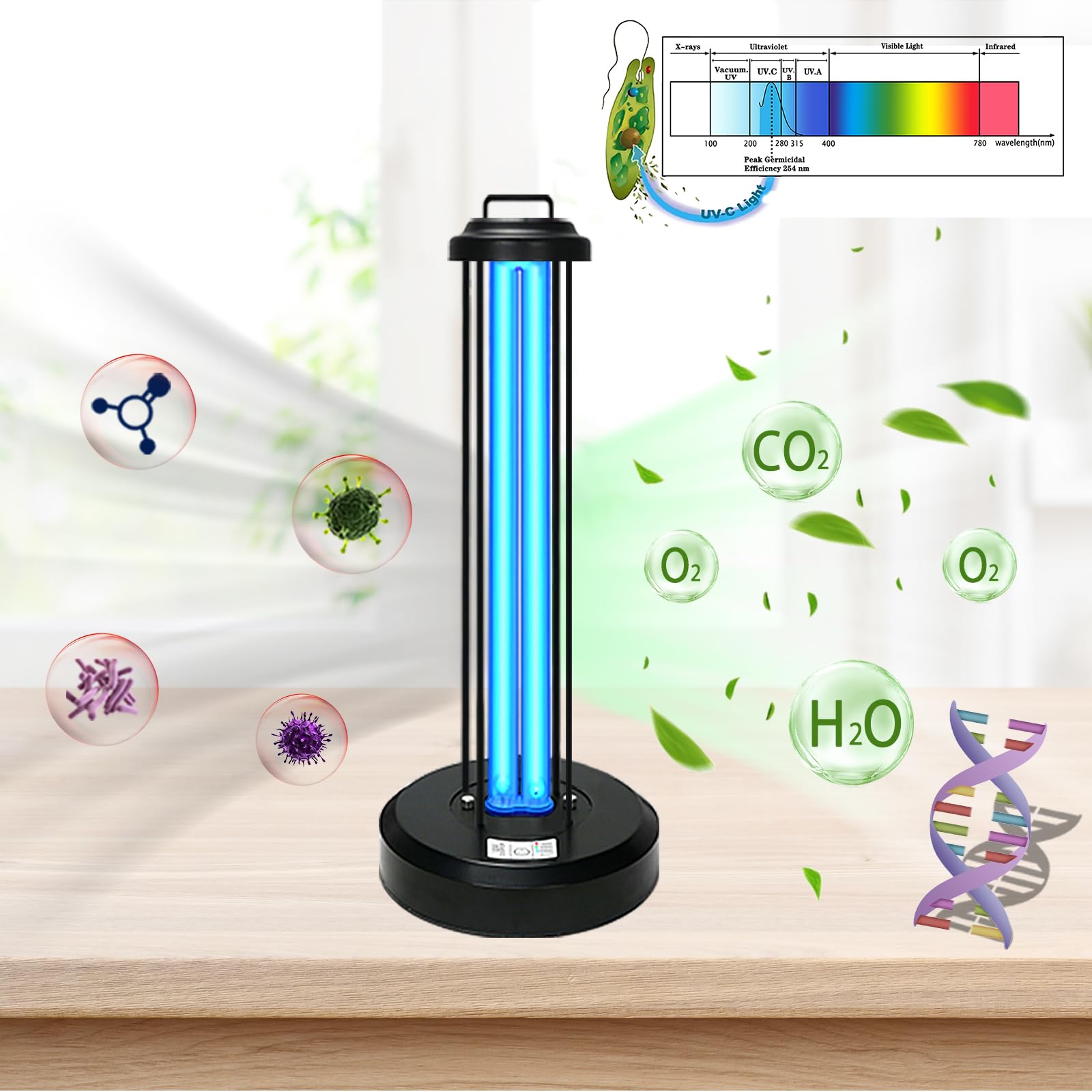
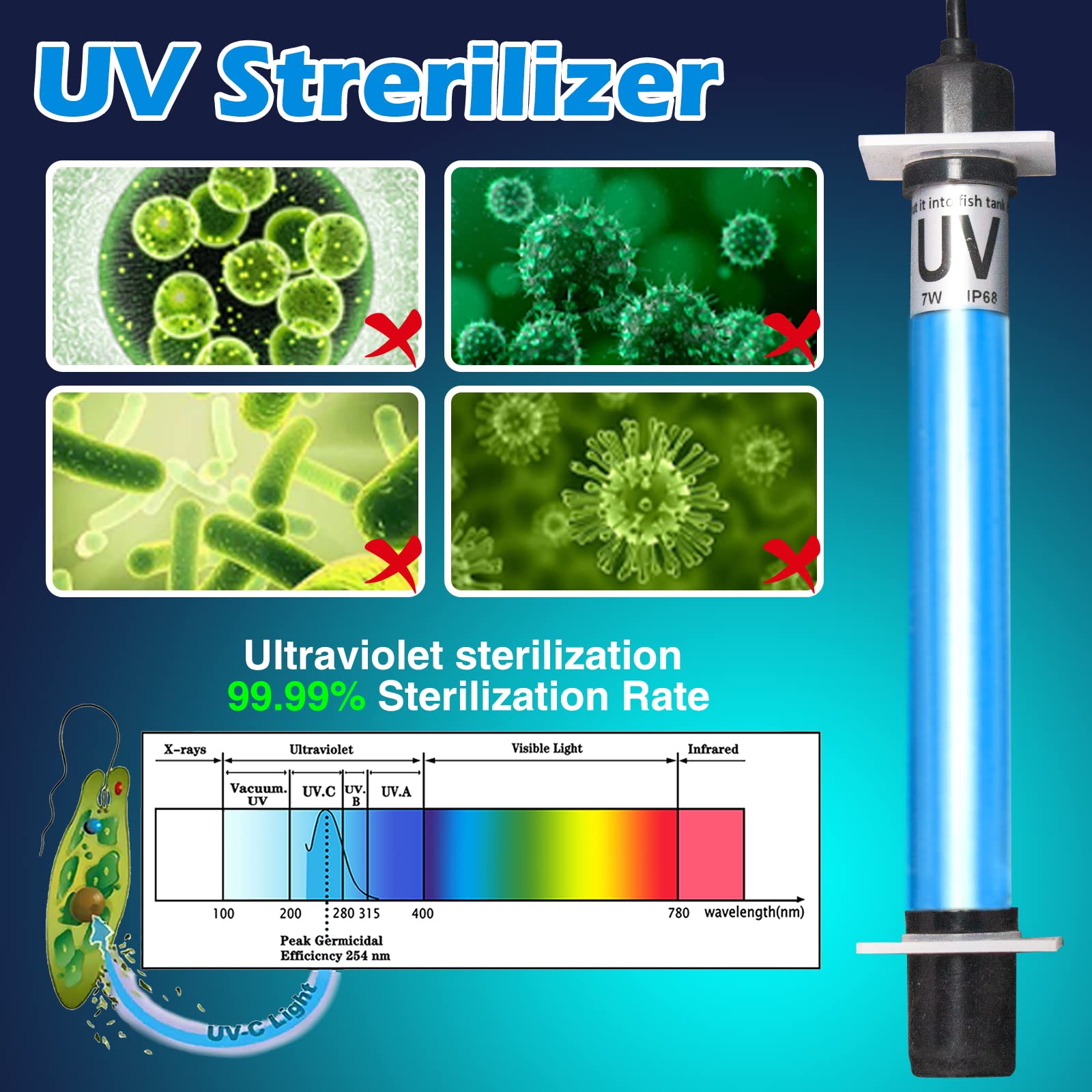
UV light is generally divided into three categories:
-
UV-A: Long wavelength, lower energy, penetrates deeper into skin.
-
UV-B: Medium wavelength, associated with sunburn and skin damage.
-
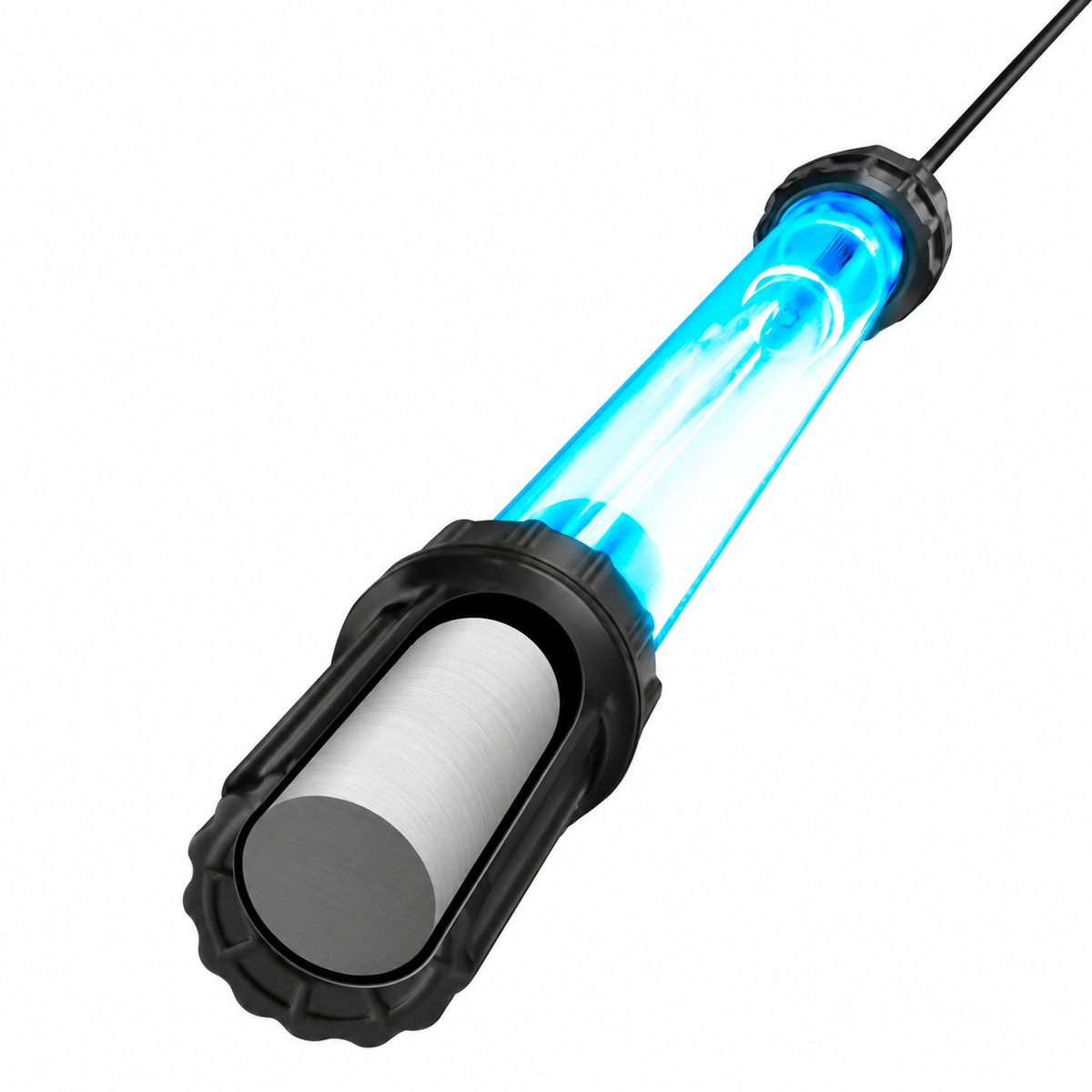
UV-C: Short wavelength, highly energetic, commonly used for disinfection.
Most home disinfection devices rely on UV-C because it is highly effective at destroying pathogens. However, UV-C is also the most biologically aggressive type.
Unlike visible light bulbs, UV devices are designed specifically to disrupt cellular structures.
That means safety depends entirely on controlled exposure.
Why Pets Are More Vulnerable Than Humans
Cats and dogs experience UV exposure differently for several reasons:
-
They are physically closer to UV sources placed near floors.
-
Fur coverage varies widely across body areas.
-
Eyes are often more sensitive to light intensity.
-
Animals cannot recognize invisible hazards.
A device that seems harmless to a standing adult may expose a resting pet directly to radiation.
This difference in perspective makes placement and timing critical.
2. Direct Exposure Can Damage Eyes Faster Than You Expect
The Risk of Photokeratitis
One of the most immediate dangers of improper UV device use is eye injury.
Photokeratitis — sometimes called “UV eye burn” — occurs when ultraviolet radiation damages the cornea. Symptoms may appear hours after exposure, making the connection difficult to identify.
In pets, warning signs include:
-
Squinting or partially closed eyes
-
Excessive tearing
-
Pawing at the face
-
Sensitivity to light
-
Red or cloudy eyes
-
Sudden hiding behavior
Cats are particularly vulnerable because their large pupils allow more light to enter the eye.
Dogs, especially curious or active breeds, may stare toward unfamiliar light sources, increasing exposure risk.
Why Reflected UV Light Still Matters
Many owners assume danger exists only when animals look directly at a device.
In reality, UV radiation can reflect off surfaces such as:
-
Tile floors
-
Metal furniture
-
Glass tables
-
White walls
Reflected exposure may still reach harmful levels, especially in smaller rooms.
This is why professional UV systems often operate only in unoccupied spaces.
3. UV Disinfection Should Never Run While Pets Are Present
The Most Important Rule
If a UV device emits direct UV-C radiation, pets should not be in the room while it operates.
This principle applies even if:
-
The device runs for only a few minutes.
-
The light appears dim.
-
The manufacturer advertises “home safe” usage.
True UV-C disinfection requires radiation strong enough to damage microorganisms — and therefore capable of affecting living tissue.
Animals cannot understand warnings or avoid exposure intentionally.
Safe Operating Practices
Responsible operation includes:
-
Removing pets from the room before activation.
-
Closing doors completely.
-
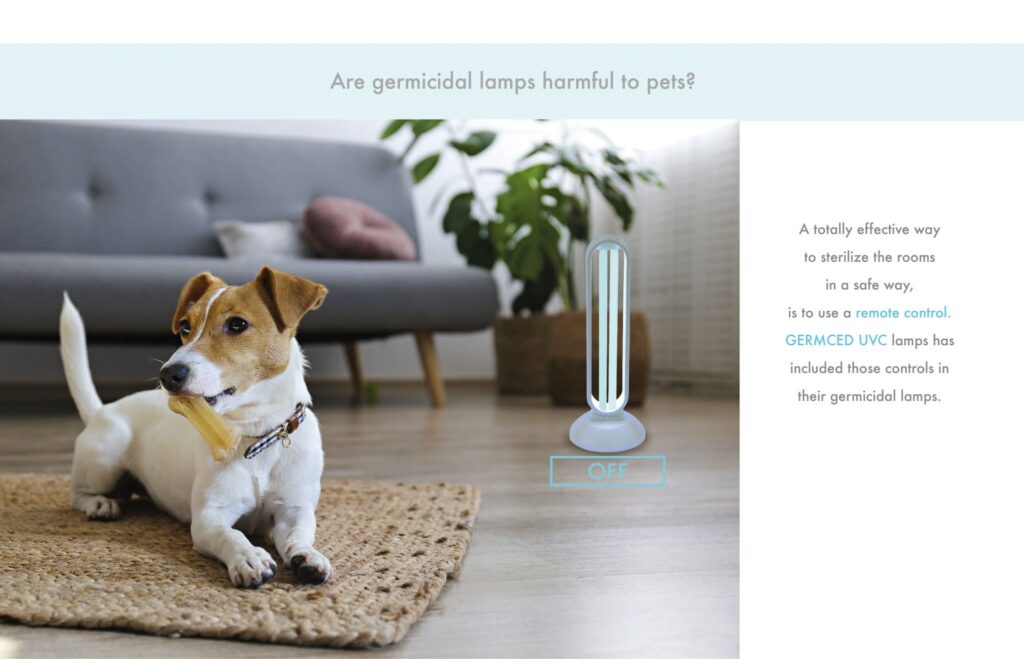
Using timers or remote activation features.
-
Waiting recommended re-entry times after shutdown.
Many devices continue emitting residual ozone or scattered radiation briefly after turning off.
Allowing time for air circulation reduces risk.
4. Not All UV Devices Are the Same
Understanding Marketing Terminology
Consumer UV products vary dramatically in design and safety.
Common categories include:
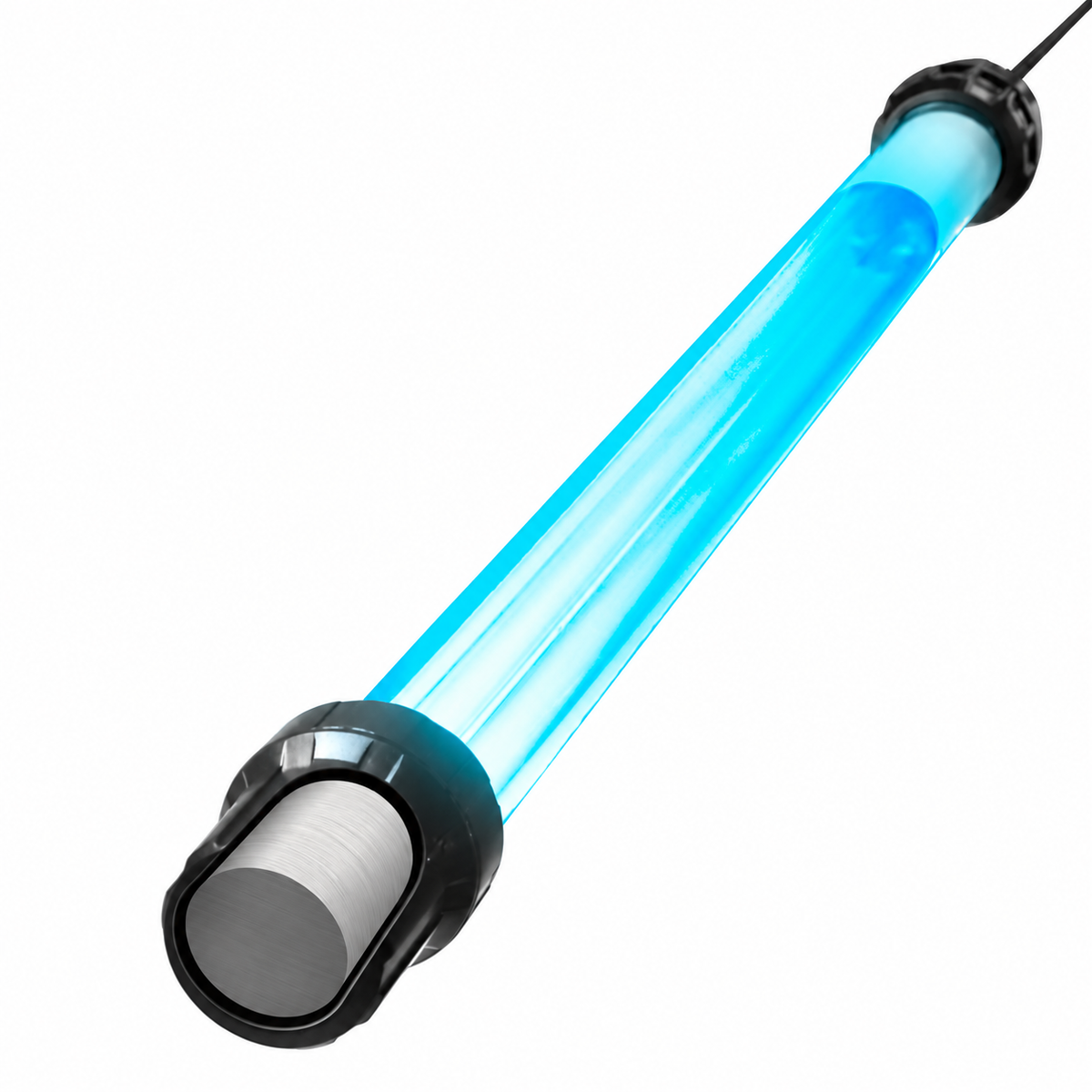
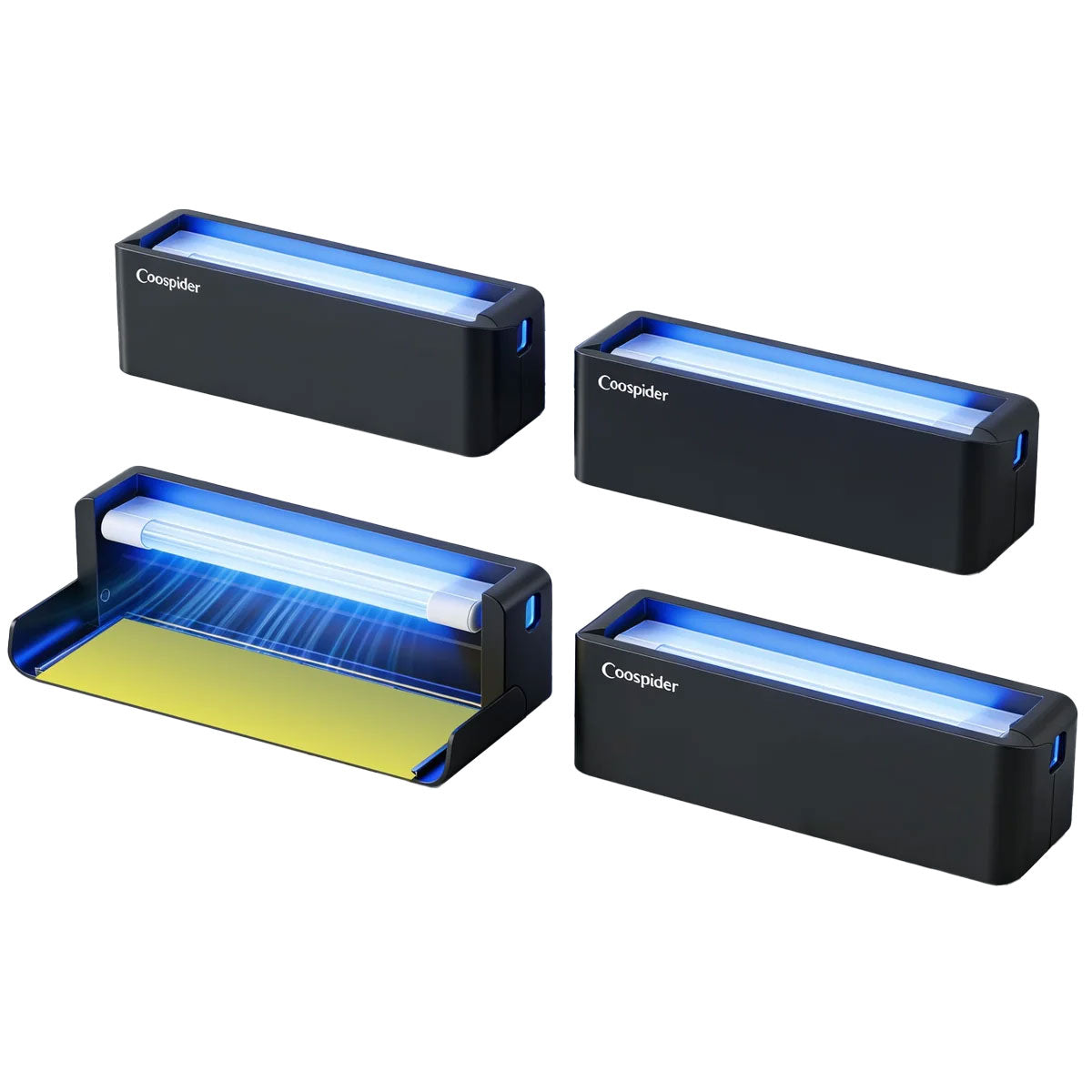
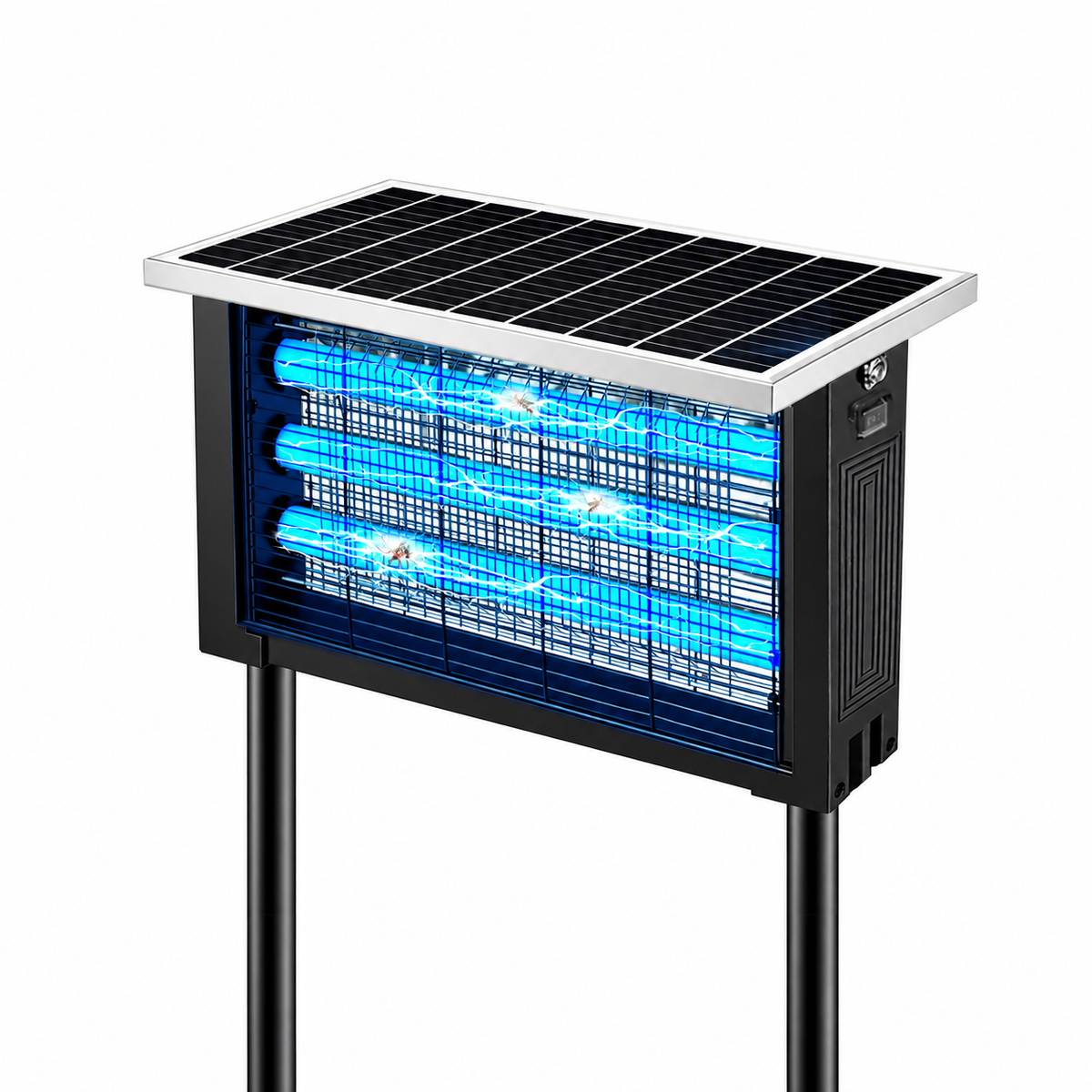
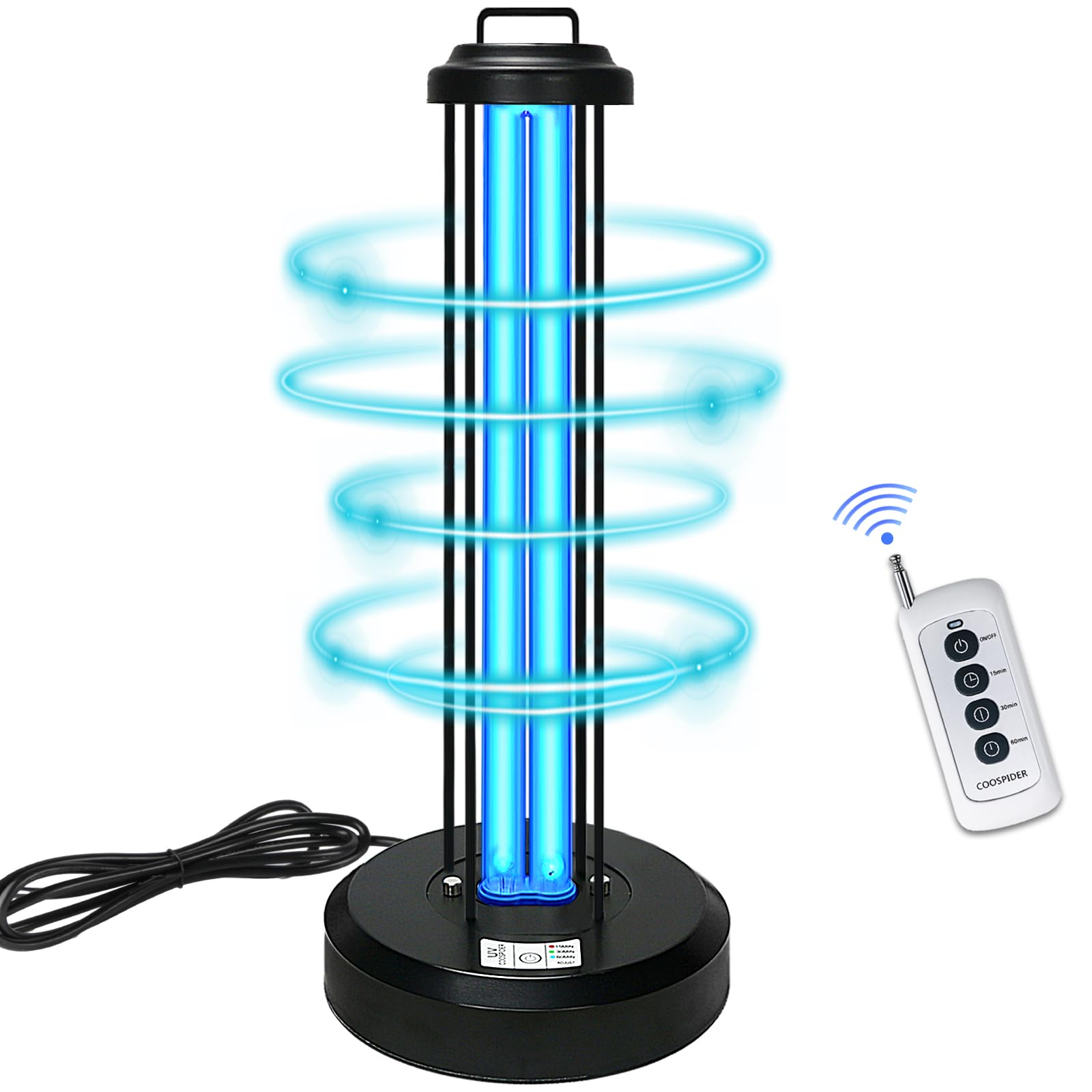
Open UV-C Lamps
Emit direct radiation into the environment. Highly effective but require strict absence of people and pets.
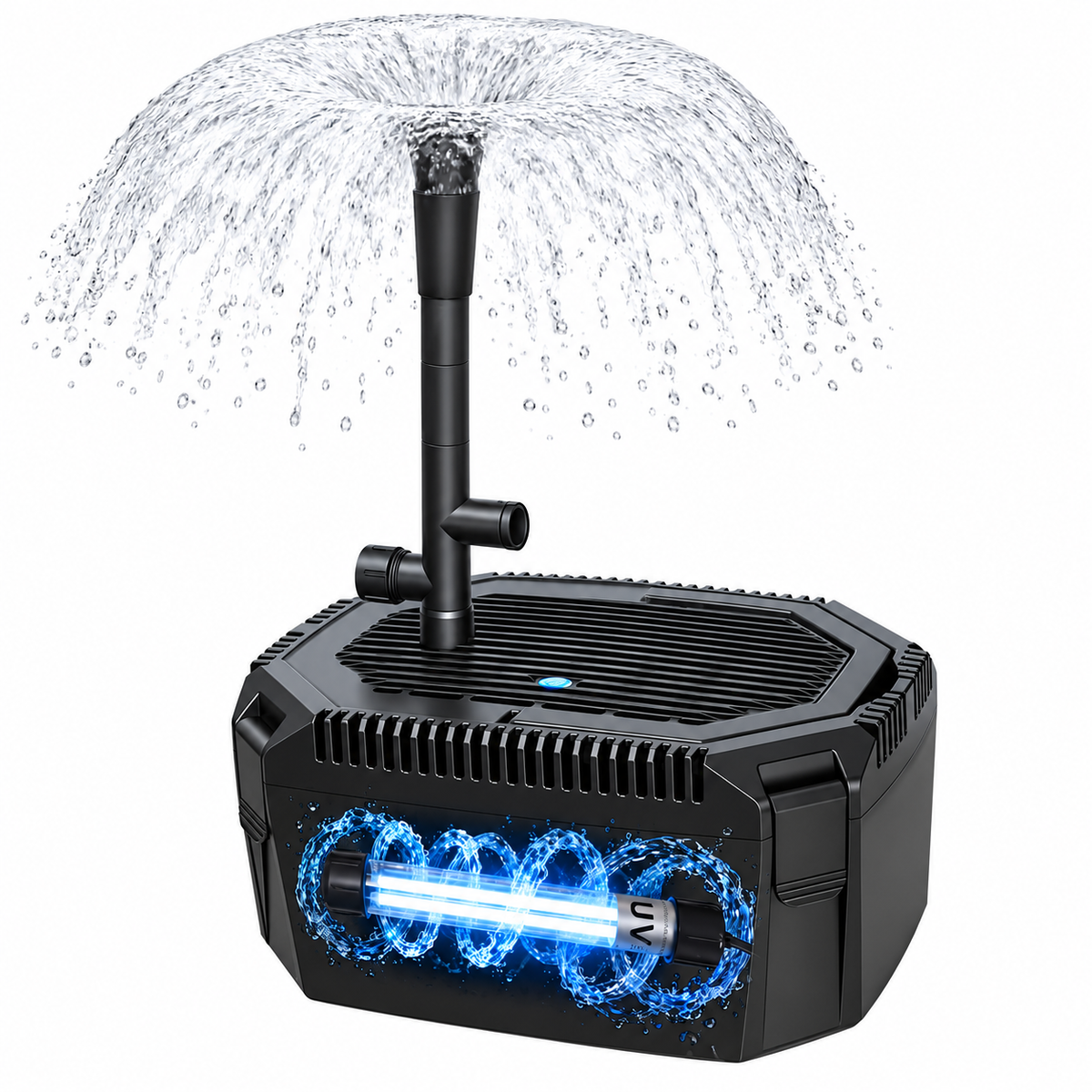
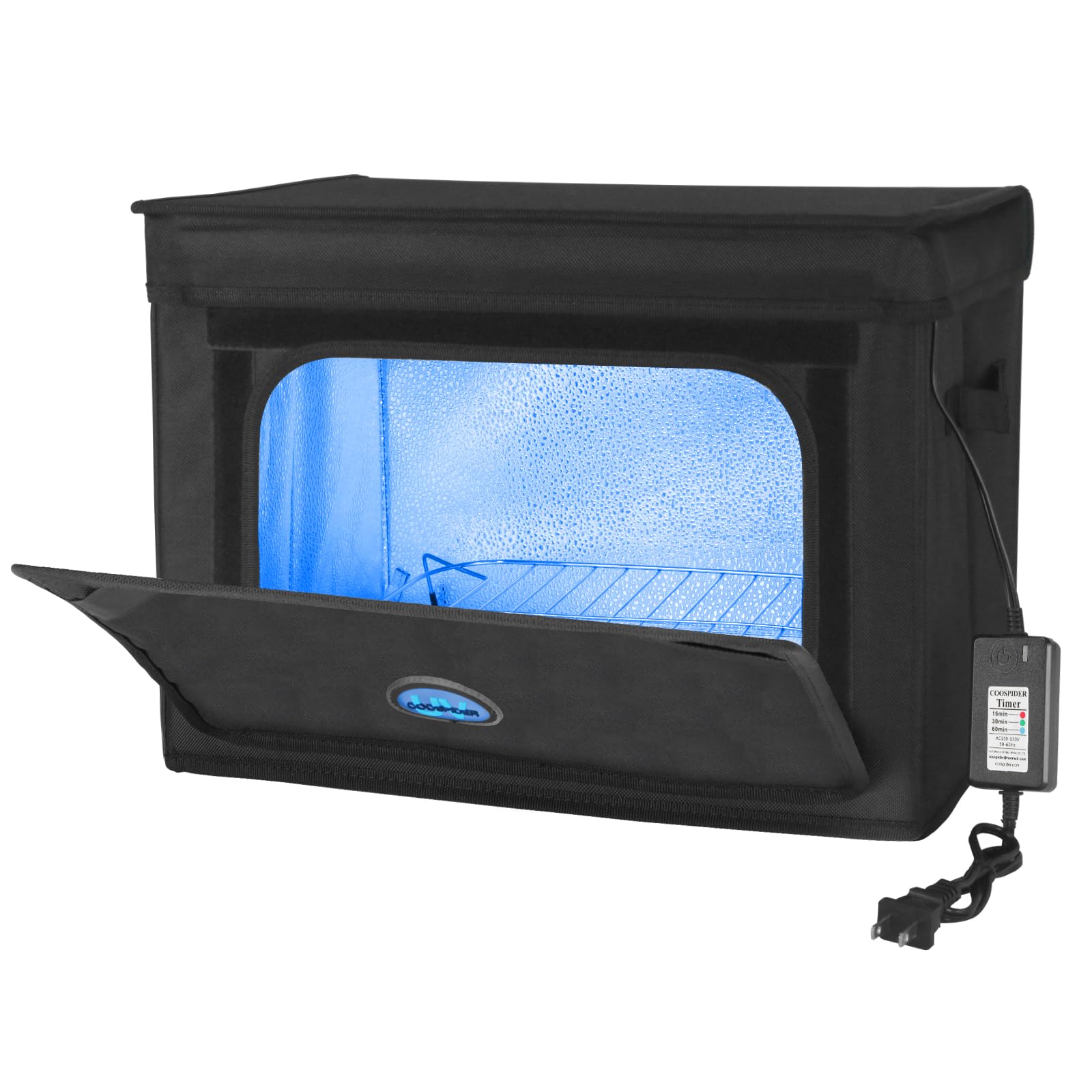
Enclosed UV Chambers
Contain radiation inside a sealed box for disinfecting objects safely.
Far-UV Systems
Designed to reduce penetration depth, though safety claims depend heavily on engineering quality.
LED-Based Sanitizers
Often lower intensity but still require careful placement.
Marketing language such as “sunlight simulation” or “natural sterilization” can be misleading.
Effectiveness and safety depend on wavelength output, shielding, and operational design — not branding.
Why Certification and Specifications Matter
Reliable devices clearly list:
-
Wavelength range
-
Recommended operating distance
-
Exposure duration guidelines
-
Safety warnings
Lack of detailed specifications is a warning sign.
Transparency indicates responsible engineering.
5. Pets Experience Environmental Stress From Invisible Changes
Behavioral Effects of UV Exposure
Even when physical injury does not occur, UV devices may influence animal behavior.
Pets rely heavily on environmental consistency. Sudden lighting changes or unfamiliar radiation sources can cause:
-
Anxiety or restlessness
-
Avoidance of certain rooms
-
Disrupted sleep cycles
-
Increased vocalization
-
Changes in feeding habits
Cats especially associate locations with safety. Repeated uncomfortable exposure may cause long-term avoidance behaviors.
Owners sometimes misinterpret these reactions as personality changes rather than environmental stress.
Noise, Ozone, and Secondary Factors
Some UV disinfectors produce additional stimuli:
-
Soft buzzing sounds
-
Fan airflow
-
Ozone odor
Animals detect sensory cues humans barely notice.
Even subtle environmental shifts can affect comfort levels.
Creating a Pet-Safe UV Disinfection Routine
Safe usage focuses on separation and scheduling rather than constant operation.
A practical routine might include:
-
Remove pets from the target room.
-
Activate the device remotely.
-
Allow full cycle completion.
-
Ventilate the space if recommended.
-
Reintroduce pets afterward.
Consistency helps animals maintain predictable routines.
Placement Mistakes That Increase Risk
Avoid positioning UV devices:
-
At pet eye level
-
Near sleeping areas
-
Inside open pet enclosures
-
Facing reflective surfaces
-
In narrow hallways where exposure concentrates
Elevated placement and controlled direction reduce accidental exposure.
Understanding Skin Sensitivity in Pets
Areas with thin fur are particularly vulnerable:
-
Nose bridges
-
Ear tips
-
Belly regions
-
Around eyes
-
Paw pads
Light-colored or hairless animals face increased sensitivity because pigmentation normally provides partial protection.
Repeated mild exposure may lead to irritation that develops slowly over time.
Signs You Should Stop Using the Device Immediately
Discontinue operation and evaluate setup if you notice:
-
Eye irritation symptoms
-
Sudden behavioral avoidance
-
Skin redness or licking
-
Lethargy after device use
-
Persistent sneezing or discomfort
Consulting a veterinarian helps rule out other causes while addressing potential exposure.
UV Disinfection vs Traditional Cleaning
UV devices should complement, not replace, routine cleaning.
Physical cleaning removes:
-
Pet hair
-
Organic debris
-
Dirt layers that block UV penetration
UV radiation works best on already-clean surfaces.
Combining vacuuming, washing, and targeted UV use produces safer and more effective results.
When UV Disinfection Is Most Useful for Pet Homes
Appropriate situations include:
-
Sanitizing empty rooms periodically
-
Disinfecting hard surfaces after illness
-
Treating odor-prone areas when pets are absent
-
Cleaning equipment inside enclosed UV chambers
Continuous operation is rarely necessary in residential environments.
Common Myths About UV Devices
Myth: If It’s Sold for Homes, It’s Automatically Safe
Reality: Safe operation depends on correct usage.
Myth: Pets’ Fur Protects Them Completely
Reality: Eyes and exposed skin remain vulnerable.
Myth: Short Exposure Cannot Cause Harm
Reality: High-intensity UV-C can affect tissue quickly.
Myth: Brighter Means More Dangerous
Reality: Invisible radiation may still be strong.
Building Awareness Without Fear
UV technology offers real benefits when used responsibly.
The goal is informed operation, not avoidance.
Understanding limitations allows pet owners to gain sanitation advantages while protecting animal welfare.
Technology works best when aligned with biology.
The Future of Pet-Friendly Disinfection
Emerging innovations aim to improve safety through:
-
Motion sensors that shut off when movement is detected
-
Shielded directional designs
-
Automated scheduling systems
-
Lower-risk wavelength engineering
As awareness grows, manufacturers increasingly prioritize coexistence with pets and families.
Responsible Ownership in a High-Tech Home
Modern homes contain more environmental technology than ever before — smart lighting, air purifiers, automated cleaners, and UV disinfectors.
Each innovation introduces new responsibilities.
Pets depend entirely on humans to evaluate invisible risks.
Safe technology use reflects thoughtful ownership rather than technological avoidance.
Conclusion: Clean Should Never Mean Unsafe
UV disinfection devices can help maintain healthier living spaces, especially in homes shared with cats and dogs. Yet their effectiveness comes from powerful biological mechanisms that demand respect and careful handling.
Before activating a UV device, remember the five essential principles:
-
UV radiation is biologically active, not ordinary light.
-
Eyes are highly vulnerable to exposure.
-
Pets should never be present during operation.
-
Device types vary widely in safety and intensity.
-
Behavioral changes may signal environmental discomfort.
A truly clean home protects everyone who lives in it — including the animals who rely on us to create safe environments.
When used thoughtfully, UV technology becomes a helpful tool rather than a hidden hazard, supporting both hygiene and harmony in pet-friendly households.