Introduction: When Helpful Light Becomes Harmful
Artificial lighting has transformed modern pet care. From reptile basking lamps and UV bulbs to full-spectrum lighting systems marketed as “artificial sunlight,” owners now have powerful tools to recreate natural environments indoors. These technologies can improve health, regulate biological rhythms, and support natural behaviors when used correctly.
But there is a lesser-known risk that many pet owners overlook.
Light designed to mimic sunlight can also cause injury.
Photosensitive dermatitis — a condition triggered when skin reacts abnormally to light exposure — is increasingly recognized in exotic pets, birds, small mammals, and even cats and dogs exposed to intense artificial lighting. Because symptoms often develop gradually, the condition is frequently misdiagnosed as infection, shedding problems, allergies, or poor husbandry.
Understanding how artificial light interacts with animal skin is essential for preventing long-term damage. The goal is not to avoid advanced lighting systems, but to use them safely and intelligently.
This guide explains what photosensitive dermatitis is, why artificial sunlight can sometimes cause burns, how to recognize early warning signs, and what responsible lighting management looks like in modern pet environments.
What Is Photosensitive Dermatitis?
Photosensitive dermatitis occurs when skin becomes unusually reactive to light, particularly ultraviolet (UV) wavelengths.
Unlike thermal burns caused by heat, this condition results from biological reactions triggered by light energy interacting with skin cells or chemical compounds within the body.
When exposed to certain wavelengths, sensitive tissue undergoes inflammation that may lead to:
-
Redness or discoloration
-
Swelling
-
Peeling or scaling
-
Ulceration in severe cases
-
Behavioral discomfort
The reaction can develop even when temperatures remain safe, making it difficult for owners to recognize lighting as the cause.
In many cases, pets are not being overheated — they are being overexposed spectrally.
Why Artificial Sunlight Carries Unique Risks
Natural Sunlight vs Artificial Sources
Sunlight changes continuously throughout the day and is filtered by atmospheric conditions. Indoor lighting systems, however, often produce concentrated wavelengths within limited distances.
Key differences include:
-
Artificial lights remain fixed in position.
-
Intensity may not decrease naturally.
-
Animals cannot always escape exposure.
-
Spectral peaks may be stronger than expected at close range.
A lamp marketed as “natural daylight” may actually deliver higher UV intensity at short distances than animals experience outdoors.
In the wild, animals regulate exposure through movement. In captivity, enclosure design sometimes removes that choice.
Understanding Light Sensitivity in Different Pets
Not all animals respond to light in the same way.
Reptiles
Many reptiles require UV exposure for vitamin D synthesis, but excessive or improperly positioned lighting can damage delicate skin areas, especially:
-
Around the eyes
-
Along the back during shedding
-
Juvenile skin surfaces
Species adapted to partial shade environments are particularly vulnerable.
Birds
Bird skin is thin and protected primarily by feathers. Areas with sparse feather coverage — legs, cere, and underwings — may develop irritation under intense lighting.
Birds may hide discomfort by maintaining normal activity until irritation becomes severe.
Small Mammals
Rodents, hedgehogs, and rabbits are rarely adapted for strong UV exposure. Artificial sunlight systems designed for reptiles can unintentionally expose mammals to unsuitable wavelengths.
These species often develop subtle symptoms first, such as grooming changes or restlessness.
Cats and Dogs
Pets with light-colored fur or exposed skin areas may develop light-related inflammation, particularly when resting near high-output lamps or sun-mimicking bulbs.
Hairless breeds face increased vulnerability.
The Science Behind Light-Induced Skin Damage
Photosensitive dermatitis involves photochemical reactions.
When UV radiation reaches skin tissue:
-
Light energy excites cellular molecules.
-
Reactive oxygen species may form.
-
Cellular membranes experience oxidative stress.
-
Inflammatory pathways activate.
Certain pigments and compounds amplify this reaction, making some animals more susceptible than others.
Unlike heat burns, damage may continue developing hours after exposure.
Types of Photosensitivity
Primary Photosensitivity
Occurs when skin reacts directly to light without other contributing factors. This is often linked to excessive UV exposure or incorrect lamp placement.
Secondary Photosensitivity
Triggered when substances within the body make skin more sensitive to light.
Possible contributors include:
-
Certain medications
-
Plant compounds
-
Liver dysfunction
-
Dietary imbalances
Lighting alone may not be the sole cause, but it becomes the activating factor.
Early Warning Signs Pet Owners Often Miss
Photosensitive dermatitis rarely appears suddenly. Early symptoms are subtle and easily overlooked.
Watch for:
-
Increased hiding from light sources
-
Avoidance of basking areas previously used
-
Frequent scratching or rubbing
-
Unusual shedding patterns
-
Slight skin color changes
-
Reduced appetite during peak lighting hours
Behavioral changes often precede visible skin damage.
Recognizing these signals early can prevent serious injury.
Visible Symptoms of Advanced Cases
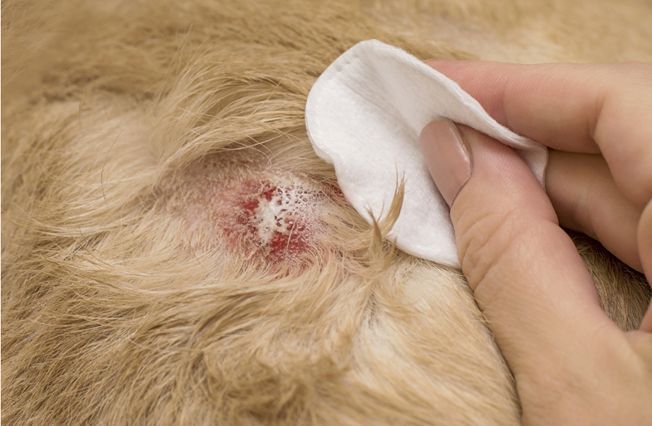
As inflammation progresses, physical signs become clearer:
-
Red or pink skin patches
-
Dry or flaky scales
-
Blister-like lesions
-
Crusting around exposed areas
-
Feather loss or fur thinning
-
Open sores in severe cases
Animals may become lethargic or defensive due to discomfort.
At this stage, veterinary evaluation becomes essential.
Common Lighting Mistakes That Lead to Injury
Lamps Positioned Too Close
Distance dramatically affects UV intensity. Even small positioning errors can multiply exposure levels.
Lack of Shade Zones
Animals must have areas completely shielded from direct light.
Continuous Exposure
Lights left on too long disrupt recovery cycles.
Mixing Incompatible Lighting Systems
Combining multiple bulbs without understanding cumulative output increases risk.
Using Equipment Designed for Other Species
Lighting optimized for desert reptiles may harm forest or nocturnal animals.
The Myth of “More UV Equals Better Health”
A common misconception is that increasing UV exposure improves vitality.
In reality, animals evolved to regulate exposure precisely.
Excessive UV can cause:
-
Skin inflammation
-
Eye irritation
-
Immune stress
-
Behavioral withdrawal
Balanced gradients matter far more than intensity.
Proper lighting allows animals to choose exposure levels naturally.
How Enclosure Design Influences Risk
Lighting safety depends not only on bulbs but also enclosure structure.
Risk increases when:
-
Enclosures are too small
-
Reflective surfaces amplify light
-
Climbing structures force animals near lamps
-
Ventilation restricts movement away from exposure
Vertical space and varied terrain help animals self-regulate.
Diagnosing Photosensitive Dermatitis
Veterinarians typically evaluate:
-
Lighting setup and bulb specifications
-
Exposure duration
-
Diet and supplementation
-
Medical history
-
Pattern of skin lesions
Diagnosis often involves ruling out infections or parasites first.
Providing detailed information about lighting equipment significantly speeds diagnosis.
Immediate Steps If You Suspect Light Burns
If symptoms appear:
-
Reduce lighting intensity immediately.
-
Increase shaded areas.
-
Shorten photoperiod temporarily.
-
Avoid applying topical products without veterinary advice.
-
Seek professional evaluation promptly.
Do not remove required lighting entirely for species that depend on UV without guidance.
Balance is essential.
Safe Lighting Practices for Prevention
Maintain Proper Distance
Follow manufacturer recommendations carefully, but also observe animal behavior rather than relying solely on specifications.
Create Light Gradients
Enclosures should include:
-
Direct basking zones
-
Partial exposure areas
-
Fully shaded retreats
Use Timed Cycles
Consistent day–night rhythms allow skin recovery periods.
Replace Aging Bulbs
Spectral output changes over time even if brightness appears unchanged.
Monitoring Behavior as a Health Indicator
Animals communicate discomfort through behavior long before visible injury appears.
Healthy responses to lighting include:
-
Voluntary basking
-
Predictable activity cycles
-
Relaxed posture
-
Normal feeding patterns
Avoidance behaviors often signal environmental mismatch.
Observation is one of the most powerful preventive tools available to pet owners.
The Role of Skin Pigmentation and Genetics
Pigmentation affects light absorption.
Animals with lighter skin or reduced melanin absorb UV radiation more deeply, increasing sensitivity.
Selective breeding may unintentionally produce individuals less adapted to strong light exposure than wild counterparts.
Individual variation matters as much as species guidelines.
Eye Safety and Light Sensitivity
Photosensitive conditions often affect eyes alongside skin.
Warning signs include:
-
Squinting
-
Excessive blinking
-
Eye swelling
-
Avoiding bright zones
Improper lighting angles can expose eyes directly to UV output.
Lights should never shine horizontally at eye level.
Recovery and Healing
With early intervention, mild photosensitive dermatitis often improves within weeks.
Recovery typically involves:
-
Controlled lighting adjustments
-
Anti-inflammatory treatment when necessary
-
Environmental modifications
Severe cases may require longer healing periods.
Preventing recurrence is more important than temporary treatment.
Choosing Safer Artificial Sunlight Systems
Responsible lighting systems prioritize:
-
Balanced spectral distribution
-
Controlled UV output
-
Clear distance guidelines
-
Consistent performance over time
Marketing terms alone do not guarantee biological safety.
Understanding the needs of specific species remains the most important factor.
Educating Pet Owners in the Age of Advanced Technology
As lighting technology improves, responsibility shifts toward informed usage.
Many injuries occur not because owners are careless, but because equipment appears simple while operating on complex biological principles.
Education helps bridge this gap.
Lighting should be viewed as environmental engineering rather than decoration.
Long-Term Welfare and Ethical Considerations
Providing artificial sunlight is an attempt to recreate nature indoors.
Ethical care requires acknowledging that simulation must include limits as well as benefits.
Animals need:
-
Choice
-
Variation
-
Recovery periods
-
Environmental diversity
A safe environment allows animals to control their exposure rather than endure constant conditions.
Frequently Asked Questions
Can pets develop light burns without heat?
Yes. Photosensitive dermatitis is caused by radiation, not temperature.
Do all pets need UV lighting?
No. Requirements vary widely by species.
Are stronger bulbs safer if placed farther away?
Not always. Intensity and spectrum must both be considered.
Can symptoms appear weeks after installation?
Yes. Damage may accumulate gradually.
The Future of Pet Lighting Safety
Emerging technologies aim to reduce risks through:
-
Smart intensity regulation
-
Automated day-cycle simulation
-
Sensor-based exposure monitoring
-
Adaptive spectral adjustment
These systems may eventually mimic natural sunlight more accurately while preventing overexposure.
Conclusion: Respecting the Power of Artificial Sunlight
Artificial sunlight has revolutionized animal care, enabling indoor environments that support health and natural behavior. Yet light remains a powerful biological force — one capable of healing or harming depending on how it is used.
Photosensitive dermatitis reminds us that technology must be paired with understanding.
Recognizing early signs, designing enclosures thoughtfully, and respecting species-specific needs allow lighting systems to fulfill their intended purpose: enhancing life rather than endangering it.
When used wisely, artificial sunlight does more than illuminate an enclosure.
It becomes a carefully balanced ecosystem — one where safety, biology, and compassion work together to support the animals entrusted to our care.