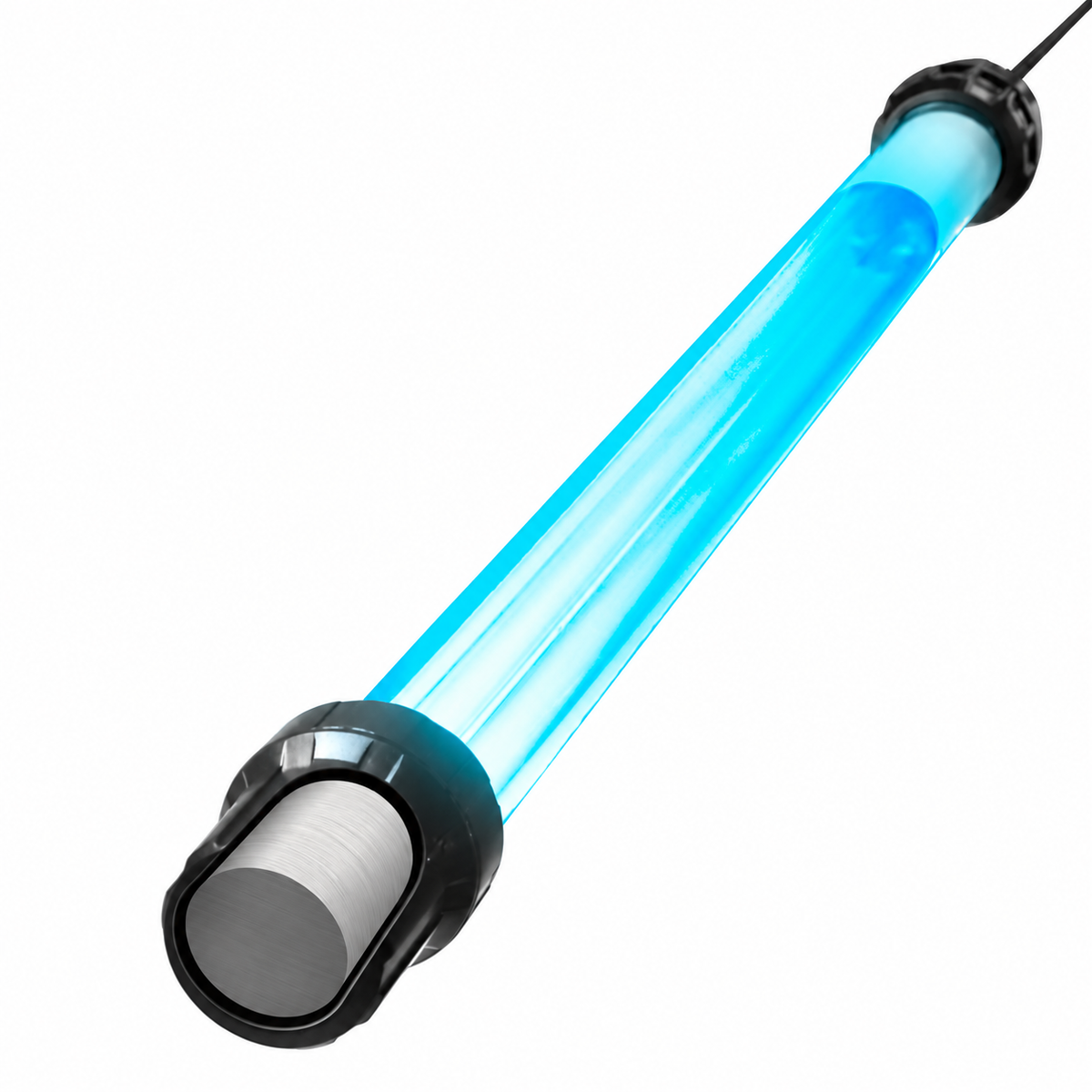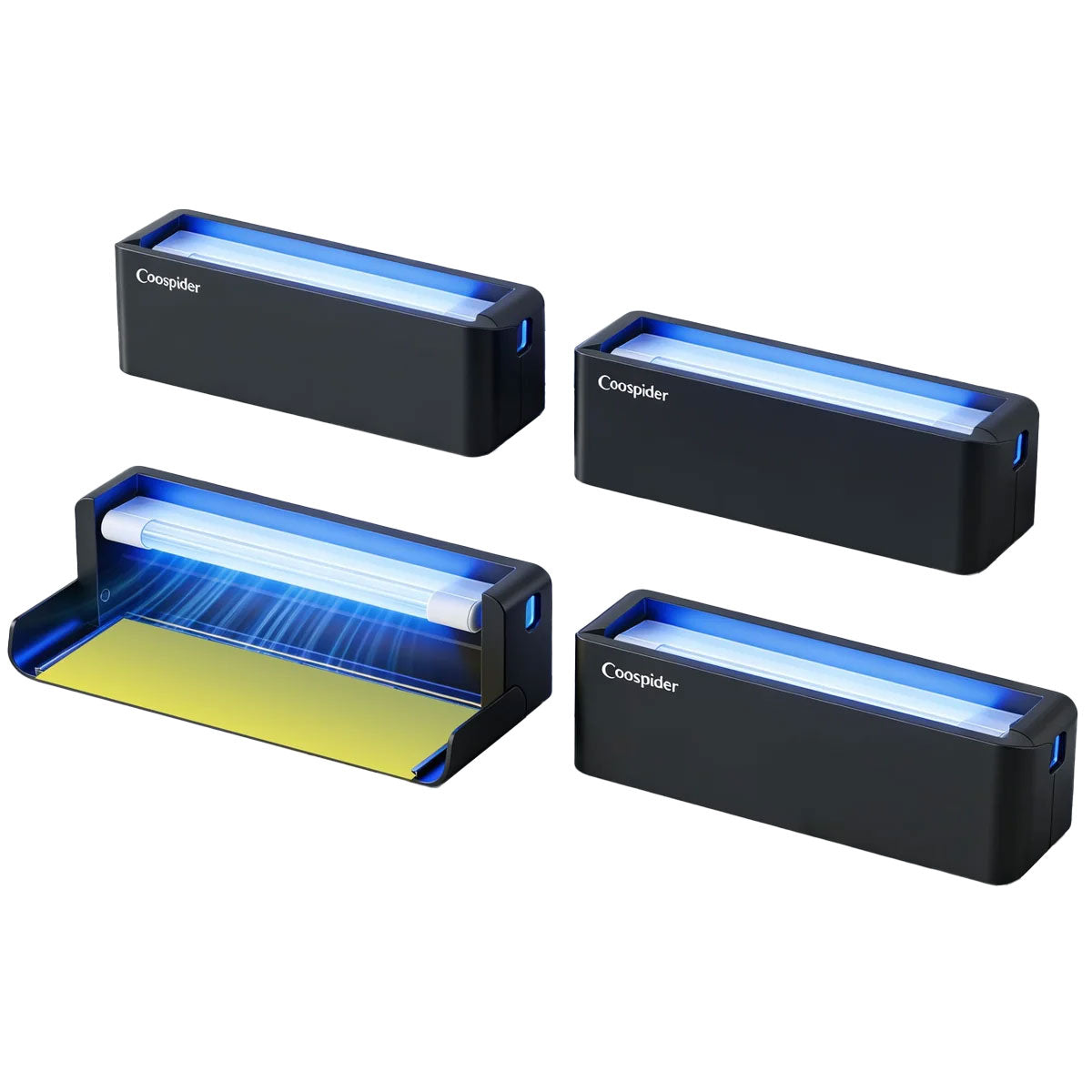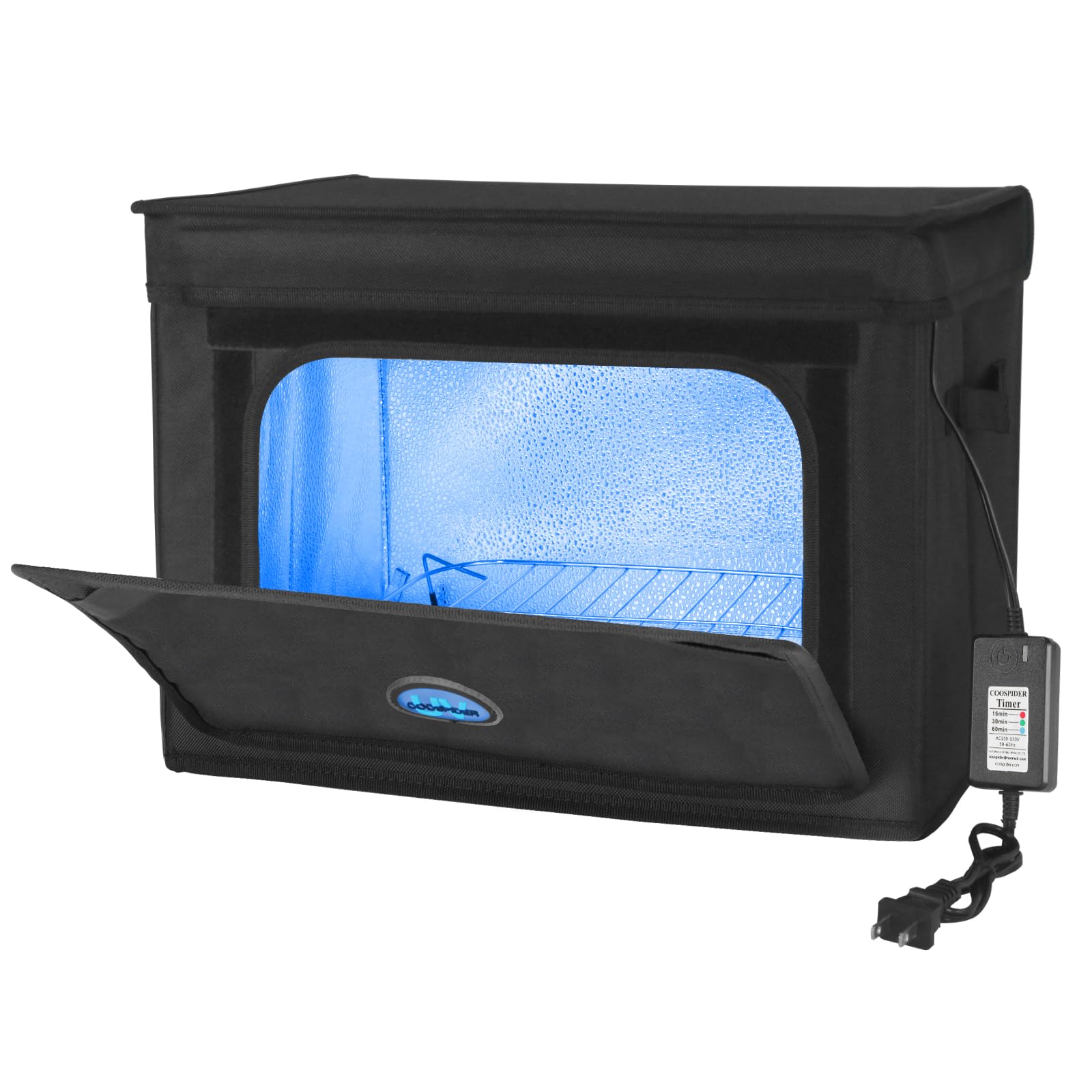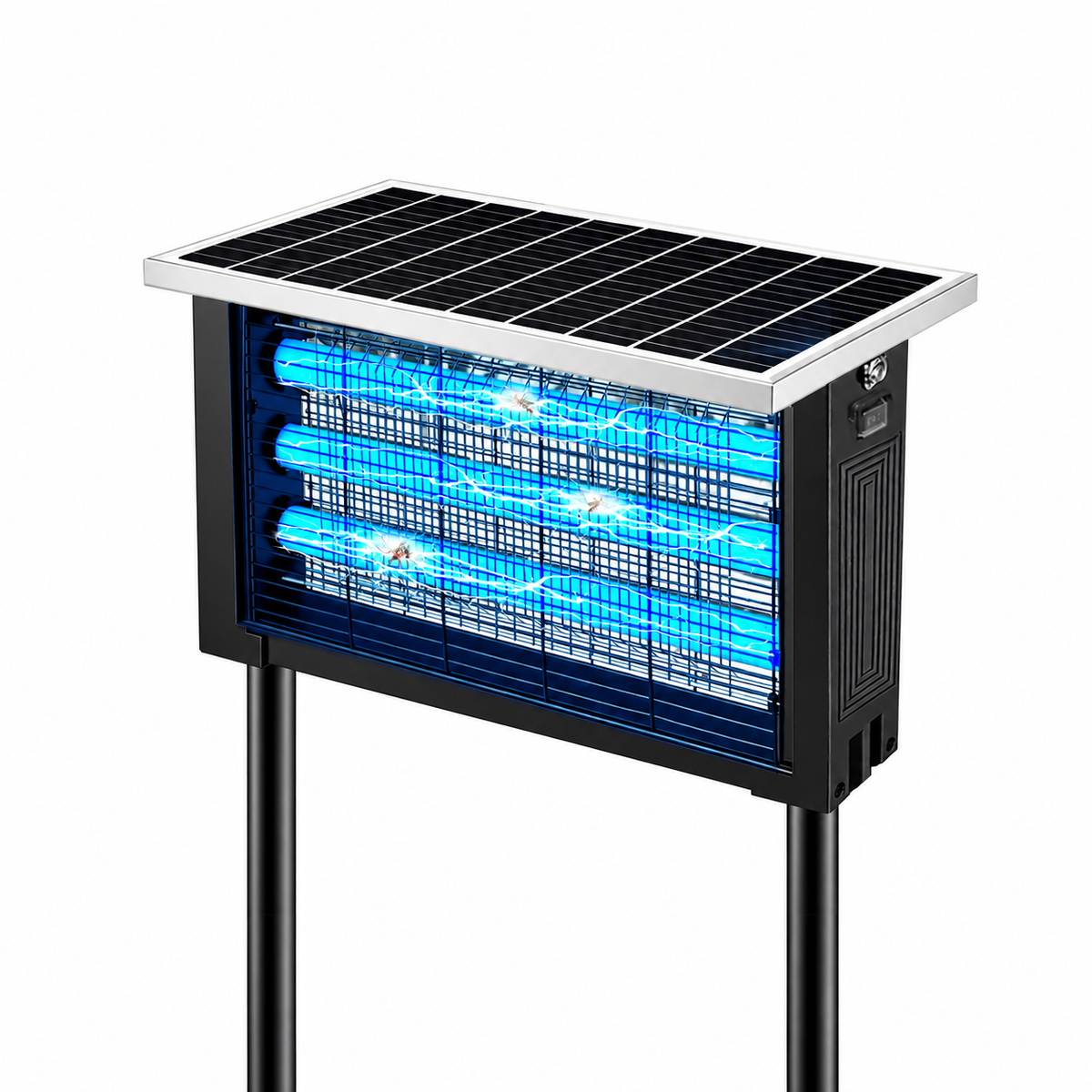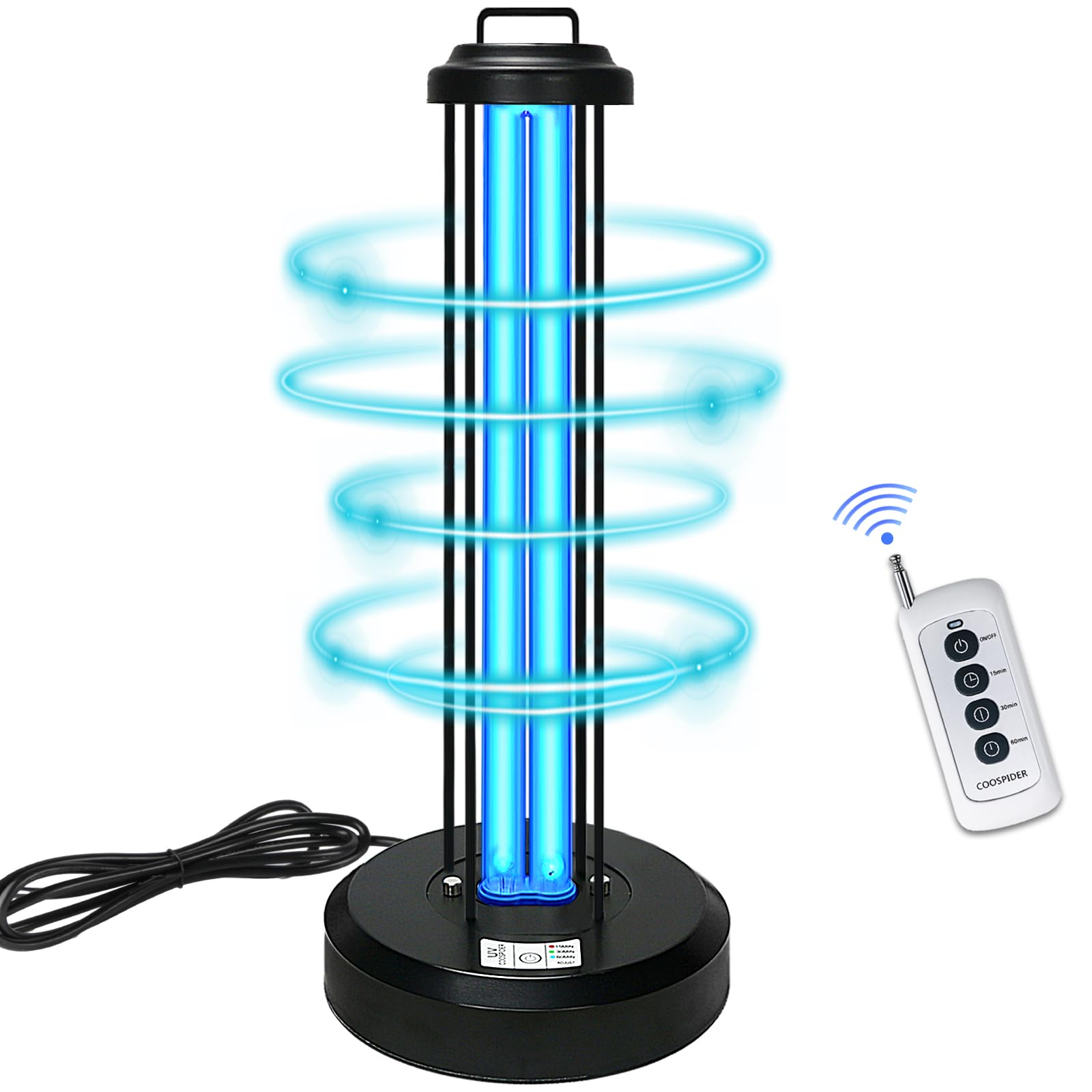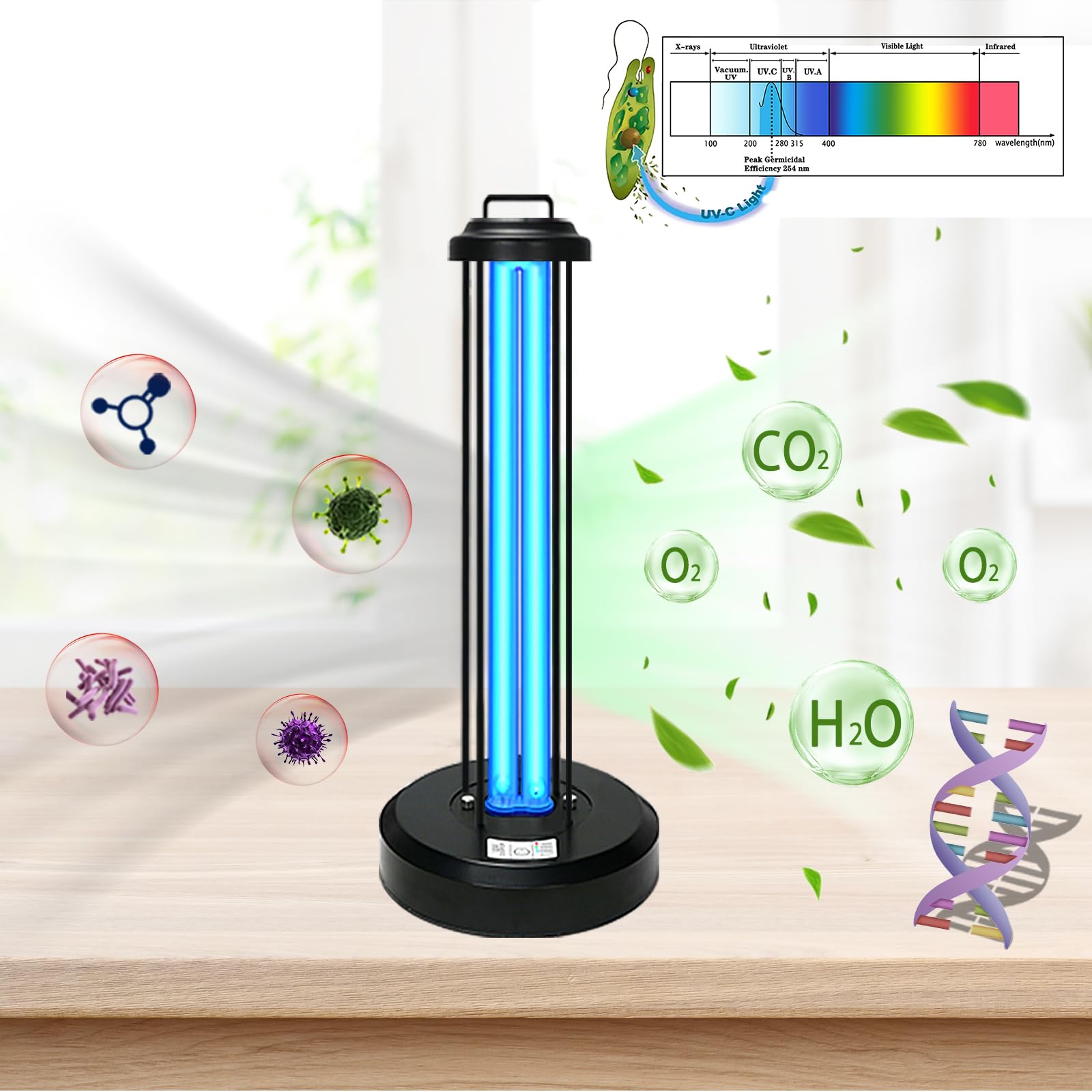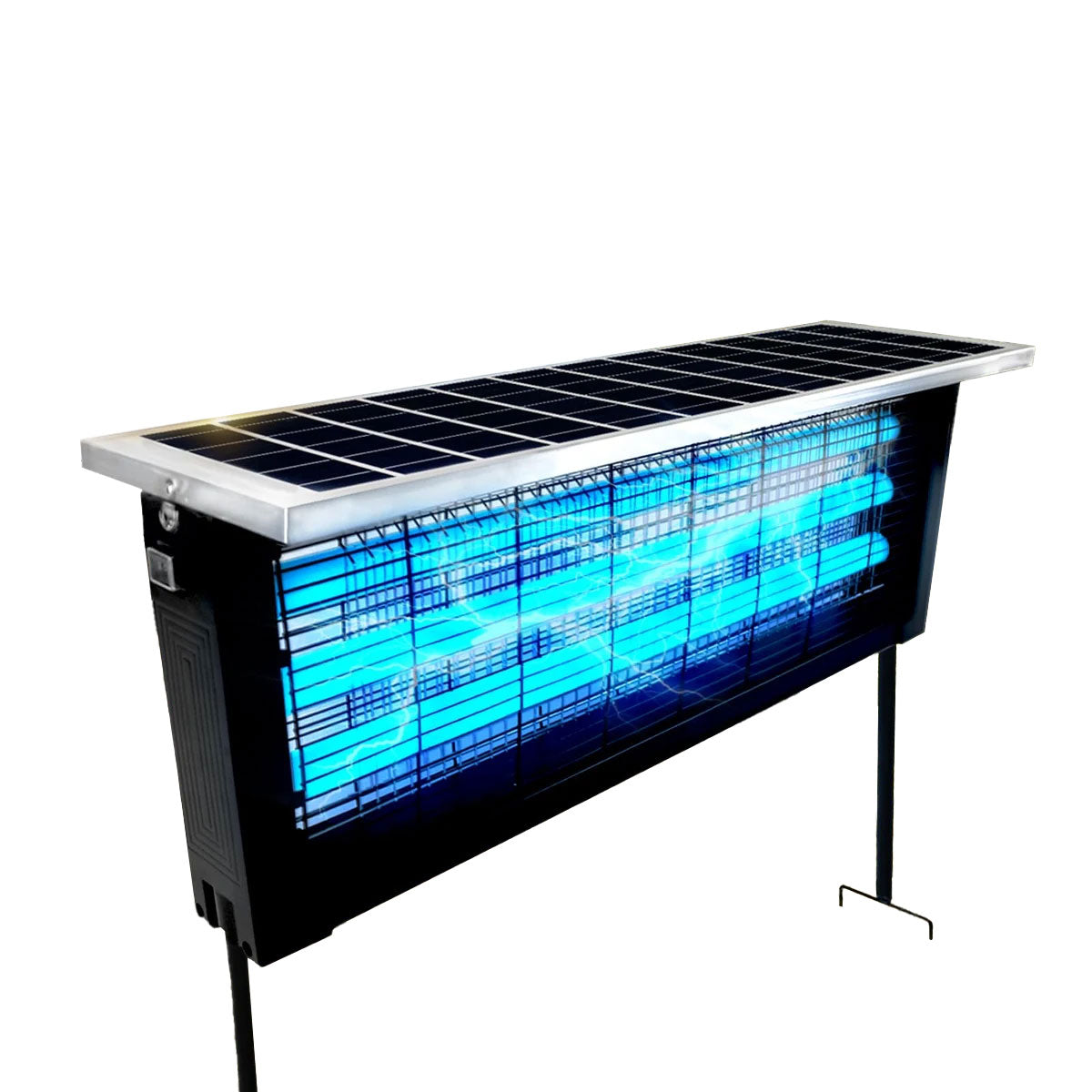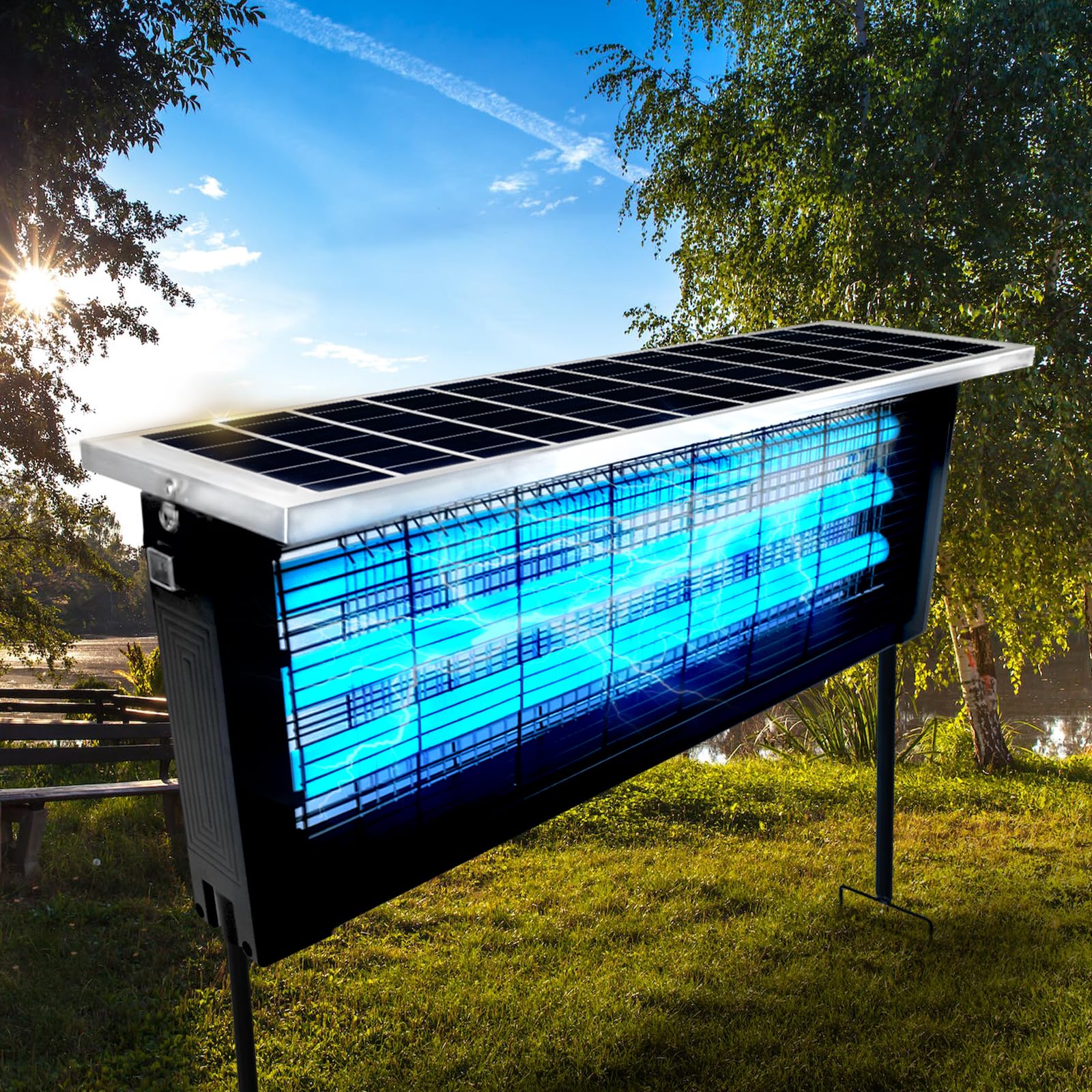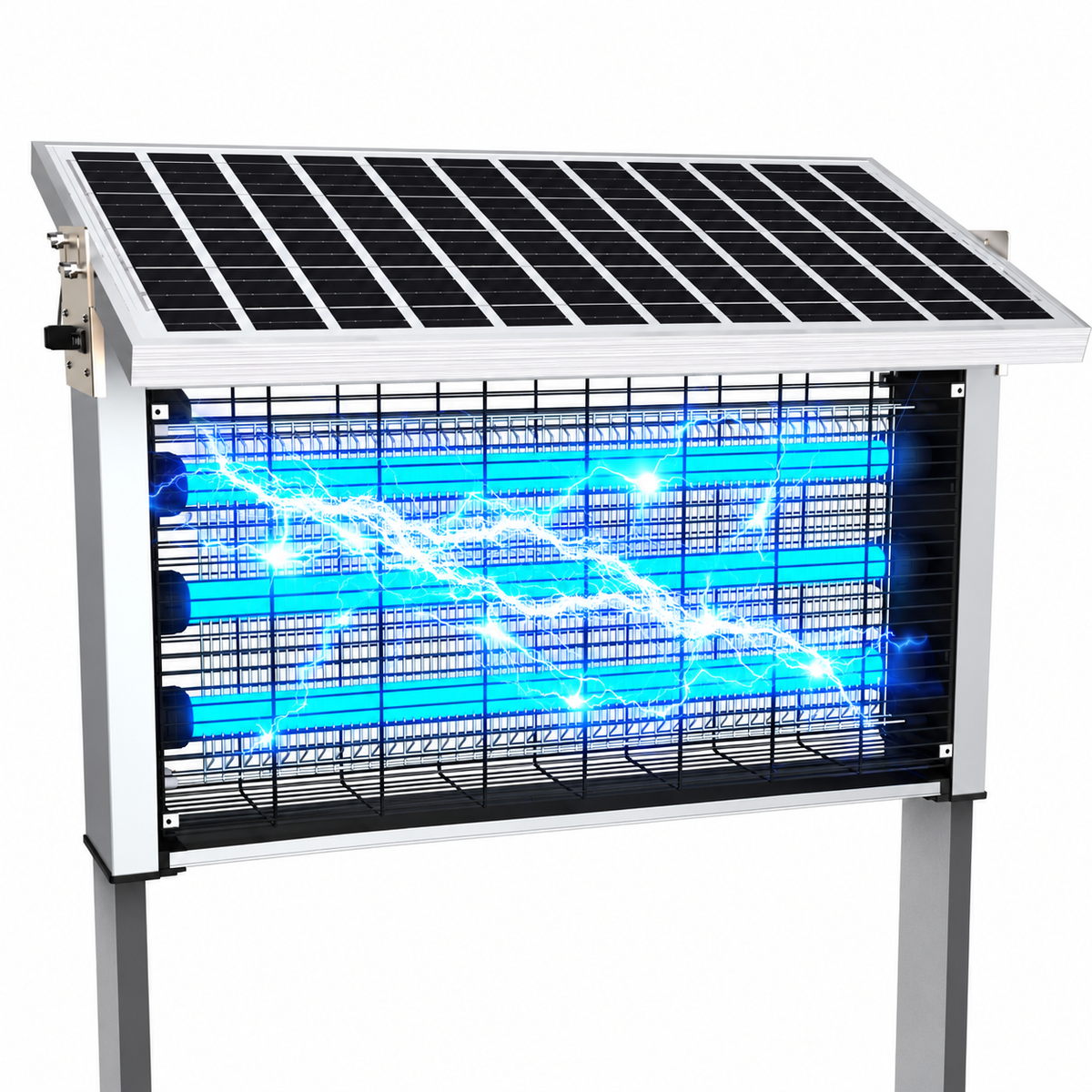
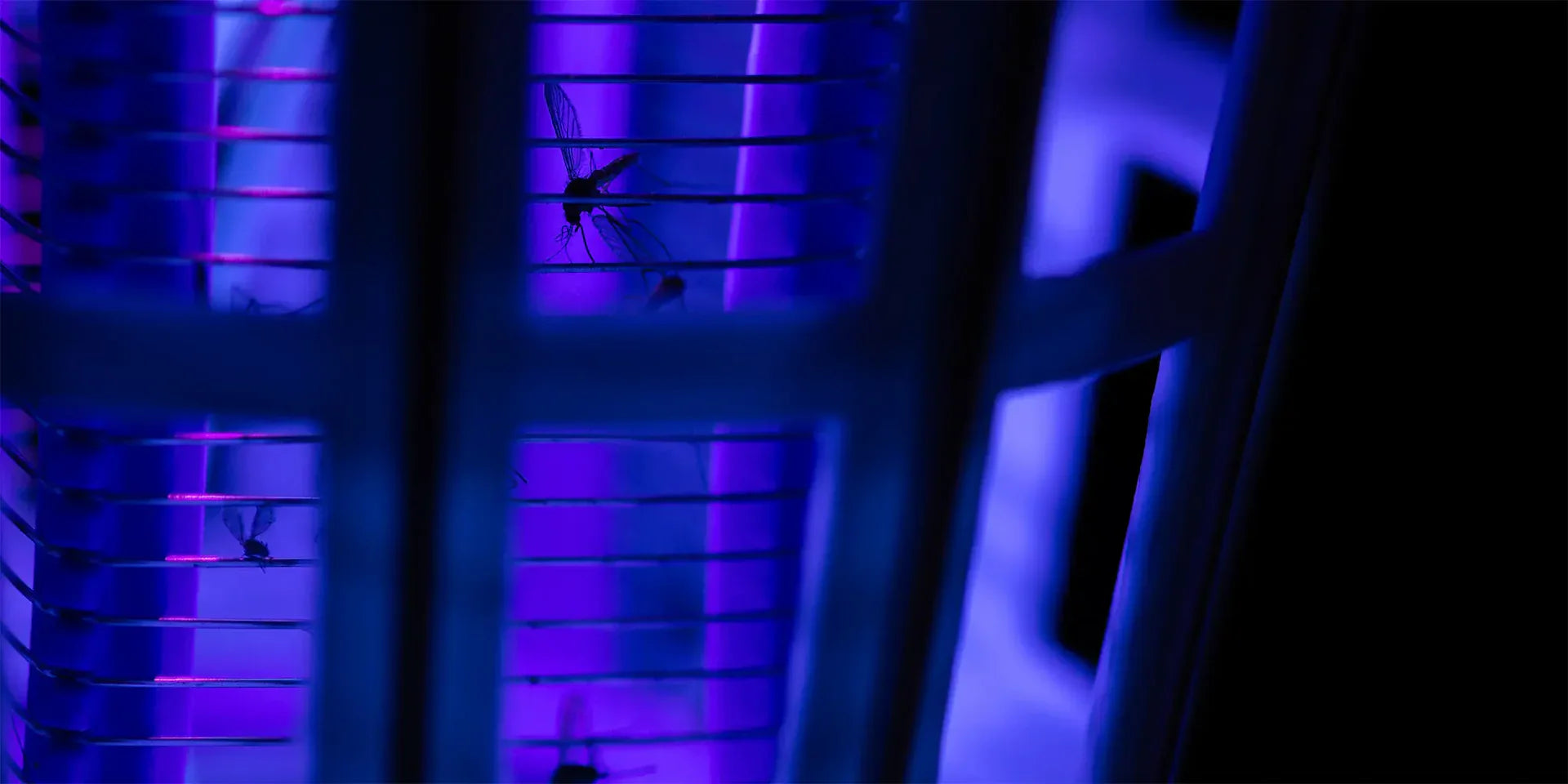
Mosquito lamps have become an essential tool in modern homes, patios, and outdoor living spaces. Quiet, chemical-free, and energy-efficient, these devices offer a convenient way to reduce flying insects without sprays or strong odors. Whether used indoors during summer nights or outdoors during backyard gatherings, mosquito lamps provide continuous protection with minimal effort.
However, many users overlook one critical factor: cleaning.
A mosquito lamp does not stop working suddenly when it becomes dirty. Instead, its effectiveness gradually declines. Dead insects accumulate, airflow becomes restricted, light output weakens, and trapping efficiency drops—often without obvious warning.
In other words, the device may still be on, but its protection level can be significantly reduced.
This comprehensive guide explains why cleaning matters, how mosquito lamps lose efficiency over time, and exactly how to maintain your device safely and effectively so it continues delivering reliable protection.
Why Cleaning a Mosquito Lamp Is More Important Than You Think
Mosquito lamps attract insects using ultraviolet light, airflow systems, electric grids, sticky surfaces, or combinations of these technologies. Every captured insect leaves behind residue.
Over time, buildup includes:
-
Insect bodies and wings
-
Dust and airborne particles
-
Pollen
-
Moisture residue
-
Microscopic organic debris
This accumulation interferes with core operating mechanisms.
Unlike visible dirt on furniture, performance loss inside a mosquito lamp is gradual and often unnoticed until mosquito activity suddenly increases again.
Regular cleaning restores the original trapping efficiency.
How Mosquito Lamps Actually Work
Understanding the cleaning process begins with understanding device function.
Most mosquito lamps operate using three stages:
1. Attraction
The lamp emits UV or specific wavelength light that attracts insects sensitive to those frequencies.
Some advanced models also simulate human cues such as warmth or airflow.
2. Capture
Insects are captured through:
-
Electric shock grids
-
Suction fans
-
Adhesive boards
-
Funnel traps
3. Containment
Captured insects collect inside trays or chambers for later disposal.
Each stage can be affected by dirt or blockage.
What Happens When You Don’t Clean Your Mosquito Lamp
A neglected device experiences several performance problems.
Reduced UV Effectiveness
Dead insects covering the light source reduce brightness and alter wavelength emission.
Less light equals fewer attracted mosquitoes.
Airflow Obstruction
Fan-based systems rely on strong airflow. Dust and insect debris restrict air circulation, weakening suction power.
Electrical Interference
In electric-grid models, residue between wires may reduce discharge efficiency.
Odor Development
Decomposing insects can produce unpleasant smells, especially in humid environments.
Increased Energy Consumption
Blocked components force motors and lights to work harder, reducing energy efficiency.
Cleaning is not cosmetic—it directly impacts protection.
How Often Should You Clean a Mosquito Lamp?
Cleaning frequency depends on usage conditions.
Indoor Use
-
Light cleaning: every 1–2 weeks
-
Deep cleaning: monthly
Outdoor Use
-
Light cleaning: weekly
-
Deep cleaning: every 2–3 weeks
High Mosquito Seasons
During peak summer months, inspection every few days is recommended.
If you notice declining capture rates, cleaning should happen immediately.
Safety First: Preparing for Cleaning
Before cleaning any mosquito lamp:
-
Turn off the device.
-
Unplug from power source.
-
Allow electrical components to cool.
-
Move the lamp to a well-lit workspace.
Never clean while powered on—even low-voltage devices can cause injury.
Tools You’ll Need
Most cleaning tasks require simple household tools:
-
Soft brush or paintbrush
-
Microfiber cloth
-
Small handheld vacuum
-
Cotton swabs
-
Mild soap solution
-
Dry towel
-
Protective gloves
Avoid harsh chemicals that may damage plastics or coatings.
Step-by-Step Cleaning Process
Step 1: Empty the Collection Tray
Remove the insect container carefully.
Tips:
-
Perform this outdoors if possible.
-
Dispose of contents in a sealed trash bag.
-
Wash removable trays with mild soap and dry completely.
Moisture left behind may damage electronics.
Step 2: Clean the Light Source
Dust and insect fragments often cling to UV bulbs.
Use:
-
A dry microfiber cloth.
-
Gentle wiping motions.
Avoid pressing too hard, as bulbs can be fragile.
Clean bulbs restore attraction strength immediately.
Step 3: Clear Airflow Paths
For fan-based mosquito lamps:
-
Use a soft brush to loosen debris.
-
Vacuum gently through vents.
-
Remove dust from intake and exhaust openings.
Restoring airflow dramatically improves capture efficiency.
Step 4: Clean Electric Grids (If Applicable)
Electric grid systems require extra care.
Use:
-
A dry brush or specialized cleaning tool.
-
Gentle strokes between wires.
Never use water directly on electrical components.
Residue buildup can prevent effective insect elimination.
Step 5: Inspect Hidden Corners
Check areas often overlooked:
-
Inner housing edges
-
Fan blades
-
Mounting grooves
-
Air channels
Small accumulations can create large performance losses.
Step 6: Dry Completely Before Reassembly
Ensure all components are fully dry before reconnecting power.
Moisture inside electrical devices can cause malfunction or corrosion.
Deep Cleaning: Monthly Maintenance Routine
Once per month, perform a more thorough inspection.
This includes:
-
Removing detachable panels
-
Checking screws and fittings
-
Cleaning internal surfaces carefully
-
Inspecting wiring for debris buildup
Deep cleaning extends device lifespan significantly.
Common Cleaning Mistakes That Reduce Effectiveness
Many users unintentionally damage their mosquito lamps.
Avoid these errors:
Using Water Spray Inside the Device
Water can reach circuitry and cause failure.
Using Chemical Cleaners
Strong cleaners may degrade UV coatings.
Skipping Regular Cleaning
Waiting too long makes debris harder to remove.
Scraping with Hard Tools
Metal objects may damage grids or surfaces.
Gentle cleaning preserves functionality.
Signs Your Mosquito Lamp Needs Immediate Cleaning
Watch for warning signals:
-
Fewer insects captured than usual
-
Visible buildup around light
-
Weak airflow
-
Unusual odors
-
Increased mosquito presence nearby
These signs often appear before total performance loss.
Indoor Placement and Cleaning Interaction
Cleaner environments reduce maintenance frequency.
Tips include:
-
Avoid placing lamps near kitchens with grease particles.
-
Keep away from dusty vents.
-
Position away from curtains that shed fibers.
Strategic placement slows dirt accumulation.
Outdoor Maintenance Challenges
Outdoor mosquito lamps face additional contaminants:
-
Rain moisture
-
Pollen
-
Soil particles
-
Plant debris
Regular inspection prevents buildup from becoming compacted.
Covered patio placement helps extend cleaning intervals.
Seasonal Storage Cleaning
Before storing your mosquito lamp for winter:
-
Perform full deep cleaning.
-
Dry completely.
-
Store in a dust-free container.
-
Remove batteries if applicable.
Proper storage prevents corrosion and mold growth.
Extending UV Bulb Lifespan Through Cleaning
Dirty bulbs run hotter and degrade faster.
Routine cleaning helps:
-
Maintain optimal brightness
-
Reduce heat buildup
-
Extend operational lifespan
Many users replace bulbs prematurely when cleaning alone would restore performance.
Energy Efficiency Benefits of Regular Maintenance
A clean mosquito lamp operates more efficiently.
Advantages include:
-
Lower power consumption
-
Improved airflow efficiency
-
Stable electrical performance
Maintenance saves energy while improving protection.
Hygiene Considerations
Dead insects can harbor bacteria or allergens.
Cleaning reduces:
-
Airborne particles
-
Potential odors
-
Indoor contamination risks
Wearing gloves during cleaning is recommended.
Creating a Maintenance Routine That Sticks
Consistency matters more than perfection.
Simple habits include:
-
Cleaning every Sunday evening.
-
Checking trays when emptying trash.
-
Inspecting after heavy insect activity.
Routine maintenance prevents major buildup.
Combining Cleaning with Other Mosquito Control Strategies
A clean lamp performs best alongside complementary methods:
-
Eliminating standing water
-
Using window screens
-
Managing outdoor lighting
-
Maintaining airflow indoors
Mosquito control works best as a system rather than a single solution.
Why Performance Decline Is Often Misdiagnosed
Many users assume mosquito lamps “stop working” after several months.
In reality, performance loss is usually caused by:
-
Dirt accumulation
-
Blocked airflow
-
Reduced light output
Cleaning often restores near-original effectiveness instantly.
Environmental Benefits of Proper Maintenance
Maintaining devices instead of replacing them reduces waste.
Benefits include:
-
Less electronic disposal
-
Reduced manufacturing demand
-
Longer product lifespan
Maintenance supports sustainable living practices.
The Psychology of Visible Cleanliness
A clean device encourages continued use.
When lamps look maintained:
-
Users trust performance more.
-
Cleaning habits become consistent.
-
Protection remains reliable.
Visual upkeep reinforces functional upkeep.
Final Thoughts: Protection Depends on Maintenance
A mosquito lamp works quietly in the background, often unnoticed until mosquitoes return. Yet its effectiveness depends heavily on care and maintenance.
Dead insects, dust, and residue slowly weaken performance—not because the technology fails, but because maintenance is neglected.
Regular cleaning restores airflow, brightness, and capture efficiency. It transforms a struggling device back into a powerful protective tool.
Think of cleaning not as a chore but as part of your defense strategy. Just a few minutes of maintenance each week ensures your mosquito lamp continues doing what it was designed to do: protect your space, improve comfort, and let you enjoy your home without interruption.
Because sometimes the difference between effective protection and persistent mosquitoes isn’t a new device—it’s simply a clean one.