For fitness enthusiasts, discipline doesn’t stop at workouts. Nutrition, recovery, sleep, and consistency all play a role in performance and long-term health. Yet there is one critical factor many active people overlook: the hygiene of their fitness gear.
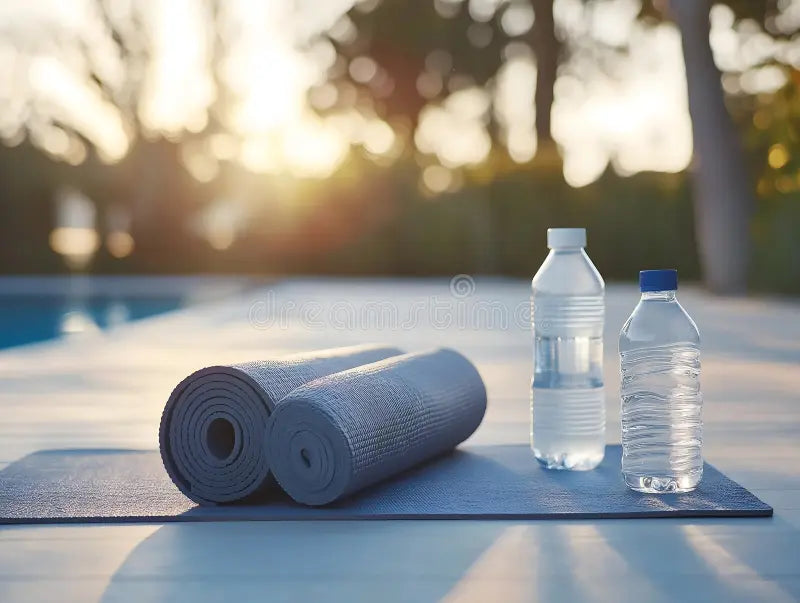
Yoga mats, athletic shoes, and water bottles are used repeatedly, often daily. They absorb sweat, trap moisture, and come into contact with floors, locker rooms, gym equipment, and hands. Over time, they can become breeding grounds for bacteria, fungi, and odor-causing microorganisms—many of which are invisible to the naked eye.
As awareness of personal hygiene continues to rise in the post-pandemic era, UV light disinfection is emerging as a powerful, chemical-free solution tailored perfectly to the needs of active lifestyles. This article explores how UV technology protects fitness gear, why traditional cleaning methods fall short, and how UV sanitation fits seamlessly into modern wellness routines.
1. Fitness and Hygiene: An Overlooked Connection
1.1 Why Active Lifestyles Increase Hygiene Risks
Fitness environments are uniquely challenging from a hygiene perspective. Gyms and studios are:
-
Warm
-
Humid
-
Shared by many users
Sweat, skin cells, and moisture create ideal conditions for microbial growth.
1.2 Sweat Is Not the Enemy—Neglect Is
Sweat itself is not harmful. The problem arises when sweat:
-
Soaks into porous materials
-
Is trapped without drying
-
Mixes with bacteria
Without proper hygiene, fitness gear can quickly become a health risk rather than a performance tool.
2. Yoga Mats: Comfort, Stability, and Hidden Contamination
2.1 Why Yoga Mats Are High-Risk Items
Yoga mats:
-
Sit directly on floors
-
Absorb sweat and oils
-
Are rarely disinfected thoroughly
Even personal mats can harbor bacteria from repeated use, especially during hot yoga or intense sessions.
2.2 Common Microorganisms Found on Yoga Mats
Testing has revealed the presence of:
-
Staphylococcus bacteria
-
Fungal spores
-
Odor-causing microbes
These organisms can contribute to skin irritation, acne, and fungal infections.
3. Athletic Shoes: The Perfect Storm for Microbial Growth
3.1 Heat, Moisture, and Darkness
Athletic shoes provide:
-
Warmth from body heat
-
Moisture from sweat
-
Darkness between uses
This combination creates ideal conditions for bacteria and fungi to thrive.
3.2 More Than Just Odor
Unhygienic shoes can lead to:
-
Persistent foot odor
-
Athlete’s foot
-
Nail fungus
-
Skin infections
Traditional deodorizing sprays mask symptoms without addressing the root cause.
4. Water Bottles: Clean Hydration Isn’t Automatic
4.1 Why Water Bottles Are Easily Contaminated
Reusable water bottles are:
-
Touched frequently
-
Exposed to saliva
-
Often closed while wet
Even clear water can support microbial growth when bottles aren’t cleaned properly.
4.2 The Hidden Risk of “Looks Clean”
Many bottles appear clean but still contain:
-
Bacteria in lids and straws
-
Biofilm buildup
-
Odor-causing microbes
Regular rinsing is not enough.
5. Traditional Cleaning Methods: Where They Fall Short
5.1 Soap and Water
While effective, washing:
-
Requires time and effort
-
Isn’t always practical daily
-
May degrade materials
Many people skip cleaning due to inconvenience.
5.2 Chemical Sprays and Wipes
Chemical disinfectants:
-
Leave residues
-
Can irritate skin
-
May damage foam, rubber, and plastics
They are not ideal for frequent, long-term use.
5.3 Deodorizers Without Disinfection
Deodorizers neutralize smell but:
-
Do not kill bacteria
-
Allow regrowth
-
Create a false sense of cleanliness
True hygiene requires microbial control.
6. Understanding UV Light Disinfection
6.1 What Is UV Light?
Ultraviolet (UV) light is part of the electromagnetic spectrum. UV-C light (200–280 nm) is scientifically proven to have germicidal properties.
6.2 How UV Light Works
UV-C light:
-
Penetrates bacterial and fungal cells
-
Damages DNA and RNA
-
Prevents microorganisms from reproducing
This process renders microbes inactive without chemicals or moisture.
7. Why UV Light Is Ideal for Fitness Gear
UV disinfection offers key advantages:
-
Chemical-free
-
Dry and residue-free
-
Fast (often minutes)
-
Material-friendly
These features make UV technology especially suited for athletic equipment.
8. UV Disinfection for Yoga Mats
8.1 Targeting Surface Contamination
UV light effectively disinfects:
-
The mat surface
-
Textured grooves
-
High-contact areas
It reaches areas that wipes often miss.
8.2 Best Practices for UV Mat Hygiene
-
Allow mat to dry after use
-
Expose both sides to UV light
-
Store in a clean, ventilated space
Regular UV treatment helps maintain freshness and skin safety.
9. UV Disinfection for Athletic Shoes
9.1 Neutralizing Odor at the Source
UV light eliminates:
-
Odor-causing bacteria
-
Fungal spores
-
Moisture-related microbes
This addresses odor rather than masking it.
9.2 Supporting Foot Health
Consistent UV sanitation:
-
Reduces fungal risk
-
Improves comfort
-
Extends shoe lifespan
It is especially beneficial for runners and high-intensity athletes.
10. UV Disinfection for Water Bottles
10.1 Reaching Hidden Areas
UV light sanitizes:
-
Bottle interiors
-
Lids and caps
-
Straws and spouts
This ensures complete hygiene without harsh chemicals.
10.2 Complementing Traditional Washing
UV is most effective when:
-
Used after rinsing
-
Applied between deep cleans
-
Integrated into daily routines
It enhances overall bottle hygiene.
11. UV Devices for Active Lifestyles
11.1 UV Sterilizer Boxes
UV boxes provide:
-
Enclosed, safe operation
-
Even light distribution
-
Automatic timers
They are ideal for water bottles and small gear.
11.2 UV Shoe Sanitizers
Designed specifically for footwear, these devices:
-
Fit inside shoes
-
Address odor and microbes
-
Operate overnight or between workouts
They are popular among athletes and gym-goers.
12. Safety and Material Compatibility
12.1 Safe Use of UV Technology
Modern UV devices include:
-
Enclosed designs
-
Auto shut-off features
-
Protective housings
When used correctly, UV disinfection is safe for home use.
12.2 Compatibility with Fitness Materials
UV light does not:
-
Soak fabrics
-
Weaken rubber
-
Leave chemical residue
This preserves performance gear over time.
13. Who Benefits Most from UV Fitness Gear Hygiene?
UV sanitation is especially valuable for:
-
Gym members
-
Yoga practitioners
-
Runners
-
Cross-training athletes
-
Fitness professionals
For these groups, prevention improves comfort and confidence.
14. UV vs. Traditional Cleaning Methods
| Method | Chemical-Free | Speed | Material Safety | Depth of Hygiene |
|---|---|---|---|---|
| Soap & Water | Yes | Low | Moderate | High |
| Chemical Sprays | No | Moderate | Low | Moderate |
| Deodorizers | Yes | High | High | Low |
| UV Light | Yes | High | High | High |
UV technology fills a crucial gap in modern fitness hygiene.
15. Integrating UV Hygiene Into Your Fitness Routine
15.1 Simple Daily Habits
-
UV-sanitize shoes after workouts
-
Treat yoga mats several times per week
-
Use UV for water bottles daily
Consistency matters more than intensity.
15.2 Long-Term Benefits
-
Reduced odor
-
Lower infection risk
-
Extended gear lifespan
-
Improved confidence
Clean gear supports better performance.
Conclusion: Strong Workouts Deserve Clean Gear
Fitness is about improving your body—not exposing it to unnecessary risks. Yoga mats, athletic shoes, and water bottles are essential tools, but without proper hygiene, they can undermine your health and comfort.
UV light disinfection offers a fast, effective, and chemical-free way to protect your gear and your body. By eliminating bacteria and fungi at the source, UV technology supports cleaner workouts, fresher equipment, and greater peace of mind.
For fitness enthusiasts committed to performance and wellness, UV hygiene isn’t a luxury—it’s a smart, modern standard.