Industrial development has brought enormous economic growth, but it has also created increasingly complex environmental challenges. Among these challenges, industrial wastewater treatment remains one of the most important issues facing manufacturers, environmental engineers, and water management professionals.
Unlike ordinary domestic wastewater, industrial wastewater often contains complicated pollutants, including organic compounds, chemical residues, dyes, pharmaceutical ingredients, heavy metals, oils, and other substances that are difficult to remove through conventional treatment methods.
Industries such as:
- Textile manufacturing
- Chemical production
- Pharmaceutical processing
- Food and beverage manufacturing
- Electronics production
- Petroleum and petrochemical industries
generate wastewater with different characteristics and treatment requirements.
Traditional wastewater treatment technologies, including physical filtration, chemical precipitation, and biological treatment, have played an important role for decades. However, as industrial pollutants become more diverse and resistant, these conventional methods often face limitations.
Some organic pollutants are difficult to biodegrade. Certain chemicals require large amounts of treatment agents. Other contaminants may remain in wastewater even after multiple purification stages.
This has created a growing demand for cleaner, more efficient, and more sustainable wastewater treatment technologies.
One promising solution is photocatalytic technology combined with advanced UV lamp systems.
By using ultraviolet light to activate photocatalytic materials, this technology can generate highly reactive substances capable of breaking down complex pollutants into simpler and less harmful compounds.
For industrial wastewater treatment facilities seeking higher efficiency and better environmental performance, UV-assisted photocatalytic oxidation represents a new direction for water purification.
Understanding Photocatalytic Technology in Wastewater Treatment
Photocatalytic technology is an advanced oxidation process that uses light energy to activate a catalyst and produce powerful oxidation reactions.
The basic principle is simple:
When a photocatalyst absorbs ultraviolet light with suitable energy, electrons inside the catalyst become excited. This creates electron-hole pairs that interact with water and oxygen molecules, producing highly reactive species.
These reactive substances include:
- Hydroxyl radicals
- Superoxide radicals
- Other active oxygen species
These compounds have extremely strong oxidation capabilities.
They can attack complex organic molecules and break them down through a series of chemical reactions.
Eventually, many difficult pollutants can be converted into:
- Carbon dioxide
- Water
- Simple inorganic compounds
Compared with traditional chemical treatment methods, photocatalytic oxidation does not simply transfer pollutants from one form to another. Instead, it aims to completely degrade many harmful organic substances.
This makes it especially attractive for industries dealing with persistent pollutants.
The Role of UV Lamps in Photocatalytic Wastewater Treatment
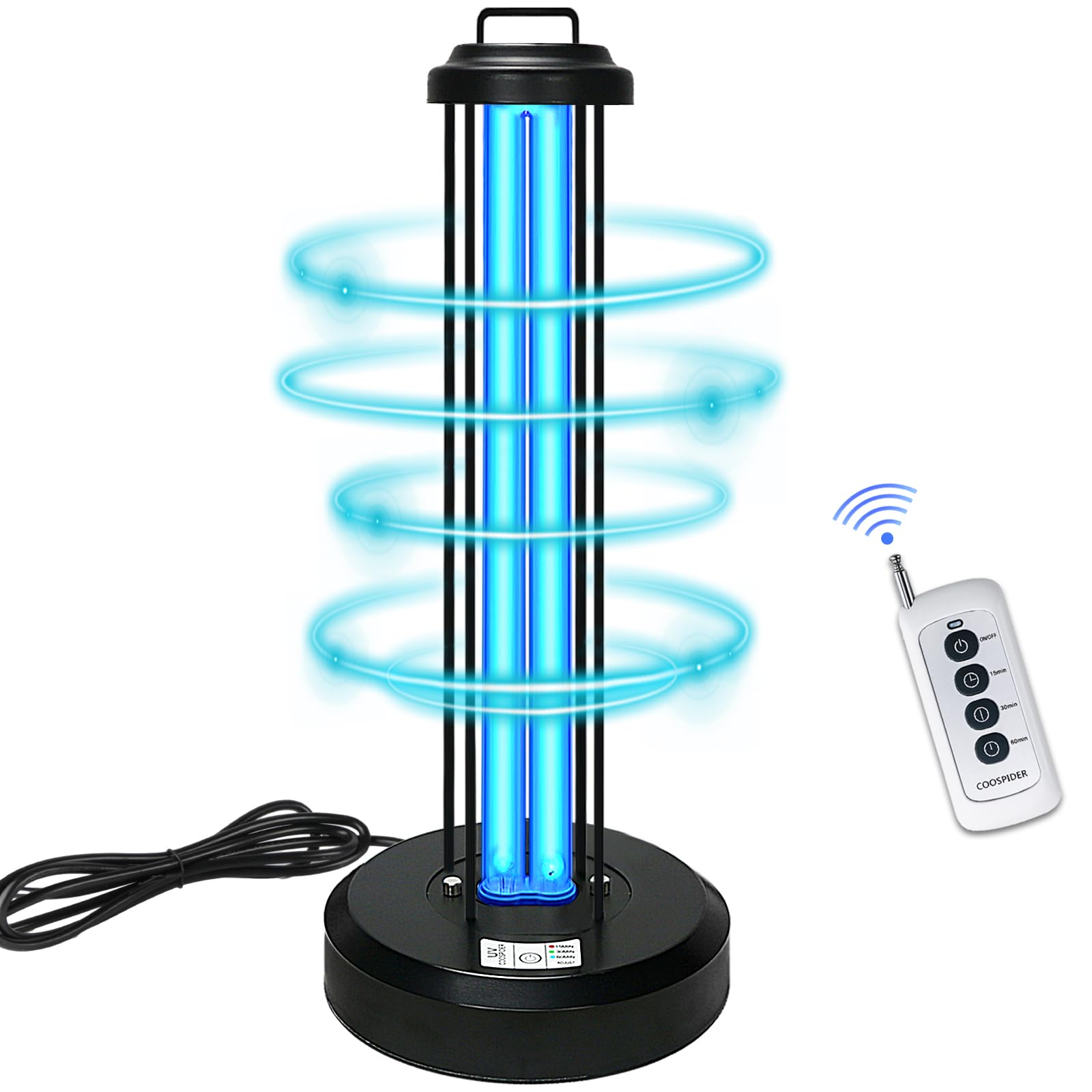
The UV lamp is one of the most critical components in a photocatalytic wastewater treatment system.
Without an effective UV light source, the photocatalyst cannot achieve sufficient activation energy.
The performance of the UV lamp directly influences:
- Treatment efficiency
- Reaction speed
- Energy consumption
- System stability
Therefore, selecting the right UV lamp technology is essential.
How UV Light Activates Photocatalysts
Photocatalysts such as titanium dioxide (TiO₂) require specific wavelengths of ultraviolet light to initiate photocatalytic reactions.
When UV photons reach the photocatalyst surface, they provide energy that triggers electron movement.
This process creates:
Photogenerated Electrons
These electrons participate in reduction reactions, interacting with oxygen molecules and forming reactive oxygen species.
Photogenerated Holes
These positively charged holes react with water molecules to produce hydroxyl radicals.
Hydroxyl radicals are among the strongest oxidizing agents used in environmental treatment applications.
They can attack:
- Organic dyes
- Industrial chemicals
- Pharmaceutical residues
- Persistent pollutants
The effectiveness of this reaction depends heavily on UV intensity, wavelength accuracy, and exposure time.
Why UV Lamps Are Becoming More Important in Industrial Wastewater Treatment
As environmental regulations become stricter, industries need treatment technologies that provide higher pollutant removal efficiency while controlling operating costs.
UV lamp-based photocatalytic systems offer several important advantages.
1. Effective Removal of Difficult Organic Pollutants
Many industrial pollutants have complex molecular structures.
Examples include:
- Synthetic dyes
- Phenolic compounds
- Antibiotic residues
- Chemical additives
- Organic solvents
Traditional biological treatment may struggle with these substances because microorganisms cannot easily break them down.
Photocatalytic oxidation provides a different approach.
Instead of depending on biological activity, it uses oxidation reactions to destroy pollutant structures.
This makes UV photocatalytic technology especially valuable for wastewater containing toxic or non-biodegradable compounds.
2. Reduced Chemical Usage
Many traditional wastewater treatment processes require large amounts of chemical additives.
These chemicals may include:
- Coagulants
- Oxidizing agents
- Neutralizing agents
Although effective, chemical treatment can create additional challenges:
- Higher operating costs
- Secondary waste generation
- Chemical storage requirements
UV photocatalytic treatment reduces dependence on some chemical processes by using light energy as a driving force.
This creates a cleaner treatment approach with fewer additional materials.
3. Environmentally Friendly Treatment Process
Sustainability has become a major focus for modern industries.
Companies are increasingly expected to reduce:
- Waste generation
- Chemical consumption
- Energy waste
- Environmental impact
Photocatalytic wastewater treatment aligns with these goals because it can provide pollutant degradation without introducing large amounts of additional chemicals.
When properly designed, UV-based systems can support greener industrial operations.
Different Types of UV Lamps Used in Photocatalytic Applications
The performance of photocatalytic wastewater treatment depends greatly on UV lamp selection.
Different UV technologies provide different advantages.
Low-Pressure UV Lamps
Low-pressure UV lamps are widely used in water treatment applications because they provide strong ultraviolet output at specific wavelengths.
Advantages include:
- High UV efficiency
- Stable performance
- Long operating life
- Reliable treatment results
They are commonly used in applications requiring consistent UV exposure.
Medium-Pressure UV Lamps
Medium-pressure UV lamps produce a broader UV spectrum.
Their advantages include:
- Higher energy output
- Strong oxidation capability
- Effective treatment of complex pollutants
They are often considered for industrial wastewater applications where stronger oxidation performance is required.
UV LED Technology
UV LED lamps represent a newer development in ultraviolet applications.
They provide advantages such as:
- Lower energy consumption
- Compact design
- Instant startup
- Flexible wavelength selection
- Longer service life
As UV LED technology continues to improve, it is expected to play a larger role in advanced wastewater treatment systems.
Key Factors Affecting UV Photocatalytic Treatment Efficiency
Installing a UV lamp alone does not guarantee excellent wastewater treatment results.
System performance depends on multiple factors.
UV Wavelength Selection
Different photocatalysts require different wavelengths for optimal activation.
For example, titanium dioxide photocatalysts typically respond strongly to ultraviolet wavelengths.
Choosing an unsuitable wavelength may reduce reaction efficiency.
UV Intensity
Higher UV intensity generally increases photocatalytic activity.
However, excessive energy input may increase operating costs without providing proportional benefits.
Engineers must balance:
- Treatment efficiency
- Energy consumption
- Operating requirements
Contact Time
Wastewater must remain exposed to UV-activated photocatalytic reactions for sufficient time.
Short exposure may result in incomplete degradation.
Proper reactor design ensures that wastewater receives adequate UV treatment.
Catalyst Concentration
The amount of photocatalyst affects reaction performance.
Too little catalyst may reduce pollutant removal efficiency, while excessive catalyst levels may block UV penetration.
Optimizing catalyst concentration is essential.
How UV Photocatalytic Technology Improves Industrial Wastewater Treatment Efficiency
Industrial wastewater treatment is becoming increasingly challenging as manufacturing processes become more advanced. Modern industries often produce wastewater containing complex chemical structures that are difficult to remove through traditional treatment methods.
For many factories, wastewater treatment is no longer only about meeting basic discharge standards. It has become an important part of improving operational sustainability, reducing environmental risks, and building a responsible corporate image.
UV-assisted photocatalytic technology provides industries with a powerful solution by combining ultraviolet energy with advanced oxidation principles. Through carefully designed UV lamp systems, wastewater treatment facilities can achieve higher pollutant removal efficiency while reducing dependence on chemical additives.
The Advantages of UV Photocatalytic Technology in Industrial Wastewater Treatment
Photocatalytic oxidation using UV lamps offers several benefits compared with conventional treatment approaches.
These advantages make it suitable for industries facing increasingly strict environmental requirements.
1. Strong Oxidation Capability for Complex Pollutants
One of the biggest challenges in industrial wastewater treatment is dealing with pollutants that are chemically stable.
Many industrial compounds are designed to resist degradation. This characteristic is useful during manufacturing but creates difficulties when treating wastewater.
Examples include:
- Synthetic dyes used in textile production
- Organic solvents from chemical industries
- Pharmaceutical residues
- Persistent organic compounds
- Industrial additives
Biological treatment systems may require long processing times to handle these substances, and some pollutants may remain partially untreated.
UV photocatalytic systems solve this problem by generating highly reactive hydroxyl radicals.
These radicals can attack complex molecular structures and break chemical bonds.
The process can transform difficult pollutants into simpler substances that are easier to manage.
This makes UV photocatalytic oxidation particularly valuable for industries producing high-strength wastewater.
2. Improved Treatment Efficiency With Advanced Reactor Design
The effectiveness of a photocatalytic wastewater system depends not only on the UV lamp but also on the overall reactor design.
Modern systems are designed to maximize contact between:
- UV light
- Photocatalyst materials
- Wastewater pollutants
A well-designed reactor improves:
- UV exposure efficiency
- Reaction speed
- Pollutant degradation rate
- Energy utilization
Common reactor designs include:
Immersion UV Reactors
In immersion systems, UV lamps are placed directly inside the wastewater chamber.
Advantages include:
- Direct UV contact
- Efficient light distribution
- Compact system design
These systems are commonly used where space is limited.
Flow-Through UV Reactors
In flow-through systems, wastewater continuously passes through a UV treatment chamber.
Benefits include:
- Continuous operation
- Easy integration with industrial pipelines
- Suitable for large wastewater volumes
These systems are widely used in manufacturing facilities requiring stable treatment capacity.
Coated Photocatalytic Reactors
Some systems apply photocatalyst materials onto reactor surfaces.
This design can reduce the need for catalyst recovery after treatment.
It provides advantages such as:
- Easier maintenance
- Reduced secondary waste
- Improved operational convenience
Applications of UV Photocatalytic Technology Across Different Industries
Different industries generate different types of wastewater. UV photocatalytic treatment can be adapted to various industrial environments.
Textile Industry: Removing Dyes and Color Pollutants
The textile industry is one of the largest producers of colored wastewater.
Dye molecules are often highly stable and difficult to remove.
Common wastewater problems include:
- Strong color contamination
- Organic chemical residues
- High chemical oxygen demand (COD)
- Difficult-to-degrade compounds
Traditional treatment methods may remove visible color but fail to completely destroy dye molecules.
UV photocatalytic technology provides a deeper treatment approach.
By generating powerful oxidation reactions, UV systems can help break down dye structures and reduce organic pollution.
Benefits for textile manufacturers include:
- Improved wastewater quality
- Reduced environmental impact
- Better compliance with discharge requirements
- More sustainable production practices
Pharmaceutical Industry: Treating Complex Chemical Residues
Pharmaceutical wastewater often contains biologically active substances and complicated organic molecules.
These compounds may include:
- Drug residues
- Chemical intermediates
- Antibiotic compounds
- Organic solvents
Because pharmaceutical wastewater can contain substances that affect biological treatment systems, advanced oxidation methods are increasingly important.
UV photocatalytic treatment provides a method for degrading many persistent organic compounds.
Advantages include:
- Strong oxidation performance
- Reduced chemical usage
- Better removal of trace contaminants
For pharmaceutical manufacturers, improving wastewater treatment efficiency helps protect water resources and maintain regulatory compliance.
Chemical Manufacturing: Handling High-Strength Wastewater
Chemical factories often produce wastewater with:
- High organic concentration
- Toxic compounds
- Variable chemical characteristics
These wastewater streams can be difficult to manage because their composition changes depending on production processes.
UV photocatalytic technology offers flexibility because treatment parameters can be adjusted according to wastewater conditions.
Engineers can optimize:
- UV intensity
- Reaction time
- Catalyst type
- Flow rate
This adaptability makes UV treatment suitable for complex industrial environments.
Food and Beverage Industry: Improving Organic Waste Treatment
Food processing wastewater usually contains large amounts of organic materials.
Common pollutants include:
- Oils
- Fats
- Proteins
- Sugars
- Organic residues
Although biological treatment is often effective, additional oxidation treatment can improve overall water quality.
UV photocatalytic systems can help reduce remaining organic compounds and improve final effluent quality.
Applications include:
- Dairy processing plants
- Beverage factories
- Meat processing facilities
- Food ingredient manufacturers
Electronics Industry: Treating Specialized Industrial Wastewater
Electronics manufacturing involves advanced chemicals and cleaning processes.
Wastewater may contain:
- Organic cleaning agents
- Photoresist residues
- Chemical additives
- Manufacturing by-products
These compounds often require specialized treatment approaches.
UV photocatalytic oxidation can provide an additional purification stage to improve wastewater quality before discharge or reuse.
Why UV Lamp Quality Determines Treatment Performance
In photocatalytic wastewater treatment, the UV lamp is not simply a light source. It is the energy engine that drives the entire oxidation process.
A low-quality UV lamp may lead to:
- Insufficient oxidation
- Longer treatment times
- Higher energy consumption
- Unstable system performance
High-performance UV lamps provide:
Stable UV Output
Consistent ultraviolet intensity ensures reliable photocatalytic reactions.
Fluctuating UV output can reduce treatment efficiency and create inconsistent results.
Long Operating Life
Industrial wastewater systems often operate continuously.
A durable UV lamp reduces:
- Replacement frequency
- Maintenance interruptions
- Operational costs
Long service life is especially important for factories running 24-hour production schedules.
High Energy Efficiency
Energy consumption is a major factor in wastewater treatment costs.
Advanced UV lamp technologies improve energy utilization by providing stronger UV output with optimized electrical consumption.
This helps industries achieve treatment goals while controlling operating expenses.
Combining UV Photocatalysis With Other Treatment Technologies
Although UV photocatalytic oxidation is powerful, many industrial facilities achieve the best results by combining multiple treatment technologies.
Integrated treatment systems may include:
Biological Treatment + UV Photocatalysis
Biological processes remove easily biodegradable pollutants, while UV photocatalysis targets remaining difficult compounds.
This combination improves overall treatment efficiency.
Filtration + UV Photocatalysis
Physical filtration removes suspended particles, allowing UV light to penetrate wastewater more effectively.
Better light penetration improves photocatalytic performance.
Ozone + UV Technology
The combination of ozone and UV creates additional oxidation pathways.
This can significantly enhance pollutant degradation for challenging wastewater streams.
The Future Development Direction of UV Photocatalytic Wastewater Treatment
As industries continue moving toward cleaner production, wastewater treatment technologies will continue evolving.
Future developments are expected to focus on:
- More energy-efficient UV lamps
- Intelligent monitoring systems
- Automated treatment control
- Improved photocatalyst materials
- Compact industrial treatment equipment
Advanced UV technologies will likely become an important component of next-generation wastewater management.
Companies that invest in efficient treatment solutions today will be better prepared for future environmental challenges.
How to Select the Right UV Lamp for Photocatalytic Wastewater Treatment Systems
Selecting the right UV lamp is one of the most important decisions when designing or upgrading a photocatalytic wastewater treatment system.
Many industrial companies focus primarily on purchasing reactors or photocatalysts, but the UV lamp itself often determines whether the entire system can achieve stable and efficient performance.
A properly selected UV lamp can improve pollutant degradation, reduce energy consumption, extend maintenance intervals, and create a more reliable wastewater treatment process.
On the other hand, an unsuitable UV lamp may result in:
- Incomplete pollutant removal
- Higher operating costs
- Frequent maintenance
- Lower treatment efficiency
- Unstable wastewater quality
For industrial applications, choosing a UV lamp requires careful evaluation of wavelength, power output, operating conditions, and system compatibility.
Understanding the Most Important UV Lamp Selection Factors
Different wastewater treatment projects have different requirements. A small manufacturing facility and a large chemical plant may need completely different UV solutions.
Before selecting a UV lamp, engineers should evaluate several key factors.
1. Choosing the Correct UV Wavelength
UV wavelength is one of the most critical parameters in photocatalytic applications.
Photocatalysts respond differently depending on the wavelength of ultraviolet energy they receive.
Common UV wavelengths used in industrial water treatment include:
- 254nm
- 365nm
- 385nm
- 395nm
- 405nm
Each wavelength has different characteristics.
254nm UV Lamps
254nm ultraviolet light is widely used for water disinfection because it can damage microbial DNA and reduce biological contamination.
Applications include:
- Drinking water treatment
- Process water purification
- Industrial water reuse systems
Although 254nm UV is highly effective for microbial control, photocatalytic applications may require different wavelengths depending on the catalyst material.
365nm UV Lamps
365nm UV lamps are commonly used in photocatalytic oxidation systems because many photocatalysts respond effectively to this wavelength.
Advantages include:
- Strong catalyst activation
- Stable operation
- Efficient oxidation performance
They are often selected for applications involving organic pollutant degradation.
385nm, 395nm, and 405nm UV LED Systems
UV LED technology has expanded the available wavelength options for industrial wastewater treatment.
Advantages include:
- Flexible wavelength customization
- Lower energy consumption
- Compact equipment design
- Instant startup capability
These systems are becoming increasingly attractive for advanced wastewater treatment applications.
2. Selecting the Proper UV Power Output
UV power determines how much energy is delivered into the wastewater treatment process.
The required power depends on:
- Wastewater flow rate
- Pollutant concentration
- Reactor size
- Treatment objectives
- Required reaction speed
A system with insufficient UV power may not generate enough reactive species to effectively degrade pollutants.
However, excessive UV power may increase electricity costs without significantly improving treatment results.
The goal is to find the right balance between:
- Treatment efficiency
- Energy consumption
- Operating cost
Professional system design considers the actual wastewater characteristics instead of simply choosing the highest-power lamp available.
3. Consider Wastewater Characteristics
Industrial wastewater varies significantly between industries.
Before choosing a UV lamp, companies should analyze:
Chemical Oxygen Demand (COD)
COD indicates the amount of organic material present in wastewater.
Higher COD levels usually require stronger oxidation capability.
Turbidity
Cloudy wastewater can reduce UV penetration.
If suspended particles block UV light, photocatalytic efficiency may decrease.
Pre-treatment methods such as filtration or sedimentation may improve UV performance.
pH Conditions
Wastewater acidity and alkalinity can affect photocatalytic reactions.
Some catalysts perform better within specific pH ranges.
A complete treatment design should consider operating conditions carefully.
Pollutant Type
Different pollutants respond differently to oxidation.
For example:
- Dye molecules may require strong oxidation reactions
- Pharmaceutical residues may need longer reaction times
- Industrial chemicals may require customized catalyst combinations
Understanding pollutant characteristics helps determine the most suitable UV system.
4. Evaluate UV Lamp Service Life
Industrial wastewater treatment systems often operate continuously.
Lamp lifespan directly affects maintenance costs and production stability.
A high-quality UV lamp should provide:
- Stable output over time
- Reliable electrical performance
- Long operating hours
- Reduced replacement frequency
Frequent lamp replacement can create unnecessary downtime and increase labor costs.
For factories operating around the clock, long-life UV technology provides significant advantages.
5. Cooling and Heat Management
Although UV lamps are designed for industrial applications, heat management remains an important consideration.
Excessive heat may affect:
- Lamp performance
- Electronic components
- Reactor materials
- System stability
Modern UV systems may use:
- Air cooling
- Water cooling
- Heat dissipation structures
- Temperature monitoring systems
A well-designed cooling system helps maintain consistent performance during long-term operation.
Comparing Traditional UV Lamps and UV LED Technology
UV technology has developed significantly in recent years.
Traditional UV lamps and UV LED systems each have their own advantages.
Traditional UV Lamps
Advantages:
- Mature technology
- Proven industrial reliability
- High UV output
- Suitable for large-scale systems
Common applications include:
- Municipal wastewater treatment
- Industrial purification systems
- Large flow treatment facilities
Potential limitations:
- Higher energy consumption
- Warm-up requirements
- Lamp replacement needs
- Heat generation
UV LED Systems
UV LED technology offers several new possibilities for industrial wastewater treatment.
Advantages include:
Lower Energy Consumption
UV LEDs convert electrical energy into ultraviolet output efficiently.
This can reduce long-term operating costs.
Instant Operation
Unlike some traditional lamps that require warm-up time, UV LEDs can start immediately.
This improves:
- System flexibility
- Automated operation
- Energy management
Longer Service Life
UV LED modules typically provide extended operational life.
This reduces maintenance frequency and improves system reliability.
Compact System Design
UV LED equipment can be designed with smaller footprints.
This benefits facilities with limited installation space.
How to Improve Photocatalytic Efficiency With UV Lamp Optimization
Simply installing a powerful UV lamp does not guarantee maximum treatment performance.
System optimization is essential.
Optimize UV Lamp Placement
The position of UV lamps affects light distribution.
Poor placement may create areas with insufficient UV exposure.
Proper reactor design ensures:
- Uniform irradiation
- Maximum catalyst activation
- Better wastewater contact
Maintain Clean Lamp Surfaces
In industrial wastewater systems, contaminants may accumulate on lamp sleeves.
This reduces UV transmission.
Regular maintenance helps maintain:
- UV intensity
- Treatment efficiency
- Equipment lifespan
Automatic cleaning systems can further reduce maintenance requirements.
Monitor UV Intensity in Real Time
Advanced treatment systems increasingly use sensors to monitor UV performance.
Real-time monitoring allows operators to track:
- Lamp output
- System efficiency
- Maintenance requirements
Smart monitoring helps prevent unexpected performance declines.
Calculate the Economic Benefits of UV Photocatalytic Systems
When evaluating a UV wastewater treatment system, companies should consider long-term value rather than only initial equipment cost.
The economic benefits may include:
Lower Chemical Expenses
Reduced chemical usage can significantly decrease operating costs.
Reduced Waste Disposal Costs
Better pollutant degradation can reduce the amount of secondary waste generated.
Improved Compliance
Efficient wastewater treatment helps companies avoid potential environmental penalties and production interruptions.
Water Reuse Opportunities
Advanced treatment can make wastewater suitable for reuse in certain industrial processes.
This can reduce freshwater consumption and improve resource efficiency.
Common Mistakes When Choosing UV Lamps for Wastewater Treatment
Many treatment problems are caused not by UV technology itself but by incorrect system selection.
Mistake 1: Choosing UV Power Based Only on Equipment Price
A cheaper lamp may appear attractive initially, but poor performance can create higher costs later.
Important factors include:
- Energy efficiency
- Lifespan
- Maintenance needs
- Treatment results
Mistake 2: Ignoring Wastewater Testing
Every industrial wastewater stream is different.
Selecting equipment without analyzing wastewater characteristics may lead to poor results.
Professional testing should evaluate:
- Pollutant types
- Concentration levels
- Flow conditions
- Treatment goals
Mistake 3: Using the Wrong Wavelength
A UV lamp must match the photocatalyst requirements.
Incorrect wavelength selection can significantly reduce oxidation efficiency.
Building a More Efficient Wastewater Treatment Future With UV Technology
Industrial companies are under increasing pressure to improve environmental performance while maintaining profitability.
UV photocatalytic wastewater treatment provides a practical pathway toward cleaner production.
By selecting the right UV lamp technology, companies can achieve:
- Better pollutant removal
- Lower chemical consumption
- Improved operational stability
- Reduced environmental impact
The future of industrial wastewater treatment will depend on technologies that combine efficiency, sustainability, and intelligent operation.
UV lamps are becoming a key component in this transformation.
The Future of Industrial Wastewater Treatment — Why UV Photocatalytic Technology Will Continue Growing
Industrial wastewater management is undergoing a major transformation. As environmental regulations become stricter and industries focus more on sustainable production, companies are searching for treatment technologies that provide higher efficiency, lower operating costs, and better long-term reliability.
Traditional wastewater treatment methods remain important, but they are no longer always sufficient for handling increasingly complex industrial pollutants.
The combination of photocatalytic technology and advanced UV lamps represents one of the most promising approaches for the future of industrial wastewater treatment.
By using ultraviolet energy to activate powerful oxidation reactions, UV photocatalytic systems provide industries with a cleaner and more efficient method for removing difficult contaminants.
For manufacturers seeking to improve environmental performance while maintaining operational efficiency, this technology offers a practical path toward the next generation of wastewater management.
The Growing Importance of Advanced Wastewater Treatment
Industrial production continues to expand worldwide, creating greater demand for effective wastewater solutions.
Industries today face several major challenges:
- Increasingly complex wastewater compositions
- Stricter discharge regulations
- Higher costs for chemical treatment
- Growing demand for water reuse
- Pressure to reduce environmental impact
These challenges require more advanced solutions.
Modern wastewater treatment is moving beyond simple pollutant removal. The focus is shifting toward:
- Complete degradation of harmful compounds
- Resource recovery
- Energy efficiency
- Automated operation
- Sustainable manufacturing
UV photocatalytic technology fits well within this new direction.
UV Photocatalysis and the Future of Sustainable Manufacturing
Sustainability is becoming a central business goal for many industrial companies.
Manufacturers are not only expected to produce high-quality products but also to minimize their environmental footprint.
UV photocatalytic wastewater treatment supports sustainable manufacturing in several important ways.
Reducing Chemical Dependency
Many conventional wastewater treatment systems rely heavily on chemical additives.
While chemicals can provide fast treatment results, long-term usage may create challenges such as:
- Increased operating expenses
- Chemical storage requirements
- Secondary waste generation
- Additional environmental concerns
UV photocatalytic systems use ultraviolet energy to drive oxidation reactions.
This reduces reliance on large quantities of chemical oxidizers and creates a cleaner treatment approach.
Supporting Water Recycling and Reuse
Freshwater resources are becoming increasingly valuable.
Many industries are exploring wastewater recycling as a way to reduce water consumption.
Advanced treatment systems using UV photocatalysis can improve wastewater quality and make reuse applications more achievable.
Potential reuse areas include:
- Equipment cleaning
- Cooling systems
- Manufacturing processes
- Industrial landscaping
- Utility applications
By improving water recovery capabilities, companies can reduce dependence on external water supplies.
Improving Environmental Compliance
Environmental regulations continue to evolve.
Companies that fail to meet wastewater standards may face:
- Production restrictions
- Financial penalties
- Reputation damage
Investing in advanced treatment technology helps companies maintain stable compliance.
UV photocatalytic systems provide an additional purification barrier that can improve treatment reliability.
The Role of Intelligent Technology in Future UV Wastewater Systems
The future of wastewater treatment will not only depend on better hardware. Intelligent control systems will also play an increasingly important role.
Modern UV treatment systems are becoming smarter through:
- Automated monitoring
- Digital sensors
- Remote control systems
- Data analysis platforms
These technologies allow operators to understand system performance in real time.
Real-Time UV Monitoring
UV intensity directly affects treatment efficiency.
Advanced monitoring systems can track:
- UV lamp output
- Operating hours
- Energy consumption
- Treatment performance
When UV output decreases, the system can automatically notify operators.
This prevents unexpected declines in treatment quality.
Automated Operating Adjustment
Different wastewater conditions may require different treatment settings.
Smart systems can adjust parameters such as:
- UV power levels
- Flow rates
- Reaction times
This improves energy efficiency while maintaining treatment performance.
Predictive Maintenance
Unexpected equipment failure can interrupt industrial operations.
Intelligent monitoring helps predict maintenance needs before problems occur.
Benefits include:
- Reduced downtime
- Lower maintenance costs
- Longer equipment lifespan
- More stable wastewater treatment
The Development of More Efficient UV Lamp Technology
UV lamp technology continues to improve.
Future innovations are expected to focus on:
Higher Energy Efficiency
Manufacturers are developing UV systems that deliver stronger performance with lower electricity consumption.
This will help reduce long-term operating expenses.
Longer Service Life
Improved materials and better thermal management are extending UV lamp lifespan.
Longer-lasting systems reduce replacement costs and maintenance interruptions.
More Flexible Wavelength Options
Advanced UV LED technology allows manufacturers to develop lamps with customized wavelengths.
This creates more possibilities for different photocatalysts and wastewater applications.
Smaller and More Efficient Equipment Designs
Industrial facilities often face space limitations.
Future UV systems are expected to become:
- More compact
- Easier to install
- Easier to integrate
- More adaptable
This will allow more companies to adopt advanced treatment technology.
How Companies Can Prepare for the Future of Wastewater Treatment
Industrial businesses considering wastewater treatment upgrades should take a strategic approach.
A successful transition requires more than purchasing new equipment.
Step 1: Analyze Current Wastewater Challenges
Before selecting a treatment system, companies should understand their wastewater characteristics.
Important information includes:
- Pollutant types
- Wastewater volume
- Chemical composition
- Current treatment limitations
- Future production plans
A detailed analysis helps determine the most suitable technology.
Step 2: Evaluate Treatment Goals
Different companies have different objectives.
Some may focus on:
- Meeting discharge standards
Others may prioritize:
- Water recycling
- Lower operating costs
- Reduced chemical consumption
- Sustainable production goals
Clear objectives help create the right treatment strategy.
Step 3: Choose the Right UV Photocatalytic Solution
A professional UV system supplier can help evaluate:
- UV wavelength requirements
- Lamp power
- Reactor design
- Installation conditions
- Maintenance plans
Customized solutions usually provide better long-term results than standard equipment choices.
Step 4: Optimize System Operation After Installation
Even the best equipment requires proper operation.
Companies should regularly monitor:
- UV performance
- Catalyst efficiency
- Wastewater quality
- Energy usage
Continuous optimization ensures maximum treatment benefits.
Industries That Will Benefit Most From UV Photocatalytic Development
As technology advances, more industries are expected to adopt UV photocatalytic wastewater treatment.
High-potential sectors include:
Pharmaceutical Manufacturing
Growing concerns about pharmaceutical residues will increase demand for advanced oxidation technologies.
Textile Production
The need to remove dyes and chemical residues will continue driving innovation.
Chemical Processing
Complex industrial chemicals require stronger treatment methods.
Electronics Manufacturing
High-purity production processes require advanced wastewater management.
Food and Beverage Manufacturing
Water reuse and sustainable production will encourage more efficient treatment solutions.
Why UV Photocatalytic Technology Represents a New Direction for Industrial Wastewater Treatment
The future of industrial wastewater treatment requires technologies that achieve three goals:
- Effective pollutant removal
- Lower environmental impact
- Sustainable operating costs
UV photocatalytic technology meets these requirements by combining:
- Powerful oxidation reactions
- Efficient UV energy utilization
- Reduced chemical dependence
- Flexible industrial applications
Unlike traditional treatment methods that may only separate pollutants, photocatalytic oxidation focuses on breaking down contaminants at the molecular level.
This provides industries with a more advanced approach to wastewater management.
Final Thoughts: UV Lamps Are Powering the Next Generation of Water Treatment
Industrial wastewater treatment is no longer only an environmental obligation. It has become an important part of business competitiveness and sustainable development.
Companies that invest in advanced treatment technologies can achieve multiple benefits:
- Better environmental performance
- More reliable wastewater management
- Lower long-term operating costs
- Improved resource efficiency
- Stronger market reputation
UV lamps play a critical role in making photocatalytic wastewater treatment possible.
Through continuous innovation in UV technology, catalyst materials, and intelligent control systems, industrial wastewater treatment is becoming more efficient, cleaner, and more sustainable.
For companies facing complex wastewater challenges, adopting UV photocatalytic technology is not just an upgrade to existing treatment methods — it is a step toward a more responsible and efficient industrial future.
If you are looking for high-performance UV lamps or customized photocatalytic wastewater treatment solutions, feel free to contact us. We welcome your inquiries and look forward to helping your business achieve more efficient, reliable, and sustainable wastewater treatment.