The automotive industry has always been a symbol of technological innovation, precision engineering, and large-scale manufacturing excellence. However, behind every vehicle that reaches consumers lies a complex production process involving thousands of operations, from metal forming and welding to painting, coating, and final assembly.
Among these processes, the automotive coating stage is one of the most energy-intensive areas. Traditional paint curing methods often require large drying ovens operating at high temperatures for extended periods. These systems consume significant amounts of electricity and natural gas while also contributing to greenhouse gas emissions and operational costs.
As global manufacturers continue to pursue carbon reduction goals and improve production efficiency, energy-intensive processes have become a major focus for technological transformation.
One leading automotive manufacturer recently demonstrated how upgrading its UV curing system could significantly improve manufacturing efficiency while reducing energy consumption by approximately 30%. By replacing outdated curing technology with an advanced UV-based solution, the company achieved measurable savings in energy costs, improved production flexibility, and strengthened its commitment to sustainable manufacturing.
This transformation provides valuable insights into how industrial companies can modernize production lines without sacrificing quality or productivity.
Why Automotive Manufacturing Is Looking Beyond Traditional Curing Technology
The Limitations of Conventional Thermal Curing Systems
For decades, automotive manufacturers have relied heavily on thermal curing systems to harden coatings, paints, and protective finishes. These systems typically use heated air ovens that raise coating temperatures to specific levels and maintain those conditions until chemical reactions complete.
Although thermal curing technology remains widely used, it presents several challenges:
1. High Energy Consumption
Large curing ovens require continuous heating to maintain operating temperatures, sometimes exceeding 100°C or higher depending on the coating material.
Energy is consumed not only during production but also during:
- Preheating the oven
- Maintaining stable temperatures
- Heating large volumes of air
- Compensating for heat losses
- Cooling products after curing
For automotive factories operating 24 hours a day, these energy requirements create substantial operating expenses.
2. Long Processing Times
Traditional thermal curing often requires several minutes or even longer to complete. This limits production speed and creates bottlenecks in high-volume manufacturing environments.
3. Large Equipment Footprints
Industrial drying ovens occupy significant factory space. They also require complex ventilation systems, insulation structures, and temperature control equipment.
As automotive production facilities move toward smarter and more flexible manufacturing layouts, reducing equipment size has become increasingly important.
4. Environmental Pressure
Automakers worldwide are facing growing expectations to reduce emissions throughout their manufacturing processes. Energy-intensive curing systems can represent a considerable portion of a factory’s overall carbon footprint.
These challenges have encouraged manufacturers to explore alternative curing technologies that deliver faster results with lower energy requirements.
Understanding UV Curing Technology in Automotive Applications
What Is a UV Curing System?
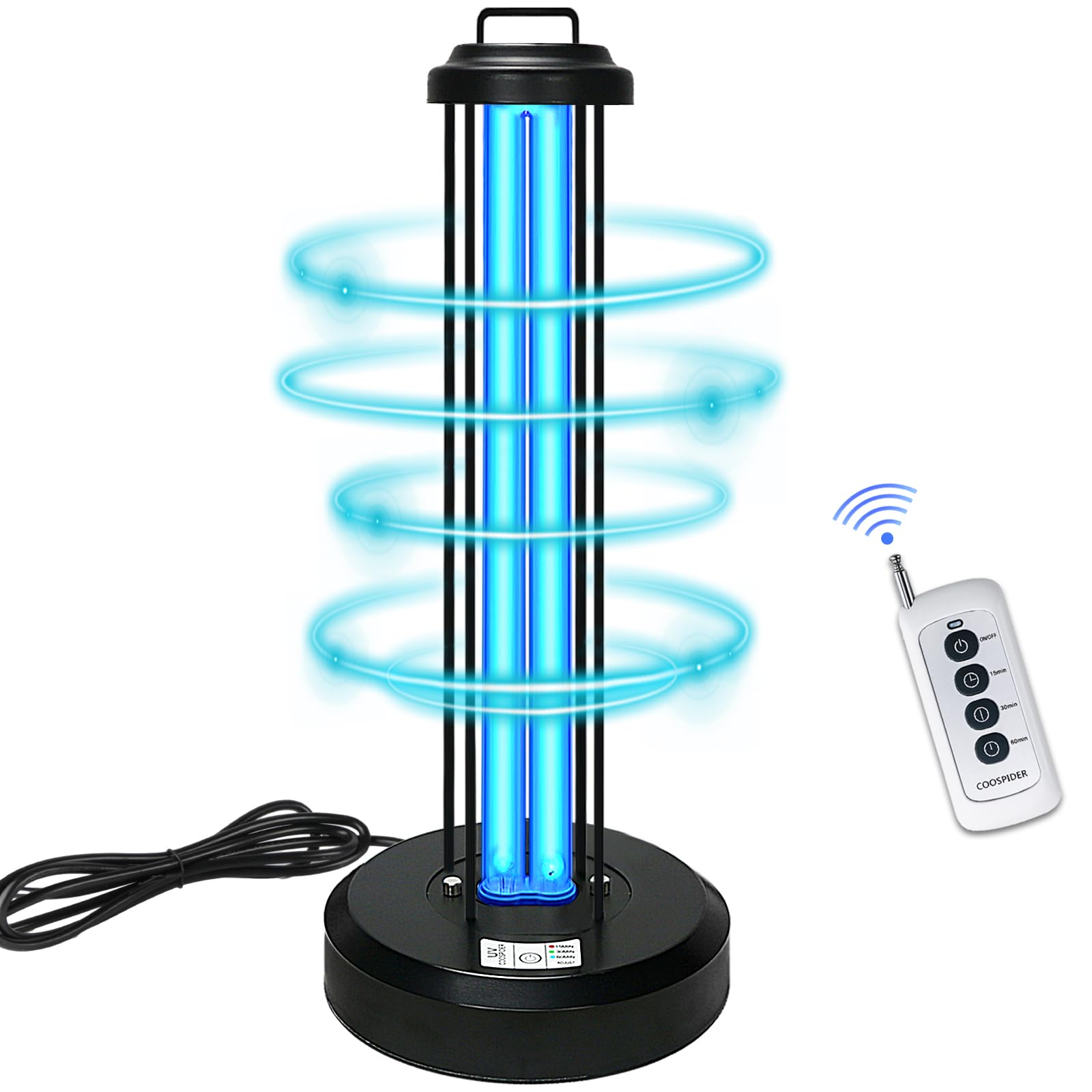
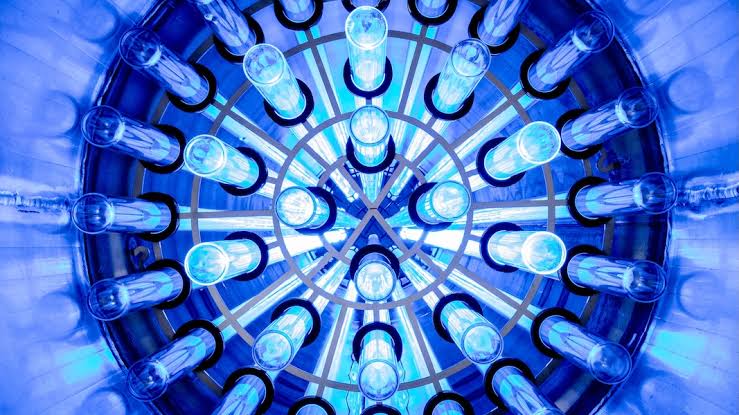
A UV curing system uses ultraviolet light energy to initiate a rapid chemical reaction that transforms liquid coatings, adhesives, or inks into solid materials.
Unlike thermal curing, which relies primarily on heat transfer, UV curing works through photochemical reactions. When UV-sensitive materials are exposed to specific wavelengths of ultraviolet light, photoinitiators within the coating activate and trigger polymerization.
The result is a fast, efficient curing process that requires significantly less energy.
A modern UV curing system typically includes:
- UV lamps or UV LED modules
- Reflectors and optical systems
- Cooling mechanisms
- Power control units
- Intelligent monitoring systems
Advanced systems can automatically adjust output based on production requirements, improving both energy efficiency and process stability.
The Automotive Factory Transformation: Replacing Traditional Systems With UV Technology
Identifying the Need for Change
The automotive manufacturer in this case study operated multiple production lines responsible for coating vehicle components, including:
- Interior panels
- Exterior decorative parts
- Electronic components
- Plastic trim elements
- Protective surface coatings
Although the existing thermal curing equipment provided reliable performance, factory engineers identified several opportunities for improvement:
- Excessive energy consumption
- High maintenance costs
- Limited production flexibility
- Long curing cycles
- Increasing pressure to reduce manufacturing emissions
The company launched a modernization program focused on improving efficiency while maintaining strict automotive quality standards.
The solution was not simply replacing equipment. Instead, engineers redesigned the curing process by integrating advanced UV curing technology into existing production workflows.
The Upgrade Strategy: Building a More Efficient Curing Process
Step 1: Evaluating Existing Production Conditions
Before implementing the upgrade, engineers conducted a comprehensive assessment of:
- Current energy consumption
- Coating material compatibility
- Production speed requirements
- Product quality standards
- Factory environmental conditions
This evaluation helped determine where UV technology could deliver the greatest benefits.
Not every coating application requires the same curing approach. Therefore, selecting the right UV wavelength, power level, and system configuration was essential.
Step 2: Introducing High-Efficiency UV LED Curing Technology
One of the most important improvements was the adoption of modern UV LED curing technology.
Compared with traditional mercury-based UV lamps, UV LED systems offer several advantages:
Lower Energy Usage
UV LEDs convert electrical energy into curing energy more efficiently. They require less power while delivering consistent curing performance.
Instant On/Off Capability
Traditional lamps often require warm-up periods and consume energy even during idle times.
UV LED systems can activate immediately when production begins and shut down instantly when production stops.
This reduces unnecessary energy waste.
Longer Service Life
UV LED modules typically have significantly longer operating lifespans compared with conventional UV lamps, reducing replacement frequency and maintenance interruptions.
Improved Process Control
Digital controls allow manufacturers to precisely manage:
- Light intensity
- Exposure time
- Temperature
- Production speed
This creates a more stable and repeatable manufacturing process.
Achieving the 30% Energy Reduction: Where the Savings Came From
The reported 30% energy reduction was achieved through multiple improvements working together rather than a single equipment replacement.
1. Reduced Heating Requirements
The biggest energy savings came from eliminating the need to heat large industrial ovens.
Because UV curing directly activates chemical reactions within coatings, the process requires minimal heat compared with traditional systems.
This dramatically reduced energy consumption associated with:
- Air heating
- Heat circulation
- Oven temperature maintenance
2. Shorter Curing Cycles
UV curing can complete many coating processes within seconds instead of several minutes.
Shorter curing times improved production efficiency while reducing overall equipment operating hours.
The factory was able to achieve:
- Faster throughput
- Reduced waiting periods
- Improved production scheduling
3. Smart Energy Management
The upgraded UV system included intelligent controls that optimized power usage.
Sensors and automation technology helped ensure that UV output matched real production requirements.
Instead of operating continuously at maximum power, the system adjusted energy consumption according to:
- Product size
- Coating requirements
- Conveyor speed
- Production volume
4. Reduced Maintenance Requirements
Lower maintenance demand also contributed indirectly to energy savings.
A more reliable curing system meant:
- Fewer production interruptions
- Less replacement waste
- Lower operational workload
Over the long term, these improvements strengthened the factory’s overall efficiency.
以下继续第二部分:
Improving Automotive Product Quality Through Advanced UV Curing Technology
While reducing energy consumption was the primary goal of the UV curing system upgrade, the automotive manufacturer discovered that the technology also delivered significant improvements in product quality.
In modern automotive manufacturing, appearance, durability, and consistency are critical competitive factors. Customers expect flawless surfaces, long-lasting finishes, and high-performance materials. A curing process that is faster and more energy-efficient must also meet strict quality requirements.
The upgraded UV curing system helped achieve these goals through several key improvements.
1. More Consistent Coating Performance
Traditional thermal curing systems rely on heat distribution throughout an oven chamber. However, temperature variations can occur due to:
-
Air circulation differences
-
Product positioning
-
Oven loading conditions
-
Equipment aging
These variations may create uneven curing results, affecting coating hardness, adhesion, and appearance.
UV curing technology provides a more controlled energy delivery method. Because UV intensity can be precisely managed, manufacturers can achieve more consistent curing results across different production batches.
This consistency helps reduce:
-
Surface defects
-
Coating failures
-
Product rework
-
Material waste
For automotive manufacturers producing thousands of components daily, even a small reduction in defects can create substantial economic benefits.
2. Enhanced Surface Quality and Appearance
Automotive design increasingly depends on premium visual finishes. Gloss levels, color accuracy, texture, and surface smoothness all influence customer perception.
UV curing supports high-quality finishes because the curing process happens rapidly and evenly.
A faster curing reaction helps prevent issues such as:
-
Dust contamination
-
Surface marks
-
Uneven coating flow
-
Shrinkage problems
This is especially valuable for automotive parts requiring decorative coatings, protective layers, and premium appearance standards.
3. Improved Material Compatibility
Modern vehicles use a wider variety of materials than previous generations, including:
-
Lightweight plastics
-
Composite materials
-
Advanced polymers
-
Electronic components
Some of these materials can be sensitive to high temperatures.
Traditional thermal curing may expose components to prolonged heat, potentially causing:
-
Material deformation
-
Color changes
-
Dimensional instability
UV curing operates at lower temperatures, making it suitable for temperature-sensitive automotive applications.
This allows manufacturers to expand material choices while maintaining production reliability.
Thermal Curing vs. UV Curing: A New Manufacturing Comparison
The transition from conventional curing methods to UV technology represents a major shift in industrial thinking.
The following comparison highlights the differences between the two approaches:
| Category | Traditional Thermal Curing | Modern UV Curing System |
|---|---|---|
| Energy consumption | High due to heating requirements | Lower due to direct photochemical curing |
| Processing speed | Minutes or longer | Seconds in many applications |
| Operating temperature | High temperature environment | Low-temperature operation |
| Equipment size | Large ovens required | More compact systems |
| Startup time | Requires warm-up | Instant operation possible |
| Maintenance | Frequent heating system maintenance | Lower maintenance demand |
| Process control | Temperature-based control | Digital light intensity control |
| Environmental impact | Higher energy-related emissions | Reduced energy footprint |
This comparison demonstrates why UV curing technology has become increasingly attractive for manufacturers seeking efficiency improvements.
The Financial Impact: Turning Energy Savings Into Business Value
Energy reduction is not only an environmental objective. It directly affects manufacturing profitability.
For large automotive factories, energy costs represent a significant operational expense. A 30% reduction in curing-related energy consumption can translate into substantial annual savings.
The financial benefits typically come from several areas.
1. Lower Utility Expenses
The most immediate benefit is reduced electricity consumption.
By decreasing the energy required for curing operations, manufacturers can lower monthly utility costs and improve production economics.
In industries where profit margins are highly competitive, energy efficiency can become a meaningful advantage.
2. Reduced Equipment Maintenance Costs
Traditional curing systems involve many mechanical and thermal components, including:
-
Heating elements
-
Fans
-
Air circulation systems
-
Temperature control equipment
-
Exhaust systems
These components require regular maintenance.
UV curing systems generally have fewer moving parts and require less intensive servicing, reducing long-term maintenance expenses.
3. Increased Production Capacity
Because UV curing completes processes faster, manufacturers can increase production output without necessarily expanding factory space.
This creates opportunities for:
-
Higher production volume
-
Faster delivery schedules
-
Better utilization of existing facilities
A company may achieve growth not by building new factories, but by improving the efficiency of current operations.
4. Lower Material Waste
Improved curing accuracy reduces coating defects and rejected products.
Lower waste means savings in:
-
Raw materials
-
Labor costs
-
Disposal expenses
-
Quality control resources
Over time, these improvements strengthen the overall manufacturing ecosystem.
Sustainability Benefits: Supporting a Greener Automotive Future
The automotive industry is undergoing a major transformation. While electric vehicles often receive attention regarding sustainability, the manufacturing process itself is equally important.
A truly sustainable vehicle requires cleaner production methods from the beginning.
The UV curing upgrade supported the manufacturer’s sustainability goals in several ways.
Reducing Carbon Emissions
Energy consumption and carbon emissions are closely connected.
When factories reduce electricity and fuel usage, they also reduce their environmental impact.
A 30% energy reduction in a high-volume manufacturing environment can represent a significant decrease in annual greenhouse gas emissions.
This supports broader corporate sustainability initiatives, including:
-
Carbon reduction targets
-
Cleaner production strategies
-
Environmental responsibility programs
Creating More Sustainable Factories
Future automotive factories are expected to become smarter, cleaner, and more efficient.
Technologies such as:
-
UV curing systems
-
Industrial automation
-
Artificial intelligence monitoring
-
Smart energy management
-
Digital manufacturing platforms
will play important roles in creating next-generation production facilities.
The UV curing upgrade represents more than an equipment improvement. It reflects a broader transition toward intelligent and sustainable manufacturing.
How Other Manufacturers Can Adopt UV Curing Technology Successfully
Although UV curing offers significant advantages, successful implementation requires careful planning.
Companies considering similar upgrades should evaluate several important factors.
1. Analyze Current Energy Usage
Before investing in new equipment, manufacturers should understand where energy is being consumed.
A detailed energy assessment can identify:
-
High-consumption processes
-
Equipment inefficiencies
-
Opportunities for optimization
This helps ensure that technology investments deliver measurable results.
2. Select the Right UV Technology
Different applications require different UV solutions.
Important considerations include:
-
Coating chemistry
-
Required curing speed
-
Product material
-
Production environment
-
Quality requirements
A customized system design is often more effective than a standard solution.
3. Work With Experienced Technology Partners
Industrial curing systems require expertise in:
-
Optical engineering
-
Chemical compatibility
-
Process integration
-
Automation control
Working with experienced suppliers helps manufacturers avoid common implementation challenges.
4. Train Production Teams
Technology upgrades are successful when employees understand how to operate and maintain new systems.
Training should cover:
-
Equipment operation
-
Safety procedures
-
Quality monitoring
-
Troubleshooting methods
A skilled workforce ensures long-term performance.
The Future of UV Curing in Automotive Manufacturing
The development of UV curing technology is accelerating as industries demand higher efficiency and lower environmental impact.
Future innovations are expected to include:
Smarter UV Systems With Artificial Intelligence
Advanced systems may use AI-based monitoring to automatically optimize curing conditions.
Machines could analyze:
-
Production speed
-
Coating thickness
-
Environmental conditions
-
Energy consumption
and adjust performance automatically.
Greater Adoption of UV LED Technology
UV LED technology continues to improve in:
-
Energy efficiency
-
Light output
-
Reliability
-
Application flexibility
As costs decrease, more manufacturers are expected to adopt LED-based curing solutions.
Integration With Smart Manufacturing Platforms
Future factories will increasingly connect curing systems with digital production networks.
Real-time data analysis will allow companies to monitor:
-
Energy usage
-
Equipment performance
-
Production quality
-
Maintenance requirements
This creates a more transparent and efficient manufacturing environment.
Conclusion: A 30% Energy Reduction Is Only the Beginning
The automotive manufacturer’s experience demonstrates how upgrading a UV curing system can create meaningful improvements across an entire production operation.
By replacing energy-intensive curing methods with advanced UV technology, the company achieved:
-
Approximately 30% energy reduction
-
Faster production cycles
-
Improved coating quality
-
Lower maintenance requirements
-
Reduced environmental impact
-
Stronger manufacturing competitiveness
The lesson is clear: energy efficiency and industrial innovation are no longer separate goals. Modern manufacturers can achieve sustainability while improving productivity and profitability.
As automotive companies continue moving toward cleaner production, UV curing technology will become an increasingly important solution for reducing energy consumption and building smarter factories.
For manufacturers looking to modernize coating processes, improve operational efficiency, and reduce long-term costs, upgrading to an advanced UV curing system may represent one of the most valuable steps toward a more sustainable future.
If you are interested in improving your production efficiency or exploring customized UV curing solutions, feel free to contact us for professional advice and project consultation.