For printing factory owners, speed has become one of the most important factors determining business success. Customers today expect faster turnaround times, shorter production cycles, and consistent quality — whether they are ordering commercial packaging, labels, brochures, promotional materials, or industrial printed products.
Traditional printing methods often struggle to keep up with these demands. Long drying times, production bottlenecks, rework caused by ink smudging, and limited machine efficiency can delay shipments and increase operational costs. In a highly competitive market, even a delay of one or two days can mean losing valuable customers to faster competitors.
This is where LED-UV curing technology is changing the printing industry.
By integrating advanced LED-UV curing lamps into printing production lines, many printing companies are achieving significantly faster processing speeds, improved print quality, and more efficient workflows. In some applications, delivery cycles can be reduced by nearly 50%, allowing factories to handle more orders without expanding their workforce or production space.
For printing business owners looking to increase productivity and improve customer satisfaction, understanding how LED-UV curing lamps work and how they impact production efficiency is becoming essential.
What Is an LED-UV Curing Lamp and Why Does It Matter?
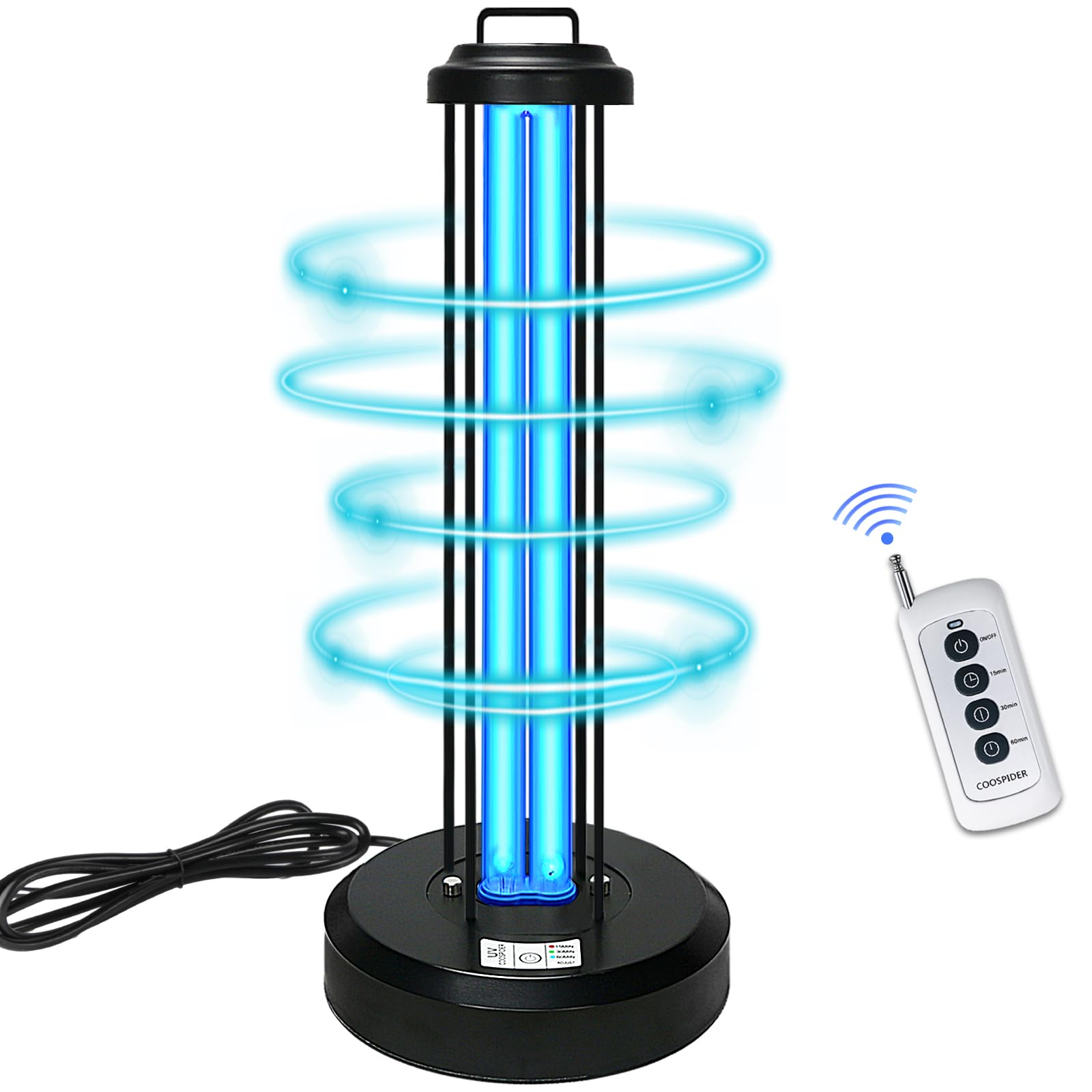
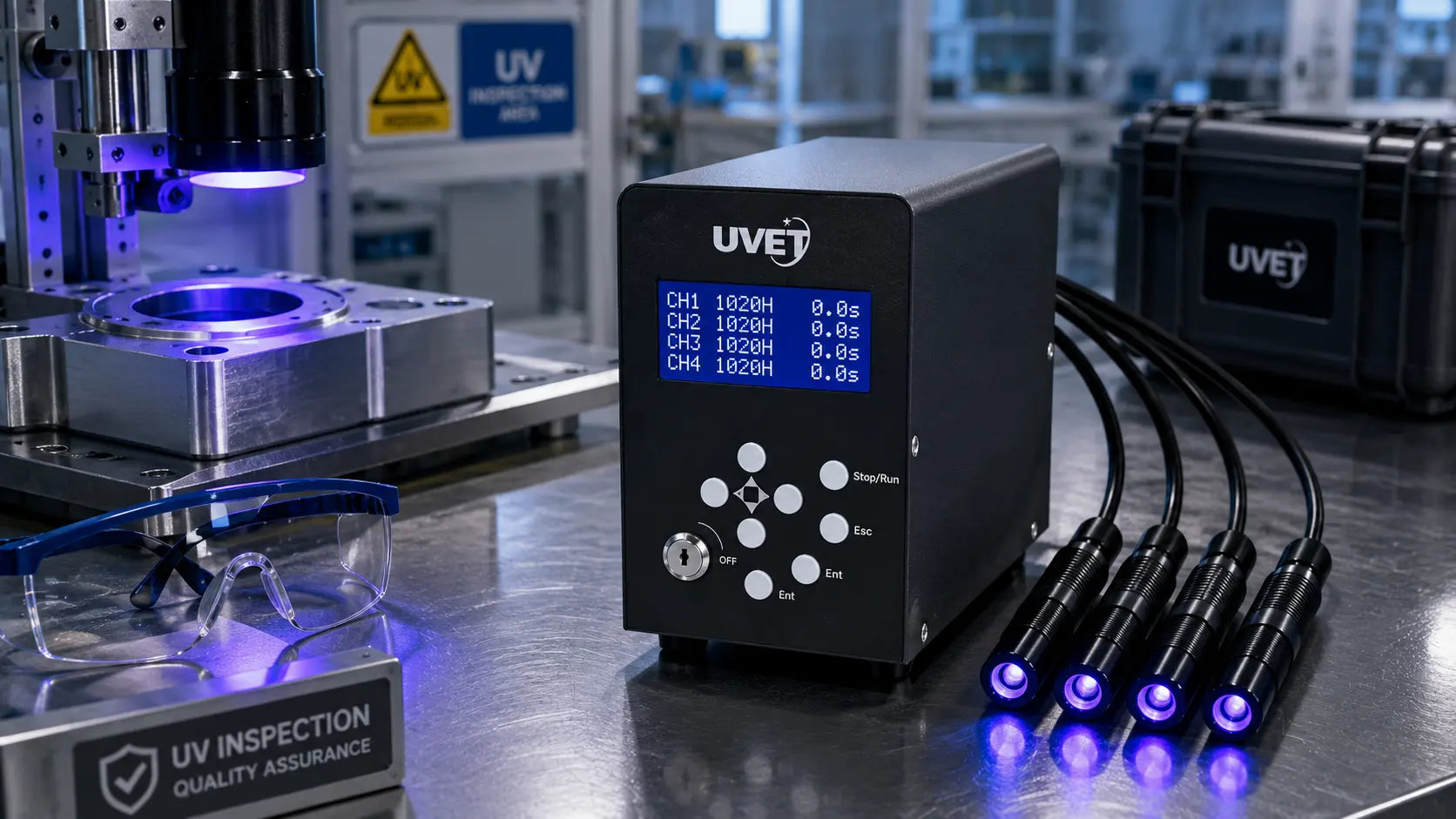
An LED-UV curing lamp is a specialized ultraviolet light source designed to instantly cure UV-sensitive inks, coatings, and adhesives during the printing process.
Unlike traditional drying systems that rely on heat or air evaporation, LED-UV curing uses ultraviolet energy to trigger a rapid chemical reaction called polymerization. Once exposed to the correct UV wavelength, the ink transforms from a liquid state into a solid, durable layer within seconds.
This technology creates a major advantage for printing factories because the printed material does not need to wait for natural drying or extended curing periods.
Traditional printing processes may require:
- Several hours for ink drying
- Additional handling time before finishing
- Extra space for drying areas
- Careful scheduling to avoid surface damage
With LED-UV curing lamps, printed products can often move directly from printing to cutting, folding, packaging, or shipping.
This dramatically shortens the production cycle.
For factories handling large order volumes, reducing waiting time between processes can create a major improvement in daily output.
Why Delivery Speed Has Become a Critical Advantage for Printing Companies
The printing industry has changed significantly over the past decade. Customers are no longer satisfied with simply receiving high-quality products. They also expect speed, flexibility, and reliability.
Businesses ordering packaging materials may need urgent replenishment. Marketing agencies may require promotional materials before events. Retail companies may need updated labels or seasonal designs within tight deadlines.
A printing factory that can deliver faster gains a powerful competitive advantage.
However, many traditional production challenges slow down delivery:
1. Ink Drying Delays
One of the biggest limitations of conventional printing is waiting for ink to dry completely.
If finishing processes begin too early, problems may occur:
- Ink transfer
- Surface scratches
- Color inconsistency
- Product rejection
Workers must often wait before continuing production, reducing machine utilization.
LED-UV curing eliminates much of this waiting period by instantly hardening the printed surface.
2. Production Line Bottlenecks
In many factories, printing is only one stage of production. After printing, materials may need:
- Lamination
- Cutting
- Folding
- Coating
- Assembly
- Packaging
When drying becomes a bottleneck, every following step is delayed.
A faster curing process allows the entire production line to operate more smoothly.
3. Limited Emergency Order Capacity
Printing companies frequently receive urgent orders. Without fast curing technology, accepting last-minute projects can be risky.
Factories may need overtime labor, additional shifts, or complicated scheduling adjustments.
With LED-UV curing lamps, production managers gain more flexibility. Faster curing means more jobs can be completed within the same working hours.
How LED-UV Curing Lamps Reduce Production Time
The reason LED-UV technology can shorten delivery times is not simply because the curing process is faster. The real advantage comes from improving the entire production workflow.
Instant Drying Improves Workflow Efficiency
Traditional drying depends on evaporation. The ink must gradually release solvents or moisture before becoming stable.
LED-UV curing works differently. The UV energy immediately activates the ink components, creating a solid surface almost instantly.
This allows operators to move printed sheets or products immediately to the next production stage.
The result:
- Less waiting time
- Faster material movement
- Higher machine utilization
- Shorter overall production cycles
Higher Printing Speeds Without Sacrificing Quality
Modern printing customers want both speed and quality. Increasing machine speed with traditional inks can create problems because the ink may not dry quickly enough.
LED-UV curing provides a solution.
Because curing happens immediately after printing, machines can operate at higher speeds while maintaining sharp details and vibrant colors.
This is especially valuable for:
- Packaging printing
- Label production
- Commercial printing
- Specialty graphics
- Promotional materials
Factories can complete more orders per day without lowering quality standards.
Less Rework Means Faster Delivery
Production delays are not always caused by slow machines. Sometimes they happen because products must be reprinted.
Poor drying performance can lead to:
- Smearing
- Scratching
- Uneven coating
- Color defects
LED-UV curing produces a stable ink layer that improves durability and reduces quality problems.
Fewer rejected products mean fewer production interruptions.
How LED-UV Curing Technology Helps Printing Factories Increase Profitability
Reducing delivery time is not only about satisfying customers faster. For printing factory owners, faster production directly affects profitability.
A printing business operates on efficiency. Every hour that equipment sits idle, every minute spent waiting for ink to dry, and every rejected product caused by curing problems represents lost revenue.
LED-UV curing lamps provide more than speed improvements. They help printing companies optimize production costs, improve resource utilization, and create new business opportunities.
Lower Labor Costs Through Faster Production Flow
Labor efficiency is one of the biggest challenges facing modern printing factories. Many production delays are not caused by a lack of equipment capacity but by unnecessary manual handling.
Traditional printing processes often require workers to:
- Move printed materials into drying areas
- Monitor drying conditions
- Wait before continuing finishing operations
- Inspect products for curing problems
- Manage production schedules around drying limitations
These additional steps consume valuable working hours.
With LED-UV curing systems, printed materials can usually proceed immediately to the next stage. This reduces unnecessary handling and allows employees to focus on higher-value tasks.
For example, instead of assigning workers to manage drying processes, factories can allocate staff to:
- Quality control
- Machine operation
- Customer order preparation
- Production optimization
The result is a more efficient workforce without increasing labor expenses.
Reduce Energy Consumption Compared With Traditional UV Systems
Energy costs are a major concern for printing companies, especially those operating multiple machines for long production hours.
Traditional UV curing systems often rely on mercury lamps, which generate significant heat and require high electrical power. They may also require cooling systems to prevent excessive heat from affecting printing materials.
LED-UV curing lamps operate differently.
They use semiconductor-based light-emitting technology that provides several advantages:
- Lower energy consumption
- Less heat generation
- Reduced cooling requirements
- Longer operating lifespan
For printing factories running daily production shifts, these energy savings can become a meaningful reduction in operating costs.
Lower energy usage also supports companies seeking more sustainable manufacturing practices.
Extend Equipment Efficiency and Improve Production Stability
Production interruptions are expensive.
Every unexpected machine stop can delay orders, increase labor costs, and create customer dissatisfaction.
LED-UV curing lamps contribute to more stable production because they offer reliable performance and consistent curing results.
Compared with traditional curing methods, LED-UV systems generally provide:
Instant On/Off Operation
Traditional UV lamps often require warm-up and cooling periods. Operators must wait before production begins or after shutdown.
LED-UV lamps can switch on and off instantly.
This improves:
- Startup efficiency
- Production flexibility
- Energy management
Factories can respond more quickly to changing production schedules.
Consistent Curing Performance
Ink curing quality directly affects the final product.
Inconsistent curing may cause:
- Uneven gloss levels
- Poor adhesion
- Surface damage
- Customer complaints
High-quality LED-UV curing lamps deliver stable UV output, helping maintain consistent results across different production runs.
This reliability is especially important for industries where appearance and durability are critical.
Increase Production Capacity Without Buying Additional Machines
One of the biggest advantages of LED-UV curing technology is that it allows factories to produce more using existing equipment.
Many printing companies assume that increasing capacity requires purchasing new presses or expanding facilities.
However, production speed is often limited by processing time rather than printing capability.
Consider a simplified production workflow:
Traditional process:
Printing → Waiting for drying → Inspection → Finishing → Packaging → Shipping
LED-UV process:
Printing → Instant curing → Inspection → Finishing → Packaging → Shipping
By removing drying delays, factories can complete more production cycles within the same operating hours.
This means businesses may increase output without:
- Purchasing additional printing machines
- Renting larger facilities
- Hiring more employees
For small and medium-sized printing companies, this can create a significant competitive advantage.
Applications Where LED-UV Curing Creates the Biggest Impact
LED-UV curing lamps are used across many printing sectors. Their ability to provide instant curing makes them especially valuable for industries requiring fast turnaround and premium quality.
1. Packaging Printing
Packaging manufacturers face constant pressure from brands that need attractive designs delivered quickly.
LED-UV curing helps packaging printers achieve:
- Faster production schedules
- High-quality color reproduction
- Strong surface durability
- Immediate finishing capability
Applications include:
- Folding cartons
- Food packaging
- Cosmetic boxes
- Pharmaceutical packaging
- Luxury product packaging
Because packaging designs frequently change due to marketing campaigns and seasonal promotions, speed is essential.
A factory capable of producing packaging faster can respond more effectively to customer demands.
2. Label Printing
Label production is one of the industries that benefits greatly from LED-UV technology.
Labels often require:
- Sharp text
- Small details
- Strong adhesion
- Scratch resistance
- Fast turnaround
LED-UV curing ensures that inks remain stable immediately after printing, reducing defects during converting processes.
This is especially important for:
- Beverage labels
- Product identification labels
- Industrial labels
- Retail stickers
A faster label production process helps businesses maintain inventory and meet urgent customer requirements.
3. Commercial Printing
Commercial printing companies handle a wide variety of projects, including:
- Brochures
- Business cards
- Catalogs
- Posters
- Promotional materials
Customers often expect quick delivery because these products are connected to marketing campaigns and events.
LED-UV curing allows commercial printers to shorten production schedules while maintaining premium appearance.
Printed materials can often move directly into:
- Cutting
- Folding
- Binding
- Packaging
This creates a smoother production workflow.
4. Specialty Printing
Specialty printing requires precision and unique effects.
Examples include:
- Luxury invitations
- High-end packaging
- Decorative graphics
- Custom products
LED-UV technology supports special finishes such as:
- Gloss effects
- Raised textures
- Spot coatings
- Premium surface treatments
The instant curing ability makes creative printing applications easier to produce efficiently.
Choosing the Right LED-UV Curing Lamp for Your Printing Factory
Not every LED-UV curing lamp is suitable for every production environment.
Printing factory owners should evaluate several important factors before making an investment.
1. UV Wavelength Compatibility
Different UV inks require specific wavelengths for proper curing.
Common LED-UV wavelengths include:
- 365nm
- 385nm
- 395nm
- 405nm
Choosing the correct wavelength ensures:
- Complete curing
- Better ink adhesion
- Improved product durability
Factories should confirm compatibility between their inks, printing equipment, and curing system.
2. Curing Power and Intensity
The required UV intensity depends on:
- Printing speed
- Ink thickness
- Material type
- Production requirements
Higher-speed production lines may require stronger curing performance.
A properly selected LED-UV curing lamp ensures that the ink receives enough energy for complete polymerization.
3. Cooling System Design
Although LED-UV lamps generate less heat than traditional UV systems, heat management remains important.
A reliable cooling design helps:
- Maintain stable performance
- Protect electronic components
- Extend service life
Good thermal management is essential for factories operating long production hours.
The Real Production Changes After Installing LED-UV Curing Lamps
Investing in new production technology is a major decision for any printing factory owner. Equipment upgrades require careful consideration because the goal is not simply to purchase advanced machinery — the goal is to achieve measurable improvements in productivity, profitability, and customer satisfaction.
LED-UV curing lamps have become increasingly popular because they deliver practical improvements that can be seen throughout the entire printing workflow.
From reducing production bottlenecks to improving order flexibility, the impact goes far beyond faster ink drying.
What Changes After Installing LED-UV Curing Technology?
Many printing companies notice several immediate improvements after upgrading to LED-UV curing systems.
The biggest changes usually appear in four areas:
- Faster production cycles
- More stable print quality
- Increased order capacity
- Improved customer response time
These improvements combine to create a more competitive printing operation.
1. Shorter Production Cycles From Start to Finish
The most noticeable benefit of LED-UV curing lamps is the reduction of waiting time.
In traditional printing environments, drying is often treated as a necessary production step. However, drying does not create additional value for customers. It only creates waiting time.
For example, a typical production process may include:
- Printing
- Temporary storage for drying
- Quality inspection
- Surface finishing
- Cutting and packaging
- Shipping
The drying stage can become a hidden delay.
When LED-UV curing is introduced, the workflow becomes:
- Printing
- Instant UV curing
- Immediate inspection
- Finishing operations
- Packaging
- Shipping
By removing unnecessary waiting periods, factories can significantly shorten total production time.
In some production environments, this improvement can reduce delivery cycles by approximately 50%, especially when traditional drying was the main bottleneck.
2. Faster Response to Urgent Customer Orders
Customer expectations continue to change. Many businesses now require printing partners who can handle urgent requests without sacrificing quality.
A factory that depends on slow drying processes may have difficulty accepting rush orders.
Common challenges include:
- Limited production windows
- Delayed finishing schedules
- Increased overtime costs
- Higher risk of missed deadlines
LED-UV curing gives printing companies greater flexibility.
Because printed materials can move quickly through production, factories can respond faster to:
- Last-minute marketing campaigns
- Seasonal packaging updates
- Short-run product launches
- Emergency inventory needs
This flexibility can become a powerful sales advantage.
A printing company that can promise shorter delivery times often has a stronger position when competing for new customers.
3. Better Print Quality and Fewer Production Mistakes
Speed alone is not enough. Customers expect fast delivery and excellent quality.
One reason LED-UV curing improves efficiency is that it reduces quality problems related to incomplete drying.
Traditional printing methods may experience issues such as:
Ink Smearing
When ink has not fully dried, contact with rollers, machines, or other materials may damage the print surface.
Poor Surface Protection
Uncured ink may have lower resistance to:
- Scratches
- Friction
- Moisture
- Handling damage
Color Instability
Incomplete curing can sometimes affect the appearance and consistency of printed colors.
LED-UV curing creates a stable ink layer quickly, helping maintain professional-quality results.
Fewer defects mean:
- Less material waste
- Fewer reprints
- Lower production interruptions
- Faster order completion
How to Calculate the Real Value of Faster Delivery
Many factory owners focus only on equipment price when evaluating LED-UV curing systems.
However, the better question is:
“How much additional value can faster production create?”
A faster curing system may generate benefits from several areas.
Increased Daily Production Capacity
When drying time is reduced, machines can spend more time producing and less time waiting.
For example:
A factory producing 1,000 printed units per day may discover that production is limited by drying time rather than printing speed.
After improving curing efficiency, the same equipment may complete additional orders without extending working hours.
This creates more revenue potential from existing assets.
Reduced Material Waste
Rejected products create hidden costs.
Waste may include:
- Paper or substrate materials
- Ink consumption
- Labor hours
- Machine operating time
- Delivery adjustments
Better curing performance helps reduce these losses.
A stable curing process creates more consistent output, allowing factories to use materials more efficiently.
Lower Maintenance Requirements
Traditional curing technologies often require regular maintenance because of:
- Lamp replacement
- Cooling system management
- Power fluctuations
- Heat-related issues
LED-UV systems generally have longer operating lifespans and more stable performance.
This can reduce maintenance frequency and minimize unexpected downtime.
For production managers, fewer interruptions mean better scheduling accuracy.
Common Misunderstandings About LED-UV Curing Lamps
Although LED-UV technology offers many advantages, some printing companies hesitate because of outdated assumptions.
Let’s examine several common misconceptions.
Myth 1: LED-UV Technology Is Only for Large Printing Companies
Some small and medium-sized printing businesses believe advanced curing technology is only suitable for large factories.
This is not true.
In fact, smaller printing companies may benefit greatly because faster production helps them compete with larger companies.
A small factory with limited equipment can increase efficiency by optimizing every production step.
LED-UV curing can help smaller businesses:
- Accept more orders
- Improve delivery speed
- Increase customer satisfaction
- Expand service capabilities
Myth 2: Faster Curing Means Lower Quality
Some operators worry that faster production may reduce print quality.
However, LED-UV curing does not simply speed up the process. It improves control over the curing stage.
When the correct wavelength, intensity, and curing conditions are used, LED-UV technology can produce:
- Clearer details
- Stronger adhesion
- More consistent finishes
- Better durability
The key is selecting a curing system that matches the specific printing application.
Myth 3: Upgrading Requires Replacing Entire Printing Equipment
Many factory owners assume they must purchase completely new machines to use LED-UV curing.
In many cases, LED-UV curing solutions can be integrated into existing production lines.
Depending on the printing system, upgrades may involve:
- Installing LED-UV curing modules
- Adjusting mounting structures
- Connecting control systems
- Optimizing curing parameters
This makes the technology more accessible for factories looking to improve efficiency without a complete equipment replacement.
Practical Tips Before Upgrading Your Printing Line
Before investing in an LED-UV curing lamp system, printing factory owners should evaluate their current workflow.
Ask these questions:
Where Is Your Current Production Bottleneck?
Is your factory slowed by:
- Ink drying?
- Finishing delays?
- Material handling?
- Quality issues?
If drying is the main limitation, LED-UV curing can create significant improvements.
What Materials Do You Print Most Often?
Different substrates may require different curing approaches.
Common materials include:
- Paper
- Plastic films
- Labels
- Cardboard
- Specialty materials
Understanding your production materials helps determine the right curing specifications.
What Are Your Future Growth Goals?
A curing system should support future business expansion.
Consider:
- Expected order growth
- New product categories
- Faster delivery promises
- Higher production volumes
Choosing the right LED-UV system today can help prepare your factory for tomorrow’s market demands.
The Future of Printing Belongs to Faster and Smarter Production
The printing industry is moving toward greater automation, higher efficiency, and shorter delivery expectations.
Companies that continue relying on slow production methods may struggle to compete as customers demand faster service.
LED-UV curing lamps represent an important step toward modern printing manufacturing.
By reducing curing time, improving quality, lowering waste, and increasing production flexibility, this technology helps printing factories create a more efficient business model.
For many printing companies, the question is no longer whether faster curing technology is useful — the question is how quickly they can benefit from it.
Final Guide — How to Choose the Best LED-UV Curing Lamp and Build a Faster Printing Business
The printing industry is entering a new era where speed, quality, and production flexibility determine long-term success. Customers want faster delivery, brands need more frequent product updates, and printing companies must find ways to increase output while controlling costs.
For printing factory owners, LED-UV curing technology is no longer just an optional upgrade. It has become an important production tool for improving efficiency and staying competitive.
However, choosing the right LED-UV curing lamp requires careful evaluation. A successful upgrade depends not only on purchasing advanced equipment but also on selecting a curing solution that matches your production requirements.
How to Choose the Right LED-UV Curing Lamp for Your Printing Business
Every printing factory has different production conditions. The ideal LED-UV curing system depends on factors such as printing speed, ink type, materials, and workflow requirements.
Before making an investment, consider the following key factors.
1. Match the LED-UV Wavelength With Your Ink System
UV curing inks are designed to react with specific ultraviolet wavelengths.
Common LED-UV curing wavelengths include:
- 365nm
- 385nm
- 395nm
- 405nm
Different inks may require different wavelength ranges to achieve complete curing.
Choosing the wrong wavelength can result in:
- Incomplete curing
- Weak ink adhesion
- Surface defects
- Reduced product durability
Printing factories should always confirm compatibility between:
- Printing ink formulation
- Existing equipment
- Curing lamp wavelength
- Production speed
A properly matched LED-UV system ensures maximum curing efficiency.
2. Consider Printing Speed and Required UV Intensity
Production speed directly affects curing requirements.
A slow printing process may require lower UV energy, while high-speed production lines need stronger and more stable curing performance.
Important factors include:
- Conveyor speed
- Ink thickness
- Printing coverage area
- Number of curing stages
- Material absorption characteristics
For factories producing large volumes of packaging or labels, choosing sufficient UV intensity is essential.
A curing lamp that cannot provide enough energy may create production problems instead of solving them.
3. Evaluate Thermal Management Performance
Although LED-UV curing lamps generate less heat compared with traditional UV systems, proper heat management remains important.
A good cooling design helps maintain:
- Stable UV output
- Long equipment lifespan
- Reliable daily operation
- Consistent curing quality
High-quality LED-UV systems often include optimized heat dissipation designs to support continuous industrial operation.
For factories running multiple shifts every day, thermal stability is a critical consideration.
4. Check Equipment Lifespan and Reliability
Production equipment must support long-term business operations.
When selecting an LED-UV curing lamp, pay attention to:
- LED chip quality
- Electrical system stability
- Cooling structure
- Maintenance requirements
- Manufacturer experience
A reliable curing system reduces unexpected downtime and protects production schedules.
For printing businesses, equipment reliability directly affects customer relationships.
A delayed shipment caused by equipment failure can damage trust that takes years to build.
How LED-UV Curing Technology Supports Sustainable Printing
Environmental responsibility is becoming increasingly important across industries.
Printing companies are under growing pressure to reduce energy consumption, minimize waste, and adopt cleaner manufacturing methods.
LED-UV curing technology supports these goals in several ways.
Lower Energy Consumption
Traditional curing methods often require high-power lamps and cooling systems.
LED-UV technology uses energy more efficiently by converting electrical energy directly into UV output with less heat generation.
This can help factories reduce electricity usage while maintaining production performance.
Reduced Waste
Faster and more consistent curing reduces production errors.
Less waste means:
- Lower material costs
- Fewer rejected products
- Better resource utilization
For high-volume printing operations, even a small reduction in waste can create meaningful savings.
Longer Equipment Life
LED technology typically provides a longer operational lifespan compared with traditional curing lamps.
This reduces:
- Replacement frequency
- Maintenance interruptions
- Equipment disposal
A longer-lasting system creates a more sustainable production environment.
How LED-UV Curing Helps Printing Companies Compete in the Future
The printing market is becoming increasingly competitive.
Customers are comparing suppliers based on:
- Delivery speed
- Product quality
- Price
- Service flexibility
A printing factory that can complete orders faster has more opportunities to win business.
LED-UV curing technology supports future growth by enabling companies to:
Accept More Orders
Shorter production cycles allow factories to handle additional projects without expanding facilities.
Offer Faster Delivery
Quick turnaround times become a strong selling point when attracting new customers.
Improve Product Quality
Consistent curing creates more reliable finished products.
Expand Into New Markets
Faster production capabilities allow companies to explore industries that require rapid response.
Examples include:
- Custom packaging
- Short-run product printing
- Personalized marketing materials
- Premium label production
A Step-by-Step Upgrade Strategy for Printing Factory Owners
Implementing LED-UV curing technology does not have to be complicated.
A practical upgrade strategy includes several steps.
Step 1: Analyze Your Current Production Problems
Before purchasing equipment, identify your biggest challenges.
Ask:
- How much time is spent waiting for ink to dry?
- Are urgent orders difficult to complete?
- How often do curing problems cause reprints?
- Where does production slow down?
Understanding the problem helps determine the right solution.
Step 2: Define Your Production Goals
Set measurable objectives.
Examples:
- Reduce delivery time
- Increase daily output
- Lower energy costs
- Improve print consistency
- Expand product offerings
Clear goals make it easier to evaluate whether the upgrade delivers results.
Step 3: Select a Professional LED-UV Solution Provider
A reliable supplier should provide more than equipment.
Look for companies that offer:
- Technical consultation
- Application guidance
- Customized solutions
- Installation support
- After-sales service
The right partner can help ensure the curing system performs effectively in your specific production environment.
Step 4: Test and Optimize Production Parameters
After installation, production settings may require adjustment.
Important parameters include:
- UV intensity
- Printing speed
- Lamp distance
- Curing time
- Ink compatibility
Optimization helps achieve the best balance between speed and quality.
Why LED-UV Curing Lamps Are Becoming Essential for Modern Printing Factories
The printing industry is built around deadlines.
A customer does not only care about the appearance of a printed product. They also care about receiving it on time.
Every production delay creates pressure. Every unnecessary waiting period reduces efficiency.
LED-UV curing lamps solve one of the most common problems in printing production: slow curing time.
By providing instant curing, these systems help factories:
- Shorten production cycles
- Increase output
- Reduce waste
- Improve quality
- Lower operating costs
- Deliver orders faster
For many printing companies, the ability to reduce delivery time by nearly 50% can completely change their competitive position.
Final Thoughts: Faster Curing Creates Faster Growth
For printing factory owners, investing in LED-UV curing technology is not simply about replacing an old drying method. It is about creating a smarter, faster, and more profitable production system.
The companies that succeed in the future will be those that can combine excellent quality with rapid delivery.
LED-UV curing lamps provide the technology needed to achieve both.
Whether your business focuses on packaging, labels, commercial printing, or specialty applications, improving curing efficiency can help unlock greater production potential.
A faster production line means more completed orders, happier customers, and stronger business growth.
The future of printing belongs to factories that are ready to move faster — and LED-UV curing technology is helping make that future possible.
If you are looking for a reliable LED-UV curing lamp solution for your printing business, feel free to contact us for professional advice and customized solutions. We welcome your inquiries and look forward to helping your factory achieve faster production and higher efficiency.