Every surface feels questionable.
Every bottle nipple gets inspected twice.
Every pacifier that hits the floor feels like a small emergency.
You want to protect your baby from germs—but you also don’t want to overdo it. You worry about harsh chemicals, residues, overheating, and whether “too much cleaning” could be just as harmful as not enough.
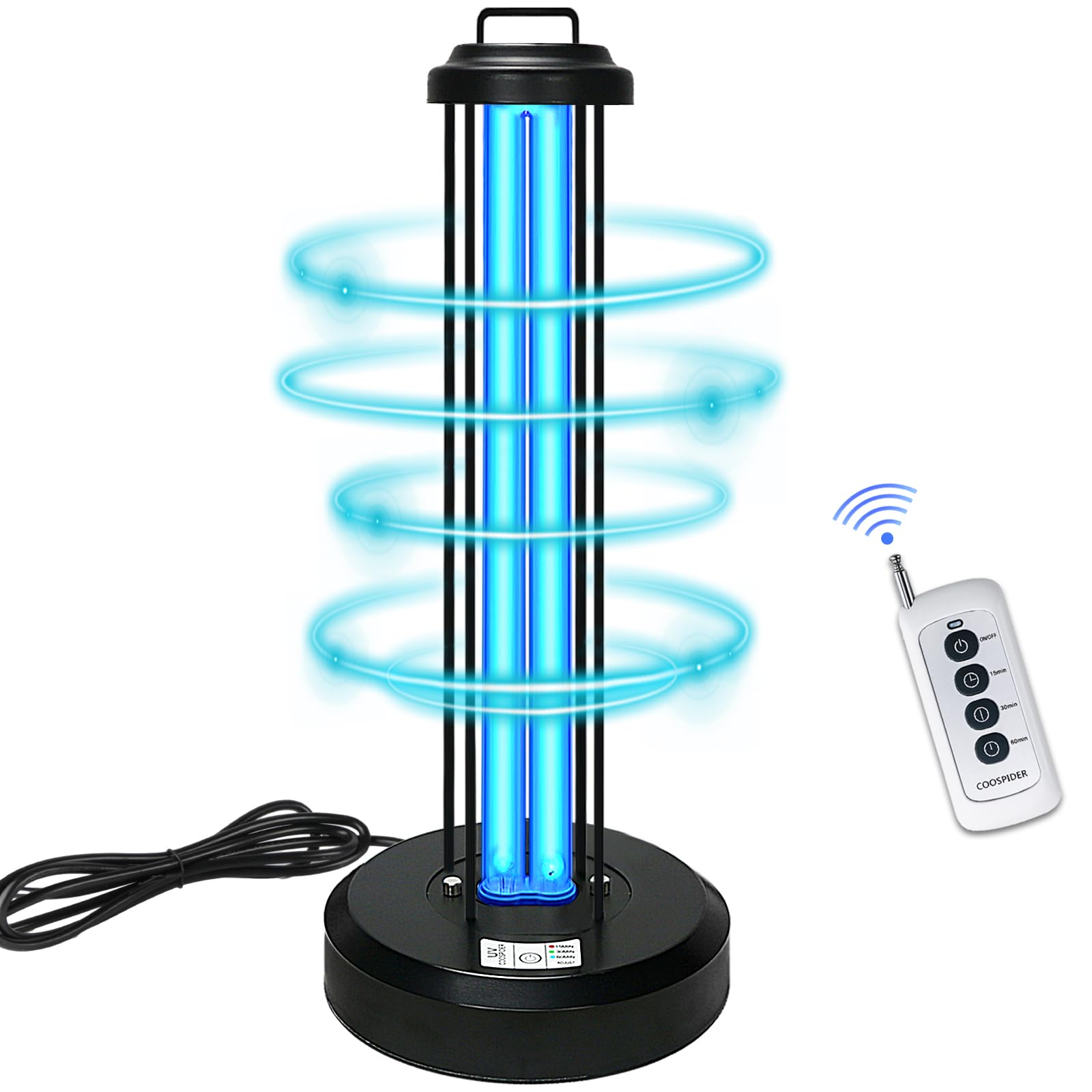
In recent years, UV light sanitization has become increasingly popular in baby care. From UV sterilizer boxes to portable UV wands, many parents are turning to light instead of liquid.
But with popularity comes confusion.
Is UV light actually safe for babies?
What can it sanitize—and what can’t it?
How should parents use UV devices correctly without risking skin, eyes, or materials?
This guide is here to answer those questions calmly, clearly, and responsibly.
Why Sanitization Matters More for Babies
Babies are not just small adults. Their bodies—and especially their skin—are fundamentally different.
A Baby’s Skin Is Extra Sensitive
Compared to adult skin, baby skin:
-
Is thinner and more permeable
-
Loses moisture more easily
-
Absorbs substances more readily
-
Has a weaker protective barrier
This makes babies more vulnerable not only to germs, but also to:
-
Chemical residues
-
Strong fragrances
-
Harsh cleaning agents
-
Improper sterilization methods
What feels “clean enough” for an adult item may not be appropriate for baby use.
Immune Systems Are Still Developing
Newborns and infants rely heavily on their caregivers to manage exposure to harmful bacteria and viruses.
While some exposure to everyday microbes is normal and even beneficial, baby items that go directly into the mouth—such as bottles, pacifiers, teethers, and pump parts—require a higher level of hygiene.
The challenge is finding a method that is:
-
Effective
-
Gentle
-
Residue-free
-
Practical for daily life
This is where UV light enters the conversation.
What Is UV Light Sanitization?
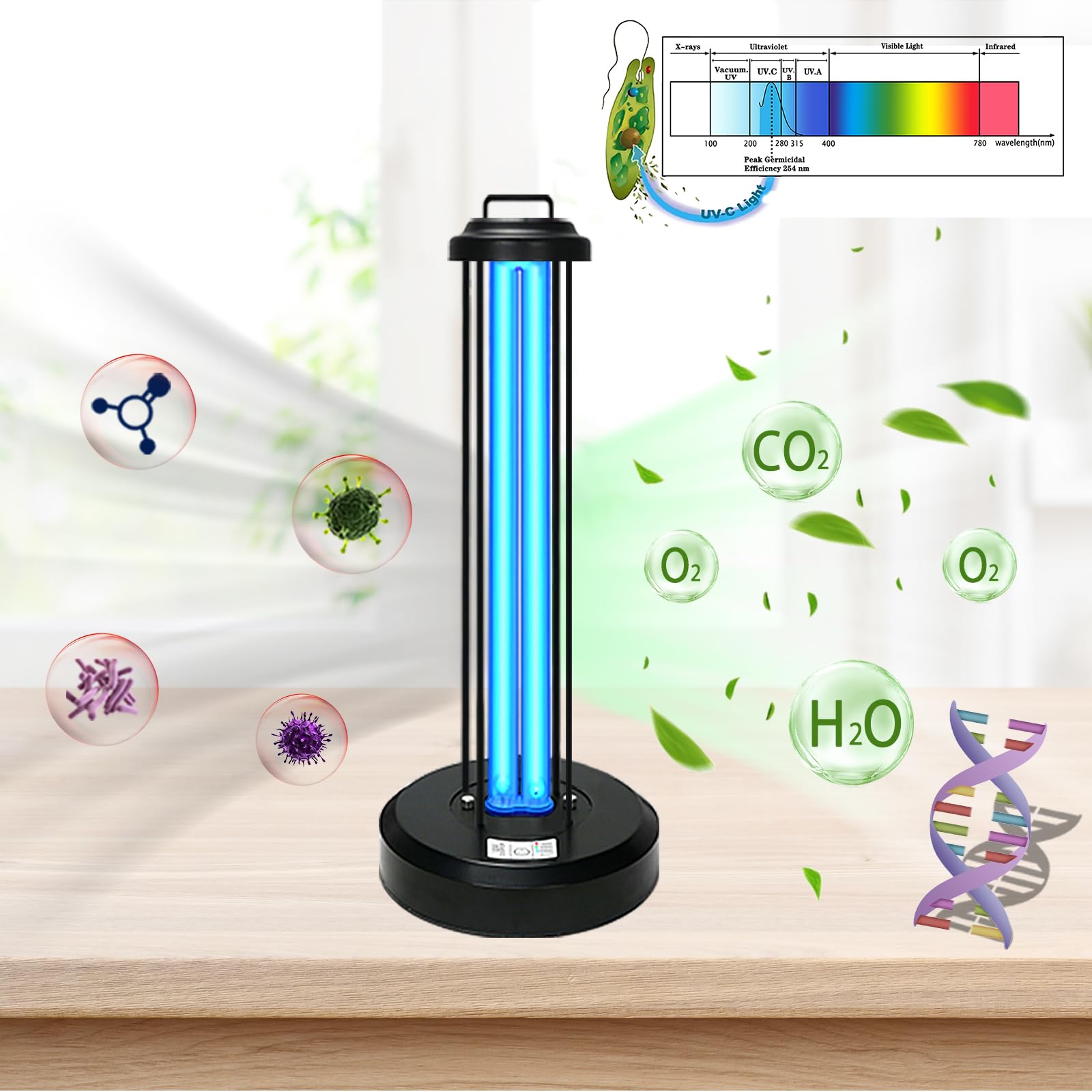
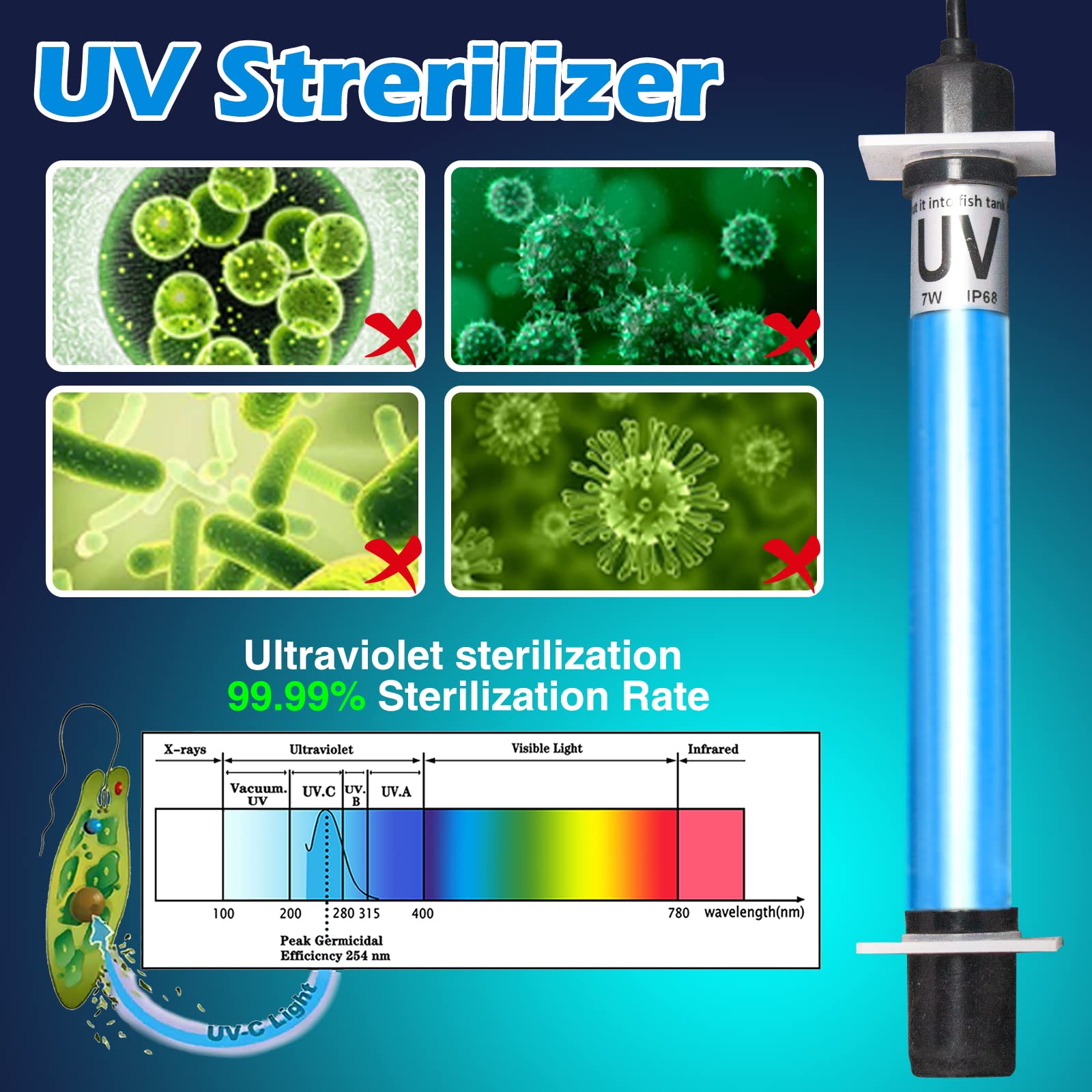
UV light, specifically UV-C light, is a form of ultraviolet radiation that can inactivate microorganisms by damaging their DNA or RNA.
In simple terms:
UV-C light prevents bacteria and viruses from reproducing, effectively neutralizing them.
It has been used for decades in:
-
Hospitals
-
Laboratories
-
Water purification systems
-
Air sterilization units
More recently, it has been adapted into consumer-friendly devices for household use—including baby product sterilizers.
Why Parents Are Choosing UV Over Traditional Methods
1. No Chemicals, No Residue
One of the biggest advantages of UV sanitization is that it does not rely on:
-
Alcohol
-
Bleach
-
Disinfectant sprays
-
Harsh detergents
For parents concerned about chemical residue touching their baby’s mouth or skin, UV offers peace of mind.
2. Gentle on Materials
Boiling and steam sterilization can be effective, but they also:
-
Degrade silicone over time
-
Warp plastics
-
Shorten the lifespan of nipples and pump parts
UV light works at room temperature, making it suitable for delicate materials when used correctly.
3. Convenience for Busy Parents
UV sterilizers are often:
-
Fast (5–10 minutes per cycle)
-
Easy to operate
-
Compact enough for daily use
When you’re caring for a baby, convenience is not a luxury—it’s survival.
Understanding UV Safety: What Parents Need to Know
Despite its benefits, UV light must be used responsibly.
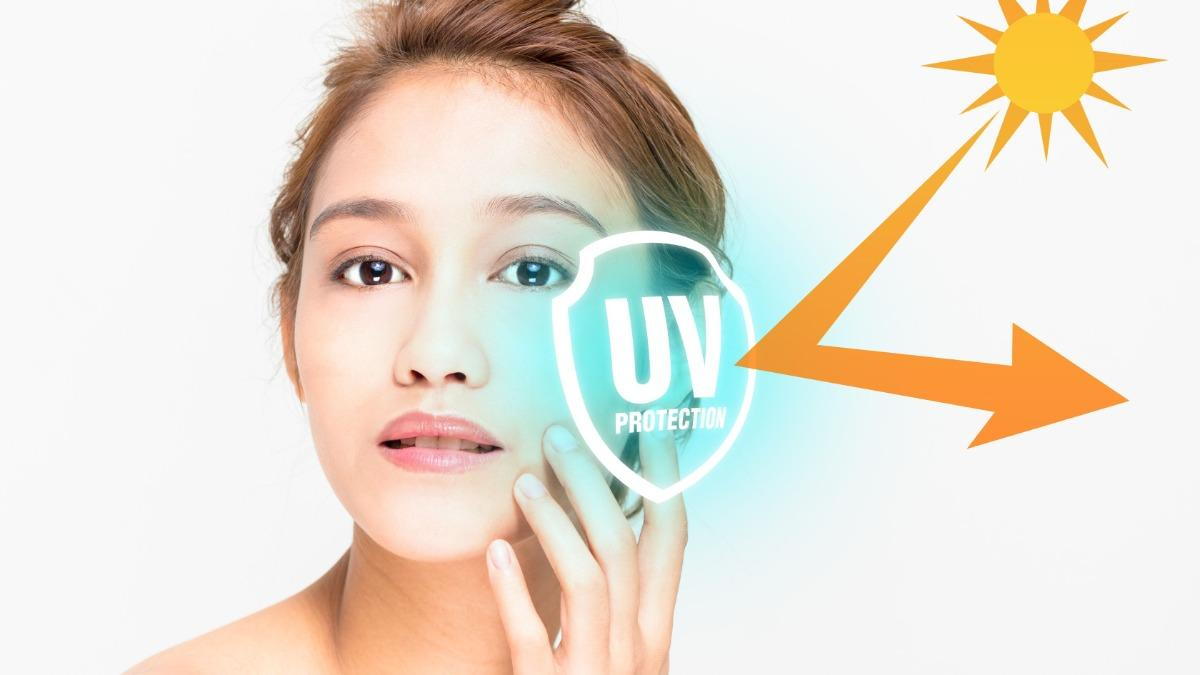
UV-C light is effective against germs—but direct exposure can be harmful to human skin and eyes.
This does not mean UV devices are unsafe.
It means they must be used as intended.
UV Light and Human Skin
Direct exposure to UV-C light can:
-
Irritate skin
-
Cause redness or burns
-
Damage eyes with even brief exposure
This is why UV sanitization devices should never be used on people or pets, and why proper design and usage are essential.
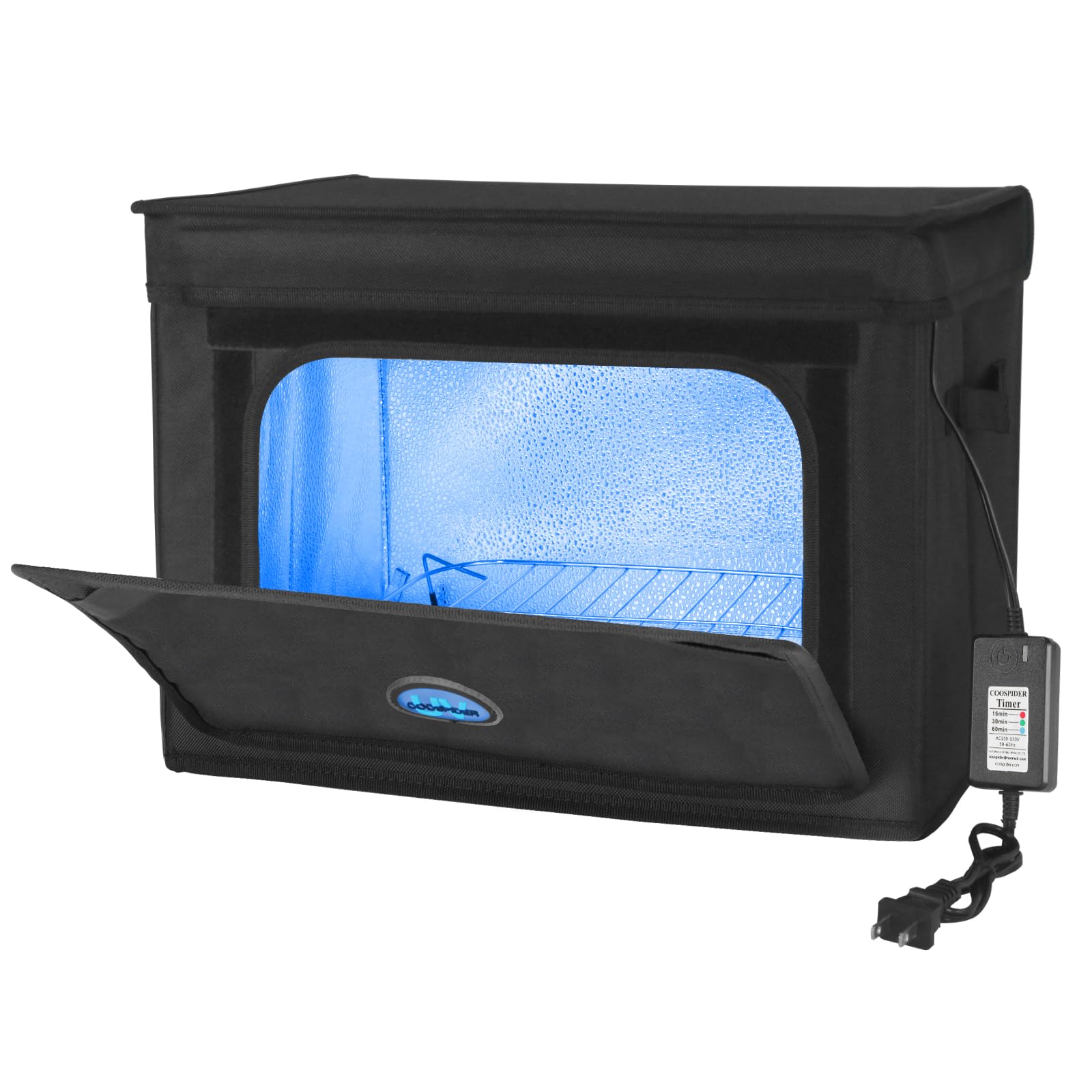
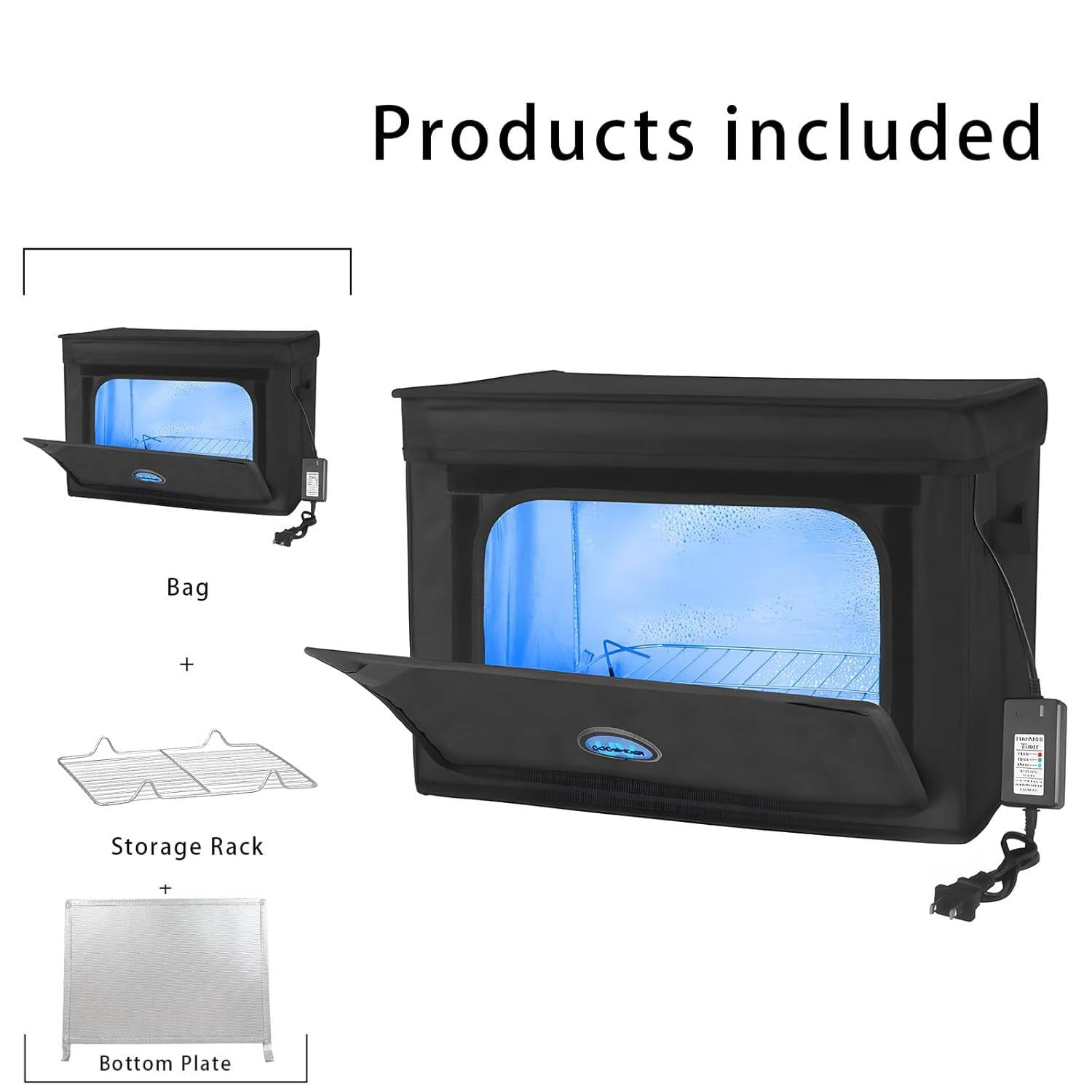
Modern baby-focused UV sterilizers are designed as enclosed systems, meaning the UV light is contained inside a box or chamber.
When used correctly, there is no exposure risk.
The Key Rule: UV Is for Objects, Not Babies
UV light should only be used to sanitize:
-
Baby bottles
-
Nipples
-
Pacifiers
-
Teethers
-
Pump accessories
-
Small toys (when manufacturer-approved)
It should never be used:
-
On a baby’s skin
-
On hands
-
On clothing being worn
-
As a room disinfectant while people are present
Understanding this distinction is critical.
What Baby Items Can Be Safely Sanitized with UV?
Commonly Suitable Items
Most UV sterilizers are designed for:
-
BPA-free plastic bottles
-
Silicone nipples and pacifiers
-
Breast pump parts
-
Bottle caps and rings
-
Teething toys labeled UV-safe
Always check the manufacturer’s instructions for both the UV device and the baby product.
Items That Require Caution
Some materials may degrade or discolor under UV light over time, including:
-
Natural rubber
-
Certain untreated fabrics
-
Items with complex internal cavities
UV light works best on clean, exposed surfaces. It does not penetrate deeply into opaque or layered materials.
Proper UV Sanitization: Step-by-Step Best Practices
Step 1: Clean Before You Sanitize
This is one of the most misunderstood aspects of UV use.
UV light is a sanitizing method, not a cleaning method.
Before using UV:
-
Wash items with mild soap and warm water
-
Remove milk residue, saliva, or food particles
-
Dry items if required by the device
UV light cannot effectively sanitize surfaces covered in dirt or organic matter.
Step 2: Load Items Correctly
Avoid stacking or overcrowding.
UV light requires direct line-of-sight exposure to work properly. Items should be:
-
Spaced apart
-
Positioned according to device instructions
-
Free from shadows where possible
Step 3: Use the Recommended Cycle Time
More is not always better.
Use:
-
The manufacturer’s recommended cycle
-
The correct mode for baby items (if available)
Overexposure does not increase effectiveness and may shorten the lifespan of certain materials.
Step 4: Store Items Hygienically After Sanitization
Sanitization doesn’t last forever.
Once items are UV-sanitized:
-
Store them in a clean, dry container
-
Avoid placing them on unclean surfaces
-
Handle them with clean hands
Some UV boxes double as storage units, which can help maintain hygiene.
How UV Sanitization Protects Baby’s Delicate Skin
Reducing Irritants
Chemical residues from aggressive cleaning agents can:
-
Irritate baby skin
-
Cause dryness or rashes
-
Trigger sensitivity reactions
UV sanitization eliminates germs without introducing new irritants.
Supporting a Gentle Hygiene Routine
Healthy baby care is about balance—not sterility.
UV allows parents to:
-
Maintain high hygiene standards
-
Avoid overuse of chemicals
-
Protect items that frequently contact skin and mouth
This is especially valuable for babies with:
-
Eczema-prone skin
-
Allergies
-
Sensitivities
Common Myths About UV Sanitization
Myth 1: UV Sterilization Replaces All Cleaning
It doesn’t.
Cleaning removes dirt. UV neutralizes microbes. You need both.
Myth 2: More UV Exposure Means Better Results
Incorrect.
Proper exposure time is what matters—not maximum exposure.
Myth 3: UV Light Is Dangerous No Matter What
UV light is dangerous only when misused. Enclosed, certified devices used correctly are safe for household use.
Choosing a UV Sanitizer for Baby Products
When selecting a UV device, parents should look for:
-
Fully enclosed design
-
Automatic shutoff when opened
-
Certified UV-C wavelength
-
Clear usage instructions
-
Materials tested for baby product compatibility
Avoid products that:
-
Emit exposed UV light
-
Lack safety certifications
-
Make exaggerated medical claims
UV Sanitization as Part of a Holistic Baby Care Approach
UV light is not a magic solution—and it doesn’t need to be.
It works best when combined with:
-
Regular washing
-
Thoughtful storage
-
Mindful handling
-
Common-sense hygiene
Used responsibly, UV sanitization can reduce daily stress for parents and create a cleaner, gentler environment for babies.
Final Thoughts: Safety First, Always
Every parent wants the same thing:
To protect their baby without causing harm in the process.
UV light, when used correctly, offers a safe, effective, and chemical-free way to sanitize baby products that touch delicate skin and developing immune systems.
The key is not fear—but understanding.
Understand how UV works.
Understand its limits.
Understand how to use it safely.
Because the best baby care solutions don’t just fight germs—they respect how fragile, precious, and resilient babies truly are.