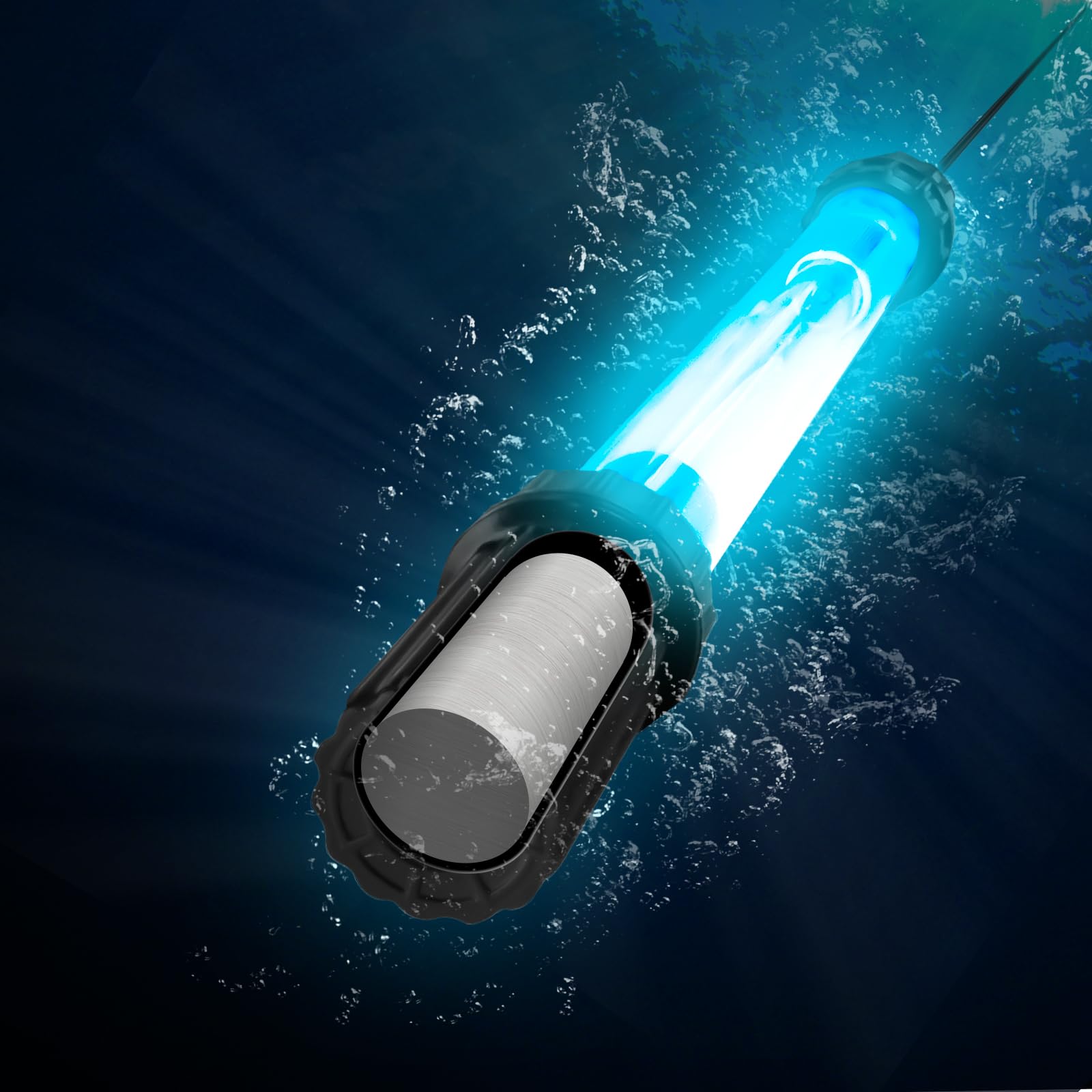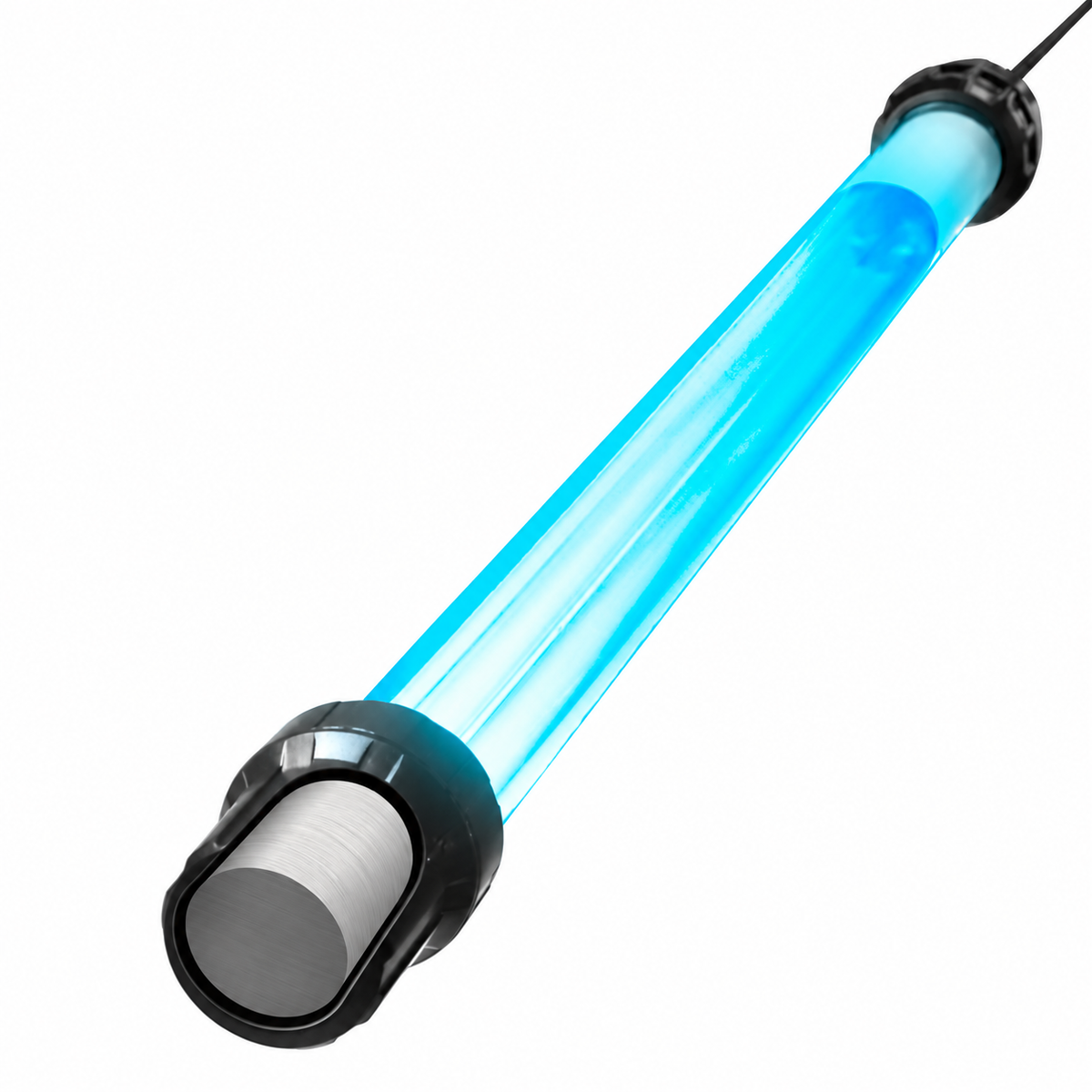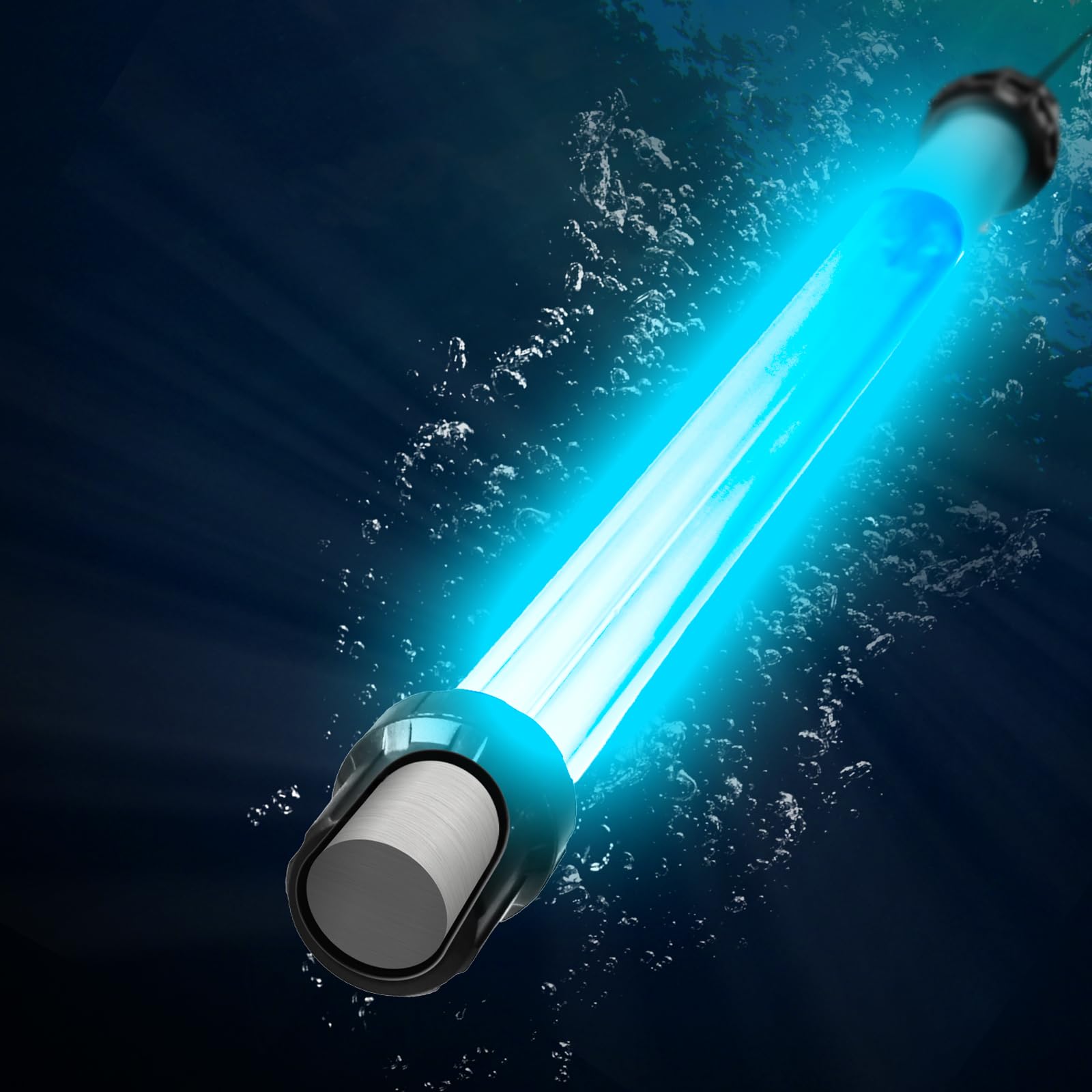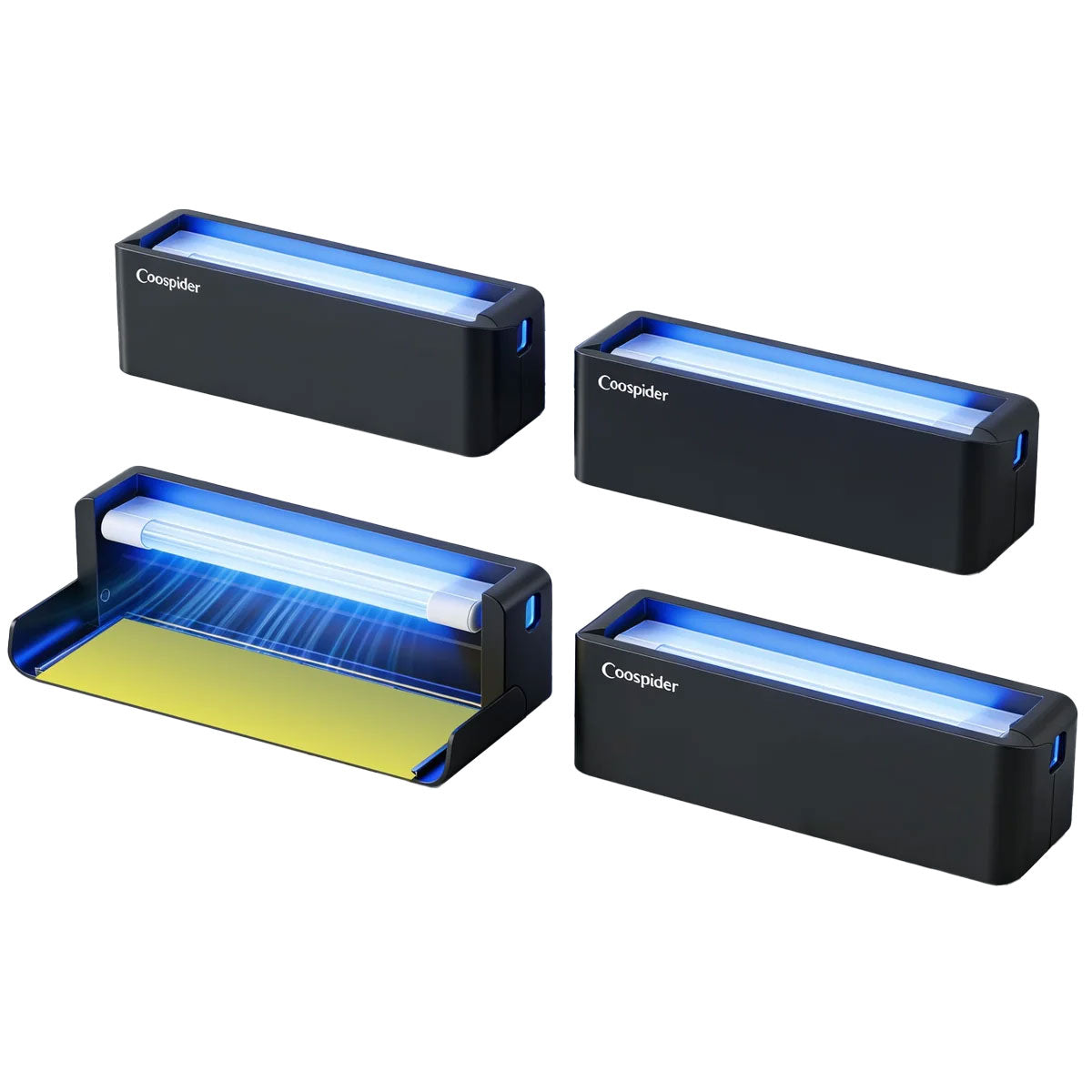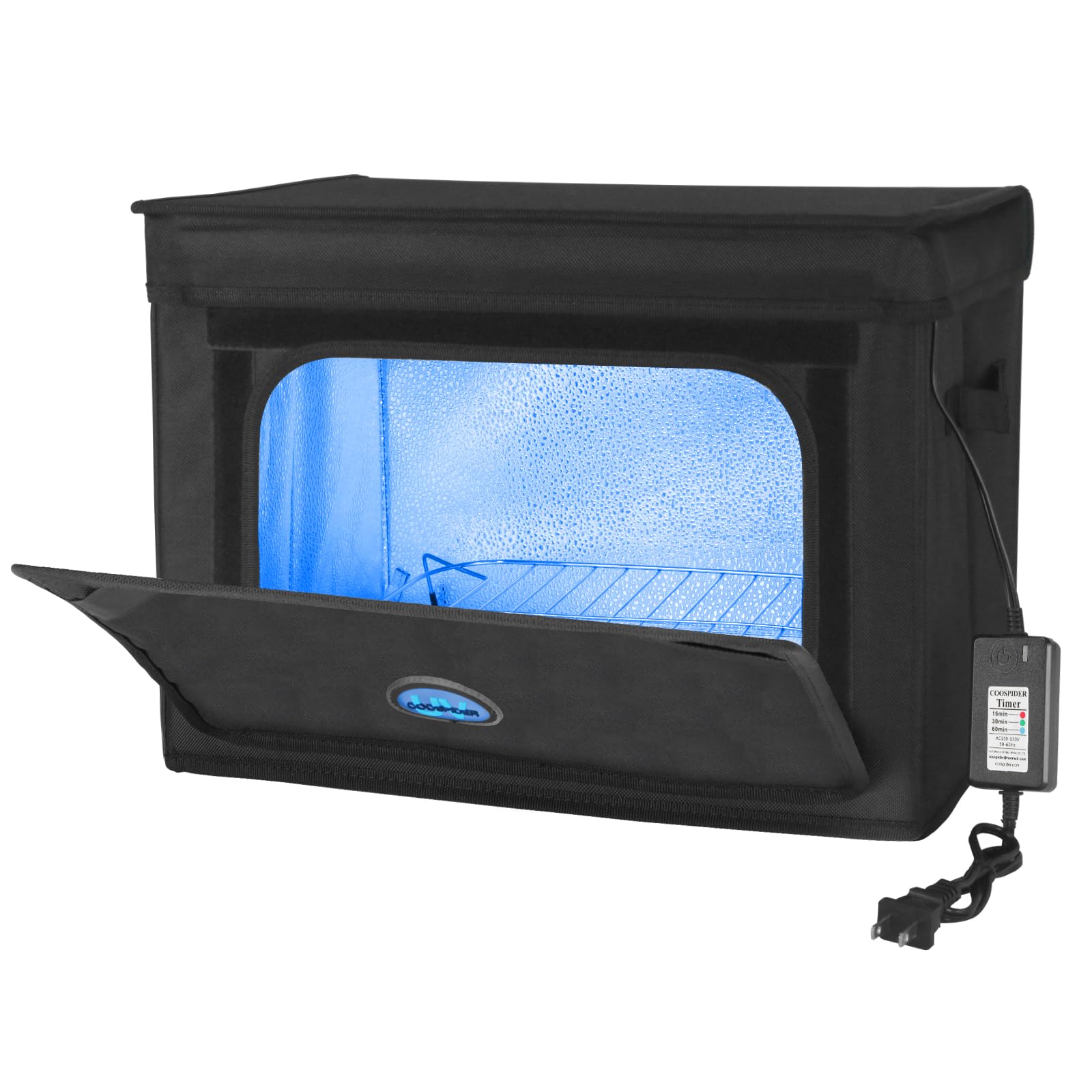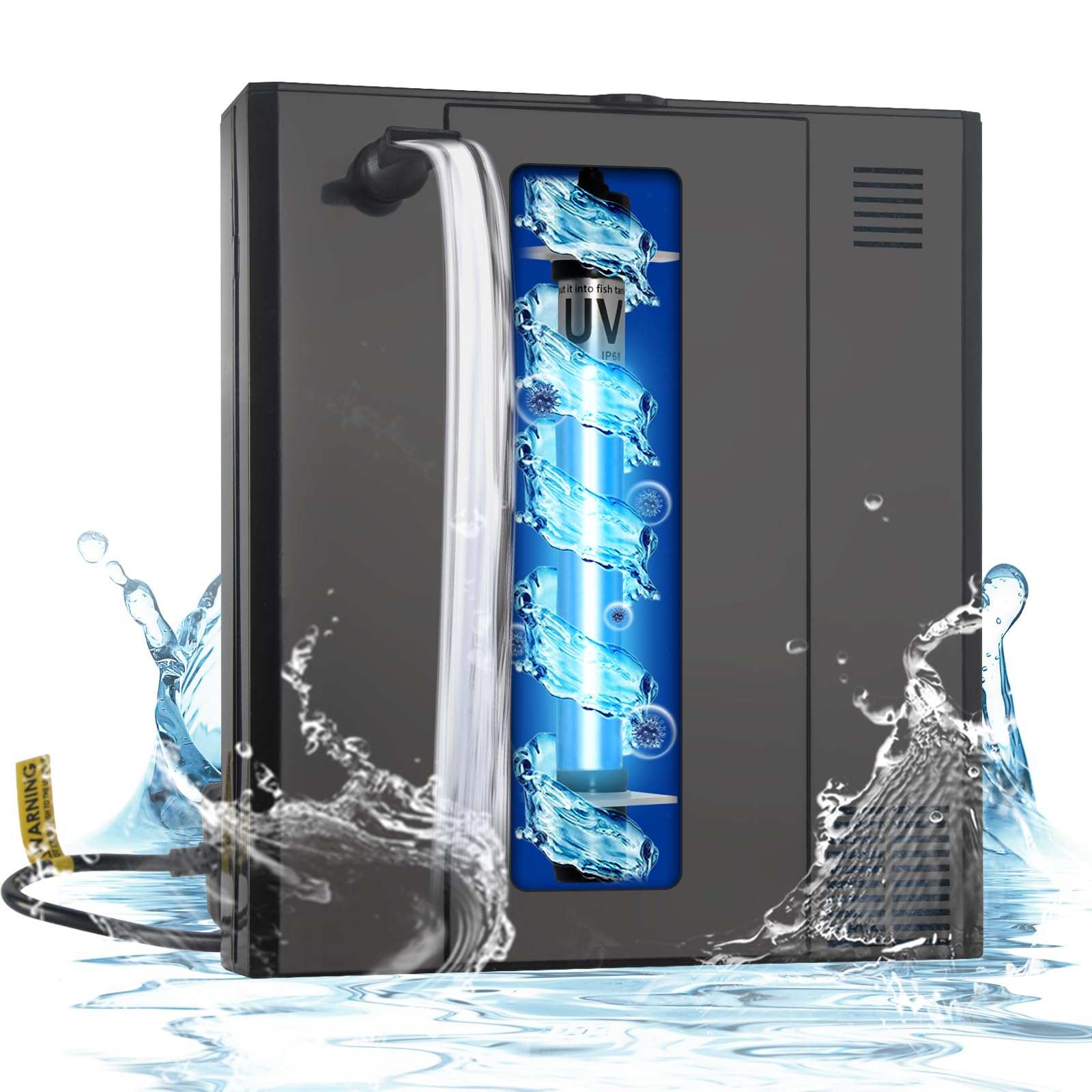
Ultraviolet (UV) lamps have become increasingly common in homes, workplaces, laboratories, and specialized industries. From sanitizing certain objects to supporting specific professional applications, UV technology offers many practical benefits. However, unlike ordinary household lighting, UV lamps require careful handling because ultraviolet radiation can affect human skin and eyes.
For families who use UV lamps at home, understanding how they work and learning proper safety practices are essential. A UV lamp can be a useful tool when operated correctly, but improper use may lead to unnecessary exposure, discomfort, or injury.
Safety begins with knowledge. Every family member, including children and older adults, should understand that a UV lamp is not just another type of light source. It produces invisible radiation that requires responsible operation.
This guide explains how UV lamps work, the potential risks of improper use, and the most important safety rules every household should follow to prevent accidental harm.
Understanding UV Lamps: What Makes Them Different From Ordinary Lights?
Before discussing safety, it is important to understand what a UV lamp actually does.
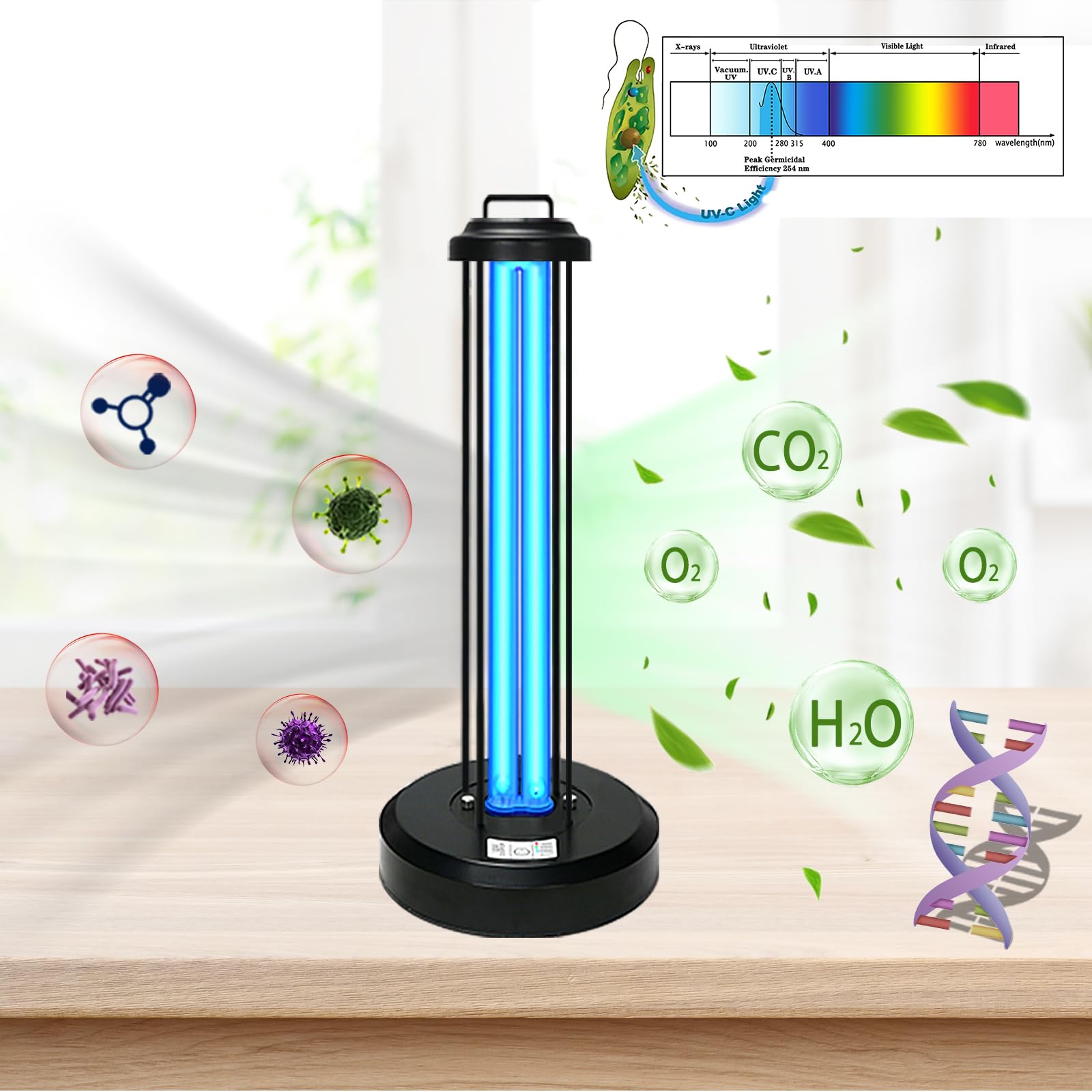
Ultraviolet light is a type of electromagnetic radiation located beyond the visible light spectrum. Humans cannot see UV rays, but they can still interact with biological tissues such as skin and eyes.
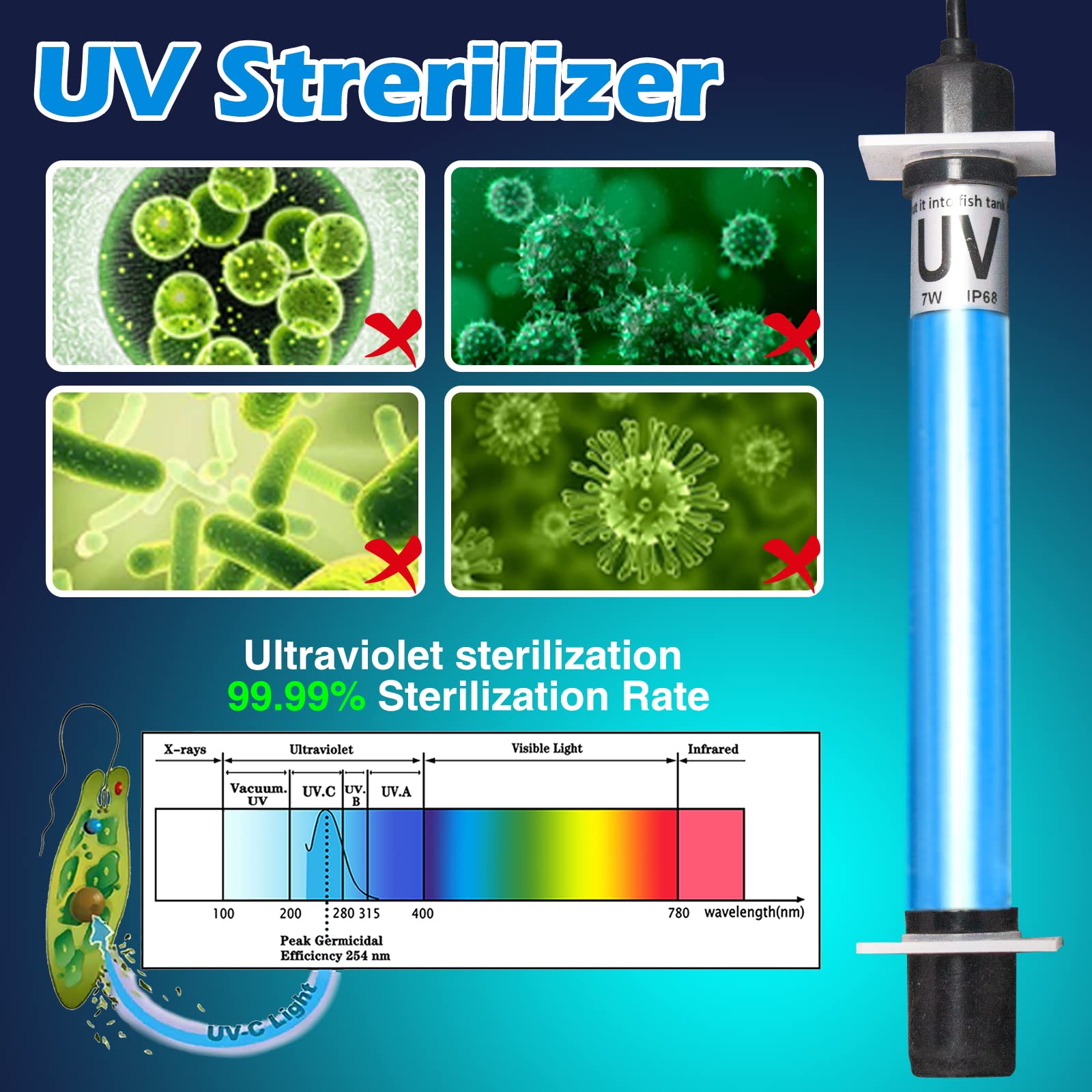
UV radiation is generally divided into three categories:
UVA
UVA rays have longer wavelengths and can penetrate deeper into the skin.
They are commonly associated with:
-
Skin aging
-
Long-term skin changes
-
Certain industrial and cosmetic applications
UVB
UVB rays have shorter wavelengths and stronger effects on the skin surface.
They are commonly associated with:
-
Sunburn
-
Skin damage
-
Vitamin D production
UVC
UVC rays have the shortest wavelength and are often used in specialized applications because of their ability to damage microorganisms.
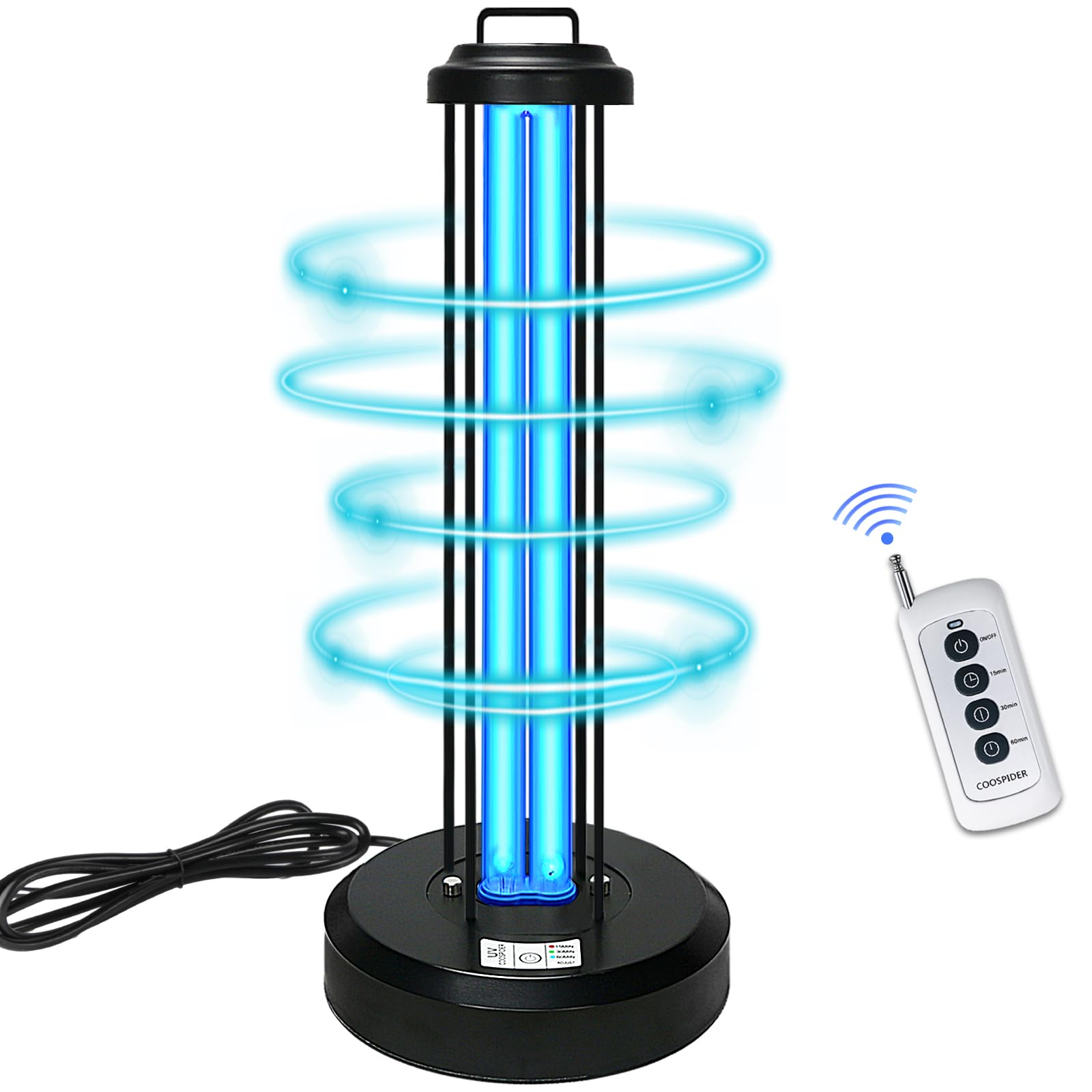
Many UV sanitizing devices use UVC technology because it can affect bacteria, viruses, and other microorganisms. However, UVC exposure can also harm human eyes and skin, which is why careful operation is necessary.
Why UV Lamp Safety Matters for Every Family
Many household accidents happen because people assume UV lamps work like normal lamps.
A common misunderstanding is:
"If I cannot see the light clearly, it cannot hurt me."
This is incorrect.
Invisible radiation can still produce biological effects.
Accidental exposure may happen when:
-
Someone enters a room while a UV lamp is operating
-
A child touches or plays with a UV device
-
A pet stays near an active UV source
-
Someone looks directly at the lamp
-
A timer or automatic setting is misunderstood
-
The device is used outside its intended purpose
A few minutes of improper exposure may create unnecessary risks, especially for sensitive individuals.
Teaching every family member basic UV safety habits is one of the simplest ways to prevent accidents.
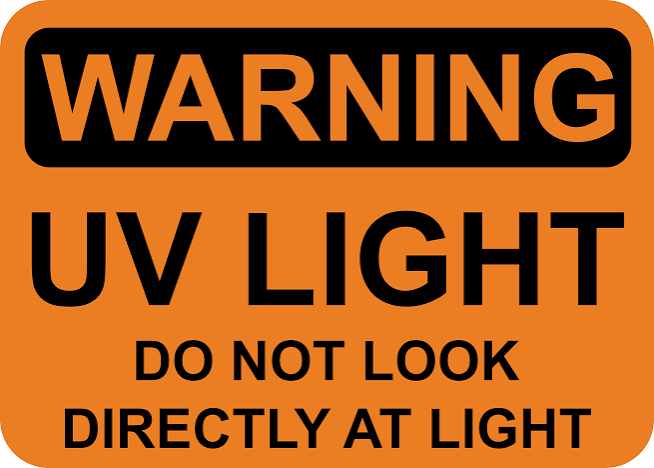
Rule One: Never Look Directly at an Operating UV Lamp
The eyes are among the most sensitive parts of the body when exposed to UV radiation.
Direct exposure may cause irritation and discomfort.
Possible symptoms after excessive UV exposure include:
-
Eye redness
-
Pain or discomfort
-
Light sensitivity
-
Blurred vision
-
A feeling similar to having sand in the eyes
One of the most important safety rules is simple:
Never stare at an operating UV lamp.
Even a quick look out of curiosity should be avoided.
Children are especially likely to be attracted to unusual lights, so parents should explain clearly that UV lamps are not toys.
Rule Two: Keep People and Pets Away During Operation
Before turning on a UV lamp, make sure the area is prepared.
A safe routine includes:
-
Confirming that no one is inside the treatment area
-
Removing pets from the room
-
Closing doors when appropriate
-
Informing family members that the device is running
-
Using warning signs if necessary
Communication is especially important in homes where multiple people share spaces.
For example, if one person starts a UV cycle in a bathroom, bedroom, or storage area, other family members should know not to enter until the process is complete.
A simple reminder can prevent accidental exposure.
Rule Three: Follow the Manufacturer's Instructions Exactly
Different UV lamps have different designs, power levels, operating times, and intended uses.
Never assume that all UV devices work the same way.
Always read:
-
User manuals
-
Safety instructions
-
Recommended operating times
-
Placement requirements
-
Maintenance guidelines
Avoid using a UV lamp:
-
For purposes not listed by the manufacturer
-
In areas larger than recommended
-
For longer periods than instructed
-
With damaged protective components
Following instructions is one of the easiest ways to maintain safe operation.
Rule Four: Understand the Difference Between UV Products
Not every UV lamp serves the same purpose.
Before purchasing or using a device, identify its intended application.
Common categories include:
UV Sanitizing Devices
These products are designed for specific sanitizing purposes.
Important considerations:
-
Correct placement
-
Exposure time
-
Surface compatibility
-
Human safety precautions
UV Lamps for Professional Equipment
Some UV devices are designed for laboratories, medical environments, or industrial applications.
These typically require:
-
Specialized training
-
Protective equipment
-
Controlled environments
UV Lamps for Decorative or Specialty Uses
Certain UV lights are used for entertainment, artwork, or special effects.
Safety requirements vary depending on:
-
UV wavelength
-
Intensity
-
Exposure duration
Understanding the product category helps prevent misuse.
Rule Five: Create a Safe Operating Routine
Families can reduce mistakes by creating a consistent procedure.
A simple UV lamp safety checklist may include:
Before Operation
Check that:
-
The device is in good condition
-
The area is empty
-
Children and pets are away
-
Everyone knows the device will be turned on
During Operation
Make sure:
-
Nobody enters the operating area
-
The lamp is not touched
-
The device remains in its intended position
After Operation
Confirm that:
-
The cycle has finished completely
-
The area is safe before entering
-
The device is turned off properly
A routine transforms safety from a reminder into a habit.
Protecting Children From UV Lamp Accidents
Children are naturally curious.
A strange-looking lamp, glowing object, or unfamiliar device may attract attention.
Parents should teach children:
-
UV lamps are not toys
-
Never touch a UV device without permission
-
Never look into unusual lights
-
Always ask an adult before using household equipment
Additional safety steps include:
-
Store portable UV devices out of children's reach
-
Keep remote controls or switches secured
-
Explain why the device requires caution
Simple explanations are often more effective than warnings alone.
For example:
"This light can clean things, but it can also hurt our eyes and skin if we use it incorrectly."
This helps children understand the reason behind safety rules.
Protecting Older Family Members
Older adults may have different safety needs.
Some people may accidentally:
-
Forget that a UV cycle is running
-
Enter a room without realizing the risk
-
Misunderstand device instructions
Helpful strategies include:
-
Clear labels
-
Simple operating steps
-
Visible reminders
-
Family communication
Safety systems should be easy for everyone in the household to follow.
Pets and UV Lamp Safety
Pets can also be affected by UV exposure.
Animals may not understand why they should avoid a particular area.
Before operating a UV lamp:
-
Remove pets from the room
-
Keep cages away from exposure areas
-
Prevent animals from approaching the device
A safe home environment considers every family member, including pets.
Using Protective Equipment When Necessary
Some UV applications require additional protection.
Depending on the device and usage environment, protective equipment may include:
-
UV-blocking eyewear
-
Protective clothing
-
Gloves
-
Face protection
However, protective equipment should not replace proper operation procedures.
The best protection is always:
-
Avoid unnecessary exposure
-
Use the device correctly
-
Follow safety instructions
Common Mistakes People Make With UV Lamps
Understanding common mistakes helps families avoid them.
Mistake 1: Treating UV Lamps Like Normal Lights
UV lamps should never be left on casually in occupied rooms unless specifically designed for safe human exposure.
Mistake 2: Assuming Short Exposure Is Always Safe
Even brief exposure can be inappropriate depending on:
-
UV intensity
-
Distance
-
Duration
-
Individual sensitivity
Mistake 3: Letting Children Experiment With the Device
Curiosity can lead to unsafe behavior.
Children should only interact with UV equipment under adult supervision.
Mistake 4: Ignoring Device Damage
Cracked covers, broken switches, or damaged components may affect safety.
Inspect equipment regularly.
Mistake 5: Using UV Lamps Without Understanding Their Purpose
A device designed for one application may not be suitable for another.
Always use products according to their intended function.
How to Choose a Safer UV Lamp for Home Use
When selecting a UV lamp, consider more than just price.
Important features include:
Safety Certifications
Look for products that meet recognized safety standards.
Automatic Shut-Off Features
Timers and automatic controls can reduce accidental exposure.
Motion Sensors or Safety Locks
Some devices include features that prevent operation when people are nearby.
Clear Instructions
A reliable product should provide understandable safety information.
Quality Construction
Durable materials and reliable components contribute to safer long-term use.
Teaching the Whole Family UV Safety
A safety lesson works best when everyone understands the rules.
Families can create simple guidelines:
-
Ask before using the UV lamp
-
Never look directly at UV light
-
Keep children away from operating devices
-
Keep pets away during operation
-
Follow instructions every time
Consistency matters.
Safety habits developed at home can also influence how people handle other household technologies.
What To Do After Accidental UV Exposure
If someone believes they have been accidentally exposed to UV radiation, they should pay attention to their condition.
Possible signs of excessive exposure may include:
-
Eye discomfort
-
Skin irritation
-
Unusual sensitivity
If symptoms occur or persist, seek professional medical advice.
Avoid further exposure until the situation is understood.
Building a Safer Home With Responsible UV Use
Technology can make life easier, but every useful tool requires responsible handling.
UV lamps can provide valuable functions when used correctly, but safety should always come before convenience.
A safe household approach includes:
-
Learning how UV radiation works
-
Understanding the risks
-
Following manufacturer instructions
-
Keeping children and pets protected
-
Establishing clear family rules
The goal is not to fear UV technology. The goal is to use it wisely.
Final Thoughts
A UV lamp can be a helpful tool in modern homes, but it should always be treated as a specialized device rather than an ordinary household light. The invisible nature of ultraviolet radiation makes awareness and proper operation especially important.
By teaching family members the basics of UV lamp safety, creating clear operating routines, and choosing products with appropriate safety features, households can reduce the risk of accidental exposure.
A few simple habits—such as never looking directly at a UV lamp, keeping people and pets away during operation, and following instructions carefully—can make a significant difference.
Safety begins with understanding. When every family member knows how to use UV technology responsibly, it becomes a practical tool that supports a safer and smarter home environment.