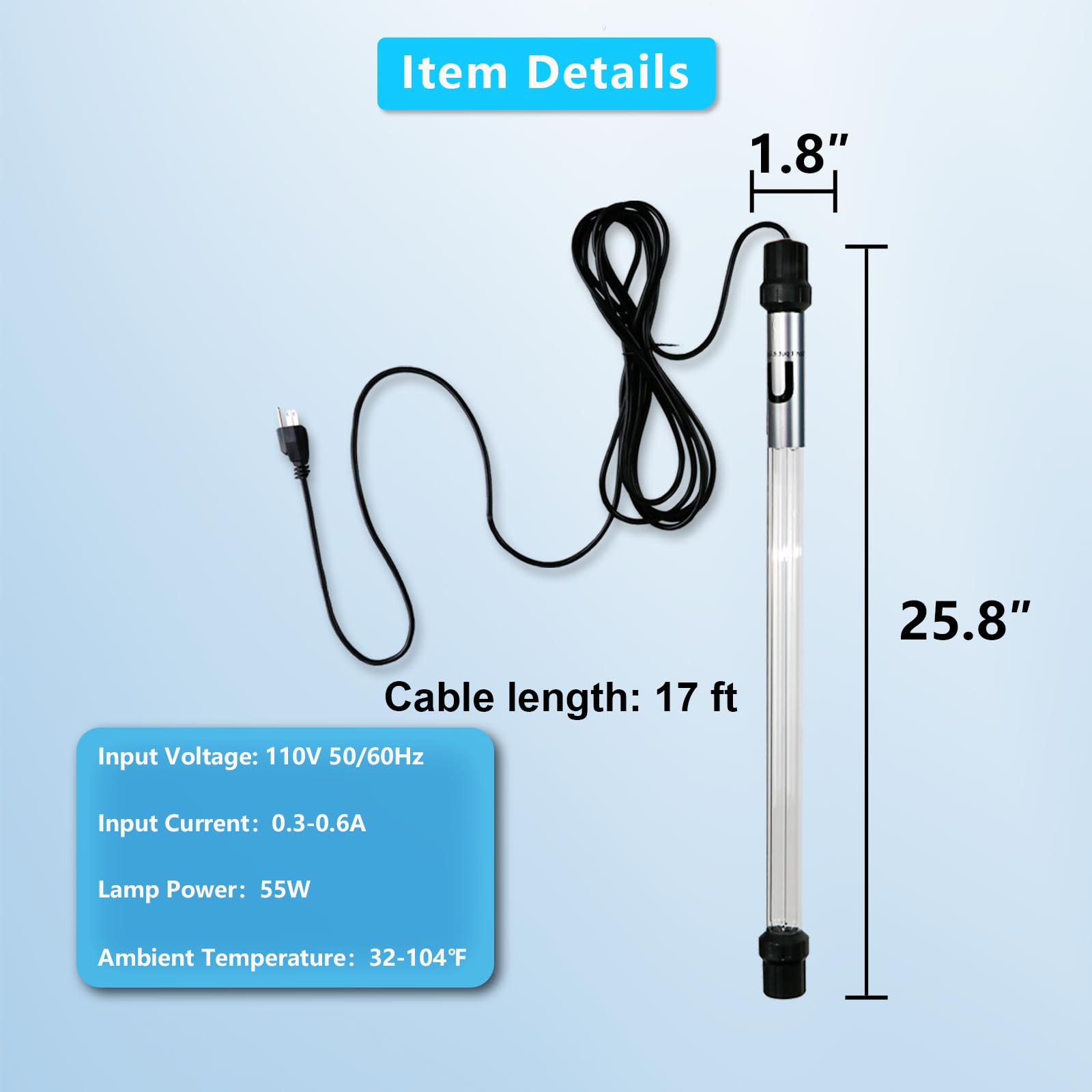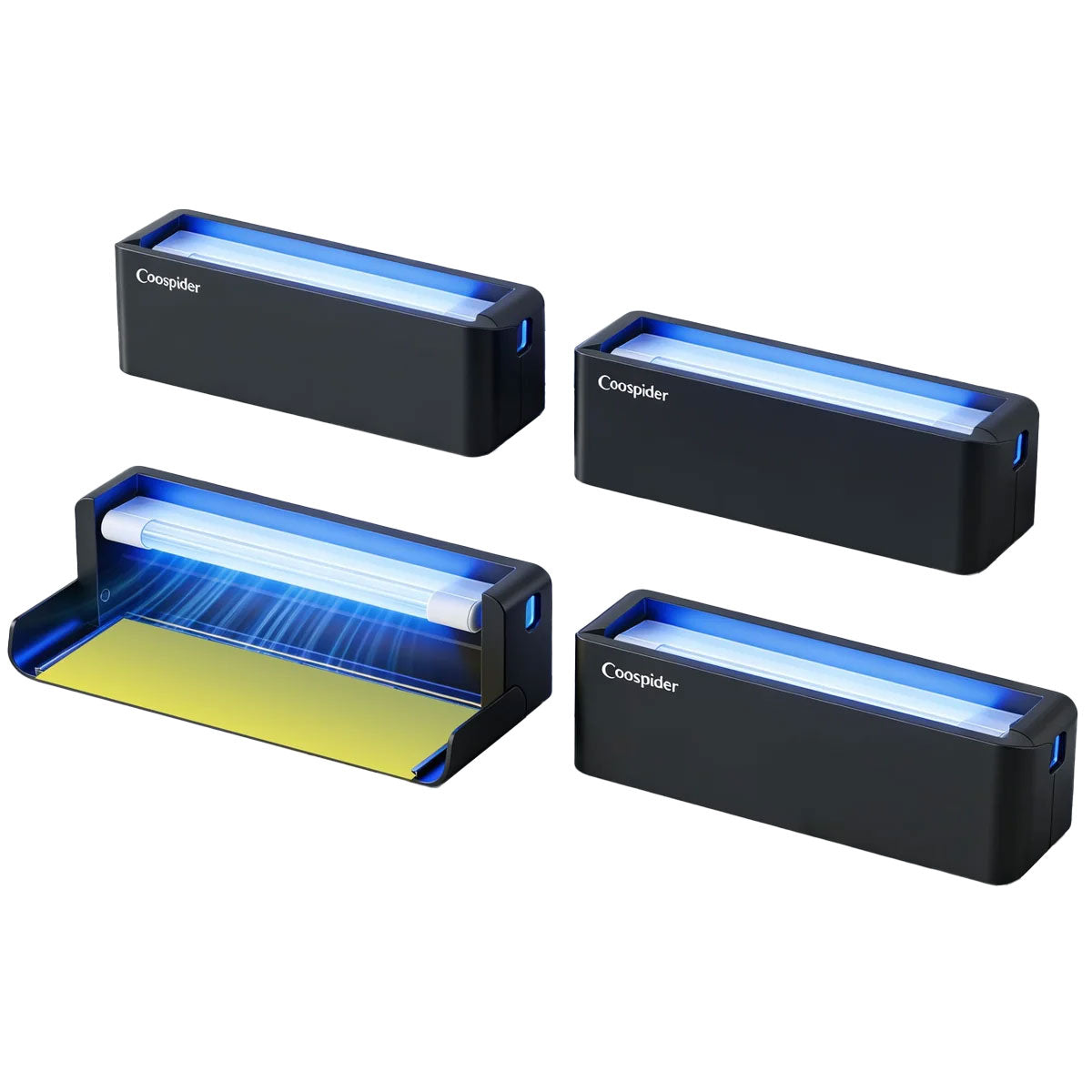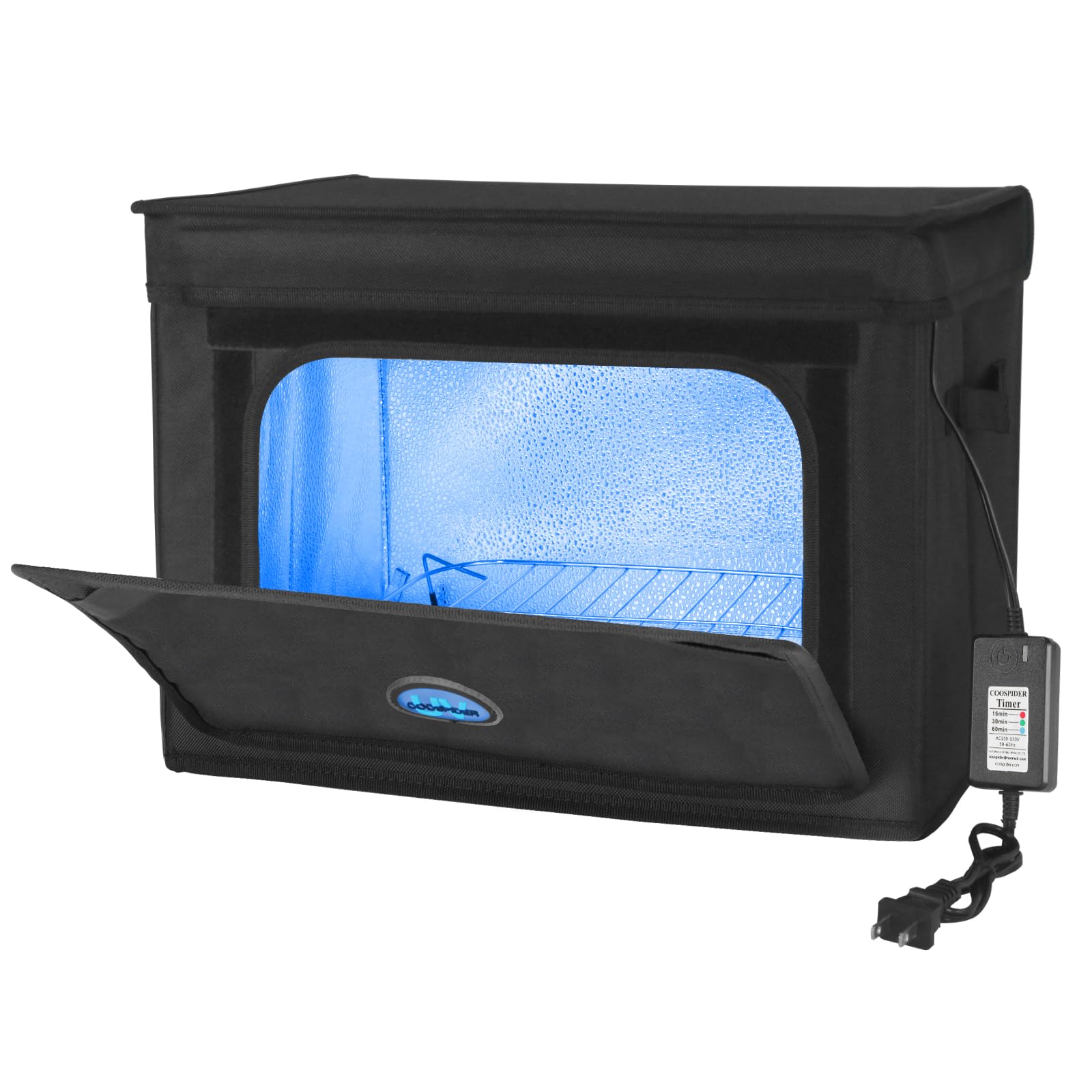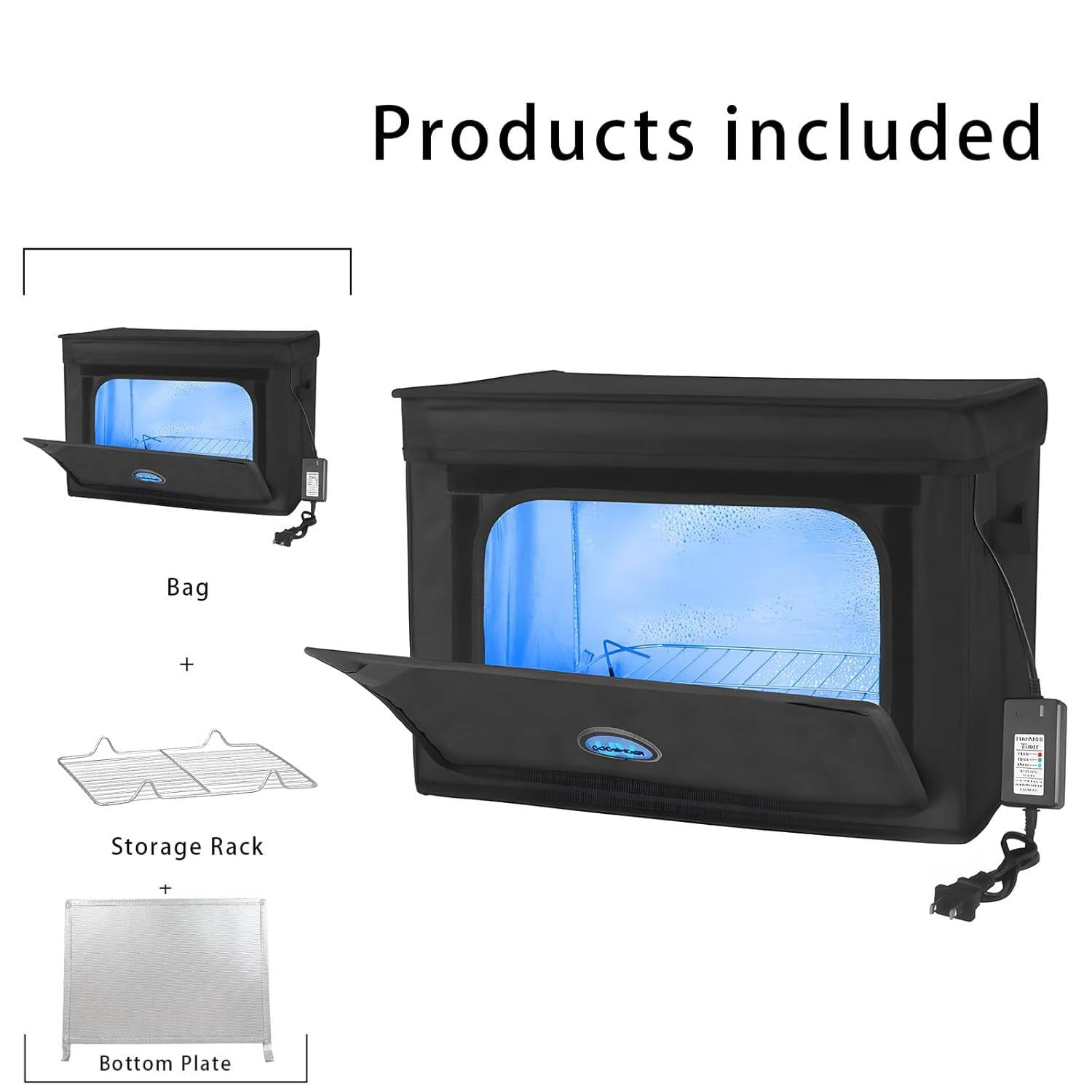
Ultraviolet (UV) technology has become increasingly popular in modern homes, offices, healthcare environments, laboratories, and commercial spaces. From specialized lighting applications to professional equipment, UV products offer a wide range of practical benefits. However, unlike ordinary lighting products, UV lamps require careful selection because they produce ultraviolet radiation that can affect people, animals, and materials when used incorrectly.
Choosing a UV lamp is not simply about finding the right wavelength or the most powerful model. A safe and reliable product should include appropriate protective features, user-friendly controls, and design elements that reduce the risk of accidental exposure.
Whether you are considering a UV lamp for household use, workplace applications, or professional purposes, understanding the key safety features can help you make a smarter purchasing decision.
This UV lamp buying guide explains what to look for before purchasing a UV product, including protective technologies, safety certifications, operating controls, and practical considerations that can help create a safer environment.
Why Safety Features Matter When Buying a UV Lamp
Many people are familiar with visible light products such as LED bulbs, desk lamps, and decorative lighting. UV lamps are different because they produce ultraviolet radiation that cannot be fully detected by human senses.
This means users may not immediately realize when exposure is occurring.
A poorly designed or incorrectly used UV product may create risks such as:
-
Unintentional eye exposure
-
Skin irritation
-
Improper use by children
-
Accidental exposure of pets
-
Damage to sensitive materials
-
Unsafe operation in occupied spaces
A high-quality UV lamp should not only perform its intended function but also help users operate it safely.
When comparing products, safety features should be considered just as important as:
-
Lamp power
-
Design
-
Price
-
Brand reputation
-
Performance specifications
The best UV products combine effectiveness with responsible engineering.
Understand the Different Types of UV Lamps Before Buying
Before choosing a product, it is important to understand that not all UV lamps are designed for the same purpose.
Different UV technologies have different characteristics.
UVA Lamps
UVA lamps produce longer-wave ultraviolet radiation.
They are commonly used for:
-
Specialty lighting
-
Industrial applications
-
Certain professional equipment
-
Artistic and decorative purposes
UVA exposure may still affect skin and eyes, so proper protection remains important.
UVB Lamps
UVB lamps are used in specific applications that require controlled ultraviolet exposure.
They may be found in:
-
Professional environments
-
Scientific applications
-
Specialized equipment
Because UVB radiation can strongly affect biological tissues, careful control is necessary.
UVC Lamps
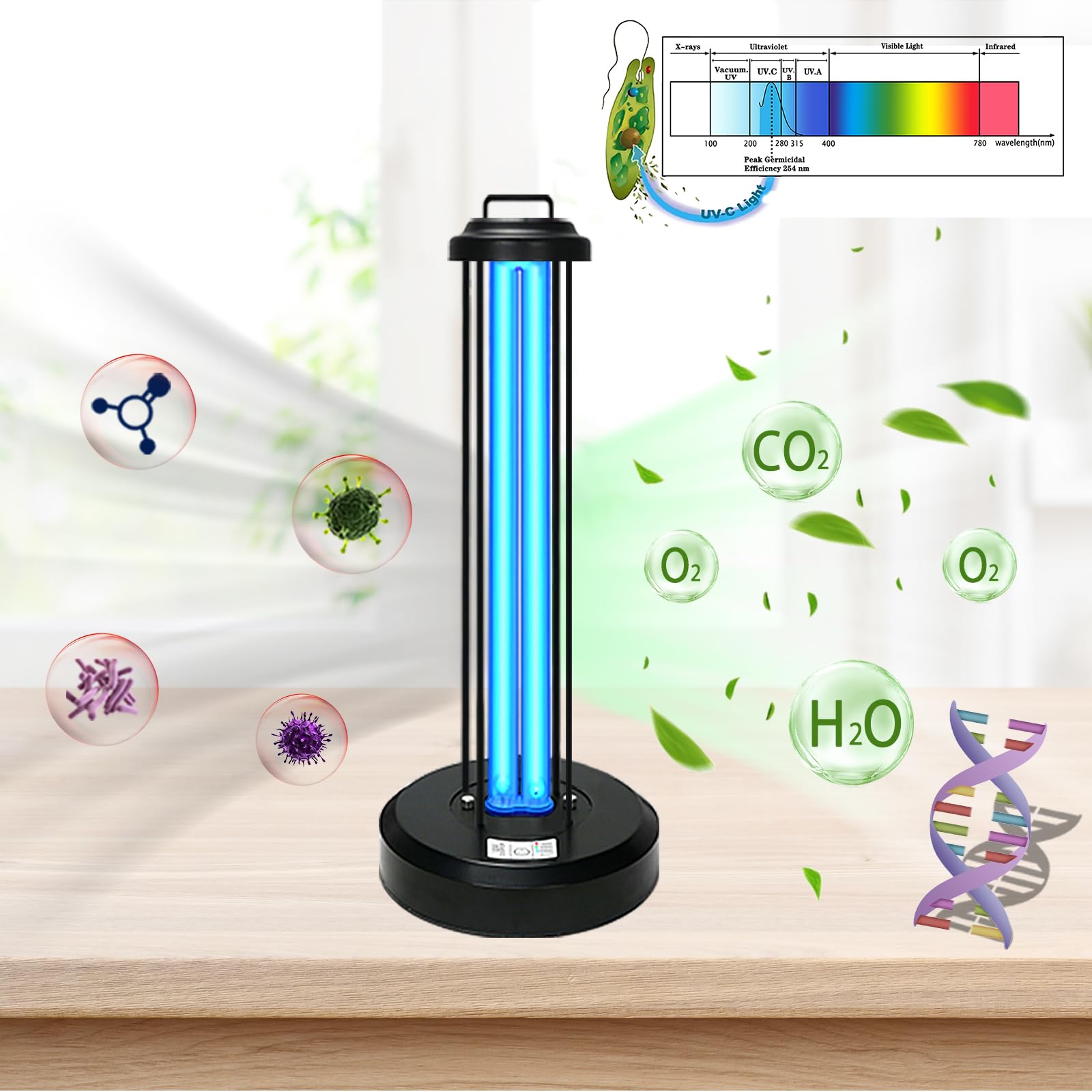
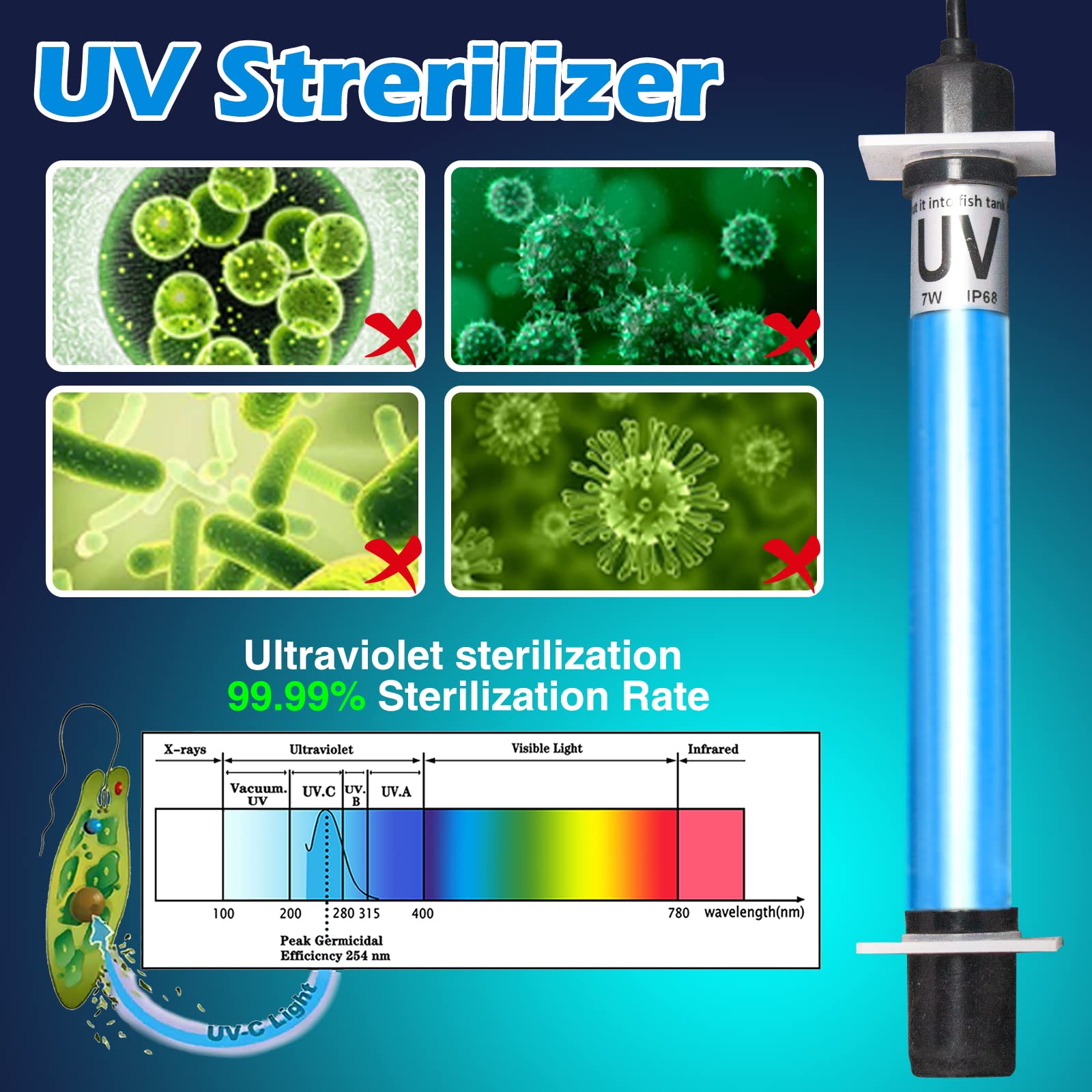
UVC lamps are commonly associated with professional sanitizing applications because UVC radiation has strong effects on microorganisms.
However, direct exposure can be harmful to human eyes and skin.
Products using UVC technology should include strong safety controls, especially for household environments.
Feature One: Automatic Safety Shut-Off Systems
One of the most valuable safety features in modern UV lamps is automatic shut-off technology.
A timer-controlled system helps prevent:
-
Extended operation
-
Forgetting to turn off the device
-
Unnecessary exposure
-
Energy waste
For home users, automatic shut-off provides an additional layer of protection.
When evaluating a UV lamp, look for:
-
Adjustable timers
-
Automatic cycle completion
-
Clear operating indicators
-
Audible alerts when available
A good safety system reduces dependence on memory and human attention.
Feature Two: Motion Detection and Human Presence Sensors
Some advanced UV products include motion sensors or human presence detection.
These features are designed to stop or prevent operation when people enter the area.
Benefits may include:
-
Reduced accidental exposure
-
Safer household operation
-
Improved convenience
-
Better user confidence
This feature can be especially useful in shared spaces such as:
-
Offices
-
Classrooms
-
Bathrooms
-
Commercial facilities
However, users should still follow all manufacturer instructions because sensor technology should be considered an additional safety measure rather than a replacement for proper operation.
Feature Three: Protective Covers and Shielding Design
The physical design of a UV lamp plays an important role in safety.
A well-designed product may include:
-
Protective housings
-
Shielded lamp areas
-
Enclosed structures
-
Safety barriers
These designs help control where UV radiation is directed.
When shopping for a UV lamp, avoid products with:
-
Exposed components without explanation
-
Poor-quality construction
-
Missing safety information
-
Unclear protective design
A professional-looking product should provide clear details about how it manages UV exposure.
Feature Four: Remote Control and Delayed Start Functions
Convenient operation features can also improve safety.
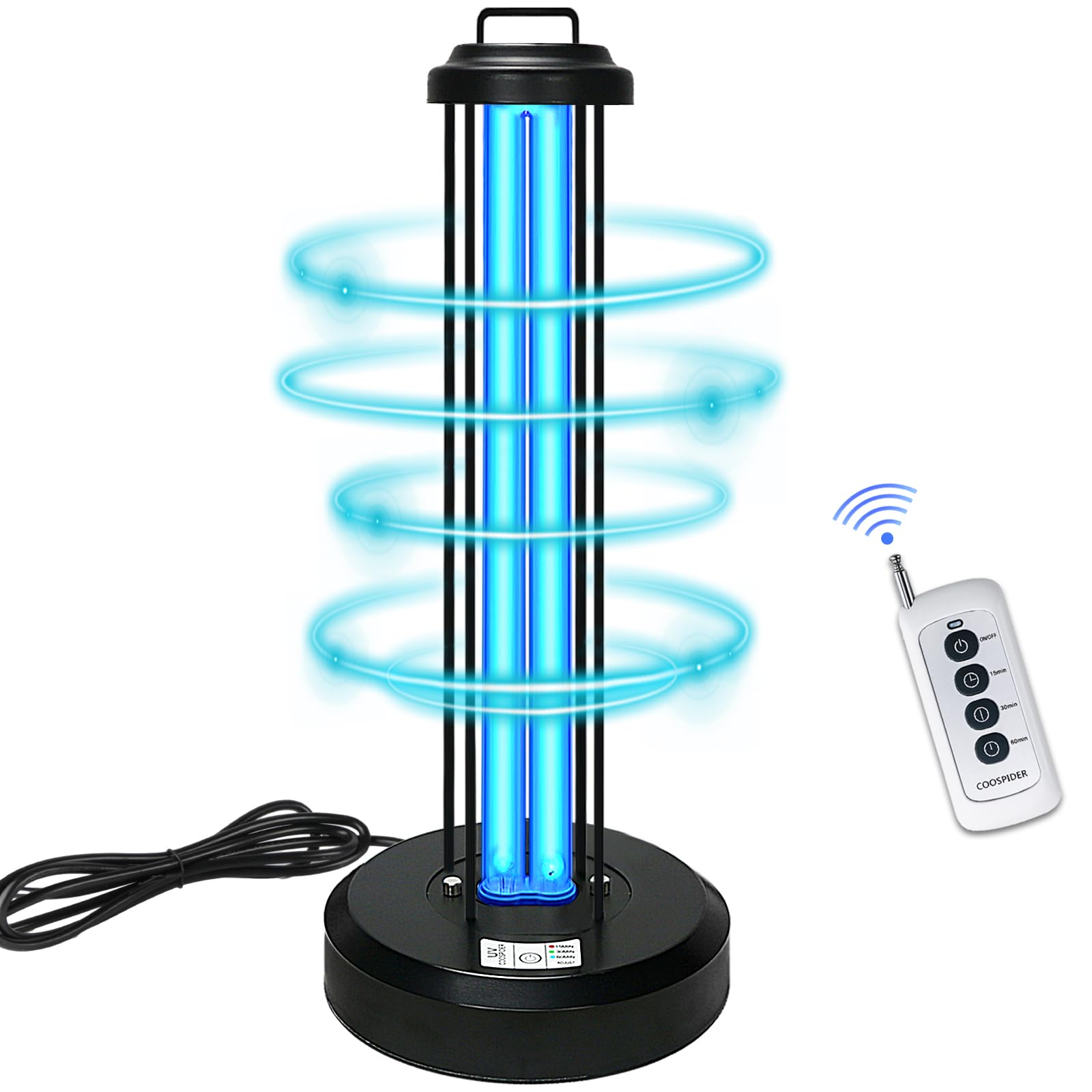
Remote controls and delayed start systems allow users to activate a UV lamp without standing directly beside it.
Useful functions include:
-
Remote activation
-
Countdown settings
-
Scheduled operation
-
Delayed start
For example, a delayed start feature allows users to leave an area before the UV lamp begins operating.
This simple function can significantly reduce accidental exposure.
Feature Five: Child Safety Features
Families with children should pay special attention to child protection features.
Children may not understand why UV lamps require caution.
Important features include:
Child Lock Functions
A child lock prevents unauthorized operation.
Secure Controls
Buttons or settings that are difficult for children to activate accidentally provide additional protection.
Stable Construction
A well-designed lamp should resist tipping or accidental movement.
Clear Warning Labels
Visible safety instructions help remind users that the device requires careful handling.
A UV product designed for family environments should consider the behavior of all household members.
Feature Six: Safety Certifications and Quality Standards
Reliable UV products should provide information about testing and compliance.
When evaluating a product, look for:
-
Recognized safety certifications
-
Manufacturer testing information
-
Clear technical specifications
-
Detailed user instructions
Certifications and testing information help consumers understand whether a product has been evaluated according to established requirements.
Be cautious with products that:
-
Provide no manufacturer information
-
Make unrealistic claims
-
Lack operating instructions
-
Do not explain safety precautions
Transparency is an important sign of product quality.
Feature Seven: Clear Wavelength Information
A trustworthy UV lamp should clearly state its wavelength.
The wavelength affects:
-
How the product functions
-
Where it should be used
-
What safety precautions are needed
Avoid purchasing products that only advertise "powerful UV light" without explaining technical details.
Important information may include:
-
UV type
-
Wavelength range
-
Recommended applications
-
Operating limitations
Understanding these details helps prevent buying a product that does not match your needs.
Feature Eight: Eye and Skin Protection Considerations
Safety-focused UV products should include information about personal protection.
Depending on the application, users may need:
-
UV-blocking eyewear
-
Protective clothing
-
Gloves
-
Limited exposure procedures
When comparing products, check whether the manufacturer provides:
-
Safety recommendations
-
Exposure warnings
-
Protective equipment guidance
A responsible manufacturer should explain not only how the product works but also how to use it safely.
Feature Nine: Reliable Operating Indicators
Clear feedback helps users understand the status of a UV lamp.
Useful indicators include:
-
Power lights
-
Operating signals
-
Countdown displays
-
Warning sounds
These features prevent confusion.
For example, a user should easily know:
-
Whether the lamp is turned on
-
Whether a cycle is complete
-
Whether it is safe to enter the area
Simple communication between the device and the user improves safety.
Feature Ten: Durable Materials and Quality Construction
Safety is not only about electronic features.
The physical quality of a UV lamp also matters.
A durable product should have:
-
Strong housing materials
-
Reliable internal components
-
Stable placement design
-
Heat-resistant construction
Poor construction may increase the chance of:
-
Damage
-
Malfunction
-
Unsafe operation
A well-made UV lamp is usually designed for long-term reliability.
Choosing a UV Lamp Based on Your Environment
The right safety features depend on where and how the product will be used.
For Home Use
Families should prioritize:
-
Automatic shut-off
-
Child locks
-
Clear instructions
-
Protective housing
-
Easy operation
A simple and safe design is often better than a complicated product with unnecessary features.
For Offices
Workplaces may benefit from:
-
Scheduling functions
-
Access controls
-
Motion sensors
-
Clear operating indicators
Because multiple people share office environments, preventing accidental operation is especially important.
For Professional Applications
Professional users may require:
-
Advanced control systems
-
Specialized protective equipment
-
Detailed technical specifications
-
Higher-level safety procedures
Professional UV equipment should always be operated according to industry guidelines.
Common Mistakes When Buying UV Lamps
Many buyers focus only on performance and overlook safety.
Here are some common mistakes.
Choosing the Cheapest Product Without Research
Low prices may sometimes mean fewer safety features or lower-quality construction.
Ignoring Safety Instructions
A product without clear instructions can be difficult to use correctly.
Buying Based Only on Power
Higher power does not always mean better performance.
The correct product depends on:
-
Intended use
-
Environment
-
Safety requirements
Overlooking Automatic Controls
Manual operation increases the chance of mistakes.
Assuming All UV Products Are Similar
Different UV technologies require different safety considerations.
Questions to Ask Before Purchasing a UV Lamp
Before making a decision, consider these questions:
What type of UV technology does this product use?
What safety features are included?
Does it have automatic shut-off?
Can children accidentally operate it?
Does it provide clear instructions?
Is the wavelength information available?
What environment is it designed for?
Does the manufacturer provide reliable support?
These questions can help you avoid unsuitable products.
How to Maintain UV Lamp Safety After Purchase
Buying a safe UV lamp is only the first step.
Proper maintenance also matters.
Follow these practices:
-
Read the instruction manual carefully
-
Inspect the device regularly
-
Keep protective parts intact
-
Clean according to manufacturer recommendations
-
Replace components when necessary
-
Store the product safely when not in use
A well-maintained UV lamp is more likely to operate safely and effectively.
Teaching Family Members How to Use UV Products Responsibly
Safety improves when everyone understands the rules.
Families should discuss:
-
Why UV lamps require caution
-
When the device can be used
-
Who is allowed to operate it
-
What behaviors should be avoided
Important reminders include:
-
Never look directly at active UV lamps
-
Do not treat UV devices as toys
-
Keep children and pets away during operation
-
Follow instructions every time
Creating shared awareness prevents many common accidents.
Balancing Performance and Safety
A good UV lamp should provide effective performance while protecting users.
The ideal product combines:
-
Appropriate UV output
-
Reliable construction
-
Intelligent safety controls
-
User-friendly operation
-
Clear instructions
The strongest product is not necessarily the one with the highest power. It is the one that matches your needs while providing responsible protection.
Final Thoughts
Choosing a UV lamp requires more than comparing prices and technical specifications. Safety features should be one of the most important factors in your purchasing decision.
A reliable UV product should include thoughtful protection such as automatic shut-off systems, protective housing, clear indicators, child safety features, and proper operating guidance.
Before bringing a UV lamp into your home or workplace, take time to understand how it works and what safety measures it provides. The right product can offer useful performance while reducing unnecessary risks.
Responsible selection and careful operation are the keys to making UV technology a safer and more practical part of modern life.
If you need help choosing a UV lamp with reliable safety features or want professional recommendations for your application, feel free to leave us a message for a personalized quote. We are always happy to help!