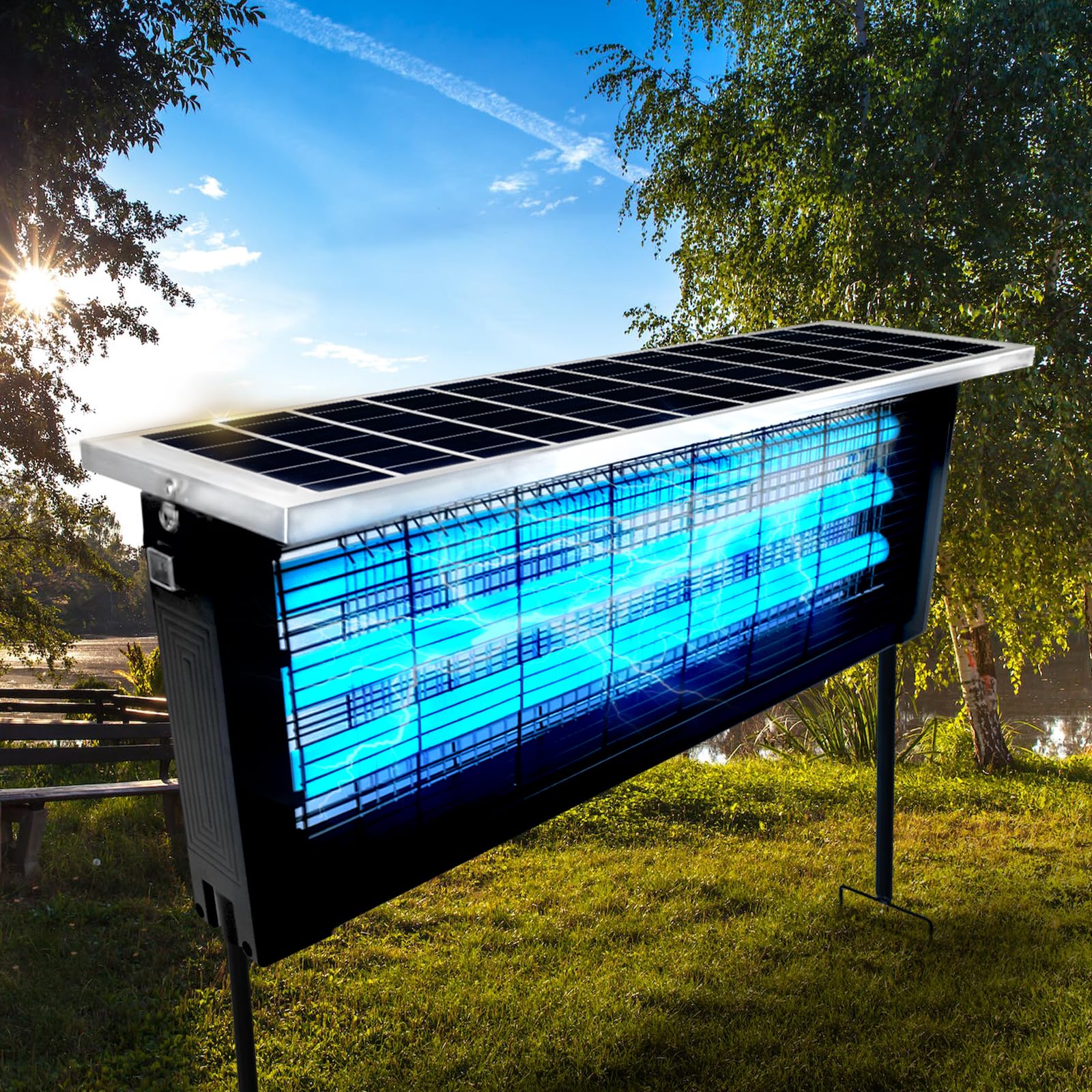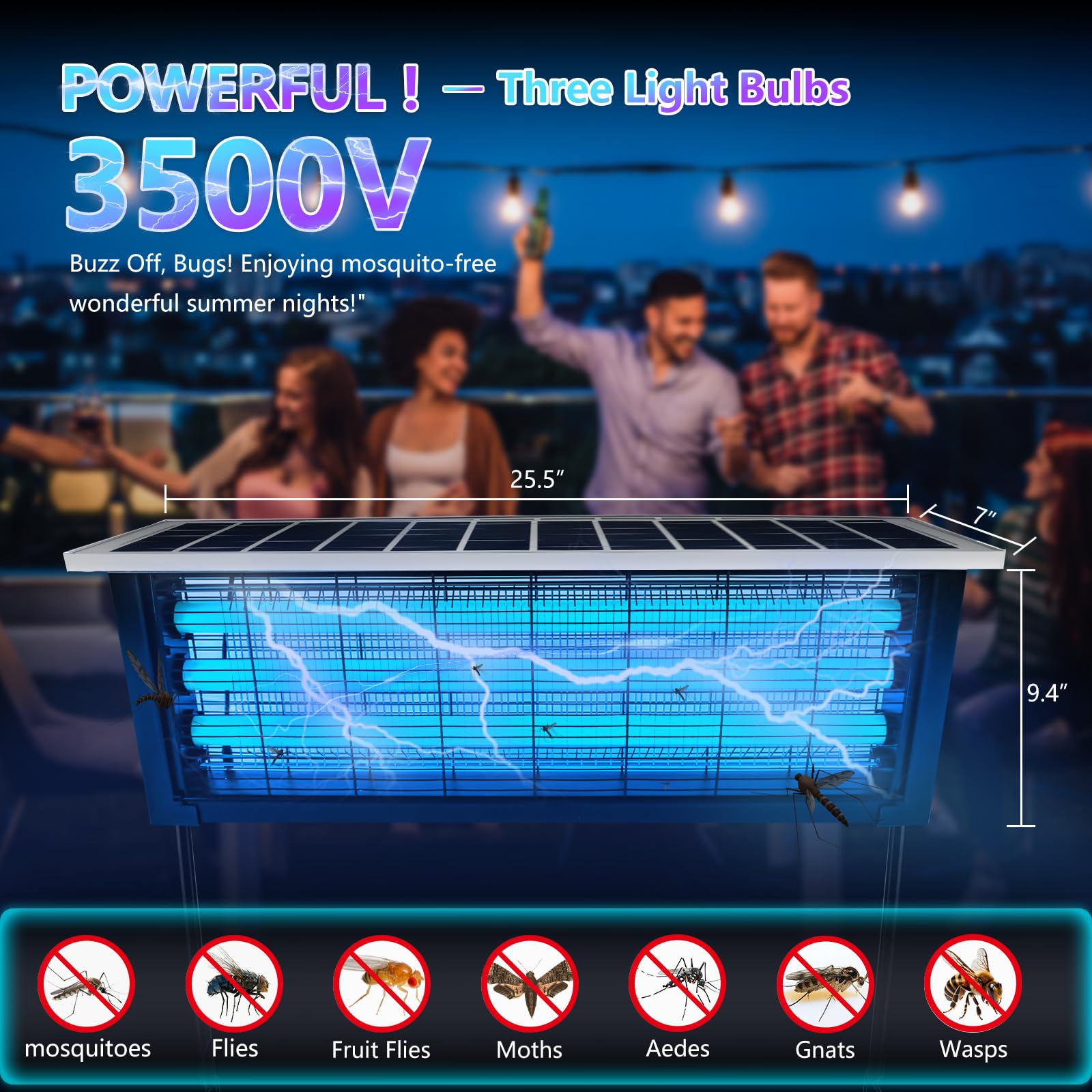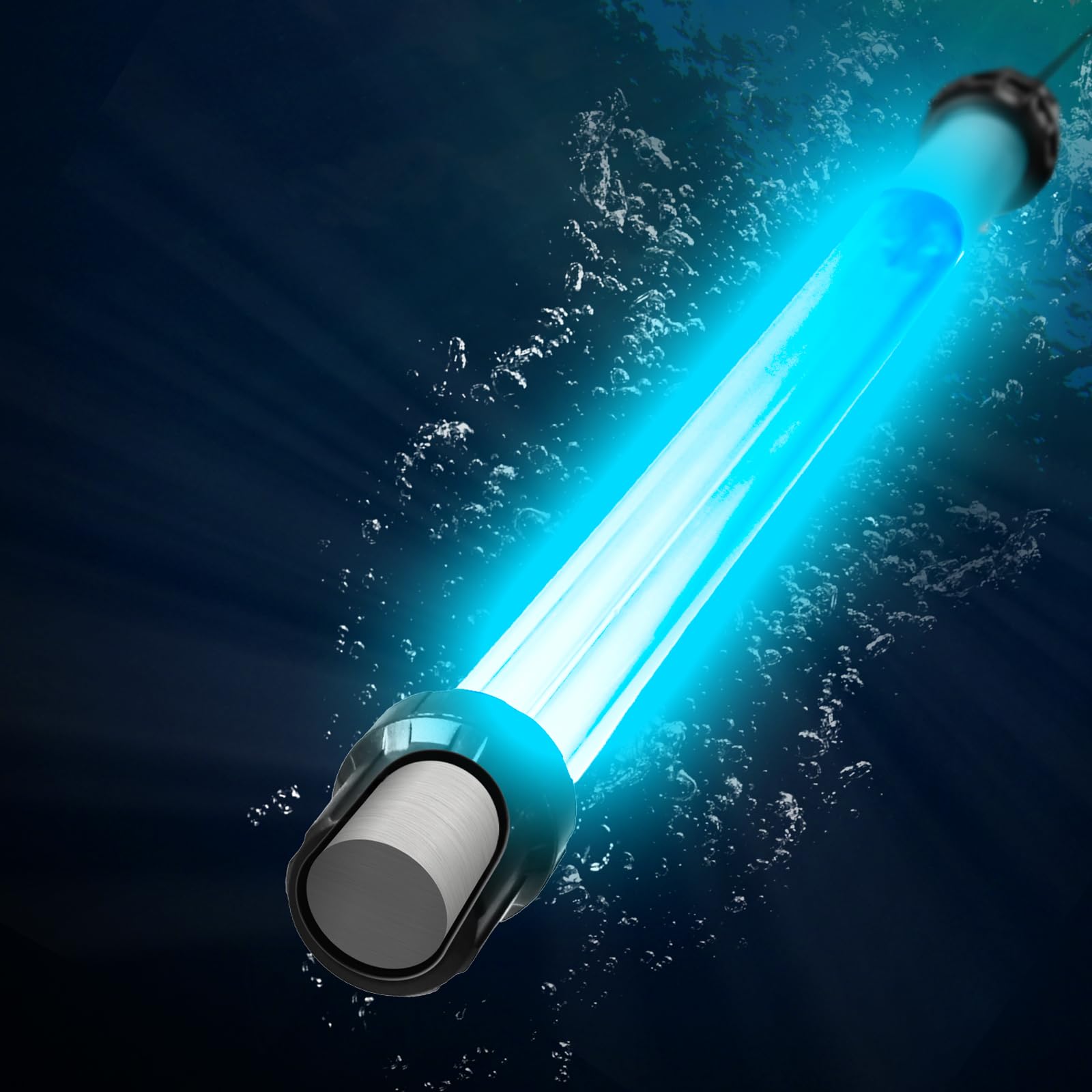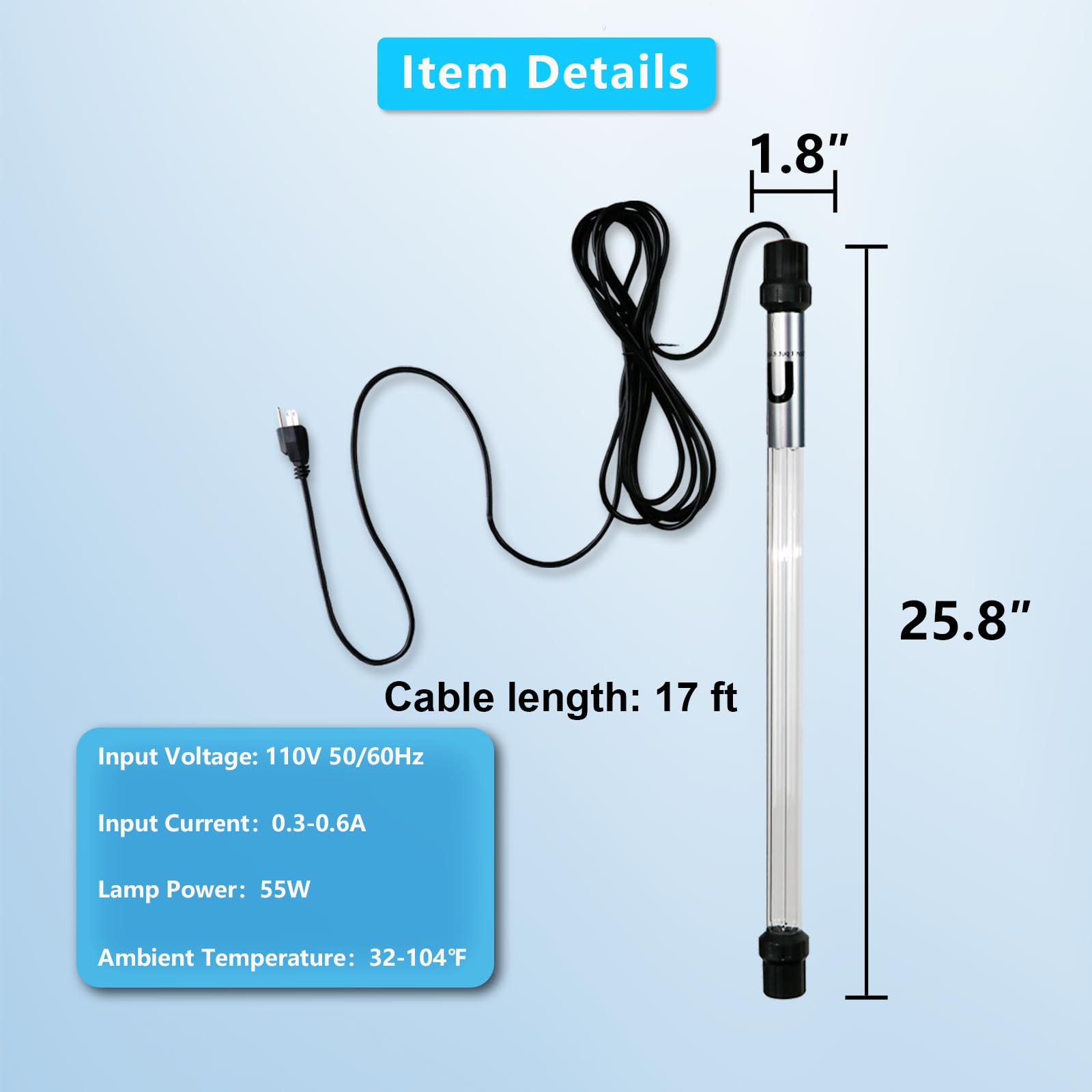

After more than two decades repairing outdoor electrical devices—from garden lighting systems to patio heaters and mosquito control equipment—I’ve learned something most product manuals never tell you:
Outdoor mosquito lamps rarely fail where people think they do.
Customers usually walk into my workshop convinced the bulb burned out, the electronics died, or the unit simply reached the end of its life. But in reality, the majority of broken mosquito lamps share the same hidden weakness—a small, overlooked component that quietly determines whether the entire device survives one season or five.
This article is a candid look behind the repair bench. If you own, sell, or plan to buy an outdoor mosquito lamp, understanding how and why these devices fail can save money, extend lifespan, and dramatically improve performance.
Let’s start with the biggest misconception.
The Myth: “The Bulb Is Always the Problem”
When an outdoor mosquito lamp stops working, most users assume the UV bulb has failed.
It’s logical. The light no longer attracts insects, so the bulb must be dead—right?
Surprisingly, in my repair records, fewer than 25% of failures are caused by the light source itself.
Modern UV lamps are far more durable than older models. Many are rated for thousands of operating hours. Yet devices still stop functioning long before the bulb reaches its expected lifespan.
So what actually breaks first?
The Real Weak Point: The Power Connection System
If I had to name one part responsible for most failures, it would be the power entry and connection assembly.
This includes:
- Power cord entry point
- Internal wiring connectors
- Switch contacts
- Voltage conversion boards
- Moisture seals around cable openings
These components face constant environmental stress outdoors.
Unlike bulbs or housings, they aren’t visible—and therefore rarely maintained.
Why Outdoor Conditions Destroy Electronics Faster Than Expected
Outdoor mosquito lamps operate in one of the harshest environments for small appliances.
Every night they face:
- Temperature fluctuations
- Humidity buildup
- Dew condensation
- Dust accumulation
- Insect debris
- UV exposure
- Rain splash or irrigation mist
Even units labeled “weather-resistant” are not immune to gradual moisture intrusion.
The damage happens slowly and silently.
The Silent Killer: Moisture Migration
Here’s something most users don’t realize:
Water doesn’t need to pour into a device to destroy it.
Moisture travels through air gaps and wiring channels via condensation cycles.
During cool nights, warm internal air condenses into microscopic water droplets. Over time, this moisture settles on metal contacts and circuit boards.
The result?
- Corrosion
- Increased electrical resistance
- Intermittent operation
- Sudden failure
By the time the lamp stops working, internal oxidation may already be severe.
The Most Common Failure I See Every Week
If you opened ten broken mosquito lamps on my repair bench, you’d likely find the same issue in at least six of them:
A corroded connector where the power cable meets the internal circuit.
This location is vulnerable because:
- It experiences mechanical stress from movement.
- It’s often the weakest sealed area.
- Temperature changes expand and contract materials.
- Water tends to collect near cable entry points.
Manufacturers must balance cost and durability, and this junction is often where compromises occur.
Why Switches Fail More Than Electronics
Another frequent failure surprises many customers: the on/off switch.
Outdoor switches endure:
- Repeated pressing with wet hands
- Dust infiltration
- Oxidation of contact plates
- Electrical arcing over time
Eventually, the switch stops conducting electricity properly—even though the rest of the lamp works perfectly.
Many “dead” mosquito lamps simply suffer from worn switches.
Insects Themselves Contribute to Failure
Ironically, mosquito lamps are damaged by the very insects they attract.
Inside many units, I find:
- Wings trapped in ventilation slots
- Burned insect residue
- Organic debris near electrical grids
When combined with humidity, insect remains form a conductive residue that interferes with electrical flow.
Regular cleaning dramatically reduces this risk, yet few users perform it.
The Hidden Role of Poor Airflow
Cooling is critical for electronic longevity.
Mosquito lamps generate heat from:
- UV bulbs
- High-voltage grids
- Internal transformers
Blocked airflow causes internal temperatures to rise, accelerating component aging.
Common airflow blockers include:
- Dust buildup
- Spider webs
- Dead insects
- Outdoor pollen
Heat and moisture together create the perfect environment for premature failure.
Why Cheap Replacement Bulbs Sometimes Kill the Lamp
Here’s a confession many repair technicians share privately:
Low-quality replacement bulbs cause more damage than users realize.
Incorrect bulbs may:
- Draw improper current
- Produce excessive heat
- Stress voltage regulators
- Shorten transformer lifespan
The lamp appears compatible—but internal components suffer long-term strain.
The Transformer: The Second Most Vulnerable Component
After power connections, transformers fail frequently.
They convert household voltage into the high voltage needed for insect grids or UV operation.
Transformers degrade due to:
- Overheating
- Moisture exposure
- Electrical surges
- Continuous overnight operation
When transformers weaken, symptoms include dim light, reduced insect attraction, or buzzing sounds.
Placement Mistakes That Shorten Lifespan
Where you place your mosquito lamp matters more than brand or price.
Common damaging placements include:
Direct Ground Placement
Ground moisture increases humidity exposure.
Under Sprinklers
Repeated water mist accelerates corrosion.
Fully Enclosed Corners
Poor airflow traps heat.
Near Cooking Areas
Grease particles coat internal surfaces.
Ideal placement allows airflow while protecting from direct water exposure.
The Truth About “Waterproof” Ratings
Many customers assume outdoor devices are fully waterproof.
In reality, most mosquito lamps are:
Weather-resistant, not waterproof.
This means they tolerate light rain but not prolonged moisture exposure.
Gaskets degrade over time, especially under sunlight.
After one or two seasons, seals may no longer perform as intended.
Maintenance Habits That Professionals Recommend
Most failures I repair could have been prevented with simple maintenance.
Monthly Quick Check
- Wipe exterior surfaces.
- Remove insect debris.
- Inspect power cord.
- Ensure vents remain clear.
Seasonal Deep Cleaning
- Disconnect power.
- Open accessible panels.
- Clean grids carefully.
- Check for corrosion signs.
Five minutes of maintenance can add years of life.
Signs Your Mosquito Lamp Is About to Fail
Watch for early warnings:
- Flickering light
- Intermittent operation
- Buzzing changes
- Reduced insect attraction
- Warm power cord
- Delayed startup
Addressing problems early often prevents permanent damage.
Why Some Expensive Models Still Break Early
Higher price doesn’t always equal longer lifespan.
Durability depends on:
- Internal sealing quality
- Connector materials
- Heat management design
- Electrical protection circuits
Some mid-range models outperform premium-looking units simply due to better engineering choices.
Repair vs Replacement: When Is It Worth Fixing?
In my experience:
Repair is worthwhile when:
- Housing remains intact.
- Transformer still functions.
- Corrosion is limited.
Replacement makes sense when:
- Circuit boards are heavily oxidized.
- Plastic becomes brittle.
- Multiple components fail simultaneously.
Understanding failure location helps determine value.
The Rise of LED Mosquito Lamps — Are They Better?
LED-based mosquito lamps reduce heat output, which improves longevity.
Advantages include:
- Lower energy consumption
- Reduced transformer stress
- Cooler operation
- Longer light lifespan
However, they still share the same vulnerability: power entry and moisture exposure.
Technology changes, but environmental physics remains constant.
What Manufacturers Rarely Mention
Most instruction manuals emphasize operation but not longevity.
From a repair perspective, the real priorities should be:
- Keep moisture away from electrical joints.
- Maintain airflow.
- Clean regularly.
- Avoid strain on cords.
- Replace worn seals early.
These small habits matter more than brand differences.
A Technician’s Personal Setup
People often ask what I use at home.
My own mosquito lamp setup includes:
- Elevated mounting position
- Covered patio placement
- Monthly cleaning routine
- Surge-protected outlet
- Seasonal storage during heavy rain months
My current unit has lasted over six years—far longer than average customer devices.
The Economics of Preventive Care
Consider this comparison:
Replacing a mosquito lamp every year costs far more than maintaining one properly.
Preventive care provides:
- Consistent performance
- Reduced waste
- Better insect control
- Long-term savings
Maintenance is rarely about effort—it’s about awareness.
Why Understanding Failure Makes You a Smarter Buyer
Once you know where devices fail, you can evaluate products differently.
Look for:
- Sealed cable entry points
- Replaceable switches
- Ventilation design
- Easy cleaning access
- Solid connector construction
These features often matter more than marketing claims.
Final Confession: Most Mosquito Lamps Don’t Die — They’re Neglected
After years at the repair bench, my biggest realization is simple:
Most outdoor mosquito lamps aren’t poorly made—they’re poorly maintained.
The real enemy isn’t the bulb, the brand, or even the electronics.
It’s moisture, heat, and unnoticed wear at the smallest connection points.
Understanding this changes how you use, maintain, and purchase outdoor insect control devices.
A few minutes of attention each month can turn a disposable seasonal gadget into a long-lasting outdoor companion.
And from a repair technician who has opened thousands of broken units, that single insight makes all the difference.