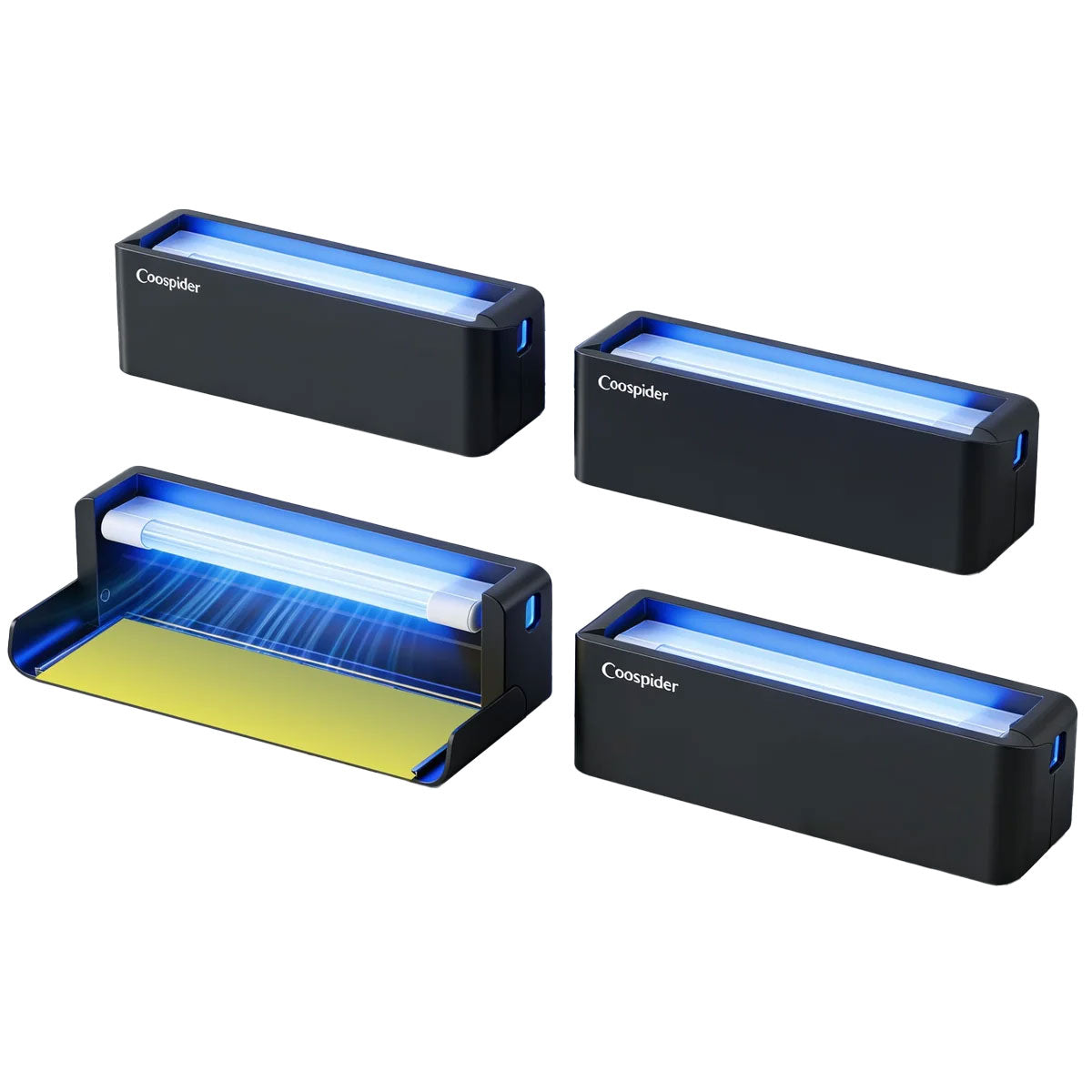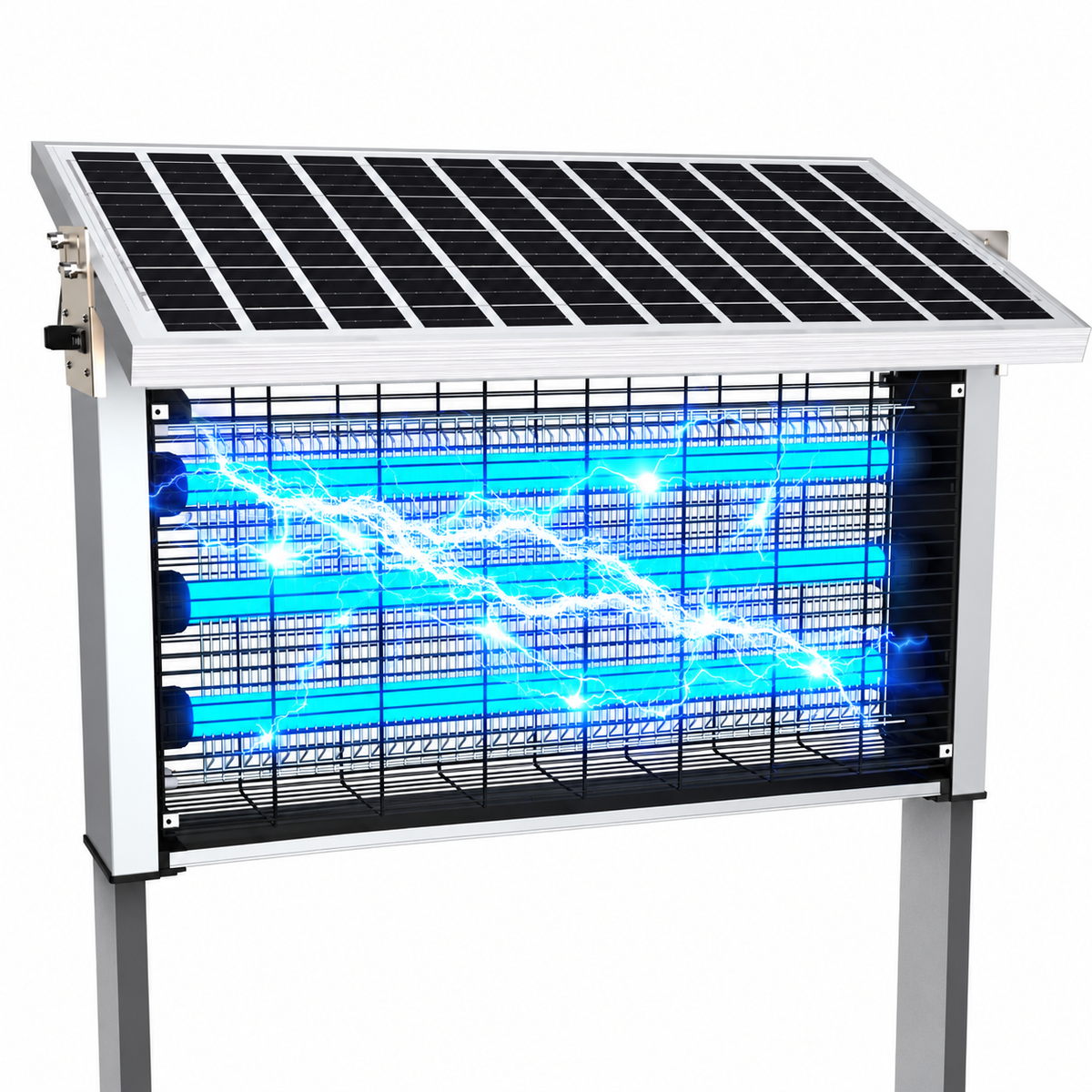

Outdoor mosquito lamps and bug zappers are often marketed as simple “plug-and-forget” devices. Hang one up, turn it on, and mosquitoes disappear — at least that’s the expectation. But in reality, many homeowners unknowingly shorten the lifespan of their mosquito control devices by installing them in the wrong location.
When placed incorrectly, an outdoor mosquito lamp may require repairs twice as often, lose efficiency rapidly, overheat, or fail long before its expected service life.
The surprising truth is this: installation location matters just as much as product quality.
This in-depth guide explains how improper placement accelerates wear, increases maintenance frequency, and reduces mosquito control effectiveness — and how strategic positioning can dramatically improve reliability and performance.
Why Placement Matters More Than Most People Realize
Mosquito lamps rely on a delicate balance of environmental factors:
- Light visibility
- Airflow patterns
- Humidity levels
- Temperature stability
- Insect flight behavior
- Electrical safety conditions
A poor installation disrupts these factors simultaneously, forcing internal components to work harder than intended.
The result?
- Increased motor strain
- Faster dust and debris buildup
- Electrical stress
- Moisture intrusion
- Frequent cleaning and repairs
Many “defective” mosquito lamps are actually victims of poor placement.
Understanding How Outdoor Mosquito Lamps Work
Before discussing placement mistakes, it helps to understand how these devices attract and eliminate insects.
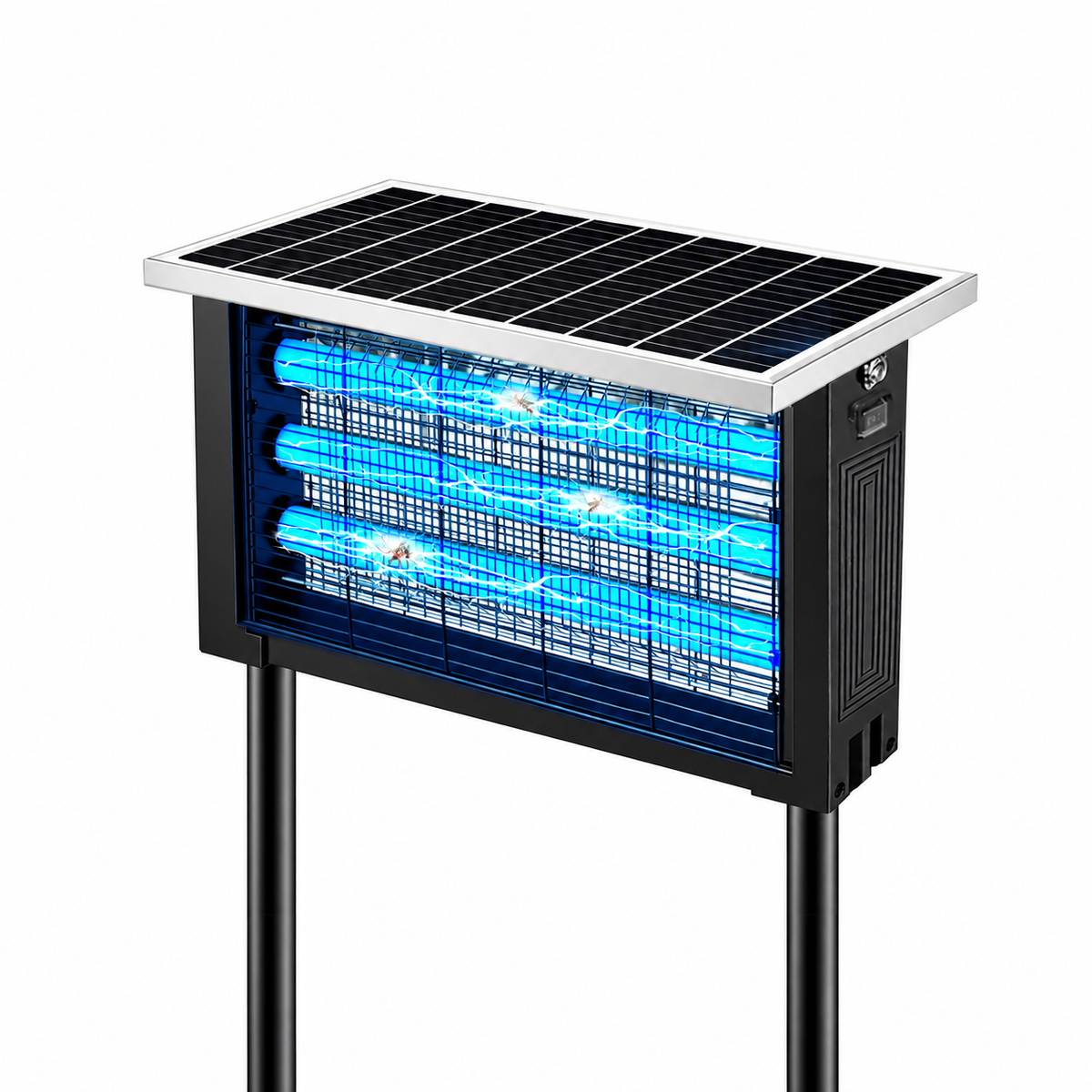
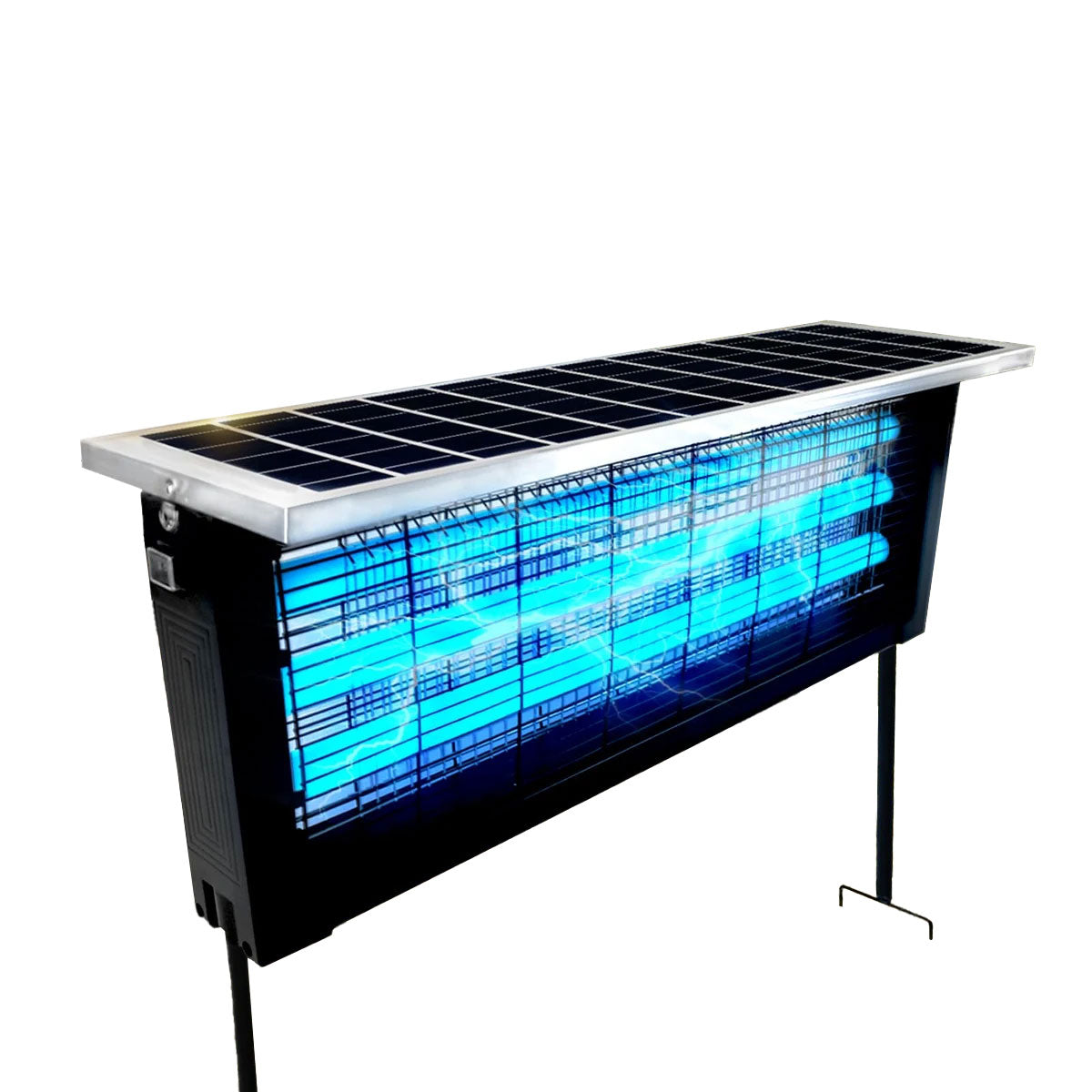
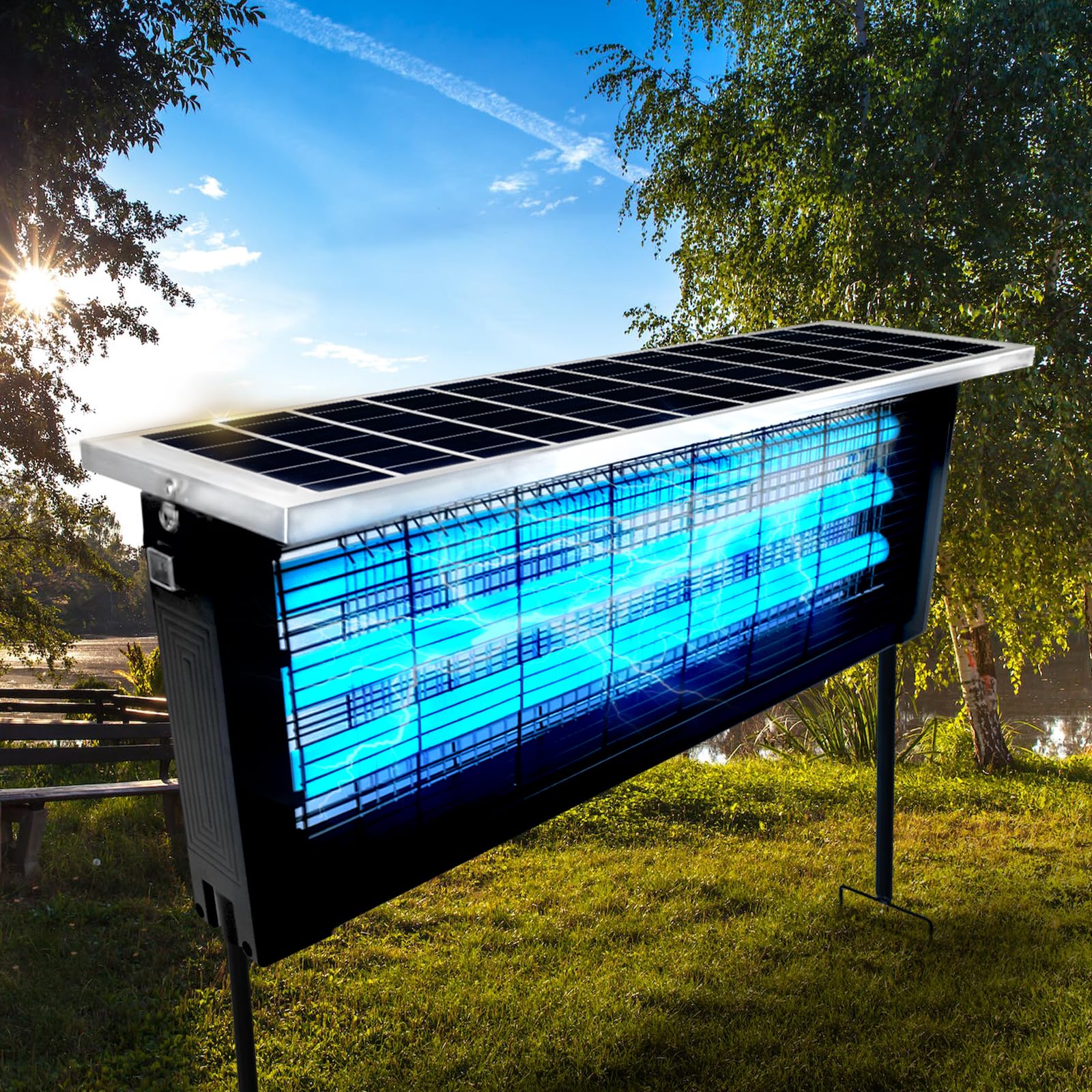
Most outdoor mosquito lamps combine several technologies:
- UV or LED attraction light mimicking biological cues.
- Airflow suction fans pulling insects inward.
- Electric grids or traps neutralizing insects.
- Collection chambers storing remains.
Each system depends heavily on environmental stability.
When surroundings interfere, efficiency drops while internal stress rises.
The Hidden Cost of Wrong Installation
Improper placement causes invisible damage long before failure occurs.
Common consequences include:
- Motors overheating due to blocked airflow
- Excess debris accumulation
- Corrosion from humidity exposure
- Electrical instability from moisture
- Increased cleaning frequency
- Shortened component lifespan
In extreme cases, repair frequency can double compared to properly installed units.
Mistake #1: Installing Too Close to Seating Areas
Many people hang mosquito lamps directly above patios, dining tables, or seating areas.
This seems logical — you want mosquitoes away from people — but it backfires.
Why This Causes Problems
Mosquito lamps attract insects before eliminating them.
Placing the device too close means:
- Mosquitoes gather near humans first.
- Increased insect traffic overwhelms the device.
- Organic debris accumulates faster.
Higher capture density leads to rapid internal clogging.
Better Placement Strategy
Install the lamp 15–30 feet away from primary activity zones.
This draws mosquitoes away instead of toward occupants.
Mistake #2: Mounting Under Direct Rain Exposure
Outdoor-rated does not mean waterproof.
Continuous rain exposure introduces:
- Water intrusion through vents
- Rust formation
- Electrical shorts
- Mineral residue buildup
Even small moisture exposure repeated daily accelerates failure.
Ideal Solution
Mount under:
- Eaves
- Patio covers
- Pergolas
- Weather shields
Protection from direct rainfall dramatically reduces repair needs.
Mistake #3: Placing Near Competing Light Sources
Mosquitoes navigate using light contrast.
Bright porch lights or decorative lighting compete with mosquito lamps.
When installed near strong lighting:
- Attraction efficiency drops.
- Device runs longer for same results.
- Components experience extended operating hours.
Longer runtime equals faster wear.
Optimization Tip
Place mosquito lamps in darker zones where their light stands out clearly.
Mistake #4: Installing Too High
Many users mount devices high on walls or tree branches.
However, mosquitoes typically fly at specific heights:
- 3–6 feet above ground
- Near vegetation
- Along airflow paths
High placement reduces capture efficiency, causing continuous operation without effective trapping.
Recommended Height
Install lamps 3–5 feet above ground level for optimal interception.
Mistake #5: Blocking Airflow
Fan-based mosquito traps depend on unobstructed air movement.
Common airflow mistakes:
- Mounting against solid walls
- Surrounding with plants
- Installing inside tight corners
Restricted airflow causes:
- Motor overheating
- Reduced suction power
- Increased dust accumulation
Overheated motors fail significantly faster.
Mistake #6: Installing Near Irrigation Systems
Sprinklers and misting systems create hidden moisture exposure.
Even indirect spray can introduce:
- Mineral deposits
- Corrosion
- Electrical leakage
- Mold growth
Repeated micro-exposure doubles maintenance frequency.
Always ensure devices remain outside irrigation spray zones.
Mistake #7: Ground-Level Placement
Placing mosquito lamps directly on the ground exposes them to:
- Dirt
- Splashback water
- Lawn debris
- Ant and insect intrusion
Debris enters vents quickly, clogging internal systems.
Elevated installation protects airflow pathways.
Environmental Factors That Accelerate Repairs
Humidity
High humidity increases corrosion risk and organic buildup decomposition.
Dust and Pollen
Clogs intake systems and coats electrical grids.
Coastal Air
Salt accelerates metal degradation.
Heat Exposure
Direct sunlight raises internal temperatures beyond design limits.
Understanding local conditions helps determine optimal placement.
The Heat Trap Problem
Direct sunlight is one of the most overlooked placement errors.
Sun-heated housings cause:
- Fan motors to work harder
- Electronic components to age faster
- Plastic deformation over time
A shaded installation location dramatically improves durability.
How Wrong Placement Increases Cleaning Frequency
Incorrect positioning increases exposure to contaminants.
Examples:
| Placement Error | Result |
|---|---|
| Near plants | Pollen buildup |
| Ground placement | Dirt ingestion |
| Bright light competition | Longer runtime |
| Wet zones | Sticky residue accumulation |
More contaminants mean more frequent deep cleaning.
Ideal Outdoor Mosquito Lamp Placement Blueprint
For best performance:
- 15–30 feet from seating areas
- 3–5 feet above ground
- Partial shade
- Protected from rain
- Away from competing lights
- Clear airflow on all sides
This configuration balances attraction efficiency and mechanical protection.
How Proper Placement Extends Lifespan
Correct installation reduces:
- Heat stress
- Moisture exposure
- Motor workload
- Debris intake
- Electrical instability
Devices operate closer to intended engineering conditions.
Many users report lifespan increases of several seasons after repositioning alone.
Indoor vs Outdoor Behavioral Differences of Mosquitoes
Outdoor mosquitoes follow environmental cues:
- Carbon dioxide trails
- Wind direction
- Shade patterns
- Moisture zones
Placing lamps along mosquito travel routes increases capture efficiency without increasing device strain.
Identifying Mosquito Flight Paths
Look for:
- Areas near standing water
- Garden edges
- Fence lines
- Shaded walkways
Install lamps between breeding zones and human activity areas.
Think interception, not proximity.
Seasonal Placement Adjustments
Mosquito behavior changes throughout the year.
Early Season
Place near vegetation emergence areas.
Mid-Summer
Move closer to shaded humid zones.
Late Season
Position near lingering water sources.
Small adjustments reduce workload on the device.
Electrical Safety Considerations
Proper placement also protects wiring.
Avoid:
- Extension cords across wet soil
- Low-hanging outlets
- Direct sun exposure on power adapters
Stable electrical supply prevents premature component failure.
Why Repairs Often Seem Random
Users frequently experience sudden breakdowns without warning.
In reality, damage accumulates gradually:
- Poor placement increases stress.
- Heat and debris build slowly.
- Efficiency declines unnoticed.
- Failure appears sudden.
Correct placement interrupts this cycle.
Maintenance Schedule Based on Placement Quality
Poor Placement
- Cleaning every 2 weeks
- Repairs annually
- Reduced capture performance
Optimal Placement
- Cleaning every 1–2 months
- Repairs rare
- Stable performance
Location determines maintenance workload.
Common Myths About Outdoor Mosquito Lamps
Myth: Closer to People Works Better
Reality: Attracts mosquitoes toward you first.
Myth: Higher Placement Covers More Area
Reality: Reduces interception efficiency.
Myth: Outdoor Rating Means Weatherproof
Reality: Continuous exposure still causes wear.
Professional Installer Insights
Technicians often prioritize:
- Shade over visibility
- Airflow over aesthetics
- Distance over convenience
Professional installations focus on environmental balance rather than appearance alone.
Quick Placement Audit Checklist
Ask yourself:
- Is it shaded during peak sun hours?
- Is airflow unobstructed?
- Is it away from bright lights?
- Is it protected from rain?
- Is it positioned between mosquitoes and people?
If any answer is no, repositioning may reduce repair frequency immediately.
Long-Term Benefits of Correct Installation
Proper placement delivers:
- Stronger mosquito control
- Lower electricity consumption
- Quieter operation
- Less frequent cleaning
- Longer device lifespan
- Fewer unexpected failures
Small adjustments produce large long-term gains.
Final Thoughts: Installation Is Preventative Maintenance
Many homeowners focus on brand selection or device power while overlooking the single most influential factor: where the mosquito lamp is installed.
Incorrect placement forces the device into constant environmental stress, increasing repair frequency and shortening lifespan — sometimes by half.
The good news is that relocation costs nothing but attention.
By understanding mosquito behavior, protecting airflow, avoiding moisture exposure, and optimizing light positioning, you transform your mosquito lamp from a struggling appliance into an efficient, long-lasting outdoor solution.
In mosquito control, success doesn’t start with the device itself — it starts with choosing the right place for it to work.