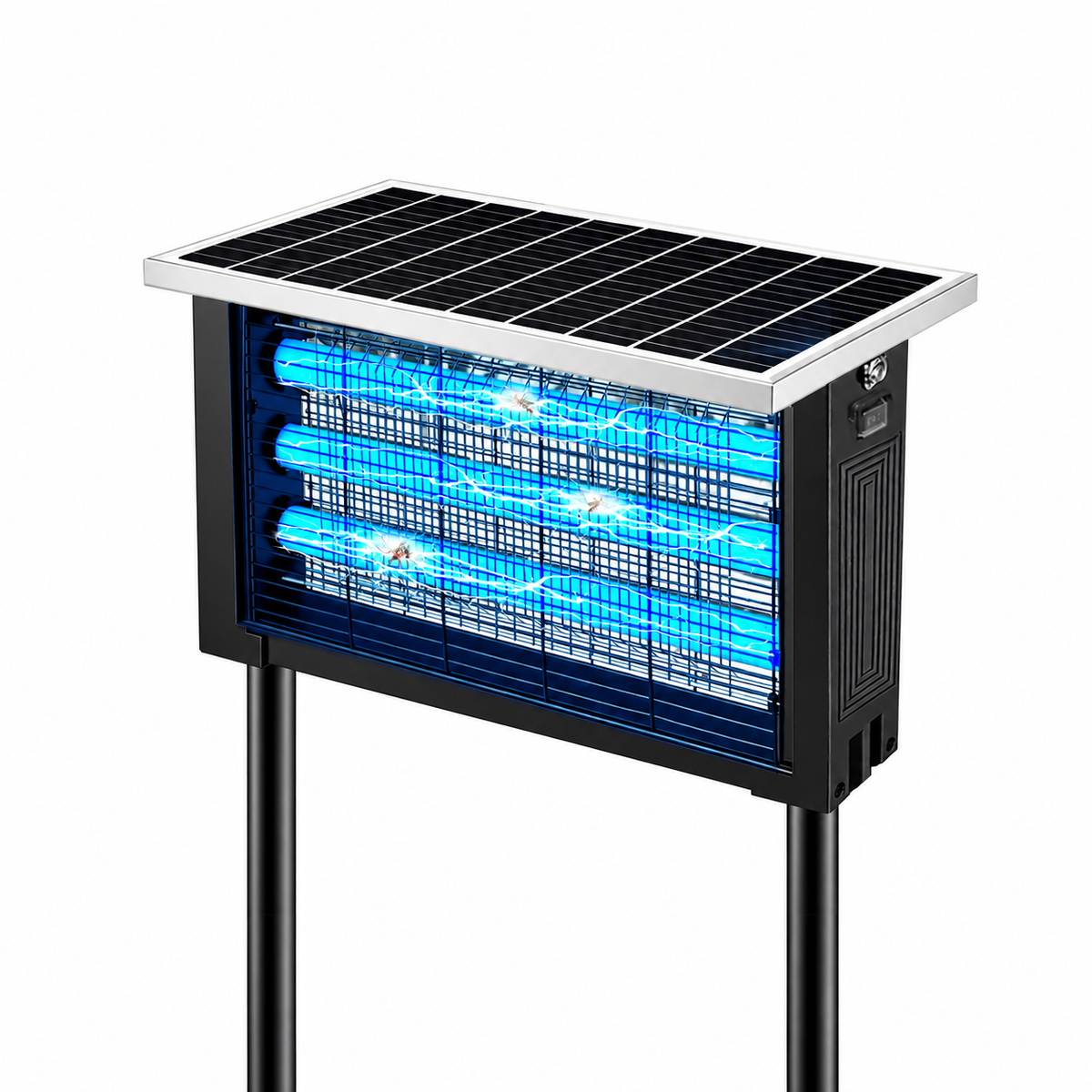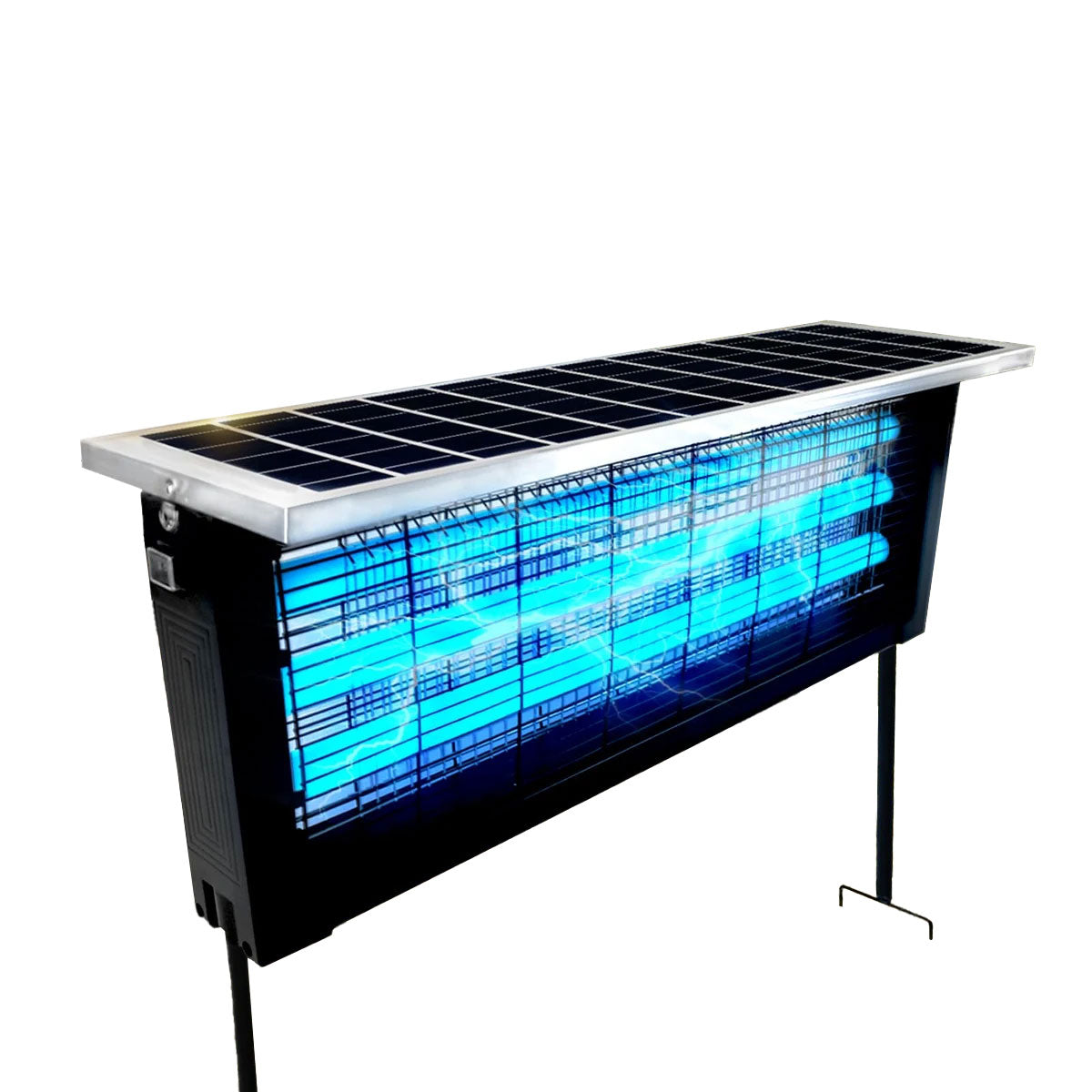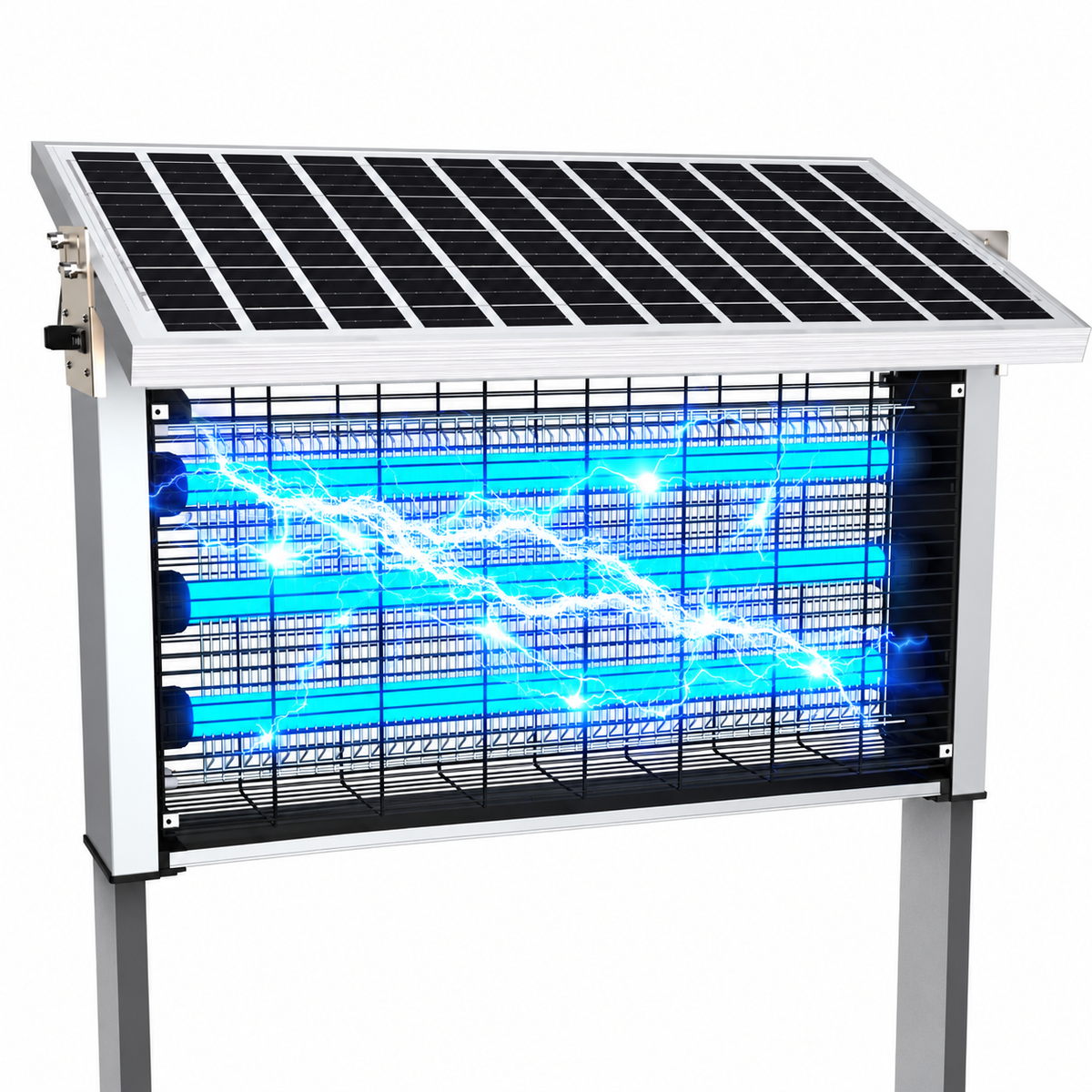

Outdoor mosquito lamps have become a popular solution for patios, gardens, balconies, and backyard living spaces. They help reduce biting insects, improve comfort during warm evenings, and allow families to enjoy outdoor environments with fewer interruptions.
But many users eventually notice something unexpected.
A strange odor.
At first, it’s subtle—a faint musty or burnt smell when the lamp runs. Over time, it may become stronger, especially when opening the insect collection tray. Some owners assume the device is malfunctioning, while others worry about electrical problems.
In most cases, the issue is much simpler: odor buildup inside the insect collection box.
The good news is that you can eliminate these smells effectively without using aggressive chemical cleaners that may damage your device or introduce unwanted residues into your outdoor environment.
This guide explains why mosquito lamps develop odors, what causes them chemically and biologically, and how to clean and deodorize the collection tray safely using practical, non-harsh methods.
Why Mosquito Lamps Develop Odors in the First Place
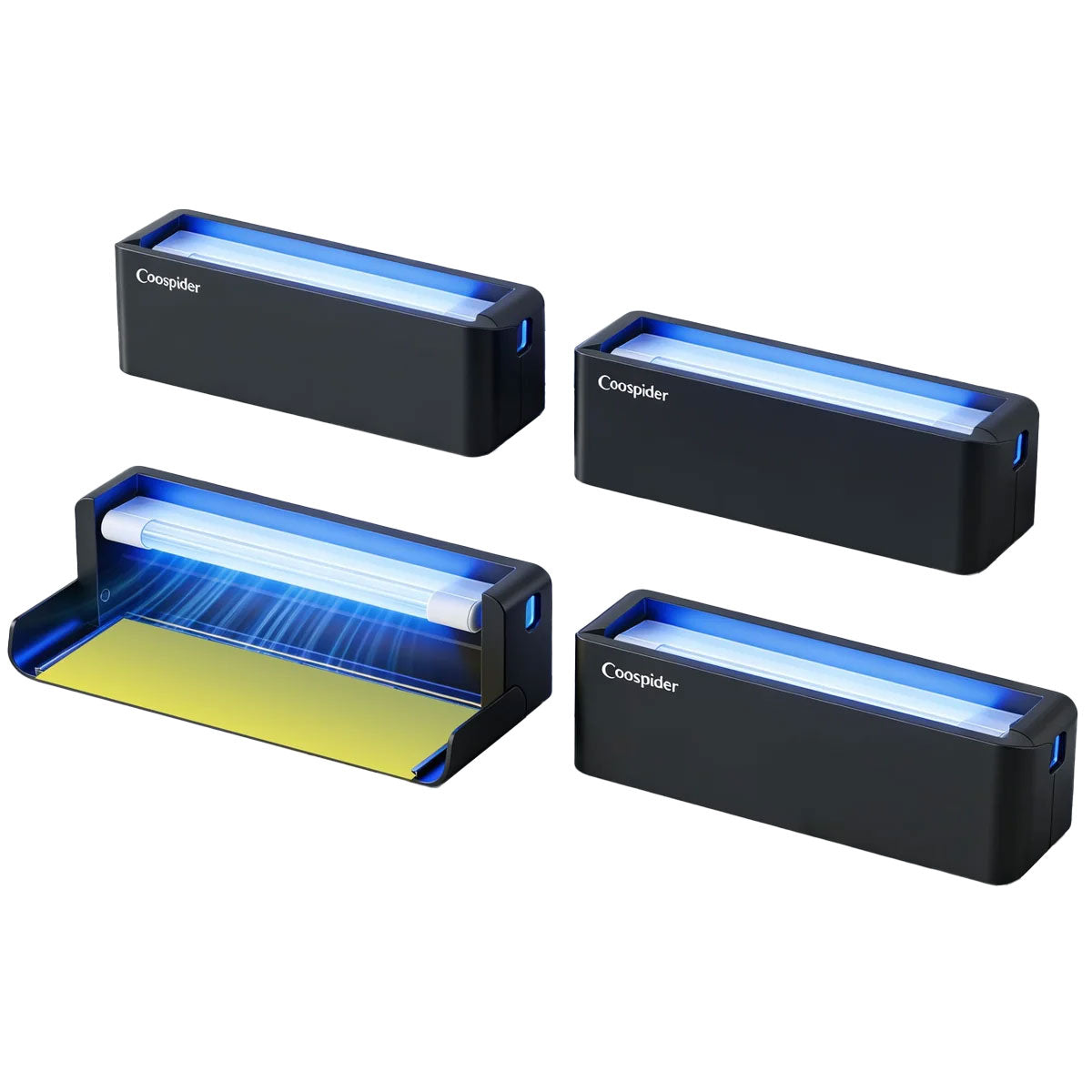
Mosquito lamps work by attracting insects using light, heat, carbon dioxide simulation, or airflow systems. Once insects enter the device, they are trapped or neutralized and collected in a removable container.
Over time, the collection tray accumulates:
- Dead insects
- Organic residue
- Moisture from air humidity
- Dust particles
- Pollen
- Microorganisms
This combination creates ideal conditions for odor formation.
Unlike regular trash, insect remains decompose differently due to their protein-rich composition and exposure to heat generated by the lamp.
The Science Behind the Smell
The unpleasant odor usually comes from biological decomposition.
When insects break down, bacteria begin digesting organic matter. During this process, gases are released, including compounds responsible for:
- Musty smells
- Sour odors
- Slight ammonia-like scents
- Burnt organic notes
Humidity accelerates microbial growth, while warmth from the lamp speeds decomposition.
Even small amounts of residue can produce noticeable odors after several days.
Why Harsh Chemicals Are Not the Best Solution
Many users instinctively reach for strong cleaners such as bleach or industrial disinfectants.
However, harsh chemicals can create new problems:
- Damage plastic components
- Corrode metal grids
- Leave chemical fumes
- Affect insect-attraction performance
- Create safety risks near electrical parts
Mosquito lamps are sensitive devices. Gentle cleaning methods are both safer and more effective long-term.
The Most Common Mistake: Cleaning Too Late
Odor problems rarely appear overnight.
They develop gradually when cleaning intervals are too long.
Waiting until smells become strong means bacteria colonies have already formed.
Routine light cleaning prevents odors far more effectively than occasional deep cleaning.
How Often Should You Clean the Collection Tray?
Cleaning frequency depends on usage and environment.
Recommended Guidelines
- Heavy mosquito areas: every 3–5 days
- Moderate use: weekly
- Light use: every 10–14 days
Hot and humid climates require more frequent maintenance.
Step One: Safe Preparation Before Cleaning
Always start safely.
- Unplug the mosquito lamp.
- Allow internal components to cool.
- Remove the collection tray carefully.
- Avoid touching electrical grids.
Safety ensures both user protection and device longevity.
Natural Deodorizing Method #1: Warm Water Rinse
The simplest method is often the most effective.
Rinse the collection tray using warm water to remove loose debris.
Benefits include:
- Dissolves organic residue
- Reduces bacterial buildup
- Prevents odor accumulation
Avoid high-pressure spraying that could damage components.
Natural Deodorizing Method #2: Vinegar Solution
White vinegar is one of the safest odor-neutralizing agents.
How to Use
Mix:
- One part white vinegar
- Two parts warm water
Soak the tray for 10–15 minutes.
Vinegar helps:
- Neutralize odor molecules
- Break down residue
- Reduce microbial growth
Rinse thoroughly afterward to remove scent traces.
Natural Deodorizing Method #3: Baking Soda Treatment
Baking soda absorbs odors rather than masking them.
Process
- Sprinkle baking soda onto the tray.
- Add a small amount of water to create a paste.
- Gently scrub with a soft brush.
- Rinse clean.
This method works particularly well for persistent smells.
Natural Deodorizing Method #4: Lemon-Based Cleaning
Lemon juice contains mild natural acids that dissolve organic buildup.
Benefits include:
- Fresh scent
- Gentle antibacterial properties
- Safe for most plastics
Dilute lemon juice with water before use to avoid residue stickiness.
Sunlight: The Most Underrated Deodorizer
After cleaning, allow the tray to dry in direct sunlight.
Ultraviolet light naturally reduces bacteria and removes lingering odors.
Even 30–60 minutes of sun exposure can significantly improve freshness.
Ensure the tray is fully dry before reinstalling.
Preventing Moisture — The Key to Odor Control
Odor thrives in damp environments.
Prevent moisture buildup by:
- Emptying trays regularly
- Ensuring airflow around the lamp
- Avoiding placement directly on wet ground
- Keeping drainage holes clear
Dry environments slow decomposition dramatically.
Why Airflow Matters More Than You Think
Poor ventilation traps humidity inside the device.
Place mosquito lamps where air circulates freely.
Avoid:
- Tight corners
- Dense vegetation
- Enclosed patios without airflow
Better airflow equals less odor formation.
Using Activated Charcoal for Passive Odor Control
Activated charcoal absorbs airborne odor molecules naturally.
Place a small charcoal pouch near (not inside electrical components) the collection area.
This provides continuous odor reduction between cleanings.
Coffee Grounds: A Surprising Natural Solution
Dry coffee grounds can help absorb smells.
Place a small breathable sachet near the tray storage area when not in use.
They neutralize odors without introducing chemicals.
Essential Oils — Use With Caution
Some users add essential oils for fragrance.
Safe approach:
- Apply oil to a cloth placed near the tray.
- Never pour oils directly into the device.
Direct application may interfere with insect attraction or damage materials.
Signs Your Odor Problem Needs Immediate Attention
Watch for:
- Persistent sour smell after cleaning
- Sticky residue buildup
- Visible mold spots
- Excess moisture accumulation
These signs indicate deeper cleaning is needed.
Deep Cleaning Routine (Monthly)
Once per month, perform a deeper clean.
Steps include:
- Remove tray and wash thoroughly.
- Inspect ventilation openings.
- Clean surrounding plastic surfaces.
- Check airflow passages for debris.
- Dry completely before reassembly.
Deep cleaning resets odor buildup cycles.
Storage Tips During Off-Season
Improper storage often causes odor problems before the next season even begins.
Before storing:
- Clean and dry thoroughly.
- Store in a dry location.
- Leave tray slightly open for airflow.
- Avoid sealed plastic bags.
Dry storage prevents microbial growth.
Why Odor Can Affect Mosquito Lamp Performance
Strong internal odors may reduce effectiveness.
Mosquito attraction relies partly on environmental cues. Excess decomposition smells may interfere with attraction patterns.
Clean devices operate more efficiently.
Environmental Benefits of Chemical-Free Cleaning
Natural cleaning methods reduce environmental impact.
Benefits include:
- No chemical runoff
- Safer for pets and children
- Reduced plastic degradation
- Longer product lifespan
Eco-friendly maintenance aligns with outdoor living values.
Common Cleaning Mistakes to Avoid
Avoid these errors:
- Using bleach or ammonia
- Soaking electrical components
- Reinstalling damp trays
- Scrubbing with abrasive tools
- Ignoring cleaning schedules
Gentle consistency works better than aggressive cleaning.
A Technician’s Practical Cleaning Routine
Professionals often follow a simple rule:
Clean lightly and often.
Typical routine:
- Quick rinse weekly
- Vinegar cleaning biweekly
- Deep clean monthly
- Sun dry whenever possible
This prevents odor buildup entirely.
When Odor Signals a Mechanical Problem
Occasionally, odor may indicate overheating components rather than biological buildup.
Warning signs include:
- Burning plastic smell
- Electrical odor
- Discoloration near vents
If detected, stop using the device and inspect professionally.
Building a Maintenance Habit That Lasts
The easiest way to maintain freshness is linking cleaning with existing routines:
- After lawn care
- Before weekend gatherings
- During outdoor furniture cleaning
Consistency prevents buildup.
Final Thoughts: A Fresh Mosquito Lamp Works Better and Lasts Longer
An odor coming from your mosquito lamp doesn’t mean the device is failing—it simply means nature is doing what nature does.
Insect collection trays accumulate organic material, and without regular care, decomposition creates unwanted smells. Fortunately, eliminating odors does not require harsh chemicals or complicated procedures.
Warm water, natural cleaners, proper drying, and consistent maintenance are enough to keep your mosquito lamp clean, fresh, and operating efficiently.
By adopting gentle deodorizing practices, you protect both your outdoor environment and the lifespan of your device—ensuring comfortable evenings outside without unpleasant surprises.
A clean mosquito lamp isn’t just about smell. It’s about performance, durability, and creating an outdoor space that feels as inviting as it is functional.