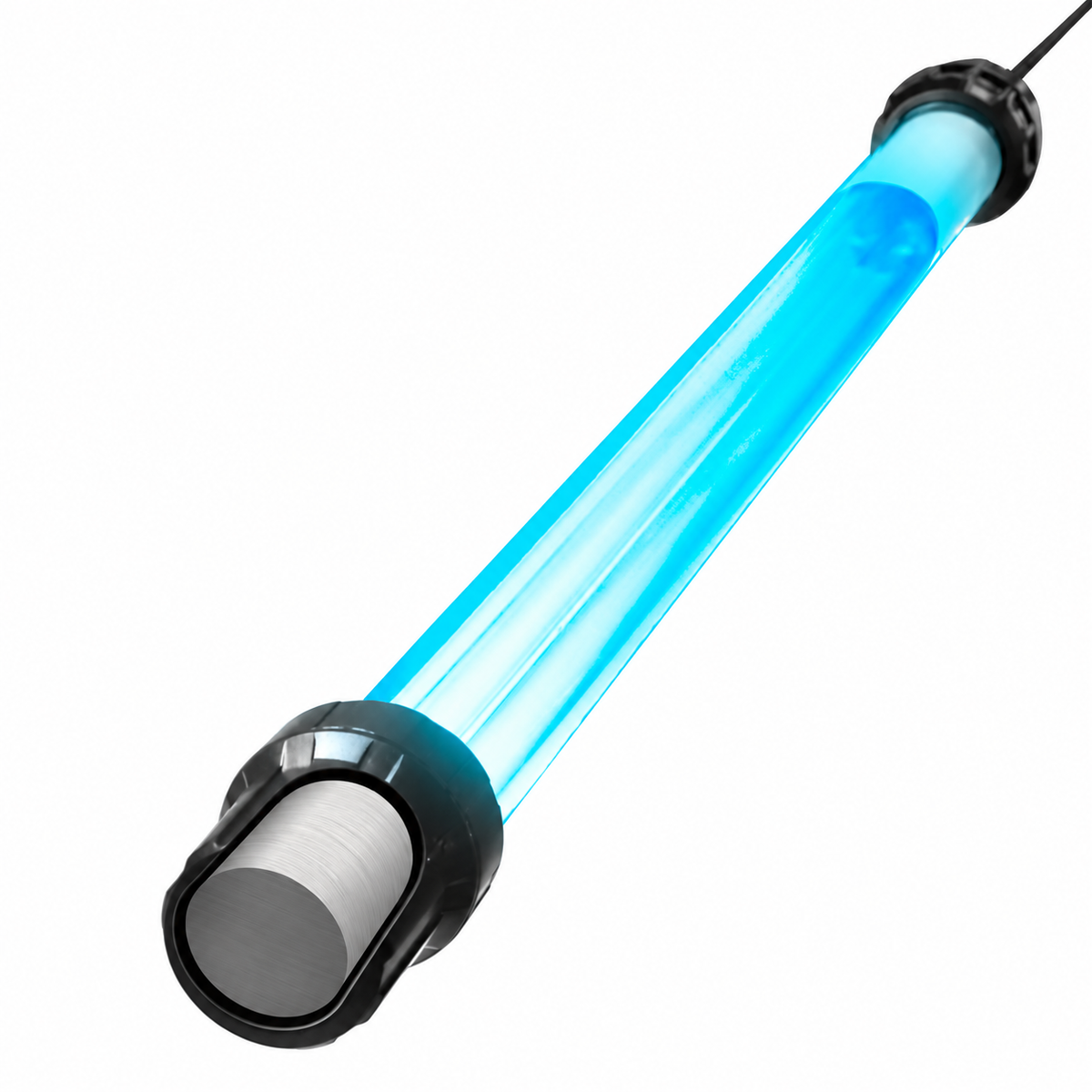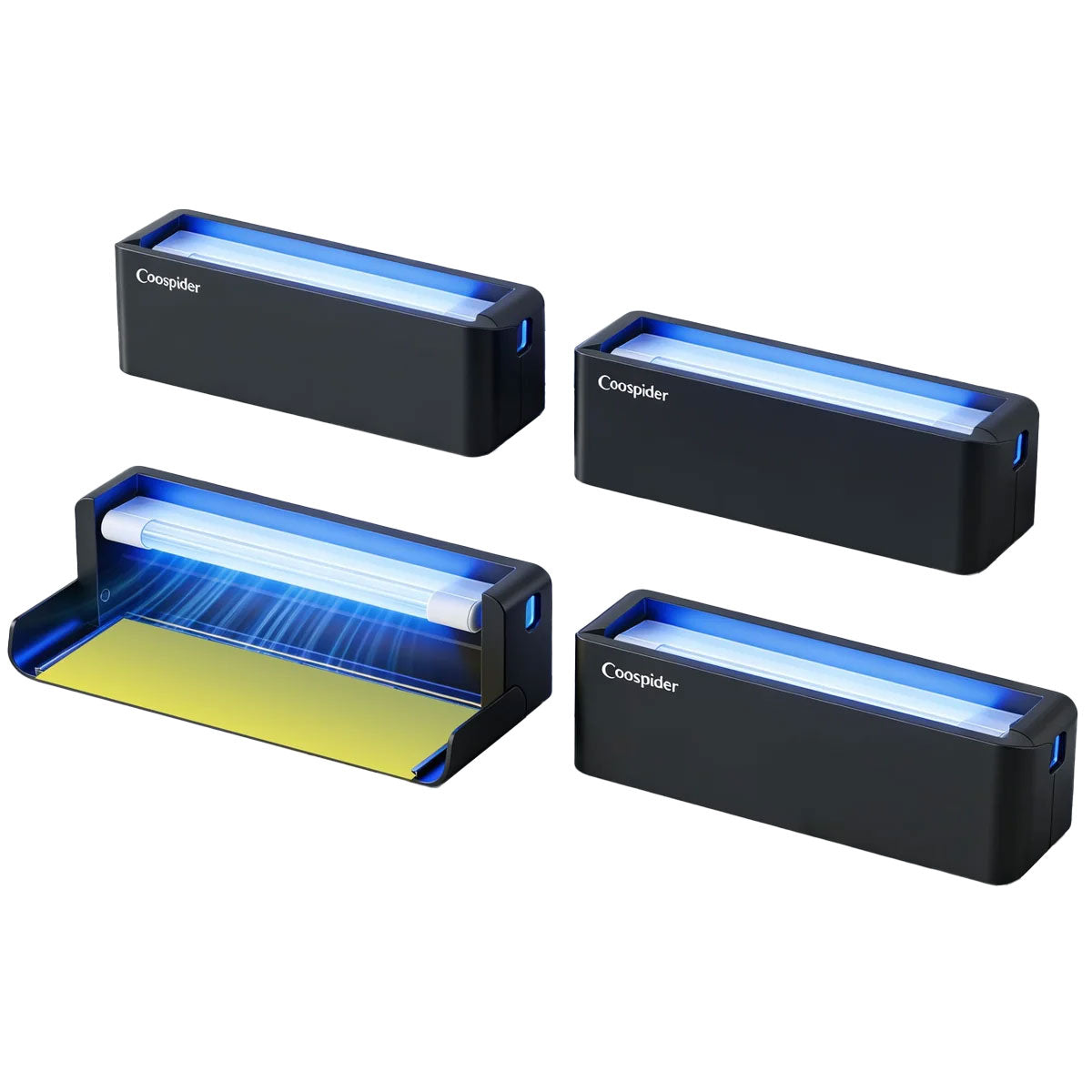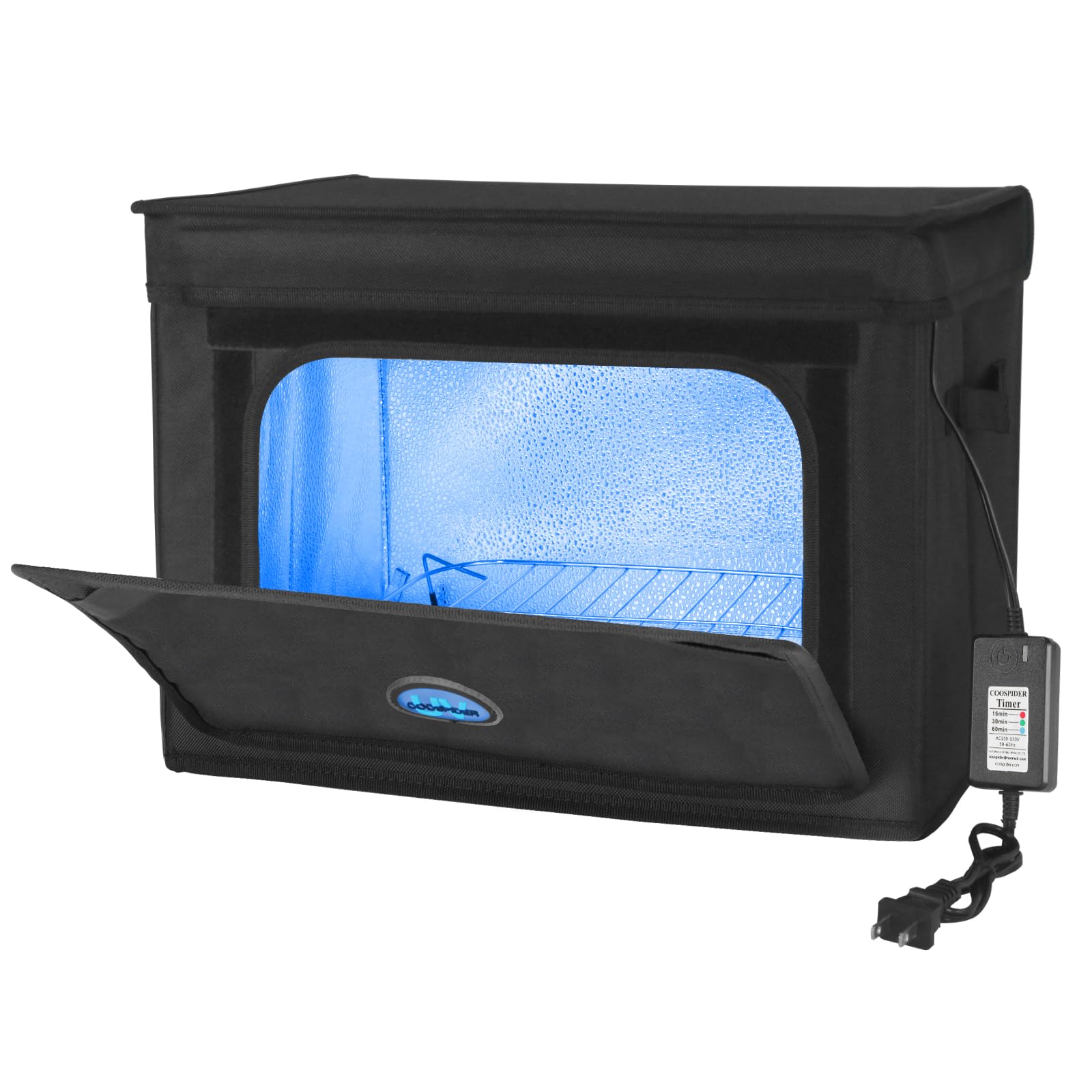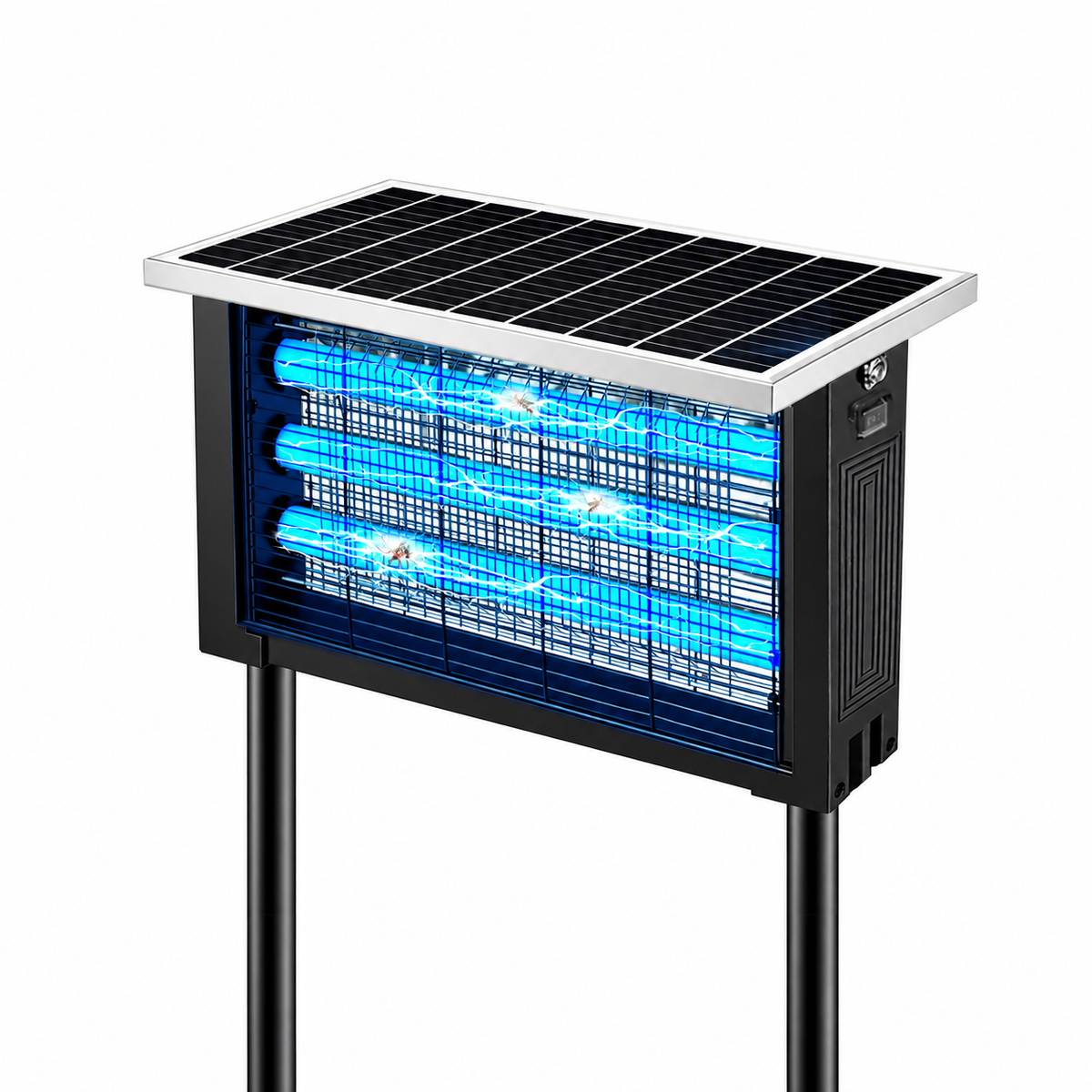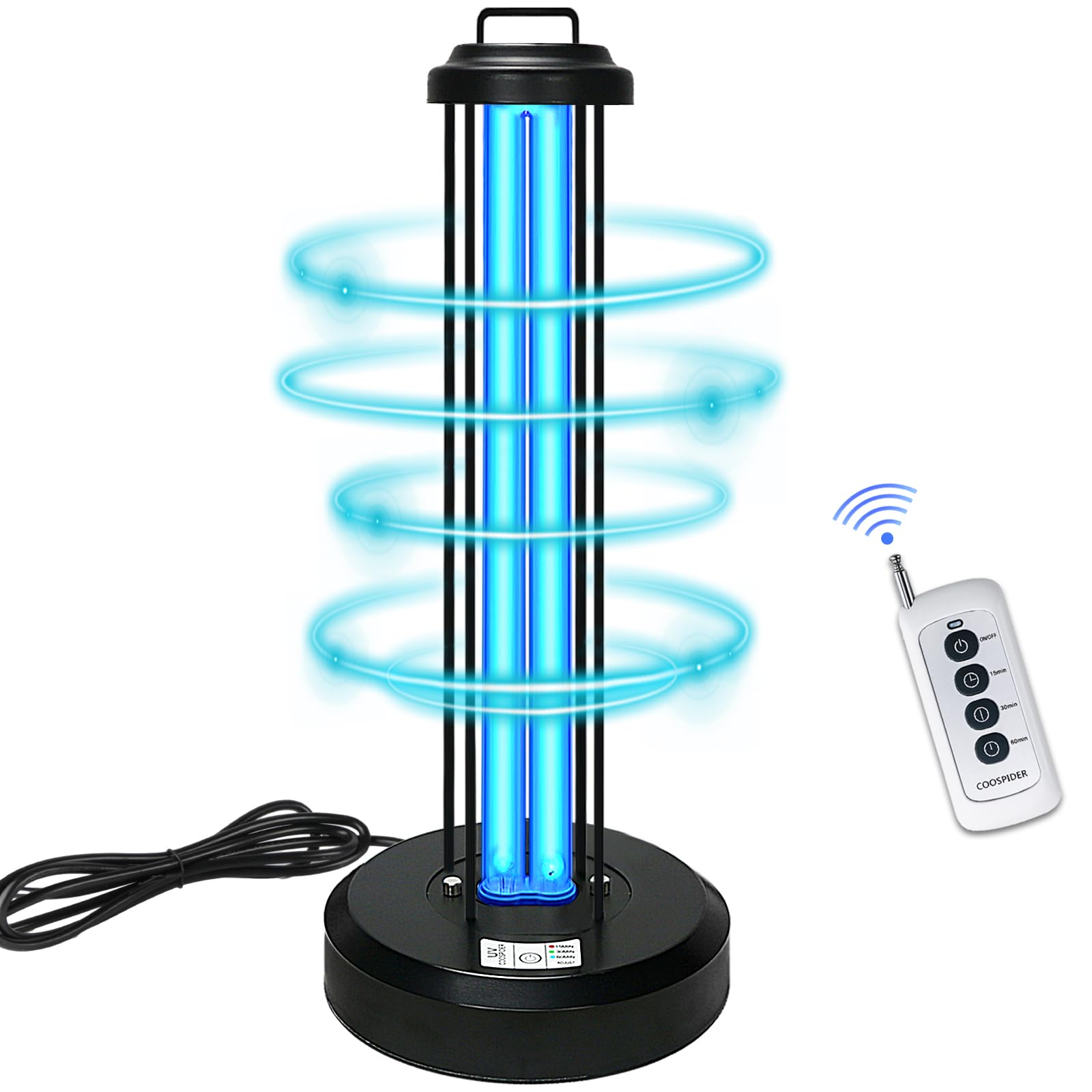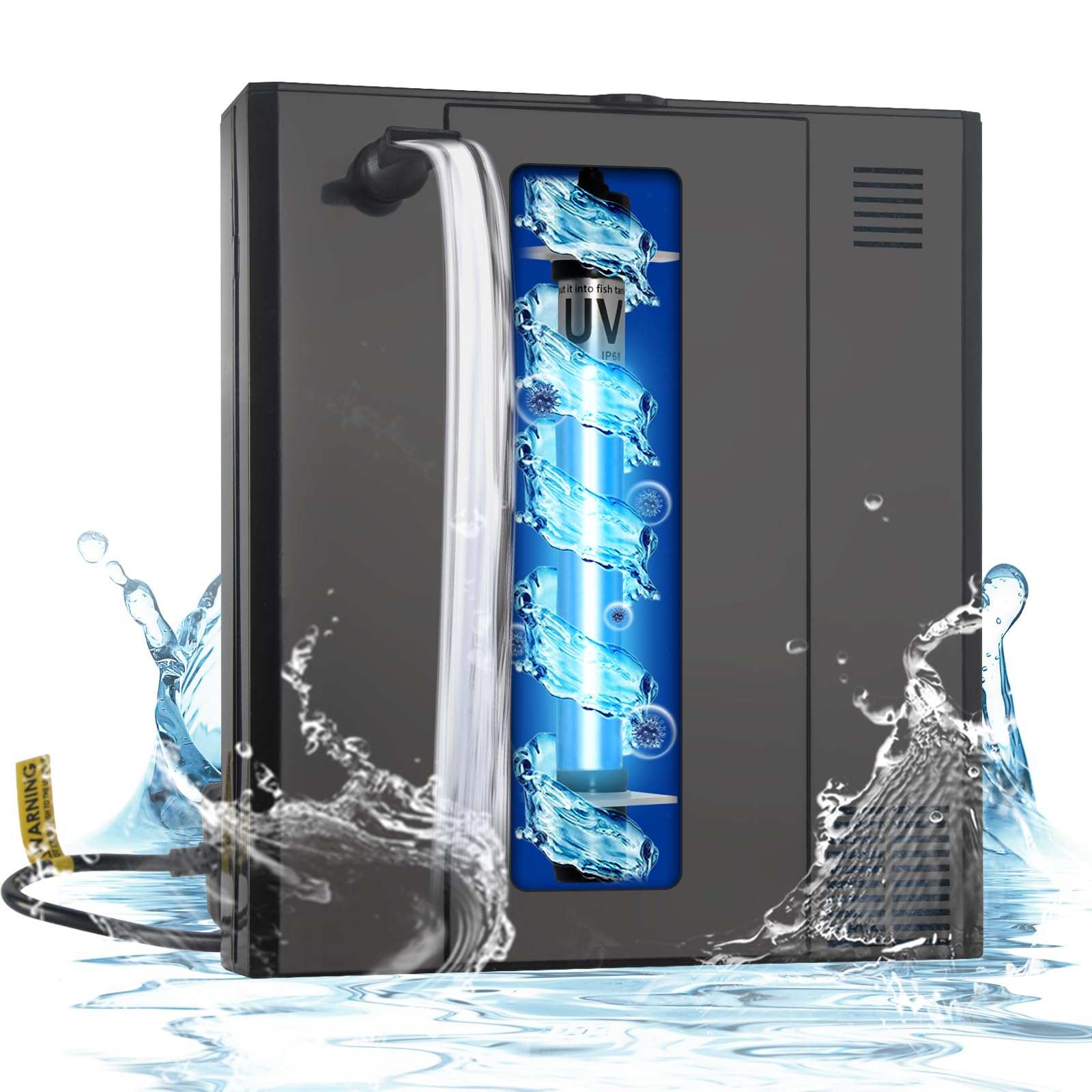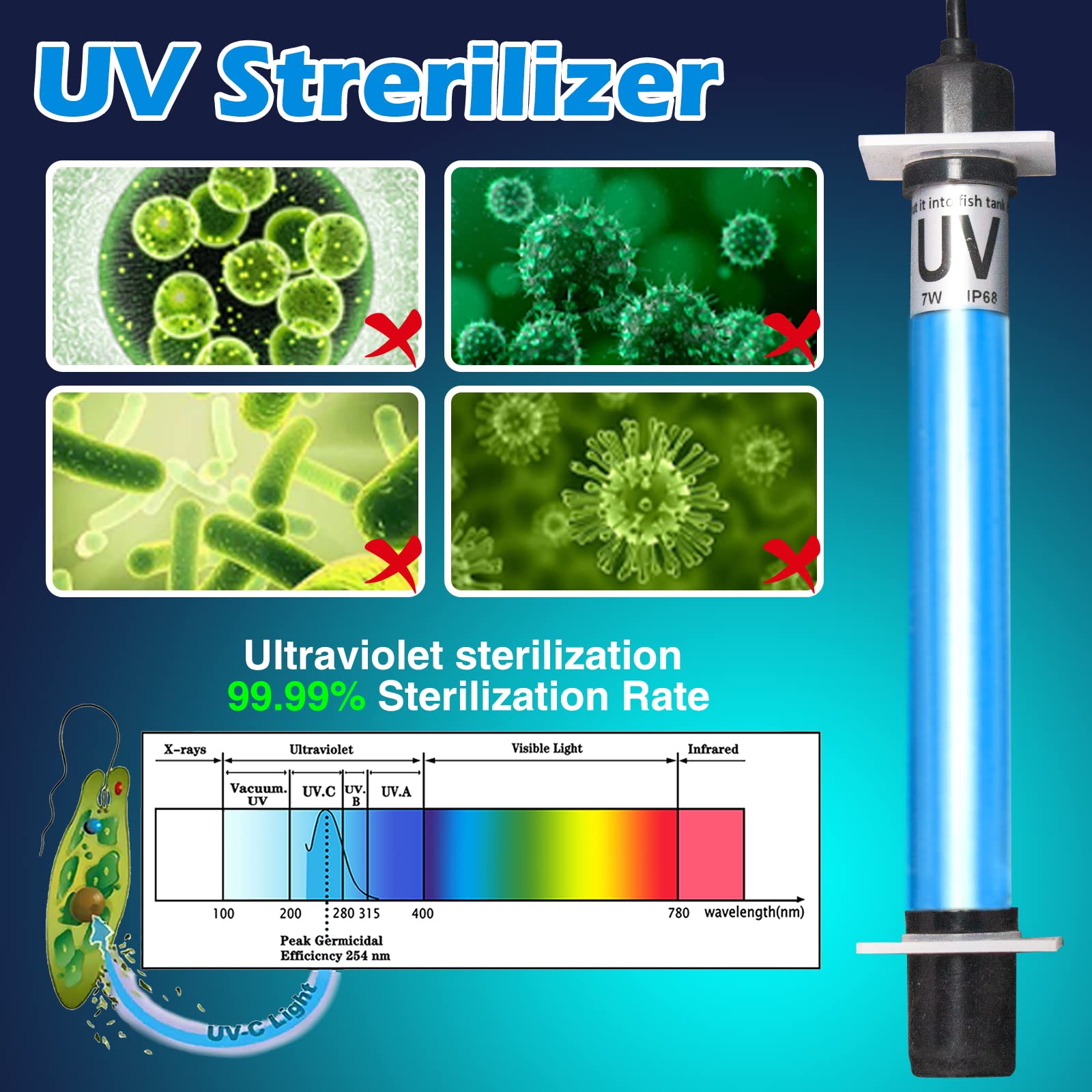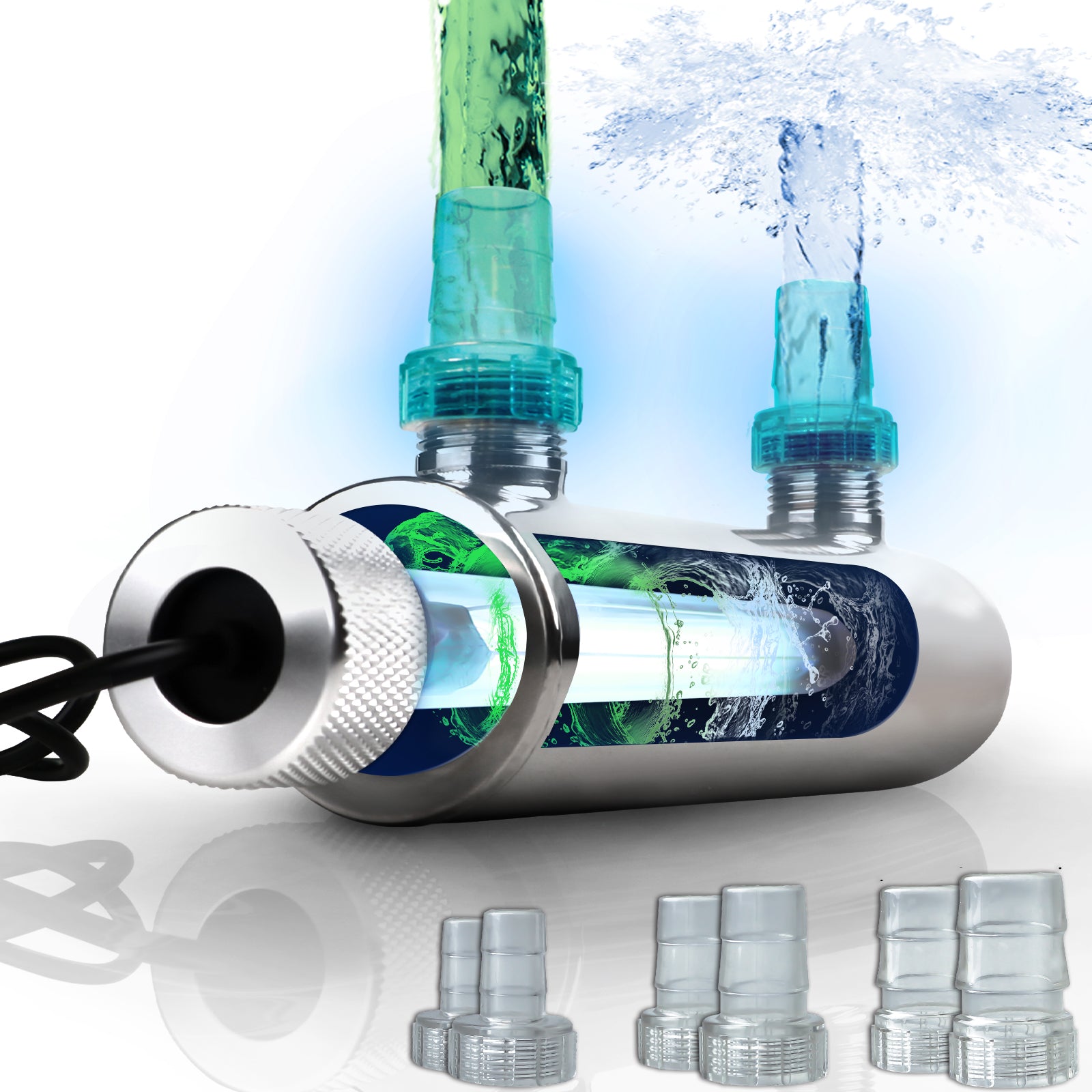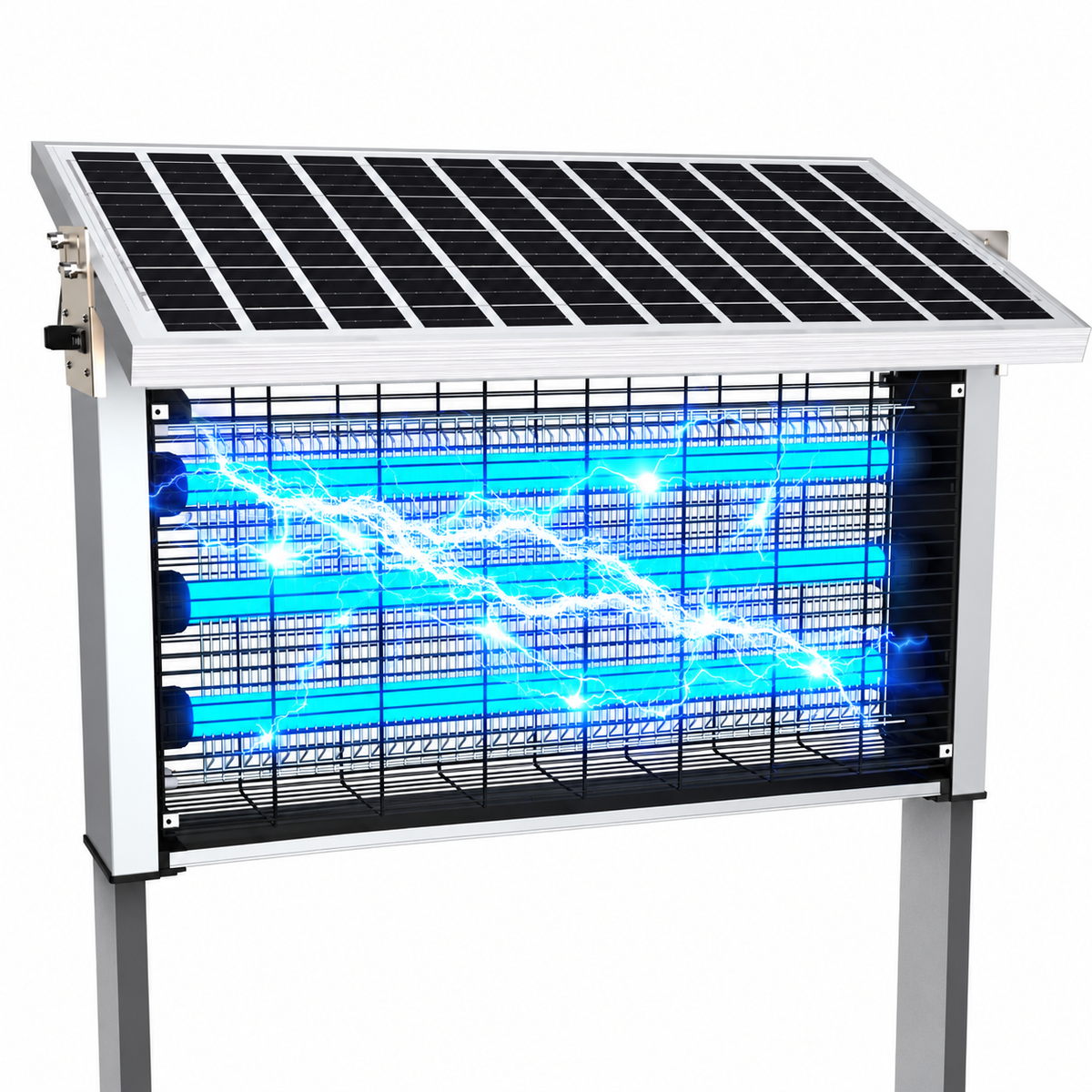
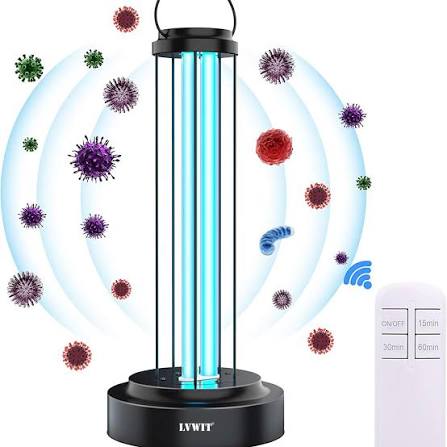
Ultraviolet germicidal lamps have been a trusted disinfection solution for decades. From hospitals and laboratories to office buildings and HVAC systems, UV-C technology has played a critical role in reducing microbial contamination and supporting healthier indoor environments. Yet despite advances in automation and smart building management, many UV sterilization installations still rely on outdated manual controls.
A surprising number of traditional UV lamps are activated using nothing more than a wall switch or a basic countdown timer. While this method may have worked in the past, today's expectations for safety, efficiency, and intelligent facility management have changed dramatically. Building operators now demand systems that can respond to occupancy, communicate with centralized management platforms, minimize energy waste, and reduce the risk of accidental exposure.
This is where smart sensor-controlled UV systems enter the picture. By integrating occupancy detection, automated scheduling, remote monitoring, safety interlocks, and intelligent control software, businesses and homeowners can transform older UV installations into modern, connected disinfection platforms.
Rather than replacing every existing UV fixture, many organizations are choosing an advanced retrofit strategy—upgrading control capabilities while preserving proven germicidal technology. The result is a smarter, safer, and more efficient approach to environmental sanitation.
In this guide, we'll explore why these upgrades matter, how smart sensor-controlled UV systems work, their key components, benefits, implementation considerations, and why they are becoming an essential feature of modern building automation.
Understanding Traditional UV Germicidal Lamps
To appreciate the value of intelligent upgrades, it's helpful to understand how conventional UV disinfection systems operate.
What Is UV-C Technology?
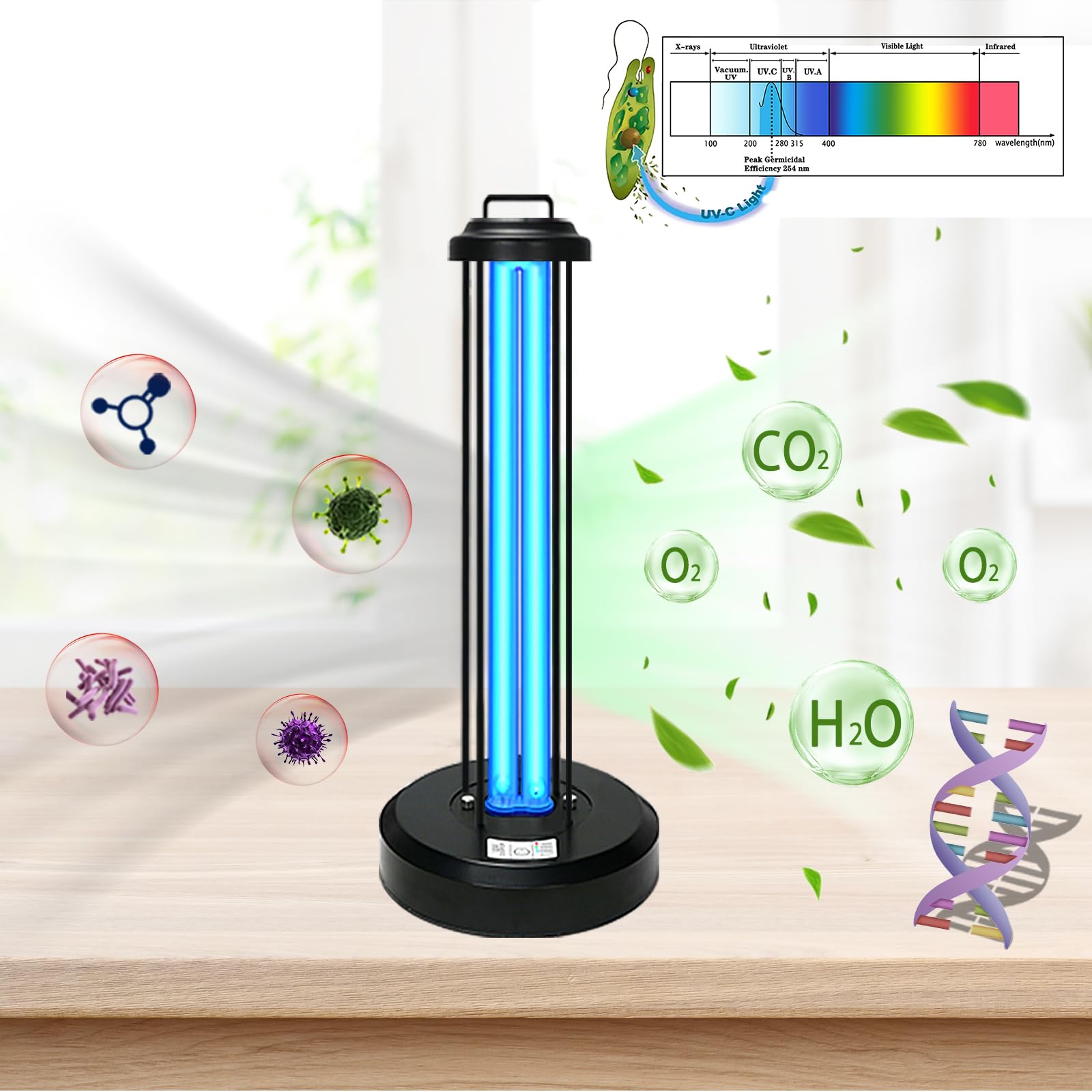
Ultraviolet radiation is divided into three general categories:
-
UV-A (315–400 nanometers)
-
UV-B (280–315 nanometers)
-
UV-C (200–280 nanometers)
Among these, UV-C is widely recognized for its germicidal properties. It disrupts the DNA and RNA structures of bacteria, viruses, mold spores, and other microorganisms, preventing replication and reducing contamination levels.
Traditional UV germicidal lamps are commonly found in:
-
Healthcare facilities.
-
HVAC air purification systems.
-
Water treatment equipment.
-
Pharmaceutical manufacturing.
-
Food processing plants.
-
Research laboratories.
-
Commercial office buildings.
-
Residential air purification applications.
When properly installed and maintained, UV-C technology can become an important layer within a broader hygiene and air quality strategy.
The Challenges of Legacy UV Lamp Systems
Although UV technology itself remains highly effective, older control methods present several operational and safety challenges.
Manual Operation Increases Human Error
A basic on/off switch relies entirely on users remembering when to activate and deactivate the lamp. In busy facilities, this can lead to inconsistent operation or accidental activation while a space is occupied.
Limited Scheduling Flexibility
Traditional timer-based systems often run according to fixed durations rather than actual building usage patterns. As a result, lamps may operate unnecessarily, consuming energy and reducing lamp life.
No Occupancy Awareness
Older systems typically cannot determine whether a room is occupied. They activate regardless of whether people, maintenance personnel, or cleaning staff are present.
Lack of Monitoring and Data
Most conventional UV installations provide little or no operational feedback. Facility managers may not know:
-
Whether a lamp is currently active.
-
How many hours it has operated.
-
When maintenance is due.
-
Whether a fault has occurred.
Without visibility into system performance, maintenance becomes reactive rather than proactive.
Why Smart Control Systems Are Changing UV Disinfection
Smart sensor-controlled systems transform UV lamps from standalone devices into intelligent components of a connected building ecosystem.
Instead of simply turning on and off, these systems continuously evaluate environmental conditions and respond automatically.
Key capabilities often include:
-
Occupancy detection.
-
Motion sensing.
-
Door and access monitoring.
-
Automated operating schedules.
-
Remote status reporting.
-
Cloud-based management dashboards.
-
Usage analytics.
-
Maintenance notifications.
-
Multi-layer safety shutdown functions.
The primary goal is to maximize the effectiveness of UV disinfection while minimizing operational risk and manual intervention.
Core Components of a Smart UV Sensor-Controlled System
A successful retrofit combines several technologies that work together as an integrated control platform.
Occupancy Detection Sensors
Occupancy detection is one of the most important features of a modern UV control system. These sensors help determine whether a space is vacant before a disinfection cycle begins.
Common technologies include:
-
Passive infrared (PIR) sensors.
-
Microwave motion detectors.
-
Ultrasonic occupancy sensors.
-
Thermal imaging sensors.
-
AI-assisted presence recognition in advanced commercial applications.
If movement is detected, the control system can delay activation or interrupt the cycle.
Motion Detection Systems
Motion detection provides an additional safety layer. Even if a room was previously unoccupied, unexpected movement can trigger an immediate response from the controller.
Typical responses may include:
-
Instant lamp shutdown.
-
Activation of visual warning indicators.
-
Audible alerts.
-
Notification to building management systems.
Multiple detection technologies are often combined to improve reliability and reduce false triggers.
Door and Access Sensors
Door sensors help ensure that UV cycles occur only when designated areas remain secured.
When an access point is opened:
-
The UV source automatically deactivates.
-
The current cycle may pause or terminate.
-
A status alert can be generated for operators.
This feature is especially valuable in shared commercial environments where unauthorized or unexpected entry may occur.
Intelligent Timer and Scheduling Functions
Traditional countdown timers provide limited flexibility. Smart scheduling systems allow administrators to align UV operation with actual facility activity.
Examples include:
-
Running cycles after office hours.
-
Sanitizing conference rooms between reservations.
-
Coordinating operation with cleaning crews.
-
Activating overnight HVAC UV treatment.
-
Adapting schedules for weekends and holidays.
Automation ensures consistency while minimizing unnecessary operating time.
Integrating UV Systems into Smart Buildings
Building automation technology has expanded rapidly over the past decade, and UV systems are increasingly becoming part of this connected infrastructure.
Communication with Building Management Systems
Modern controllers can integrate with centralized building management platforms, allowing operators to monitor and coordinate multiple systems from a single interface.
Possible integration points include:
-
HVAC equipment.
-
Indoor air quality sensors.
-
Access control systems.
-
Security platforms.
-
Lighting automation.
-
Energy management software.
This interconnected approach improves operational visibility and supports data-driven decision-making.
Remote Monitoring and Cloud Connectivity
Facility managers no longer need to physically inspect every UV installation. Cloud-enabled systems can provide real-time information from virtually anywhere.
Common remote monitoring features include:
-
Active/inactive status.
-
Current operating cycle.
-
Accumulated runtime hours.
-
Maintenance reminders.
-
Fault notifications.
-
Historical performance reports.
Remote visibility reduces labor requirements while improving oversight across multiple locations.
Safety: The Biggest Reason to Upgrade
Convenience and automation are valuable, but safety remains the primary motivation for upgrading legacy UV systems.
Reducing the Risk of Accidental Exposure
Direct exposure to UV-C radiation can be harmful to the eyes and skin. Manual operation depends heavily on users consistently following proper procedures.
Smart systems reduce this dependency by introducing multiple protective barriers:
-
Occupancy verification.
-
Motion-triggered shutdown.
-
Door-triggered interruption.
-
Visual status indicators.
-
Audible warning systems.
-
Automated lockout conditions.
Rather than relying on a single safeguard, modern systems create overlapping layers of protection.
Supporting Workplace Compliance
Many organizations are strengthening health and safety protocols related to environmental sanitation technologies. Intelligent control systems help standardize operation and create digital records that support internal policies and maintenance documentation.
Enhancing User Confidence
Employees and occupants are more likely to trust UV technology when they know intelligent safety systems are actively monitoring operation. Increased confidence can improve acceptance of advanced sanitation programs.
Improving Energy Efficiency and Operating Costs
Automation isn't only about safety—it can also reduce long-term operating expenses.
Eliminating Unnecessary Runtime
Legacy UV lamps often operate longer than necessary because of fixed schedules or simple user oversight. Smart controls activate the system only when predetermined conditions are met.
This targeted operation reduces:
-
Electricity consumption.
-
Lamp wear.
-
Heat generation.
-
Maintenance frequency.
Extending Lamp Service Life
Every UV lamp has a finite operating lifespan. Reducing unnecessary usage helps preserve germicidal output and delays replacement cycles.
Over time, even modest reductions in runtime can generate meaningful cost savings across multiple installations.
Predictive Maintenance
Smart controllers can automatically track operating hours and notify maintenance teams when inspections or replacements are approaching.
Predictive maintenance strategies reduce unexpected downtime and help maintain consistent system performance.
The Role of Sensors in Intelligent UV Management
Sensors are the foundation of every modern automated UV platform.
Environmental Sensors
Some advanced systems monitor environmental conditions to optimize operation.
Examples include:
-
Air quality sensors.
-
Temperature sensors.
-
Humidity sensors.
-
Occupancy counters.
These inputs help determine the most effective times to perform disinfection cycles.
Light Sensors
Light sensors can detect ambient conditions and coordinate UV operation with broader building schedules. For example, disinfection cycles may occur only after standard lighting systems indicate that a room is no longer in use.
Multi-Sensor Verification
The most advanced systems do not rely on a single data source. Instead, they combine information from several sensors before allowing activation.
A control algorithm may require:
-
No detected motion.
-
Closed access points.
-
Scheduled operating window.
-
Confirmed vacancy from occupancy sensors.
This layered verification approach greatly improves operational reliability.
Applications for Smart UV Retrofits
The flexibility of sensor-controlled systems makes them suitable for a wide variety of environments.
Healthcare Facilities
Hospitals and clinics use UV technology to supplement traditional cleaning protocols in patient rooms, laboratories, and treatment areas.
Commercial Office Buildings
Businesses increasingly integrate UV disinfection into air handling systems and shared spaces to support healthier work environments.
Educational Institutions
Schools and universities benefit from automated sanitation schedules that can operate during unoccupied periods without disrupting daily activities.
Hospitality and Hotels
Guest rooms, conference spaces, and public areas can be incorporated into coordinated environmental hygiene strategies.
Manufacturing and Industrial Facilities
Industries that require controlled environments often integrate UV technology into broader contamination management programs.
Residential Smart Homes
Homeowners are beginning to adopt connected UV solutions for air purification systems and specialized sanitation applications as part of larger smart home ecosystems.
Data, Analytics, and Smarter Facility Management
One of the greatest advantages of connected UV systems is the ability to generate actionable operational data.
Runtime Tracking
Managers can monitor exactly how long each lamp has operated, making replacement planning more accurate.
Maintenance Reporting
Automated maintenance logs simplify documentation and help ensure that equipment inspections occur on schedule.
Performance Analytics
Historical data can reveal:
-
Peak operating periods.
-
Utilization rates.
-
Frequency of interrupted cycles.
-
System availability.
-
Maintenance trends.
These insights support continuous optimization and more informed facility planning.
Planning a Successful Retrofit Project
Every building has unique operational requirements, so careful planning is essential.
Evaluate Existing Infrastructure
Begin by assessing the condition and compatibility of the current UV equipment. Factors to review include:
-
Fixture age.
-
Mechanical integrity.
-
Existing control methods.
-
Installation environment.
-
Compatibility with modern automation platforms.
Define Operational Objectives
Clarify the goals of the upgrade:
-
Improved safety.
-
Reduced operating costs.
-
Better maintenance visibility.
-
Integration with building automation.
-
Remote monitoring capability.
A clear roadmap helps ensure that the chosen solution aligns with long-term facility needs.
Work with Qualified Professionals
Retrofit projects often involve electrical systems, automation platforms, and building management integration. Professional design, installation, and commissioning help ensure that the upgraded system performs reliably and safely.
Common Myths About Smart UV Upgrades
Myth 1: You Need to Replace the Entire UV System
In many situations, existing UV fixtures can continue operating effectively when paired with updated control technologies.
Myth 2: Automation Is Only for Large Facilities
Advances in smart technology have made sensor-based control systems increasingly accessible for smaller businesses and even residential applications.
Myth 3: Smart Controls Are Just a Convenience Feature
Convenience is only part of the story. The primary value lies in enhanced safety, improved operational consistency, and better equipment management.
Myth 4: Connected Systems Are Too Complicated
Modern control platforms are designed with intuitive interfaces and often simplify daily operation compared to traditional manual methods.
Emerging Trends in Intelligent UV Technology
The future of UV automation is moving beyond simple timers and motion sensors.
Innovations currently shaping the market include:
-
Artificial intelligence for occupancy prediction.
-
Machine learning-based maintenance scheduling.
-
Real-time integration with indoor air quality systems.
-
Digital twin modeling for facility optimization.
-
IoT-enabled fleet management across multiple buildings.
-
Enhanced mobile dashboards and cloud analytics.
As smart buildings continue to evolve, UV disinfection systems are becoming part of larger strategies focused on health, sustainability, and operational intelligence.
Why Upgrading Legacy UV Systems Is a Strategic Investment
An advanced retrofit offers benefits that extend well beyond simple modernization.
Organizations can gain:
-
Enhanced occupant safety.
-
Improved energy efficiency.
-
Reduced maintenance costs.
-
Longer lamp service life.
-
Better operational visibility.
-
Simplified facility management.
-
Greater integration with connected building technologies.
-
Stronger support for indoor environmental quality initiatives.
For many businesses, these advantages create long-term value that outweighs the initial investment in intelligent controls.
Final Thoughts: Smarter Controls for a Smarter Future
UV germicidal technology has proven its value across countless industries, but the methods used to control these systems have not always kept pace with modern expectations. Traditional manual switches and basic timers may still function, but they lack the intelligence, adaptability, and safety features that today's facilities increasingly require.
Upgrading legacy UV lamps with smart sensor-controlled systems bridges that gap. By combining proven disinfection technology with occupancy awareness, automated scheduling, remote monitoring, and integrated safety mechanisms, organizations can create a more efficient and reliable sanitation strategy.
Perhaps the greatest advantage of intelligent retrofitting is that it does not abandon existing infrastructure—it enhances it. Instead of viewing older UV installations as outdated equipment, facility owners can transform them into connected assets that support broader goals of sustainability, workplace wellness, and digital building management.
As businesses and homeowners continue investing in smarter environments, intelligent UV control systems will likely become a standard feature rather than an optional upgrade. The future of UV disinfection is no longer defined solely by the power of the lamp itself, but by the intelligence of the system that manages it. Through thoughtful modernization and smart automation, a decades-old technology can continue delivering value in an increasingly connected world.