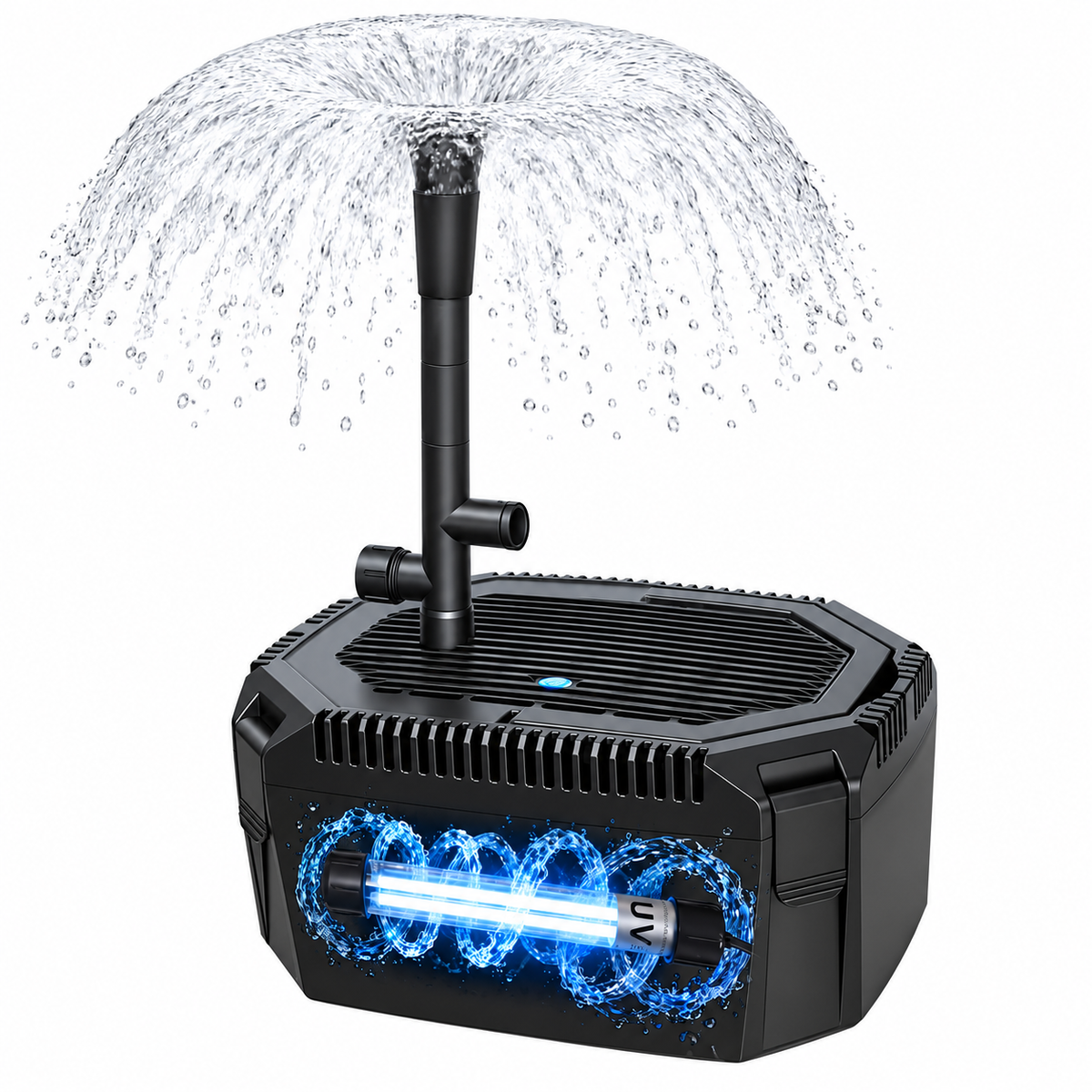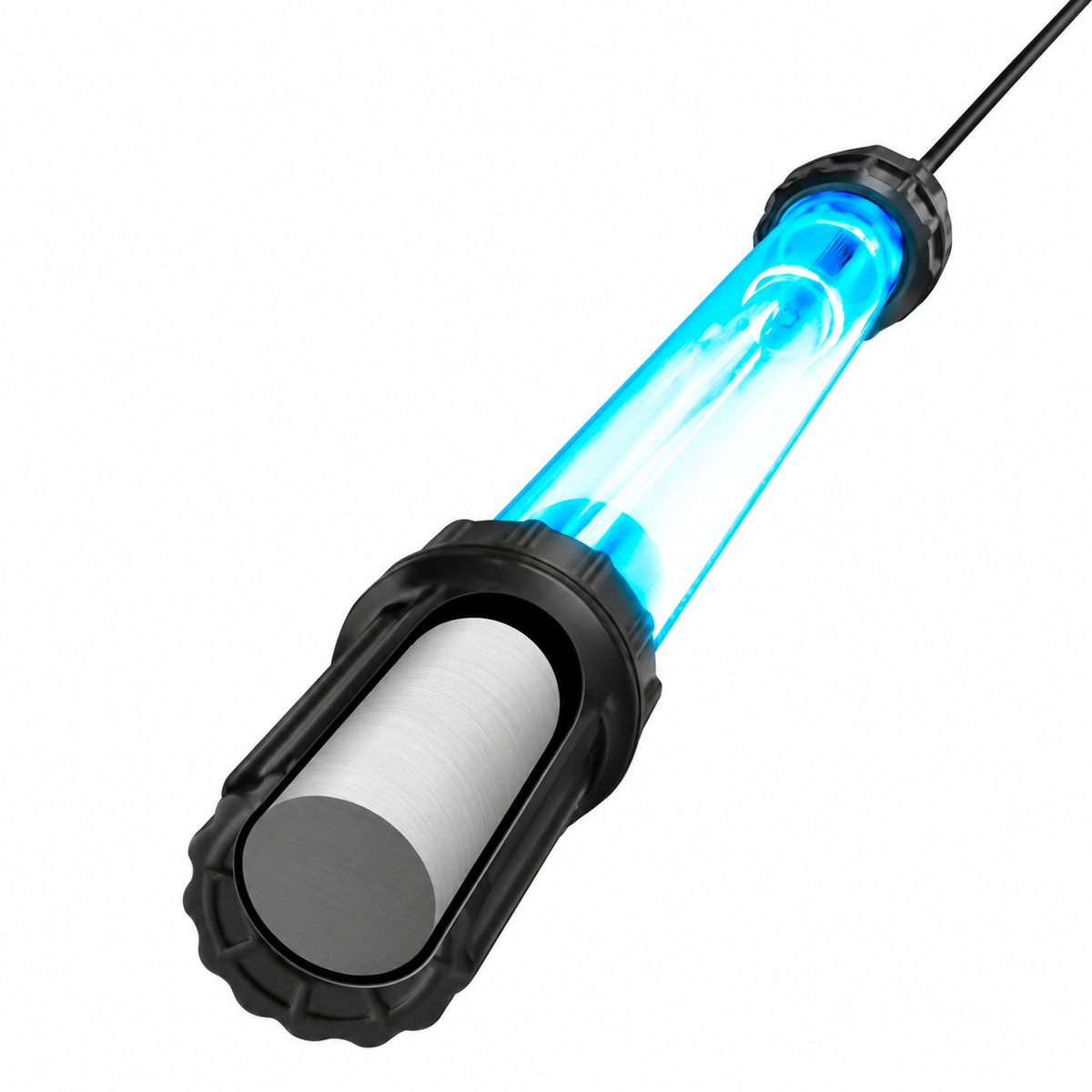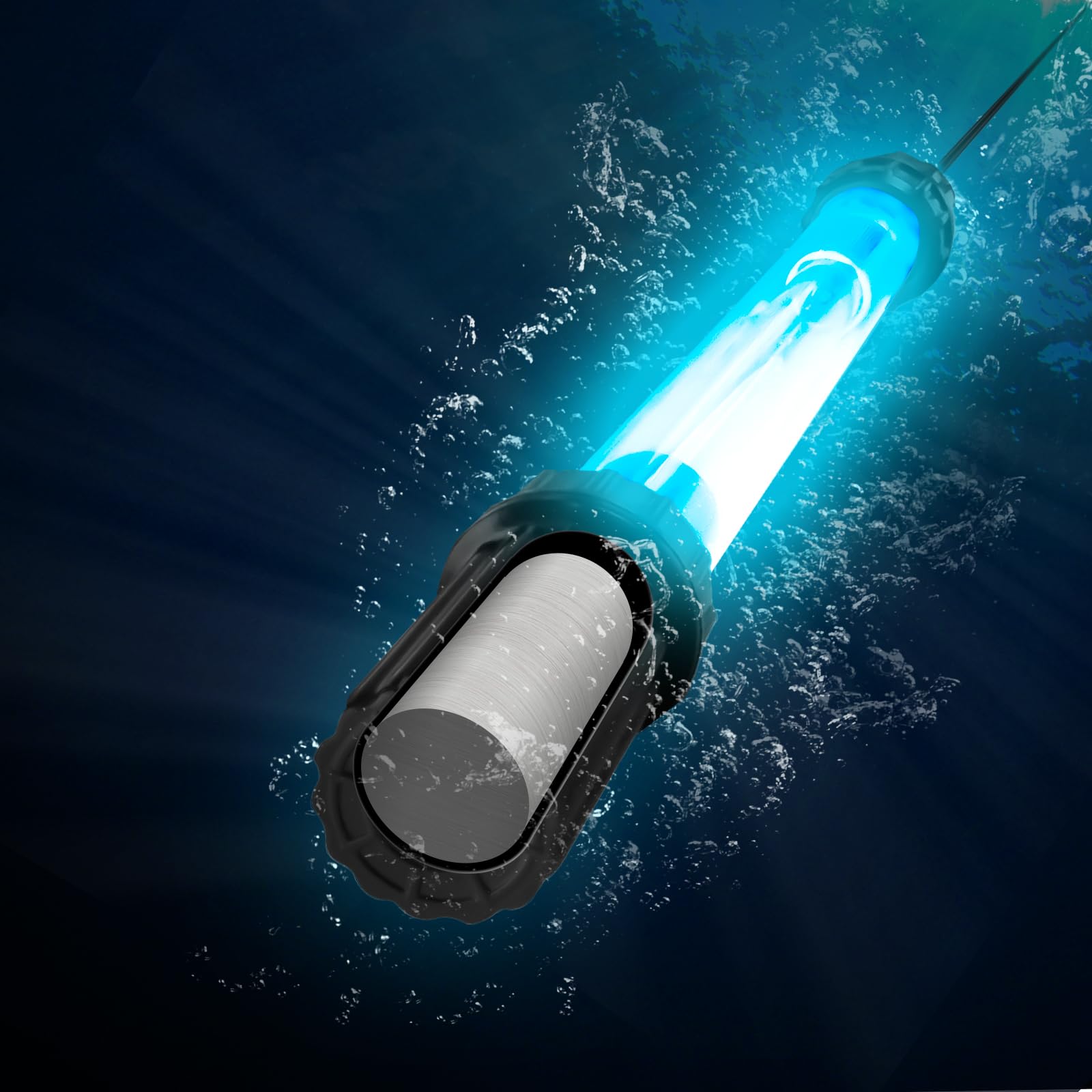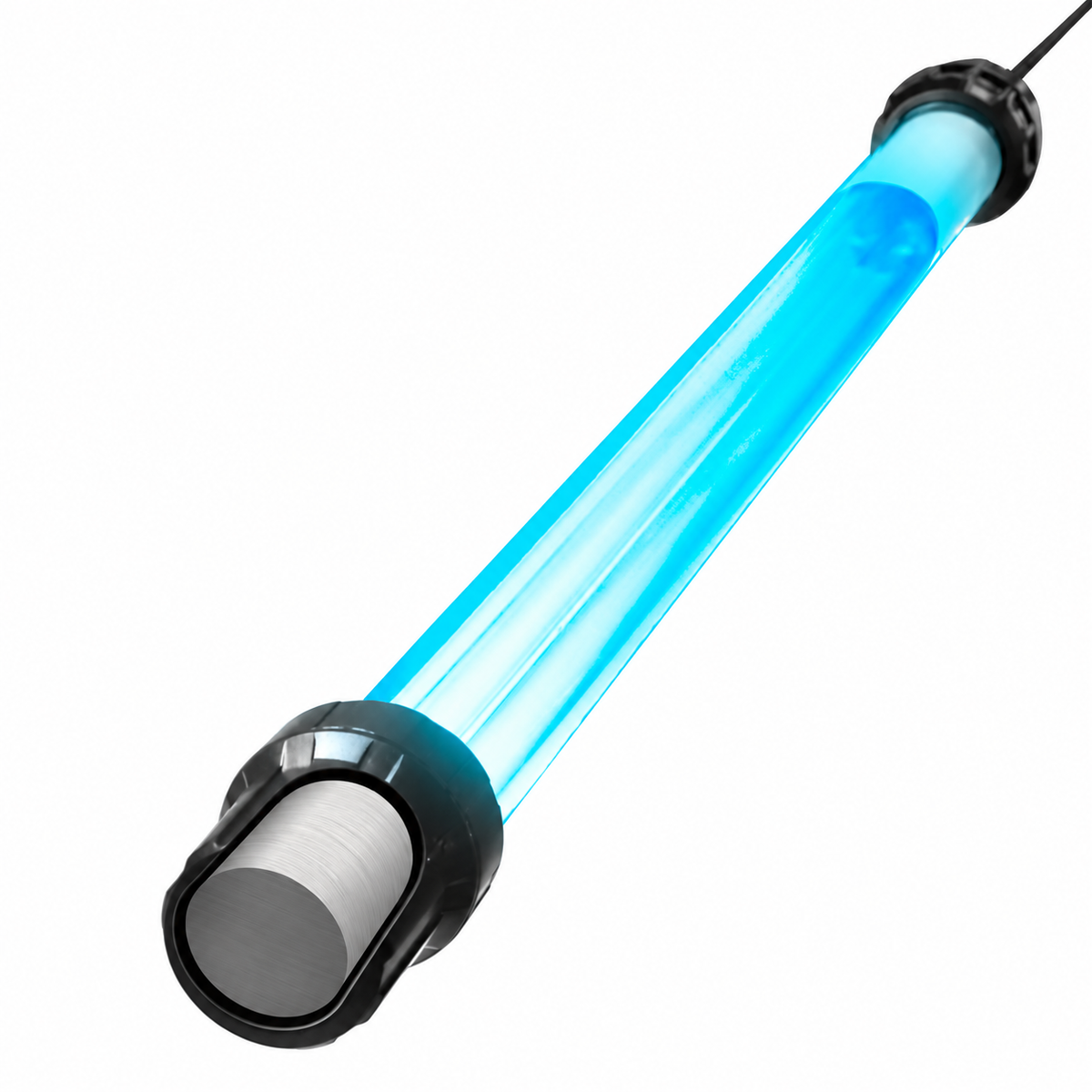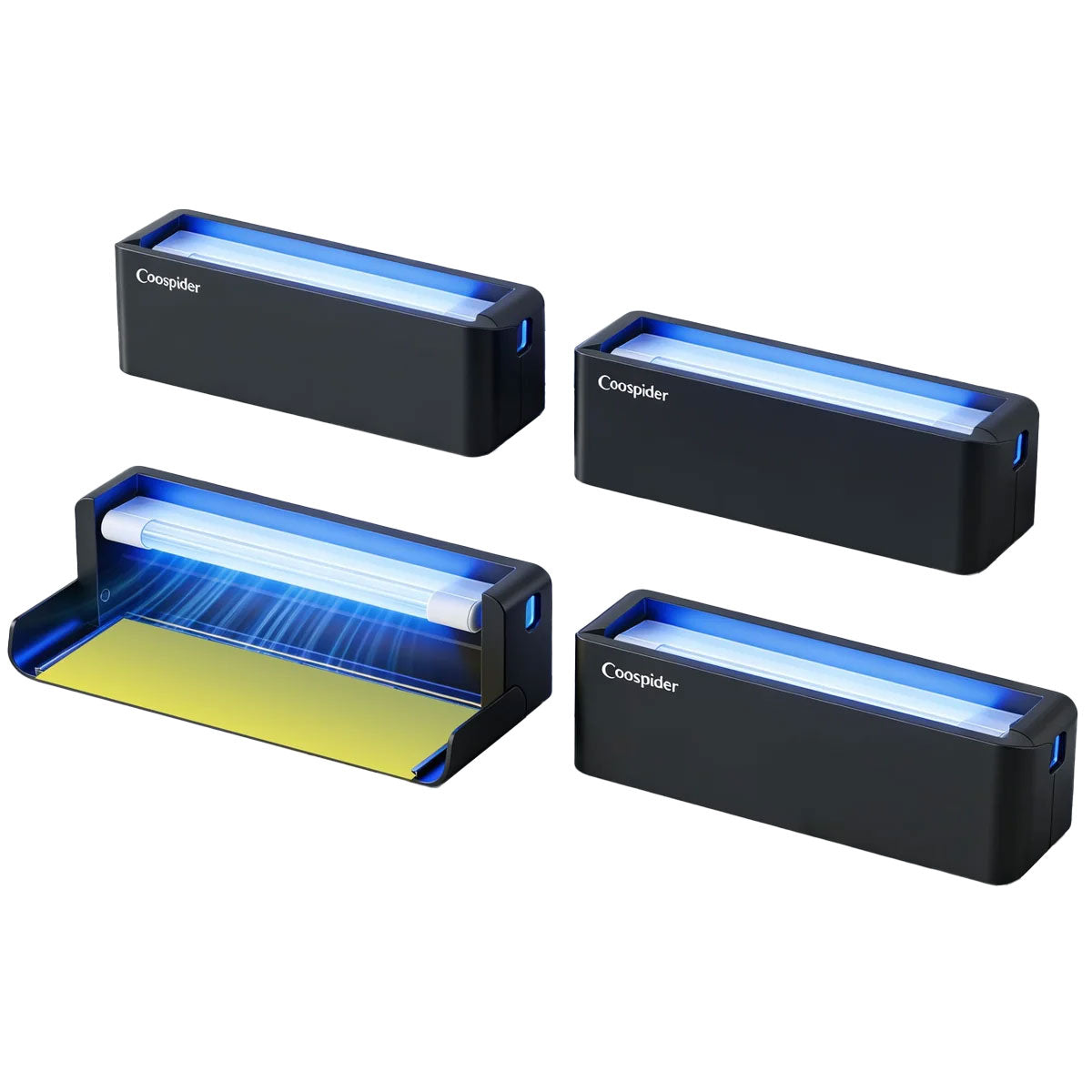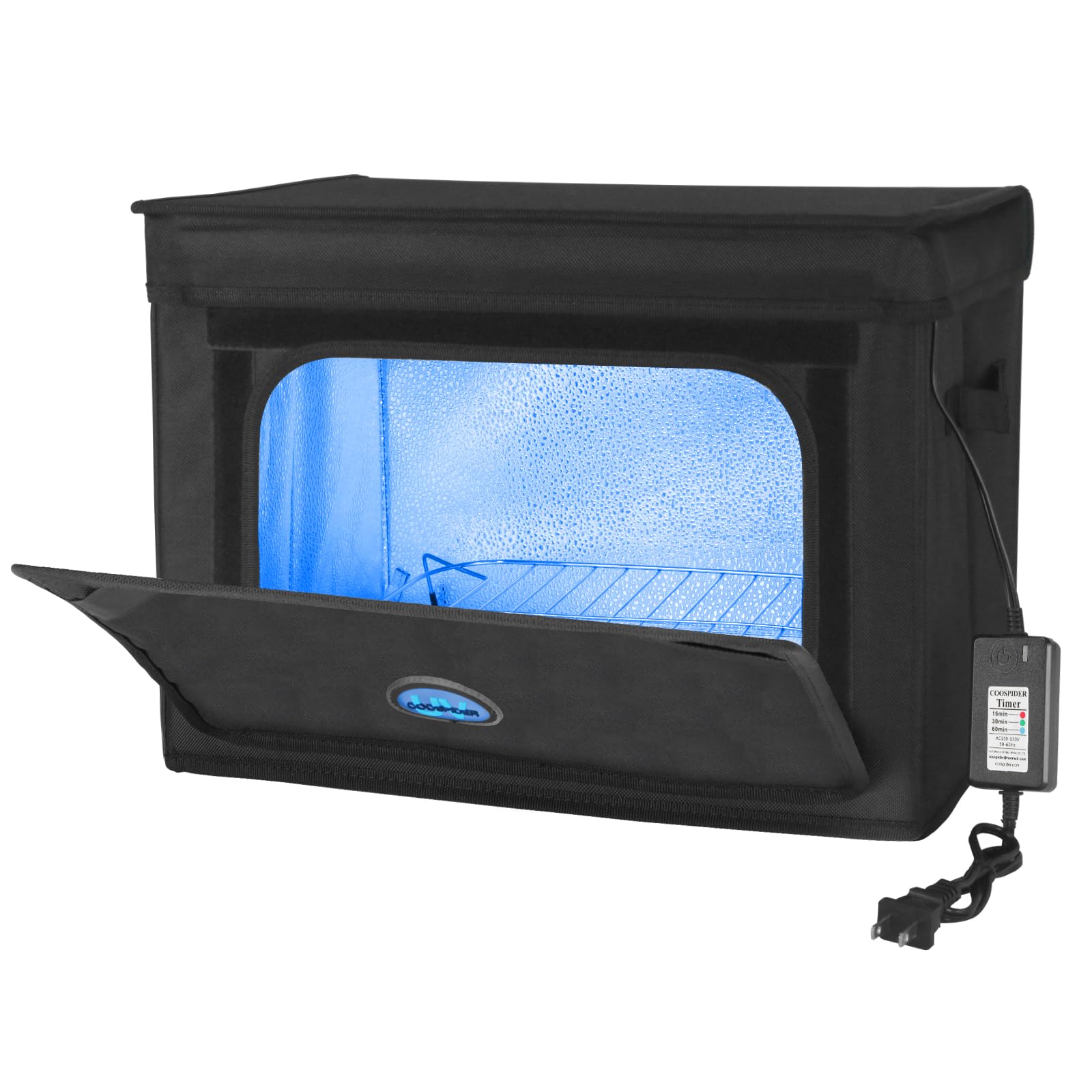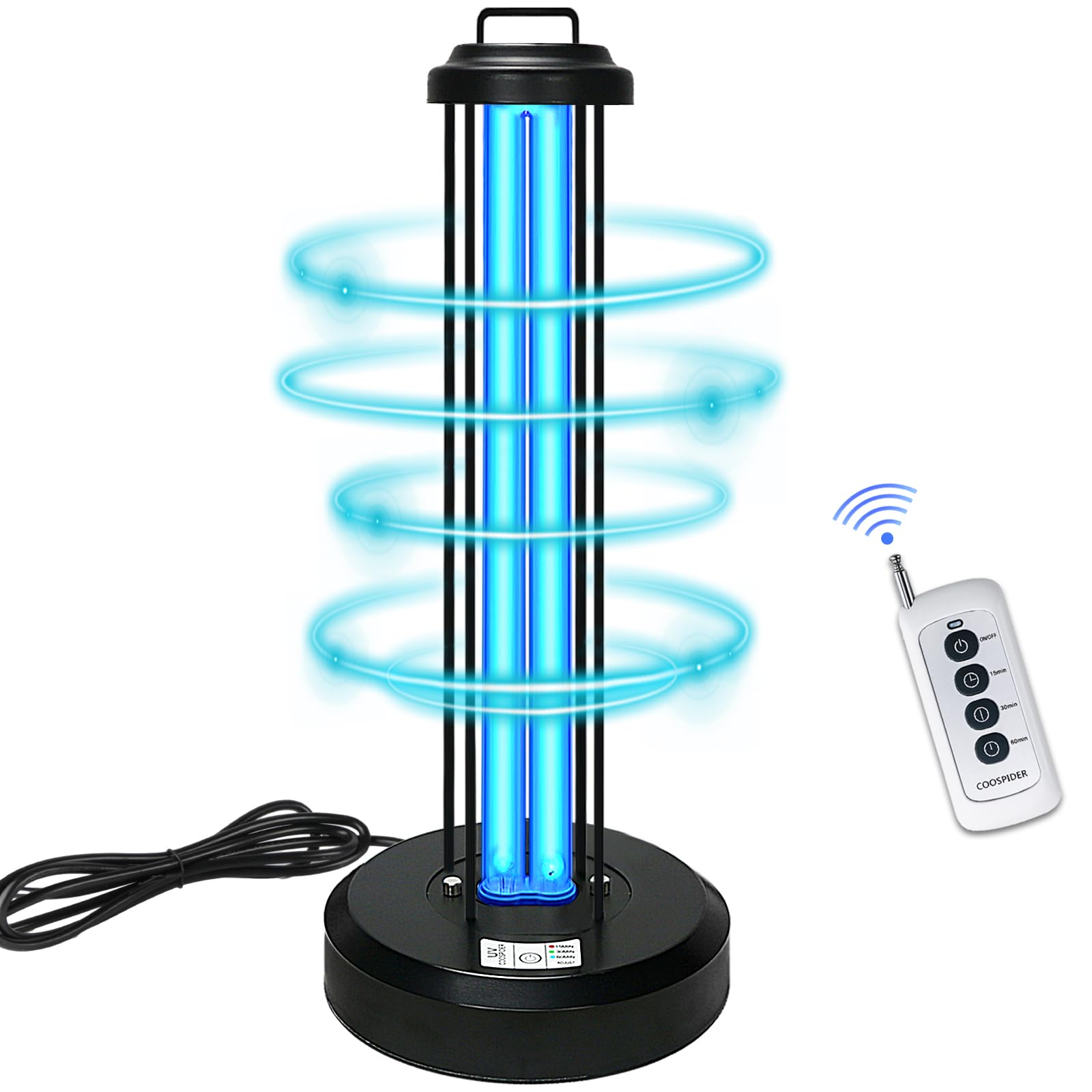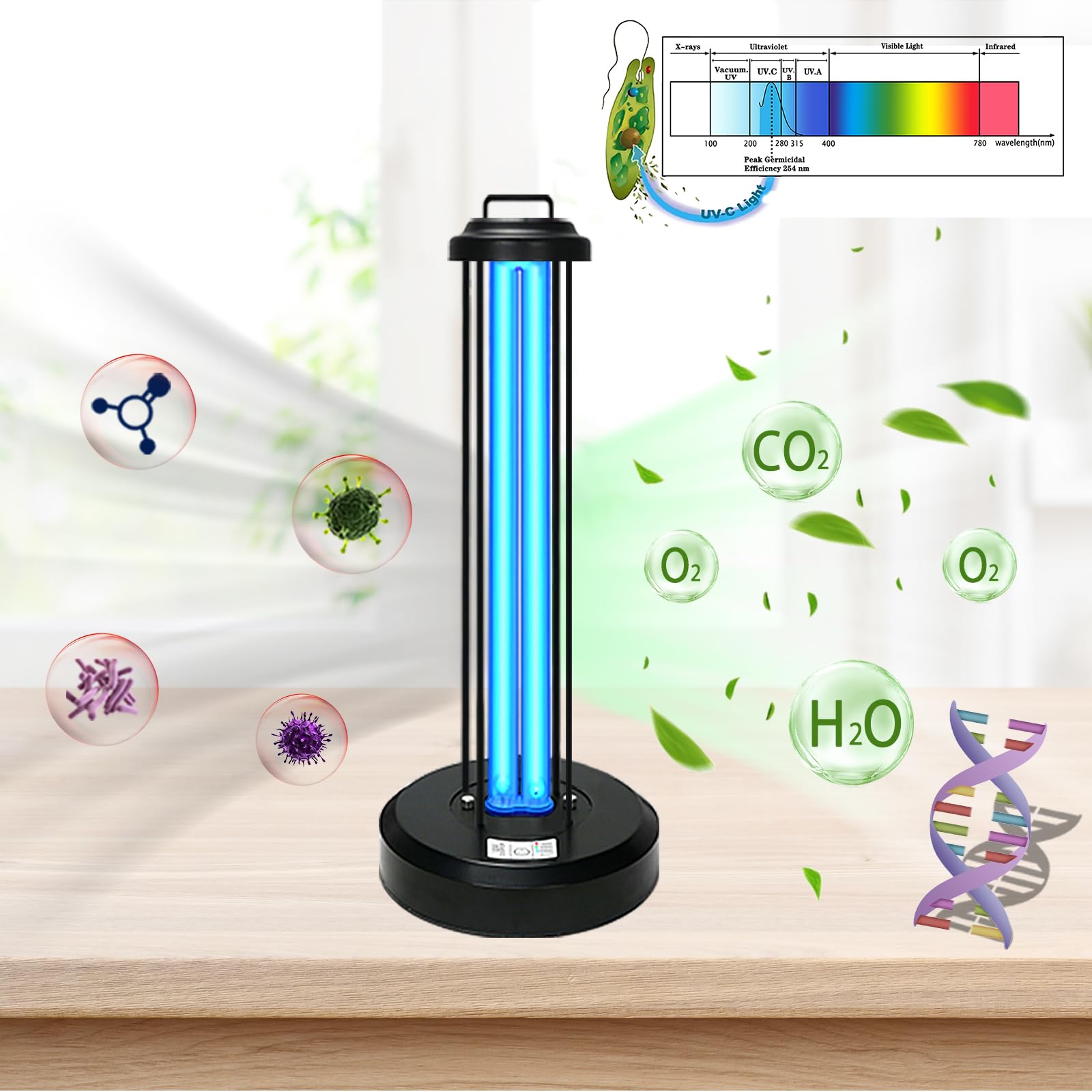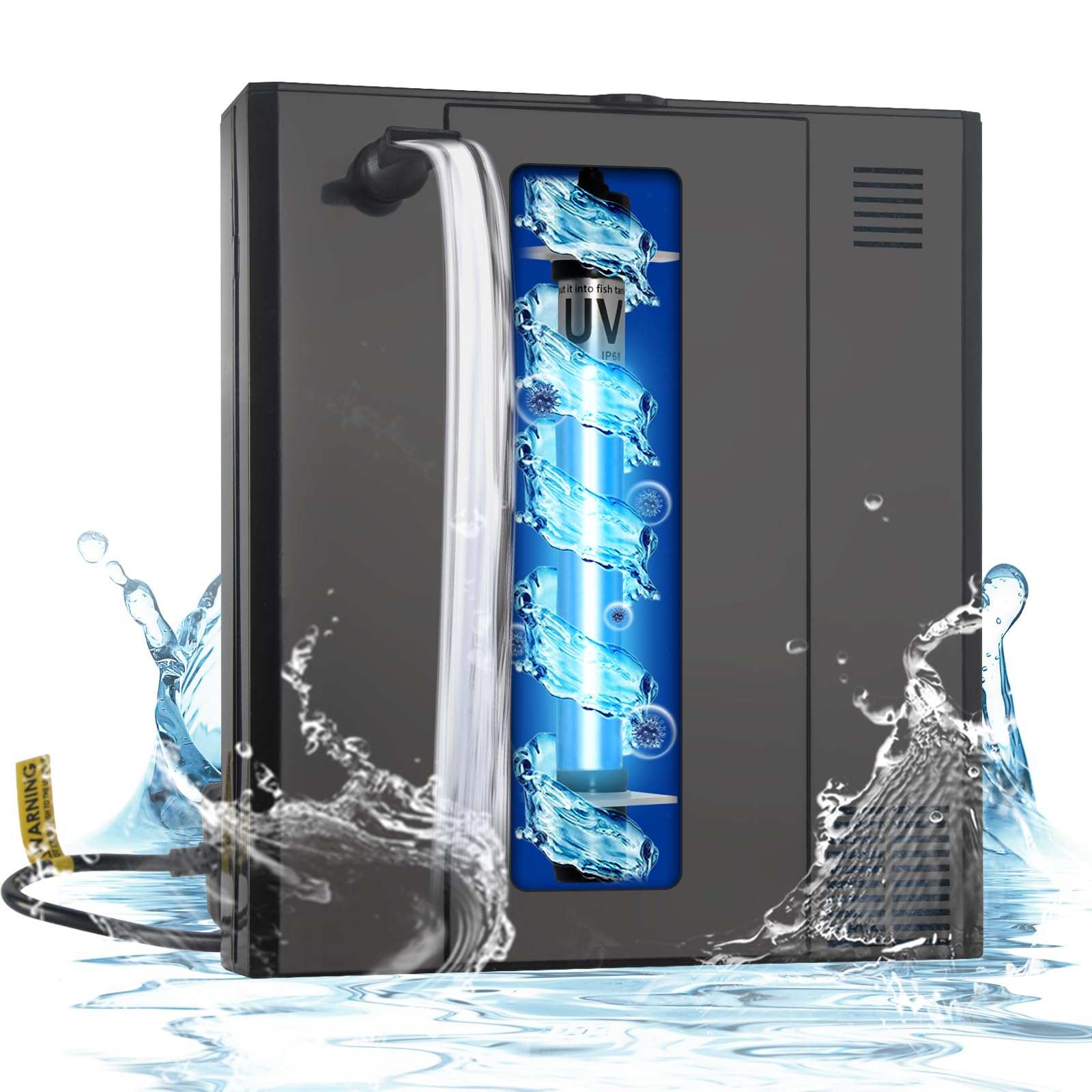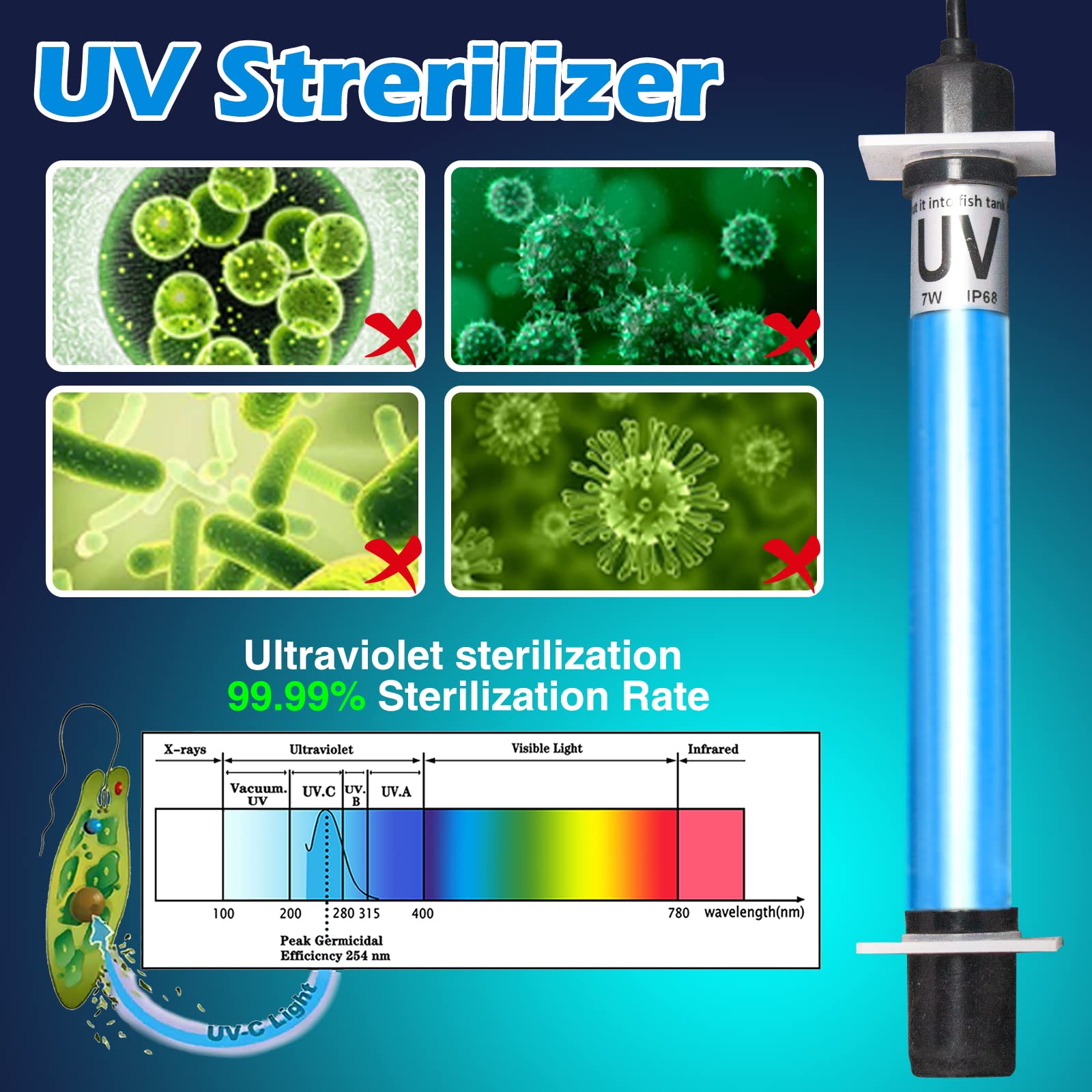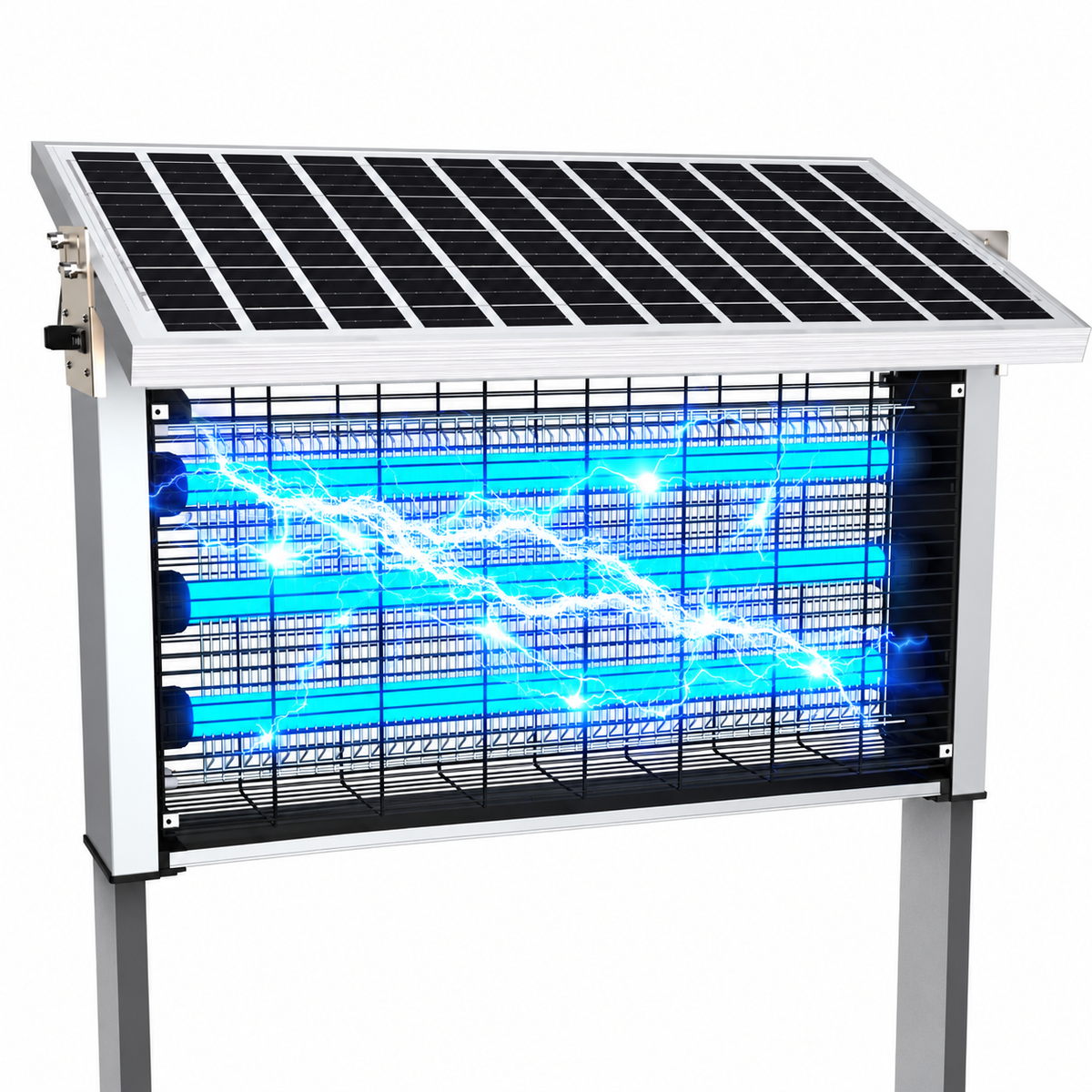
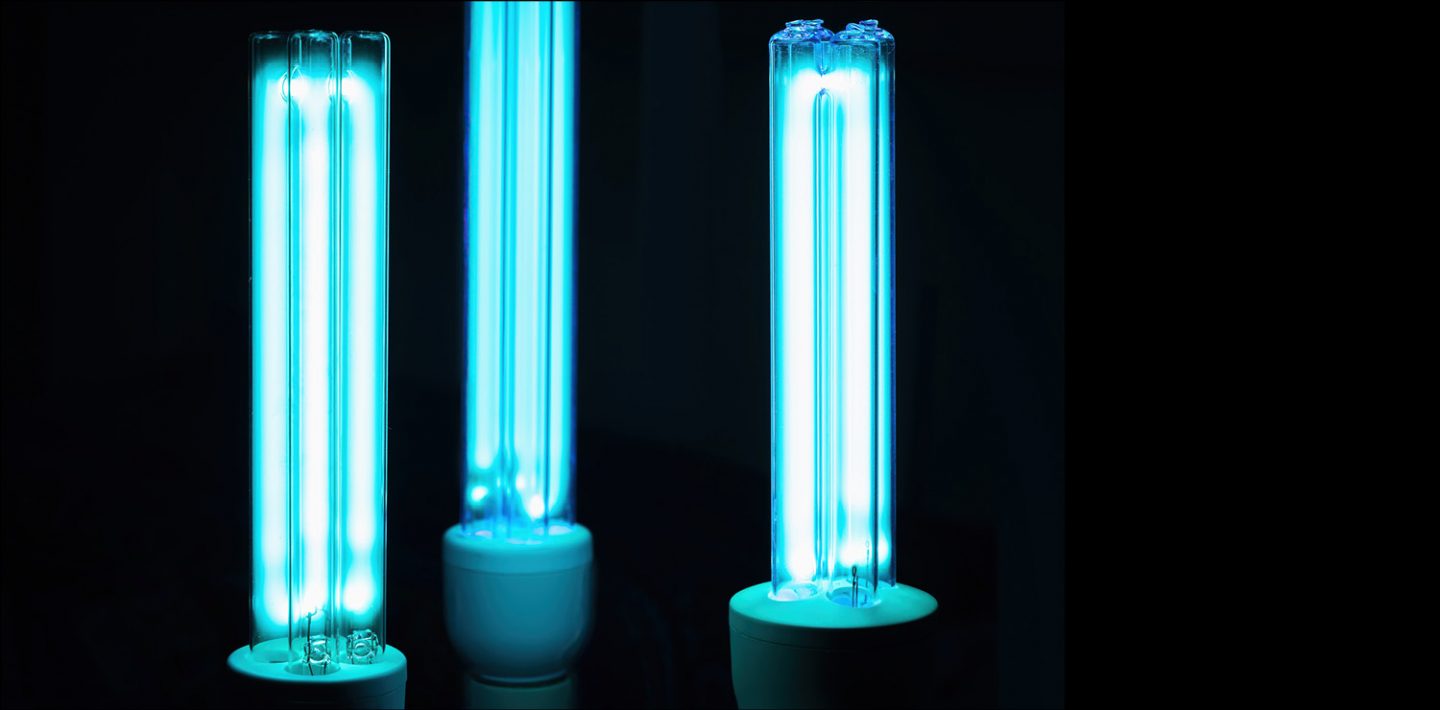
UV germicidal lamps are widely used in hospitals, laboratories, HVAC systems, water purification units, food processing facilities, and even residential air sanitation devices. While most attention is placed on UV-C intensity, lamp lifespan, and sterilization efficiency, one critical component is often overlooked: the internal wiring system that powers the entire unit.
Over time, exposure to heat, ultraviolet radiation, and electrical load causes gradual degradation of internal wiring insulation and conductive materials. This aging process is especially accelerated in UV lamp systems due to their high operating temperatures and continuous-duty cycles.
When wiring begins to degrade, the consequences are not limited to performance loss. In severe cases, it can lead to intermittent failures, insulation breakdown, overheating, or even safety hazards such as short circuits.
However, this is not a problem that should be approached with improvised fixes or unsafe internal modifications. Instead, it requires a structured understanding of failure mechanisms, early detection methods, preventive maintenance strategies, and safe modernization approaches.
This guide explores how wiring degradation occurs in UV lamp systems, how professionals identify early warning signs, what best practices exist for managing high-temperature electrical environments, and how modern upgrades can significantly reduce long-term risk without unsafe intervention.
Understanding Why UV Lamp Wiring Ages Faster Than Expected
1. Continuous Thermal Stress
UV germicidal lamps often operate in enclosed fixtures or HVAC systems where heat dissipation is limited. Unlike standard lighting systems, UV-C lamps may run for extended periods in elevated ambient temperatures.
High temperatures accelerate:
-
Insulation hardening
-
Polymer breakdown
-
Conductivity resistance changes
-
Connector fatigue
Over time, this thermal cycling leads to material brittleness and reduced electrical reliability.
2. Ultraviolet Radiation Exposure
Although wiring is usually shielded, UV-C radiation can still indirectly contribute to material degradation. Reflected UV exposure inside reflective housings can gradually weaken plastic insulation and protective coatings.
This effect is subtle but accumulates over years of operation, especially in poorly ventilated enclosures.
3. Electrical Load and Constant Switching
UV systems used in industrial or healthcare environments often experience frequent on/off cycles or extended continuous operation.
These conditions create:
-
Thermal expansion and contraction cycles
-
Micro-stress fractures in insulation
-
Terminal loosening over time
-
Increased resistance at connection points
Even minor resistance increases can generate localized heat, further accelerating degradation.
4. Environmental Factors
External conditions also play a significant role:
-
Humidity can accelerate corrosion in connectors.
-
Dust accumulation can create heat retention zones.
-
Chemical exposure in laboratories or industrial settings can degrade insulation materials.
Combined, these factors create a challenging environment for electrical durability.
Early Warning Signs of Wiring Degradation in UV Systems
Before a failure occurs, UV lamp systems typically show subtle symptoms that indicate internal electrical aging.
Intermittent Operation
One of the earliest signs is inconsistent lamp performance:
-
Lamp flickers unexpectedly
-
System fails to start occasionally
-
Sudden shutdowns during operation
These behaviors often point to unstable electrical continuity.
Increased Operating Temperature
If a UV fixture feels unusually hot compared to baseline operation, it may indicate:
-
Increased resistance in wiring
-
Poor connection integrity
-
Insulation breakdown generating heat
Thermal anomalies should always be treated as warning indicators.
Unusual Odors or Discoloration
In some cases, aging insulation may emit a faint burnt smell or show discoloration inside transparent housing sections.
This is often associated with:
-
Polymer overheating
-
Localized arcing
-
Connector degradation
Reduced UV Output Stability
While lamp aging is normal, inconsistent output fluctuations may indicate electrical instability rather than lamp degradation alone.
Electrical Noise or Flickering Ballasts
If the system includes electronic ballasts, wiring degradation can lead to unstable current delivery, resulting in:
-
Audible buzzing
-
Flickering startup cycles
-
Delayed ignition
Why Internal UV Lamp Wiring Should Not Be Improvised
UV germicidal systems often contain:
-
High voltage ignition circuits
-
Capacitors with residual charge
-
Heat-sensitive insulation materials
-
UV-shielded enclosures designed for controlled airflow
Because of these factors, internal wiring issues should never be addressed through improvised repairs or unverified modifications.
Professional standards emphasize:
-
System-level diagnosis rather than component-level improvisation
-
Replacement of certified harness assemblies instead of patch repairs
-
Use of manufacturer-approved materials and connectors
-
Compliance with electrical safety codes
The safest approach is always evaluation, isolation, and controlled replacement—not ad-hoc internal intervention.
Professional Diagnostic Approach to Wiring Degradation
Instead of attempting direct internal modification, professionals typically follow a structured diagnostic process.
1. Electrical Continuity Testing
Technicians evaluate whether current flow remains stable across circuits. Irregular resistance patterns often indicate internal wear or connector fatigue.
2. Thermal Imaging Inspection
Infrared thermography is widely used to detect:
-
Hotspots in wiring paths
-
Overloaded connectors
-
Uneven heat distribution inside fixtures
Thermal anomalies are among the most reliable indicators of early-stage failure.
3. Visual Inspection of Accessible Components
Without dismantling sealed UV modules, technicians examine:
-
External cable jackets
-
Connector housings
-
Mounting points
-
Ballast enclosures
Signs of cracking, discoloration, or brittleness often indicate internal aging as well.
4. Operational Load Testing
Systems are evaluated under controlled load conditions to observe:
-
Startup stability
-
Voltage consistency
-
Thermal behavior over time
This helps distinguish between lamp aging and wiring instability.
Safe Strategies for Managing Aging UV Wiring Systems
Instead of attempting risky internal fixes, modern maintenance strategies focus on system-level reliability improvements.
Strategy 1: External Harness Replacement
In many UV installations, wiring degradation can be addressed by replacing external or modular harness components without opening sealed UV chambers.
This reduces risk while restoring electrical stability.
Strategy 2: Thermal Management Improvements
Reducing heat exposure significantly extends wiring lifespan:
-
Improving airflow around fixtures
-
Upgrading ventilation systems
-
Reducing ambient temperature in enclosed installations
-
Avoiding heat buildup near ballast housings
Thermal control is one of the most effective prevention strategies.
Strategy 3: Load Optimization
Ensuring that UV systems operate within recommended electrical parameters prevents unnecessary stress on wiring systems.
This may include:
-
Adjusting duty cycles
-
Implementing staggered operation schedules
-
Avoiding continuous overload conditions
Strategy 4: Upgrading to Heat-Resistant Wiring Standards
Modern UV systems often use:
-
High-temperature silicone-insulated wires
-
Teflon-coated conductors
-
Reinforced terminal connectors
Upgrading to these materials during system refurbishment significantly improves long-term durability.
Strategy 5: Smart Control Integration
Adding intelligent control systems can indirectly extend wiring life by reducing unnecessary operation time.
Features include:
-
Occupancy-based activation
-
Scheduled sterilization cycles
-
Automatic shutdown during inactivity
-
Remote monitoring of system health
Reduced runtime means reduced thermal stress.
The Role of Preventive Maintenance in UV Electrical Systems
Preventive maintenance is far more effective than reactive repair.
Scheduled Inspections
Routine evaluation helps detect early-stage degradation before failure occurs.
Component Lifecycle Tracking
Tracking operating hours of lamps, ballasts, and wiring assemblies allows better planning for replacements.
Environmental Control
Maintaining stable temperature and humidity levels reduces stress on electrical components.
Cleaning and Dust Management
Dust accumulation can trap heat and accelerate insulation aging.
When Replacement Is Better Than Repair
In many cases, aging wiring systems cannot be safely or effectively restored through partial intervention.
Replacement is recommended when:
-
Multiple hotspots are detected
-
Insulation brittleness is widespread
-
Electrical instability persists after external fixes
-
System is beyond expected service life
-
Safety compliance is at risk
Modern UV systems often provide significantly improved efficiency, safety, and maintainability compared to older installations.
The Evolution Toward Safer UV System Design
Modern UV disinfection systems are increasingly designed with maintenance safety in mind.
Modular Electrical Architecture
Instead of fully integrated internal wiring, newer systems use modular replaceable components.
Improved Thermal Engineering
Better heat dissipation reduces stress on electrical systems.
Intelligent Monitoring
Sensors now track:
-
Temperature
-
Voltage stability
-
Runtime hours
-
System faults
Safer Material Selection
High-temperature resistant materials have become standard in modern UV manufacturing.
The Future of UV Lamp Electrical Reliability
As UV technology continues to evolve, several trends are shaping the future of system durability:
-
Self-diagnosing electrical circuits
-
Predictive failure detection using AI
-
Wireless sensor-based thermal monitoring
-
Fully modular replaceable internal assemblies
-
Enhanced fire-resistant insulation materials
-
Smart shutdown systems triggered by early warning signs
These advancements aim to minimize risk while maximizing operational lifespan.
Final Thoughts: Managing Aging Wiring the Right Way
Wiring degradation in UV germicidal systems is a natural and expected outcome of long-term operation in high-temperature environments. However, it is also a manageable condition when approached with proper diagnostics, preventive maintenance, and system-level upgrades.
The key takeaway is that internal electrical aging should not be treated as a DIY repair problem. Instead, it should be understood as part of the lifecycle of industrial-grade disinfection equipment that requires structured evaluation and professional maintenance practices.
By focusing on early detection, thermal management, intelligent control upgrades, and safe replacement strategies, facility managers and system owners can significantly extend the usable life of UV installations while maintaining high safety standards.
Ultimately, the most effective “repair strategy” is not intervention inside the system—it is designing and maintaining systems in a way that prevents dangerous degradation from occurring in the first place.