Introduction: Why Allergy Season Feels Worse Indoors Than Ever
Every spring and fall, millions of households brace themselves for allergy season. Windows stay closed, air purifiers run constantly, and tissues become permanent fixtures on coffee tables. Yet despite these efforts, many people still experience sneezing, itchy eyes, congestion, and fatigue — even while indoors.
This leads homeowners to ask an increasingly popular question: Can adding a UV light to an HVAC system actually reduce indoor pollen and improve air quality?
UV technology has long been used in hospitals and laboratories to control microorganisms, and now it is being marketed as a powerful solution for residential air systems. But does it truly help with pollen, or is it misunderstood?
This in-depth guide explains how HVAC UV lights work, what they can and cannot do, how pollen behaves inside homes, and whether installing one is a worthwhile strategy during allergy season.
Understanding Indoor Allergies: Why Pollen Still Gets Inside
Many people assume pollen problems only exist outdoors. In reality, indoor environments often trap allergens more effectively than open air.
How Pollen Enters Your Home
Even tightly sealed houses cannot completely block microscopic particles.
Common entry paths include:
-
Shoes and clothing
-
Open doors and windows
-
Pets carrying pollen in fur
-
Air leaks around windows
-
HVAC intake systems
Once inside, pollen settles into carpets, upholstery, curtains, and ductwork, where airflow repeatedly redistributes it.
Why Indoor Exposure Can Feel Worse
Outdoors, pollen disperses across vast space. Indoors, air circulates continuously within a confined area.
Your HVAC system essentially becomes the lungs of the home, moving air — and allergens — through every room multiple times per hour.
Without proper filtration or treatment, pollen keeps recirculating instead of leaving the environment.
What Is an HVAC UV Light?
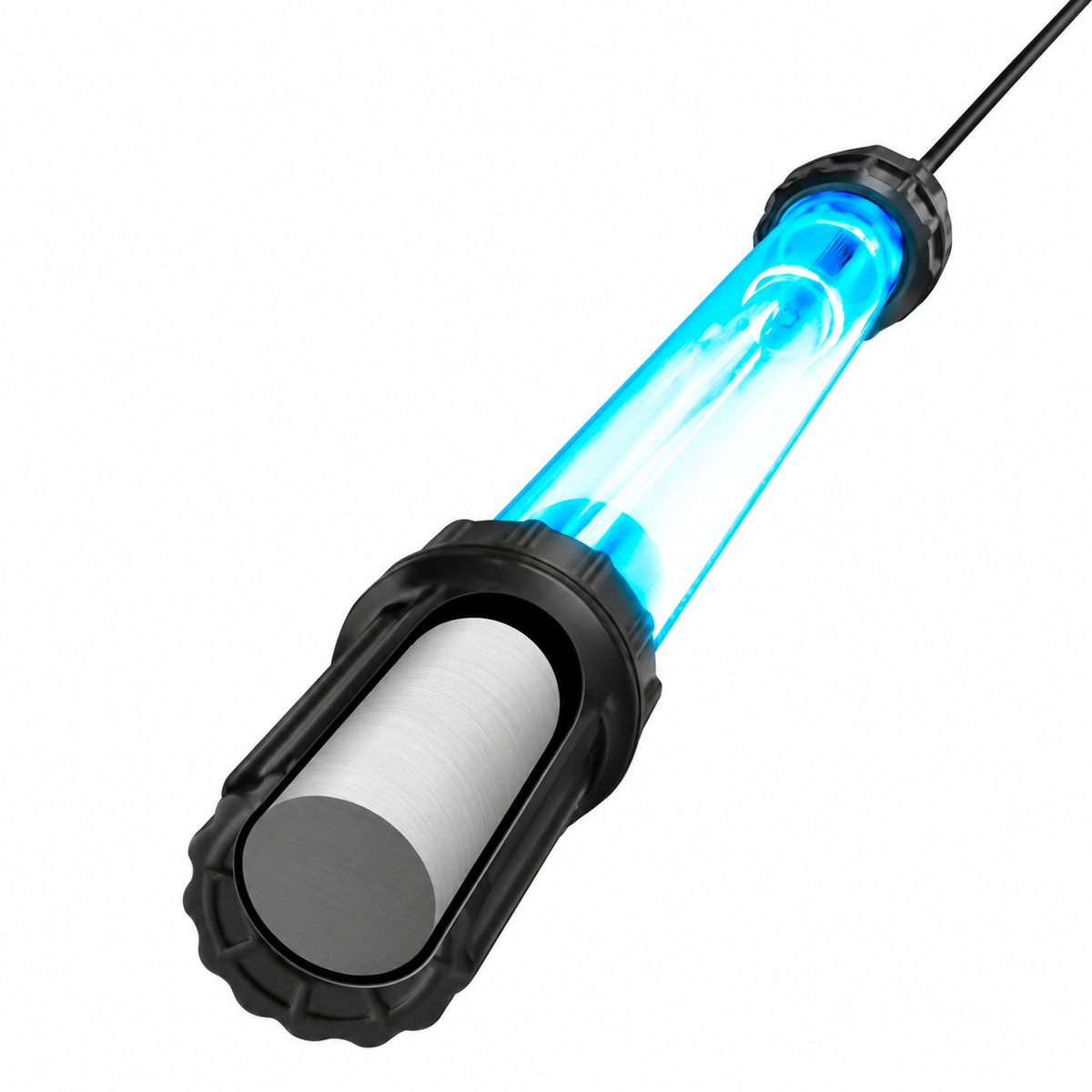
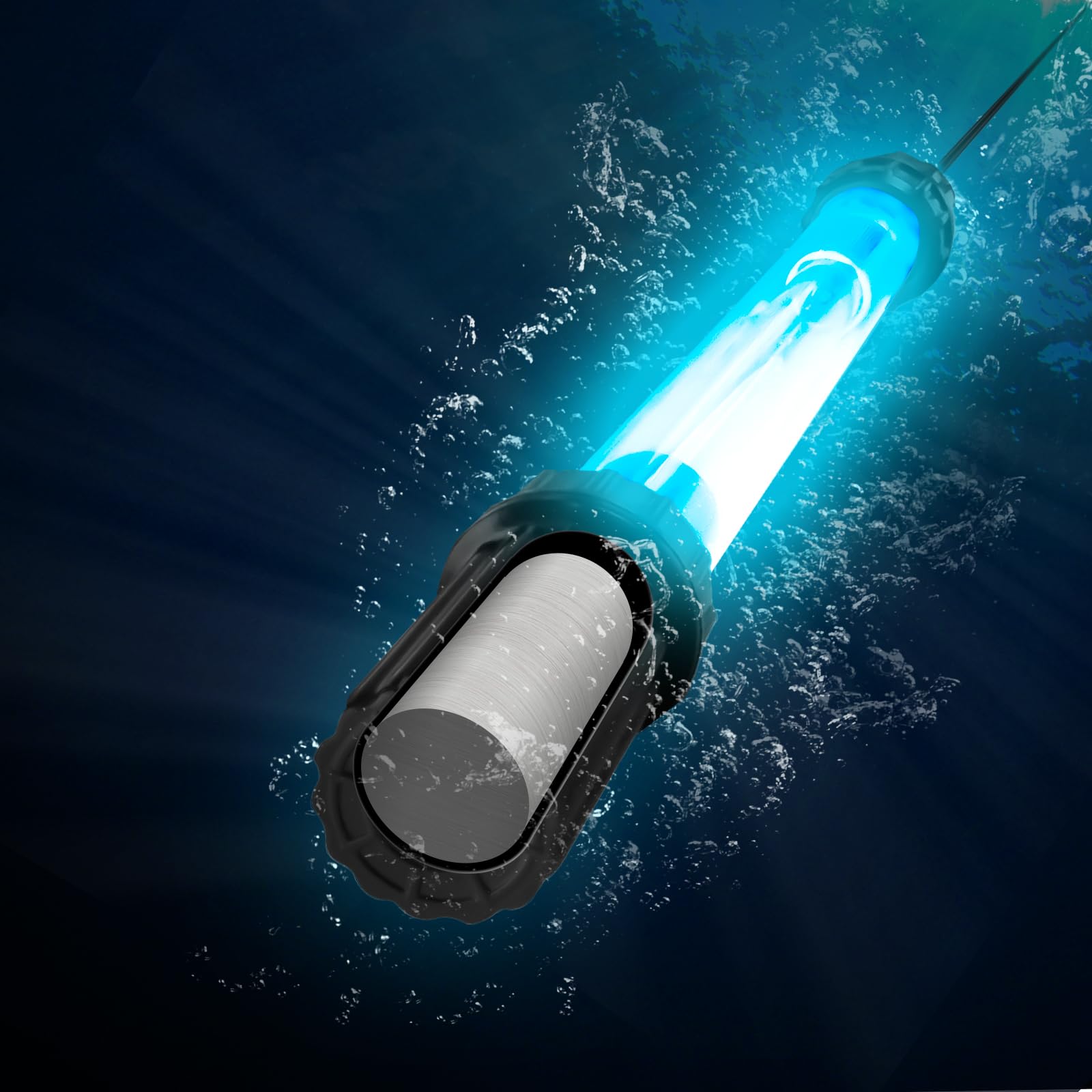
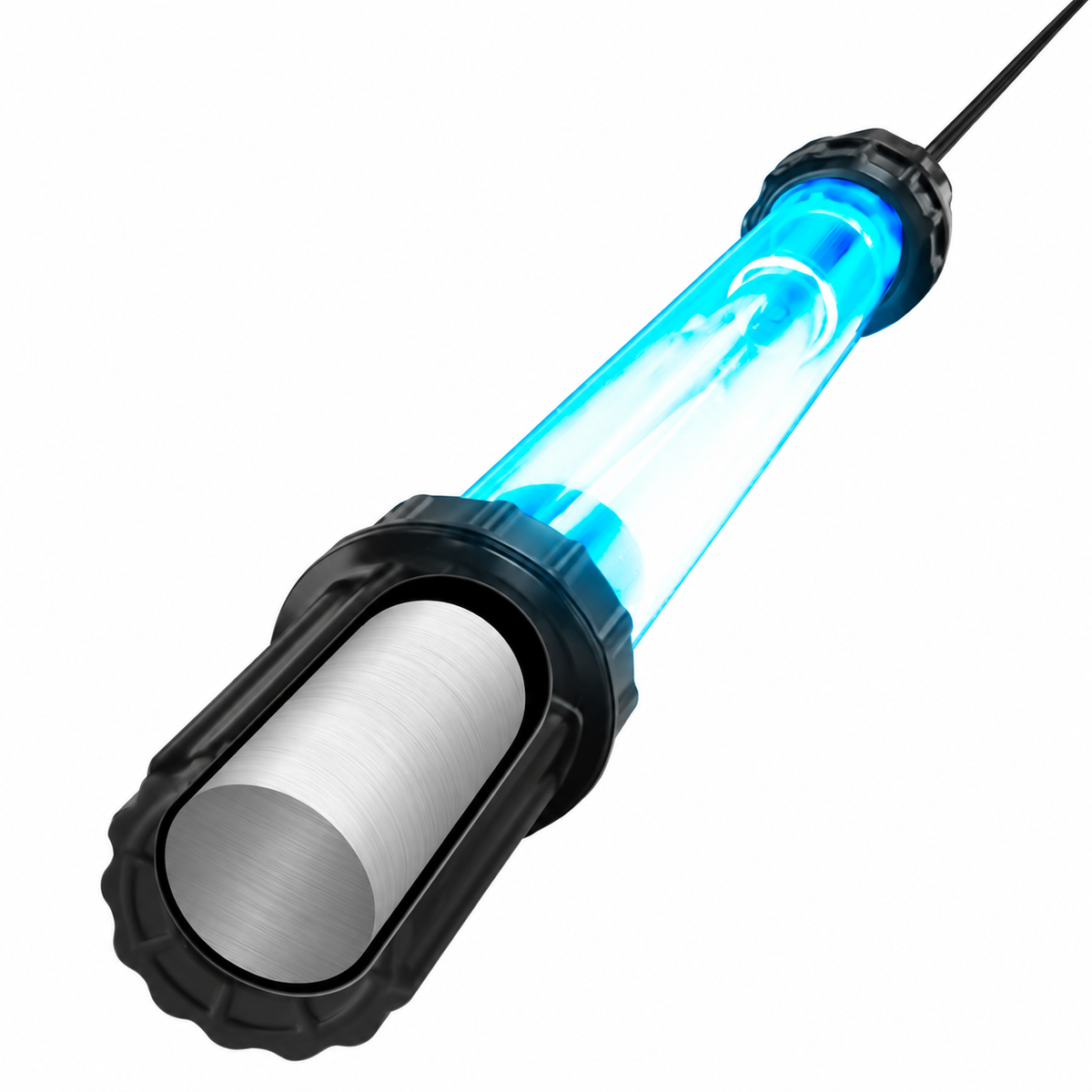
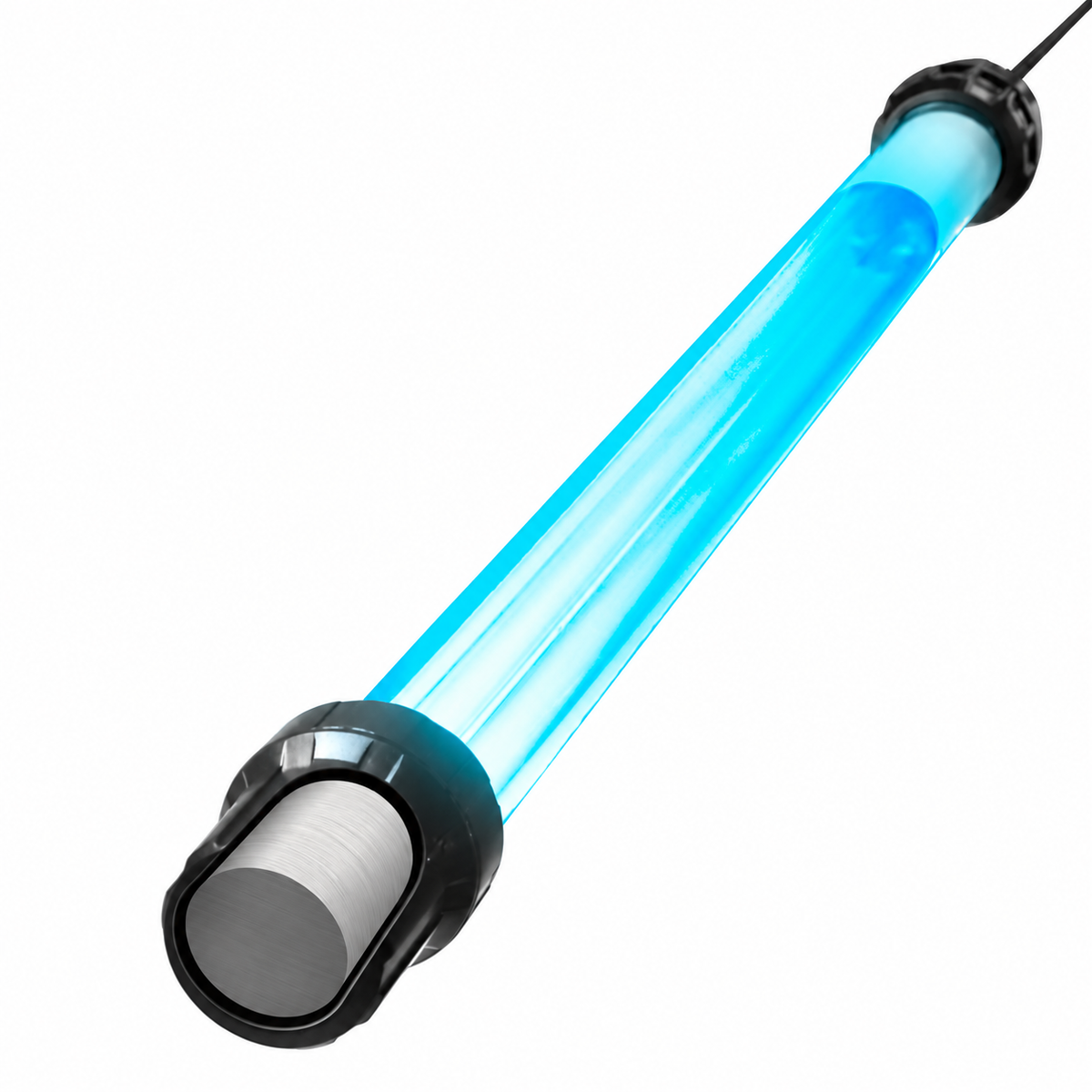
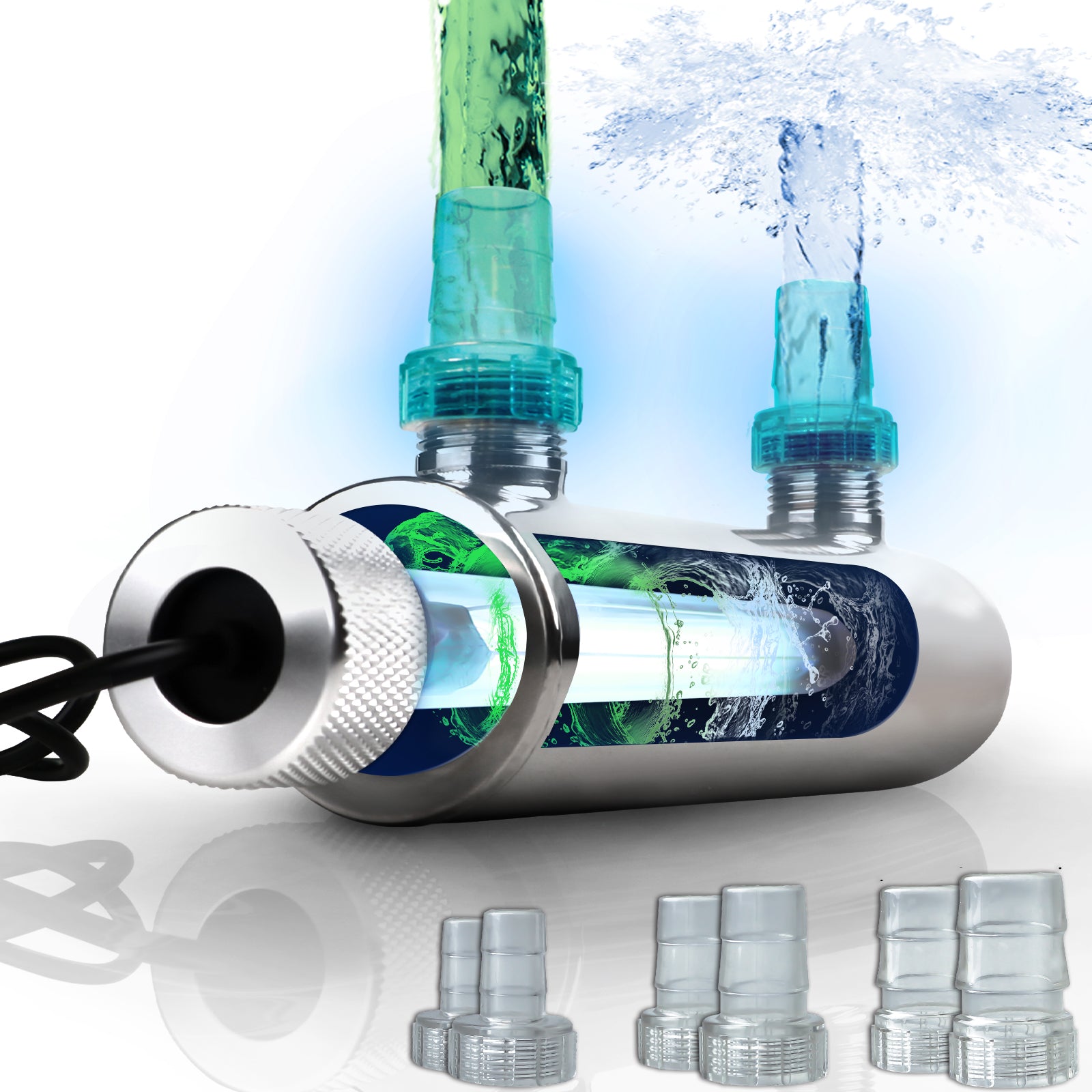
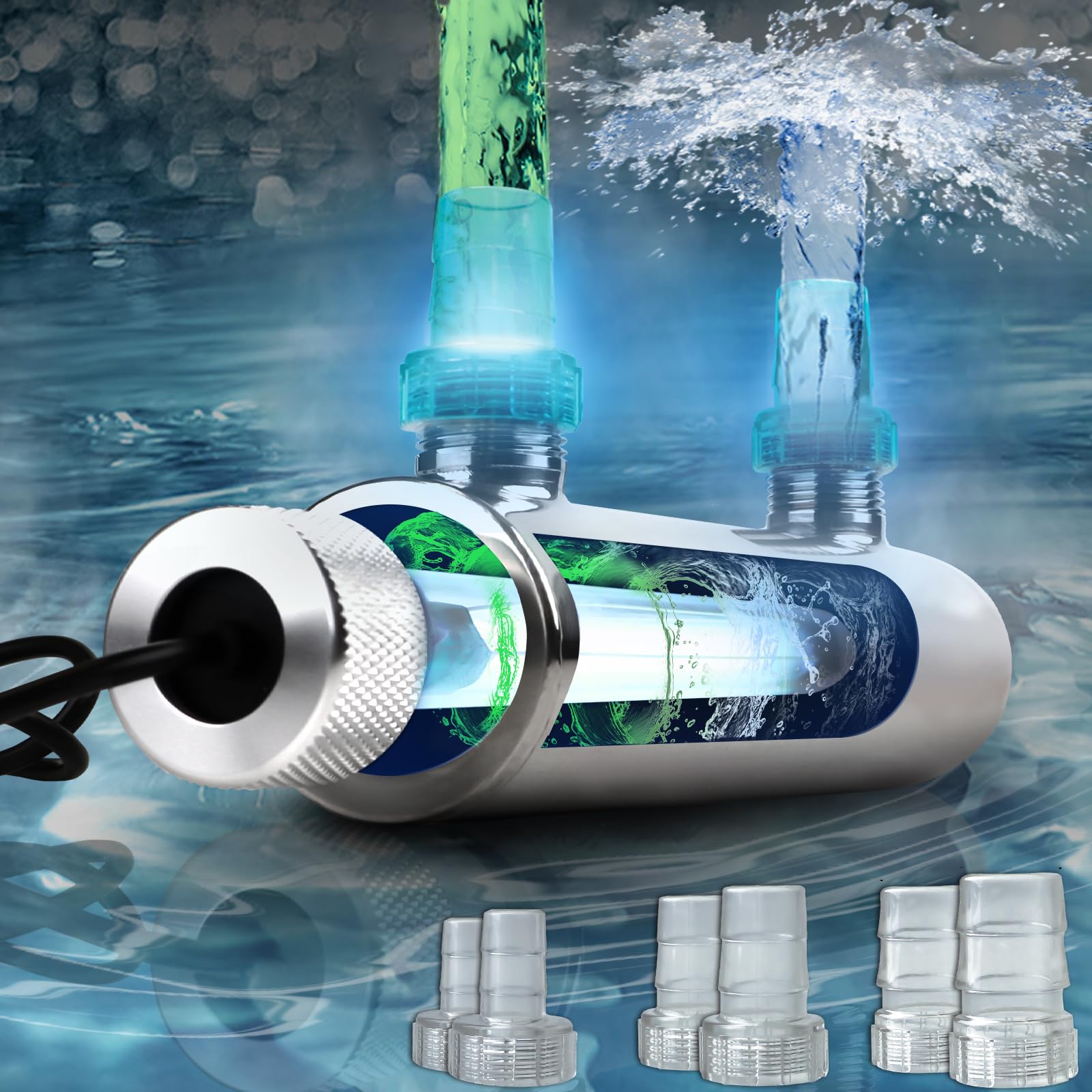
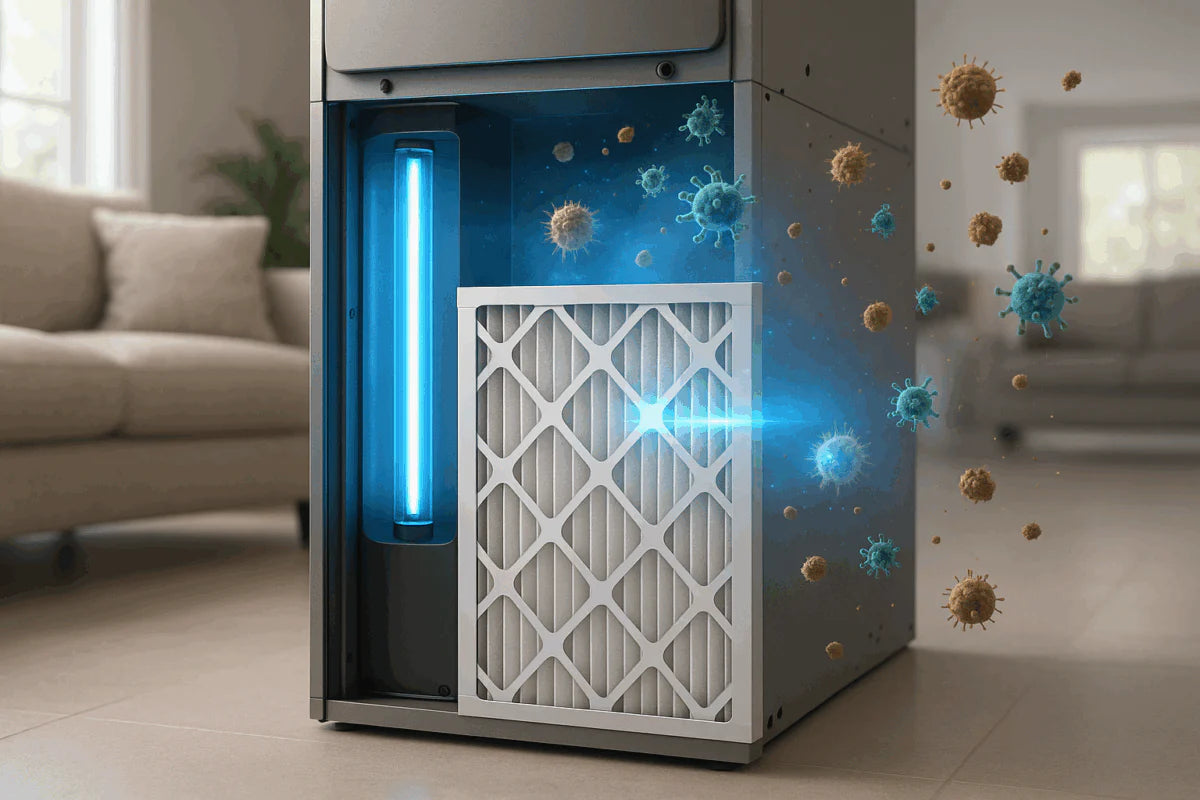
A UV light installed in an HVAC system is a specialized ultraviolet device placed inside air ducts or near system components.
These lights emit UV-C radiation, a specific wavelength known for its germicidal properties.
Unlike visible light, UV-C energy disrupts biological structures at a microscopic level.
Typical installation locations include:
-
Near evaporator coils
-
Inside supply ducts
-
Above drain pans
-
Within air handlers
The goal is to treat air or surfaces as air moves through the system.
The Science Behind UV-C Technology
Ultraviolet light exists in three categories:
-
UV-A (long wavelength)
-
UV-B (medium wavelength)
-
UV-C (short wavelength, germicidal)
UV-C light damages the DNA or RNA of microorganisms, preventing them from reproducing.
It is highly effective against:
-
Bacteria
-
Mold spores
-
Viruses
-
Biofilm growth
However, pollen behaves differently — and this distinction is critical.
Does UV Light Kill Pollen?
Here is where confusion often arises.
Pollen Is Not a Living Microorganism
Pollen grains are reproductive particles from plants. While biological in origin, they are not living organisms like bacteria or mold once airborne.
Because of this:
-
UV light does not “kill” pollen in the traditional sense.
-
UV exposure does not instantly eliminate pollen particles.
However, UV light can still indirectly help reduce allergy symptoms in several important ways.
How UV Lights Actually Improve Indoor Air During Allergy Season
Rather than destroying pollen directly, UV systems improve conditions that influence allergen circulation.
1. Preventing Mold Growth Inside HVAC Systems
Moist HVAC components create ideal environments for mold colonies.
When mold grows on coils or duct surfaces:
-
Airflow spreads spores
-
Irritation compounds allergy symptoms
-
Indoor air quality declines
UV lights continuously sanitize these surfaces, preventing mold buildup that worsens allergic reactions.
For many allergy sufferers, mold exposure amplifies sensitivity to pollen.
2. Keeping Evaporator Coils Clean
Dirty coils reduce airflow efficiency.
Reduced airflow causes:
-
Poor filtration performance
-
Increased particle recirculation
-
Higher humidity levels
UV lights help keep coils free of microbial films, allowing filters to capture pollen more effectively.
3. Supporting Better Airflow and Filtration
Clean HVAC components allow air filters to function at peak efficiency.
Since filters — not UV light — are the primary defense against pollen, anything improving airflow indirectly reduces indoor allergen concentration.
Think of UV lights as optimizing the system rather than acting as the filter itself.
The Critical Role of HVAC Filters in Pollen Removal
If pollen reduction is your goal, filtration remains the most important factor.
Understanding Filter Ratings
Air filters use a rating system measuring particle capture ability.
Higher-efficiency filters trap smaller particles, including pollen.
Effective allergy control often requires:
-
High-efficiency pleated filters
-
Proper filter fit
-
Regular replacement schedules
Without good filtration, UV lights alone cannot control pollen levels.
Why UV and Filtration Work Best Together
UV lights maintain system cleanliness, while filters physically remove particles.
Together they:
-
Improve airflow
-
Reduce microbial growth
-
Increase particle capture efficiency
-
Maintain consistent performance
This combination creates a more stable indoor environment during allergy season.
Airborne vs. Settled Pollen: A Hidden Challenge
Another reason pollen persists indoors is that much of it settles quickly onto surfaces.
Activities such as:
-
Walking
-
Vacuuming
-
Sitting on furniture
-
Opening doors
relaunch particles into the air.
HVAC systems then redistribute them again.
UV lights cannot treat pollen resting on carpets or fabrics, highlighting the need for whole-home strategies.
Where UV Lights Provide the Most Benefit
Homes experiencing these conditions typically see the greatest improvement:
-
High humidity environments
-
Older HVAC systems
-
Visible coil contamination
-
Persistent musty odors
-
Frequent allergy symptoms despite clean filters
In these cases, UV lights address underlying air-quality contributors rather than pollen directly.
Types of HVAC UV Light Systems
Coil Sterilization Lights
Installed near evaporator coils.
Purpose:
-
Prevent microbial buildup
-
Maintain system cleanliness
-
Improve airflow efficiency
These operate continuously.
Air Sterilization UV Systems
Installed inside ductwork to treat moving air.
Air passes by the light briefly, reducing microbial content during circulation.
While effective against microorganisms, exposure time is often too short to significantly alter pollen particles themselves.
Common Misconceptions About UV Lights and Allergies
Myth 1: UV Lights Replace Air Filters
False.
Filters capture particles. UV lights sanitize surfaces and microorganisms.
Both serve different functions.
Myth 2: UV Lights Instantly Remove Allergens
Air quality improvement is gradual and indirect.
Benefits appear over weeks as system cleanliness improves.
Myth 3: One Installation Solves All Allergy Problems
Indoor air quality depends on multiple factors including cleaning habits, humidity control, and ventilation.
UV lights are one component of a larger strategy.
Additional Benefits Beyond Pollen Control
Even though pollen reduction is indirect, UV systems offer several advantages.
Reduced HVAC Maintenance
Cleaner coils mean:
-
Less energy consumption
-
Fewer service calls
-
Improved cooling performance
Odor Reduction
Microbial growth often causes persistent odors.
UV treatment minimizes odor-producing organisms.
Improved System Lifespan
Cleaner internal components experience less strain, extending equipment durability.
Potential Limitations to Consider
UV lights are not universal solutions.
Limitations include:
-
No direct pollen removal
-
Installation cost
-
Bulb replacement requirements
-
Professional installation needed
Understanding realistic expectations prevents disappointment.
Installation Considerations
Proper placement determines effectiveness.
Professional installers evaluate:
-
Airflow patterns
-
Coil positioning
-
Electrical compatibility
-
Exposure safety
Incorrect placement significantly reduces benefits.
Maintenance Requirements
UV bulbs gradually lose intensity even if still glowing.
Typical replacement intervals:
-
Every 9–12 months for optimal performance
Dust buildup on bulbs also reduces effectiveness, requiring periodic inspection.
Safety and Modern UV Systems
Modern HVAC UV systems are enclosed within ducts, preventing human exposure.
Safety features include:
-
Shielded housings
-
Interlock switches
-
Professional mounting standards
Homeowners should never install open UV systems themselves.
Complementary Strategies for Reducing Indoor Pollen
For best results, combine UV lights with proven allergy-control habits.
Upgrade Filtration
Use high-quality filters compatible with your system.
Maintain Indoor Humidity
Ideal range: 40–50%.
Balanced humidity prevents mold growth while minimizing airborne irritation.
Regular Cleaning
Focus on:
-
Vacuuming with HEPA filtration
-
Washing bedding weekly
-
Cleaning curtains and upholstery
-
Removing shoes indoors
Seal Air Leaks
Weatherstripping and sealing reduce outdoor pollen infiltration.
Groom Pets Frequently
Pets often carry pollen indoors unnoticed.
Who Benefits Most From HVAC UV Lights?
UV installations are especially helpful for:
-
Severe allergy sufferers
-
Homes in high-humidity regions
-
Families sensitive to mold
-
Houses running HVAC systems year-round
-
Older systems prone to microbial buildup
For these households, improvements in overall air quality can noticeably reduce symptom severity.
Realistic Expectations: What Changes You May Notice
After installation, homeowners often report:
-
Fresher indoor air smell
-
Reduced musty odors
-
Less dust accumulation
-
More consistent airflow
-
Gradual allergy symptom improvement
The effect is cumulative rather than immediate.
Cost vs. Long-Term Value
Typical considerations include:
-
Installation expense
-
Annual bulb replacement
-
Energy usage (generally minimal)
However, benefits such as improved system efficiency and reduced maintenance can offset costs over time.
The Future of Indoor Air Quality Technology
As awareness of indoor air health grows, HVAC systems are evolving into integrated air-quality platforms.
Modern homes increasingly combine:
-
Advanced filtration
-
UV purification
-
Smart humidity control
-
Continuous monitoring systems
UV technology represents one step toward healthier indoor environments rather than a standalone solution.
Conclusion: Can HVAC UV Lights Reduce Indoor Pollen?
The honest answer is nuanced.
UV lights do not directly remove or destroy pollen particles. Filters remain the primary defense against airborne allergens.
However, UV lights improve HVAC cleanliness, airflow efficiency, and microbial control — all of which contribute to a healthier indoor environment that can reduce overall allergy burden.
When combined with proper filtration, humidity management, and regular cleaning, a UV light installation can become a valuable ally during allergy season.
Instead of viewing UV lights as a miracle cure, think of them as a system optimizer — quietly improving the conditions that allow your home’s air to stay cleaner, fresher, and more comfortable when pollen levels outside are at their worst.
For allergy sufferers seeking long-term indoor relief, that improvement can make a meaningful difference every season.