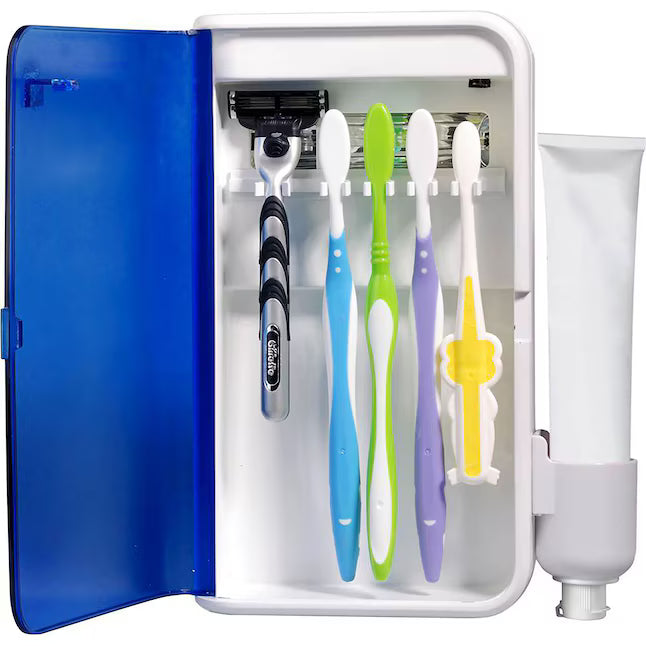
We are living in an era of obsessive hygiene. We sanitize our hands after touching a door handle, we use UV boxes for our smartphones, and we wouldn't dream of using a kitchen sponge for more than a few weeks. Yet, there is one item in our homes that remains a massive blind spot: the humble toothbrush.
Every morning and every night, we take this plastic tool and scrub it against our teeth and gums—the gateway to our internal health. Then, we rinse it off and leave it sitting in a damp, dark bathroom cup, often just feet away from the toilet.
If you knew what was actually living on your bristles, you’d never look at your toothbrush holder the same way again. This is why the UV-C Toothbrush Sanitizer has moved from a "high-tech gadget" to a "household essential." Here is the science behind why your family needs a toothbrush upgrade and how UV-C technology acts as a silent guardian for your oral hygiene.
1. The "Petri Dish" in Your Bathroom
Your mouth is home to over 700 species of bacteria. While many are beneficial, others are responsible for tooth decay, gum disease, and bad breath. When you brush, these microbes—along with food particles and blood—get trapped deep within the bristles.
The Damp Environment Problem
Bathrooms are naturally humid. This moisture prevents your toothbrush from drying completely between uses. Bacteria, mold, and yeast thrive in damp environments. A study by the University of Manchester found that the average toothbrush can be home to more than 100 million bacteria, including E. coli and Staphylococci.
The "Toilet Plume" Effect
In most American bathrooms, the toothbrush holder is located near the toilet. Every time you flush with the lid open, microscopic droplets (known as aerosolized toilet plume) are launched into the air, settling on every surface in the room—including your toothbrush.
2. How UV-C Technology Works
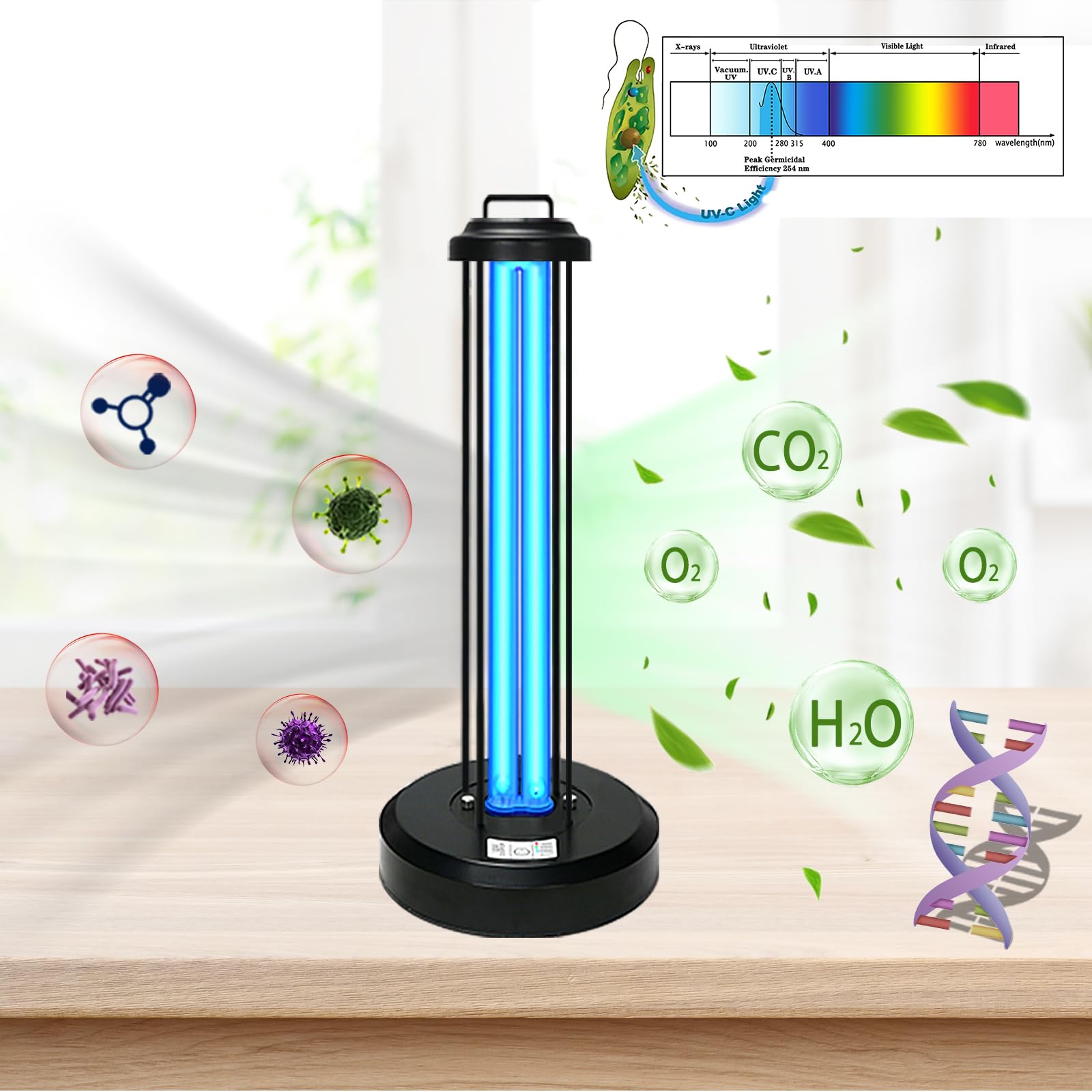
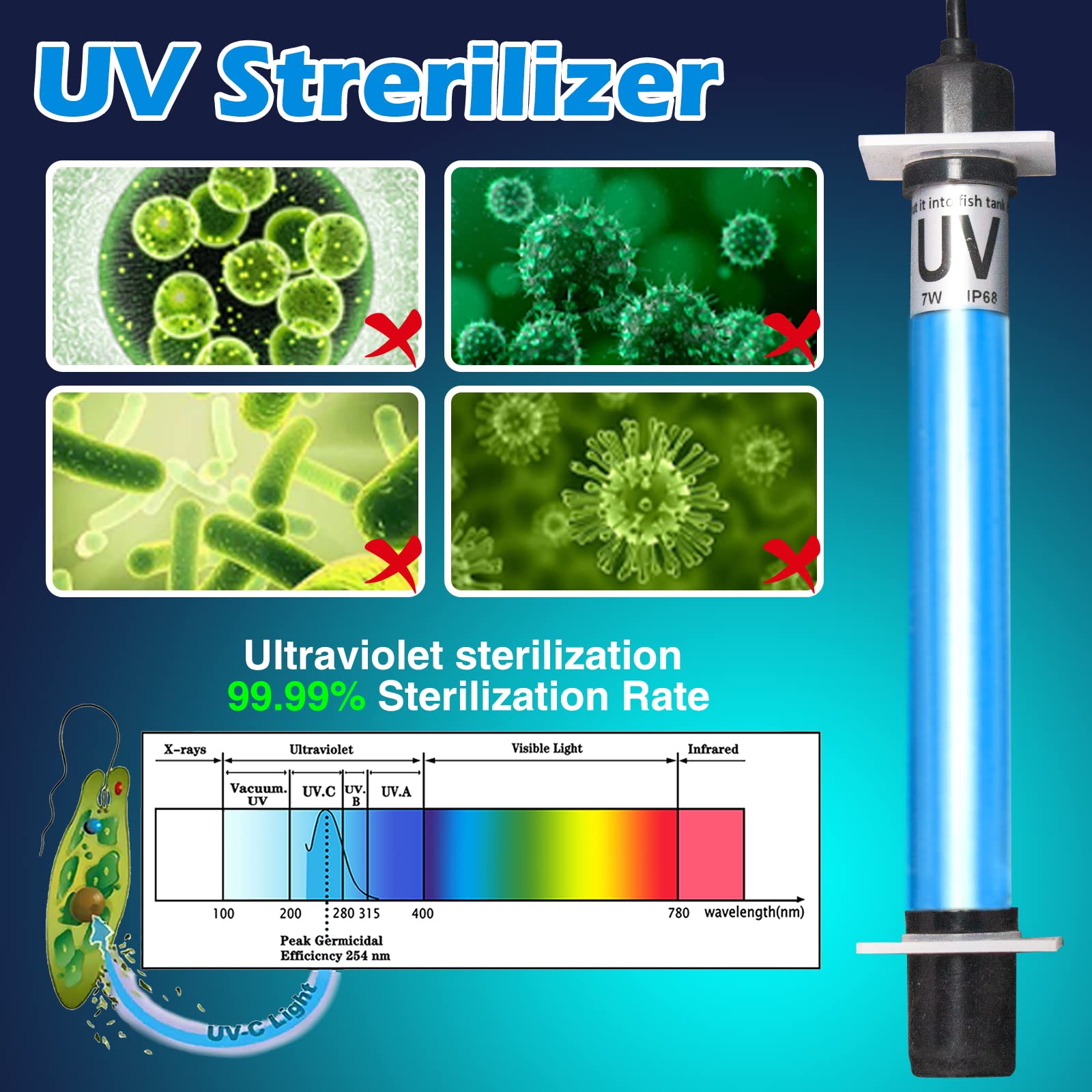
UV-C light is the "short-wave" part of the ultraviolet spectrum, ranging from 200 to 280 nanometers. Unlike the UV-A or UV-B light that reaches us from the sun, UV-C is almost entirely blocked by the Earth's atmosphere.
The Mechanism of Action: When bacteria, viruses, or fungi are exposed to UV-C light, the high-energy photons penetrate the cell walls and disrupt the molecular bonds of their DNA or RNA. This process, known as Thymine Dimerization, renders the microorganisms unable to reproduce or function. In simpler terms: it doesn't just "clean" the bristles; it effectively "kills" the germs at a genetic level.
3. Why Rinsing Isn't Enough
Most people assume that a vigorous rinse under the tap is sufficient. However, water alone cannot penetrate the "biofilm" that bacteria create around themselves for protection.
A UV-C sanitizer provides a 99.9% kill rate of common pathogens that water simply ignores. For families with children, this is especially critical. Kids often have less-than-perfect brushing habits and are more prone to sharing germs at school. A centralized UV-C holder ensures that if one child gets a cold or strep throat, their germs stay on their brush and aren't transferred to the rest of the family through a shared cup.
4. Key Features to Look for in a Family UV-C Holder
If you’re ready to upgrade, don't just buy the first one you see. To protect your family effectively, look for these three "Pro" specifications:
A. Enclosed Design
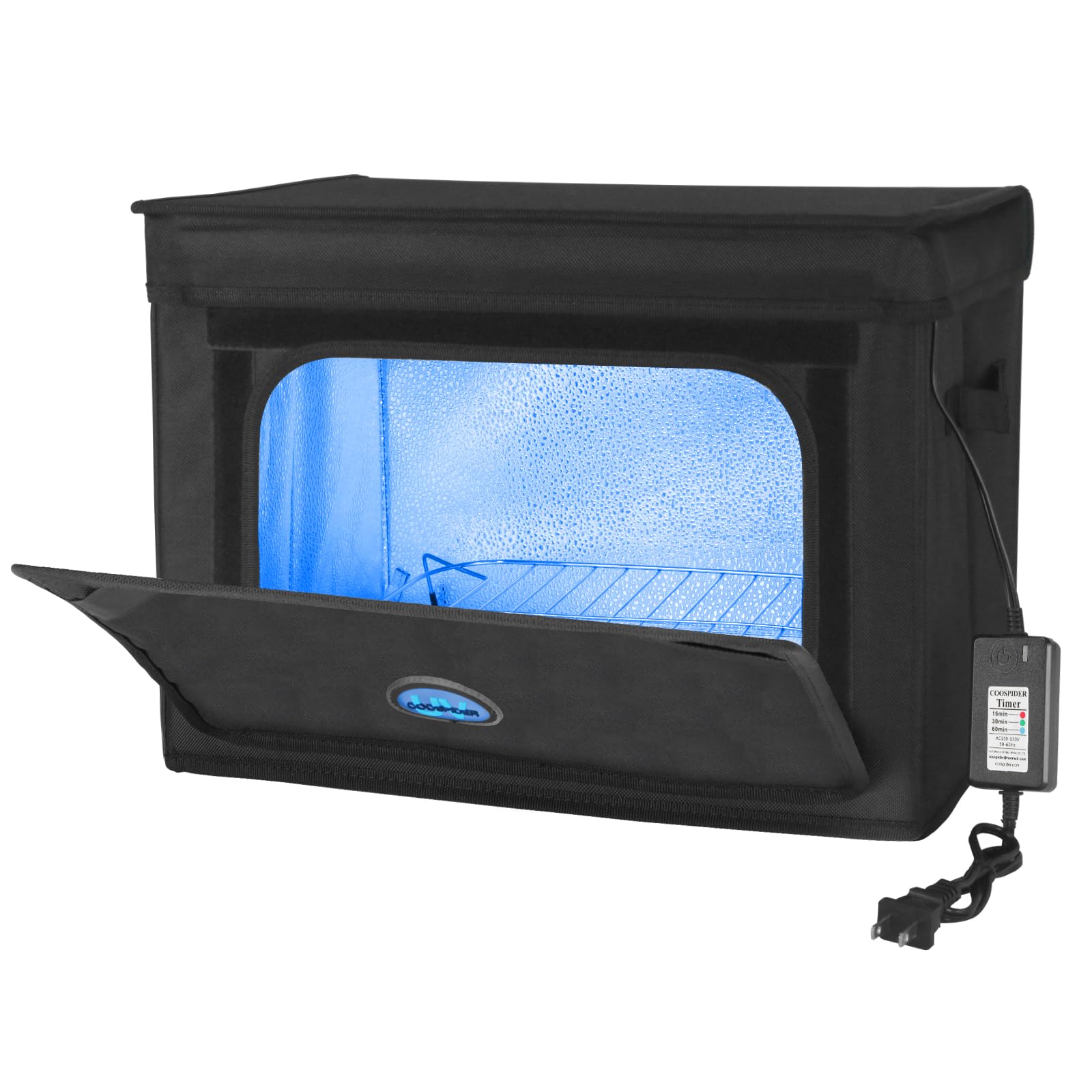
The UV-C light should be completely contained within an opaque housing. This protects your eyes and skin from accidental exposure while ensuring the light reflects off the interior walls to hit the bristles from every angle.
B. Automatic Cycle Timers
The best units feature an automatic sensor. When you place your brush in the holder and close the lid, a 3-to-5-minute cycle begins. This is the optimal "dosage" time required to neutralize the most resilient pathogens.
C. Proper Ventilation
Sanitizing is only half the battle; drying is the other. Look for a holder that includes a small internal fan or a vented design. Killing bacteria with UV-C is great, but preventing new growth by keeping the bristles dry is the "Gold Standard" of hygiene.
5. The Link Between Oral Health and Systemic Health
Modern medicine has proven that the health of your mouth is a mirror of the health of your body. Oral bacteria and the inflammation associated with gum disease (periodontitis) have been linked to:
-
Heart Disease: Bacteria can enter the bloodstream through the gums and contribute to arterial plaque.
-
Diabetes: Gum disease can make it harder for the body to control blood sugar levels.
-
Respiratory Infections: Inhaling bacteria from a contaminated toothbrush can exacerbate lung issues.
By using a UV-C sanitizer, you aren't just preventing cavities—you are adding a layer of protection to your family’s entire immune system.
6. Maintenance: Keeping the Sanitizer Sanitary
Like any health tool, your UV-C holder needs its own maintenance:
-
Wipe the Sensors: Every few weeks, use a Q-tip with a little rubbing alcohol to clean the UV lamp. Dust or dried toothpaste on the lamp can block the UV rays.
-
Empty the Drip Tray: Most holders have a removable tray at the bottom. Empty it weekly to prevent stagnant water from becoming a breeding ground for mold.
Summary: A Small Investment for Big Results
A UV-C toothbrush sanitizer is one of the few home upgrades that offers an immediate, measurable impact on family wellness. It takes a "reactive" hygiene routine and makes it "proactive." For the cost of a few pizzas, you can transform your bathroom from a bacterial breeding ground into a high-tech wellness station.
Don't wait for the next flu season to think about your bristles. Upgrade your holder today and give your family the gift of a truly clean smile.
Is Your Bathroom Air as Clean as Your Brush?
Sanitizing your toothbrush is a great start, but the air quality in your bathroom plays a huge role in overall hygiene.