For new parents, cleanliness quickly becomes a top priority. From bottles and pacifiers to breast pump parts and teething toys, baby feeding equipment comes into constant contact with milk, saliva, and delicate immune systems. Because infants are more vulnerable to bacteria and germs, proper sterilization is often recommended—especially during the first year of life.
In recent years, UV baby bottle sterilizers and dryers have become one of the fastest-growing baby care appliances. Advertisements promise chemical-free sanitation, fast drying cycles, and effortless daily use. Many parents now wonder whether UV sterilizers are truly a smarter alternative to traditional steam sterilizers—or simply another high-tech parenting gadget.
So which method is actually more convenient? And more importantly, which one fits real daily life with a baby?
This in-depth guide compares UV bottle sterilizers and steam sterilization across hygiene performance, usability, safety, maintenance, cost, and long-term practicality to help parents make an informed decision.
Why Baby Bottle Sterilization Matters
Babies, especially newborns, have developing immune systems that are still learning how to fight microorganisms. Feeding equipment can easily become a breeding ground for bacteria because milk residue contains proteins and sugars that microorganisms love.
Common contamination sources include:
-
leftover milk film inside bottles
-
warm, moist environments
-
improper drying after washing
-
repeated handling throughout the day
-
shared surfaces in kitchens
Even when bottles look clean, microscopic bacteria can remain.
Pediatric experts generally recommend sterilizing feeding items regularly during early infancy, particularly for:
-
newborns under 3 months
-
premature babies
-
infants recovering from illness
-
families using formula feeding frequently
While regular washing removes visible residue, sterilization targets microorganisms that standard cleaning may miss.
The Two Most Popular Sterilization Methods Today
Modern parents typically choose between two main technologies:
-
Steam sterilizers
-
UV bottle sterilizers and dryers
Both aim to reduce bacteria, but they work in fundamentally different ways.
Understanding these differences is key to evaluating convenience.
How Steam Sterilization Works
Steam sterilization uses high-temperature water vapor to kill bacteria and microorganisms.
The process is straightforward:
-
Water heats to boiling.
-
Steam fills a sealed chamber.
-
High heat destroys microorganisms on bottle surfaces.
This method has been used for decades and is widely trusted in both medical and household environments.
Typical Steam Sterilization Cycle
-
heating phase: 3–5 minutes
-
steam sterilization: 5–10 minutes
-
cooling period: additional waiting time
Total time often ranges from 10 to 20 minutes, depending on the device.
Advantages of Steam Sterilizers
Proven Effectiveness
Steam sterilization relies on heat, one of the most reliable methods for killing bacteria.
Affordable Devices
Steam sterilizers are typically less expensive than UV units.
Simple Technology
With fewer electronic components, many steam units are easy to operate.
Widely Recommended
Hospitals and pediatric guidelines have long supported steam sterilization.
Limitations of Steam Sterilization
Despite its reliability, steam sterilization has several practical drawbacks.
Wet Bottles After Sterilization
Steam leaves moisture behind. Bottles must air dry afterward, which can take hours.
Residual moisture may allow bacteria to regrow if bottles remain enclosed.
Heat Exposure
Repeated heat cycles can accelerate wear on:
-
plastic bottles
-
silicone nipples
-
pump components
Some materials become cloudy or degrade over time.
Mineral Residue
Hard water may leave white deposits inside sterilizers or on bottles.
Regular descaling becomes necessary.
Kitchen Space and Heat
Steam units release heat and condensation, which may feel inconvenient in smaller kitchens.
How UV Bottle Sterilizers Work
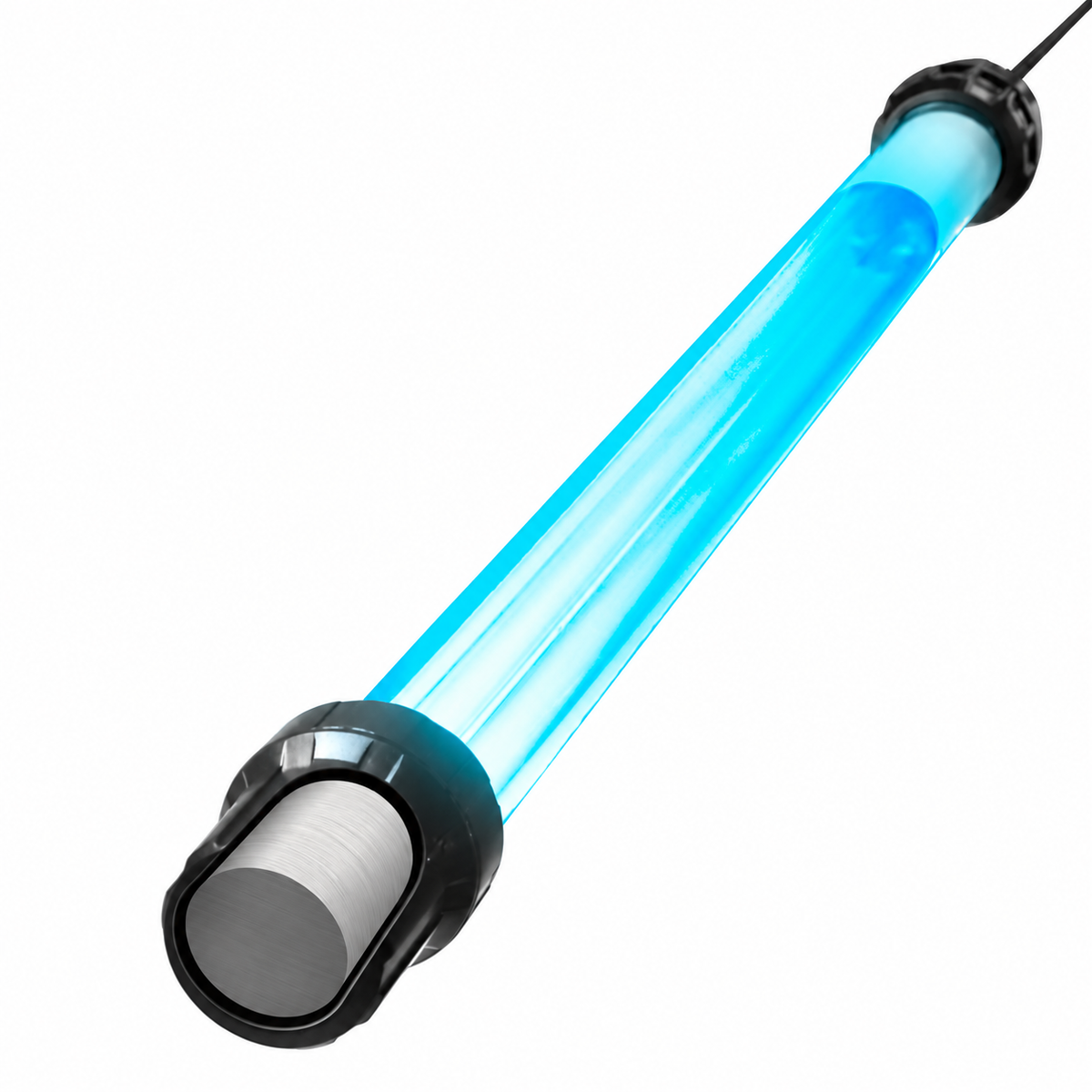
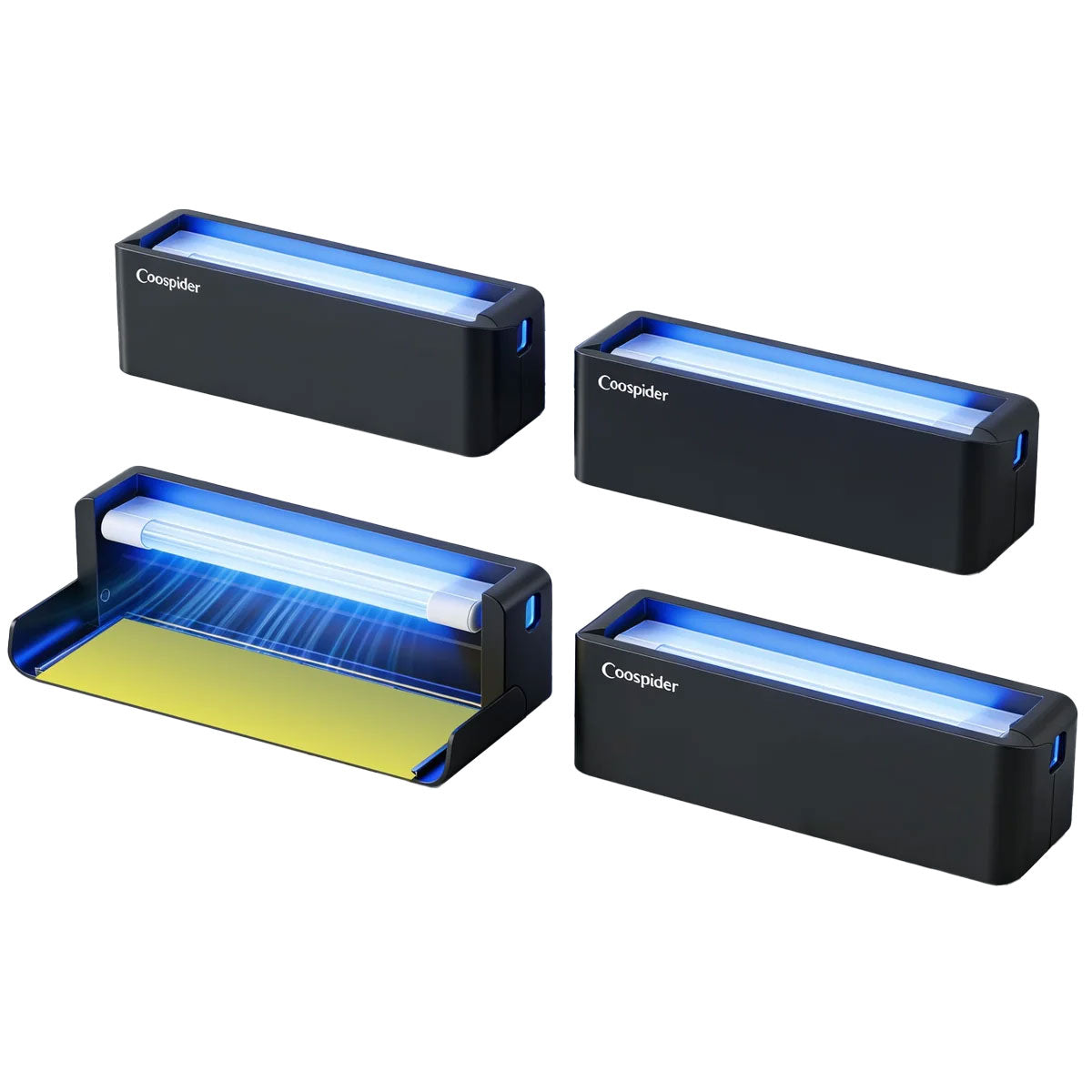
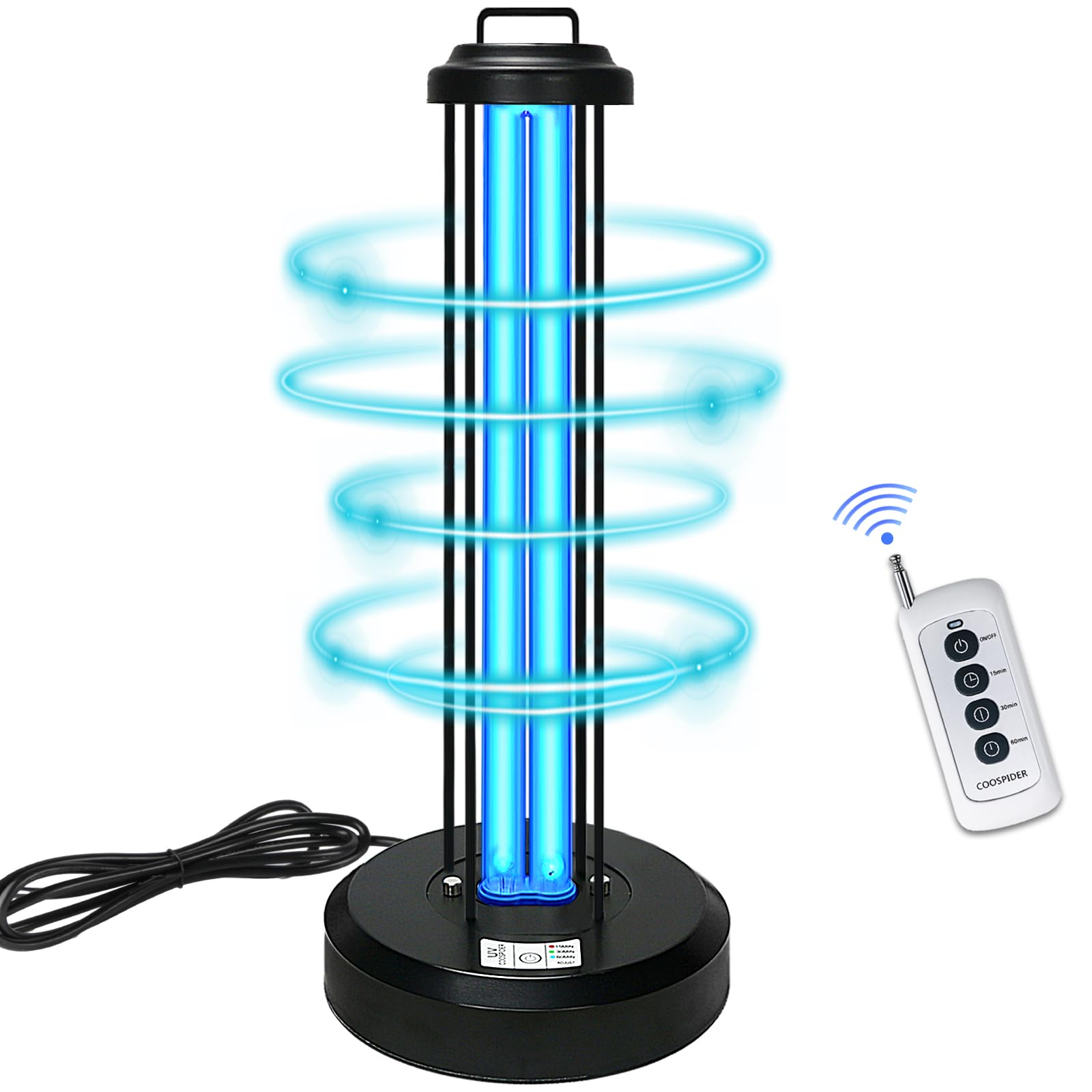
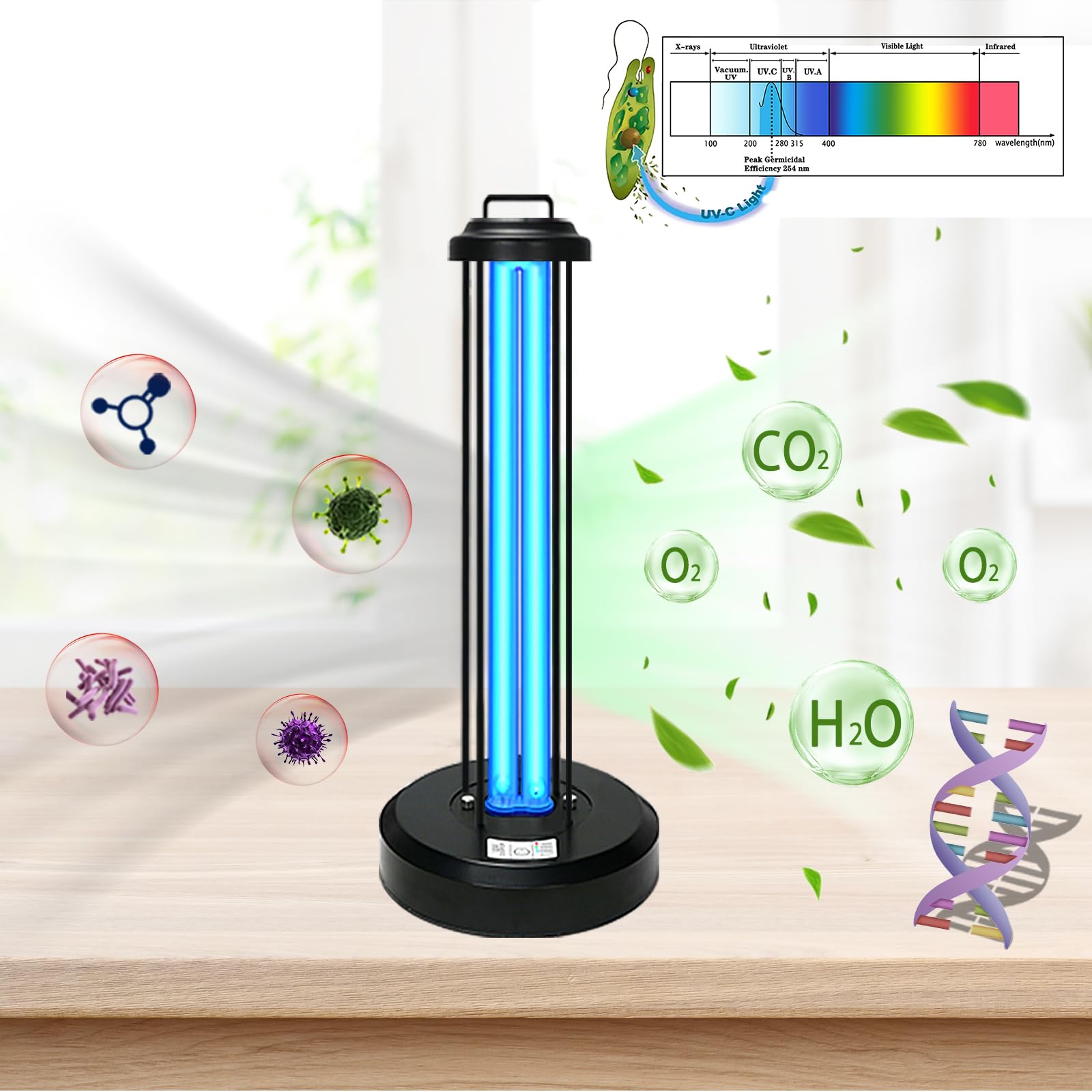
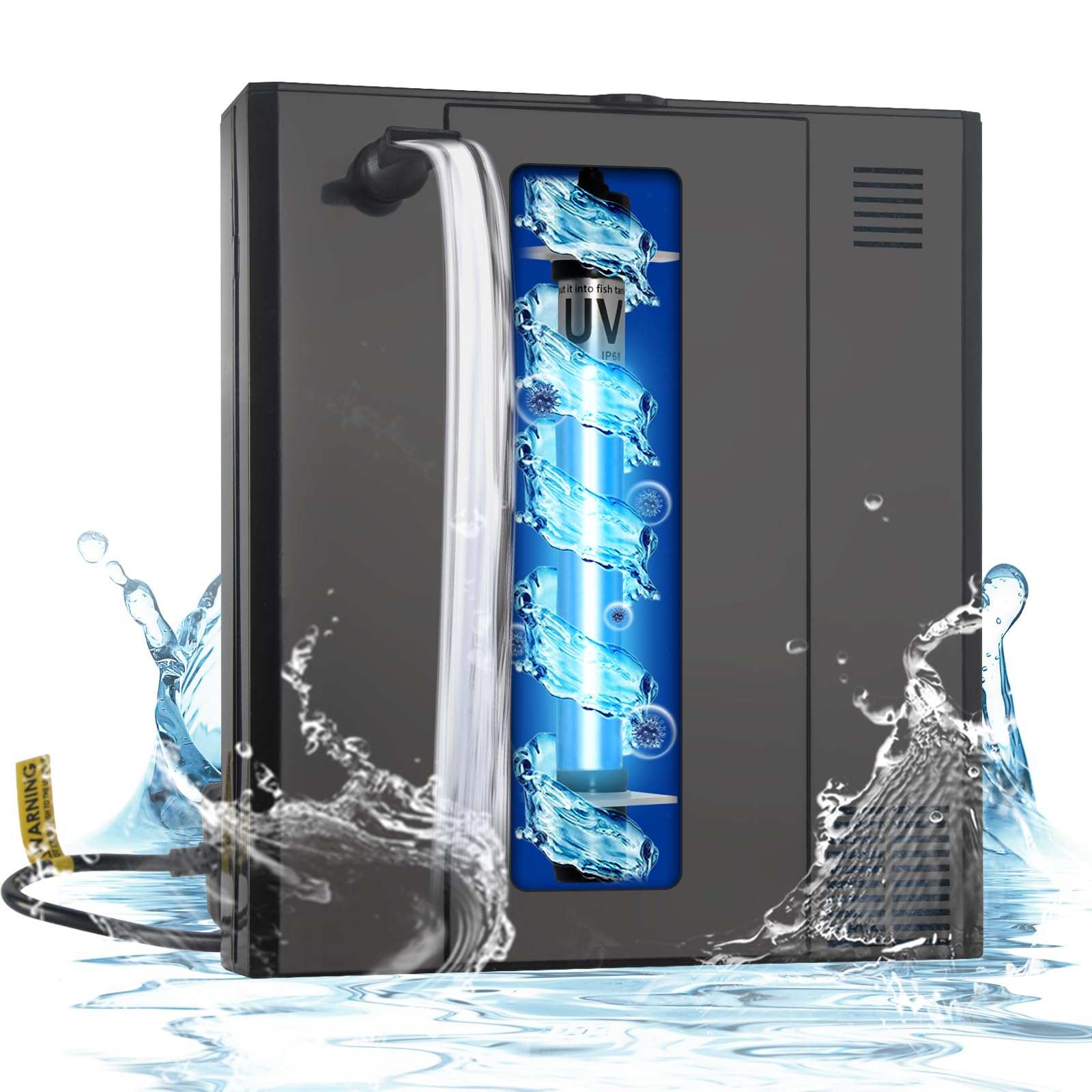
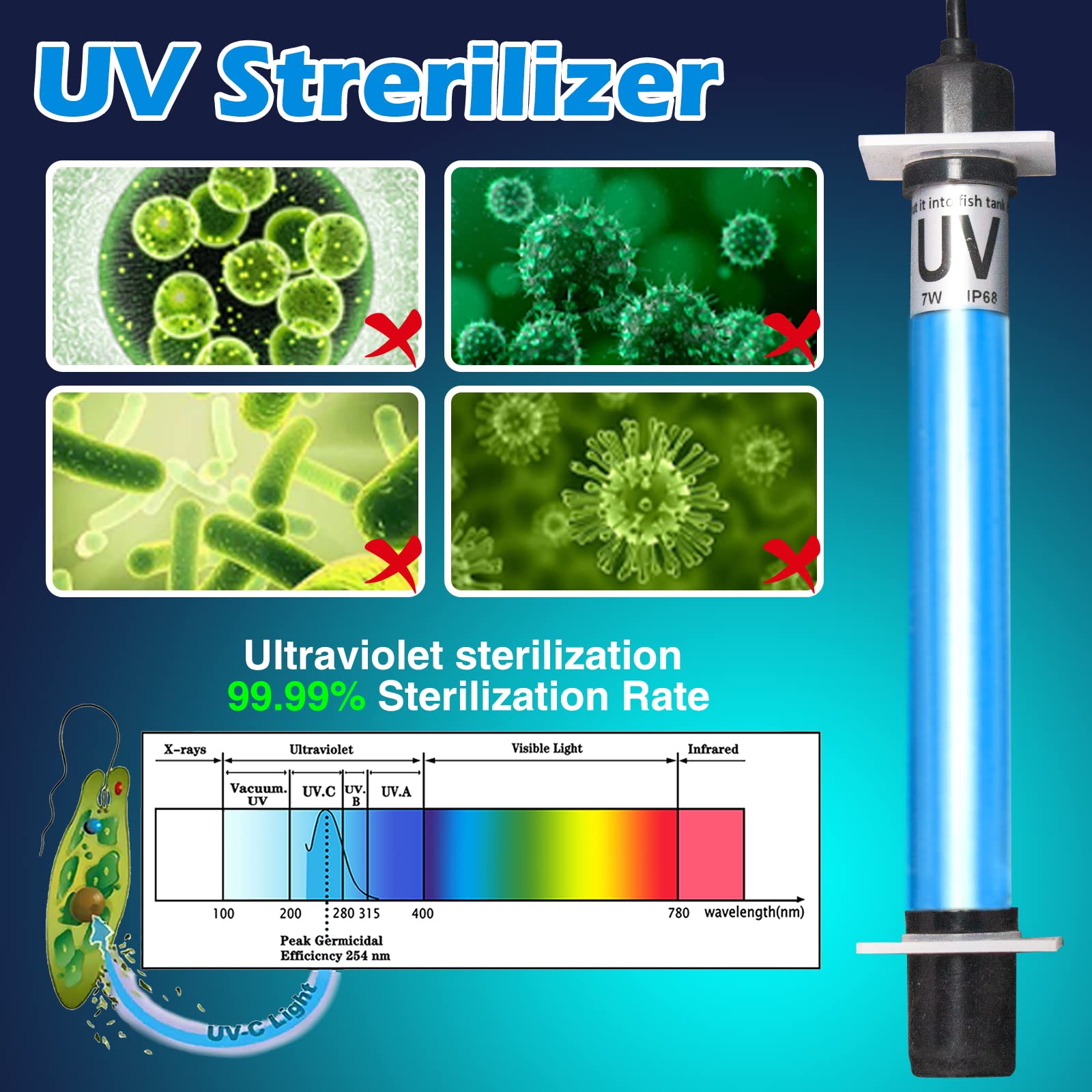
UV sterilizers use ultraviolet-C (UV-C) light to deactivate microorganisms.
UV-C light damages microbial DNA, preventing bacteria and viruses from reproducing.
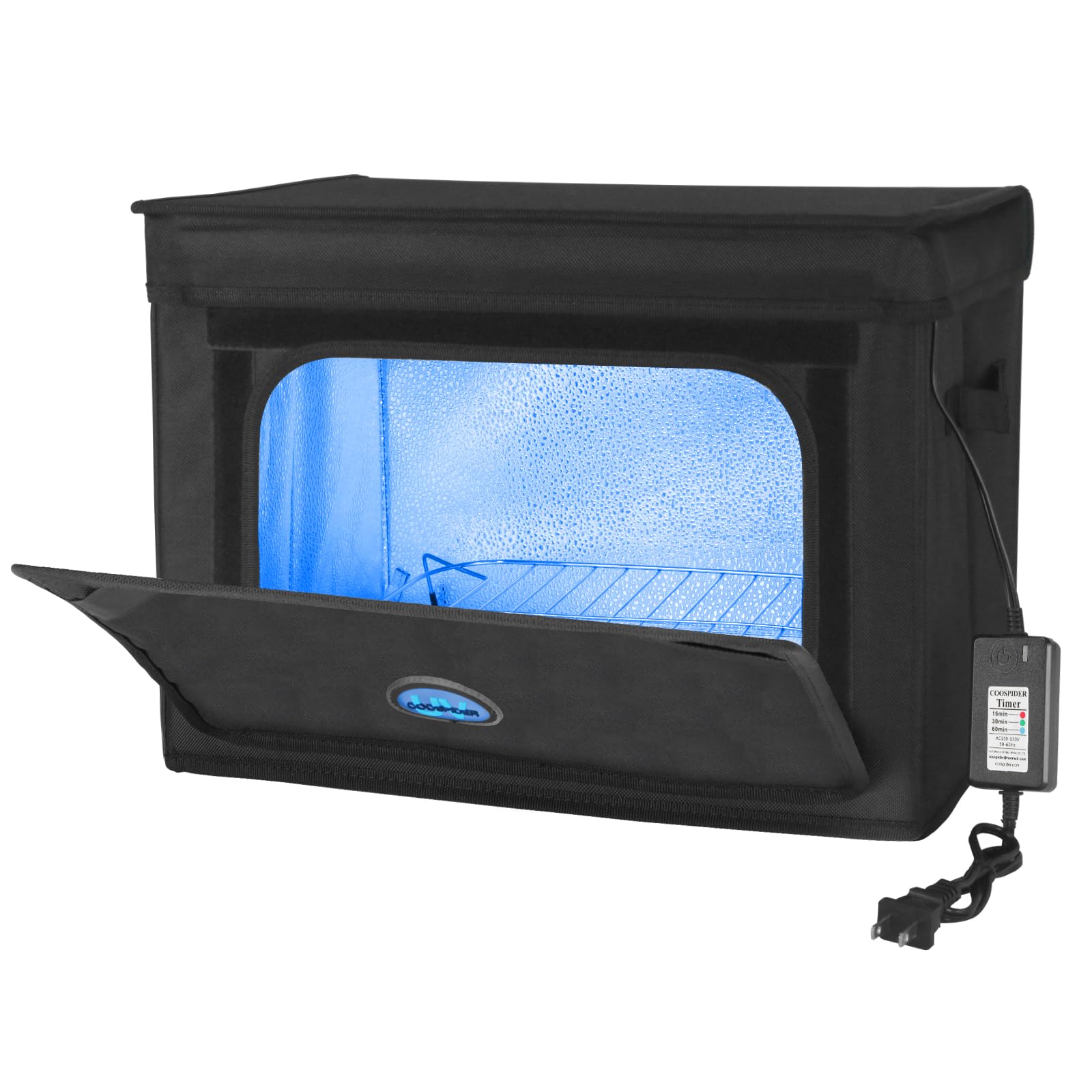
Instead of heat or water, UV sterilizers rely on light exposure inside a sealed chamber.
Many modern units also include:
-
hot air drying systems
-
storage mode
-
automatic sterilization cycles
-
deodorizing functions
Typical UV Sterilization Cycle
A full cycle usually includes:
-
drying phase: 20–40 minutes
-
UV sterilization: 5–15 minutes
-
optional storage mode maintaining cleanliness
Unlike steam systems, bottles come out completely dry.
Convenience Comparison: Daily Life with a Baby
Convenience isn’t just about speed—it’s about how easily a system fits into a busy parenting routine.
Let’s compare real-world usage.
1. Workflow Efficiency
Steam Sterilizer Routine
-
Wash bottles.
-
Add water.
-
Run cycle.
-
Wait for cooling.
-
Air dry bottles separately.
UV Sterilizer Routine
-
Wash bottles.
-
Place inside.
-
Press start.
-
Remove dry, ready-to-use bottles.
UV systems eliminate the separate drying step, which many parents find transformative.
2. Night Feeding Preparation
Middle-of-the-night feedings highlight convenience differences.
With steam sterilization, bottles may still be damp when needed.
UV sterilizers provide dry bottles ready for immediate use.
3. Multi-Item Sterilization
UV chambers can often handle:
-
bottles
-
pacifiers
-
teethers
-
breast pump parts
-
small toys
-
utensils
Steam systems may struggle with heat-sensitive items.
4. Storage Function
Many UV sterilizers maintain a sterile environment by running periodic UV cycles.
This means bottles stay clean until needed—a feature steam sterilizers typically lack.
Hygiene Performance: Which Cleans Better?
Both methods are highly effective when used properly.
Steam Sterilization Strength
Heat penetrates surfaces well and reliably kills microorganisms.
UV Sterilization Strength
UV light is highly effective when it directly reaches surfaces.
However, UV light travels in straight lines.
Items must be arranged carefully so surfaces are exposed without shadows.
Modern designs address this with reflective interiors and multiple UV lamps.
Safety Considerations for Parents
Steam Safety
Potential risks include:
-
hot steam burns
-
handling heated components
-
accidental spills
Careful handling is required after cycles.
UV Safety
UV-C light can harm eyes and skin if exposed directly.
Quality sterilizers include safety features such as:
-
sealed chambers
-
automatic shutoff when opened
-
child locks
When used correctly, exposure risk is minimal.
Maintenance Differences
Steam Sterilizer Maintenance
-
frequent descaling
-
water reservoir cleaning
-
mineral buildup removal
Hard water areas require more maintenance.
UV Sterilizer Maintenance
-
occasional interior wiping
-
lamp lifespan monitoring
-
filter replacement (in dryer models)
UV systems generally require less frequent cleaning.
Energy Consumption Comparison
Steam sterilizers use energy to boil water repeatedly.
UV sterilizers use electricity for lamps and fans but avoid heating water.
Energy differences vary by model, but UV devices often distribute energy use over longer, lower-intensity cycles.
Cost Considerations
Upfront Cost
Steam sterilizers are typically more budget-friendly.
UV sterilizers cost more initially due to advanced components.
Long-Term Value
UV sterilizers may reduce:
-
replacement bottle costs
-
drying racks
-
repeated cleaning cycles
Convenience often becomes the deciding factor rather than price alone.
Which Parents Prefer UV Sterilizers Most?
UV systems are especially popular among:
-
parents pumping multiple times daily
-
families using many bottles per day
-
households with limited drying space
-
parents seeking all-in-one solutions
When Steam Sterilizers Still Make Sense
Steam sterilization remains practical for:
-
minimal bottle usage
-
tight budgets
-
occasional sterilization needs
-
parents comfortable with traditional methods
Common Mistakes Parents Make
Regardless of method, mistakes reduce effectiveness.
Overloading the Sterilizer
Crowded items block steam or UV exposure.
Skipping Pre-Washing
Sterilization is not a substitute for washing.
Milk residue must be removed first.
Using Damaged Bottles
Scratched plastic can harbor bacteria regardless of sterilization method.
Real-Life Convenience Verdict
So is a UV bottle sterilizer truly more convenient?
For many modern households, the answer is yes—but with context.
UV sterilizers simplify daily routines by combining:
-
sterilization
-
drying
-
storage
into a single process.
Steam sterilizers remain effective but require more manual steps.
Convenience ultimately depends on lifestyle rather than technology alone.
Future Trends in Baby Sterilization Technology
The baby care industry continues to innovate with features such as:
-
smart sensors detecting moisture levels
-
hybrid UV and warm-air systems
-
energy-efficient UV-LED technology
-
app-controlled sterilization schedules
As parenting tools evolve, automation and multifunction design are becoming the new standard.
Final Thoughts: Convenience vs Tradition
Both UV and steam sterilization methods are capable of keeping baby feeding equipment hygienic and safe.
Steam sterilizers represent a trusted, time-tested approach grounded in heat sanitation.
UV bottle sterilizers reflect a modern shift toward convenience, automation, and dry storage solutions.
If your priority is simplicity and lower cost, steam sterilization remains a reliable option.
If your priority is time-saving efficiency and ready-to-use bottles, UV sterilization often feels like a meaningful upgrade.
Ultimately, the best sterilization system is the one that fits seamlessly into your daily routine—because consistency matters far more than technology alone.
Key Takeaways
-
Babies benefit from properly sterilized feeding equipment, especially early in life.
-
Steam sterilization uses heat and remains highly reliable.
-
UV sterilizers use light-based sanitation without moisture or heat.
-
UV systems often provide greater day-to-day convenience through drying and storage features.
-
Proper washing before sterilization is essential regardless of method.
Parenting already involves countless decisions. Choosing between UV and steam sterilization doesn’t have to be overwhelming.
By understanding how each method works and how it fits into real daily routines, you can select a solution that keeps both your baby—and your schedule—comfortably supported.