
Expert Insights and Practical Guidance
Mosquitoes scratch an itch, but they can also spread disease. For many families—especially those with pregnant women and infants—mosquito control becomes more than a convenience; it’s a matter of health and safety.
Amid rising demand for chemical-free and energy-efficient solutions, mosquito killer lamps have become popular. They promise to reduce mosquito presence without sprays, odors, or harsh chemicals. However, whenever a product enters the spaces where vulnerable populations spend time, questions emerge:
Are mosquito killer lamps safe for pregnant women?
Are they safe for babies and infants?
Do they pose any risk, direct or indirect?
What does the science really say?
In this detailed guide, we’ll address these questions from multiple angles—biology, technology, product science, and practical safety—to help you make informed decisions rooted in evidence, not fear or hype.
1. Understanding the Mosquito Risk: Why Protection Matters
Before evaluating product safety, it helps to understand why mosquito control is important in the first place—especially for pregnant women and babies.
Mosquitoes Are Not Just Annoying
Mosquitoes are vectors for several diseases that can be particularly concerning for vulnerable populations:
-
West Nile Virus
-
Zika Virus
-
Dengue Fever
-
Chikungunya
-
Malaria (in certain regions)
In pregnancy, certain mosquito-borne illnesses—such as Zika—can lead to serious complications including birth defects.
Infants and very young children, with developing immune systems, can also experience more severe symptoms from mosquito-transmitted diseases.
Therefore, safe and effective mosquito reduction methods are not just cosmetic—they’re a public health priority.
2. Mosquito Killer Lamps: What They Are and How They Work
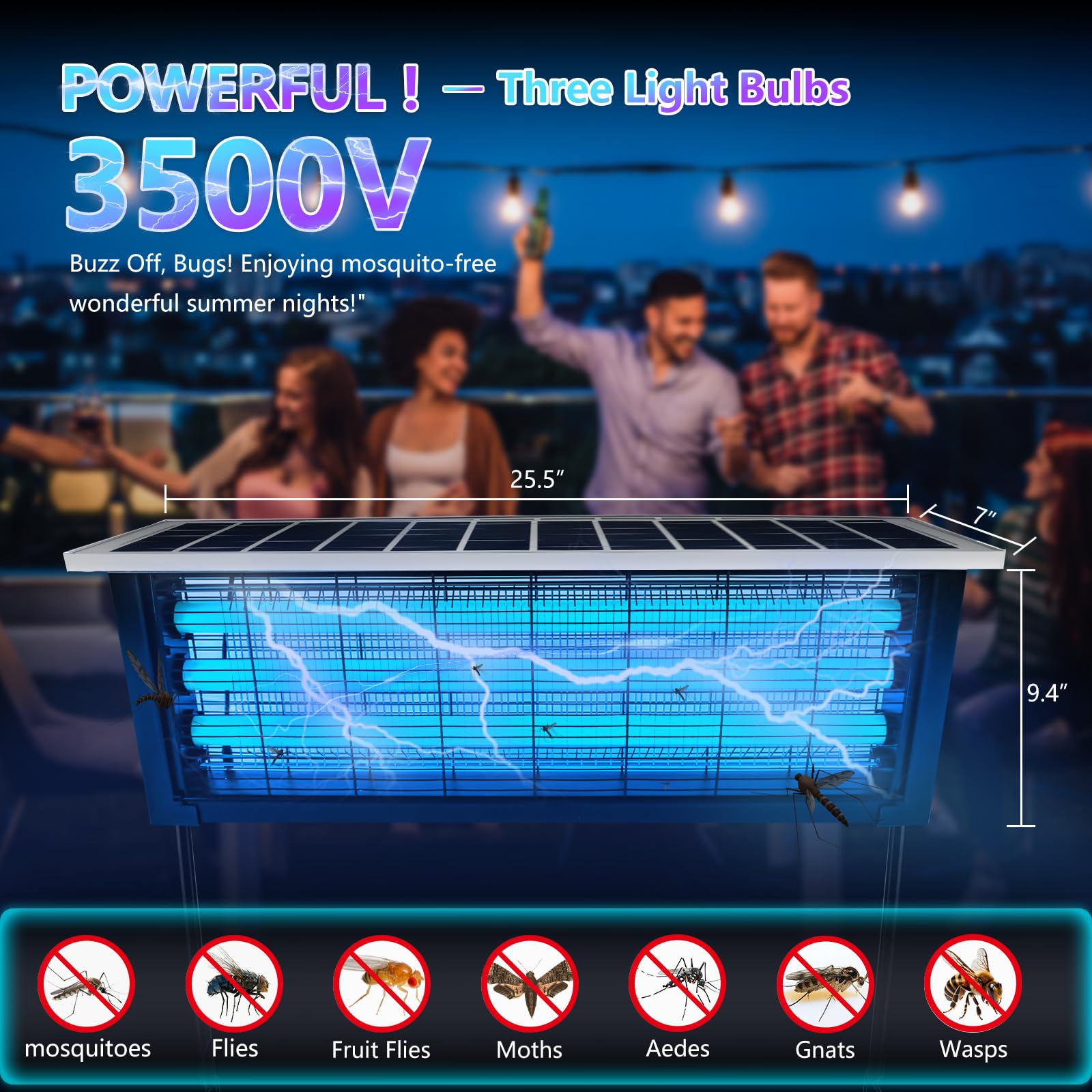
A mosquito killer lamp is an electrical device designed to attract and kill mosquitoes—usually at night or dusk—using a combination of:
-
Light (often UV or near-UV wavelengths)
-
Heat emission
-
Airflow or fan suction
-
Electric grids or trapping chambers
Unlike chemical sprays or diffusers, these devices rely on physical mechanisms rather than toxic substances.
Types of mosquito lamps include:
-
UV light + electric grid zappers
-
UV light + fan suction traps
-
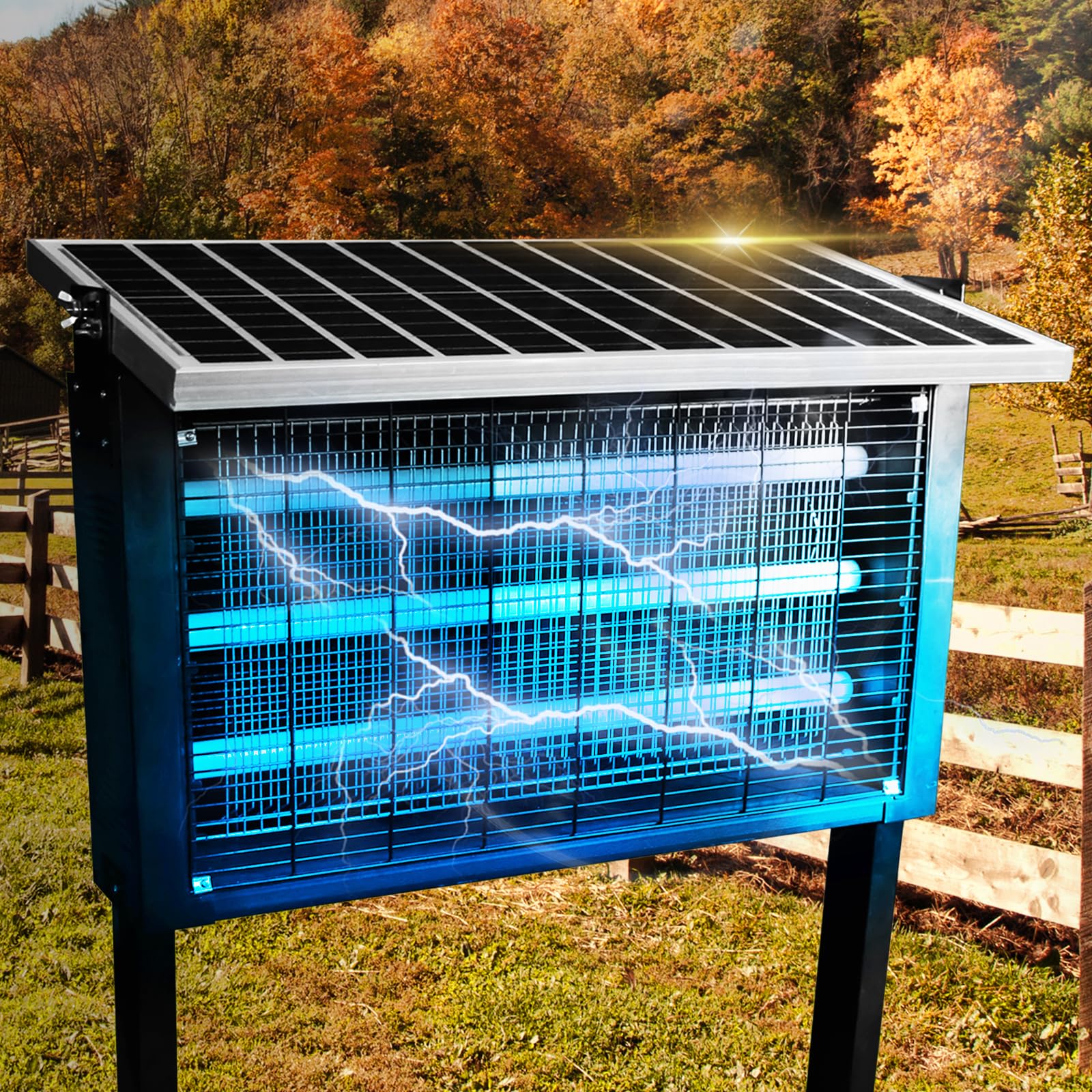
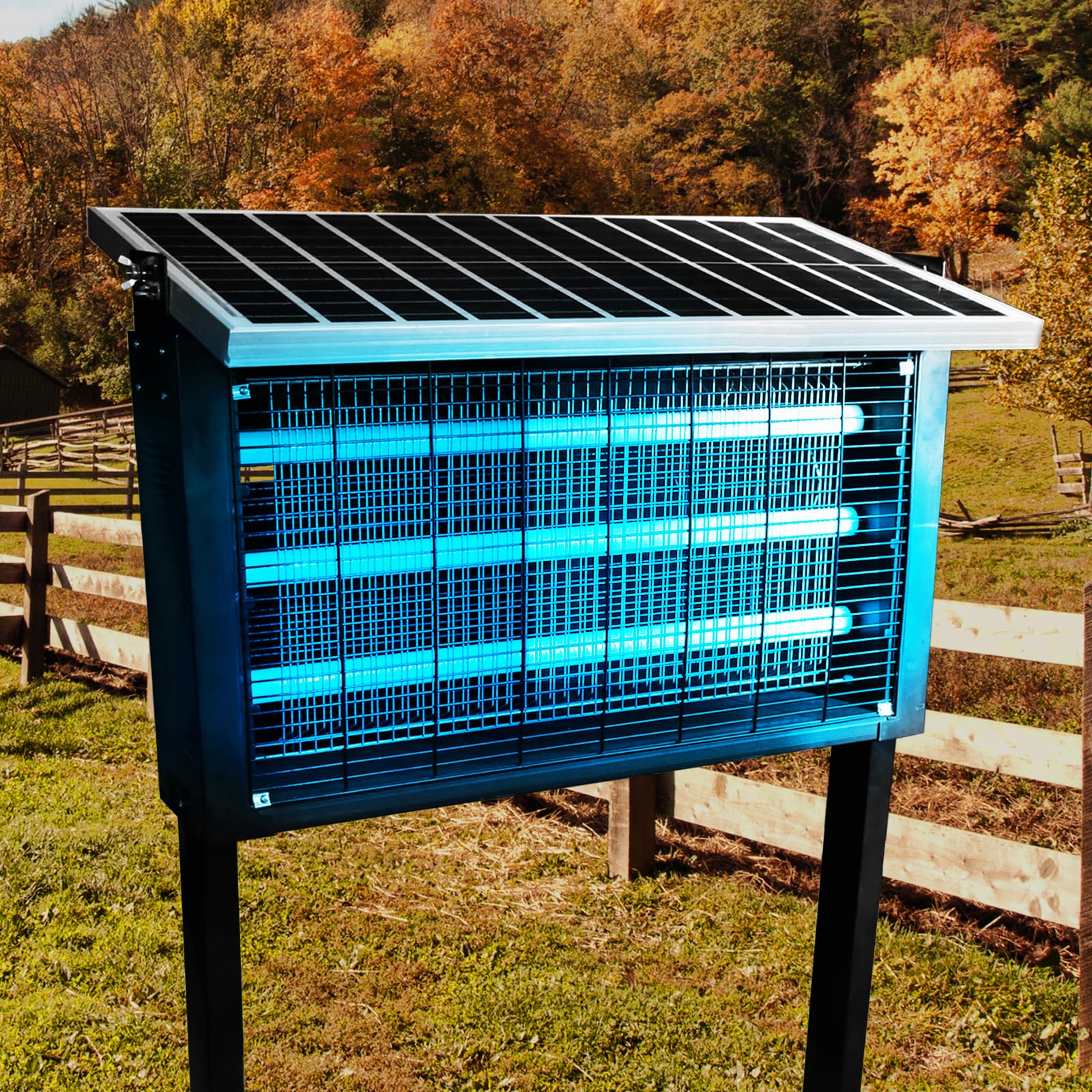
Solar-powered outdoor lamps
-
Attractant-enhanced traps (CO₂, scent mimics)
Not all mosquito lamps are equal—and not all are equally relevant when considering health and safety.
3. Common Safety Concerns for Pregnant Women and Infants
When evaluating any pest control product, two broad types of safety concerns emerge:
A. Direct Exposure Risks
These include:
-
Radiation exposure
-
Electric shock or spark hazards
-
Emissions or byproducts
B. Indirect/Secondary Risks
These include:
-
Attraction of insects into the immediate living space
-
Interference with breathing or air quality
-
Misleading protection (false sense of safety)
We’ll address each in turn.
4. Radiation Safety: Does UV Light Harm Humans?
Many mosquito lamps use ultraviolet (UV) light to attract insects. That raises a natural question:
Is the UV light emitted by these lamps harmful to pregnant women or babies?
What UV Wavelengths Are Usually Used?
Consumer mosquito lamps typically use UV-A or UV-VIS spectrum, which is different from the UV-C band used for germicidal purposes in medical or sanitation settings.
-
UV-A (315–400 nm): lower energy, less biologically reactive
-
UV for insect attraction often sits in the near-UV / visible range
-
These wavelengths are not known to penetrate deeply into human tissue
What Research Says
According to dermatological and photobiology research:
-
Low-intensity near-UV / blue light is not associated with long-term skin DNA damage like UV-B or UV-C
-
Everyday exposure to sunlight includes far more UV-A than a mosquito lamp emits
-
Most consumer mosquito lamps are far below regulatory exposure limits
Conclusion:
From a radiation standpoint, properly manufactured mosquito lamps do not emit UV levels that pose measurable risk to skin or eyes under normal use.
However, avoid staring directly into any light source for prolonged periods, just as you would avoid looking directly at bright sunlight or welding arcs.
5. Electric Grid and Spark Safety
Some lamps use an electric grid that electrocutes insects on contact.
Is That Dangerous to Humans?
No—provided:
-
The device is certified to UL / CE / ETL safety standards
-
It has proper shielding and insulation
-
It is used according to manufacturer instructions
Electric grids are designed with low current that is sufficient to kill small insects but not strong enough to harm humans upon casual contact.
Common safety precautions include:
-
Keeping the device out of reach of children
-
Avoiding metal tools or wet hands near the grid
-
Ensuring proper grounding and no exposed wiring
Pregnant women and infants are not uniquely vulnerable to these low-energy circuits.
6. Chemical Emissions and Air Quality
A major advantage of mosquito lamps over chemical repellents is that they do not release pesticides or volatile chemical compounds into the air.
Many traditional mosquito deterrents—such as coils, sprays, and plug-in diffusers—emit substances that can irritate respiratory systems or carry health risks if overused.
In contrast:
-
Mosquito lamps emit light and electric fields, not chemical fumes
-
They do not alter ambient air chemistry
-
They do not affect breathing or air quality directly
For families especially concerned about chemical exposure—such as those with pregnant members or infants—this can be a significant advantage.
7. Indirect Risks: Attraction, Placement, and Behavior
Even when direct risk is low, indirect risks matter.
A poorly placed mosquito lamp can:
-
Draw mosquitoes toward people instead of away
-
Create zones of activity that increase bite exposure
-
Interfere with sleeping infants if too close to cribs
Scientific field studies and entomology research repeatedly show that light attracts mosquitoes, but the effect depends heavily on:
-
Wavelength
-
Distance
-
Local mosquito species
-
Other attractants (CO₂, heat, human odors)
In environments where humans are closer to the lamp than to actual breeding or habitat areas, attraction effects can inadvertently increase bite rates rather than reduce them.
Best practices:
-
Place lamps behind seating or living areas
-
Keep lamps at a distance from beds, play spaces, and cribs
-
Use them complimentary to other mosquito reduction measures
8. Mosquito Species and Behavioral Variability
Not all mosquitoes respond the same way.
Some species are:
-
More attracted to CO₂
-
More active at dusk or dawn
-
Less responsive to light cues
This means the same mosquito lamp can produce different outcomes in different regions—another reason anecdotal experience can vary widely.
When evaluating safety and effectiveness for your household, understanding local mosquito behavior is helpful.
9. Studies on Mosquito Traps and Attractant Devices
Scientific literature in entomology and vector control consistently shows:
-
Light-only traps capture some mosquitoes, but efficiency varies
-
Light + CO₂ or heat mimics human cues more reliably
-
Light-based traps often catch many non-target insects
In research settings, controlled experiments frequently show partial impact, not complete elimination.
From a safety standpoint, these results tell us two things:
-
The technology is not inherently harmful
-
Its effectiveness is context-dependent
That context matters when evaluating whether to incorporate such devices near vulnerable populations.
10. Pregnancy and Immunological Considerations
Pregnancy alters immune response, circulatory patterns, and metabolic processes.
While mosquito lamps themselves do not pose direct risk, pregnant individuals may be more cautious about mosquito bites due to disease concerns.
Therefore:
-
A mosquito lamp can be part of a strategy
-
It should not be the only tool
-
Layered protection (screens, repellent, habitat reduction) is wise
11. Infant Physiology and Temperature Zones
Infants have:
-
More delicate skin
-
Developing immune systems
-
Higher relative body surface area
-
Sensitivity to environmental stress
However, emissions from mosquito lamps do not involve heat, chemicals, or radiation levels known to harm infants.
Placement recommendations:
-
Keep lamps at least several feet away from cribs and play areas
-
Avoid eye-level direct light exposure, especially at close range
-
Ensure no small parts are accessible to curious hands
12. Comparing Alternatives: Repellents, Coils, and Sprays
When discussing safety, it helps to compare common alternatives:
| Solution | Direct Chemical Exposure | Respiratory Risk | Use Around Babies/Pregnancy | Effectiveness |
|---|---|---|---|---|
| Mosquito Lamps | None | None | High Safety | Moderate Variable |
| Chemical Repellents | Yes | Possible | Use with Caution | High |
| Mosquito Coils | Yes | Yes | Not Recommended | Moderate |
| Netting / Screens | None | None | Very Safe | High (Barrier) |
This context highlights why many families prefer physical or energy-based solutions over chemical ones.
13. Integrated Mosquito Control: A Safer Strategy
Experts agree that no single device eliminates mosquito risk entirely. Most effective programs use multiple layers, such as:
-
Removing standing water (breeding sites)
-
Using window screens and door screens
-
Wearing safe repellents (pregnancy-approved formulas)
-
Using physical barriers (nets)
-
Dependent supplemental devices (lamps/traps)
Layered strategies reduce reliance on any one technology and minimize overall risk.
14. Safety Certifications and Product Selection
When choosing a mosquito lamp, especially for homes with pregnant women and infants, look for:
Safety markings and certifications
-
UL / ETL / CE electrical safety
-
IP ratings (weather resistance)
-
Instruction clarity
Build and design features
-
No exposed grids
-
Sturdy construction
-
Child-proof housing
-
Automatic shut-off sensors
These features reduce secondary risk—such as accidental contact or electrical hazard.
15. Real-World Testimonials vs. Scientific Evidence
User testimonials can be powerful, but they are not scientific data.
Many people report “great results” from mosquito lamps. It is important to recognize:
-
Some reports reflect personal comfort, not mosquito population reduction
-
Others describe perception changes, not bite statistics
-
Testimonials do not control for external variables (season, habitat, wind)
Science and hands-on user experience should be complementary—not interchangeable.
16. Addressing Common Misconceptions
Let’s tackle some popular claims:
1. “Mosquito lamps create harmful radiation.”
— No. Lamps designed for consumer use emit low-intensity wavelengths well within safety standards.
2. “They kill mosquitoes like bugs in cartoons.”
— Not reliably. They kill insects drawn to light, but mosquitoes are primarily attracted to CO₂ and body heat.
3. “They are toxic.”
— No toxic chemicals are emitted by quality mosquito lamps.
4. “They replace other protection.”
— No single tool replaces a comprehensive approach.
17. Best Practices for Safe and Effective Use
For pregnant women and infants, follow these guidelines:
-
Use mosquito lamps as supplemental tools, not your sole defense.
-
Place lamps away from direct living or sleeping areas to prevent drawing insects toward people.
-
Combine with screens, nets, and habitat reduction.
-
Choose products with safety certifications and sturdy designs.
-
Avoid direct gaze into any light source from a close distance.
-
Clean and maintain devices regularly to ensure proper function.
18. Research Gaps and What Science Still Needs to Confirm
While much entomological research exists on mosquito behavior and control, gaps remain:
-
Long-term field studies on specific lamp models
-
Controlled comparisons across regions and species
-
Standardized effectiveness metrics in real homes
Until such data is abundant, prudent interpretation—rather than absolute claims—is recommended.
19. Healthcare Recommendations: What Experts Suggest
Healthcare professionals generally recommend:
-
Barrier methods (nets, screens)
-
Pregnancy-safe repellents confirmed by medical professionals
-
Environmental management (standing water removal)
-
Mosquito lamps as supplemental, not primary, tools
If in doubt, consult a pediatrician or obstetrician familiar with local mosquito-borne disease risks.
20. Final Analysis: Safety and Effectiveness in Perspective
Are mosquito killer lamps safe for pregnant women and babies?
Yes, when used properly, with attention to placement and in combination with other protective measures.
Are they guaranteed to eliminate mosquitoes?
No. Their effectiveness varies by species, environment, and device design.
Effective mosquito management is about risk reduction, not perfection.
Conclusion: Informed, Balanced, and Family-Friendly Protection
Pregnancy and early childhood are special periods that call for thoughtful, evidence-based decisions. Mosquito killer lamps—when chosen wisely and used responsibly—can be part of a broader, safer, and more sustainable mosquito control strategy.
By combining scientific understanding with practical guidance, families can enjoy outdoor time, reduce bite risk, and minimize reliance on chemicals—all while maintaining peace of mind.
Ultimately, the safest choice is not a single product but an integrated approach grounded in science, common sense, and thoughtful application.