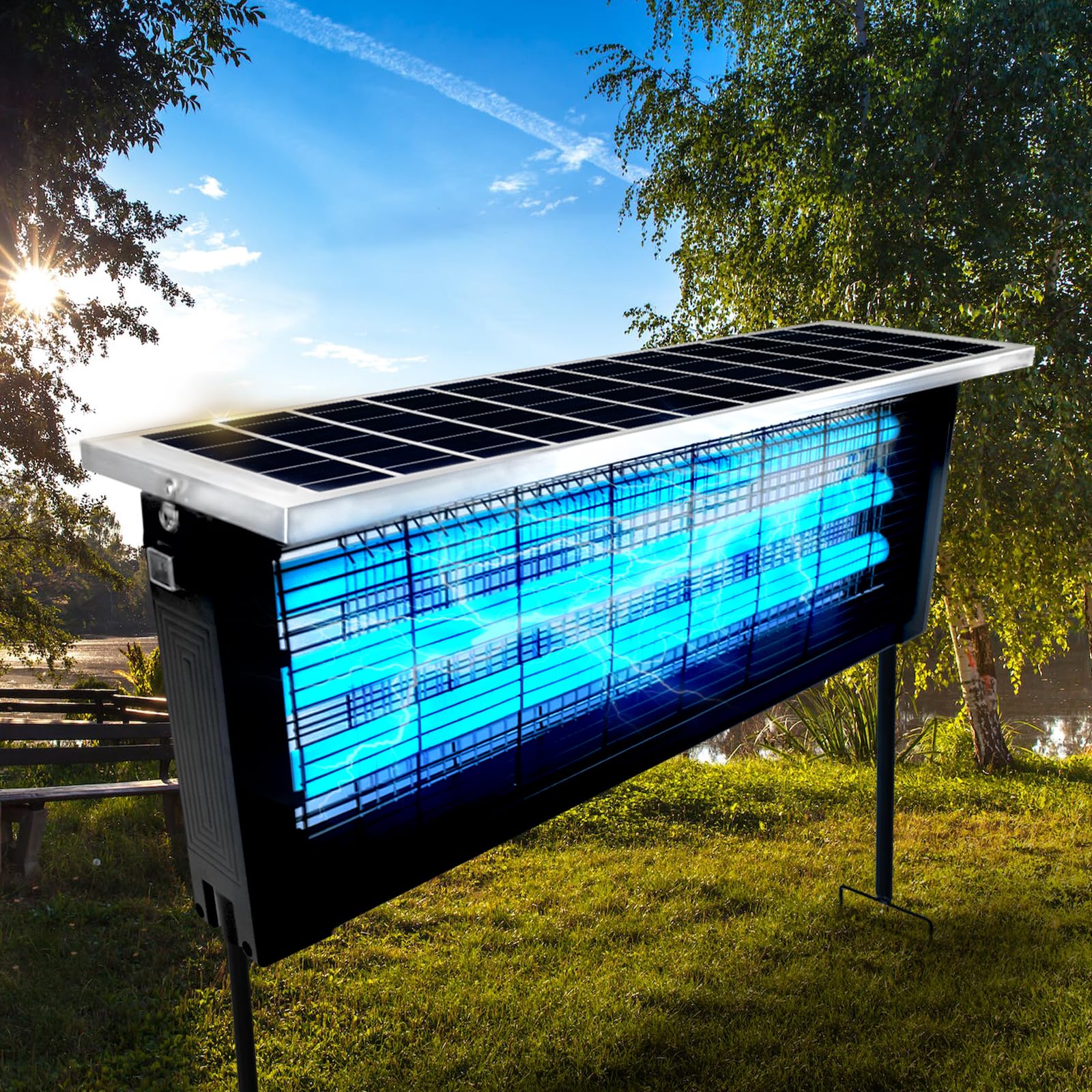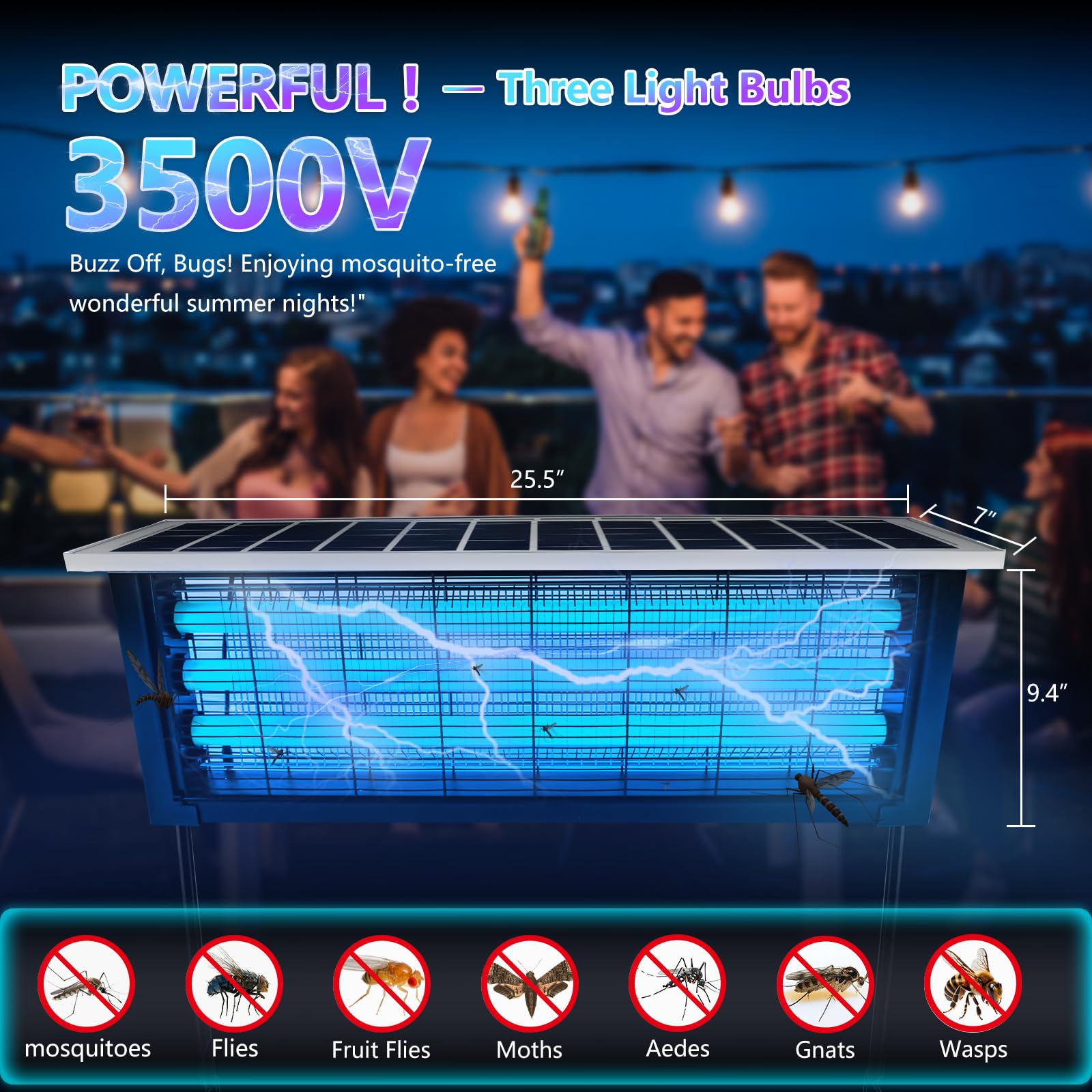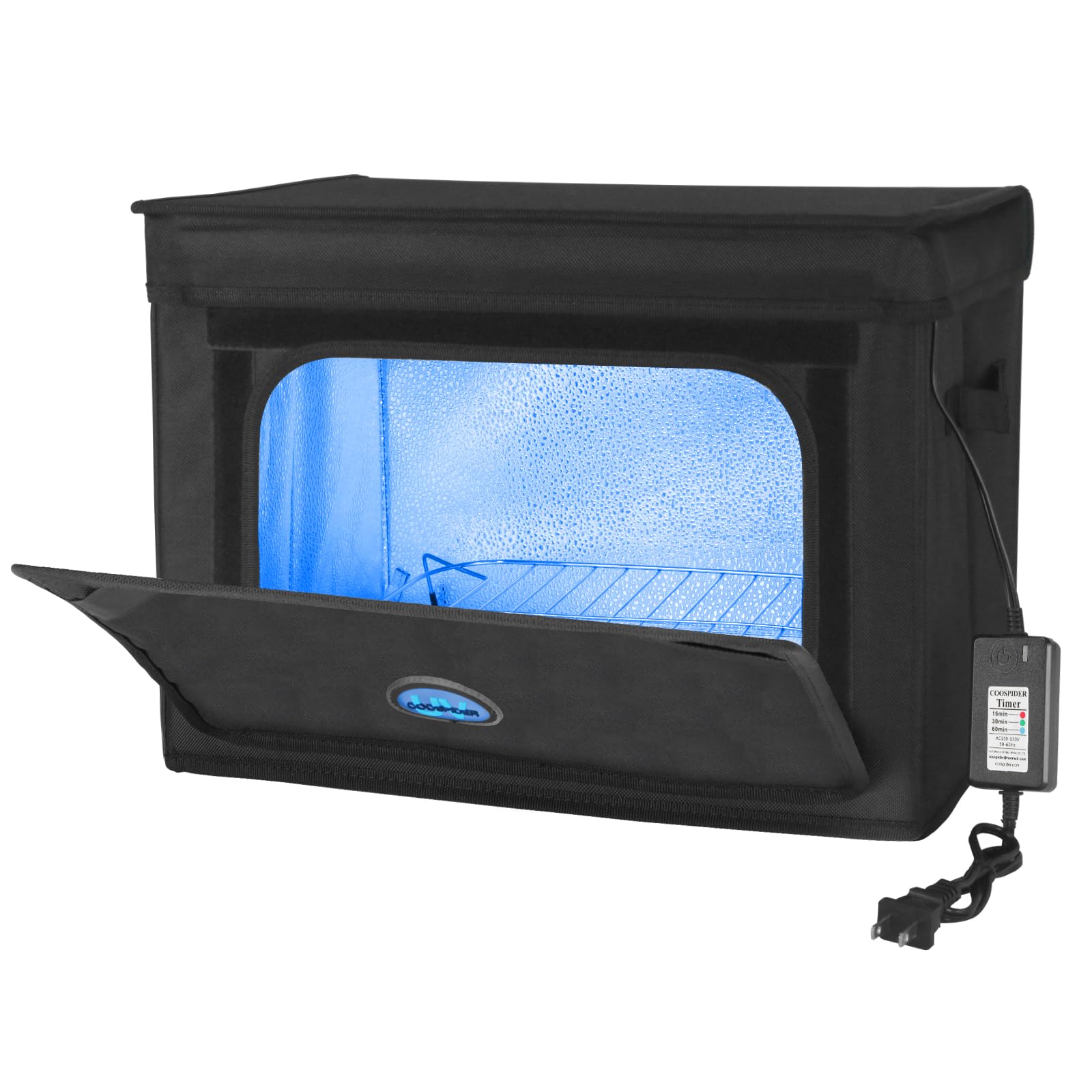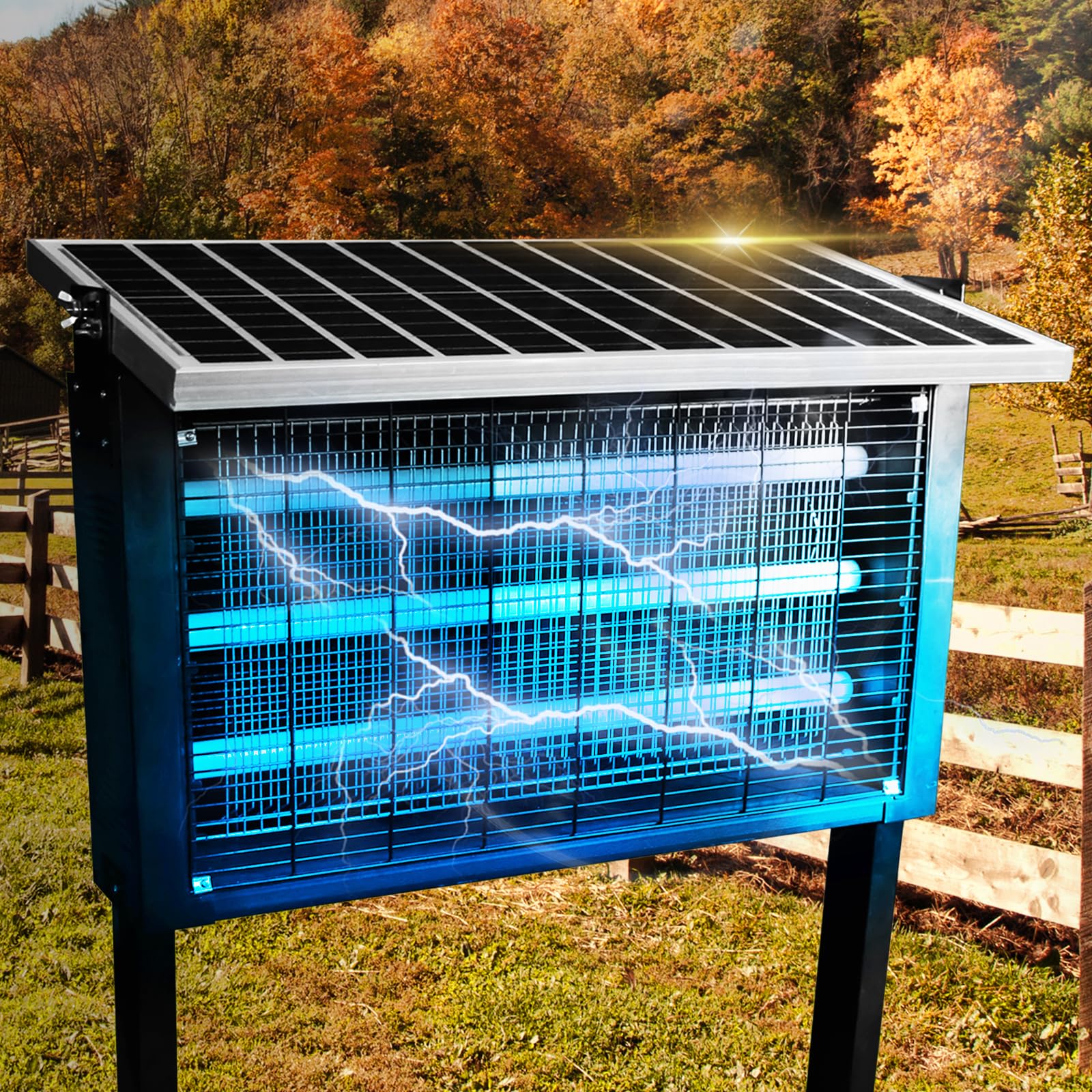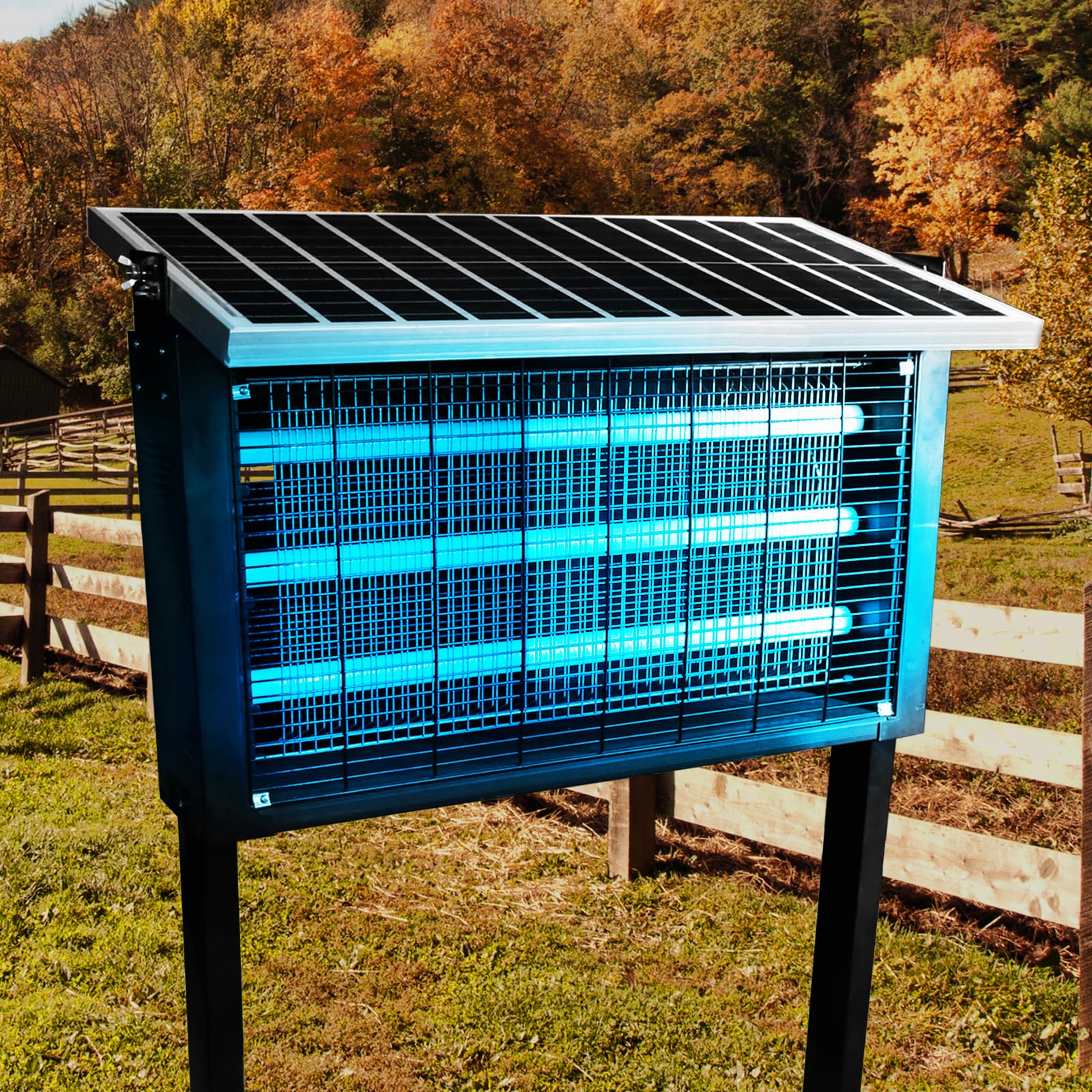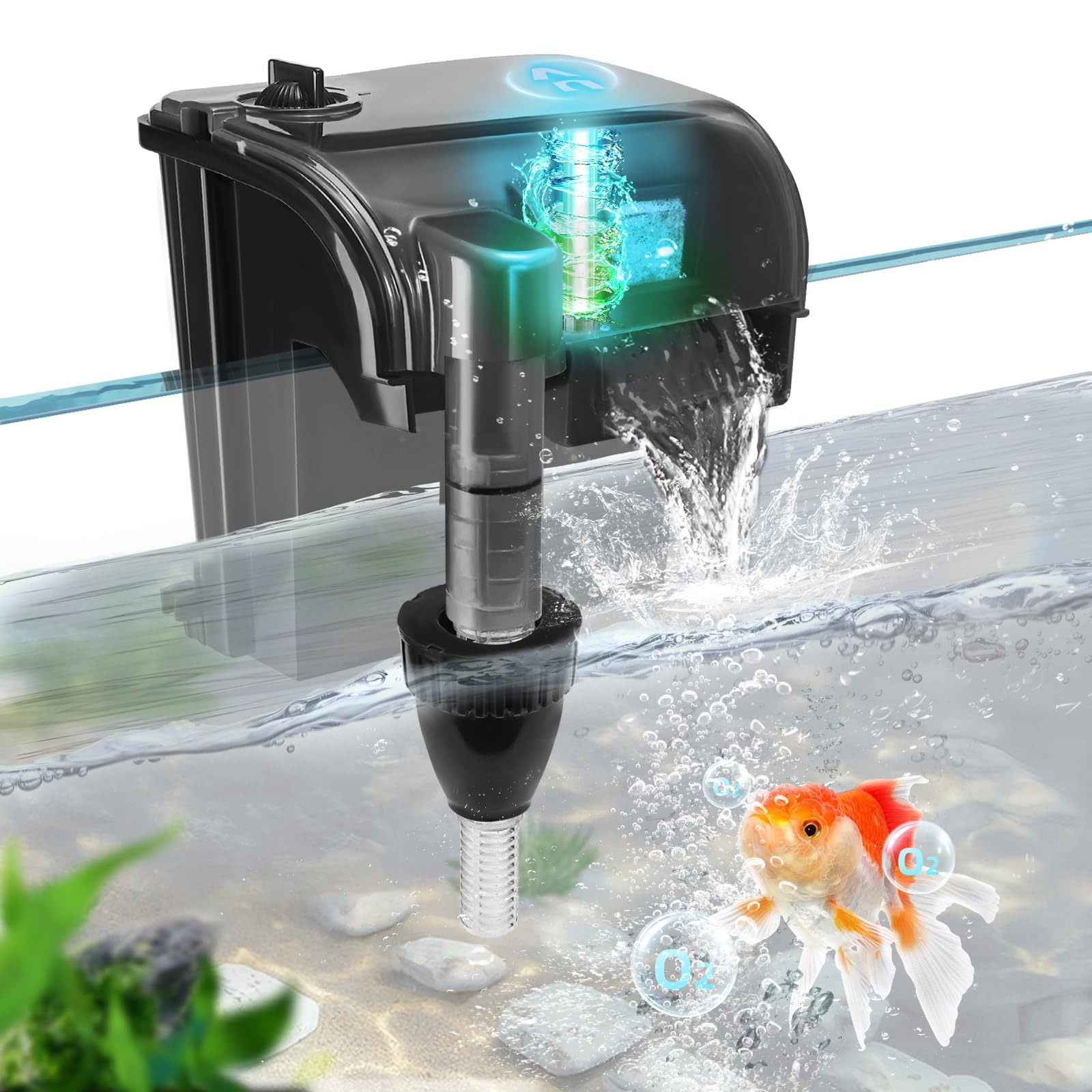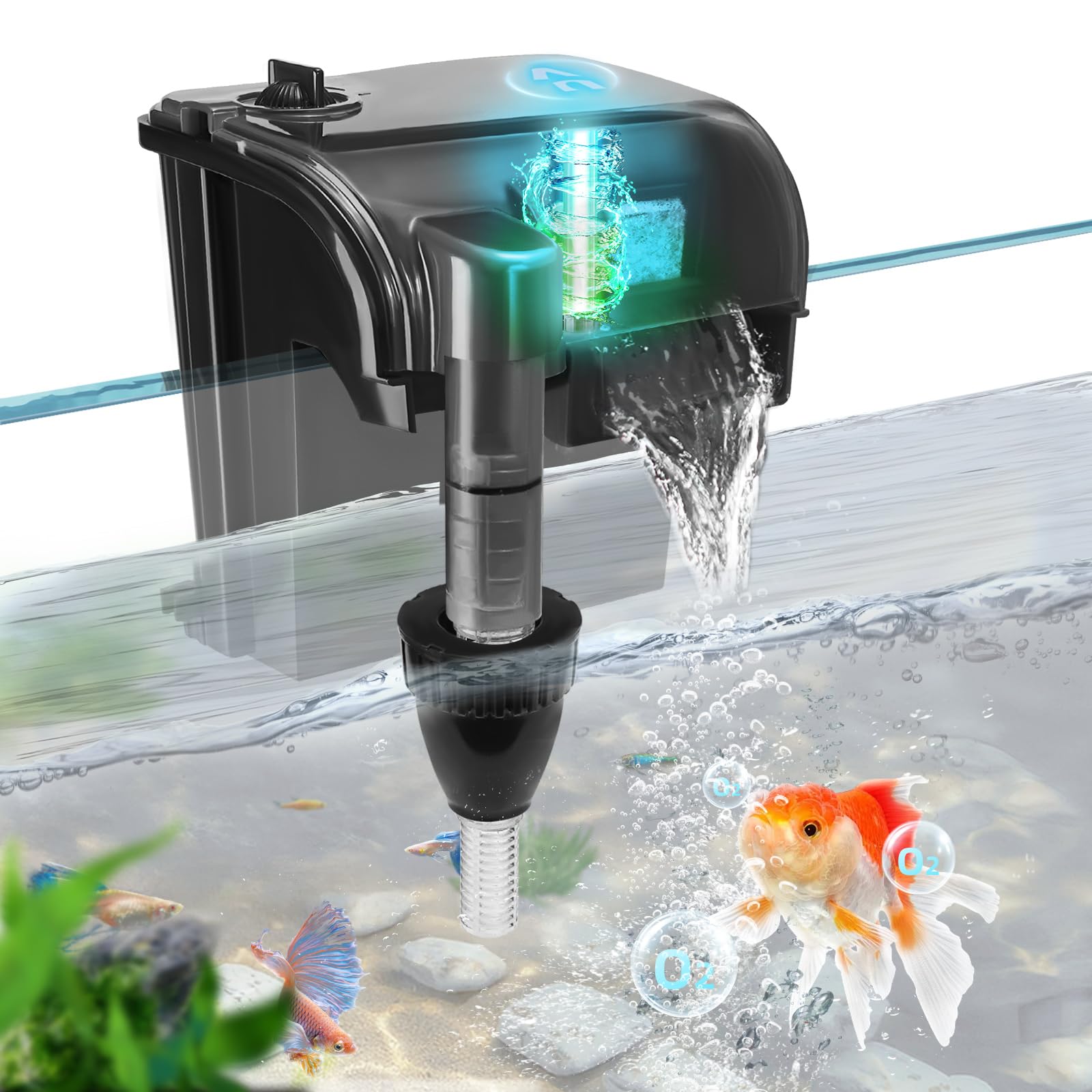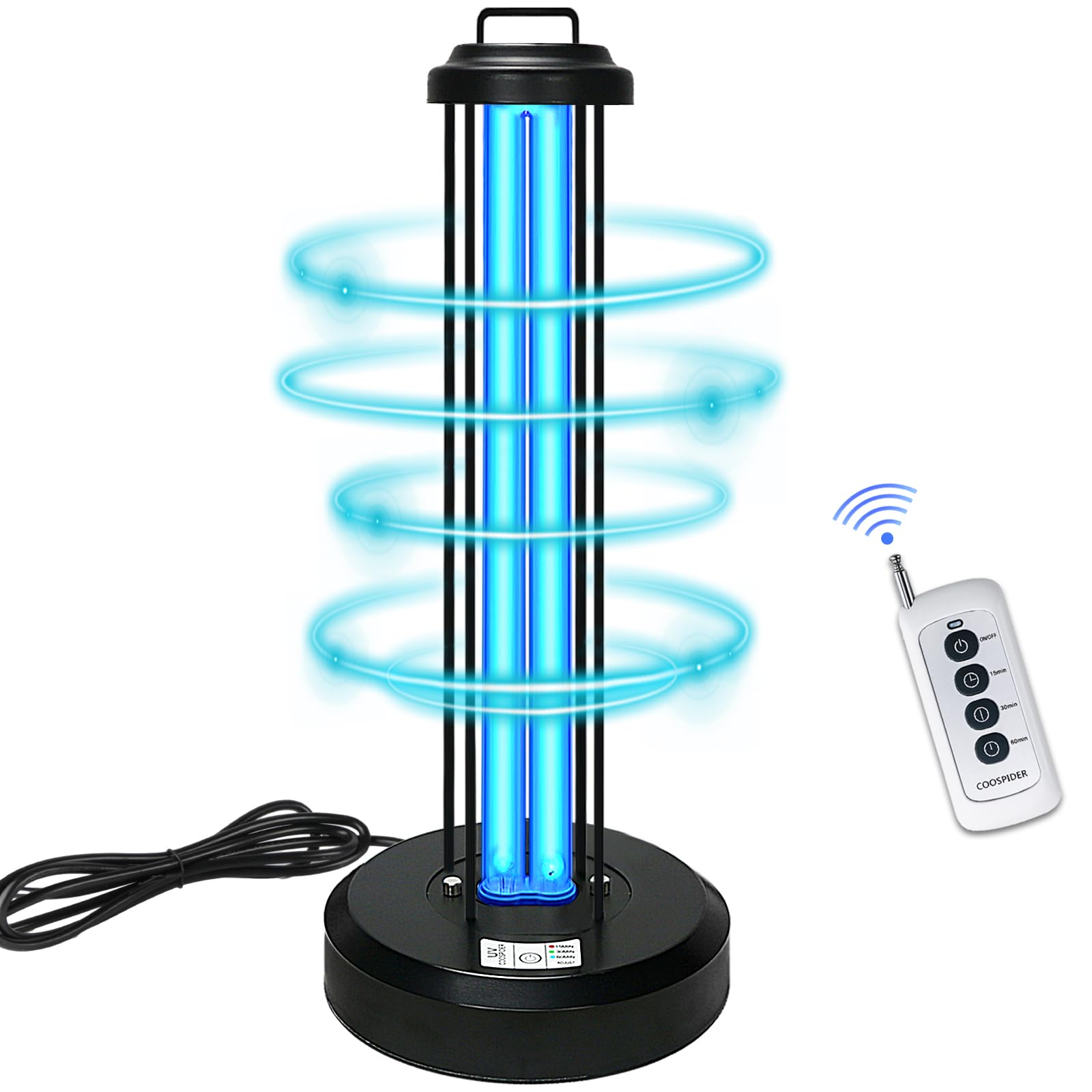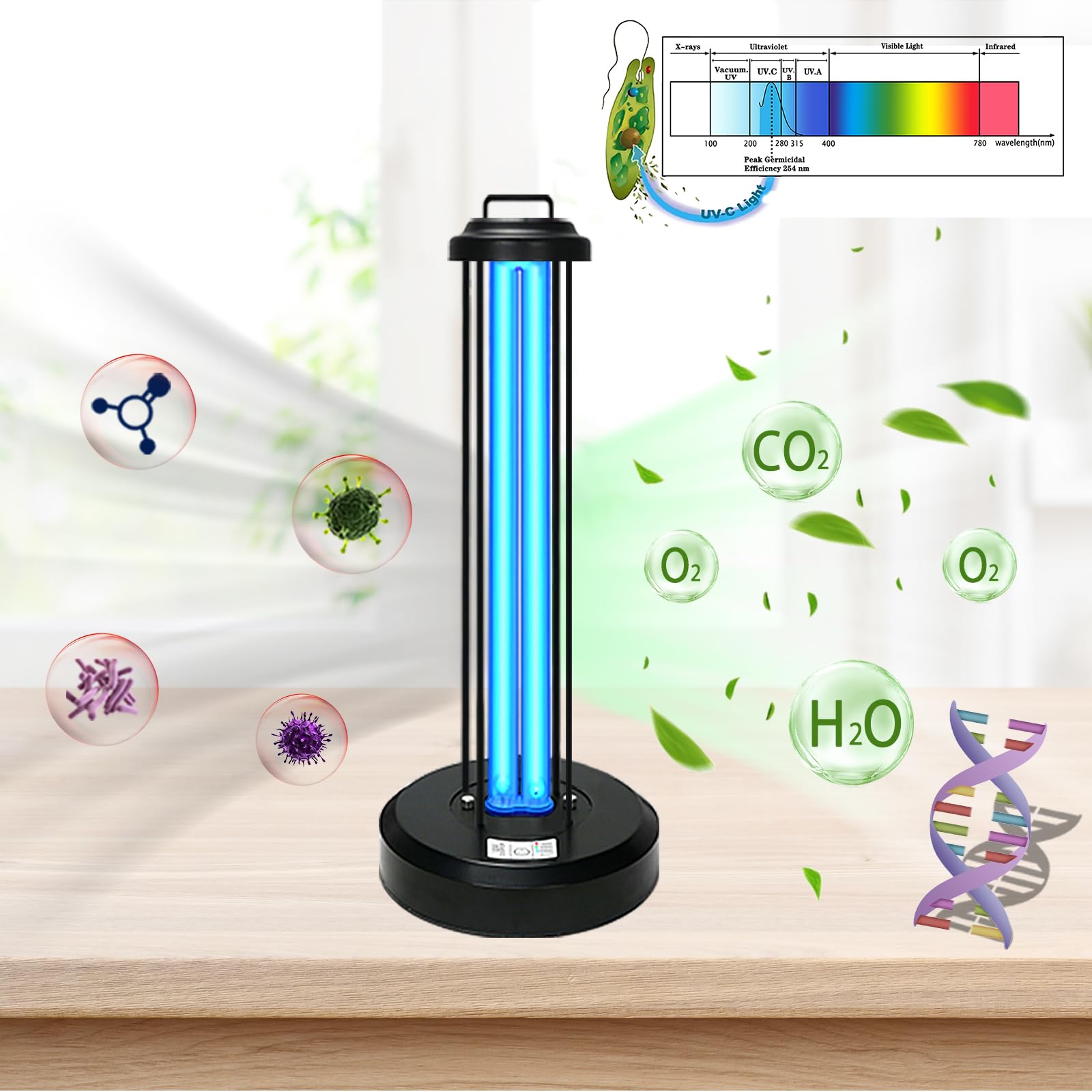
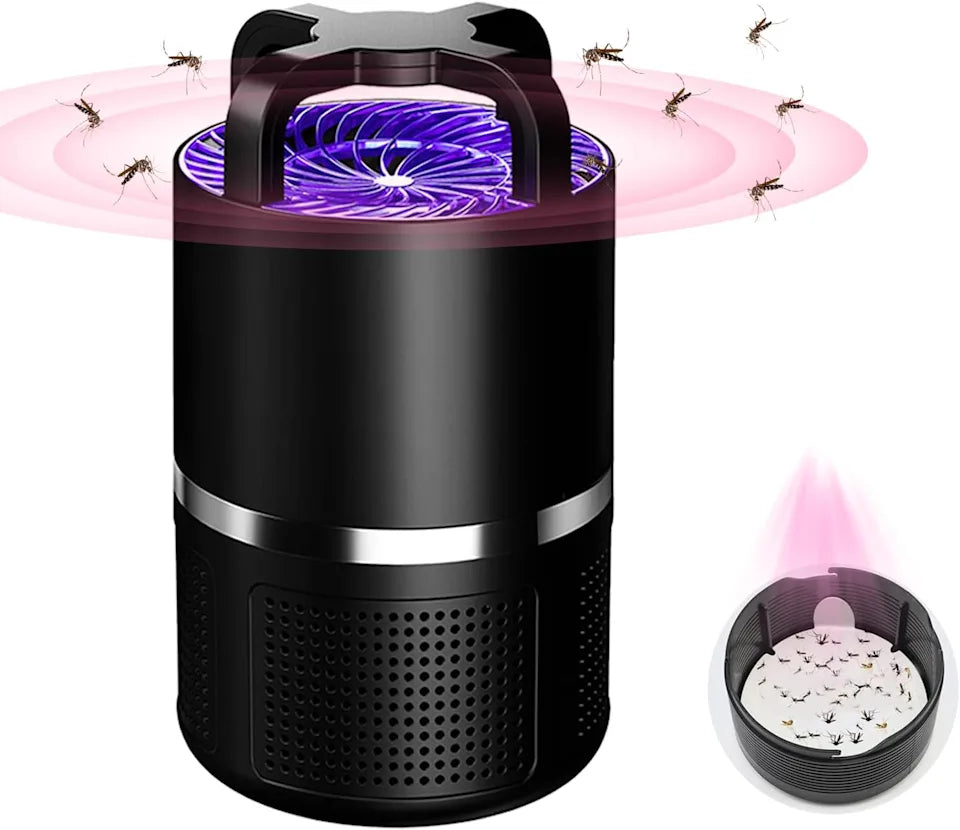
Mosquito killer lamps have become a common sight in homes, gardens, patios, and even commercial spaces. Marketed as a cleaner, chemical-free way to reduce mosquito populations, these devices promise relief from bites, buzzing, and the health risks mosquitoes carry.
Yet one persistent question refuses to go away:
Do mosquito killer lamps actually attract more mosquitoes instead of reducing them?
Some users swear by them, claiming noticeably fewer bites. Others argue the opposite, saying mosquito lamps seem to draw mosquitoes closer to people. So where does the truth lie? Are mosquito lamps effective tools—or are they unintentionally making the problem worse?
This article takes a deep dive into the science, mosquito behavior, product design, and real-world usage scenarios to uncover the truth behind this controversial question.
1. Why This Question Matters More Than You Think
At first glance, whether a mosquito lamp attracts more mosquitoes may sound like a minor inconvenience. In reality, the answer affects:
-
Health outcomes, especially in areas with mosquito-borne diseases
-
Home safety, particularly for babies, pregnant women, and the elderly
-
Product purchasing decisions, for consumers seeking non-chemical solutions
-
Public trust, as misinformation spreads easily online
Understanding the truth isn’t just about comfort—it’s about making informed decisions based on science rather than assumptions.
2. How Mosquito Killer Lamps Are Supposed to Work
To understand whether mosquito lamps attract more mosquitoes, we must first understand how they are designed to attract mosquitoes at all.
Most mosquito killer lamps rely on one or more of the following attractants:
-
Light (usually UV or near-UV)
-
Heat
-
Airflow
-
CO₂ or chemical lures (in advanced traps)
Once mosquitoes are attracted, they are typically killed or trapped by:
-
Electric grids
-
Fan suction
-
Sticky surfaces
-
Enclosed chambers
The logic is simple: lure mosquitoes away from humans, then eliminate them.
But this logic only holds if the attraction works better than human cues.
3. What Actually Attracts Mosquitoes to Humans?
A common misconception is that mosquitoes are primarily attracted to light. In reality, light is not their main target.
Mosquitoes are attracted to humans mainly because of:
-
Carbon dioxide (CO₂) exhaled when we breathe
-
Body heat
-
Body odor and skin chemicals
-
Lactic acid and sweat
-
Movement and contrast
Light plays a secondary role at best—and for many mosquito species, it plays almost no role at all.
This is the first key insight that reshapes the debate.
4. The Origin of the “It Attracts More Mosquitoes” Claim
The idea that mosquito lamps attract more mosquitoes usually comes from three scenarios:
-
People notice more mosquitoes near the lamp
-
People get bitten while sitting near a lamp
-
Lamps fail to reduce mosquito bites as expected
From these experiences, a conclusion is often drawn:
“The lamp is attracting mosquitoes toward me.”
But correlation does not automatically equal causation.
5. Scientific Perspective: Do Mosquito Lamps Increase Mosquito Numbers?
From a scientific standpoint, mosquito lamps do not create mosquitoes. They do not increase breeding, reproduction, or population size.
What they can do is redistribute mosquito activity in space.
This distinction is crucial.
A mosquito lamp does not generate new mosquitoes, but it can change where mosquitoes fly, depending on placement and environment.
6. Light Attraction: How Strong Is It, Really?
Many mosquito lamps use UV or blue light because some insects are phototactic (attracted to light). However:
-
Most flying insects are attracted to light
-
Mosquitoes are weakly phototactic
-
Many mosquito species are far more responsive to CO₂ than light
Studies consistently show that light alone is a poor mosquito attractant compared to human cues.
This explains why mosquito lamps often catch:
-
Moths
-
Flies
-
Beetles
-
Non-biting insects
But relatively fewer mosquitoes.
7. Why Mosquito Lamps Sometimes Seem to Attract More Mosquitoes
Here is where things get interesting.
Mosquito lamps can appear to attract more mosquitoes under specific conditions:
1. Poor Placement
If a lamp is placed close to people, mosquitoes already drawn by human cues may:
-
Fly toward the person
-
Then notice the lamp
-
Hover in the same area
This creates the illusion that the lamp “brought” mosquitoes.
2. Competing Attractants
Humans emit:
-
CO₂ continuously
-
Heat consistently
-
Complex scent profiles
Most mosquito lamps emit only light, making humans far more attractive targets.
3. Limited Killing Efficiency
If mosquitoes are attracted but not effectively killed, they may remain active nearby.
8. Indoor vs. Outdoor Environments: A Critical Difference
Indoors
Indoors, mosquito lamps:
-
Operate in enclosed spaces
-
Face fewer competing light sources
-
Can reduce localized insect activity
-
Rarely increase mosquito presence significantly
Outdoors
Outdoors, conditions change dramatically:
-
Wind disperses scent cues
-
CO₂ spreads unevenly
-
Open space allows mosquitoes to roam freely
In outdoor settings, lamps placed near seating areas may concentrate mosquito activity rather than reduce bites.
9. Species Matters: Not All Mosquitoes Behave the Same
There are over 3,500 mosquito species worldwide, and their behavior varies widely.
-
Some species are highly attracted to humans
-
Some prefer animals
-
Some are active during the day
-
Others are active at night
Light-based mosquito lamps may affect:
-
Certain species minimally
-
Others not at all
This variability explains why experiences differ so widely among users.
10. What Research Really Shows About Mosquito Lamps
Controlled studies in entomology and vector control reveal several consistent findings:
-
Light traps catch many insects, few mosquitoes
-
Mosquito capture increases significantly when CO₂ is added
-
Light alone is insufficient for population-level control
-
Lamps are supplementary tools, not primary solutions
Importantly, studies do not show that lamps increase mosquito populations.
11. The Psychological Factor: Perception vs. Reality
Humans are excellent at noticing discomfort but poor at tracking baseline conditions.
If someone installs a mosquito lamp and still gets bitten, they may conclude:
-
“The lamp doesn’t work”
-
“The lamp made it worse”
In reality:
-
Mosquito levels may be unchanged
-
Or slightly reduced
-
But expectations were higher than realistic outcomes
This expectation gap fuels negative perceptions.
12. Can Mosquito Lamps Draw Mosquitoes From Far Away?
A common fear is that mosquito lamps attract mosquitoes from long distances.
Scientific evidence suggests:
-
Light attraction range is limited
-
Usually a few meters at most
-
CO₂ attraction is far stronger and longer-range
Mosquito lamps do not act like long-distance beacons.
13. When Mosquito Lamps Actually Help
Mosquito lamps can be beneficial when:
-
Used away from people
-
Positioned between mosquito habitats and living areas
-
Combined with other control methods
-
Used in low-density mosquito environments
In these cases, they may:
-
Reduce nuisance insects
-
Lower local mosquito activity
-
Improve perceived comfort
14. When Mosquito Lamps Backfire
They may appear ineffective or counterproductive when:
-
Placed next to seating areas
-
Used as the only mosquito control method
-
Deployed in high-density mosquito zones
-
Used against species insensitive to light
In these situations, users often blame attraction rather than limitations.
15. Comparison With Chemical Repellents
Chemical repellents work differently:
-
They repel mosquitoes
-
They do not attract or kill
-
They rely on masking human cues
Mosquito lamps, by contrast:
-
Attempt to divert attention
-
Compete with humans for attraction
-
Require strategic placement
This difference explains why lamps feel less “immediately effective.”
16. Integrated Mosquito Control: The Smart Approach
Experts agree that no single device solves mosquito problems.
Effective strategies combine:
-
Standing water elimination
-
Screens and physical barriers
-
Repellents when needed
-
Fans to disrupt flight
-
Strategic use of traps or lamps
Mosquito lamps are best viewed as supporting tools, not miracle solutions.
17. What Experts Actually Say
Entomologists and public health experts generally agree:
-
Mosquito lamps do not increase mosquito populations
-
Poor placement can worsen user experience
-
Effectiveness varies by environment and species
-
Over-marketing has created unrealistic expectations
In short:
They don’t “attract more mosquitoes” in a biological sense—but they can concentrate activity if misused.
18. How to Use Mosquito Lamps Correctly
To avoid the “attract more mosquitoes” problem:
-
Place lamps away from people
-
Position them closer to mosquito breeding areas
-
Use them at night when light contrast is highest
-
Combine with other preventive measures
-
Maintain and clean devices regularly
Proper use makes a measurable difference.
19. Common Myths Debunked
Myth 1: Mosquito lamps pull mosquitoes into your home
→ False. They do not override human attractants indoors.
Myth 2: More bugs in the lamp means more mosquitoes outside
→ False. Most captured insects are non-mosquito species.
Myth 3: Mosquito lamps replace all other protection
→ False. They are supplementary tools.
20. Final Verdict: The Real Truth
So, do mosquito killer lamps attract more mosquitoes?
The honest answer is:
They do not increase mosquito populations, but they can change where mosquitoes gather.
When used incorrectly, they may create the impression of “attracting more mosquitoes.” When used correctly, they can reduce nuisance insects and support broader mosquito control efforts.
The problem is not the lamp itself—it’s expectations, placement, and understanding mosquito behavior.
Conclusion: Knowledge Beats Guesswork
Mosquito control is a complex challenge shaped by biology, environment, and human behavior. Mosquito killer lamps are neither scams nor silver bullets. They are tools—with limits.
By understanding how mosquitoes actually behave, and how lamps interact with that behavior, consumers can make smarter choices, avoid disappointment, and reduce unnecessary risk.
In the end, the truth is not dramatic—but it is empowering:
Mosquito lamps don’t magically attract mosquitoes out of nowhere.
They only work as well as the strategy behind them.