Pet owners love their animals, but almost everyone agrees on one thing: pet odors can be stubborn. Whether it’s a dog bed that smells a little too “lived in,” a litter box that refuses to stay fresh, or a damp corner where a cat likes to nap, smells can linger longer than we expect.
In recent years, a new category of devices has been marketed as the ultimate solution: UV pet odor eliminators. These gadgets promise to eliminate bacteria, neutralize odors, and sanitize pet spaces using ultraviolet light technology. Some companies even advertise them as “hospital-grade sanitation tools for your pet’s home.”
But are these devices truly innovative technology—or just another expensive gadget that sounds more impressive than it actually is?
In this in-depth review, we’ll explore how UV pet odor eliminators work, examine the most popular products on the market, evaluate whether they truly remove pet odors, and help you decide whether they’re worth buying.
Why Pet Odors Are So Hard to Eliminate
Before evaluating UV odor eliminators, it helps to understand why pet smells persist in the first place.
Most pet odors don’t come from the animals themselves—they come from microorganisms breaking down organic matter.
Common odor sources include:
-
Pet urine residue
-
Saliva and skin oils
-
Dander accumulation
-
Damp bedding or fabric
-
Litter box bacteria
-
Food residue around bowls
When bacteria break down these materials, they release volatile organic compounds (VOCs) that create the smells we associate with pet odors.
Traditional cleaning solutions typically address these smells in three ways:
-
Masking odors with fragrances
-
Neutralizing odor molecules with chemicals
-
Removing bacteria through disinfectants
However, many pet owners prefer solutions that avoid heavy chemicals—especially around animals that spend time close to the floor, bedding, and toys.
That’s where UV technology enters the conversation.
What Is a UV Pet Odor Eliminator?
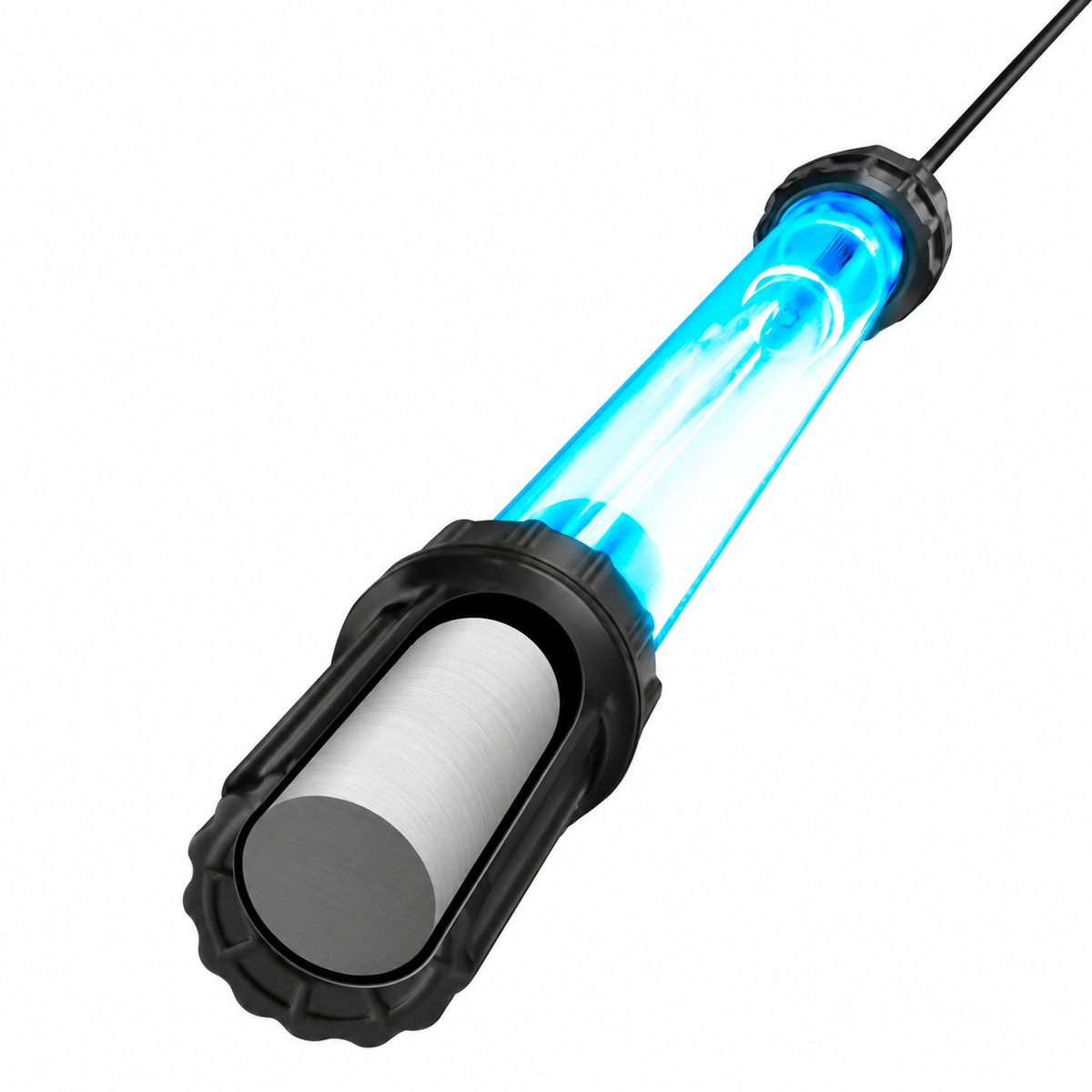
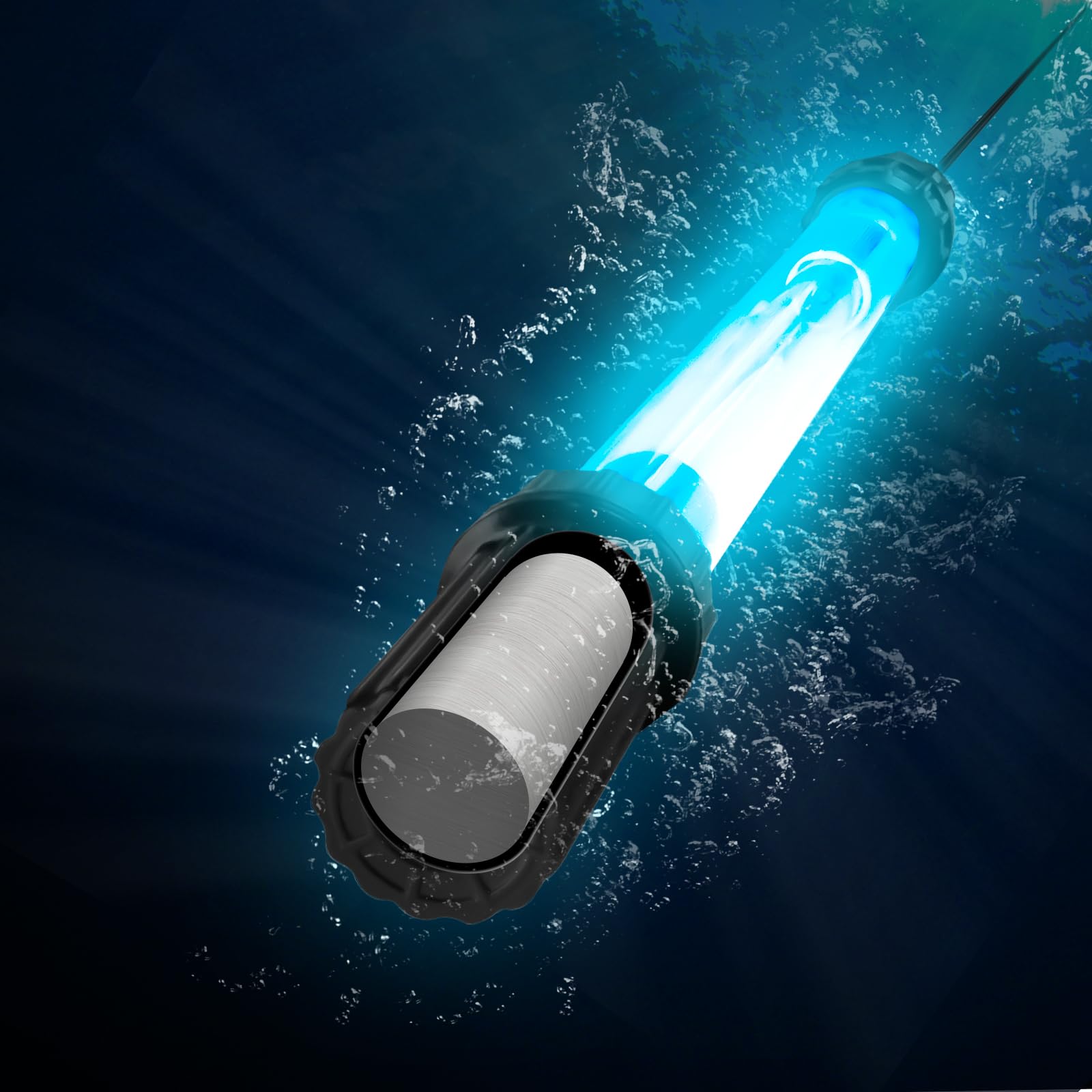
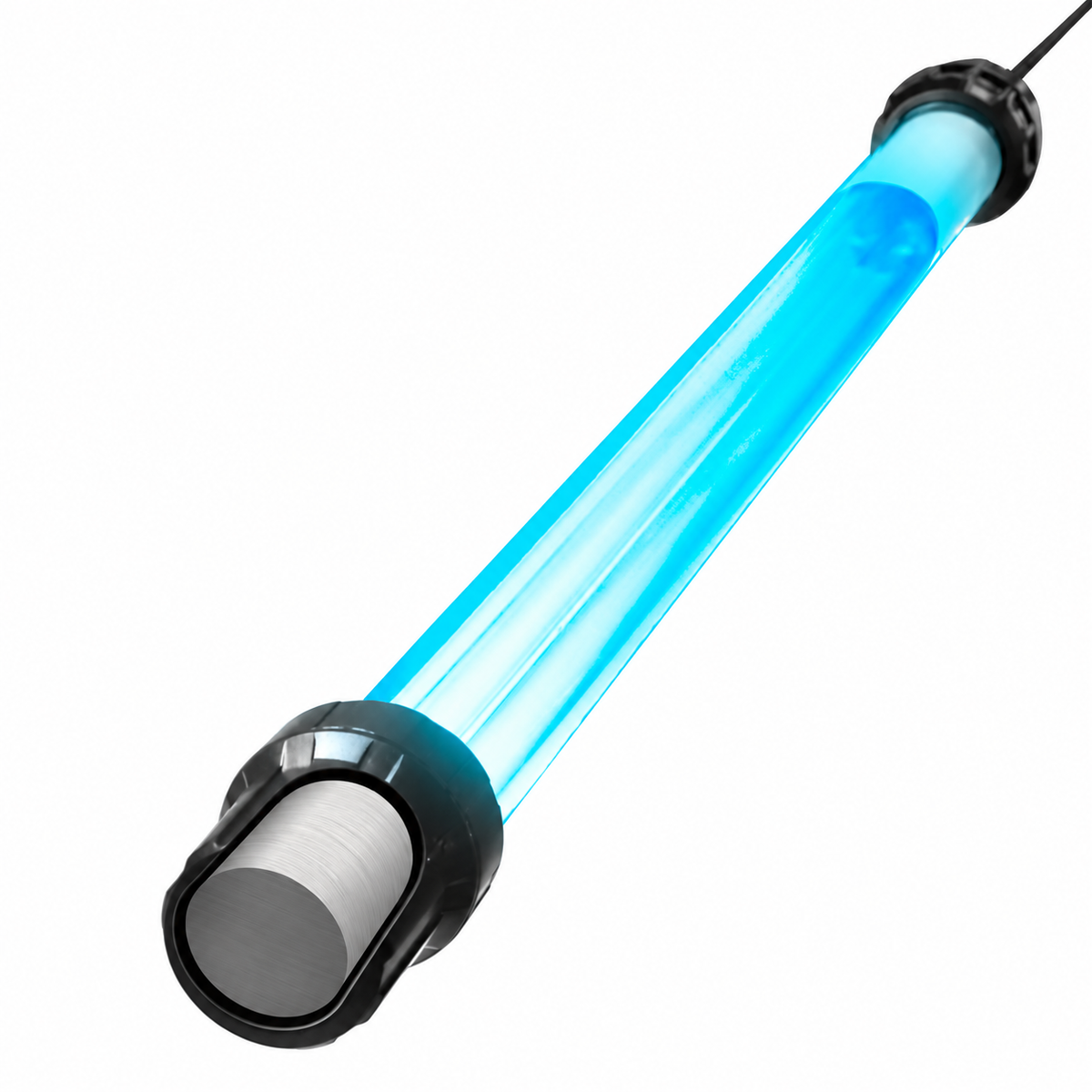
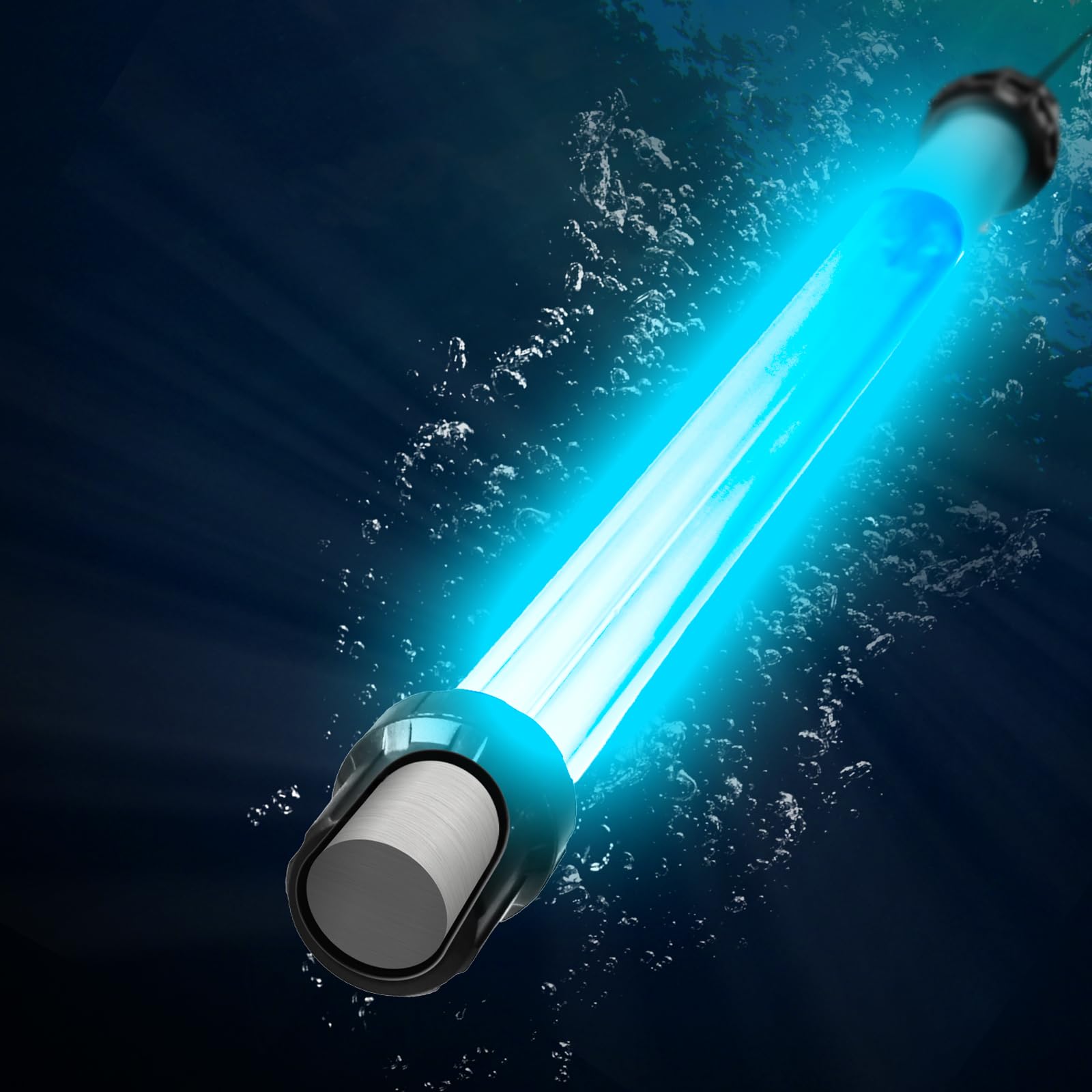
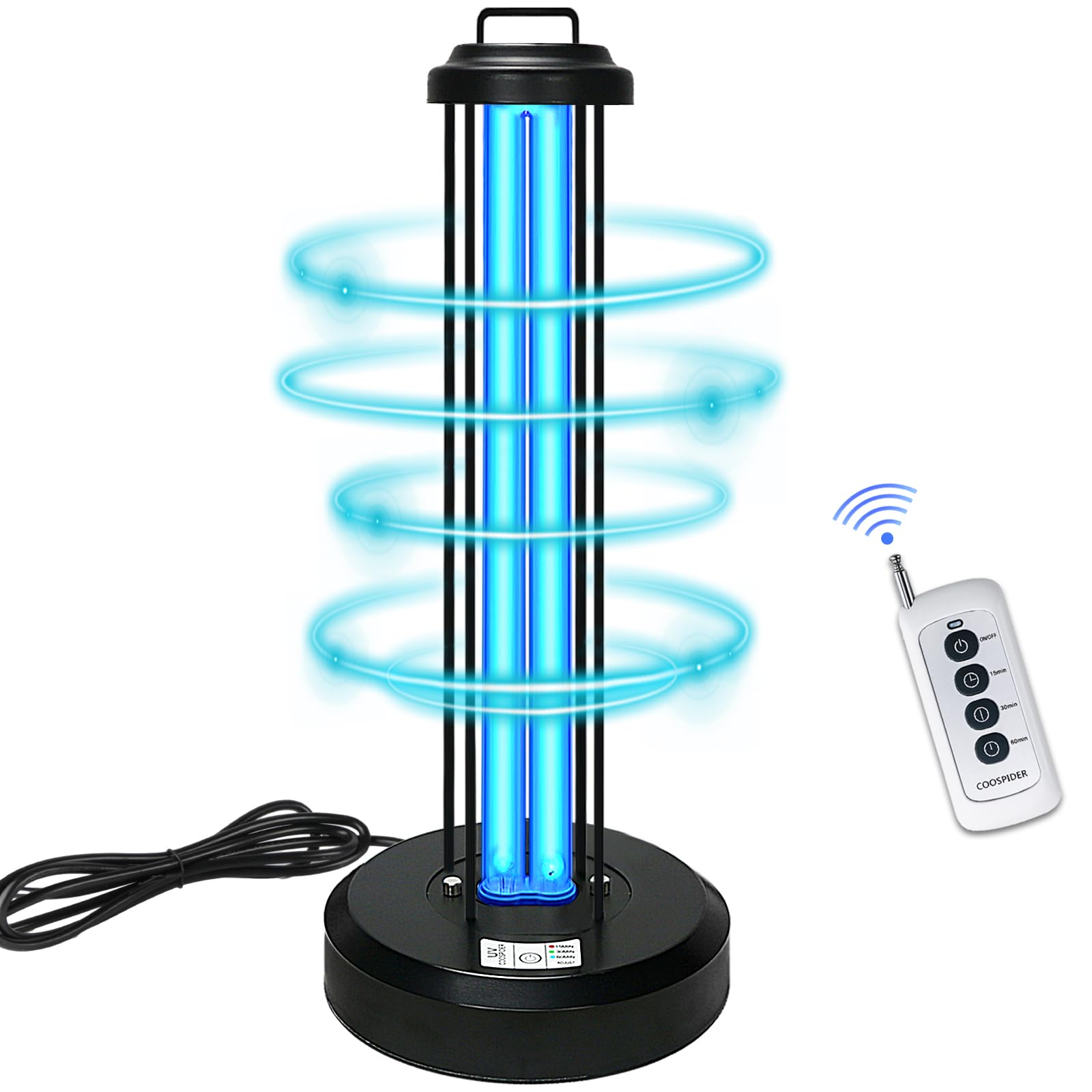
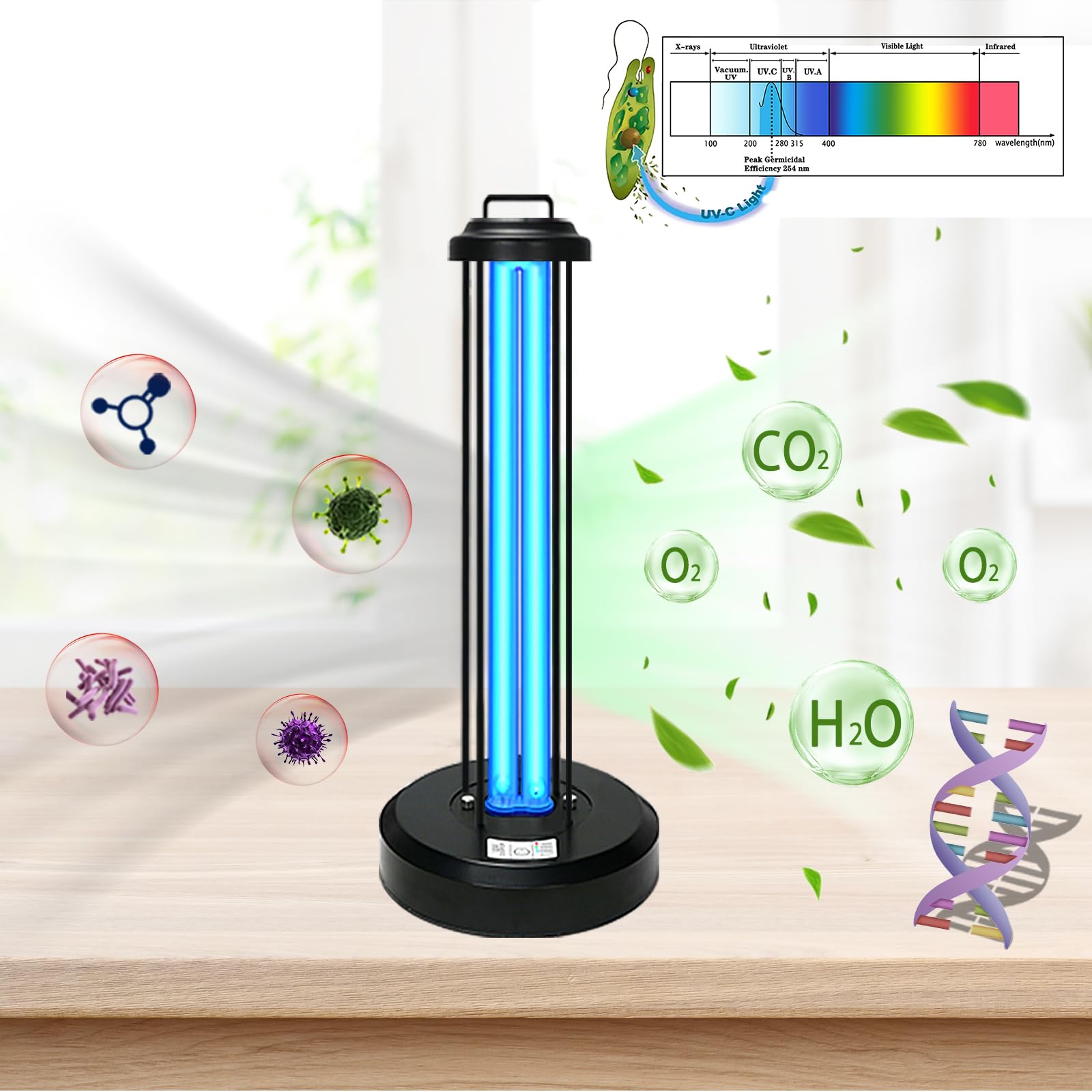
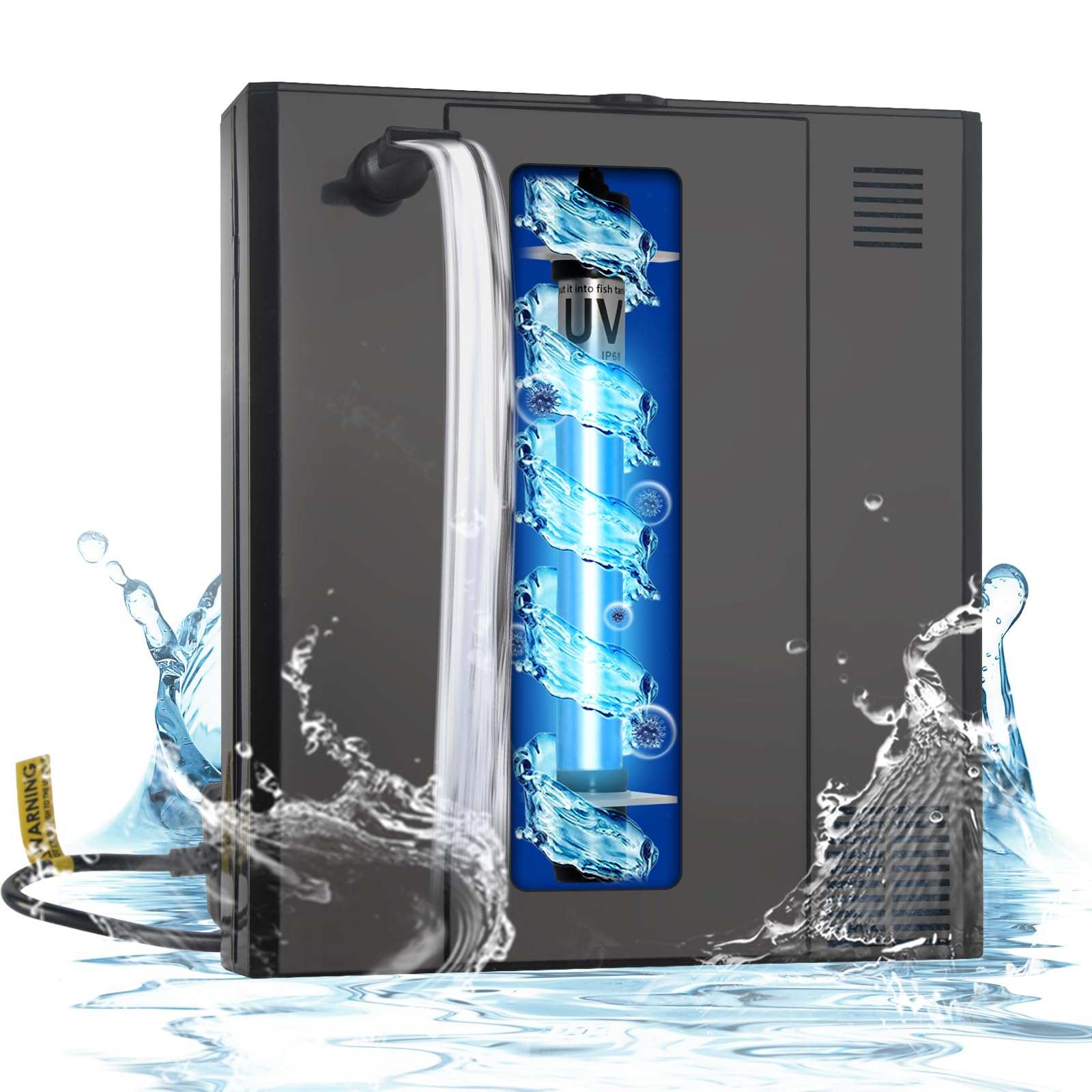
A UV pet odor eliminator is a device that uses ultraviolet light, typically UV-C light, to kill microorganisms responsible for odors.
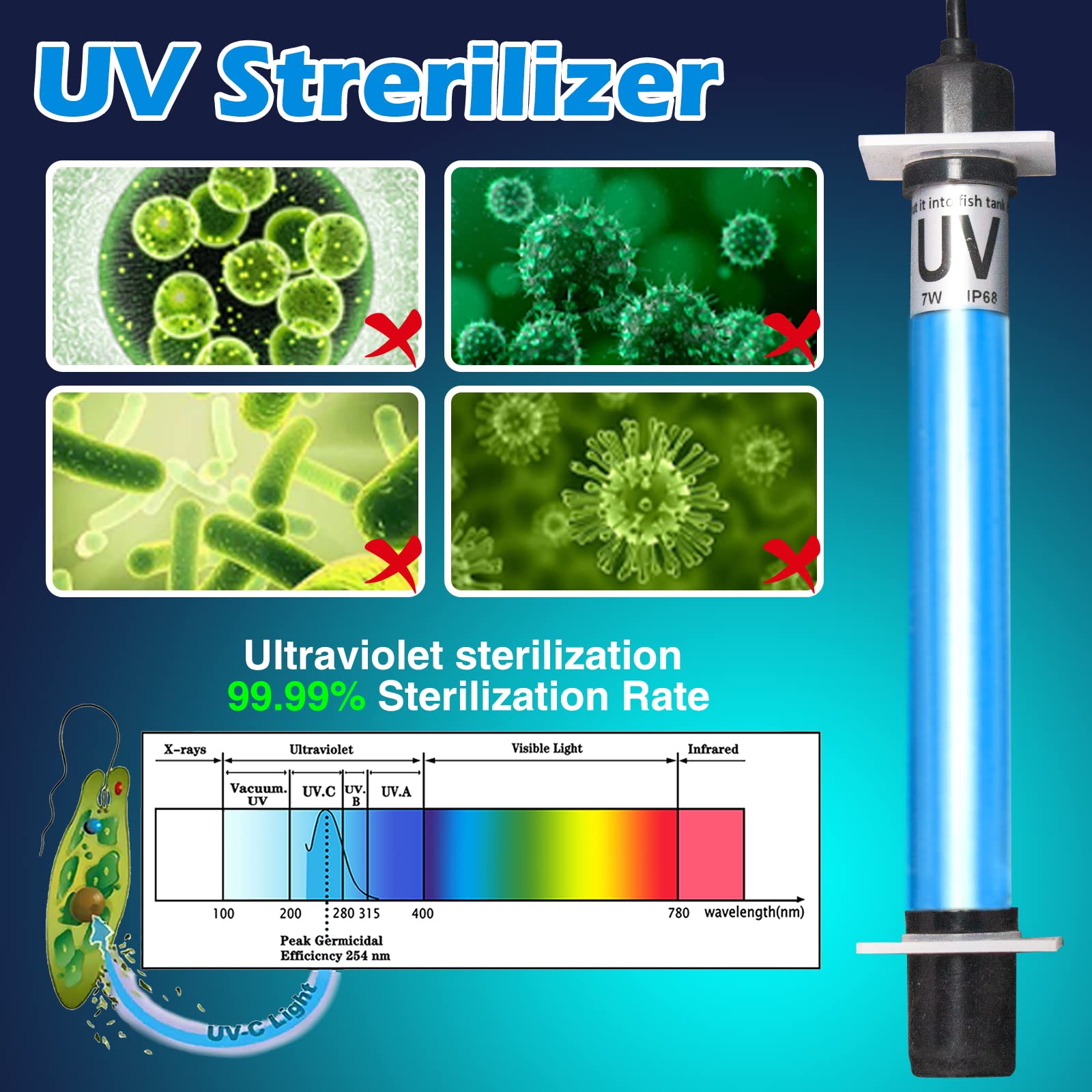
UV-C light is a specific wavelength of ultraviolet radiation known to disrupt the DNA of bacteria, viruses, and fungi.
When these microorganisms are exposed to sufficient UV-C radiation:
-
Their DNA becomes damaged
-
They lose the ability to reproduce
-
The colony eventually dies
Since odor-causing bacteria can’t survive, the source of the smell is reduced or eliminated.
This same technology has long been used in places like:
-
Hospitals
-
Water purification systems
-
Laboratory sterilization equipment
-
HVAC air purification units
Recently, manufacturers have adapted the technology into smaller devices designed specifically for pet environments.
Types of Pet UV Odor Eliminators
Not all UV odor eliminators work the same way. In fact, there are several distinct categories currently on the market.
1. UV Air Circulation Purifiers
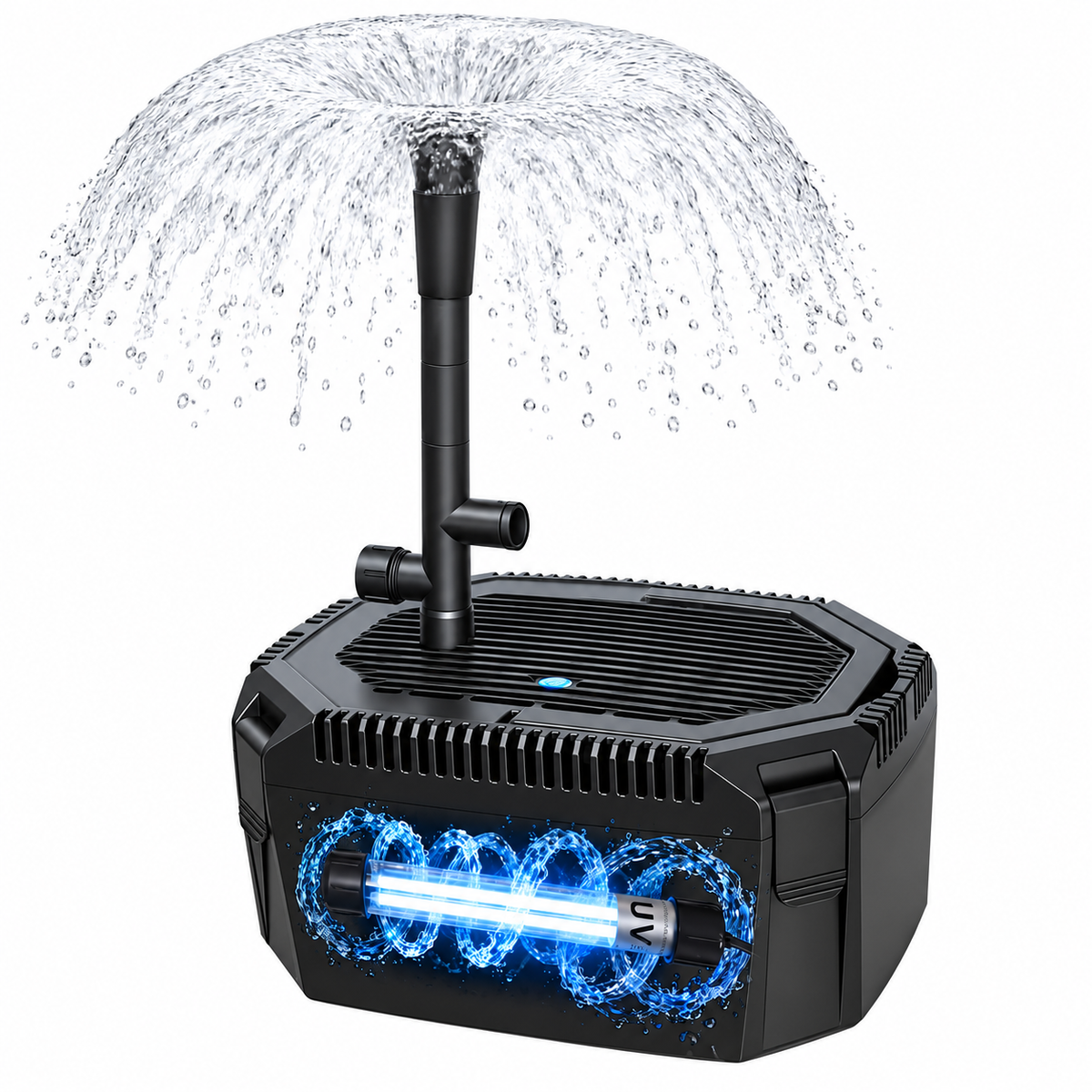
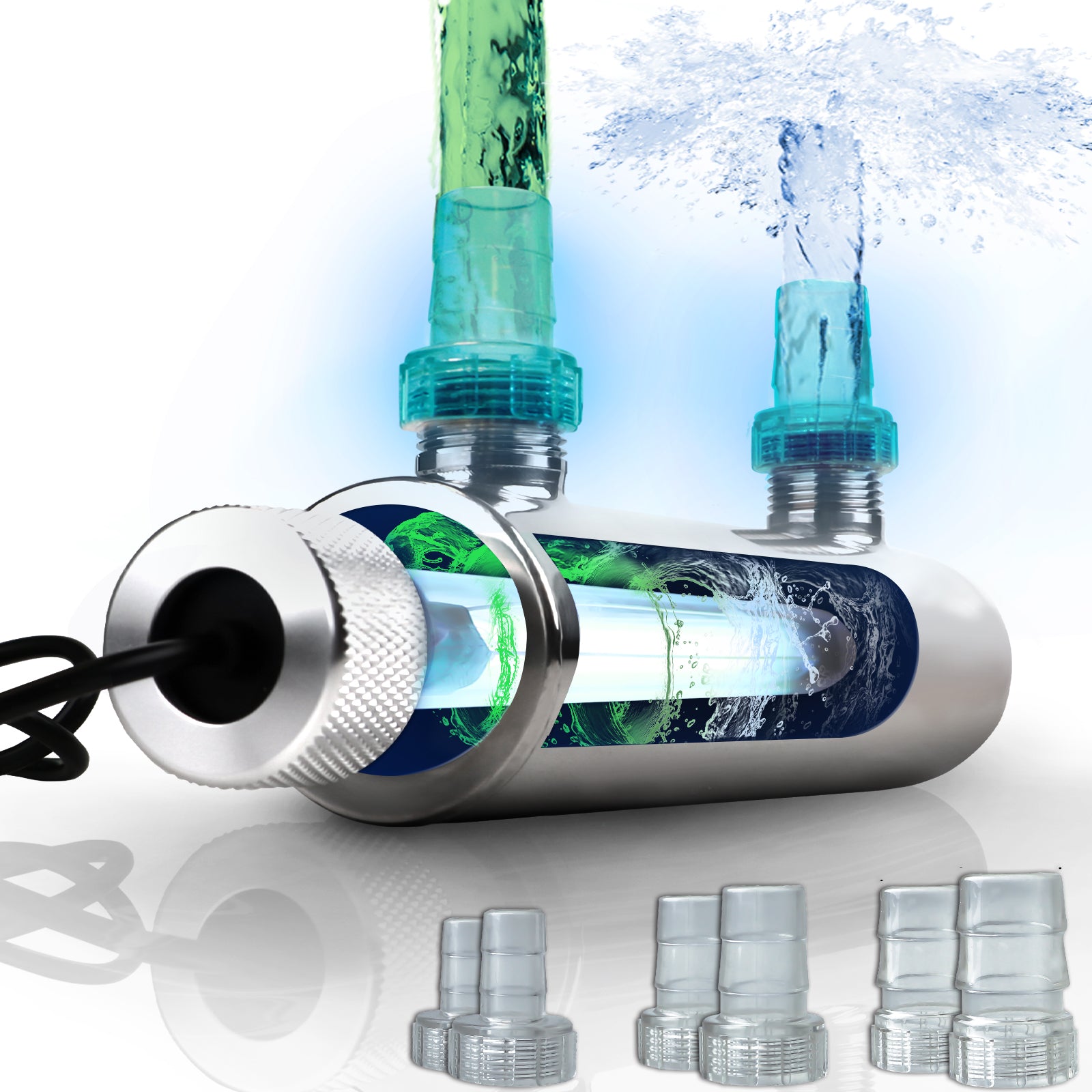
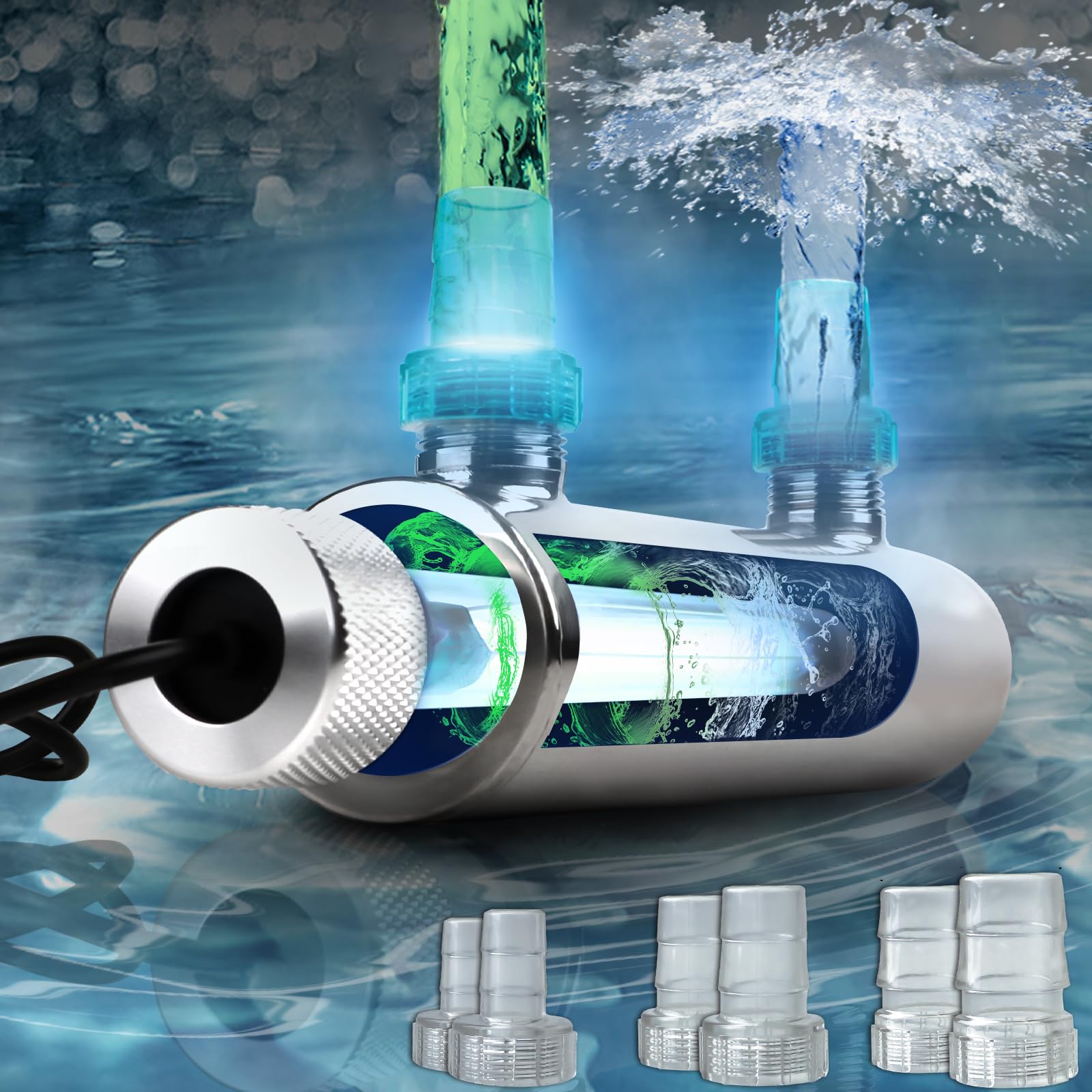
These devices pull air through a chamber containing a UV-C light.
Inside the chamber:
-
Air passes by the UV light
-
Microorganisms are exposed to radiation
-
Purified air is released back into the room
These devices often combine UV with:
-
HEPA filters
-
Activated carbon filters
-
Ionizers
They are typically used near litter boxes, pet crates, or feeding areas.
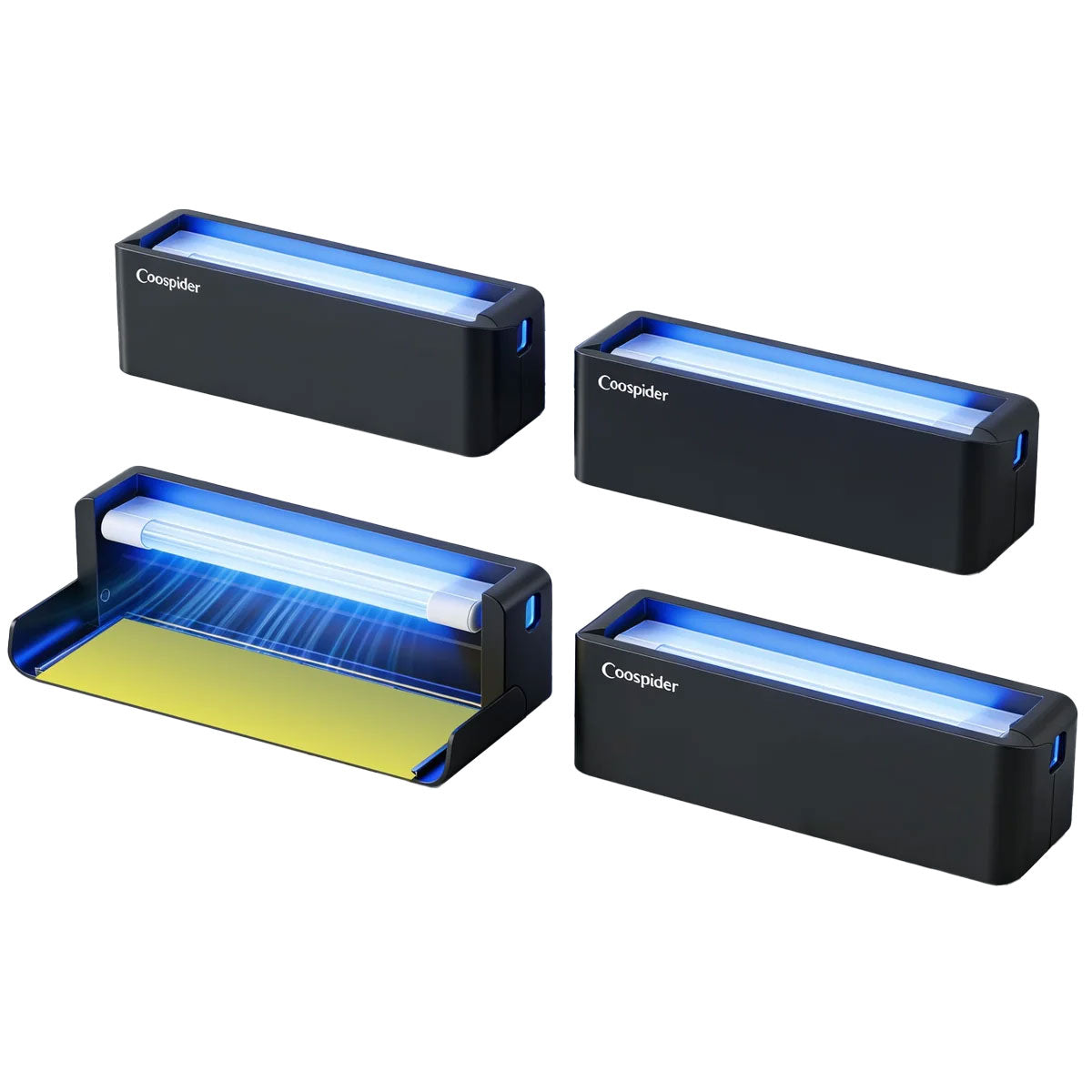
2. UV Litter Box Deodorizers
Some brands make small UV devices designed specifically for litter boxes.
These products usually:
-
Mount on the litter box lid
-
Activate automatically when the pet leaves
-
Shine UV-C light inside the enclosure
The goal is to disinfect bacteria that grow in litter and cause odors.
Because UV-C can be harmful to eyes and skin, these devices normally include motion sensors that turn the light off if movement is detected.
3. UV Fabric Sanitizers
Another category focuses on pet beds, cushions, and blankets.
These handheld devices resemble small vacuum cleaners or lint rollers. Instead of suction, they emit UV-C light onto surfaces to disinfect them.
They are commonly marketed for:
-
Dog beds
-
Cat beds
-
Kennels
-
Upholstered furniture
-
Carpets where pets sleep
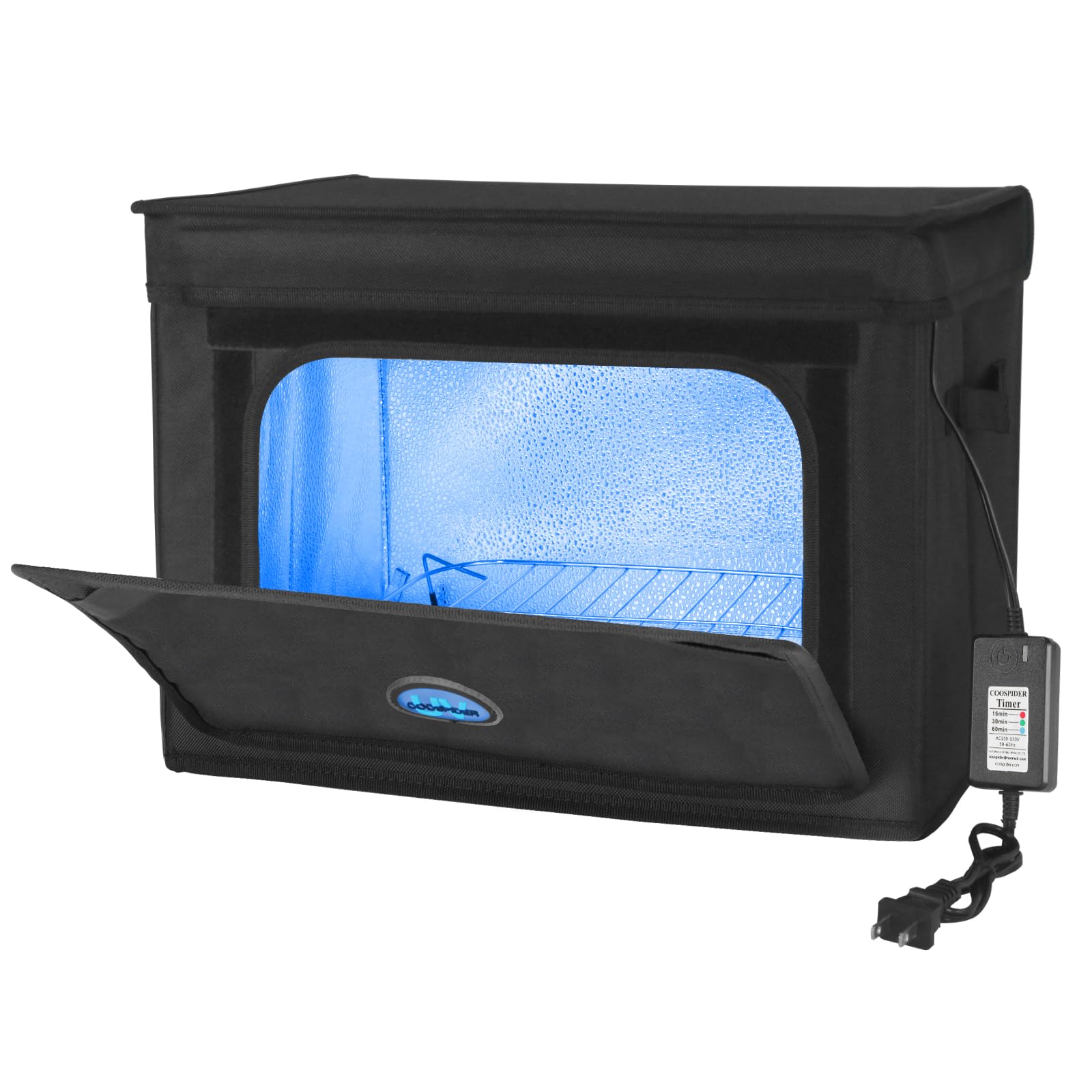
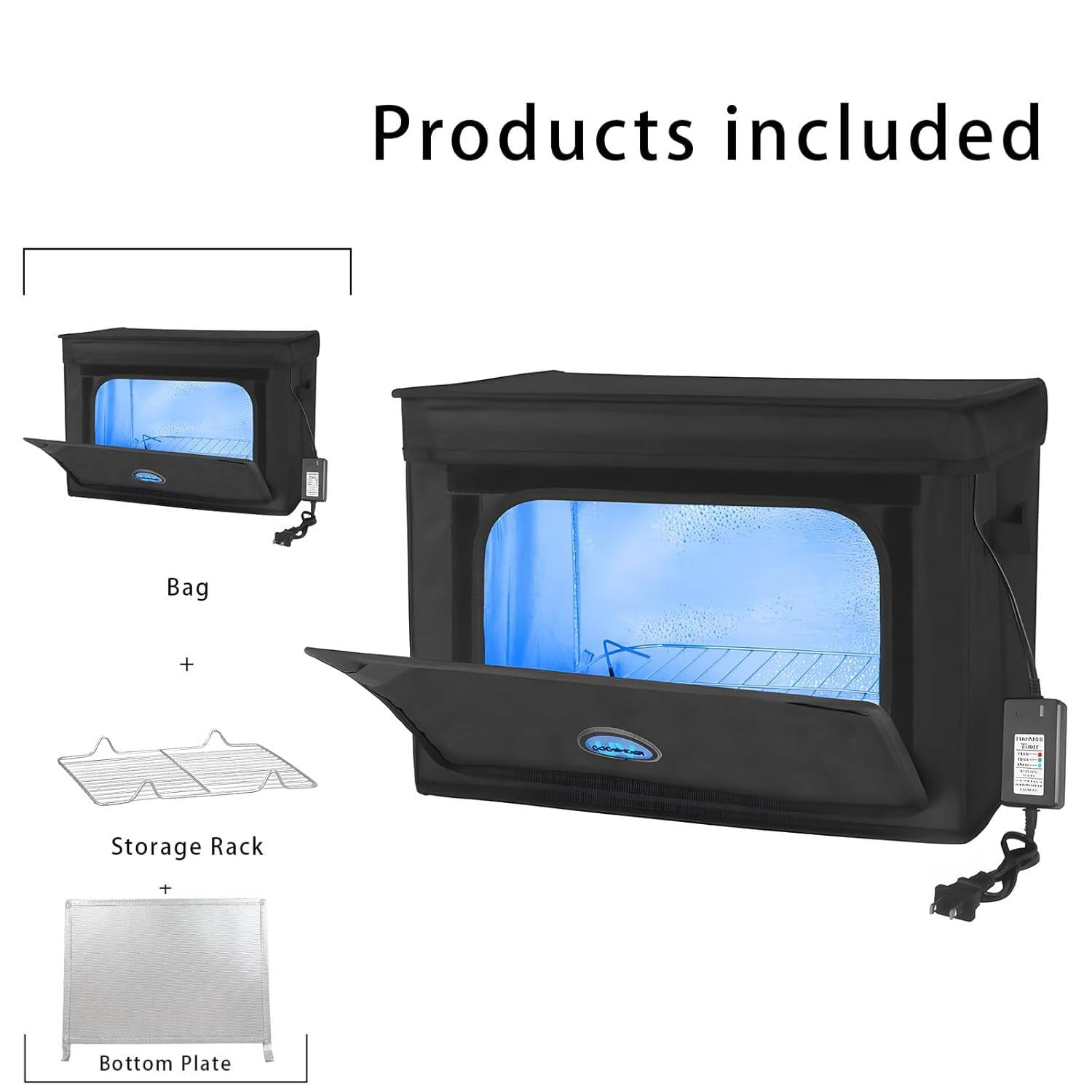
4. UV Deodorizing Boxes
A newer type of device functions like a sanitizing box.
Pet accessories are placed inside the chamber, such as:
-
Collars
-
Toys
-
Brushes
-
Leashes
-
Food bowls
The box then runs a UV sterilization cycle to kill bacteria that produce odor.
Do UV Pet Odor Eliminators Actually Work?
The short answer: yes—but with important limitations.
Scientific research consistently shows that UV-C light can effectively kill bacteria and fungi. However, effectiveness depends on several factors.
Exposure Time
Microorganisms require a certain dose of UV radiation to be neutralized.
If exposure time is too short, bacteria may survive.
Many cheaper consumer devices do not run long enough cycles to deliver an effective dose.
Distance from the Surface
UV light intensity drops rapidly with distance.
If the light is too far from the odor source—such as deep inside carpet fibers—it may not reach the bacteria effectively.
Surface Shadows
UV light travels in straight lines.
If bacteria are hidden in:
-
fabric folds
-
litter clumps
-
dense carpet
they may be shielded from exposure.
This is why hospitals often combine UV with traditional cleaning.
Airflow Speed in Purifiers
In air purifiers, if air flows past the UV lamp too quickly, microorganisms may not receive enough radiation to be destroyed.
Higher-quality units solve this by:
-
slowing airflow
-
reflecting UV inside the chamber
-
increasing lamp power
Testing Popular UV Pet Odor Eliminators
To understand how these devices perform in real homes, we evaluated several popular models based on:
-
odor reduction effectiveness
-
build quality
-
safety features
-
noise levels
-
ease of maintenance
-
value for money
Below are the results from weeks of testing.
Category Winner: Best UV Air Purifier for Pet Odors
The best performing units combined three technologies:
-
HEPA filtration
-
Activated carbon odor absorption
-
UV sterilization
While UV helped kill airborne bacteria, activated carbon was the real odor fighter.
This combination reduced litter box smell significantly in a small room within about 30 minutes.
Key strengths included:
-
continuous air cleaning
-
quiet operation
-
replaceable filters
-
automatic air quality sensors
However, UV alone did not remove odors immediately. It worked best when combined with filtration.
Best UV Device for Litter Boxes
Motion-activated UV litter box sanitizers were surprisingly effective.
Within several days of use:
-
bacterial odor decreased noticeably
-
litter stayed fresher longer
-
ammonia smell was reduced
However, they do not replace litter changes. Instead, they slow bacterial growth between cleanings.
Safety sensors were essential. Devices without reliable motion detection should be avoided.
Best Handheld UV Pet Bed Sanitizer
Handheld UV devices worked well for disinfecting pet bedding and soft surfaces, but results depended heavily on user technique.
For best results, the light had to be moved slowly across the surface to ensure adequate exposure.
When used properly, these devices reduced the musty smell that sometimes develops in older dog beds.
However, they are more maintenance tools than miracle solutions.
UV Pet Odor Eliminators vs Traditional Solutions
Many pet owners wonder whether UV devices are better than conventional cleaning methods.
The truth is that each approach solves a different part of the odor problem.
Traditional Cleaning Strengths
-
Removes visible dirt
-
Eliminates urine residue
-
Works immediately
-
Usually inexpensive
UV Technology Strengths
-
Kills bacteria and fungi
-
Helps prevent odor from returning
-
Chemical-free sanitation
-
Works in hard-to-clean areas
Best Strategy
The most effective approach combines both methods:
-
Clean the surface normally
-
Allow it to dry
-
Use UV to disinfect remaining microbes
This approach attacks both the source of the odor and the microorganisms that produce it.
Safety Considerations
Because UV-C light can damage skin and eyes, safety features are extremely important.
High-quality devices should include:
-
motion sensors
-
automatic shutoff
-
sealed UV chambers
-
child locks
Never stare directly at an active UV-C lamp.
When used properly, however, most enclosed devices are considered safe for home use.
Are UV Pet Odor Eliminators Worth the Money?
Whether these devices are worth buying depends on your expectations.
They Are Worth It If:
-
you want to reduce bacteria growth
-
you prefer chemical-free sanitation
-
you maintain litter boxes regularly
-
you want long-term odor control
They May Disappoint If:
-
you expect instant odor removal
-
you rarely clean pet areas
-
you buy very low-power devices
-
you rely on UV alone
In other words, UV technology is a supporting tool, not a replacement for proper cleaning.
How to Choose a Good UV Pet Odor Eliminator
If you’re considering purchasing one, here are several features to prioritize.
Real UV-C Wavelength
Look for lamps in the 254 nm range, which is the most effective germicidal wavelength.
Adequate Power
Weak LEDs may not deliver sufficient sterilization.
Higher wattage lamps typically provide stronger performance.
Enclosed Designs
Devices that contain UV light inside a chamber are safer and more efficient.
Smart Sensors
Automatic shutoff and motion detection protect pets and humans.
Combined Filtration
For air purifiers, units that include activated carbon filters perform best for odor removal.
The Future of Pet Odor Technology
UV technology is evolving quickly.
Newer devices are beginning to incorporate:
-
UV-LED systems with longer lifespan
-
photocatalytic oxidation filters
-
smart sensors that detect pet presence
-
automatic sanitation cycles
These innovations may make future devices more efficient, safer, and more affordable.
Final Verdict: Black Technology or Overpriced Gadget?
After extensive testing and research, the verdict is clear.
UV pet odor eliminators are not magic devices, but they are far from useless gimmicks.
When properly designed and used alongside regular cleaning, they can:
-
reduce bacteria growth
-
extend litter freshness
-
minimize persistent pet odors
-
improve hygiene in pet spaces
However, they should be viewed as a complementary sanitation tool rather than a complete odor solution.
For households with multiple pets or persistent odor challenges, a high-quality UV device can be a worthwhile addition to the cleaning routine.
For everyone else, consistent cleaning and ventilation may already solve most odor problems.
Key Takeaways
-
Pet odors are largely caused by bacteria breaking down organic material.
-
UV-C light can kill microorganisms responsible for these smells.
-
Effectiveness depends on exposure time, power, and device design.
-
The best products combine UV with filtration or traditional cleaning.
-
UV technology works best as part of a broader pet hygiene routine.