Nothing ruins a backyard gathering faster than mosquitoes. One minute your guests are enjoying grilled food, music, and conversation under the string lights, and the next everyone is swatting at the air, scratching bites, and looking for shelter indoors. For homeowners who love outdoor entertaining, mosquito control is not just about comfort—it is about creating a cleaner, healthier, and more inviting outdoor environment.
The good news is that effective mosquito management does not require turning your backyard into a chemical-heavy zone. Smart landscape design, strategic water management, airflow improvements, and physical mosquito-control devices can dramatically reduce mosquito populations while keeping your yard beautiful and functional.
This guide explains how mosquitoes breed, why some backyards attract more mosquitoes than others, and how to combine landscaping strategies with practical equipment to create a more enjoyable outdoor space for parties, barbecues, birthdays, and summer evenings.
Why Mosquitoes Love Backyard Party Areas
Before discussing solutions, it helps to understand why mosquitoes gather around outdoor living spaces.
Mosquitoes are attracted to several things commonly found during backyard gatherings:
-
Standing water
-
Humid and shaded areas
-
Dense vegetation
-
Body heat
-
Carbon dioxide from breathing
-
Outdoor lighting
-
Food and drink spills
-
Sweaty skin
Female mosquitoes need standing water to lay eggs. Even a tiny amount of water inside a flowerpot saucer, clogged gutter, or unused bucket can become a breeding site.
Mosquitoes also prefer areas with limited airflow. Dense shrubs, overgrown grass, and cluttered corners create cool, damp resting zones during the daytime.
If your backyard contains all these conditions, mosquitoes can multiply rapidly throughout spring and summer.
Understanding Mosquito Breeding Habits
Mosquito control becomes much easier when you understand their lifecycle.
A mosquito goes through four stages:
-
Egg
-
Larva
-
Pupa
-
Adult
Most mosquito species can complete this cycle in as little as 7 to 10 days under warm conditions.
That means a forgotten container filled with rainwater can produce a large mosquito population in barely over a week.
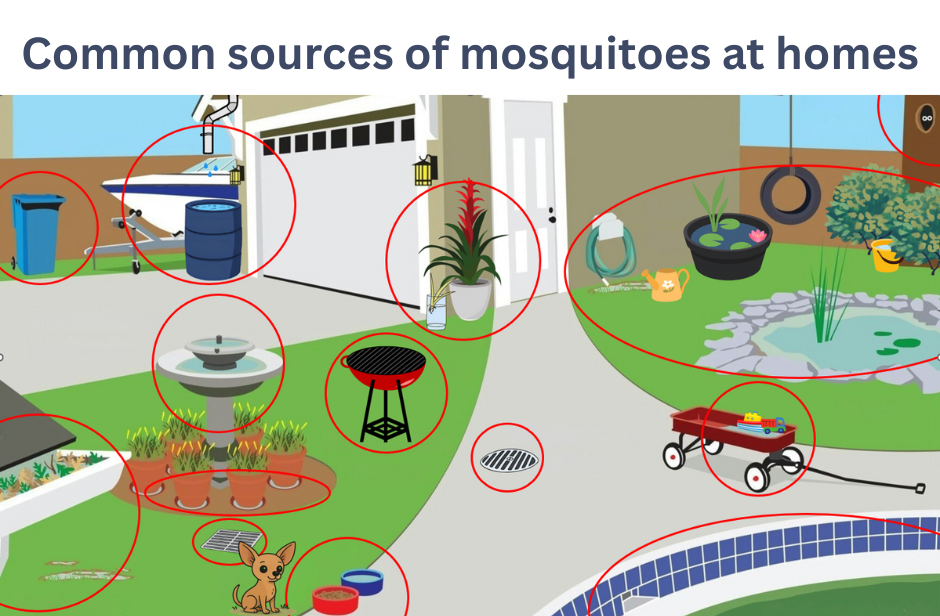
Common backyard breeding locations include:
-
Birdbaths
-
Clogged gutters
-
Kiddie pools
-
Plant trays
-
Decorative fountains
-
Rain barrels
-
Wheelbarrows
-
Pet water bowls
-
Tarps
-
Outdoor furniture covers
-
Drainage depressions
-
Old tires
-
Trash cans
Eliminating these breeding areas is the foundation of any effective mosquito reduction plan.
Start With Backyard Drainage Improvements
One of the most important steps in mosquito prevention is controlling excess moisture and standing water.
Improve Soil Drainage
Poor drainage creates puddles after irrigation or rainfall. If water remains on the ground for more than a few days, mosquitoes may begin breeding.
Ways to improve drainage include:
-
Adding compost to compacted soil
-
Installing French drains
-
Regrading low spots
-
Using permeable pavers
-
Aerating lawns
-
Building raised planting beds
A well-drained yard dries faster after rain and becomes less attractive to mosquitoes.
Clean Gutters Regularly
Gutters are one of the most overlooked mosquito breeding sites.
Leaves, dirt, and debris trap moisture and create shallow pools of stagnant water. Cleaning gutters regularly helps water flow properly and reduces mosquito reproduction.
Installing gutter guards may also help minimize debris buildup.
Manage Irrigation Carefully
Overwatering lawns and landscaping creates damp environments where mosquitoes thrive.
Smart irrigation practices include:
-
Watering early in the morning
-
Avoiding nighttime watering
-
Using drip irrigation instead of overhead sprinklers
-
Installing moisture sensors
-
Adjusting watering schedules seasonally
Reducing unnecessary moisture also helps prevent mold, fungus, and lawn disease.
Landscape Design Strategies That Discourage Mosquitoes
Landscape design can significantly influence mosquito activity.
Certain layouts trap humidity and reduce airflow, while others create brighter, breezier environments that mosquitoes dislike.
Use Open Layouts to Increase Airflow
Mosquitoes are weak flyers. Even mild air movement makes it harder for them to navigate.
A backyard with improved airflow naturally becomes less mosquito-friendly.
Consider these landscape techniques:
-
Avoid overly dense shrub placement
-
Create wider pathways between planting areas
-
Use elevated decks or patios
-
Trim tree canopies
-
Reduce clutter around seating spaces
-
Avoid enclosing patios with thick vegetation
Open designs improve both comfort and visibility during gatherings.
Keep Grass Properly Maintained
Tall grass retains moisture and provides resting spots for mosquitoes during the day.
Maintain lawns by:
-
Mowing regularly
-
Removing weeds
-
Improving drainage
-
Avoiding excessive fertilization
-
Keeping edges trimmed
A clean and dry lawn creates fewer hiding places for insects.
Trim Dense Bushes and Overgrown Shrubs
Mosquitoes prefer cool shaded environments during hot afternoons.
Overgrown shrubs near patios, decks, or fire pits can become mosquito shelters.
Regular pruning helps:
-
Improve air circulation
-
Increase sunlight exposure
-
Reduce humidity
-
Make outdoor spaces feel larger
-
Improve visibility and safety
Focus especially on vegetation surrounding gathering zones.
Choose Mosquito-Resistant Plants
No plant completely eliminates mosquitoes, but some species may help discourage them through scent or oil production.
Popular mosquito-resistant landscaping plants include:
-
Lavender
-
Citronella grass
-
Basil
-
Rosemary
-
Mint
-
Marigolds
-
Catnip
-
Lemon balm
-
Sage
-
Geraniums
These plants work best when integrated into a broader mosquito management strategy.
Place them near:
-
Outdoor dining areas
-
Walkways
-
Patio edges
-
Seating areas
-
Pool decks
Create Sunlit Gathering Areas
Mosquitoes generally prefer cooler shaded environments.
If possible, position entertaining areas where they receive moderate sunlight during part of the day.
Examples include:
-
South-facing patios
-
Open pergolas
-
Elevated decks
-
Gravel seating zones
-
Stone terraces
Sunlight helps dry moisture faster and reduces humidity accumulation.
Reduce Backyard Clutter
Unused objects collect water and create hidden breeding sites.
Common clutter problems include:
-
Stacked flowerpots
-
Old buckets
-
Storage bins
-
Children’s toys
-
Tarps
-
Unused grills
-
Outdoor covers
-
Construction materials
Organized outdoor spaces are easier to inspect and maintain.
Hardscape Features That Help Reduce Mosquitoes
Hardscaping can support mosquito control while improving backyard aesthetics.
Install Gravel or Stone Zones
Gravel and stone surfaces drain faster than organic mulch or dense grass.
Good mosquito-resistant hardscape materials include:
-
Pea gravel
-
Crushed granite
-
Pavers
-
Flagstone
-
Decorative rock
-
Concrete patios
These materials help minimize standing water around gathering spaces.
Use Elevated Decks and Patios
Raised structures typically dry faster and improve airflow beneath seating areas.
Benefits include:
-
Reduced moisture retention
-
Better ventilation
-
Easier cleaning
-
Fewer muddy areas
-
Improved comfort during humid weather
Elevated entertaining spaces often experience noticeably fewer mosquitoes than low ground-level patios.
Avoid Poorly Maintained Water Features
Water features can either help or worsen mosquito problems.
Stagnant water attracts mosquitoes, while moving water discourages egg-laying.
If you have a fountain or pond:
-
Keep pumps running continuously
-
Add aeration systems
-
Clean debris regularly
-
Prevent algae buildup
-
Avoid shallow stagnant edges
Decorative ponds may also benefit from mosquito-eating fish species where appropriate.
Physical Devices That Reduce Mosquito Activity
Landscape improvements provide long-term prevention, but physical devices offer immediate support during gatherings.
Combining both approaches often delivers the best results.
Outdoor Fans: One of the Most Effective Mosquito Defenses
Fans are surprisingly effective because mosquitoes are weak flyers.
Even moderate airflow disrupts their ability to:
-
Land on skin
-
Detect carbon dioxide
-
Navigate around seating areas
For backyard parties, consider:
-
Oscillating pedestal fans
-
Ceiling fans for covered patios
-
Wall-mounted outdoor fans
-
Portable rechargeable fans
-
Misting fan systems
Position fans around seating and dining areas for maximum coverage.
Fans also improve comfort during hot weather.
Mosquito Traps and CO2 Trapping Systems
Modern mosquito traps attract and capture mosquitoes using combinations of:
-
Carbon dioxide
-
Heat
-
UV light
-
Scent lures
-
Air suction
These systems can reduce mosquito populations over time when used consistently.
Placement tips:
-
Position traps away from guest seating
-
Install near breeding zones
-
Avoid placing traps directly beside doors
-
Follow manufacturer maintenance guidelines
High-quality traps work best as part of an integrated mosquito management strategy.
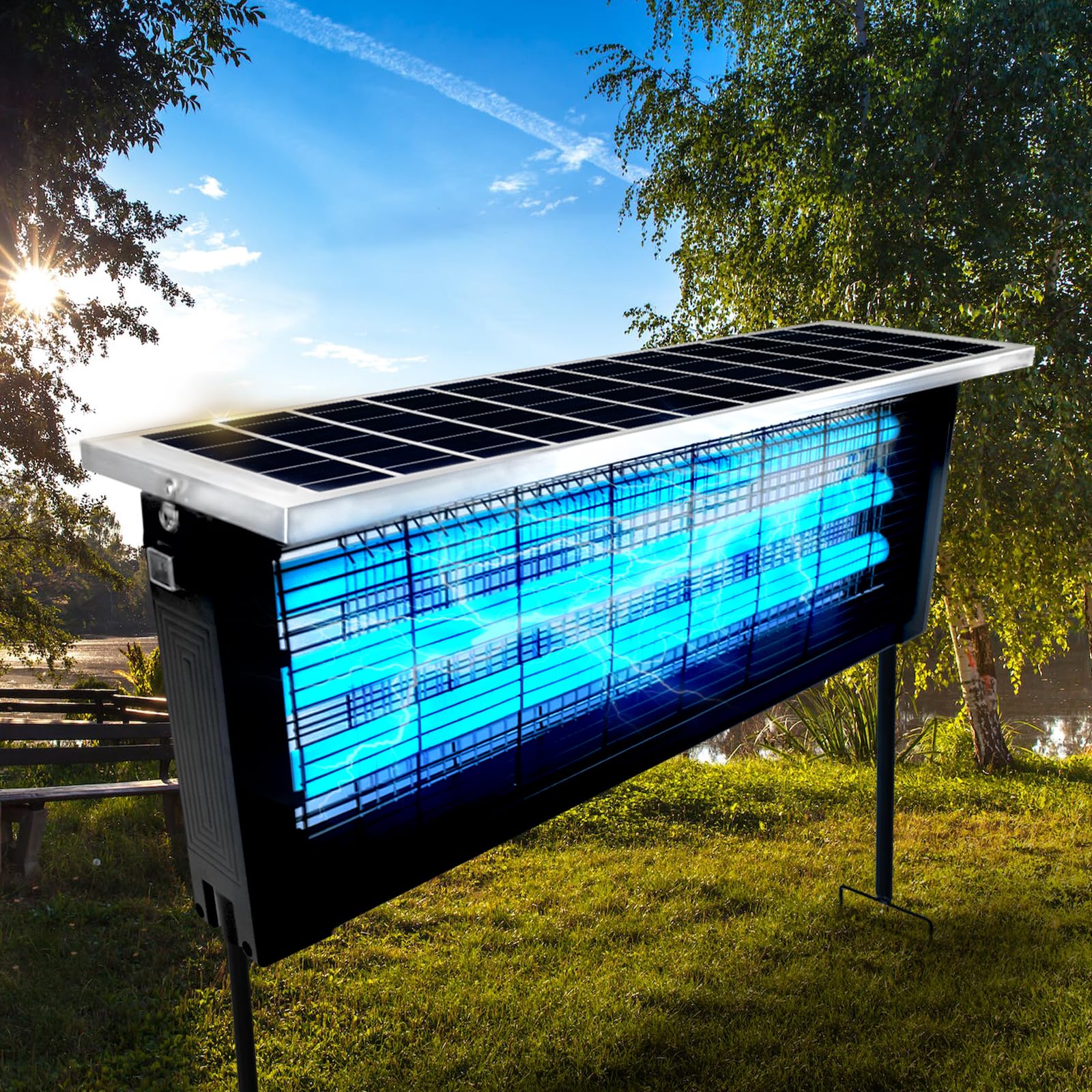
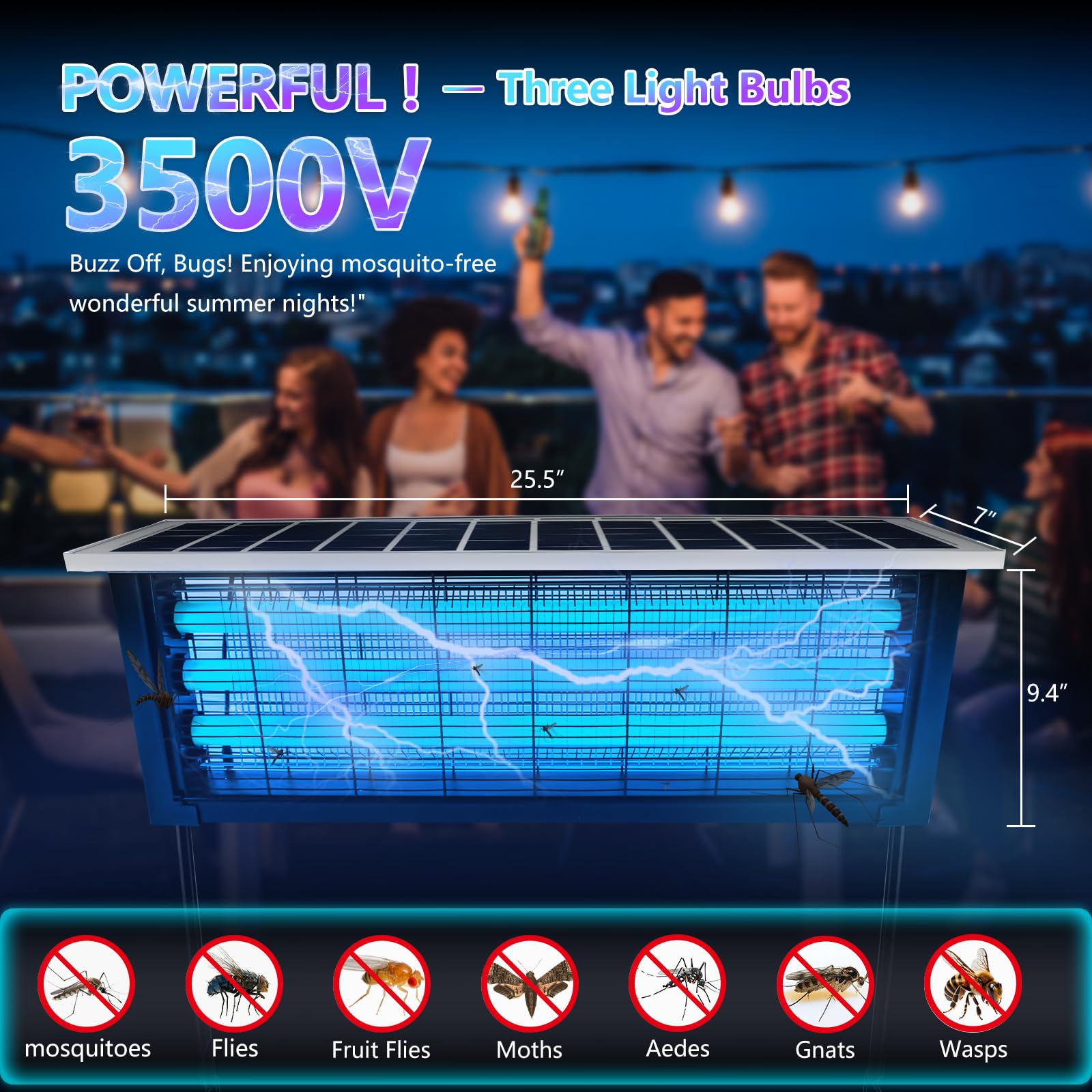
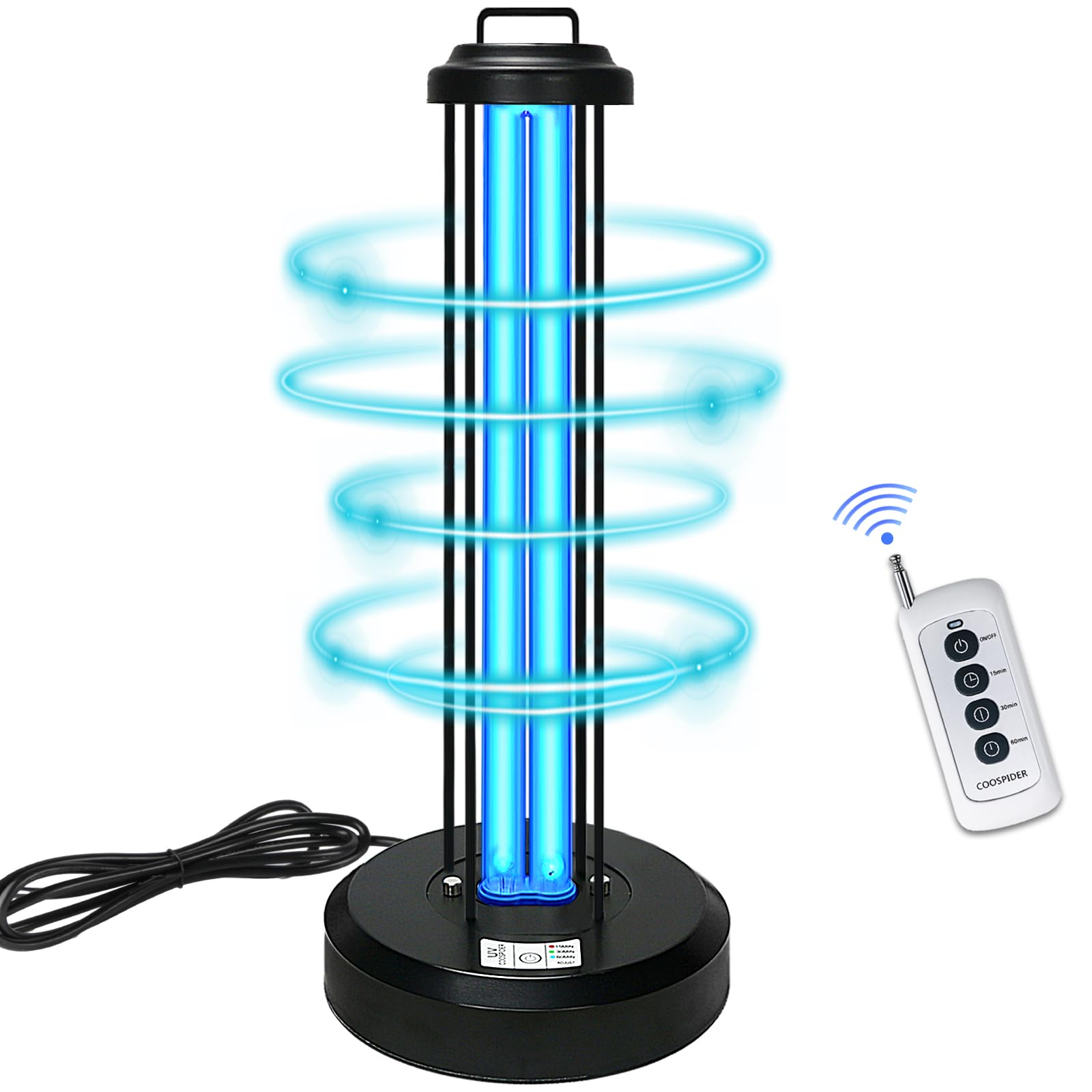
UV Bug Zappers: Pros and Limitations
Bug zappers are common in outdoor entertaining spaces, but their effectiveness against mosquitoes is mixed.
Many zappers attract general flying insects rather than mosquitoes specifically.
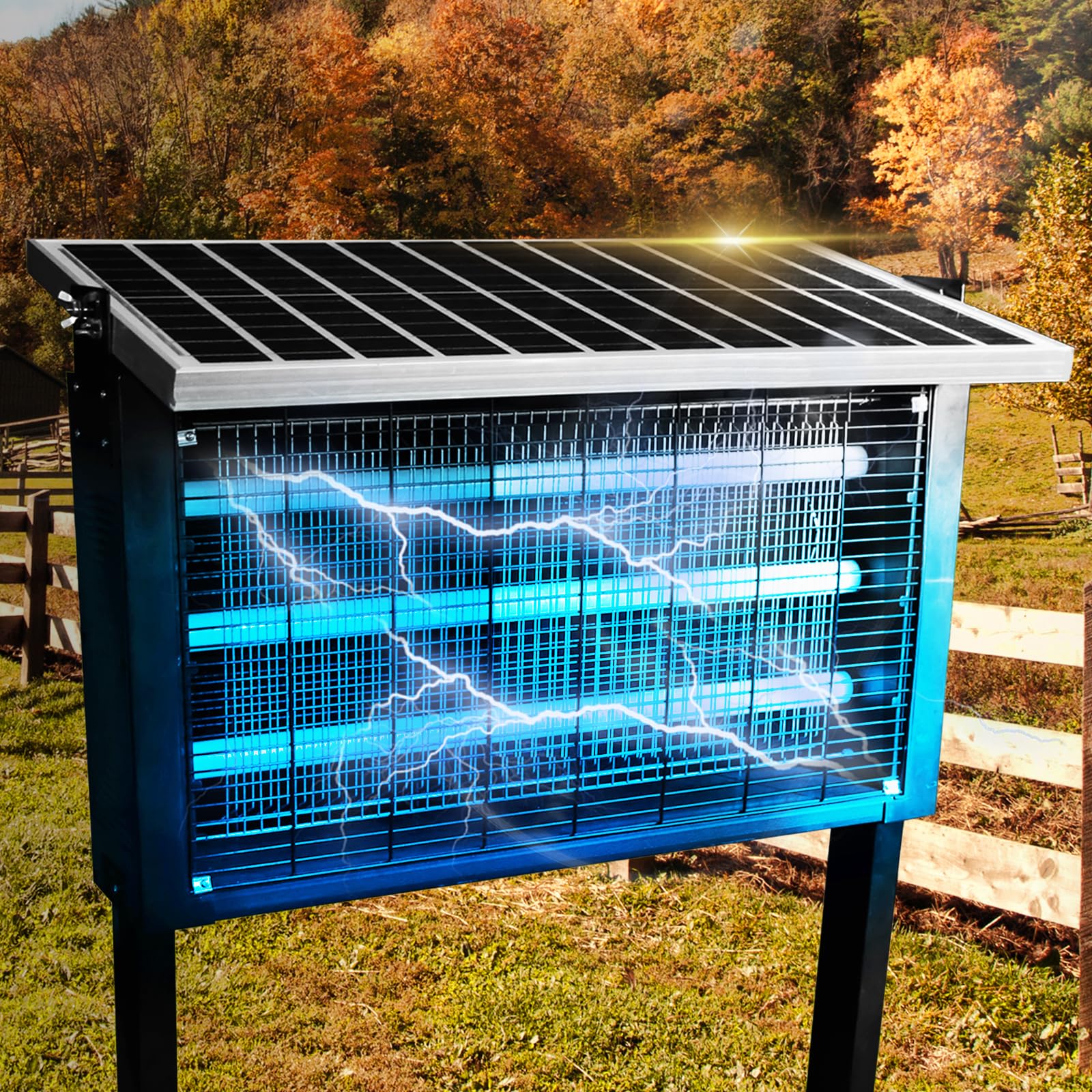
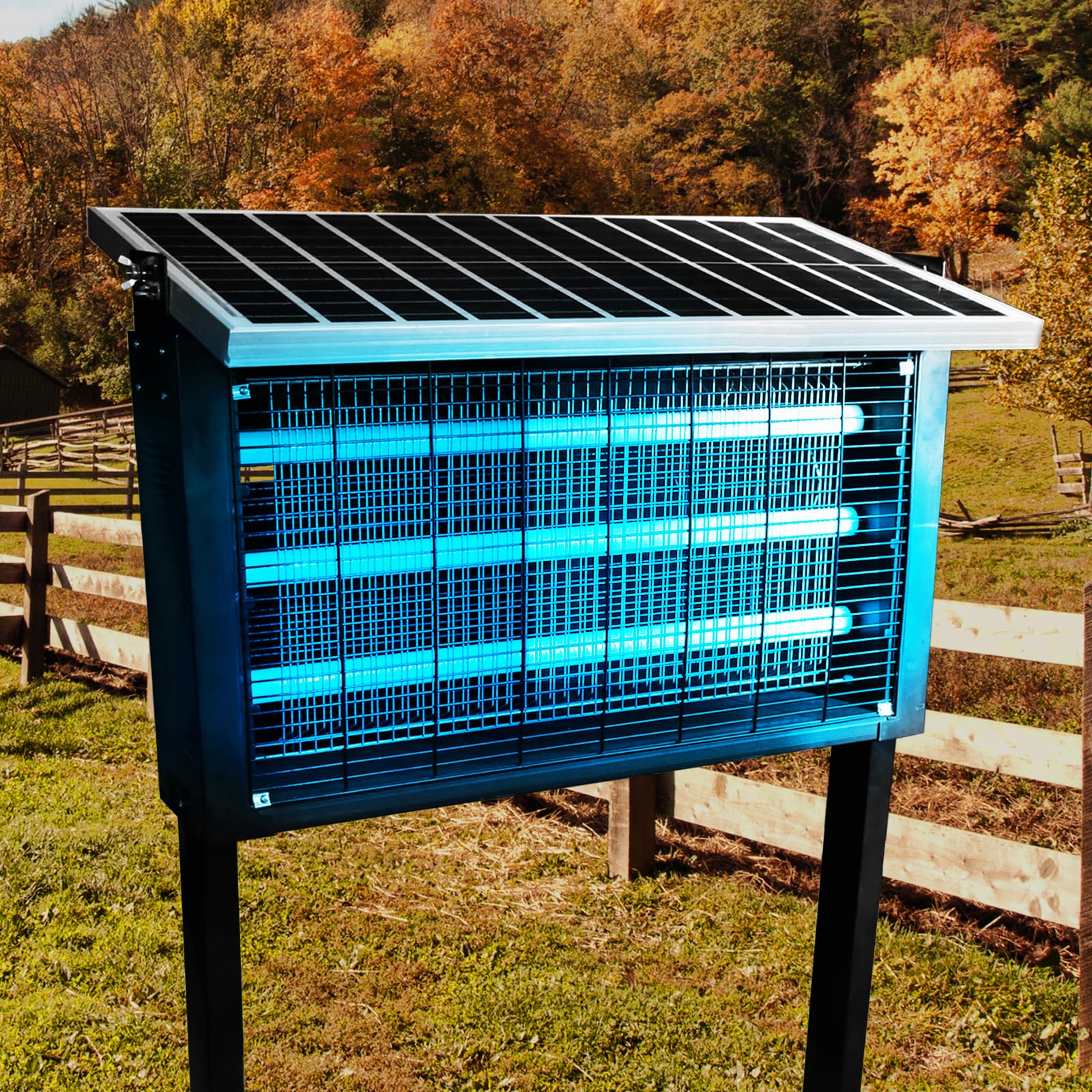
However, some newer mosquito-focused systems combine:
-
UV attraction
-
CO2 simulation
-
Octenol lures
-
Vacuum trapping
When selecting a device, prioritize mosquito-specific technology rather than general insect zappers.
Mosquito Netting and Screen Structures
Physical barriers remain one of the most reliable mosquito-control methods.
Popular options include:
-
Screened gazebos
-
Mosquito net canopies
-
Patio curtains
-
Pergola screens
-
Pop-up mesh shelters
These solutions are especially useful for:
-
Evening parties
-
Outdoor dining
-
Poolside seating
-
Family gatherings
-
Outdoor movie nights
Screened structures also help reduce flies and other insects.
Outdoor Misting Systems
Mosquito misting systems release fine insect-control sprays at scheduled intervals.
These systems may be installed around:
-
Fences
-
Landscaping edges
-
Pergolas
-
Patio perimeters
Professional installation often provides the best coverage and safety.
However, homeowners should research local regulations and environmental considerations before installing automated systems.
Portable Mosquito Repellers
Portable repellers can create small protective zones around seating areas.
Common technologies include:
-
Heated repellent mats
-
Battery-powered diffusers
-
Butane-powered repellents
-
Essential oil systems
These devices are useful for temporary gatherings and smaller outdoor spaces.
Lighting Choices That Attract Fewer Insects
Lighting influences insect behavior during nighttime events.
Bright white or cool-toned lights often attract more insects.
To reduce attraction:
-
Use warm LED lighting
-
Install amber bulbs
-
Use downward-facing fixtures
-
Avoid excessive brightness
-
Place lights away from seating areas
String lights, lanterns, and indirect lighting can create a more pleasant atmosphere while reducing bug attraction.
Backyard Seating Placement Matters
Furniture placement can influence mosquito exposure.
Avoid positioning seating near:
-
Dense bushes
-
Standing water
-
Drainage areas
-
Compost piles
-
Overwatered lawns
Instead, place gathering spaces in:
-
Breezy locations
-
Elevated surfaces
-
Open patios
-
Sunny areas
Creating airflow corridors can significantly improve comfort.
Pool Areas and Mosquito Prevention
Swimming pools themselves usually do not breed mosquitoes if properly maintained.
However, surrounding areas can create mosquito problems.
Common poolside mosquito sources include:
-
Pool covers holding water
-
Poor drainage
-
Landscaping moisture
-
Clogged drains
-
Decorative planters
Pool maintenance should include:
-
Proper chlorination
-
Water circulation
-
Cover cleaning
-
Regular deck washing
Fire Features and Mosquito Activity
Fire pits and outdoor fireplaces may help reduce mosquito activity temporarily because smoke disrupts insect movement.
For best results:
-
Combine fire features with fans
-
Use dry wood
-
Avoid smoky stagnant corners
-
Maintain airflow around the fire zone
Some homeowners also use citronella candles nearby for added support.
Seasonal Mosquito Prevention Checklist
Mosquito prevention works best when performed consistently throughout the year.
Spring
-
Clean gutters
-
Inspect drainage
-
Remove standing water
-
Trim vegetation
-
Service outdoor fans and traps
Summer
-
Monitor irrigation
-
Empty containers weekly
-
Use fans during gatherings
-
Maintain lawns
-
Inspect water features
Fall
-
Remove fallen leaves
-
Store outdoor equipment properly
-
Drain hoses and containers
-
Winterize fountains
Winter
-
Plan landscaping upgrades
-
Repair drainage systems
-
Prepare mosquito-control equipment
Eco-Friendly Mosquito Reduction Approaches
Many homeowners prefer environmentally conscious mosquito control methods.
Sustainable strategies include:
-
Habitat reduction
-
Natural airflow improvements
-
Physical barriers
-
Targeted traps
-
Water management
-
Native landscaping
Reducing unnecessary pesticide use may help protect:
-
Pollinators
-
Butterflies
-
Bees
-
Birds
-
Beneficial insects
Integrated approaches often provide better long-term balance.
Mistakes That Make Backyard Mosquito Problems Worse
Many homeowners unintentionally create mosquito-friendly conditions.
Common mistakes include:
-
Overwatering landscaping
-
Ignoring clogged gutters
-
Allowing standing water to collect
-
Using dense shrub walls
-
Neglecting lawn maintenance
-
Installing stagnant water features
-
Poor airflow design
-
Leaving containers outdoors uncovered
Correcting these issues can dramatically reduce mosquito activity.
Designing the Ideal Mosquito-Reduced Backyard Party Space
An ideal entertaining backyard combines comfort, aesthetics, and practical mosquito management.
A well-designed setup may include:
-
Open-air patio layout
-
Elevated seating area
-
Proper drainage systems
-
Trimmed landscaping
-
Warm ambient lighting
-
Outdoor ceiling fans
-
Screened dining zones
-
Mosquito-resistant plants
-
Gravel pathways
-
Proper irrigation management
Instead of relying on a single solution, layered protection delivers the best results.
How Weather Influences Mosquito Activity
Mosquito populations often increase after:
-
Heavy rain
-
High humidity
-
Warm temperatures
-
Flooding
-
Overcast evenings
Activity usually peaks around:
-
Dawn
-
Dusk
-
Humid nights
Planning gatherings during breezier or cooler conditions may help reduce mosquito annoyance.
Backyard Party Preparation Tips Before Guests Arrive
Before hosting an outdoor event, take several preventive steps.
24 to 48 Hours Before the Party
-
Inspect the yard for standing water
-
Mow grass
-
Trim shrubs
-
Empty containers
-
Test outdoor fans
-
Clean seating areas
Party Day
-
Turn on fans early
-
Position traps away from guests
-
Use warm outdoor lighting
-
Avoid overwatering landscaping
-
Keep trash sealed
-
Set up screened food stations if necessary
Preparation can significantly improve guest comfort.
Combining Landscaping and Devices for Better Results
The most effective mosquito control plans combine environmental management with physical technology.
For example:
| Landscape Solution | Physical Device |
|---|---|
| Improved drainage | Mosquito traps |
| Open airflow design | Outdoor fans |
| Trimmed vegetation | Screen systems |
| Gravel seating zones | Portable repellents |
| Water management | CO2 attractant traps |
This layered approach targets mosquitoes from multiple angles.
Long-Term Benefits of Mosquito-Resistant Backyard Design
Investing in mosquito reduction strategies provides more than temporary relief.
Long-term benefits include:
-
More enjoyable outdoor entertaining
-
Increased property appeal
-
Better outdoor comfort
-
Reduced insect annoyance
-
Cleaner landscape appearance
-
Improved usability of patios and decks
-
Enhanced relaxation during summer evenings
Thoughtful landscape planning can transform a mosquito-heavy backyard into a functional outdoor retreat.
Final Thoughts
Mosquito control does not have to rely entirely on sprays or harsh chemicals. Smart landscape design, proper drainage, improved airflow, and strategic use of physical mosquito-control devices can dramatically reduce mosquito activity around backyard gathering spaces.
The most successful outdoor entertaining areas are designed with prevention in mind. Open layouts, dry conditions, trimmed vegetation, moving air, and carefully selected equipment all work together to make outdoor spaces more comfortable and inviting.
Whether you are hosting summer cookouts, pool parties, evening dinners, or casual family gatherings, a proactive mosquito-control strategy helps guests focus on the experience instead of the insects.
By combining attractive landscaping with practical mosquito-management tools, homeowners can create a backyard environment that feels cleaner, safer, and far more enjoyable throughout mosquito season.