Few things can ruin a wilderness hiking trip faster than relentless mosquitoes.
You spend months preparing your route, testing gear, planning food, training physically, and studying the terrain — only to discover that swarms of mosquitoes make every break, campsite, and sunset miserable.
For long-distance hikers, backpackers, thru-hikers, overlanders, hunters, and wilderness campers, mosquito protection is not just about comfort.
It affects:
-
Sleep quality
-
Mental endurance
-
Skin health
-
Hiking performance
-
Campsite recovery
-
Infection risks from scratching
-
Overall wilderness safety and enjoyment
When it comes to preventing mosquito bites during extended backcountry travel, most hikers rely on one of two major strategies:
-
Physical mosquito defense
-
Chemical mosquito repellents
Both approaches have passionate supporters.
Some wilderness hikers prefer lightweight physical barriers such as protective clothing and mosquito nets, while others rely heavily on chemical repellents like DEET or picaridin for aggressive insect conditions.
But which strategy actually works better during long wilderness expeditions?
The answer is more complicated than many people realize.
In this guide, we’ll take a deep look at:
-
How physical mosquito defense works
-
How chemical repellents work
-
Advantages and disadvantages of each approach
-
Performance during long-distance hiking
-
Environmental considerations
-
Comfort and durability
-
Health and safety concerns
-
Mosquito pressure in different wilderness environments
-
Why many experienced hikers combine both systems
Whether you’re planning multi-day backpacking trips, Appalachian Trail sections, Pacific Crest Trail adventures, alpine trekking, rainforest expeditions, or remote fishing and hunting trips, understanding the strengths and weaknesses of each mosquito-defense strategy can dramatically improve your outdoor experience.
Why Mosquitoes Become a Major Problem During Wilderness Hiking
Before comparing protection strategies, it helps to understand why wilderness environments create such severe mosquito exposure.
Mosquitoes thrive in many of the same environments hikers enjoy.
Examples include:
-
Forests
-
Lakes
-
Wetlands
-
River valleys
-
Mountain meadows
-
Humid campsites
-
Coastal marshes
Long-distance hikers often travel through mosquito-heavy terrain during peak warm-weather seasons.
Backcountry travel also increases exposure because hikers:
-
Spend extended time outdoors
-
Sweat heavily
-
Produce more body heat
-
Exhale more carbon dioxide
-
Camp near water sources
-
Move during dawn and dusk hours
All of these factors make hikers highly attractive mosquito targets.
Understanding Physical Mosquito Defense
Physical mosquito defense focuses on creating barriers that prevent mosquitoes from reaching skin.
Instead of chemically repelling insects, physical systems block access directly.
Common Physical Mosquito Defense Methods
Physical mosquito protection includes:
-
Long-sleeve clothing
-
Hiking pants
-
Mosquito head nets
-
Bug jackets
-
Gloves
-
Gaiters
-
Screen shelters
-
Tent mesh systems
-
Hammock bug nets
-
Permethrin-treated fabrics
Some physical methods rely entirely on mechanical protection, while others combine fabric barriers with insect-resistant treatments.
Advantages of Physical Mosquito Defense for Wilderness Hiking
Physical protection offers several major benefits during long expeditions.
Continuous Protection Without Reapplication
One of the biggest advantages is consistency.
Unlike sprays or lotions, physical barriers do not wear off through sweating or rain.
As long as coverage remains intact, protection continues.
This becomes extremely valuable during:
-
Multi-day hikes
-
High-humidity environments
-
River crossings
-
Long climbs
-
Heavy perspiration conditions
Backpackers do not need to constantly reapply products.
Better Long-Term Sustainability for Extended Trips
Chemical repellents eventually run out.
Long wilderness expeditions may require carrying multiple bottles of repellent.
Physical barriers remain usable throughout the trip.
This reduces:
-
Resupply dependence
-
Consumable weight
-
Waste generation
-
Reapplication inconvenience
For thru-hikers covering hundreds or thousands of miles, reusable protection systems become highly practical.
Reduced Skin Exposure to Chemicals
Some hikers prefer minimizing direct chemical exposure.
Long-term use of repellents may cause:
-
Skin irritation
-
Eye irritation
-
Odor discomfort
-
Sticky skin feeling
Sensitive individuals sometimes experience stronger reactions.
Physical barriers avoid many of these issues.
Strong Protection During Extreme Mosquito Conditions
In severe mosquito environments, physical barriers often outperform repellents alone.
Examples include:
-
Arctic mosquito season
-
Boreal forests
-
Swamp regions
-
Tropical wetlands
-
Dense northern forests
When mosquito populations become overwhelming, fully covered clothing and head nets can provide more reliable defense.
Physical Protection Also Helps Against Other Insects
Protective clothing may also reduce exposure to:
-
Ticks
-
Black flies
-
Gnats
-
Horseflies
-
Chiggers
-
Biting midges
This broader protection is valuable during wilderness travel.
Fewer Environmental Contamination Concerns
Some hikers prefer physical barriers because they reduce chemical release into natural environments.
This is especially important near:
-
Lakes
-
Rivers
-
Sensitive ecosystems
-
Wildlife habitats
Low-impact outdoor ethics influence many backpackers’ gear choices.
Disadvantages of Physical Mosquito Defense
Although physical protection is highly effective, it also has limitations.
Heat and Comfort Issues
Covering skin during hot weather can become uncomfortable.
Long sleeves, pants, and head nets may increase:
-
Heat retention
-
Sweat accumulation
-
Humidity discomfort
-
Reduced airflow
This becomes especially challenging during:
-
Summer hiking
-
Tropical environments
-
Desert-edge wetlands
-
High-humidity conditions
Comfort can significantly affect hiking endurance.
Mobility and Dexterity Limitations
Some physical mosquito gear restricts movement.
Examples include:
-
Bug jackets
-
Gloves
-
Full head nets
Tasks like:
-
Cooking
-
Navigation
-
Photography
-
Gear adjustments
may become more awkward.
Mosquitoes Can Bite Through Thin Fabric
Not all clothing provides equal protection.
Mosquitoes may bite through:
-
Tight-fitting shirts
-
Thin synthetic fabrics
-
Stretched materials
Especially around:
-
Shoulders
-
Elbows
-
Knees
-
Backpack pressure zones
Proper clothing selection matters.
Weight and Bulk Considerations
Ultralight hikers often minimize gear weight aggressively.
Extra physical protection systems may add:
-
Clothing layers
-
Netting
-
Shelter accessories
-
Protective outerwear
Although individual items may be lightweight, cumulative weight matters during long treks.
Understanding Chemical Mosquito Repellents
Chemical repellents work differently.
Instead of physically blocking mosquitoes, they interfere with mosquito sensory systems.
Repellents make it harder for mosquitoes to detect or target humans.
Common Chemical Mosquito Repellents
Popular options include:
-
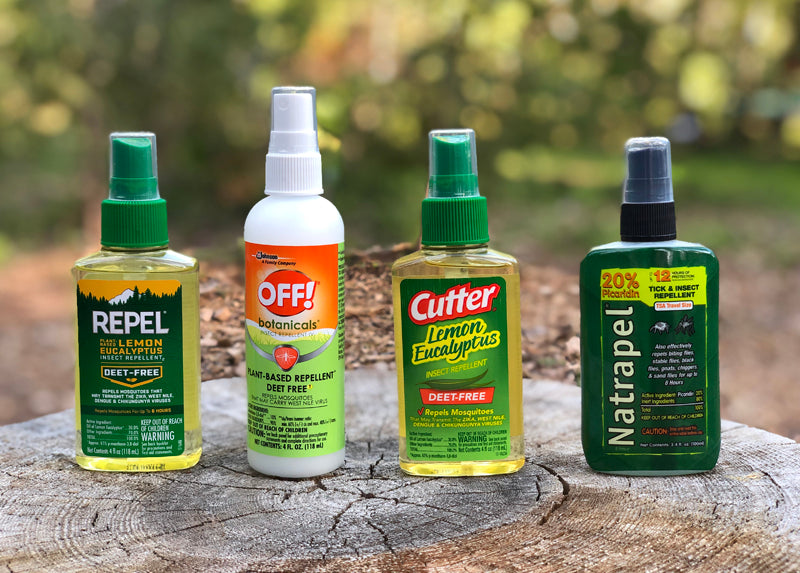
DEET
-
Picaridin
-
Oil of Lemon Eucalyptus (OLE)
-
IR3535
-
Permethrin clothing treatment
Each has different strengths and limitations.
Advantages of Chemical Repellents During Long Wilderness Hikes
Chemical repellents remain extremely popular among hikers for several reasons.
Lightweight and Portable
A small bottle of repellent provides significant protection.
Compared to bulky clothing systems, repellents often save space and weight.
This matters for:
-
Ultralight backpackers
-
Fastpackers
-
Trail runners
-
Minimalist hikers
Weight efficiency is critical during long-distance travel.
Better Ventilation and Cooling
Chemical repellents allow hikers to wear lighter clothing.
This improves:
-
Airflow
-
Temperature regulation
-
Moisture evaporation
-
Heat management
In hot climates, ventilation becomes extremely important.
Easy to Apply Quickly
Repellents provide flexible protection.
Hikers can apply them:
-
Before breaks
-
Around camp
-
During high mosquito hours
-
On exposed skin areas
This adaptability is useful in changing environments.
Effective Against Aggressive Mosquito Activity
High-quality repellents can perform extremely well.
Especially products containing:
-
DEET
-
Picaridin
These repellents are widely trusted by:
-
Military personnel
-
Wilderness guides
-
Researchers
-
Hunters
-
International travelers
Minimal Clothing Restrictions
Chemical protection allows more freedom of movement.
This benefits hikers during:
-
Steep climbs
-
River crossings
-
High-output activity
-
Warm-weather trekking
Mobility and breathability improve comfort.
Disadvantages of Chemical Repellents
Despite their effectiveness, chemical repellents also have drawbacks.
Reapplication Requirements
Repellents wear off over time.
Factors reducing effectiveness include:
-
Sweat
-
Rain
-
Swimming
-
High humidity
-
Friction from clothing
Long hikes may require repeated application.
This creates maintenance inconvenience.
Potential Skin Irritation
Some users experience:
-
Dryness
-
Irritation
-
Burning sensations
-
Eye discomfort
-
Allergic reactions
Sensitive skin may react more strongly.
This becomes more noticeable during multi-day use.
Strong Odors and Texture Issues
Certain repellents have:
-
Strong smells
-
Oily texture
-
Sticky feeling
Some hikers dislike the sensation of wearing repellent continuously.
Limited Clothing Coverage
Repellents only protect treated areas.
Missed skin zones may still become bite targets.
Commonly overlooked areas include:
-
Ankles
-
Ears
-
Neck
-
Hands
-
Behind knees
Complete application matters.
Environmental Concerns
Some hikers prefer minimizing chemical usage in wilderness settings.
Concerns may include:
-
Water contamination
-
Ecological impact
-
Chemical runoff
Especially near sensitive ecosystems.
DEET vs. Picaridin for Wilderness Hiking
Two of the most popular repellents deserve special attention.
DEET
DEET has been widely used for decades.
Advantages:
-
Strong effectiveness
-
Long-lasting protection
-
Excellent performance in heavy mosquito conditions
Disadvantages:
-
Strong odor
-
Can damage plastics and synthetic materials
-
Greasy texture for some users
DEET remains highly respected for severe insect environments.
Picaridin
Picaridin has become increasingly popular among hikers.
Advantages:
-
Low odor
-
Comfortable skin feel
-
Safe for many synthetic materials
-
Effective mosquito protection
Disadvantages:
-
Some formulas require more frequent application
-
Slightly different performance depending on environment
Many modern backpackers prefer picaridin for comfort reasons.
The Unique Role of Permethrin-Treated Clothing
Permethrin occupies a unique middle ground between physical and chemical defense.
Rather than applying repellent directly to skin, hikers treat fabrics.
Permethrin-treated clothing can:
-
Repel mosquitoes
-
Kill ticks
-
Reduce insect landings
Advantages include:
-
Long-lasting treatment
-
No skin application needed
-
Excellent tick protection
Many experienced wilderness hikers combine permethrin-treated clothing with additional repellents.
Which Strategy Works Better in Different Wilderness Environments?
Mosquito conditions vary dramatically by region.
The best protection system often depends on environment.
Forest Hiking Environments
Dense forests often contain:
-
Shade
-
Moisture
-
Standing water
-
Humidity
Mosquito pressure can become intense.
Physical barriers perform very well here.
Especially:
-
Long sleeves
-
Head nets
-
Treated clothing
Chemical repellents remain useful for exposed skin.
Wetlands and Swamp Conditions
Swamp environments may produce overwhelming mosquito density.
In these conditions, physical barriers often become essential.
Head nets and protective clothing may outperform repellents alone.
Layered protection works best.
Hot Desert-Edge Hiking
Heat becomes the primary challenge.
Heavy clothing may increase:
-
Overheating risk
-
Sweat accumulation
-
Fatigue
In these environments, lightweight chemical repellents may improve comfort.
Breathable clothing becomes critical.
Alpine and High-Elevation Hiking
Mosquito activity often becomes seasonal near alpine snowmelt zones.
Mosquitoes may surge during:
-
Early summer
-
Snowmelt periods
-
Meadow crossings
Physical protection works very well because temperatures are often cooler.
Long sleeves become more tolerable.
Tropical Wilderness Conditions
Tropical environments create severe insect pressure.
Challenges include:
-
Humidity
-
Heat
-
Dense mosquito populations
-
Disease risk
Here, most experienced travelers combine:
-
Treated clothing
-
Repellents
-
Mosquito nets
-
Full-coverage systems
Layered defense becomes extremely important.
Why Many Experienced Hikers Combine Both Strategies
One of the biggest lessons from wilderness travel is this:
Physical protection and chemical repellents are not mutually exclusive.
In reality, many experienced backpackers use both.
Layered Mosquito Defense Systems
Effective wilderness mosquito management often includes:
-
Lightweight long sleeves
-
Treated clothing
-
Head nets
-
Targeted repellent application
-
Tent mesh systems
-
Campsite airflow strategies
Each layer compensates for weaknesses in the others.
How Layered Protection Improves Long-Term Comfort
Relying on one strategy alone may fail under difficult conditions.
For example:
-
Repellent may wear off
-
Clothing may become too hot
-
Mosquitoes may bite through thin fabric
-
Sweat may reduce chemical effectiveness
Layered systems provide redundancy.
This is especially important during:
-
Multi-week expeditions
-
Remote travel
-
High mosquito seasons
-
Wet climates
Psychological Effects of Mosquito Stress During Hiking
Mosquitoes affect more than skin comfort.
Persistent insect pressure can impact:
-
Sleep
-
Mental focus
-
Morale
-
Recovery
-
Campsite enjoyment
Long wilderness trips require psychological resilience.
Strong mosquito protection contributes to overall expedition success.
Common Mosquito Protection Mistakes Hikers Make
Even experienced hikers sometimes make avoidable errors.
Waiting Until Mosquitoes Appear
Many hikers delay protection until swarms arrive.
Preventive preparation works better.
Wearing Tight Clothing
Mosquitoes may bite through tight fabrics.
Loose-fitting garments provide better protection.
Ignoring Campsite Selection
Camping near stagnant water increases mosquito exposure dramatically.
Breezy campsites often experience fewer mosquitoes.
Forgetting Ankles and Hands
These areas are frequent bite zones.
Complete protection matters.
Depending Entirely on One Method
Single-layer mosquito defense often fails in difficult environments.
Integrated systems work best.
The Best Mosquito Protection Strategy for Long Wilderness Hikes
So which method truly works better?
The answer depends on:
-
Climate
-
Hiking intensity
-
Mosquito density
-
Personal comfort preferences
-
Trip duration
-
Terrain
-
Weight priorities
However, for most long wilderness hikes, the most effective approach is usually:
A layered system combining physical barriers with targeted chemical repellents.
Ideal Combination Strategy
Many experienced hikers prefer:
-
Lightweight breathable long sleeves
-
Long hiking pants
-
Permethrin-treated fabrics
-
Head nets for severe conditions
-
Picaridin or DEET on exposed skin
-
Tent mesh protection
This balance maximizes both comfort and protection.
Final Thoughts
Mosquitoes are one of the most persistent challenges in wilderness hiking.
Long-distance backpackers and outdoor adventurers quickly learn that effective mosquito protection is essential not only for comfort but also for sleep quality, mental endurance, and overall trip success.
Physical mosquito defense systems offer:
-
Reliable long-term coverage
-
Reduced reapplication needs
-
Strong performance in severe mosquito environments
-
Excellent protection against multiple insects
Meanwhile, chemical repellents provide:
-
Lightweight flexibility
-
Better ventilation
-
High mobility
-
Strong targeted bite prevention
Each strategy has strengths and limitations.
For most extended wilderness hikes, the best results come from combining both approaches into a layered mosquito-defense system tailored to the environment.
By understanding:
-
Mosquito behavior
-
Climate conditions
-
Clothing performance
-
Repellent effectiveness
-
Personal comfort needs
you can build a wilderness mosquito strategy that keeps you safer, more comfortable, and better prepared for long outdoor adventures.
Because when you’re deep in the backcountry, effective mosquito protection is not just about avoiding itchy bites.
It’s about preserving energy, improving recovery, protecting focus, and making the wilderness experience far more enjoyable from the first mile to the last.