Summer is the season of outdoor adventures. Families gather for backyard barbecues, campers head into the wilderness, travelers explore tropical destinations, and communities celebrate festivals, concerts, and sporting events under the sun. But while people look forward to warm weather and outdoor fun, mosquitoes are also entering peak activity season.
For many people, mosquitoes are viewed as little more than annoying pests that leave itchy bites behind. In reality, mosquitoes are among the deadliest disease carriers in the world. Every year, mosquito-borne illnesses affect millions of people globally, and climate changes, urbanization, international travel, and shifting ecosystems continue expanding mosquito habitats into new regions.
As summer 2026 approaches, health experts, outdoor enthusiasts, travelers, and families should understand the growing risks associated with mosquito-borne diseases and learn practical ways to reduce exposure during outdoor activities.
This guide explores the major mosquito-transmitted diseases, emerging public health concerns, high-risk outdoor environments, warning signs to watch for, and the most effective prevention strategies for staying safer during mosquito season.
Why Mosquitoes Are More Dangerous Than Many People Realize
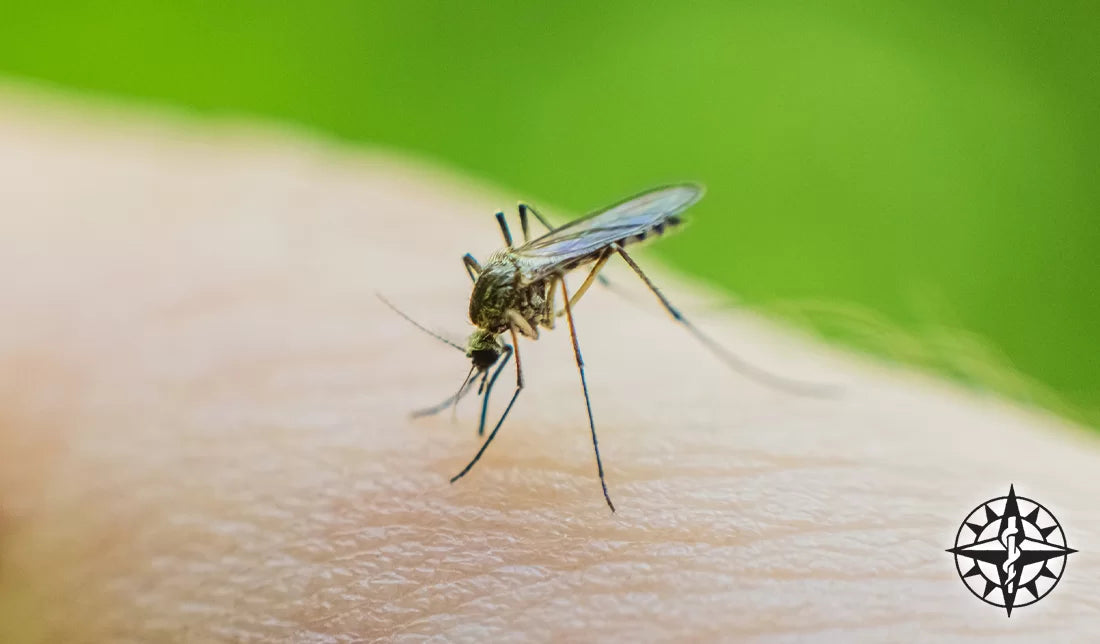
Mosquitoes are not just irritating insects. They are vectors, meaning they can transmit viruses, parasites, and pathogens between humans and animals.
When an infected mosquito bites a person, disease-causing organisms may enter the bloodstream.
Mosquitoes spread illnesses including:
-
West Nile virus
-
Dengue fever
-
Malaria
-
Zika virus
-
Chikungunya
-
Yellow fever
-
Japanese encephalitis
-
Eastern equine encephalitis
Some infections cause mild flu-like symptoms, while others can lead to severe neurological complications, organ damage, birth defects, or death.
Why Mosquito Risks Are Increasing in 2026
Several global trends are contributing to rising mosquito-related health concerns.
Climate Change and Warmer Temperatures
Mosquitoes thrive in warm and humid conditions.
Longer summers and milder winters allow mosquito populations to:
-
Expand geographically
-
Survive longer seasons
-
Reproduce faster
-
Spread into previously cooler regions
Areas that once experienced limited mosquito activity may now face extended mosquito seasons.
Increased Global Travel
International travel allows mosquito-borne diseases to move rapidly between countries and regions.
Travelers may unknowingly carry infections into areas where mosquitoes can transmit diseases locally.
This increases the risk of outbreaks in new locations.
Urbanization and Standing Water
Urban environments often create ideal mosquito breeding conditions through:
-
Construction sites
-
Poor drainage
-
Clogged gutters
-
Stormwater systems
-
Discarded containers
-
Dense populations
Even small pools of standing water can support mosquito reproduction.
Extreme Weather Events
Flooding, hurricanes, and heavy rainfall can dramatically increase mosquito populations.
After storms, standing water accumulates in:
-
Debris
-
Buckets
-
Tires
-
Roofs
-
Flooded fields
-
Drainage systems
These conditions often lead to mosquito population explosions.
Understanding How Mosquito-Borne Diseases Spread
Mosquitoes become infected after feeding on infected humans or animals.
The pathogens then develop inside the mosquito before being transmitted to another host through subsequent bites.
Different mosquito species carry different diseases.
For example:
-
Aedes mosquitoes commonly spread dengue and Zika
-
Culex mosquitoes are major carriers of West Nile virus
-
Anopheles mosquitoes transmit malaria
Understanding mosquito behavior helps improve prevention strategies.
West Nile Virus: One of the Most Common Mosquito-Borne Diseases in the United States
West Nile virus remains a major concern across many parts of the United States.
The virus spreads primarily through infected Culex mosquitoes.
Common Symptoms of West Nile Virus
Many infected individuals show no symptoms at all.
However, some people experience:
-
Fever
-
Headaches
-
Fatigue
-
Body aches
-
Skin rash
-
Nausea
In severe cases, neurological complications may occur.
Severe West Nile Complications
High-risk individuals may develop:
-
Encephalitis
-
Meningitis
-
Paralysis
-
Confusion
-
Muscle weakness
Older adults and individuals with weakened immune systems face higher risks of serious illness.
Dengue Fever: A Growing Global Threat
Dengue fever continues spreading in tropical and subtropical regions worldwide.
Some experts warn that warming climates may expand dengue risk zones further in the coming years.
Symptoms of Dengue Fever
Dengue symptoms may include:
-
High fever
-
Severe headaches
-
Joint pain
-
Muscle pain
-
Rash
-
Nausea
-
Vomiting
Because symptoms resemble other illnesses, diagnosis may sometimes be delayed.
Severe Dengue Risks
In some cases, dengue can progress into severe dengue, which may involve:
-
Internal bleeding
-
Organ impairment
-
Shock
-
Dangerous drops in blood pressure
Prompt medical attention is critical.
Zika Virus and Pregnancy Concerns
Zika virus gained international attention because of its link to birth defects.
Although outbreaks have fluctuated over recent years, the virus remains a concern in some regions.
Zika Symptoms
Many infected individuals experience mild symptoms or none at all.
Possible symptoms include:
-
Fever
-
Rash
-
Joint pain
-
Red eyes
-
Fatigue
The greatest concern involves pregnant women because infection during pregnancy may affect fetal development.
Malaria: Still a Major Global Health Threat
Although malaria is less common in most parts of the United States, it remains one of the world’s deadliest mosquito-borne diseases.
Travelers visiting malaria-prone regions should take preventive measures seriously.
Malaria Symptoms
Symptoms often include:
-
Fever
-
Chills
-
Sweating
-
Headaches
-
Muscle pain
-
Fatigue
-
Nausea
Without treatment, malaria can become life-threatening.
Chikungunya: A Painful Mosquito-Borne Illness
Chikungunya is another virus transmitted primarily by Aedes mosquitoes.
While rarely fatal, it can cause debilitating joint pain.
Common Chikungunya Symptoms
Symptoms often include:
-
Sudden fever
-
Severe joint pain
-
Muscle aches
-
Rash
-
Fatigue
-
Headaches
Joint pain may persist for weeks or months in some individuals.
Eastern Equine Encephalitis: Rare but Extremely Serious
Eastern equine encephalitis (EEE) is rare but highly dangerous.
The virus can cause severe brain inflammation and has a high fatality rate in severe cases.
Symptoms of EEE
Possible symptoms include:
-
Fever
-
Headache
-
Vomiting
-
Seizures
-
Confusion
-
Neurological damage
Although infections are uncommon, public health officials monitor outbreaks closely during mosquito season.
Why Outdoor Activities Increase Mosquito Exposure
Outdoor environments naturally increase contact with mosquitoes.
High-risk activities include:
-
Camping
-
Hiking
-
Fishing
-
Backyard parties
-
Outdoor concerts
-
Sporting events
-
Gardening
-
Hunting
-
Boating
-
Beach travel
Mosquitoes become especially active around dawn and dusk.
High-Risk Outdoor Environments
Certain environments attract larger mosquito populations.
These include:
-
Wetlands
-
Lakes
-
Swamps
-
Forest edges
-
Flooded areas
-
Tropical destinations
-
Overgrown yards
-
Stagnant water zones
Understanding environmental risk factors helps people prepare appropriately.
Mosquitoes and Backyard Health Risks
Mosquitoes are not only a wilderness concern.
Residential areas can become breeding grounds when standing water accumulates around homes.
Common backyard mosquito habitats include:
-
Birdbaths
-
Gutters
-
Flowerpot trays
-
Kiddie pools
-
Tarps
-
Outdoor furniture covers
-
Buckets
-
Pet bowls
Even small amounts of water may support mosquito larvae.
Why Children Face Special Risks
Children are often more vulnerable during mosquito season because they:
-
Spend more time outdoors
-
May not recognize symptoms early
-
Scratch bites aggressively
-
Have smaller body sizes
-
May forget protective measures
Parents should monitor children carefully during outdoor activities.
Older Adults and High-Risk Individuals
Some mosquito-borne diseases affect older adults more severely.
Higher-risk groups include:
-
Seniors
-
Pregnant women
-
Immunocompromised individuals
-
People with chronic medical conditions
These individuals should take additional precautions during mosquito season.
Recognizing Early Warning Signs After Mosquito Exposure
Most mosquito bites are harmless.
However, symptoms appearing days or weeks after exposure should not be ignored.
Warning signs may include:
-
Persistent fever
-
Severe headaches
-
Muscle pain
-
Rash
-
Neurological symptoms
-
Extreme fatigue
-
Joint swelling
-
Vomiting
Medical evaluation may be necessary, especially after international travel.
Effective Mosquito Bite Prevention Strategies
Prevention remains the best defense against mosquito-borne diseases.
Layered protection is usually most effective.
Use EPA-Registered Insect Repellents
Insect repellents remain one of the most reliable preventive tools.
Common active ingredients include:
-
DEET
-
Picaridin
-
Oil of lemon eucalyptus
-
IR3535
Always follow label instructions carefully.
Wear Protective Clothing
Appropriate clothing can reduce exposed skin.
Recommended options include:
-
Long sleeves
-
Long pants
-
Socks
-
Light-colored clothing
-
Loose-fitting fabrics
Some outdoor gear also includes insect-repellent treatments.
Avoid Peak Mosquito Activity Times
Mosquitoes are often most active during:
-
Dawn
-
Dusk
-
Humid evenings
Scheduling activities outside peak periods may reduce exposure.
Eliminate Standing Water Around Homes
Removing mosquito breeding sites is one of the most effective prevention strategies.
Inspect your property regularly for:
-
Buckets
-
Flowerpots
-
Gutters
-
Pool covers
-
Outdoor containers
-
Drainage issues
Water should not remain stagnant for extended periods.
Use Physical Barriers
Physical protection measures include:
-
Window screens
-
Door screens
-
Mosquito netting
-
Screened patios
-
Camping mesh shelters
These barriers reduce mosquito access indoors and around gathering spaces.
Outdoor Fans Can Help Reduce Mosquitoes
Mosquitoes are weak flyers.
Outdoor fans improve airflow and make it harder for mosquitoes to land on people.
Fans are especially helpful for:
-
Patios
-
Decks
-
Outdoor dining areas
-
Backyard parties
Protecting Yourself While Traveling
Travelers should research mosquito risks before visiting international destinations.
Important steps include:
-
Reviewing travel advisories
-
Checking vaccine recommendations
-
Packing repellents
-
Using bed nets where appropriate
-
Staying in screened or air-conditioned accommodations
Preparation is especially important in tropical regions.
The Role of Public Health Monitoring
Health agencies monitor mosquito populations and disease outbreaks through:
-
Mosquito testing programs
-
Surveillance systems
-
Public alerts
-
Environmental monitoring
Community awareness plays a major role in prevention.
Why Mosquito Surveillance Matters
Mosquito surveillance helps identify:
-
High-risk regions
-
Disease-positive mosquito populations
-
Seasonal trends
-
Outbreak risks
This information supports faster public health responses.
Climate Trends and the Future of Mosquito-Borne Diseases
Scientists expect mosquito-related health concerns to continue evolving.
Potential future trends include:
-
Longer mosquito seasons
-
Expanded mosquito habitats
-
New regional outbreaks
-
Increased tropical disease spread
-
Greater urban mosquito challenges
Communities may need stronger prevention infrastructure in the future.
Mosquito Myths That Can Create Dangerous Misunderstandings
Many common mosquito myths are inaccurate.
Myth: Mosquitoes Only Live in Rural Areas
Mosquitoes thrive in urban and suburban settings as well.
Cities often provide abundant breeding opportunities.
Myth: Only Tropical Regions Face Mosquito Disease Risks
Many mosquito-borne illnesses occur outside tropical areas.
West Nile virus affects numerous regions across North America.
Myth: Mosquitoes Only Bite at Night
Different mosquito species bite at different times.
Some aggressive species bite during the daytime.
Myth: Natural Remedies Always Provide Enough Protection
Some natural repellents offer limited or short-duration protection.
People in high-risk areas should use proven preventive measures.
Community Prevention Matters
Mosquito control works best when communities participate together.
Neighborhood prevention efforts may include:
-
Drainage maintenance
-
Public spraying programs
-
Property inspections
-
Standing water removal
-
Public education campaigns
One neglected property can contribute to larger mosquito problems nearby.
Outdoor Event Planning and Mosquito Safety
Large outdoor events should consider mosquito prevention planning.
Organizers may reduce risk through:
-
Proper drainage
-
Mosquito monitoring
-
Fan installation
-
Lighting adjustments
-
Repellent availability
-
Landscaping maintenance
Outdoor comfort and health protection often go hand in hand.
Camping and Wilderness Mosquito Protection
Campers should prepare carefully for mosquito-heavy environments.
Recommended equipment includes:
-
Insect repellent
-
Long clothing
-
Head nets
-
Screen tents
-
Portable fans
-
Mosquito-treated gear
Choosing campsites away from stagnant water may also help reduce exposure.
Why Early Treatment Matters
Prompt medical attention can reduce complications from certain mosquito-borne illnesses.
Travel history and mosquito exposure information can help healthcare providers identify potential infections faster.
Ignoring symptoms may delay proper treatment.
Pets and Mosquito Risks
Mosquitoes can also affect animals.
Pets may face risks from illnesses such as:
-
Heartworm disease
-
West Nile virus exposure
-
Other vector-borne infections
Pet owners should discuss prevention options with veterinarians.
The Economic Impact of Mosquito-Borne Diseases
Mosquito-borne illnesses create major economic burdens through:
-
Healthcare costs
-
Lost productivity
-
Tourism disruption
-
Public health spending
-
Vector control programs
Mosquito prevention benefits both public health and local economies.
Technology and Modern Mosquito Control
New mosquito-control technologies continue developing.
Emerging tools include:
-
Smart mosquito traps
-
AI-based surveillance
-
Drone monitoring
-
Genetic mosquito control research
-
Predictive outbreak modeling
Technology may play a growing role in future prevention strategies.
Building a Safer Outdoor Routine for Summer 2026
Outdoor activities remain an important part of summer life.
The goal is not to avoid nature entirely, but to approach outdoor environments with greater awareness and preparation.
A safer outdoor routine may include:
-
Applying repellent consistently
-
Wearing protective clothing
-
Monitoring mosquito activity
-
Avoiding standing water
-
Using screened spaces
-
Staying informed about local outbreaks
Simple habits can significantly reduce risk.
Final Thoughts
Mosquitoes are far more than seasonal nuisances. They are highly effective disease carriers capable of spreading serious illnesses across communities and continents. As environmental changes, global travel, and urban development continue influencing mosquito populations, awareness and prevention become increasingly important.
Summer 2026 will bring countless opportunities for outdoor recreation, travel, and social gatherings. By understanding mosquito-borne disease risks and taking practical preventive steps, individuals and families can enjoy outdoor activities more safely.
From backyard barbecues and camping trips to international travel and neighborhood events, preparation matters. Effective mosquito protection combines awareness, environmental management, personal protection, and community cooperation.
The more informed people become about mosquito-borne diseases, the better equipped they are to reduce exposure, recognize warning signs early, and protect both personal and public health during mosquito season.