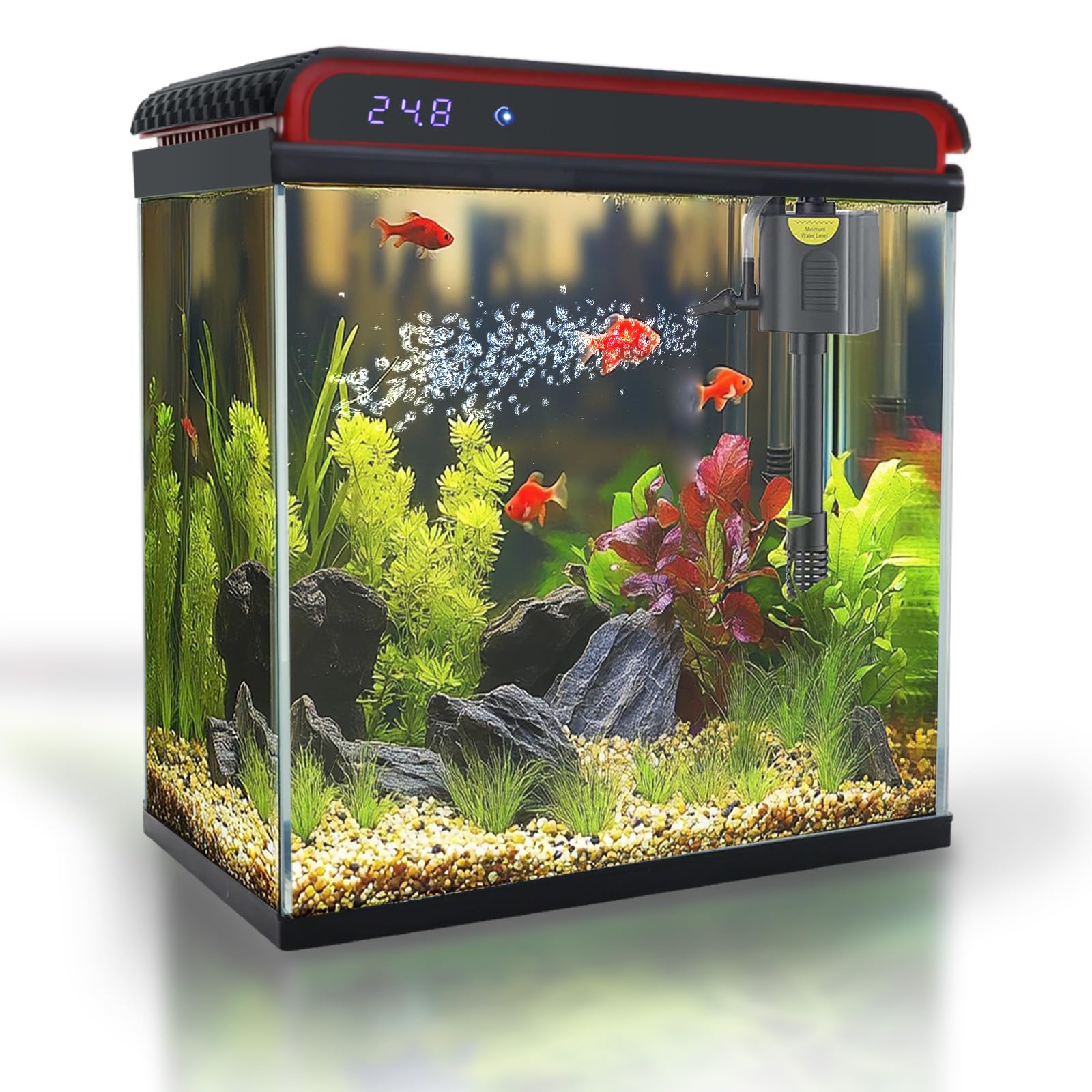
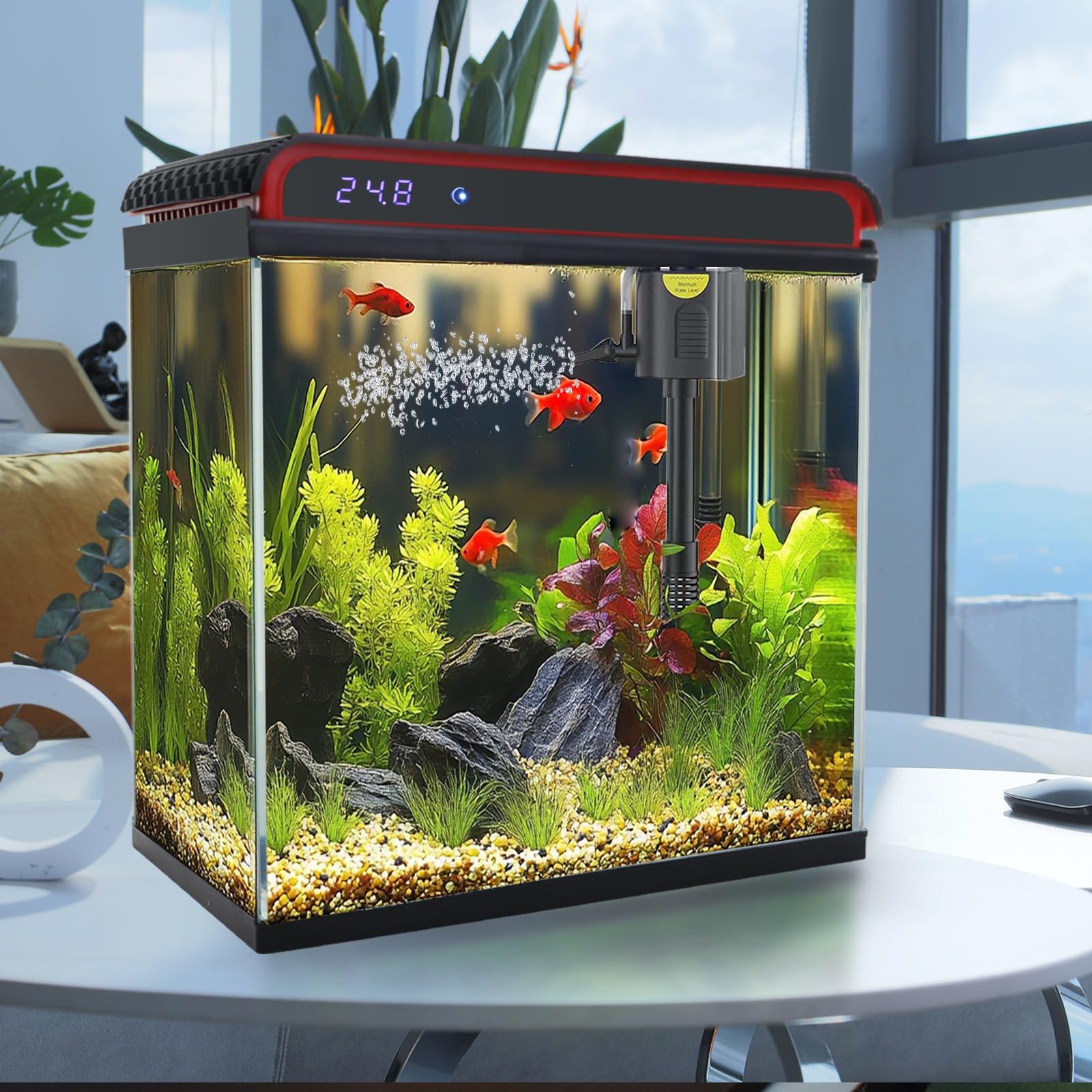
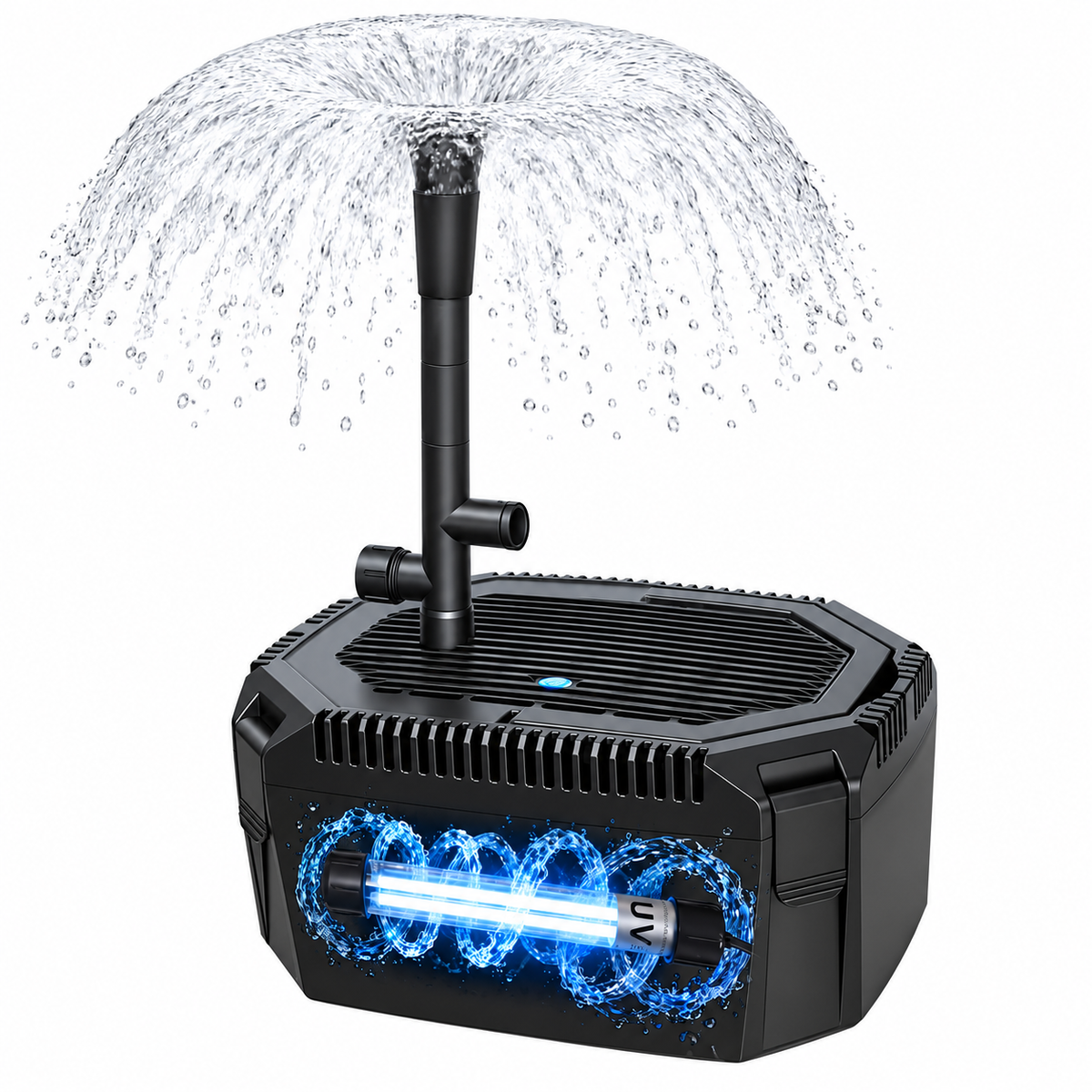
Fish keeping has entered a new era.
For decades, maintaining a healthy aquarium or koi pond depended heavily on observation, manual testing kits, and experience-based guesswork. Fish keepers relied on visual clues like cloudy water, algae growth, or unusual fish behavior to identify problems. By the time symptoms appeared, however, water quality issues were often already severe.
In 2026, that approach is rapidly changing.
The rise of smart sensors, cloud-connected monitoring systems, AI-assisted analytics, and automated alert technology is transforming fish keeping from a reactive hobby into a data-driven ecosystem management process. Today’s advanced monitoring solutions can continuously track critical water parameters in real time, helping pond owners and aquarists detect problems before fish become stressed or sick.
For serious hobbyists, commercial aquaculture facilities, koi breeders, and even modern backyard pond owners, intelligent water monitoring is no longer a futuristic luxury. It is becoming a foundational part of stable aquatic system management.
This guide explores the latest smart water quality sensor technologies, how they work, which parameters matter most, and which monitoring strategies are worth considering in 2026.
1. Why Traditional Water Testing Is No Longer Enough
Conventional water testing methods still have value, but they come with major limitations.
Most hobbyists rely on:
-
Test strips
-
Liquid reagent kits
-
Occasional manual measurements
The problem is simple:
Water quality changes continuously, not occasionally.
A single manual test:
-
Captures only one moment in time
-
May miss dangerous fluctuations
-
Depends heavily on user consistency
Meanwhile, fish are affected by:
-
Daily temperature swings
-
Oxygen fluctuations
-
Biological filtration instability
-
Feeding-related ammonia spikes
Many water quality problems happen between tests.
2. The Shift Toward Continuous Monitoring
Smart monitoring systems solve this problem through real-time data collection.
Instead of occasional testing, sensors continuously measure water conditions and transmit information to:
-
Mobile apps
-
Cloud dashboards
-
Smart home systems
-
Automated control devices
This creates a living stream of environmental data.
The result is a major shift in fish keeping philosophy:
From reactive troubleshooting to predictive management.
3. The Most Important Water Parameters to Monitor
Not all water metrics carry equal importance.
Understanding which parameters matter most helps prioritize sensor investments.
Temperature: The Foundation of Aquatic Stability
Temperature affects nearly every biological process in the pond or aquarium.
It influences:
-
Fish metabolism
-
Oxygen solubility
-
Bacterial activity
-
Immune function
-
Feeding behavior
Even small temperature swings can stress sensitive species.
Why smart temperature monitoring matters
Continuous monitoring helps identify:
-
Heater failures
-
Seasonal instability
-
Dangerous heat spikes
-
Winter freeze risks
Modern systems can trigger alerts before fish are affected.
pH Monitoring: Preventing Chemical Instability
pH determines water acidity or alkalinity.
Rapid pH fluctuations are especially dangerous because they can:
-
Burn fish gills
-
Destabilize biological filtration
-
Increase ammonia toxicity
The hidden danger of pH swings
Many ponds appear stable during the day but experience nighttime pH shifts due to:
-
Plant respiration
-
Carbon dioxide fluctuations
-
Algae activity
Continuous pH monitoring reveals these hidden cycles.
Dissolved Oxygen (DO): The Invisible Survival Factor
Oxygen is often underestimated because fish stress is usually blamed on ammonia or disease first.
In reality, low oxygen levels can trigger:
-
Gasping behavior
-
Lethargy
-
Immune suppression
-
Biological filtration collapse
Why oxygen monitoring is becoming critical in 2026
Modern ponds increasingly contain:
-
Higher fish densities
-
Larger feeding volumes
-
More intensive filtration systems
These conditions dramatically increase oxygen demand.
Real-time dissolved oxygen sensors can detect:
-
Aeration failures
-
Summer oxygen crashes
-
Overcrowding stress
before visible symptoms appear.
Ammonia Monitoring: The Most Important Toxicity Metric
Ammonia is one of the deadliest compounds in fish keeping.
Even low concentrations can:
-
Damage gills
-
Stress fish chronically
-
Reduce immunity
-
Cause sudden mortality
Why ammonia spikes are hard to detect manually
Ammonia levels can rise quickly after:
-
Heavy feeding
-
Filter disruptions
-
Dead organic matter
-
Power outages
By the time manual tests are performed, fish may already be stressed.
Continuous ammonia monitoring provides early warning capability.
Nitrite Monitoring: The Secondary Toxicity Risk
Nitrite interferes with oxygen transport in fish blood.
Even with adequate dissolved oxygen, fish can suffocate internally.
This condition is especially dangerous during:
-
New pond cycling
-
Biological instability
-
Overloaded filtration systems
Conductivity and TDS Monitoring
Conductivity measures dissolved ions in water.
This provides insight into:
-
Mineral balance
-
Salt concentration
-
General water stability
While less critical than ammonia or oxygen, conductivity trends can reveal long-term system changes.
ORP Monitoring: Advanced Oxidation Stability Tracking
Oxidation-Reduction Potential (ORP) measures water’s oxidizing capacity.
Advanced fish keepers use ORP to monitor:
-
Organic waste accumulation
-
Sterilization efficiency
-
General water cleanliness
ORP monitoring is increasingly common in high-end koi systems.
4. The Rise of Multi-Parameter Smart Sensor Platforms
In 2026, standalone sensors are gradually being replaced by integrated ecosystems.
Modern systems combine:
-
Multiple sensors
-
Wireless connectivity
-
Cloud analytics
-
Mobile alerts
into unified monitoring platforms.
Advantages of integrated systems
Centralized dashboard management
Users can view:
-
Historical trends
-
Real-time conditions
-
Alert history
from a single interface.
Cross-parameter analysis
AI systems can identify relationships between:
-
Temperature and oxygen
-
Feeding and ammonia spikes
-
pH and filtration instability
This creates deeper operational insight.
5. Wireless Connectivity: The Smart Pond Revolution
One of the biggest advances in modern monitoring is remote accessibility.
Users can now monitor ponds from:
-
Smartphones
-
Tablets
-
Smart watches
-
Desktop dashboards
This is especially valuable for:
-
Vacation monitoring
-
Commercial aquaculture
-
Large outdoor koi ponds
Real-time notifications
Modern systems can instantly alert users about:
-
Oxygen drops
-
Temperature spikes
-
Pump failures
-
Power outages
This dramatically reduces catastrophic loss risk.
6. AI and Predictive Water Quality Analytics
Artificial intelligence is beginning to reshape aquatic monitoring.
Rather than simply displaying data, advanced systems now analyze trends.
Predictive monitoring systems can identify:
-
Early biological filtration decline
-
Seasonal instability patterns
-
Feeding-related stress trends
-
Abnormal sensor behaviors
before dangerous conditions fully develop.
Example:
Instead of saying:
“Oxygen is low.”
The system may predict:
“Based on recent trends, oxygen levels are likely to become dangerous within 4 hours.”
This changes fish keeping from reactive to proactive management.
7. Smart Automation Integration
Monitoring systems are increasingly connected to automated response systems.
Examples include:
Automated aeration activation
If oxygen drops:
-
Air pumps automatically increase output
Smart water exchange systems
If ammonia rises:
-
Partial water changes activate automatically
Feeding control adjustments
If water quality declines:
-
Automated feeders reduce feeding volume
This creates self-regulating aquatic ecosystems.
8. Sensor Accuracy: The Biggest Challenge in Smart Monitoring
Not all sensors are equally reliable.
Cheap sensors often suffer from:
-
Calibration drift
-
Poor waterproofing
-
Inconsistent readings
-
Short lifespan
Important reality:
Data quality matters more than data quantity.
Poor sensors create false confidence.
9. Calibration: The Most Overlooked Responsibility
Even premium sensors require regular calibration.
Without calibration:
-
Readings become inaccurate
-
Automated responses may malfunction
-
Dangerous conditions may go unnoticed
Common calibration requirements
pH sensors
Require periodic calibration solutions.
Dissolved oxygen sensors
Need membrane maintenance or recalibration.
Conductivity probes
Require reference standard verification.
Smart monitoring still requires responsible system management.
10. Cloud Data Storage and Long-Term Trend Analysis
One major advantage of smart monitoring is historical data tracking.
Over time, users can identify:
-
Seasonal trends
-
Feeding correlations
-
Filter performance changes
-
Environmental stress cycles
This creates operational intelligence impossible with manual testing alone.
Example benefits
A koi keeper may discover:
-
Oxygen consistently drops before storms
-
Ammonia rises after certain feed types
-
pH fluctuates seasonally
These insights improve long-term system stability.
11. Smart Monitoring for Koi Ponds vs Aquariums
The ideal monitoring setup depends heavily on environment size and biological load.
Aquarium systems
Usually prioritize:
-
Temperature
-
pH
-
Ammonia
-
Salinity (for marine tanks)
Koi pond systems
Typically prioritize:
-
Dissolved oxygen
-
Temperature swings
-
ORP
-
Flow monitoring
-
Pump status alerts
Outdoor systems experience more environmental variability.
12. Solar-Powered Monitoring Systems
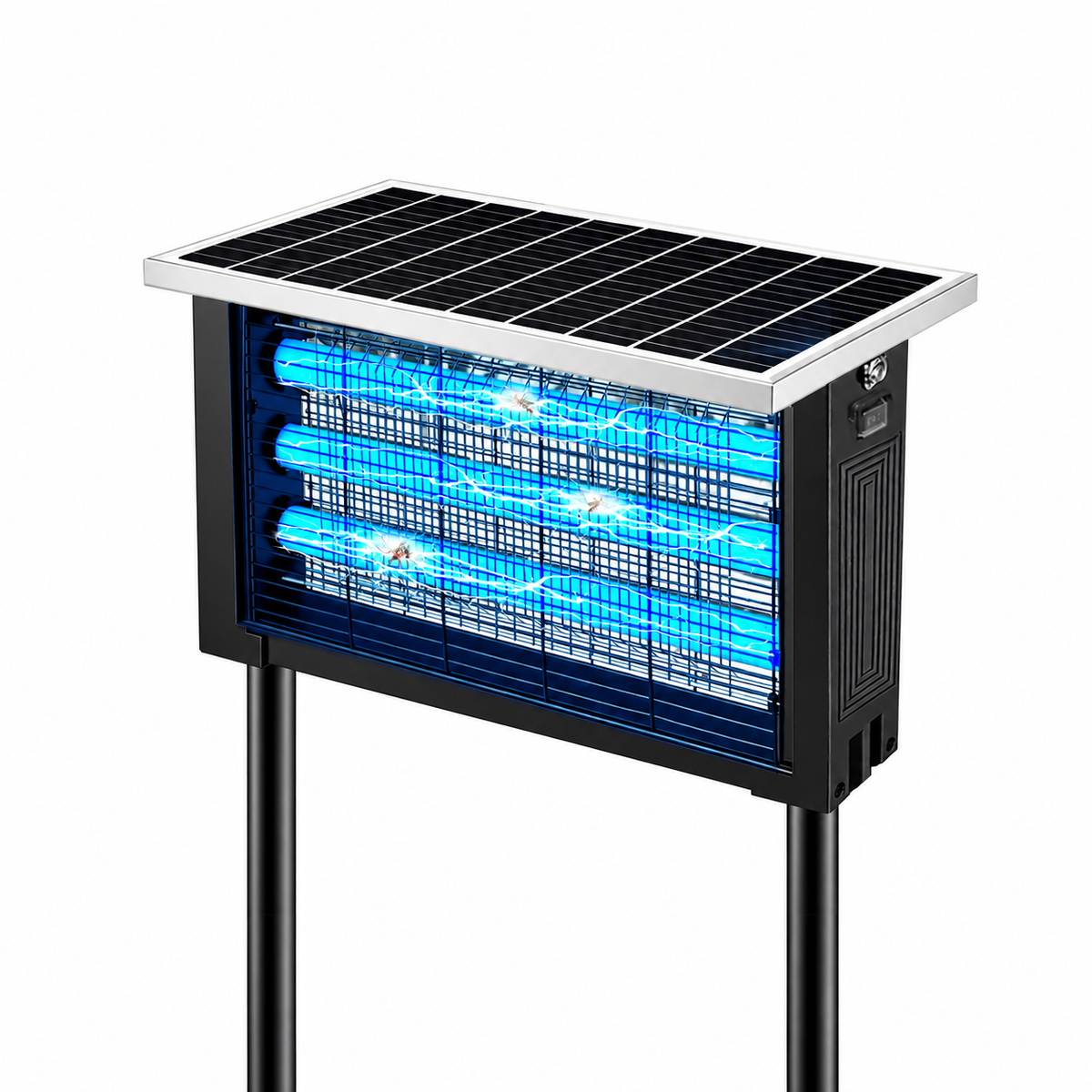
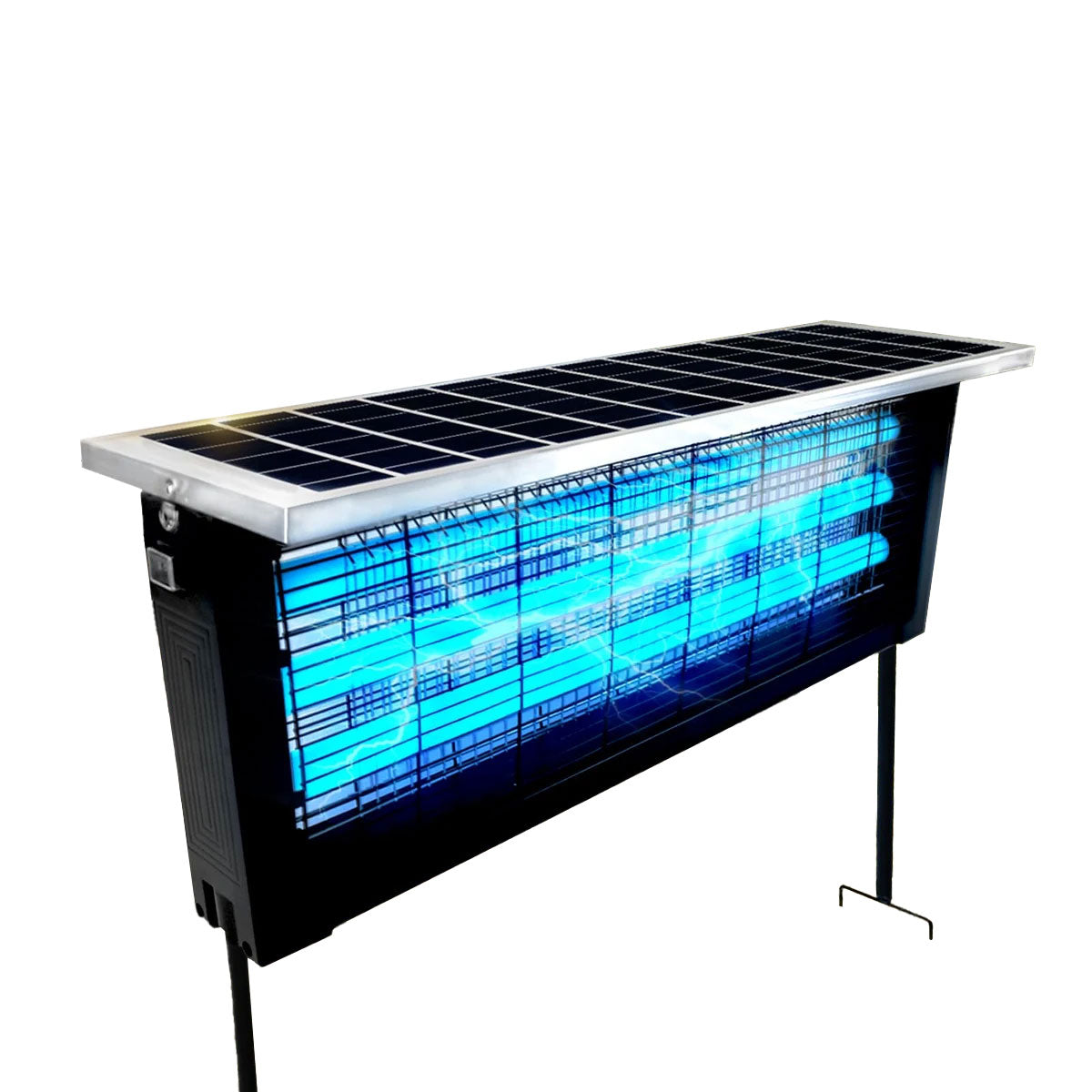
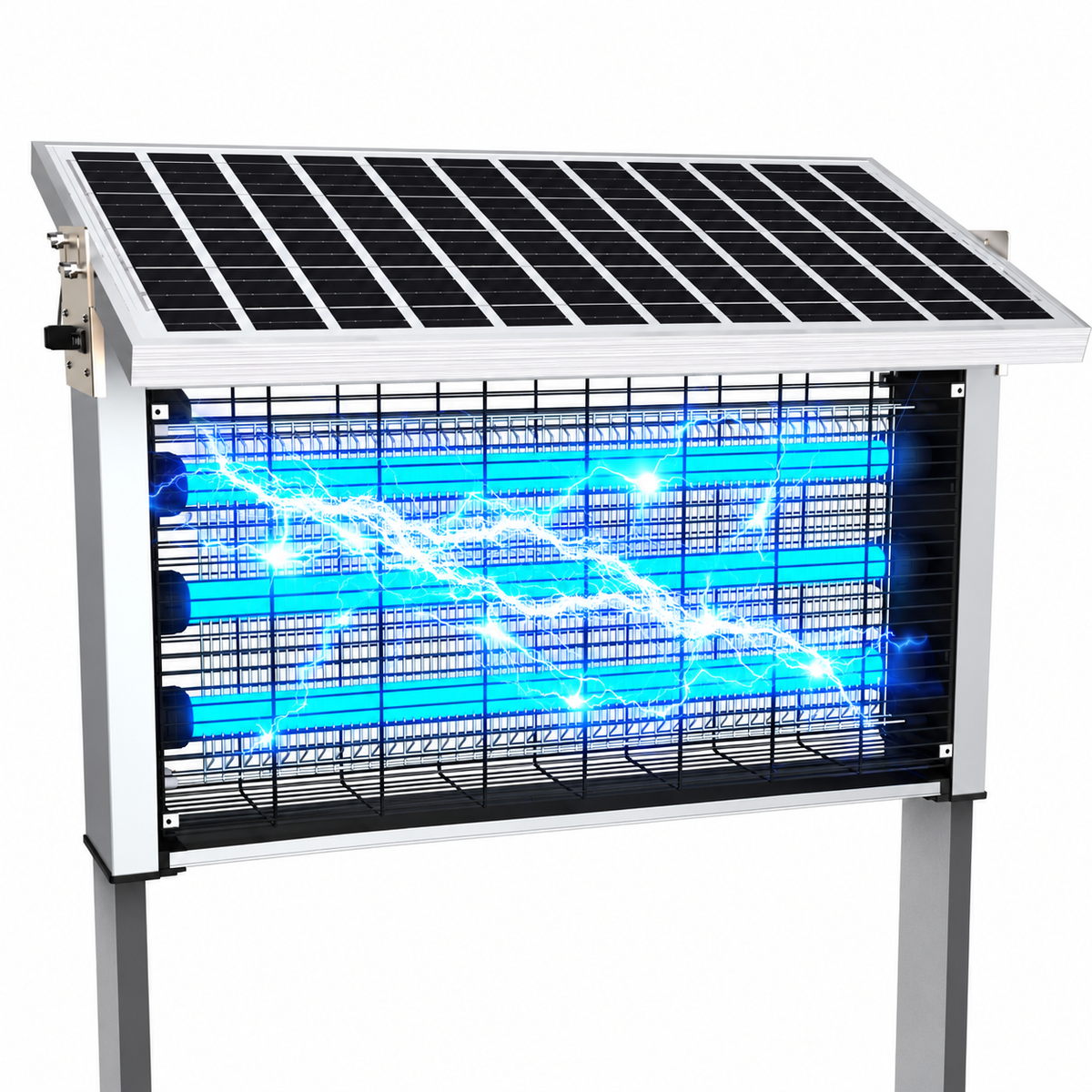
Outdoor pond monitoring increasingly uses solar-supported systems.
Benefits include:
-
Lower energy dependency
-
Remote installation flexibility
-
Emergency backup capability
This is especially useful for:
-
Large landscape ponds
-
Off-grid pond installations
-
Commercial fish farms
13. Smart Cameras and Computer Vision Monitoring
In 2026, monitoring is expanding beyond water chemistry.
AI-powered camera systems can analyze:
-
Fish movement
-
Schooling behavior
-
Surface activity
-
Feeding response
Why behavior analysis matters
Fish often show stress before water tests reveal major problems.
Behavior monitoring can identify:
-
Early disease signs
-
Oxygen stress
-
Aggression
-
Lethargy
This creates a second layer of ecosystem intelligence.
14. Cybersecurity and Smart Pond Systems
As monitoring systems become internet-connected, security concerns increase.
Potential risks include:
-
Unauthorized device access
-
Cloud platform vulnerabilities
-
Automation malfunction
Serious installations increasingly prioritize:
-
Secure Wi-Fi networks
-
Firmware updates
-
Encrypted cloud services
15. The Cost Debate: Are Smart Monitoring Systems Worth It?
Some hobbyists still view smart systems as excessive.
But the financial equation is changing.
Consider the cost of fish loss
High-end koi alone may cost:
-
Hundreds
-
Thousands
-
Even tens of thousands of dollars
Preventing a single catastrophic oxygen crash can justify years of monitoring investment.
Operational savings also matter
Smart systems reduce:
-
Emergency interventions
-
Water waste
-
Energy inefficiency
-
Medication costs
Long-term stability often lowers overall maintenance expense.
16. Best Monitoring Strategy for Beginners
Not every pond requires enterprise-level automation.
Recommended beginner smart setup
Start with:
-
Temperature monitoring
-
pH monitoring
-
Basic ammonia alerts
Then gradually expand.
Intermediate systems
Add:
-
Dissolved oxygen sensors
-
Flow monitoring
-
Mobile notifications
Advanced systems
Integrate:
-
AI analytics
-
Automated responses
-
Full ecosystem dashboards
17. Common Mistakes in Smart Fish Keeping
Mistake 1: Over-relying on automation
Technology supports fish keeping—it does not replace observation.
Mistake 2: Buying low-quality sensors
Cheap sensors often create unreliable data.
Mistake 3: Ignoring maintenance
Sensors require:
-
Cleaning
-
Calibration
-
Periodic replacement
Mistake 4: Monitoring too many unnecessary metrics
Focus on parameters that directly affect fish health first.
18. Sustainability and Resource Efficiency
Smart monitoring improves sustainability by reducing unnecessary consumption.
Water conservation
Automated monitoring reduces excessive water changes.
Energy optimization
Pumps and aerators can operate dynamically instead of continuously at maximum output.
Chemical reduction
More stable systems reduce dependence on corrective treatments.
19. The Future of Data-Driven Aquatic Ecosystems
The next generation of fish keeping technology is moving toward:
-
Fully autonomous ponds
-
AI-managed biological systems
-
Digital twin simulation models
-
Predictive disease analytics
-
Integrated environmental forecasting
Future systems may eventually predict:
-
Fish stress patterns
-
Algae blooms
-
Seasonal instability
-
Disease outbreaks
before they occur.
20. Why Data Will Become Essential for Serious Fish Keeping
As fish keeping becomes more advanced, stable water quality increasingly depends on information, not intuition alone.
The complexity of modern systems:
-
Larger fish populations
-
Intensive feeding
-
High-value koi
-
Automated filtration
makes real-time data incredibly valuable.
Successful fish keeping in 2026 is no longer just about reacting to problems.
It is about building intelligent ecosystems capable of maintaining stability continuously.
Conclusion: Smart Monitoring Turns Fish Keeping Into Ecosystem Management
The future of fish keeping is not simply cleaner water—it is smarter water management.
Modern sensor systems provide:
-
Continuous visibility
-
Early warning capability
-
Historical trend analysis
-
Automated response integration
This transforms ponds and aquariums from fragile systems into data-informed ecosystems.
Mechanical filtration, biological filtration, and aeration still remain essential foundations. But in 2026, data is becoming the layer that connects all these systems together into a more predictable, stable, and fish-safe environment.
For hobbyists, breeders, and pond owners alike, intelligent monitoring is no longer just a technology upgrade.
It is rapidly becoming one of the most effective tools for protecting aquatic life, improving long-term stability, and reducing the uncertainty that has traditionally defined fish keeping.