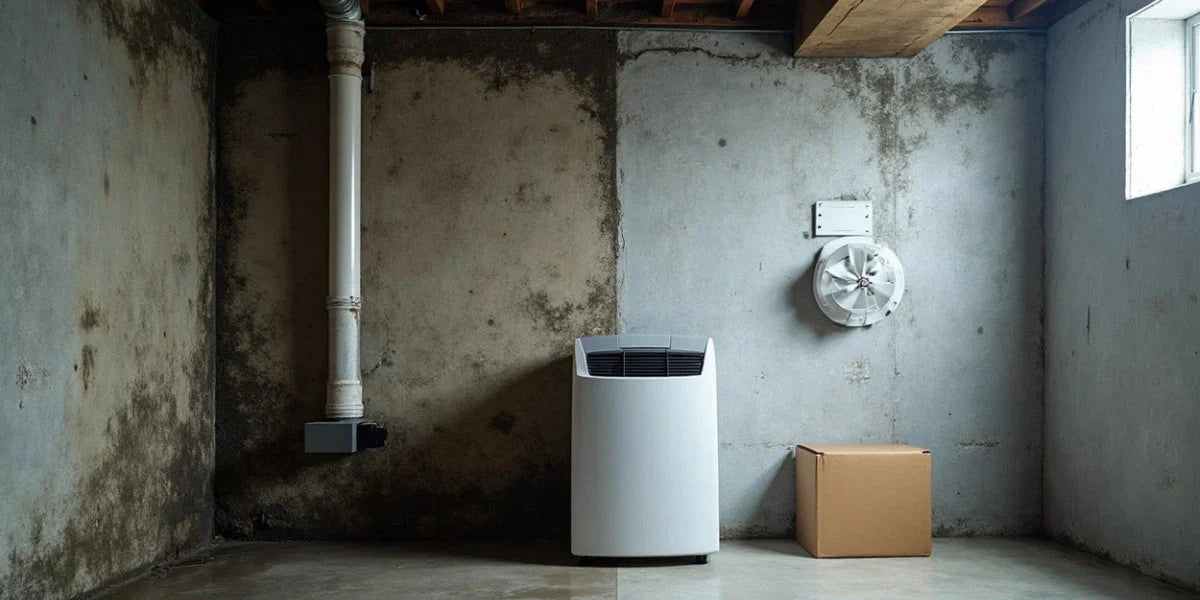
They offer valuable storage, living, and utility space, yet they are also the most vulnerable to moisture, musty odors, and mold growth. Even in well-maintained homes, basements often struggle with high humidity, limited airflow, and low natural light—a perfect environment for mold spores to thrive.
While dehumidifiers, ventilation, and waterproofing remain essential, a growing number of homeowners and professionals are discovering an additional line of defense: UV light technology.
This article explores how UV light can be used to suppress mold spore growth in damp basement environments, why it works, and how it fits into a comprehensive moisture and mold control strategy.
1. Why Basements Are So Prone to Moisture and Mold
1.1 Below-Grade Construction Challenges
Basements sit below ground level, which means they are constantly exposed to:
-
Ground moisture
-
Hydrostatic pressure
-
Cooler temperatures
Even minor foundation imperfections can allow moisture to seep in over time.
1.2 Poor Air Circulation and Limited Sunlight
Unlike upper floors, basements often suffer from:
-
Minimal natural airflow
-
Limited HVAC circulation
-
No direct sunlight
Sunlight naturally inhibits mold growth. Without it, mold spores face little resistance.
1.3 Everyday Moisture Sources
Common contributors to basement humidity include:
-
Laundry machines
-
Water heaters
-
Sump pumps
-
Condensation on cold surfaces
Over time, this moisture accumulates—often unnoticed.
2. Understanding Mold: The Real Enemy in Damp Spaces
2.1 Mold Spores Are Everywhere
Mold spores are microscopic and naturally present in the air. They become a problem only when:
-
Moisture is present
-
Organic material is available
-
Conditions remain undisturbed
Basements provide all three.
2.2 Why Mold Is More Than a Cosmetic Issue
Beyond visible stains and odors, mold can:
-
Damage wood, drywall, and insulation
-
Weaken structural materials
-
Trigger allergies and respiratory issues
-
Reduce indoor air quality throughout the home
Because spores travel through air currents, basement mold rarely stays isolated.
3. Traditional Basement Mold Control Methods—and Their Limits
3.1 Dehumidifiers: Necessary but Not Sufficient
Dehumidifiers reduce moisture, but they:
-
Do not kill mold spores
-
Cannot reach hidden surfaces
-
Require constant operation and maintenance
They control conditions but don’t directly address biological growth.
3.2 Chemical Mold Treatments
Chemical sprays can:
-
Kill surface mold
-
Temporarily reduce odors
However, they:
-
Don’t prevent regrowth
-
Can release harsh fumes
-
Often miss airborne spores
3.3 Physical Removal and Remediation
Professional remediation is effective but:
-
Expensive
-
Disruptive
-
Reactive rather than preventative
Once remediation ends, spores can return if conditions persist.
4. Introducing UV Light as a Mold Control Tool
4.1 What Is UV Light?
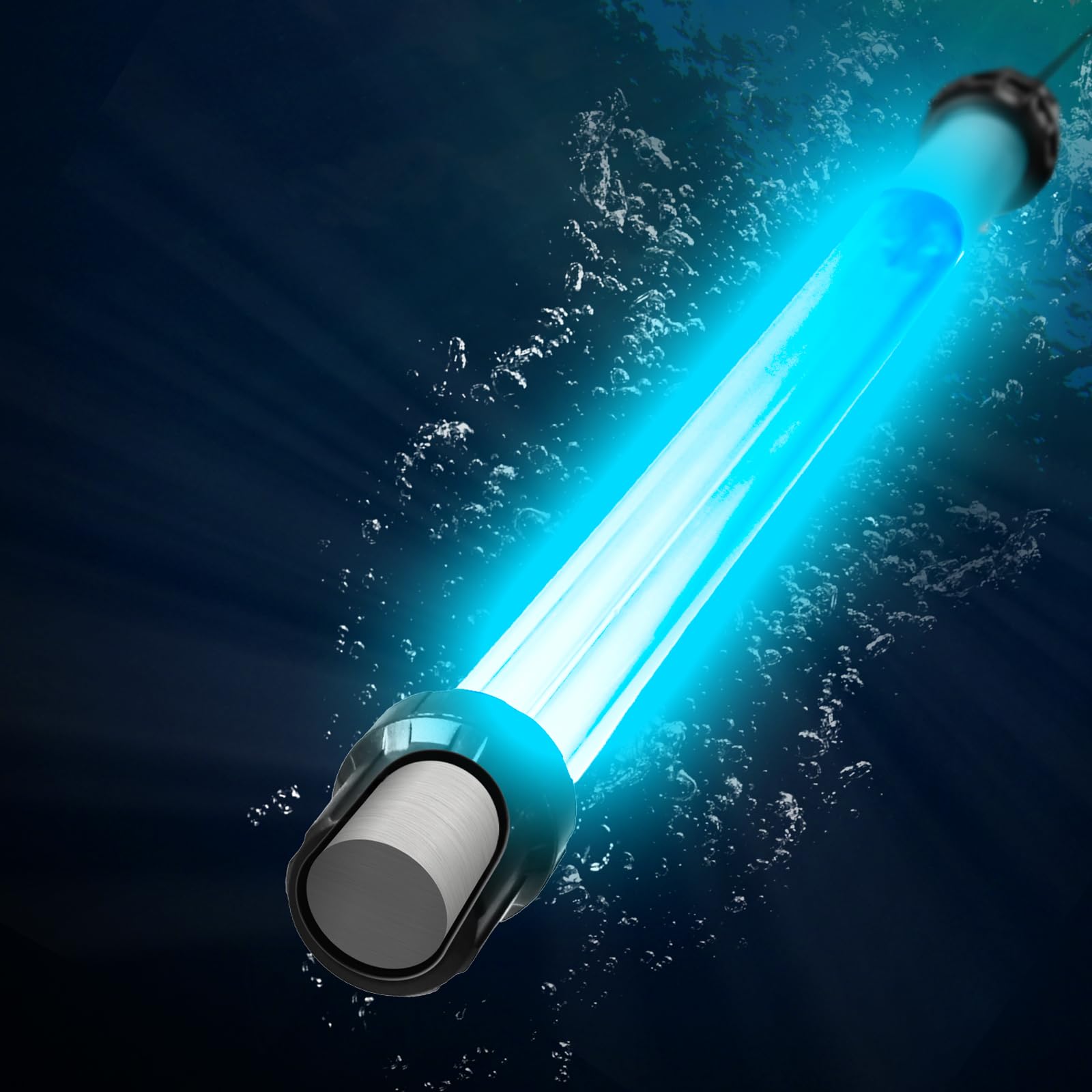
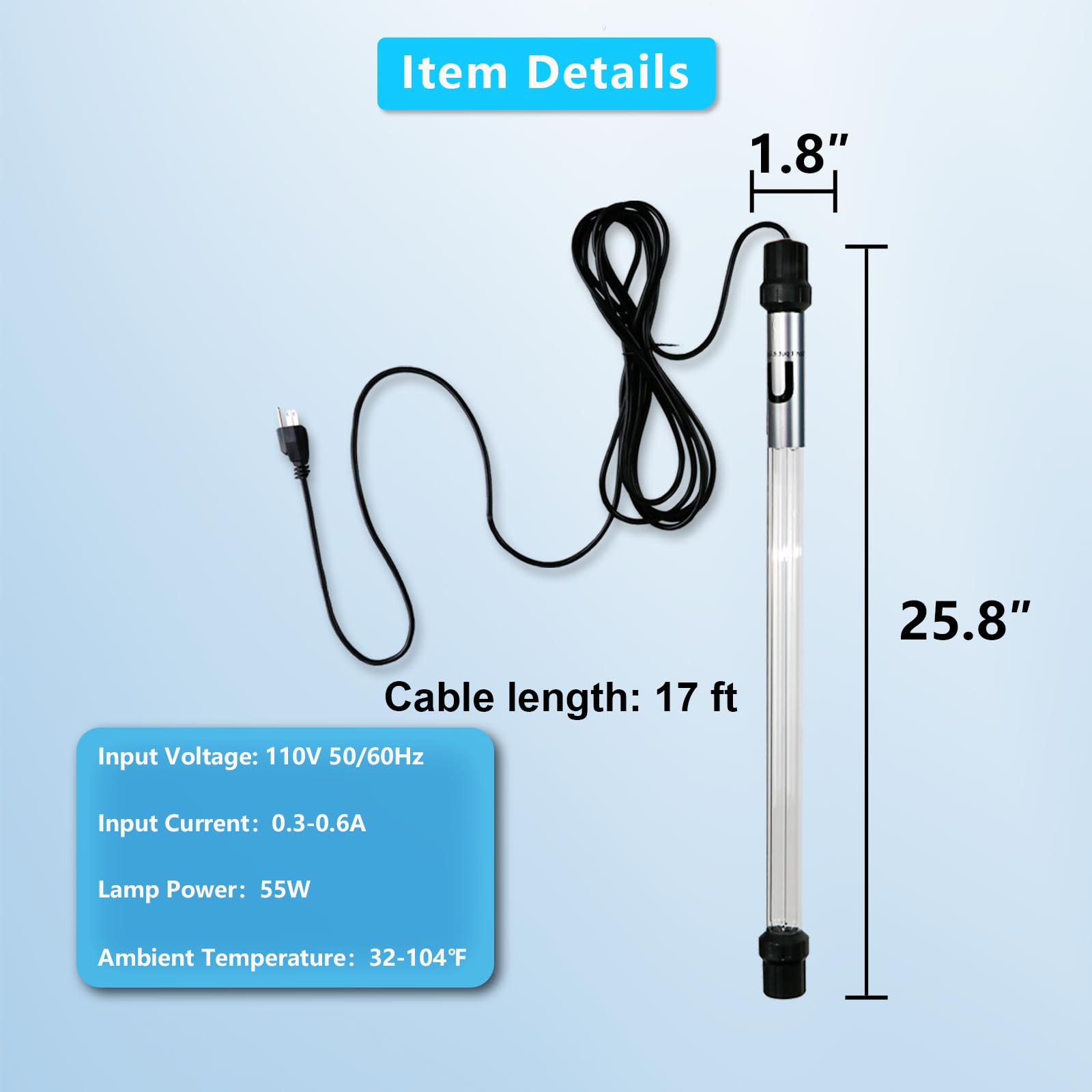
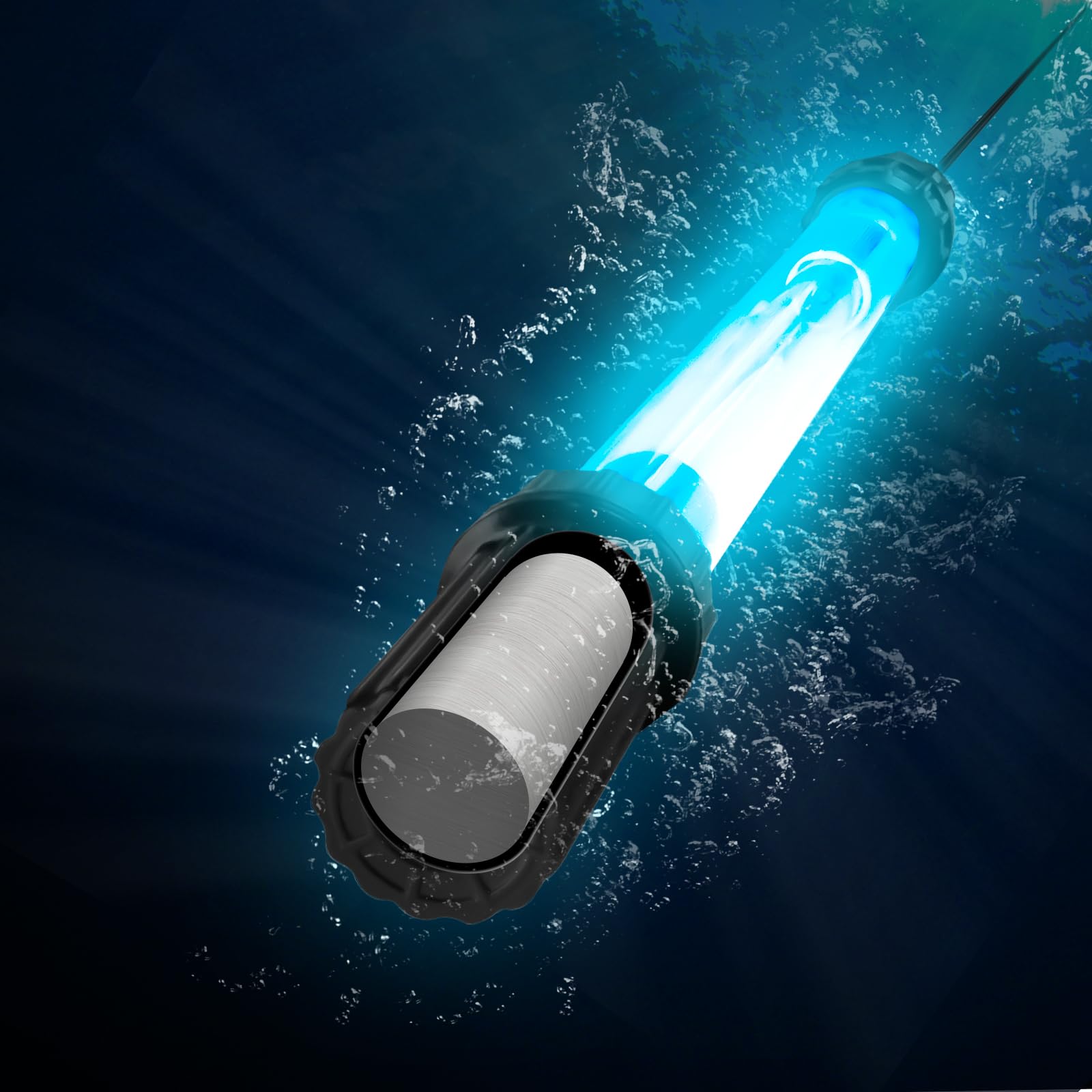
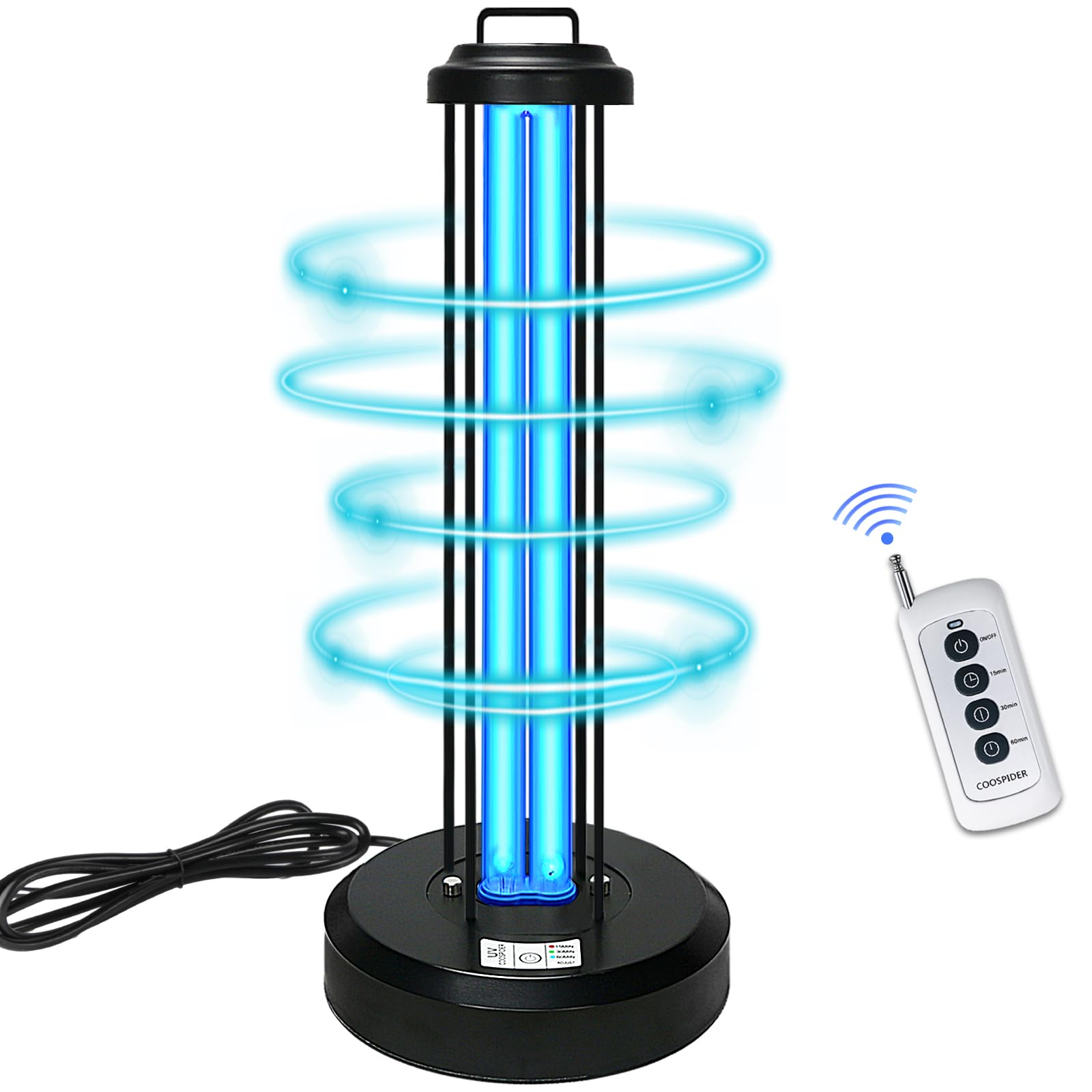
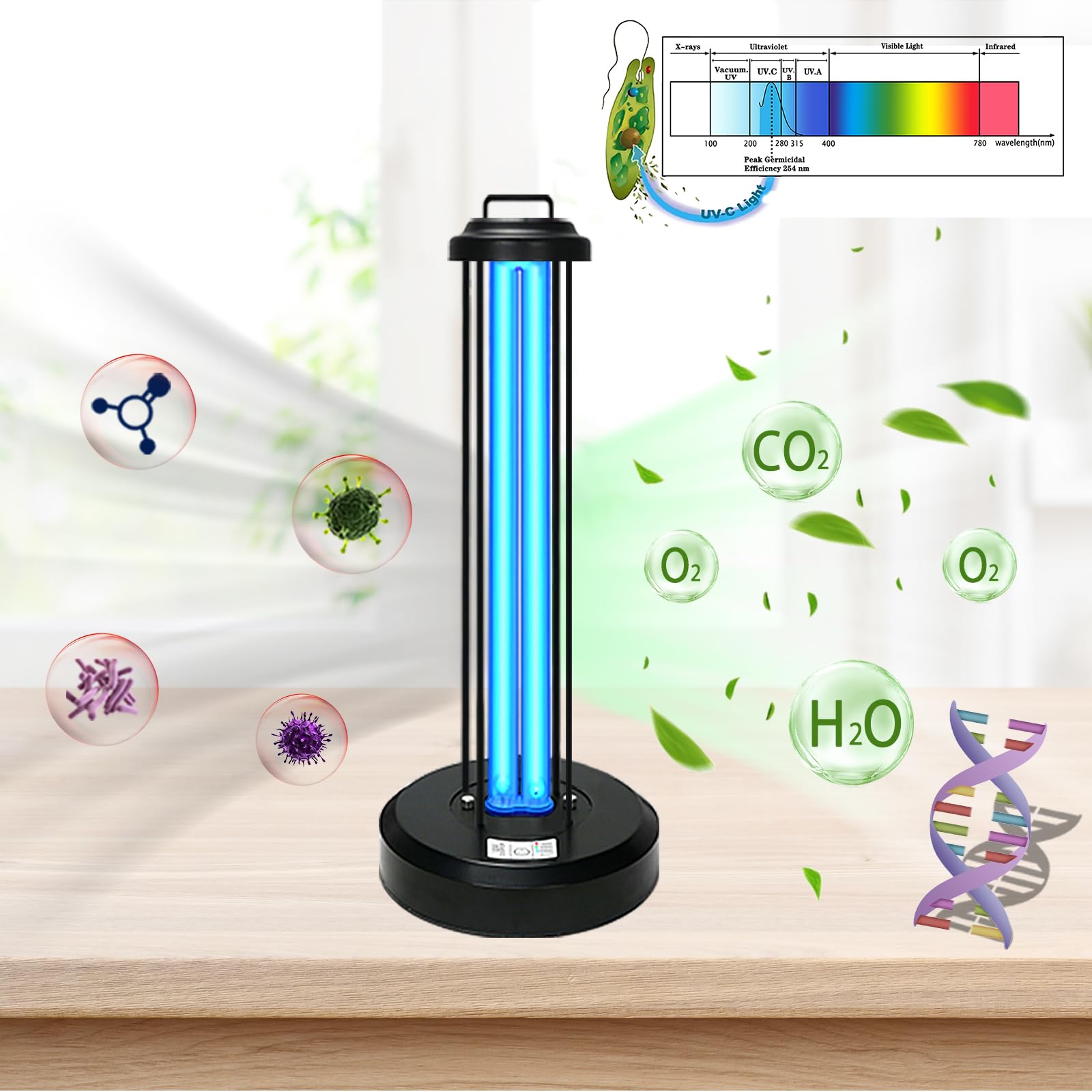
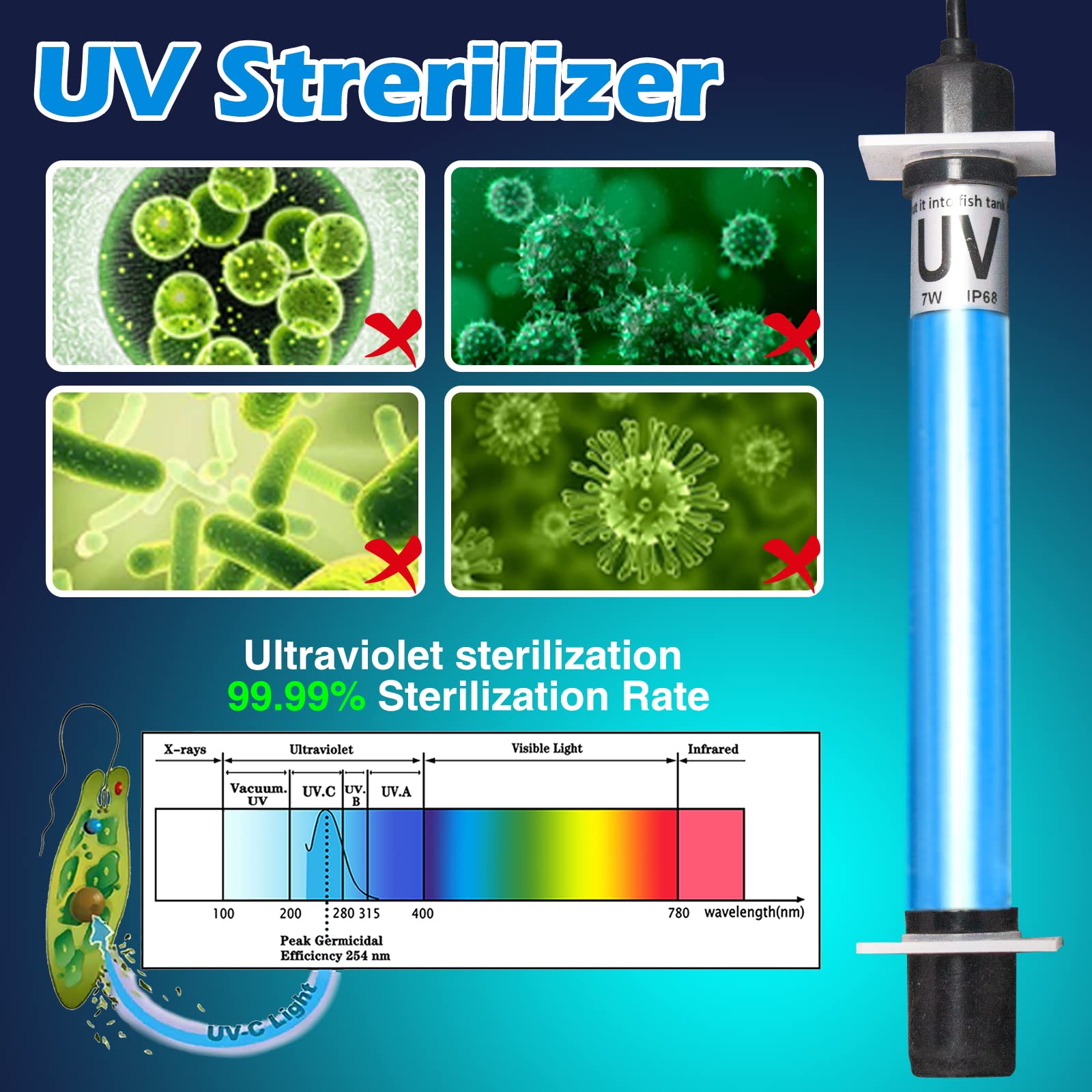
Ultraviolet (UV) light is a form of electromagnetic radiation. For mold control, UV-C light is most relevant.
UV-C operates at short wavelengths capable of:
-
Penetrating microbial cell walls
-
Disrupting DNA and RNA
-
Preventing reproduction
4.2 How UV Light Affects Mold Spores
When mold spores are exposed to sufficient UV-C energy:
-
Their genetic material is damaged
-
They lose the ability to grow or spread
-
Colonization is suppressed
UV doesn’t “clean” surfaces—it interrupts the mold life cycle.
5. Why UV Is Especially Effective in Basements
5.1 Mold Grows in the Dark—UV Brings Light Where It’s Missing
Basements lack natural UV exposure. Installing UV lighting introduces a condition mold has evolved to avoid.
5.2 Continuous, Passive Protection
Unlike sprays or cleaning routines, UV systems:
-
Operate continuously
-
Require minimal user intervention
-
Provide ongoing suppression
This makes UV ideal for long-term prevention.
6. Common Basement Applications for UV Mold Control
6.1 Near HVAC Equipment and Air Handlers
Basement HVAC components often harbor:
-
Condensation
-
Dust
-
Mold growth
UV lamps installed near coils and drain pans help prevent biofilm formation.
6.2 Storage Rooms and Utility Areas
UV fixtures can be used in:
-
Storage basements
-
Mechanical rooms
-
Crawl space access areas
These zones are often neglected yet highly vulnerable.
6.3 Dehumidifier and Ventilation Integration
UV works best when combined with:
-
Dehumidification
-
Air circulation
Together, they create an environment hostile to mold.
7. UV Light vs Dehumidification: Not a Competition
Dehumidifiers control moisture.
UV light controls biological growth.
Used together, they:
-
Reduce humidity
-
Suppress spores
-
Stabilize basement conditions
UV enhances—not replaces—traditional moisture control.
8. Airborne vs Surface Mold: How UV Helps Both
8.1 Surface Mold Suppression
UV installed near walls, ceilings, or equipment surfaces:
-
Reduces surface colonization
-
Slows regrowth after cleaning
8.2 Airborne Spore Reduction
When integrated into airflow paths, UV:
-
Inactivates spores circulating in basement air
-
Reduces spread to upper floors
9. Safety Considerations for Residential UV Use
9.1 Proper Shielding and Installation
UV-C light should:
-
Be enclosed or shielded
-
Never shine directly into occupied areas
-
Be installed according to manufacturer guidelines
Professional installation is strongly recommended.
9.2 UV Does Not Produce Moisture or Chemicals
Unlike chemical treatments, UV:
-
Produces no fumes
-
Leaves no residue
-
Does not affect materials when used correctly
10. Common Myths About UV Mold Control
Myth 1: “UV Light Eliminates Mold Instantly”
False.
UV suppresses growth over time and works best as prevention.
Myth 2: “UV Replaces Cleaning”
UV does not remove existing mold—it prevents new growth.
Myth 3: “UV Is Dangerous in Homes”
When properly installed, UV systems are safe and contained.
11. Energy Use and Maintenance
11.1 Low Energy Consumption
Modern UV systems:
-
Use minimal electricity
-
Can operate continuously with low cost
11.2 Maintenance Requirements
Typical maintenance includes:
-
Periodic lamp replacement
-
Occasional cleaning of protective covers
Maintenance is predictable and manageable.
12. Health Benefits of Mold Suppression
Reducing mold exposure can:
-
Improve respiratory comfort
-
Reduce allergy symptoms
-
Improve overall indoor air quality
Basement improvements often benefit the entire home.
13. When UV Is Especially Recommended in Basements
UV mold control is particularly valuable when:
-
Basements are partially finished
-
Storage of fabrics or paper occurs
-
Persistent musty odors exist
-
HVAC equipment is located below grade
14. UV vs Ozone or Chemical Fogging
Compared to ozone or fogging:
-
UV is localized and controlled
-
UV produces no residual pollutants
-
UV supports continuous prevention
This makes UV more suitable for long-term residential use.
15. Combining UV With Structural Moisture Solutions
UV works best alongside:
-
Foundation sealing
-
Drainage improvements
-
Insulation upgrades
-
Proper ventilation
A holistic approach delivers the best results.
16. Case Example: A Typical Damp Basement Scenario
In homes with:
-
Seasonal humidity spikes
-
Mild seepage
-
HVAC equipment in the basement
UV installation can significantly reduce mold recurrence and odors over time.
17. The Long-Term Value of Preventative Mold Control
Preventing mold growth:
-
Protects property value
-
Reduces remediation costs
-
Improves livability
UV systems are an investment in prevention.
18. Environmental Considerations
UV mold control:
-
Reduces reliance on chemicals
-
Minimizes waste
-
Supports eco-conscious home maintenance
It aligns with sustainable building practices.
19. Future Trends in Basement Mold Prevention
Emerging developments include:
-
UV-C LED technology
-
Smart humidity and UV control
-
Integrated IAQ systems
These innovations will further simplify basement moisture management.
20. Rethinking Basement Health
Basements no longer have to be damp, musty, or unhealthy.
By combining moisture control with UV mold suppression, homeowners can transform basements into:
-
Cleaner storage areas
-
Healthier living spaces
-
More reliable mechanical zones
Conclusion: UV Light as a Quiet Guardian Against Basement Mold
Mold thrives in silence, darkness, and neglect.
UV light changes that equation.
By disrupting mold spores at the molecular level and providing continuous protection in damp spaces, UV technology offers a powerful, chemical-free supplement to traditional basement moisture control strategies.
It doesn’t replace dehumidifiers, ventilation, or structural repairs—but it strengthens them.
For homeowners serious about long-term basement health, UV light isn’t a gimmick.
It’s a smart, preventative tool working quietly where mold would otherwise grow.