Over the past decade—and especially in the years following global health crises—indoor air quality has moved from a technical concern to a mainstream priority. Homes, offices, hospitals, schools, and commercial buildings are all asking the same question:
Is the air we breathe indoors actually clean?
For many consumers, the first answer has been air purifiers. Portable units with HEPA filters have become common in living rooms and bedrooms. While these devices play an important role, they are not the only—or always the most effective—solution.
A growing number of building owners, engineers, and facility managers are turning their attention to a quieter, more integrated approach: UV-C disinfection inside HVAC systems.
This article explores how UV-C lamps work within HVAC systems, how they differ from standalone air purifiers, and why they are increasingly seen as a powerful tool for whole-building air disinfection.
1. The Limits of Traditional Air Purifiers
1.1 Room-by-Room Coverage
Most air purifiers:
-
Treat only one room at a time
-
Require multiple units for larger spaces
-
Depend on proper placement and maintenance
In homes or commercial buildings with multiple rooms, achieving consistent coverage quickly becomes expensive and inefficient.
1.2 Filtration Does Not Equal Disinfection
HEPA filters are excellent at capturing particles, but they:
-
Trap microorganisms rather than inactivating them
-
Can become contamination sources if not replaced properly
-
Do not prevent microbial growth inside HVAC systems
Filtration alone addresses symptoms, not the source of many indoor air quality problems.
2. Why HVAC Systems Matter for Air Quality
2.1 HVAC as the Lungs of a Building
HVAC systems:
-
Circulate air continuously
-
Connect multiple rooms and zones
-
Influence temperature, humidity, and airflow
If contamination exists inside the HVAC system, it can be distributed throughout the entire building.
2.2 Microbial Growth Inside HVAC Systems
Common problem areas include:
-
Cooling coils
-
Drain pans
-
Air ducts
-
Filters and insulation surfaces
Moisture and dust create ideal conditions for:
-
Mold
-
Bacteria
-
Biofilms
Once established, these microorganisms are difficult to remove with filtration alone.
3. What Is UV-C Light?
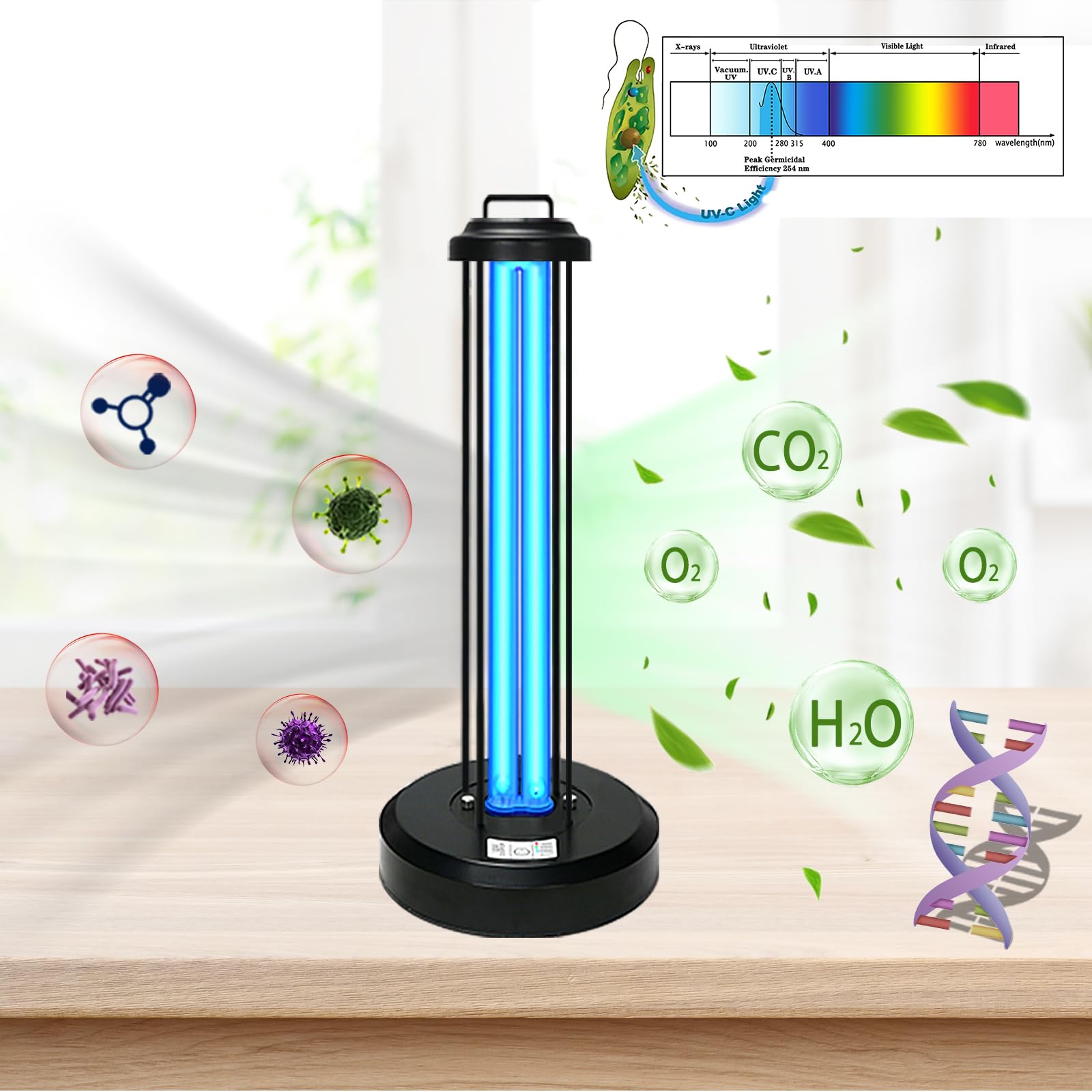
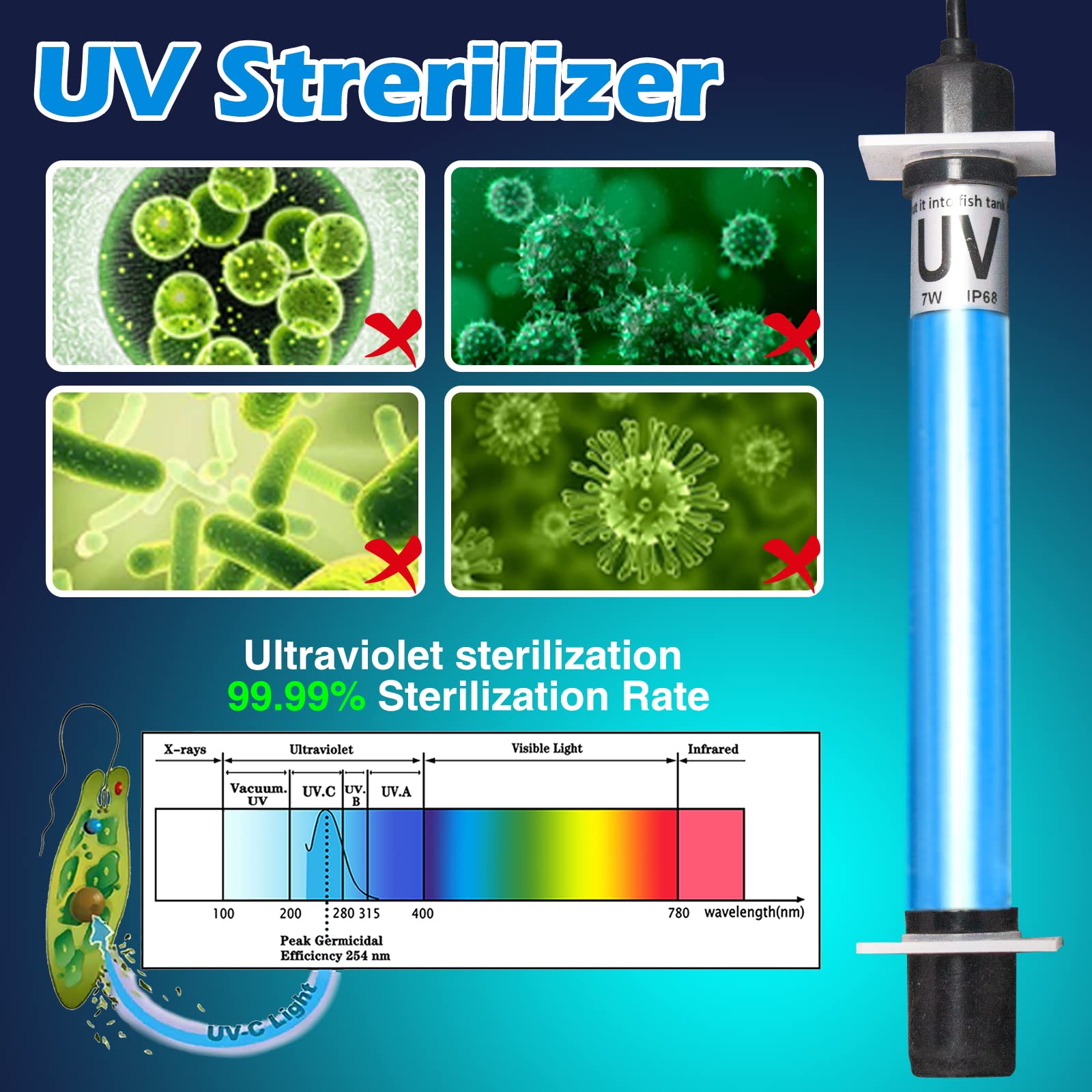
3.1 Understanding the UV Spectrum
Ultraviolet light is divided into:
-
UV-A (long-wave)
-
UV-B (medium-wave)
-
UV-C (short-wave)
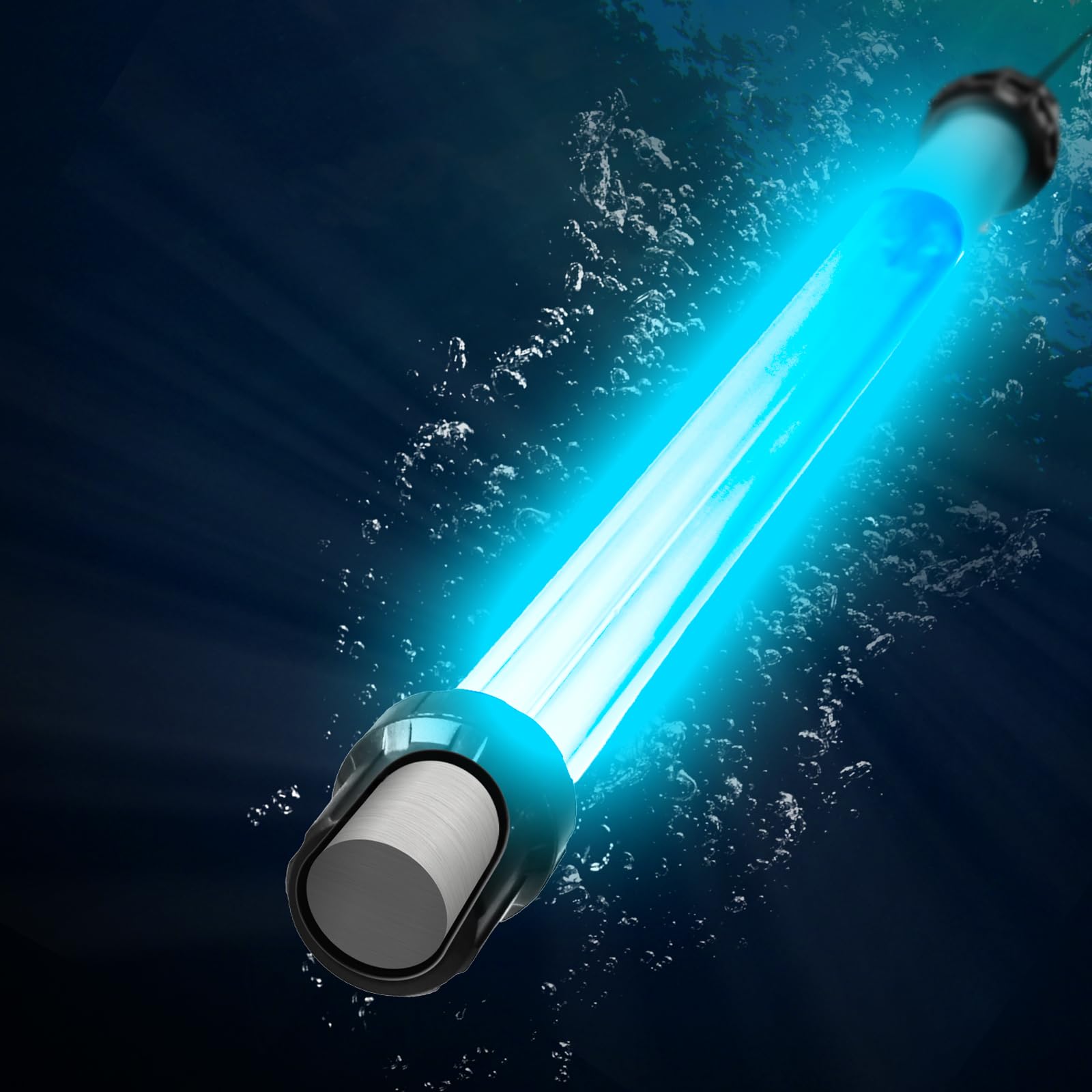
UV-C, typically around 254 nanometers, is highly effective at microbial inactivation.
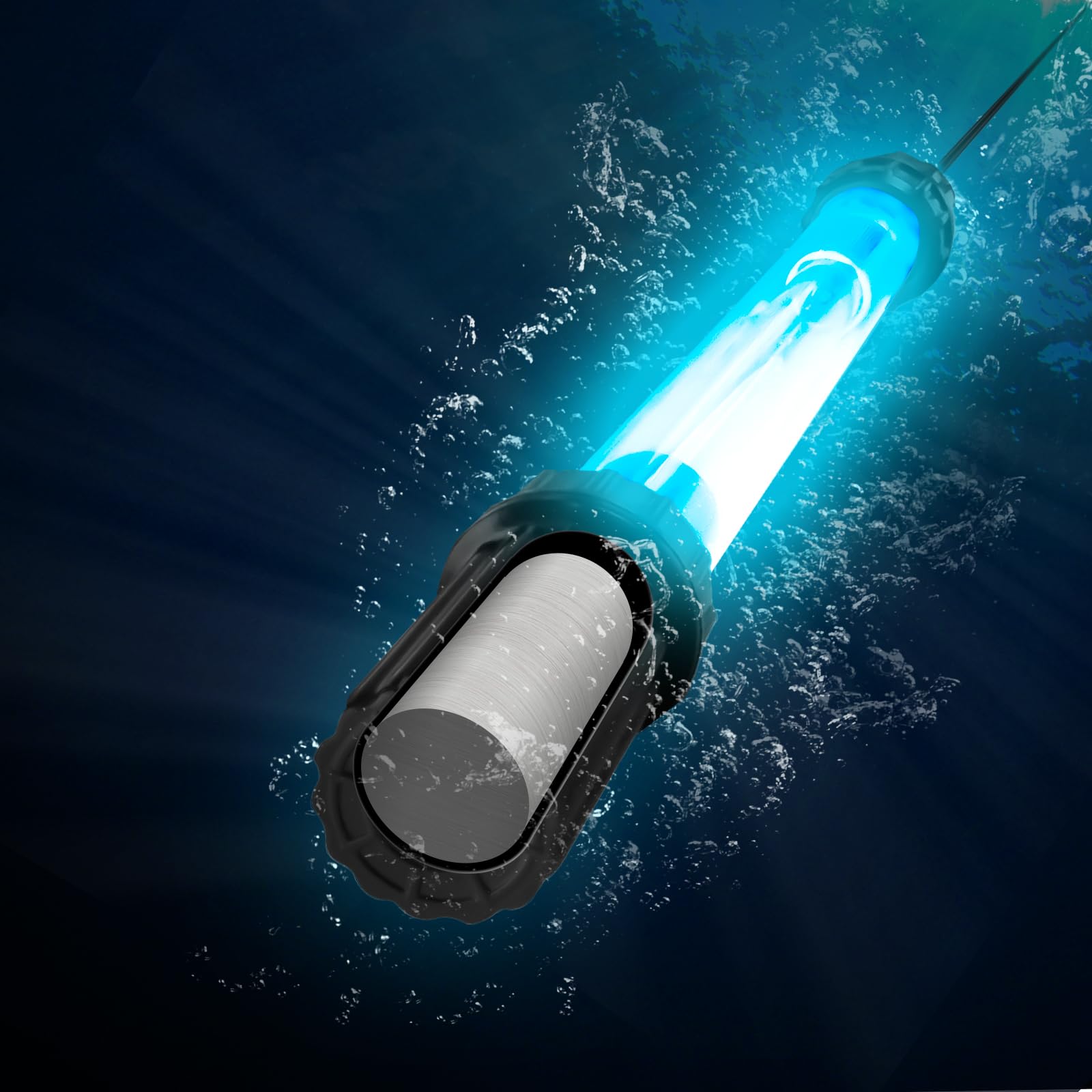
3.2 How UV-C Disinfects Air and Surfaces
UV-C light works by:
-
Penetrating microbial cell walls
-
Damaging DNA and RNA
-
Preventing microorganisms from reproducing
Once exposed to sufficient UV-C energy, bacteria, viruses, and mold spores become biologically inactive.
4. How UV-C Is Used in HVAC Systems
4.1 Coil and Surface Irradiation
One of the most common applications is:
-
Installing UV-C lamps near cooling coils and drain pans
This prevents:
-
Mold growth
-
Biofilm formation
-
Reduced heat transfer efficiency
Cleaner coils mean both better air quality and improved system performance.
4.2 In-Duct Air Disinfection
UV-C lamps can also be installed:
-
Inside air ducts
-
Downstream of filters
-
In high-velocity air streams
As air passes through the UV-C field, airborne microorganisms are inactivated before reaching occupied spaces.
5. UV-C vs Portable Air Purifiers
5.1 Whole-Building Coverage
Unlike portable purifiers, UV-C in HVAC systems:
-
Treats air centrally
-
Covers all connected rooms
-
Works continuously without user intervention
This makes it ideal for large or multi-zone environments.
5.2 Invisible, Silent Operation
UV-C systems:
-
Operate silently
-
Are hidden inside HVAC units
-
Do not affect interior aesthetics
Air purification happens in the background—without clutter or noise.
6. Effectiveness Against Common Airborne Contaminants
UV-C systems are effective against:
-
Bacteria
-
Viruses
-
Mold spores
-
Certain allergens
They are particularly valuable in controlling microorganisms that circulate repeatedly through HVAC systems.
7. The Role of UV-C in Post-Pandemic Building Design
7.1 Increased Focus on Health-Oriented Buildings
Modern building standards increasingly prioritize:
-
Indoor air hygiene
-
Infection control
-
Occupant wellness
UV-C has become a key component in:
-
Healthcare facilities
-
Schools and universities
-
Office buildings
-
Hospitality environments
7.2 Risk Reduction, Not Absolute Sterility
It’s important to understand that UV-C:
-
Reduces microbial load
-
Lowers transmission risk
-
Does not create sterile air
It works best as part of a layered air quality strategy.
8. Energy Efficiency and Sustainability
8.1 Low Energy Consumption
Modern UV-C lamps:
-
Consume relatively little power
-
Operate continuously with minimal impact on energy bills
The energy cost is often offset by improved HVAC efficiency.
8.2 Reduced Chemical Use
Unlike chemical cleaners or fogging treatments, UV-C:
-
Produces no residues
-
Requires no consumable chemicals
-
Does not generate secondary pollutants
This makes it an environmentally friendly solution.
9. Maintenance and Operational Considerations
9.1 Lamp Replacement and Cleaning
UV-C systems require:
-
Periodic lamp replacement
-
Occasional cleaning of protective sleeves
Maintenance schedules are predictable and manageable.
9.2 Safety and Shielding
UV-C lamps:
-
Are enclosed within HVAC systems
-
Are not exposed to occupants
-
Include safety interlocks in professional installations
When properly installed, they pose no risk to building users.
10. Addressing Common Myths About UV-C in HVAC
Myth 1: “UV-C Produces Ozone”
Modern HVAC UV-C systems are designed to be ozone-free.
Myth 2: “UV-C Replaces Filters”
UV-C complements filtration but does not replace it.
Myth 3: “UV-C Is Only for Hospitals”
UV-C is increasingly used in:
-
Offices
-
Residential buildings
-
Retail spaces
-
Gyms and wellness centers
11. Benefits Beyond Air Disinfection
11.1 Improved HVAC Efficiency
Clean coils:
-
Transfer heat more efficiently
-
Reduce energy consumption
-
Lower maintenance costs
This makes UV-C a performance upgrade, not just a health feature.
11.2 Odor Control
By preventing microbial growth, UV-C helps reduce:
-
Musty smells
-
Persistent odors linked to mold and bacteria
12. Residential Applications of HVAC UV-C
Homeowners are adopting UV-C for:
-
Allergy management
-
Mold prevention
-
Improved overall air freshness
Central installation offers protection without adding visible devices to living spaces.
13. Commercial and Institutional Use Cases
UV-C systems are widely used in:
-
Hospitals and clinics
-
Schools and daycare centers
-
Office buildings
-
Hotels and conference centers
In these environments, UV-C supports both health outcomes and operational reliability.
14. UV-C and Indoor Air Quality Standards
UV-C systems align with:
-
IAQ improvement initiatives
-
Green building certifications
-
Wellness-focused design principles
They are increasingly recognized as a best practice in modern HVAC design.
15. Comparing UV-C With Other Air Treatment Technologies
While technologies like ionization and photocatalytic oxidation exist, UV-C:
-
Has decades of proven use
-
Offers predictable performance
-
Is well-understood by engineers and regulators
Reliability is a major reason for its adoption.
16. Designing an Effective UV-C HVAC Solution
Key factors include:
-
Proper lamp placement
-
Adequate exposure time
-
Integration with filtration
-
Correct system sizing
Professional design ensures optimal results.
17. When UV-C Is Especially Recommended
UV-C is particularly valuable when:
-
Mold growth is persistent
-
Occupant health is a priority
-
Buildings have high occupancy
-
Air recirculation is significant
18. Limitations and Responsible Expectations
UV-C does not:
-
Remove dust or particles
-
Replace ventilation
-
Eliminate the need for cleaning
It should be part of a comprehensive air quality strategy.
19. The Future of UV-C in HVAC Systems
Emerging trends include:
-
UV-C LED technology
-
Smart system monitoring
-
Improved energy efficiency
These developments will further expand UV-C adoption.
20. Rethinking Indoor Air Protection
Air purifiers have their place—but they are not the only answer.
By addressing contamination inside the HVAC system itself, UV-C offers a proactive, whole-building approach to air disinfection.
Conclusion: From Room-Level Fixes to System-Level Solutions
As awareness of indoor air quality grows, the conversation is shifting from portable devices to integrated building solutions.
UV-C lamps in HVAC systems provide:
-
Continuous air disinfection
-
Reduced microbial growth
-
Improved system efficiency
-
Minimal environmental impact
For building owners and occupants alike, UV-C represents a smarter, quieter, and more sustainable way to protect the air we breathe.
In the future of indoor air quality, going beyond air purifiers isn’t optional—it’s essential.