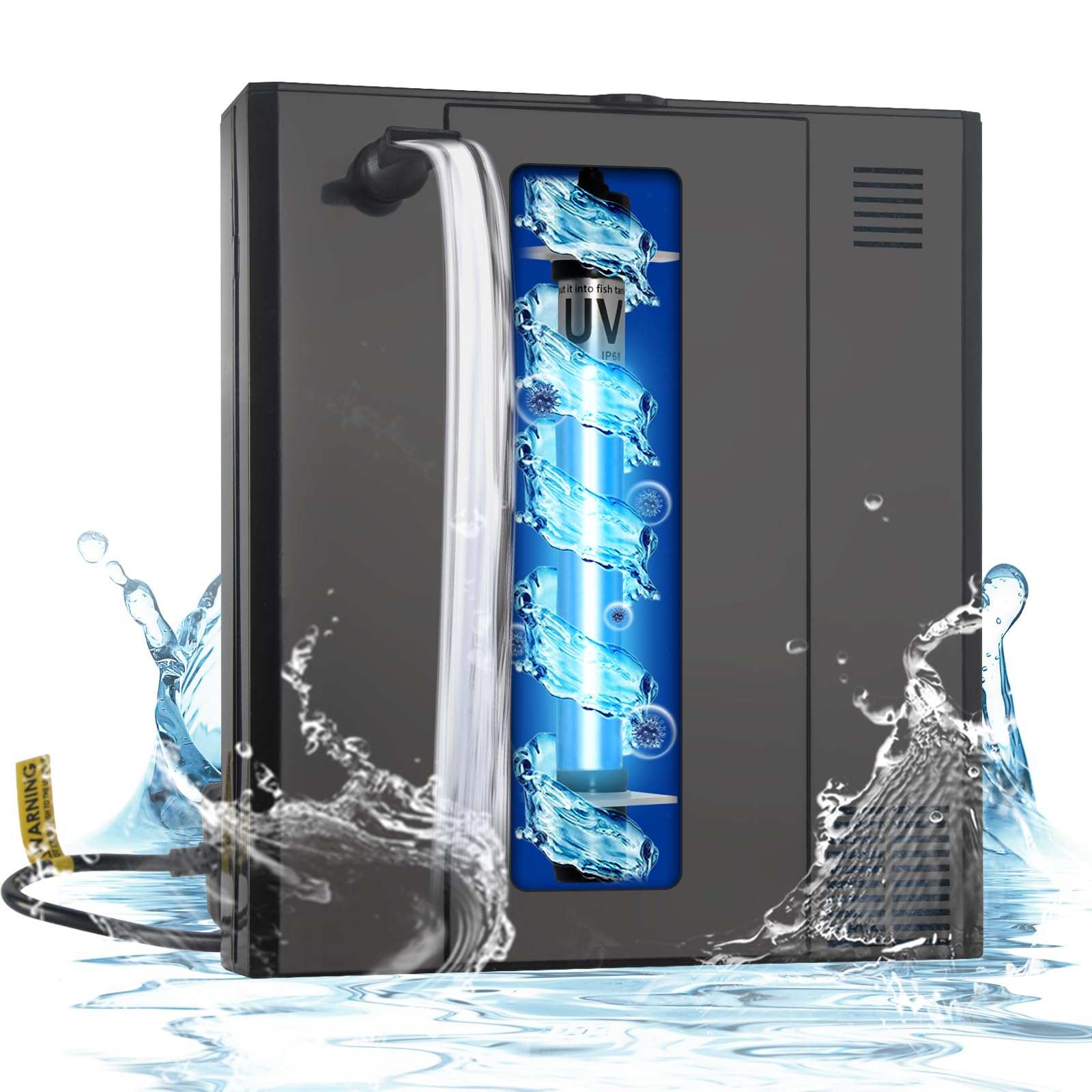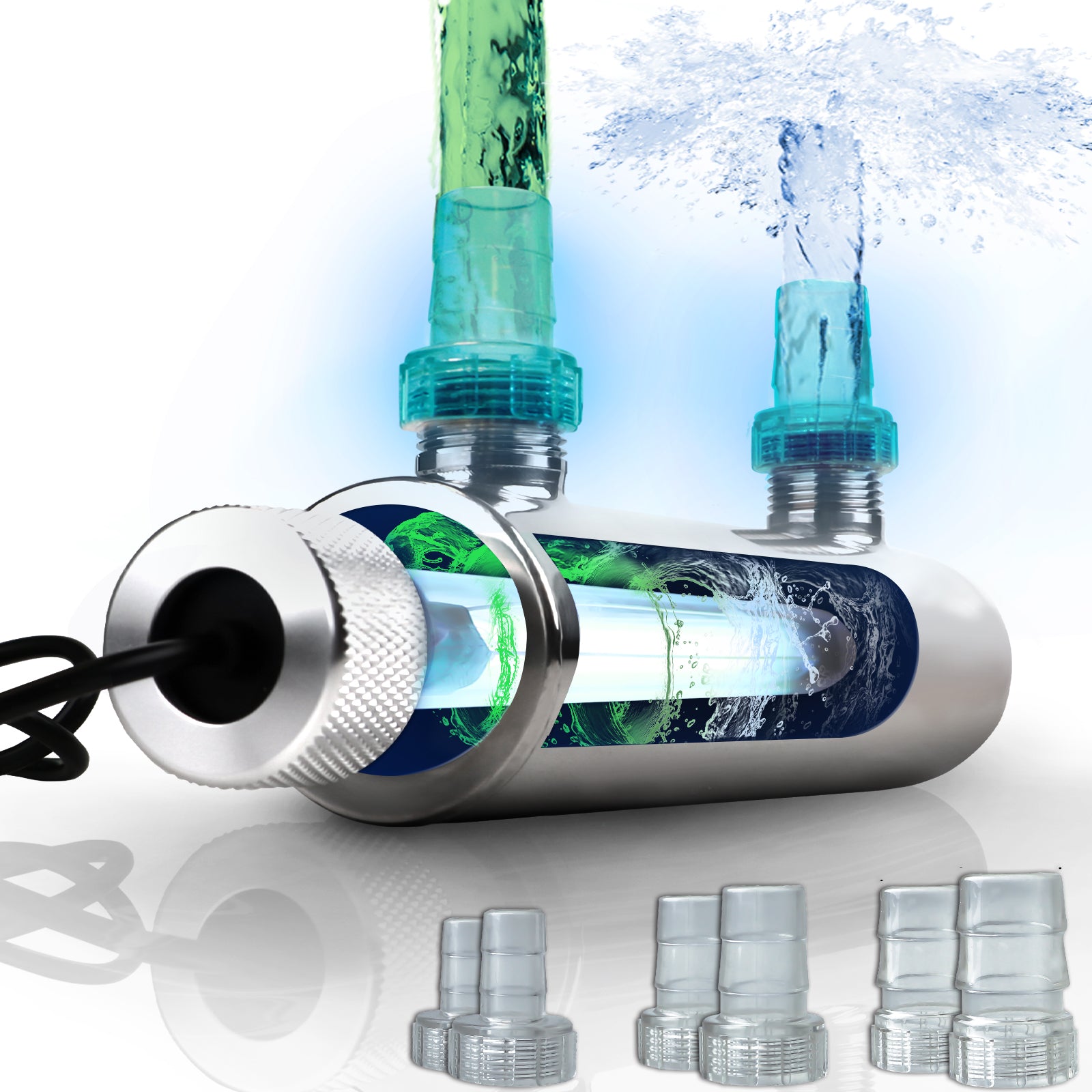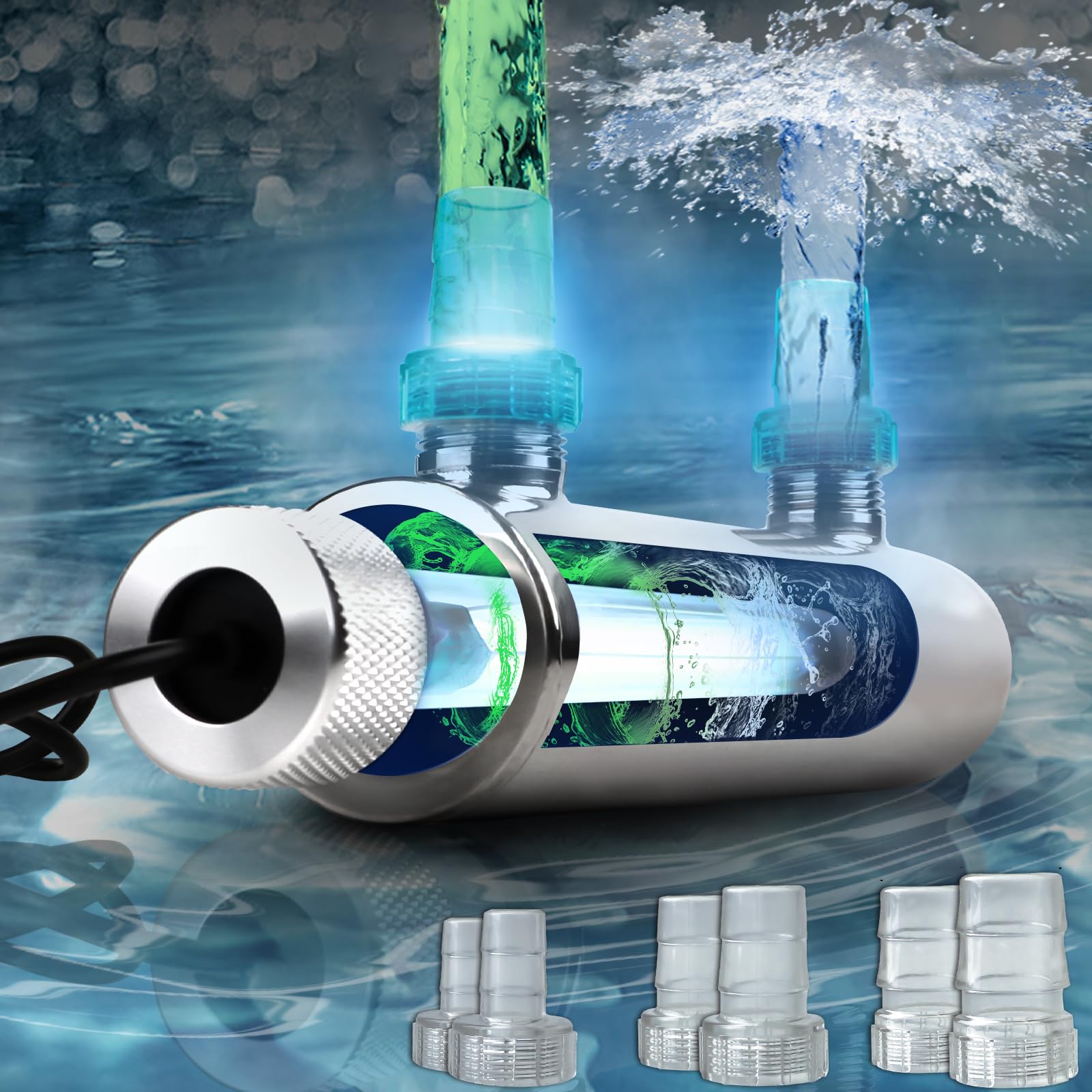
Whether in biomedical research, pharmaceutical development, clinical diagnostics, or biotechnology manufacturing, even minimal microbial contamination can compromise experiments, invalidate data, delay timelines, and result in significant financial loss.
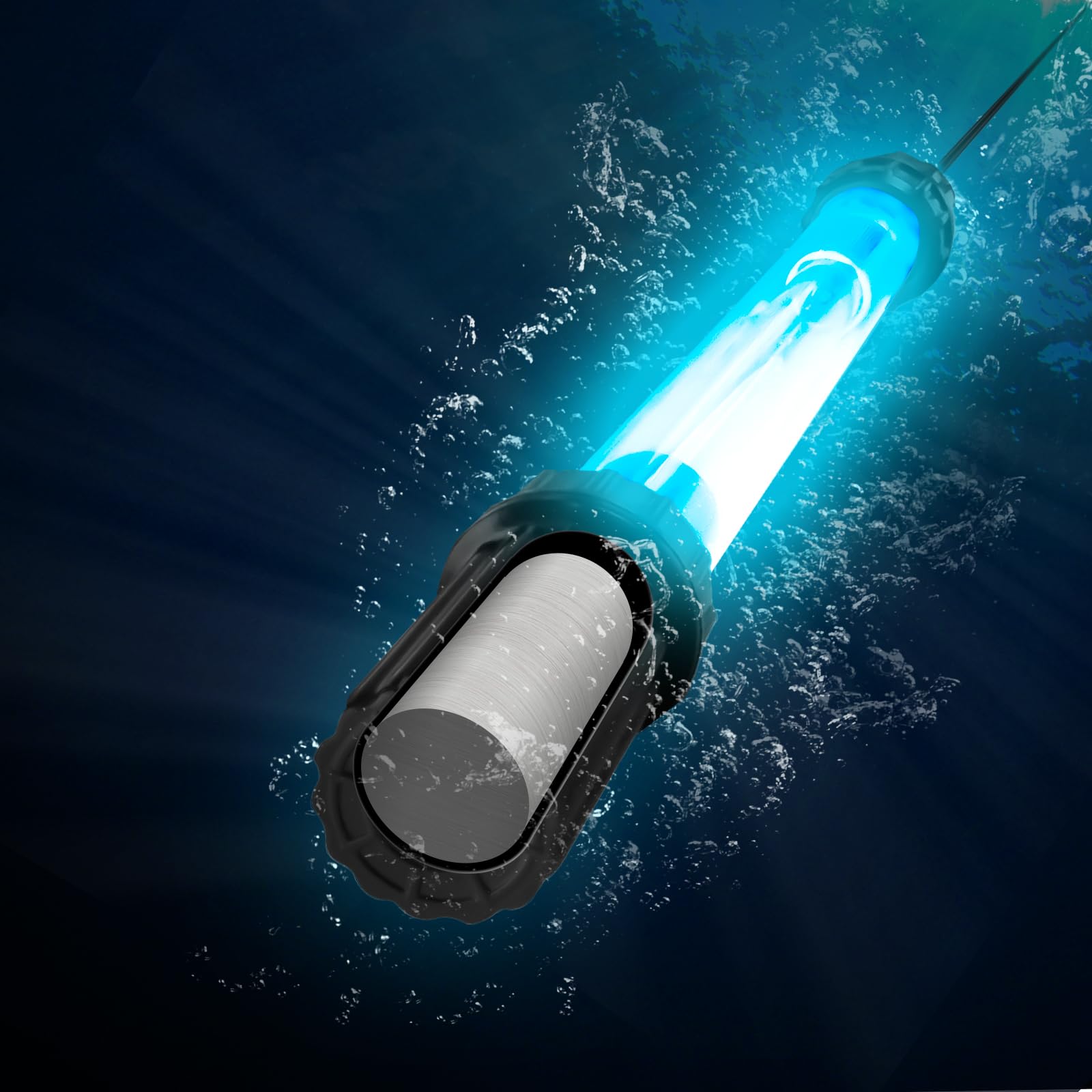
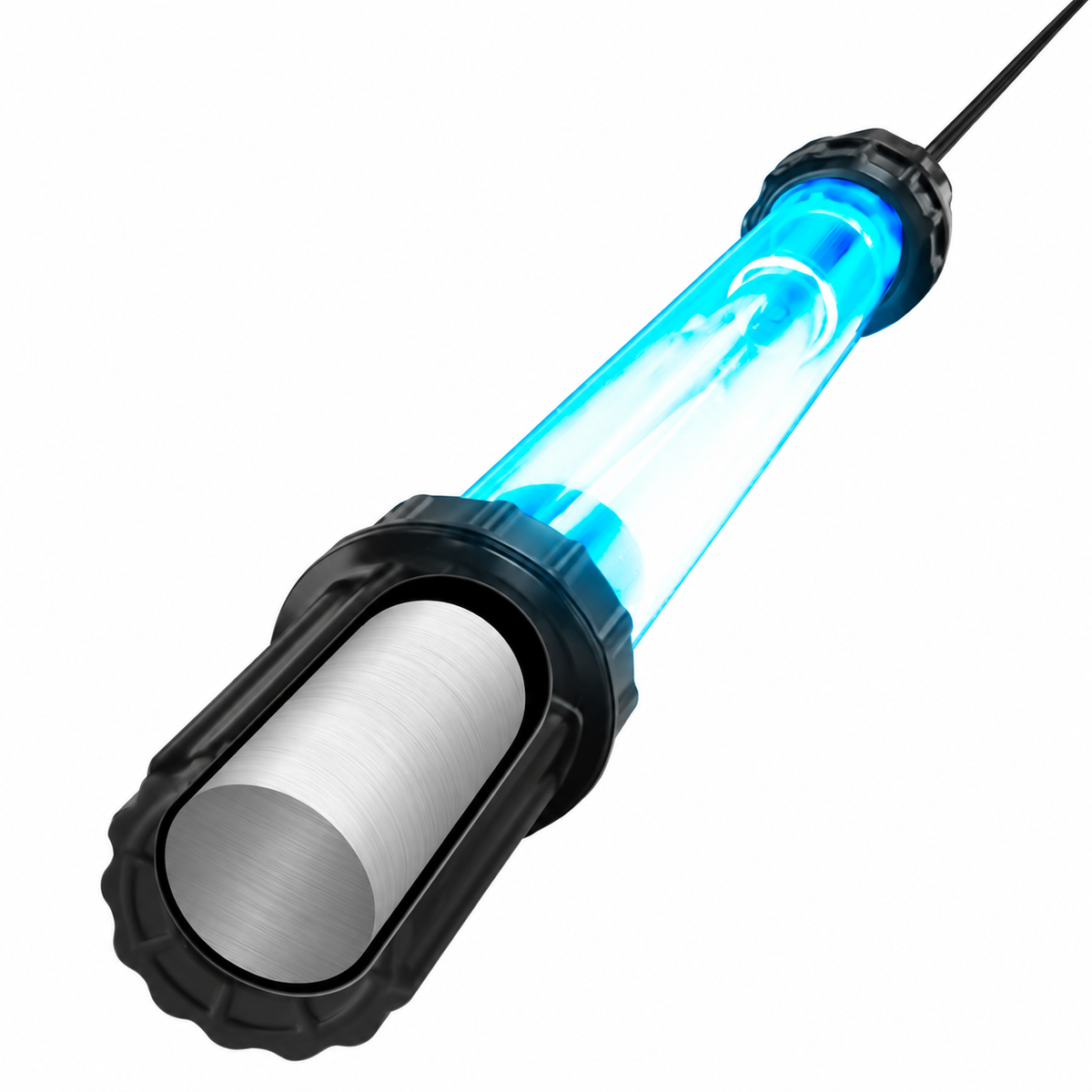
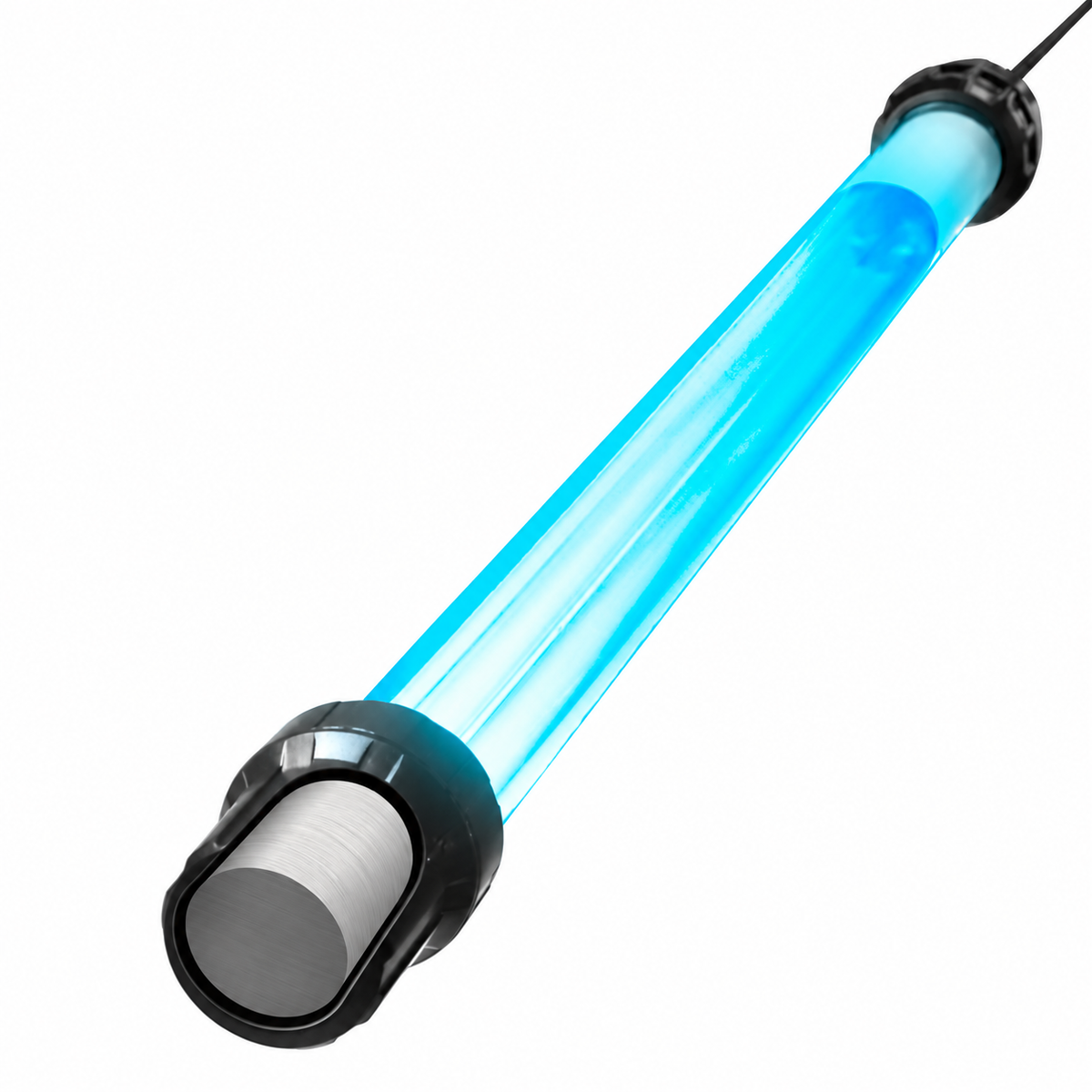
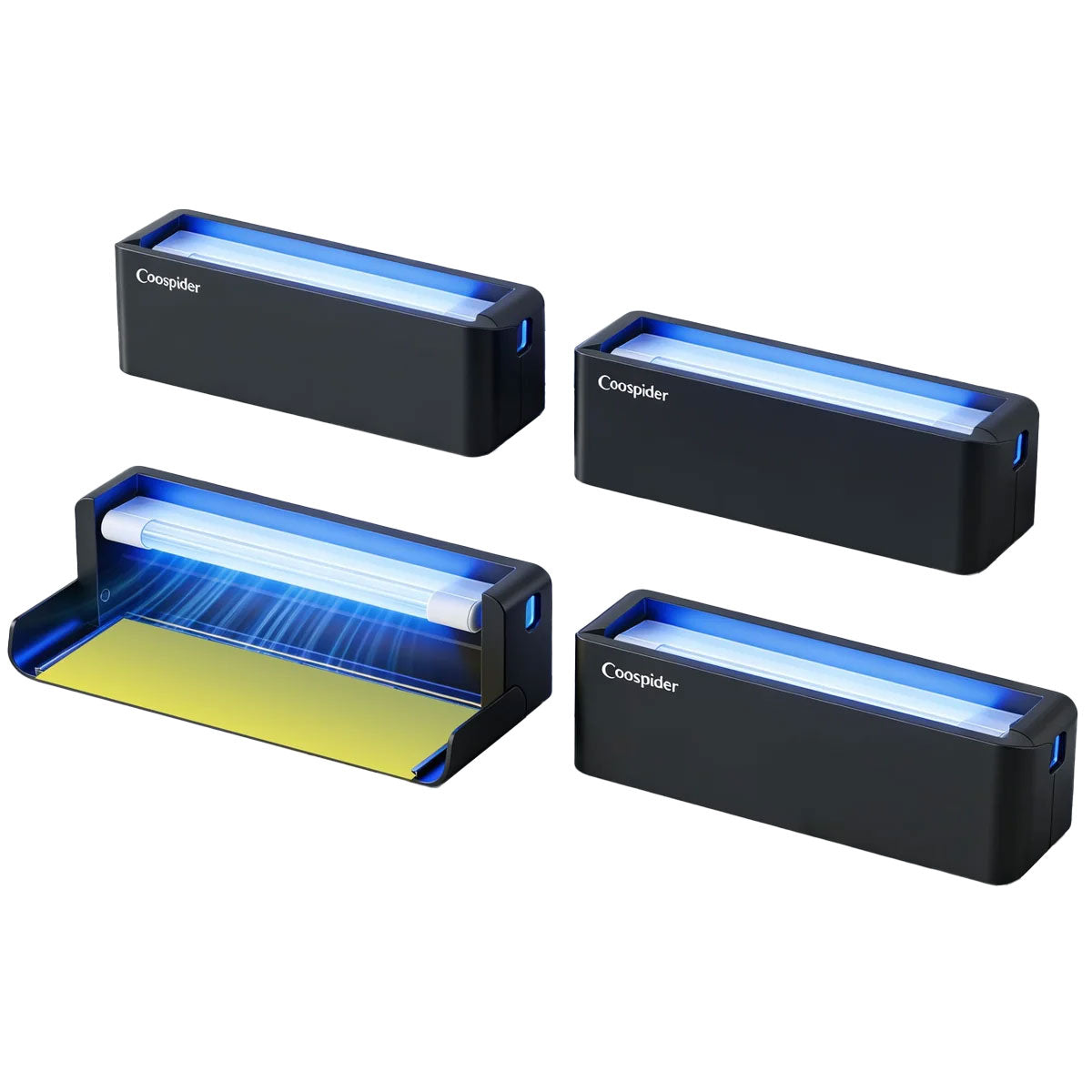
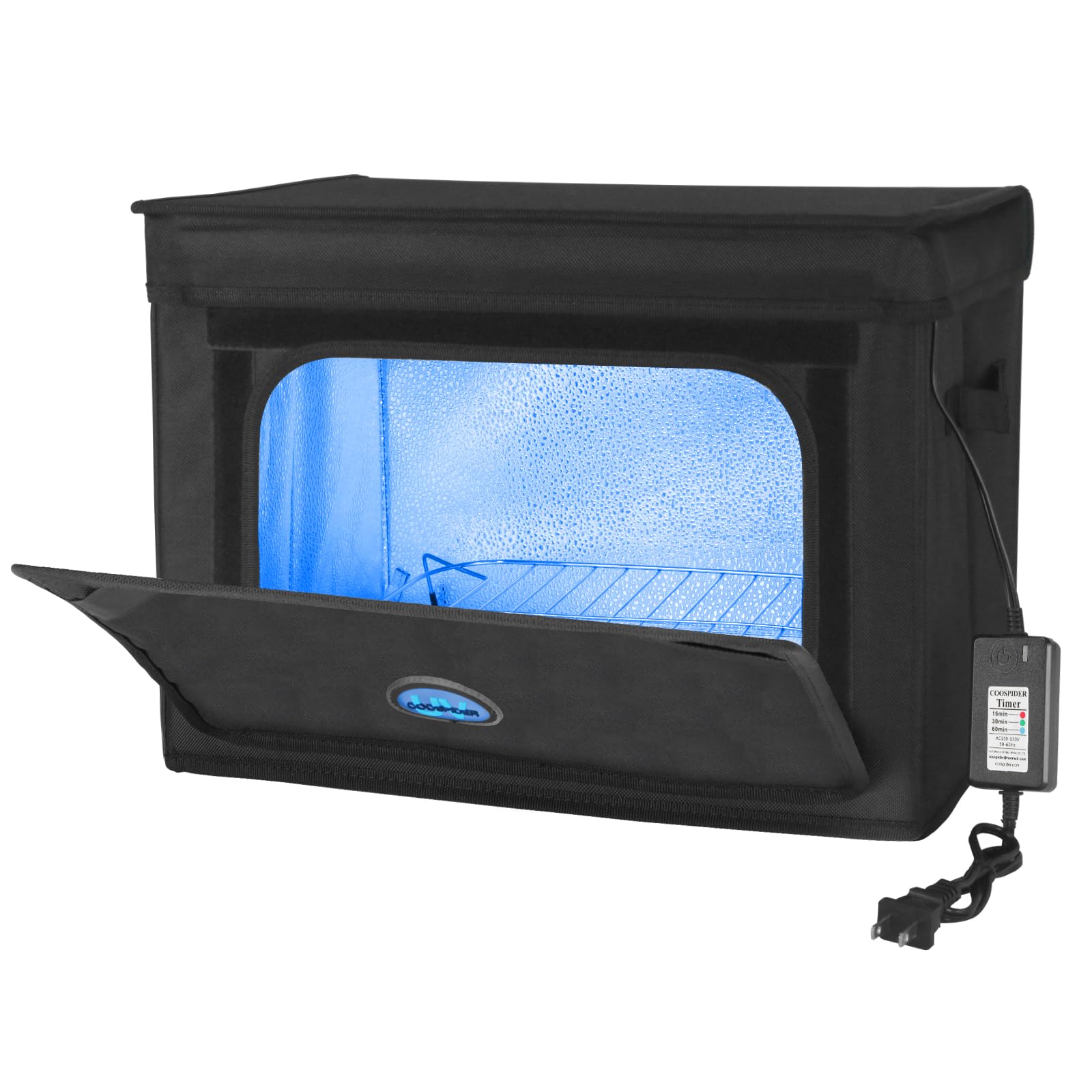
Among the many tools used to maintain sterile conditions, ultraviolet (UV) disinfection technology plays a quiet but critical role—particularly in laminar flow hoods and incubators, where controlled environments are essential for sensitive procedures and cell culture work.
This article explores how UV lamps contribute to laboratory sterility, how they are properly used in ultra-clean workstations and incubators, and why they remain an indispensable component of modern laboratory hygiene strategies.
1. Why Sterile Environments Are So Critical in Laboratories
Laboratory contamination is often invisible—but its impact is immediate and costly.
1.1 Consequences of Microbial Contamination
Contamination can lead to:
-
Invalid experimental results
-
Loss of cell lines and biological samples
-
False-positive or false-negative outcomes
-
Repetition of time-consuming experiments
-
Regulatory non-compliance
In pharmaceutical and clinical labs, contamination can even pose patient safety risks.
1.2 Common Sources of Contamination
Even in well-managed labs, contamination can originate from:
-
Airborne microorganisms
-
Operator handling errors
-
Improperly cleaned surfaces
-
Equipment interiors (hoods, incubators)
-
Repeated opening and closing of workspaces
This is why layered protection strategies are essential.
2. UV Disinfection: A Proven Sterilization Technology
2.1 How UV Light Inactivates Microorganisms
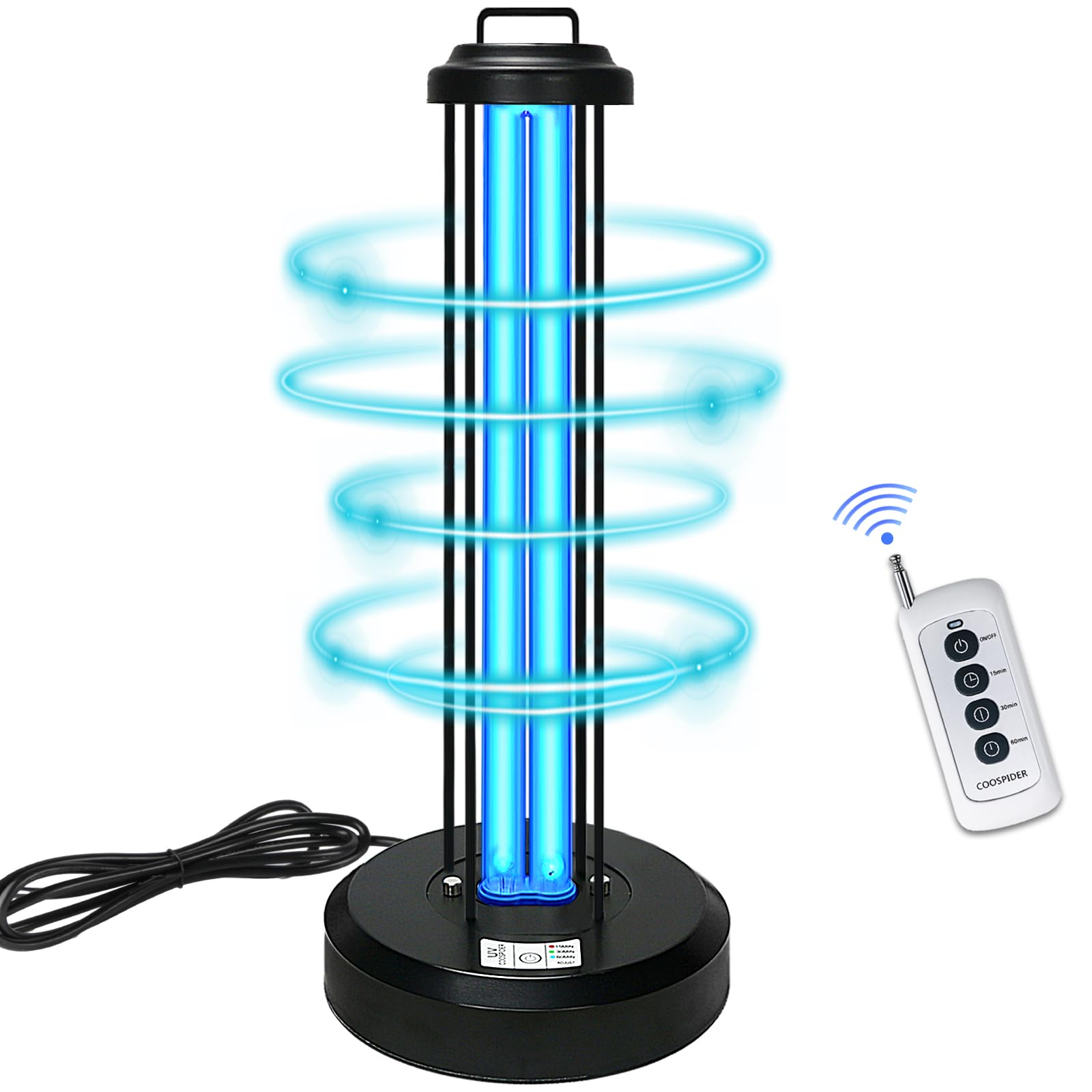
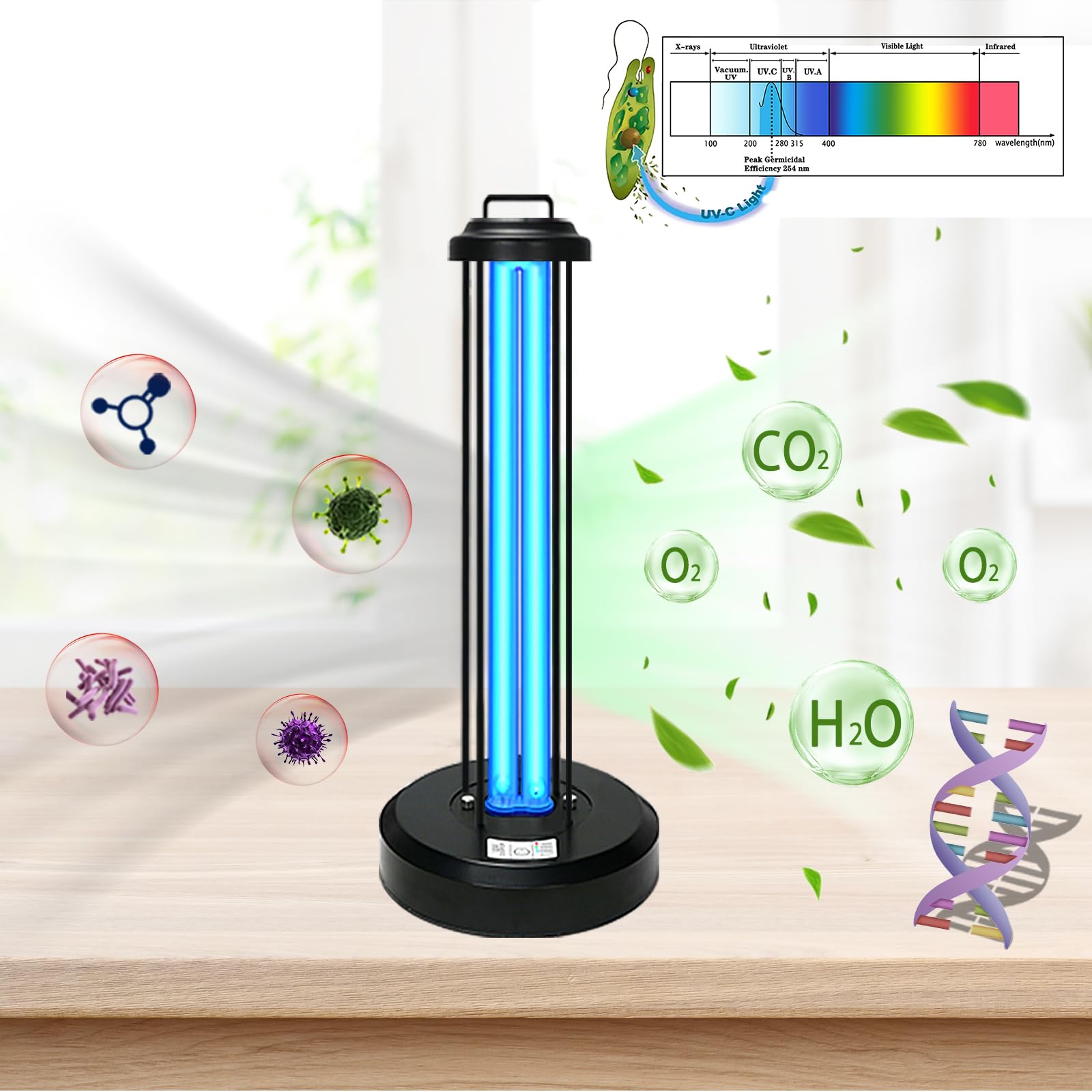
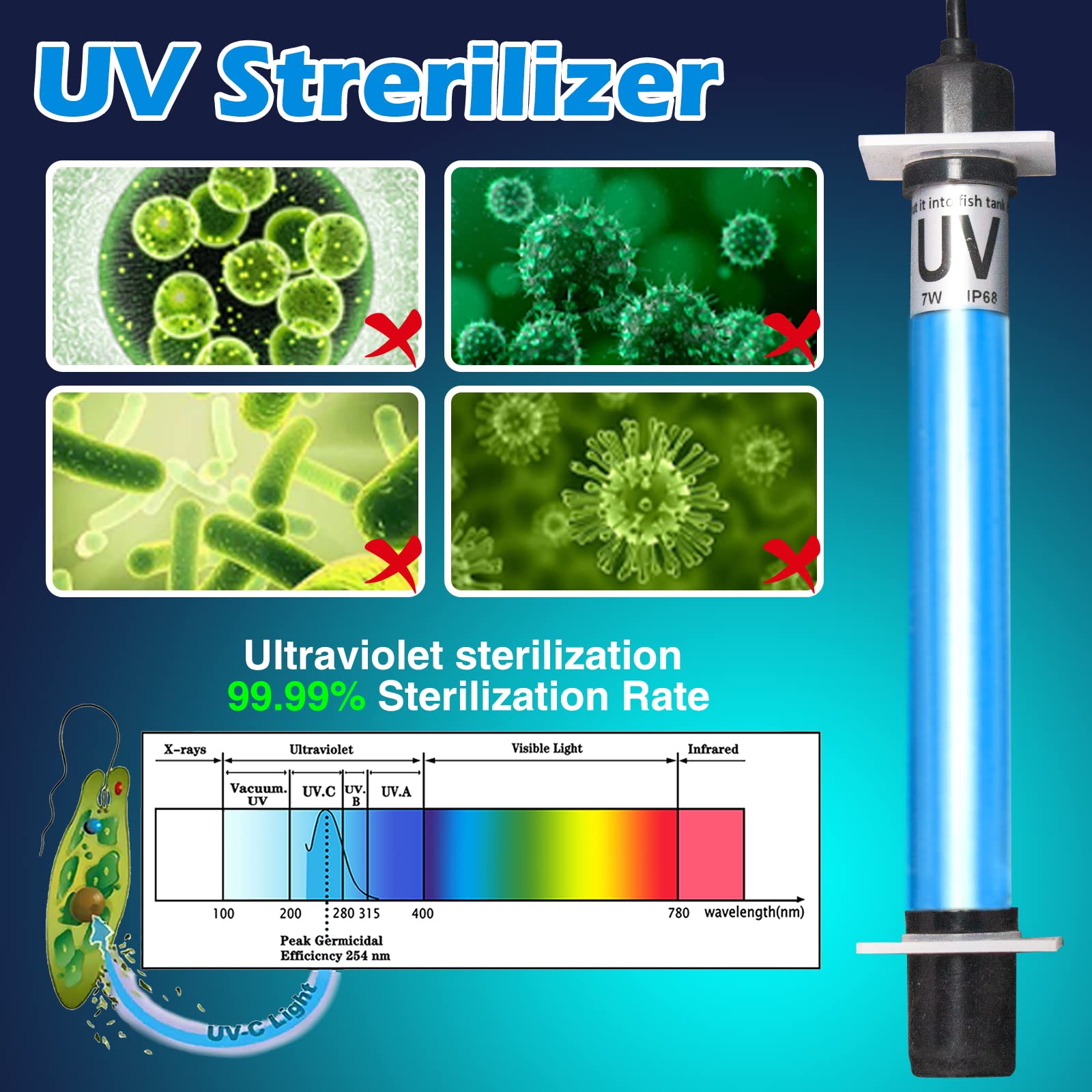
UV-C light, typically in the 200–280 nm wavelength range, damages microbial DNA and RNA by disrupting nucleic acid structures. This prevents microorganisms from replicating and effectively renders them inactive.
UV light is effective against:
-
Bacteria
-
Viruses
-
Fungi
-
Mold spores
It works without chemicals, residues, or moisture.
2.2 UV Disinfection vs Chemical Sterilization
Compared to chemical disinfectants, UV offers:
-
No chemical residues
-
No corrosion of sensitive equipment
-
Minimal downtime
-
Reduced operator exposure to toxic agents
However, UV is a surface and line-of-sight technology, requiring proper design and usage.
3. The Role of UV Lamps in Laminar Flow Hoods
3.1 Understanding Laminar Flow Hoods
Laminar flow hoods (also known as clean benches) are designed to:
-
Provide HEPA-filtered airflow
-
Protect samples from airborne contamination
-
Create a controlled working environment
They are commonly used for:
-
Cell culture preparation
-
Microbiological work
-
Sample handling
3.2 Why UV Lamps Are Integrated into Laminar Flow Hoods
While HEPA filtration removes airborne particles during operation, UV lamps address surface contamination when the hood is not in use.
UV lamps in laminar flow hoods:
-
Disinfect work surfaces
-
Reduce microbial load on interior walls
-
Supplement manual cleaning protocols
They serve as a preventive disinfection step, not a replacement for airflow filtration.
3.3 Typical UV Lamp Placement in Hoods
UV lamps are usually installed:
-
At the top interior panel
-
Directed downward toward the work surface
This placement ensures maximum exposure to critical surfaces when the hood is closed and inactive.
3.4 Standard UV Disinfection Cycles
Common practice includes:
-
UV exposure for 15–30 minutes
-
Use before and/or after work sessions
-
Hood closed, no personnel present
Timing may vary depending on:
-
Lamp power
-
Hood size
-
Laboratory protocols
4. UV Lamps in Incubators: Protecting Sensitive Cultures
4.1 Why Incubators Are High-Risk Environments
Incubators provide:
-
Warm temperatures
-
High humidity
-
Nutrient-rich conditions
These are ideal for cell growth—but also ideal for microbial proliferation.
4.2 Common Contamination Issues in Incubators
Incubators are prone to:
-
Bacterial contamination
-
Fungal growth
-
Mycoplasma infections
Once contamination occurs, it can spread rapidly and persist.
4.3 How UV Lamps Support Incubator Hygiene
UV lamps in incubators are used to:
-
Disinfect interior air and surfaces
-
Reduce microbial buildup between cleaning cycles
-
Provide an additional layer of protection
They are often combined with:
-
HEPA filtration
-
Regular manual cleaning
-
High-temperature sterilization cycles
4.4 Continuous vs Intermittent UV Use
Most incubators use intermittent UV exposure, typically:
-
When doors are closed
-
During idle periods
-
As part of scheduled maintenance
Continuous UV exposure is avoided to protect cultures and materials.
5. UV Lamp Types Commonly Used in Laboratories
5.1 Low-Pressure Mercury UV Lamps
Advantages:
-
Proven technology
-
Strong UV-C output
-
Cost-effective
Limitations:
-
Contains mercury
-
Fixed wavelength
-
Requires proper disposal
5.2 UV-C LED Technology
Advantages:
-
Mercury-free
-
Compact design
-
Instant on/off
Limitations:
-
Higher cost
-
Lower output (currently)
-
Limited lifespan compared to expectations
UV-C LEDs are increasingly adopted in newer equipment designs.
6. Safety Considerations When Using UV Lamps
6.1 Human Exposure Risks
UV-C radiation can cause:
-
Eye injury
-
Skin irritation
-
Long-term health risks
Therefore:
-
UV lamps must never operate while personnel are present
-
Interlock systems are essential
-
Warning labels and training are mandatory
6.2 Equipment Material Degradation
Prolonged UV exposure can:
-
Degrade plastics
-
Yellow transparent surfaces
-
Damage rubber seals
Materials inside UV-equipped systems must be UV-resistant.
7. Operational Best Practices for UV Use in Labs
7.1 UV Is a Supplement, Not a Standalone Solution
UV disinfection should be combined with:
-
Manual surface cleaning
-
HEPA filtration
-
Proper aseptic techniques
No single method ensures sterility alone.
7.2 Routine Lamp Maintenance
UV lamp effectiveness declines over time.
Best practices include:
-
Tracking lamp usage hours
-
Replacing lamps according to manufacturer recommendations
-
Cleaning lamp surfaces regularly
A glowing lamp does not guarantee effective UV output.
7.3 Validation and Monitoring
Advanced labs may:
-
Measure UV intensity
-
Validate disinfection cycles
-
Document UV usage for compliance
This is especially important in regulated environments.
8. Regulatory and Compliance Considerations
In regulated labs, UV usage must align with:
-
GMP (Good Manufacturing Practice)
-
GLP (Good Laboratory Practice)
-
ISO standards
Documentation and SOPs are critical.
9. Common Misconceptions About UV Sterilization
Misconception 1: UV Sterilizes Instantly
Reality: UV requires sufficient exposure time.
Misconception 2: UV Reaches All Surfaces
Reality: Shadows reduce effectiveness.
Misconception 3: UV Replaces Cleaning
Reality: Organic residue blocks UV penetration.
10. Designing Labs with UV Integration in Mind
Modern lab design increasingly considers:
-
Built-in UV disinfection
-
Automated cycles
-
Smart interlock systems
-
Integration with airflow control
This improves consistency and reduces human error.
11. Cost vs Value: Is UV Worth the Investment?
While UV systems add cost, they:
-
Reduce contamination-related losses
-
Protect valuable samples
-
Improve workflow reliability
In high-value research environments, the ROI is often substantial.
12. Case Scenarios: Where UV Makes the Biggest Difference
UV disinfection is especially valuable in:
-
Cell culture laboratories
-
IVF and reproductive labs
-
Pharmaceutical R&D
-
Hospital diagnostic labs
-
Biotech manufacturing
Anywhere sterility is critical, UV plays a role.
13. Future Trends in Laboratory UV Technology
Emerging developments include:
-
Smart UV monitoring
-
UV-C LEDs with higher output
-
Integrated data logging
-
Safer far-UV research
UV technology continues to evolve alongside laboratory automation.
14. Training and Human Factors
Even the best UV system fails without proper training.
Effective programs include:
-
UV safety education
-
Clear SOPs
-
Visual indicators
-
Regular audits
Human behavior remains a critical variable.
15. Balancing Sterility, Safety, and Efficiency
Laboratories must balance:
-
Maximum sterility
-
Operator safety
-
Equipment longevity
-
Workflow efficiency
UV lamps help achieve this balance when used correctly.
Conclusion: UV Lamps as Silent Guardians of Laboratory Integrity
UV lamps rarely attract attention—but their impact is profound.
In laminar flow hoods and incubators, they:
-
Reduce microbial contamination
-
Protect sensitive experiments
-
Support consistent, reliable results
When integrated thoughtfully and used responsibly, UV disinfection becomes a silent guardian—working behind the scenes to uphold the integrity of modern science.
In a world where data accuracy and reproducibility matter more than ever, maintaining sterile environments is not just good practice—it is essential. And UV technology remains one of the most effective tools in that mission.