Introduction: The Hidden Hygiene Crisis in Your Bathroom
When people think about household cleanliness, they often focus on kitchens, bedrooms, or living rooms. Surprisingly, the bathroom—despite being associated with cleanliness—is one of the most bacteria-dense environments in any home. Moisture, warmth, and frequent human contact create ideal conditions for microbial growth, even when surfaces appear visually clean.
Traditional cleaning methods—chemical sprays, wipes, and detergents—play an important role, but they also have limitations. Many bacteria survive between cleanings, and some areas are difficult to sanitize thoroughly without constant effort. This is where UV (ultraviolet) disinfection technology enters the picture.
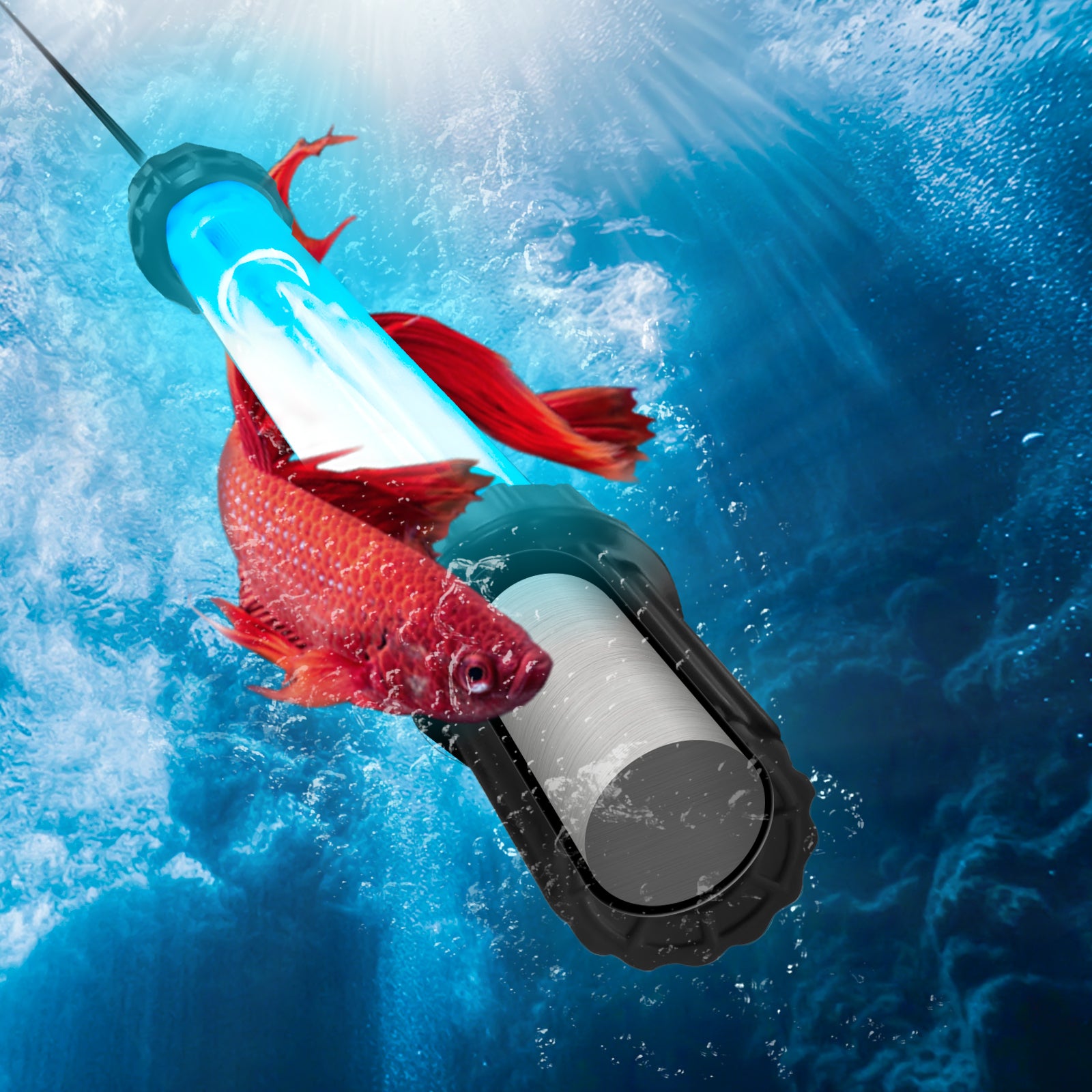
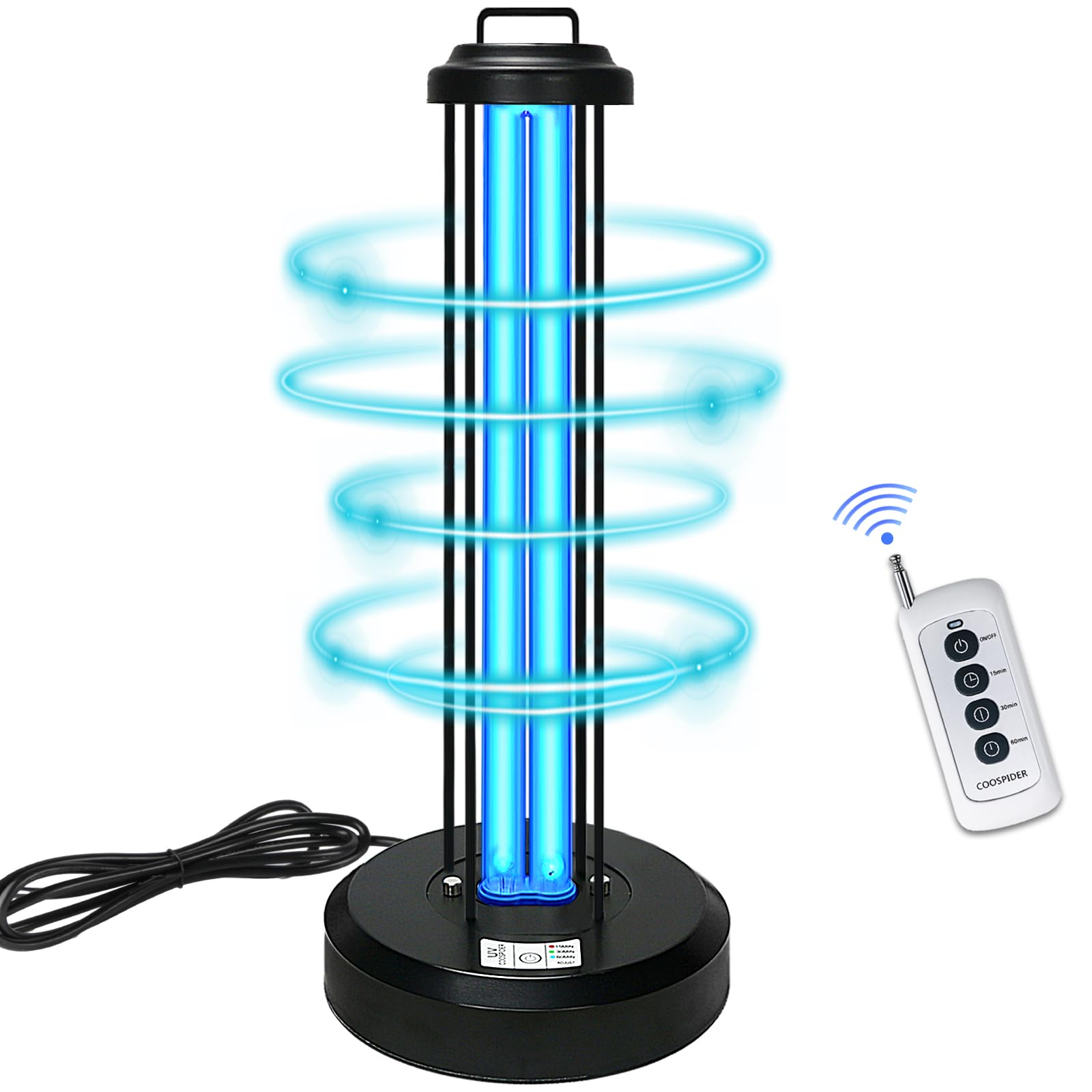
Once reserved for hospitals, laboratories, and water treatment facilities, UV light is now quietly transforming modern bathrooms, working behind the scenes to reduce bacteria on toilets, sinks, and even everyday personal items like toothbrushes—without noise, chemicals, or daily manual labor.
In this in-depth guide, we’ll explore how UV technology works in bathroom environments, where it delivers the most value, and how it’s reshaping hygiene standards for modern homes.
1. Why Bathrooms Are a Perfect Breeding Ground for Bacteria
Before understanding how UV light helps, it’s important to recognize why bathrooms are uniquely challenging from a hygiene perspective.
1.1 High Moisture and Warmth
Bathrooms frequently experience:
-
Steam from hot showers
-
Standing water around sinks
-
Condensation on surfaces
These conditions allow bacteria and mold to multiply rapidly.
1.2 Frequent Human Contact
Toilet handles, faucet knobs, flush buttons, and toothbrushes are touched daily—often with hands that are not fully clean.
1.3 Invisible Contamination
Many harmful microorganisms cannot be seen or smelled. A surface may look spotless but still harbor:
-
E. coli
-
Staphylococcus
-
Salmonella
-
Mold spores
1.4 Cross-Contamination
Bacteria can easily transfer between:
-
Toilets and sinks
-
Hands and personal care items
-
Toothbrushes and oral cavities
Traditional cleaning reduces this risk, but it doesn’t provide continuous protection.
2. What Is UV Disinfection and Why Does It Work?
2.1 Understanding UV Light
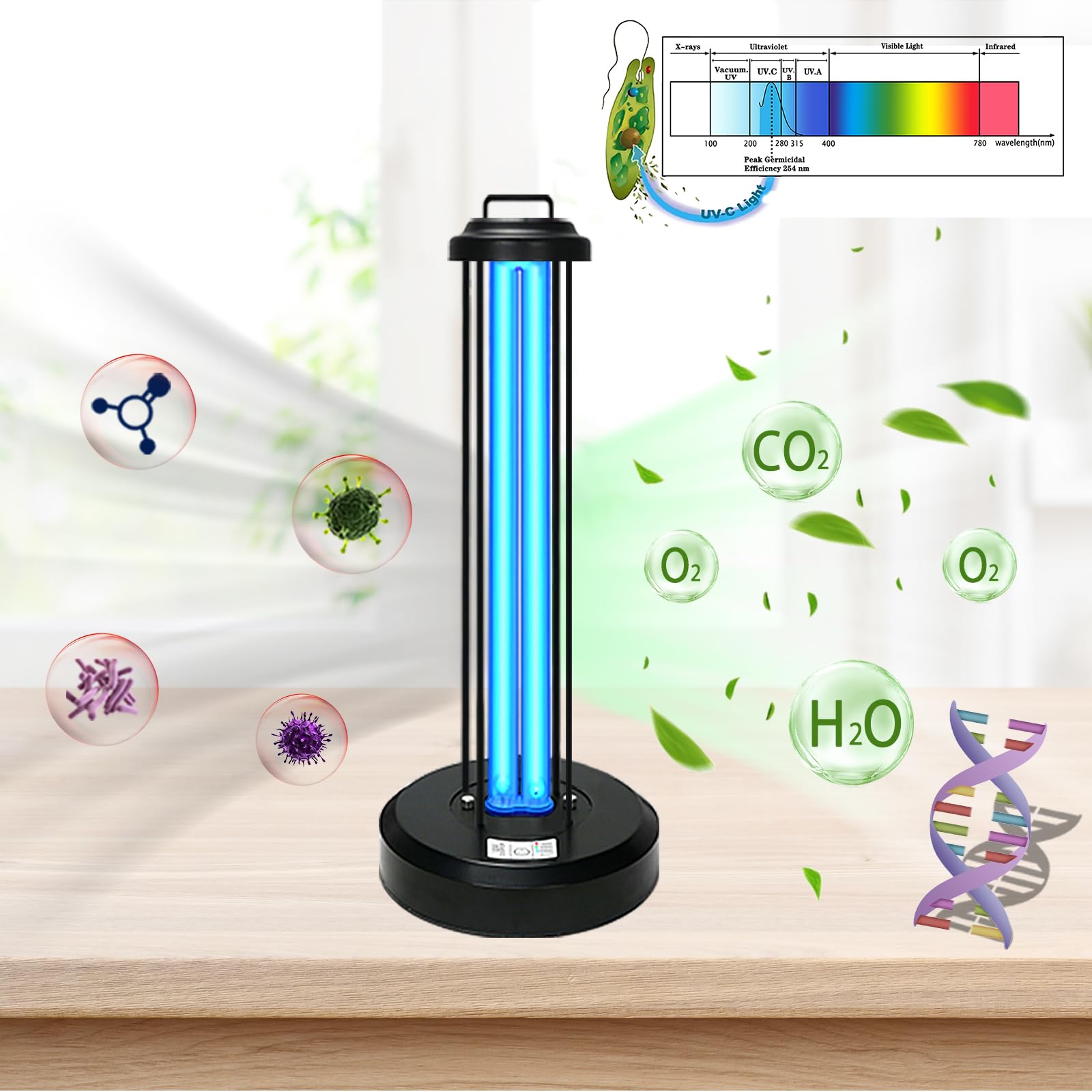
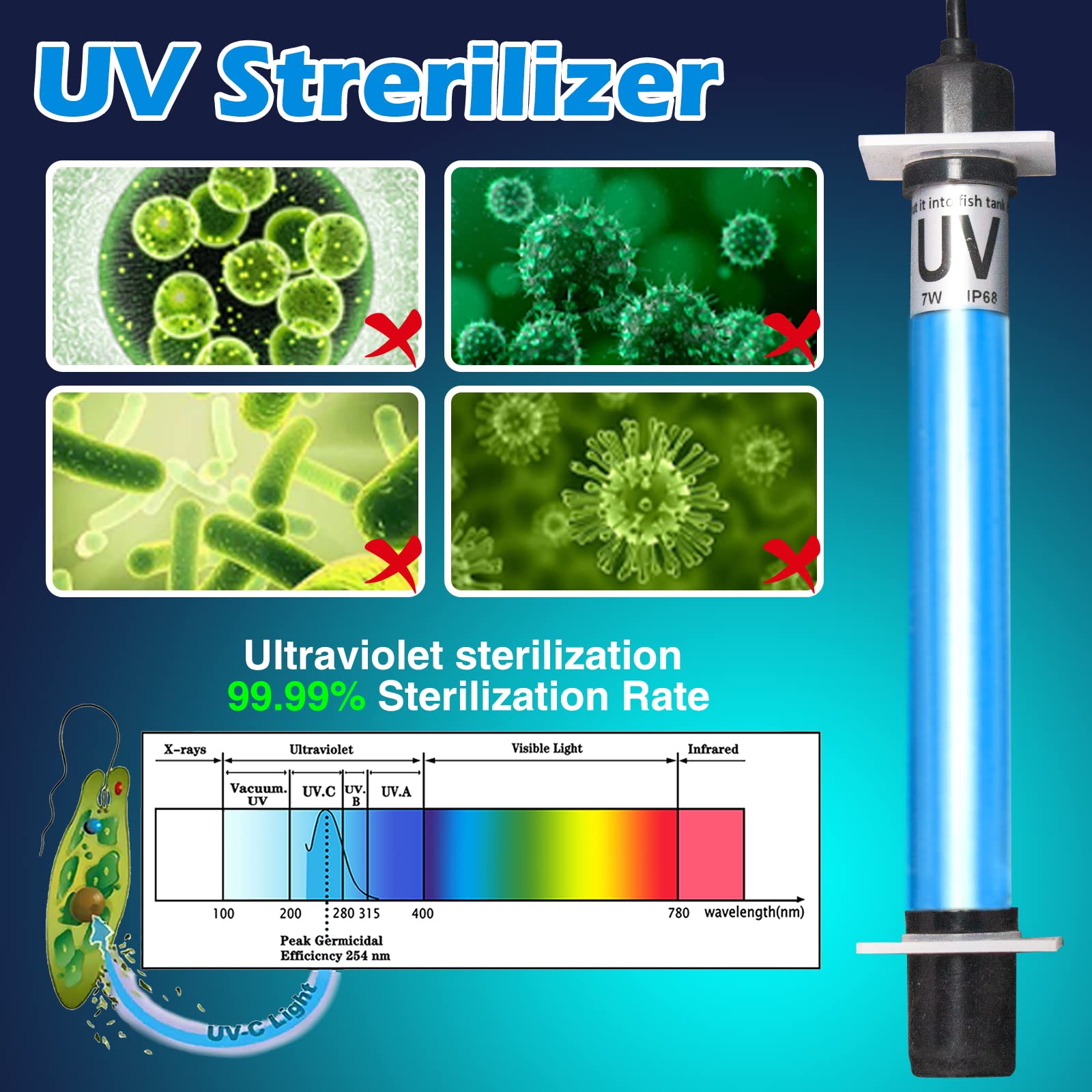
Ultraviolet light is a form of electromagnetic radiation invisible to the human eye. The most relevant type for disinfection is UV-C, which operates in the 200–280 nanometer wavelength range.
2.2 How UV Kills Bacteria
UV-C light works by:
-
Penetrating microorganisms
-
Damaging their DNA and RNA
-
Preventing reproduction and survival
Unlike chemicals, UV light does not rely on contact time with liquids or residues. Once the light reaches the surface, disinfection begins instantly.
2.3 Silent, Chemical-Free Protection
UV disinfection is:
-
Odorless
-
Residue-free
-
Non-corrosive
-
Environmentally friendly
This makes it especially suitable for enclosed spaces like bathrooms.
3. UV Light in Toilets: The First Line of Defense
3.1 The Toilet: A Major Bacterial Hotspot
Studies have shown that flushing a toilet can release microscopic droplets into the air—a phenomenon known as toilet plume. These droplets may settle on nearby surfaces, including floors, walls, and personal items.
3.2 How UV Toilet Systems Work
Modern UV toilet solutions include:
-
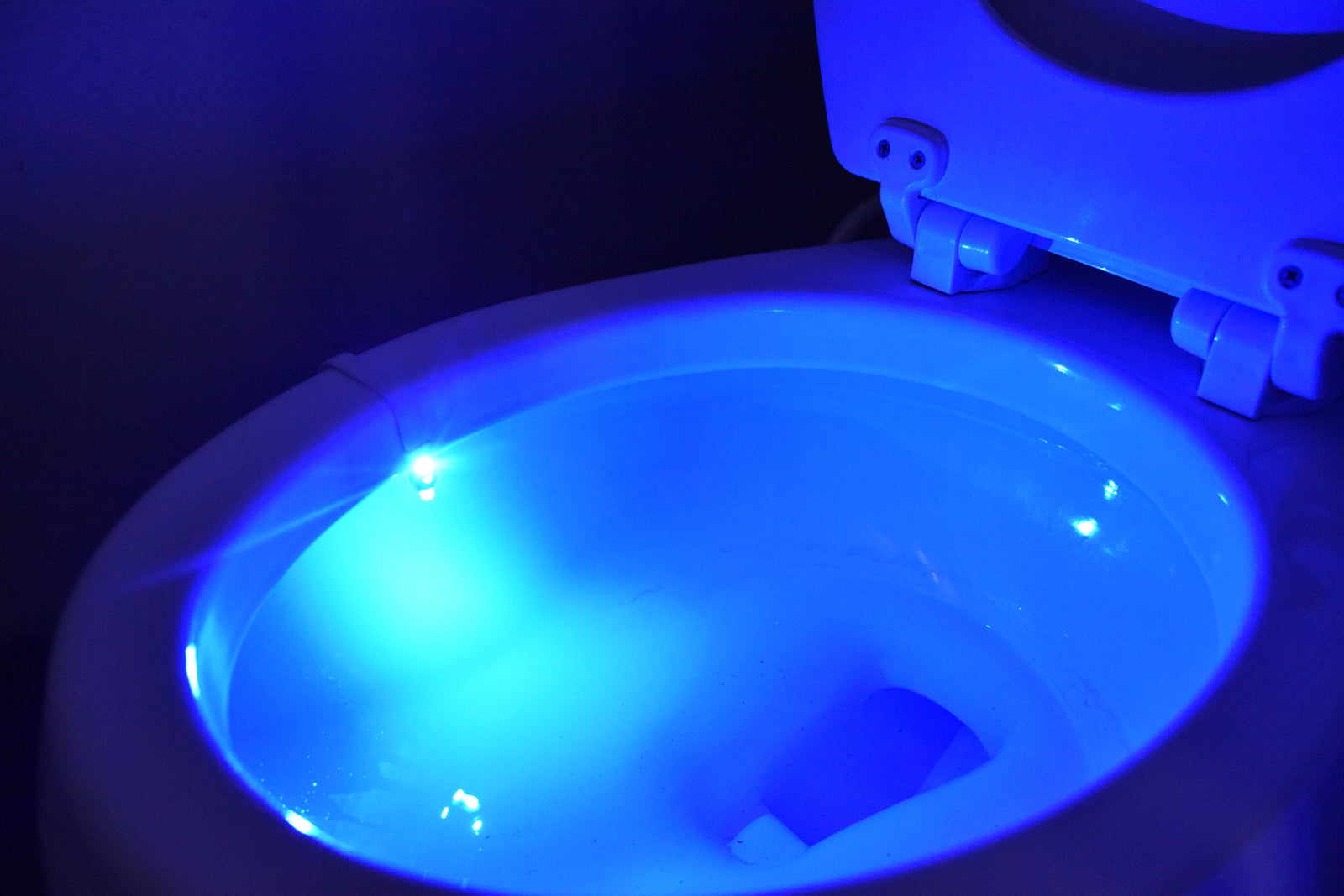
UV LED modules built into the toilet lid
-
Automatic activation after flushing
-
Short disinfection cycles when the lid is closed
These systems quietly sanitize the bowl interior without requiring chemicals.
3.3 Benefits of UV in Toilets
-
Reduces bacteria between cleanings
-
Minimizes odors caused by microbial activity
-
Lowers cross-contamination risk
-
Enhances overall bathroom hygiene
Importantly, UV systems operate only when the toilet is not in use, ensuring safety for users.
4. UV Light at the Sink: Cleaning What We Touch the Most
4.1 Sink Areas Are More Contaminated Than You Think
Bathroom sinks are used multiple times a day for:
-
Hand washing
-
Face cleaning
-
Tooth brushing
Ironically, the sink and faucet are often touched before hands are fully clean, making them high-risk surfaces.
4.2 UV-Enhanced Sink Solutions
UV technology can be integrated into:
-
Faucet bases
-
Sink cabinets
-
Countertop sanitation modules
Some systems activate automatically during idle periods, targeting:
-
Faucet handles
-
Drain areas
-
Sink basins
4.3 Advantages Over Chemical Cleaning
UV light:
-
Reaches small crevices
-
Works without moisture
-
Avoids skin irritation from harsh cleaners
This makes it an ideal supplement to regular cleaning routines.
5. Toothbrush Hygiene: Where UV Makes the Biggest Impact
5.1 Why Toothbrushes Are Highly Vulnerable
Toothbrushes are:
-
Constantly exposed to moisture
-
Stored in open-air environments
-
Often placed near toilets
Bacteria can survive on toothbrush bristles for days.
5.2 UV Toothbrush Sanitizers
UV toothbrush sanitizers are compact devices that:
-
Enclose the toothbrush head
-
Emit UV-C light for a short cycle
-
Eliminate up to 99.9% of bacteria
Some models can sanitize multiple toothbrushes at once, making them ideal for families.
5.3 Oral Health Benefits
By reducing bacteria on toothbrushes, UV sanitizers may help:
-
Lower oral infections
-
Reduce gum inflammation
-
Improve overall dental hygiene
This is especially beneficial for:
-
Children
-
Seniors
-
Individuals with weakened immune systems
6. The “Silent Worker”: Why UV Feels Invisible but Powerful
One of the most appealing aspects of UV bathroom technology is how unobtrusive it is.
6.1 No Daily Effort Required
Once installed, UV systems:
-
Work automatically
-
Require minimal maintenance
-
Operate in the background
6.2 No Sensory Disruption
Unlike sprays or cleaners, UV light:
-
Produces no sound
-
Leaves no scent
-
Causes no mess
6.3 Smart Integration
Many modern systems are:
-
Motion-activated
-
Timer-controlled
-
App-connected
This allows homeowners to customize hygiene schedules effortlessly.
7. Safety Considerations: Using UV Light Responsibly
While UV technology is effective, it must be used correctly.
7.1 Enclosed or Shielded Designs
Consumer UV bathroom products are designed to:
-
Prevent direct exposure
-
Operate only when spaces are unoccupied
-
Automatically shut off if opened
7.2 Compliance with Safety Standards
Reputable UV products meet:
-
IEC
-
FDA
-
CE
-
RoHS
Always choose certified devices.
7.3 UV Is a Supplement, Not a Replacement
UV light enhances hygiene but does not replace:
-
Regular cleaning
-
Physical removal of dirt
-
Basic sanitation habits
8. UV Bathroom Technology and the Future of Home Hygiene
As smart homes continue to evolve, UV disinfection is becoming a standard feature rather than a luxury.
8.1 Integration with Smart Bathrooms
Future bathrooms may include:
-
UV-activated toilets
-
Self-sanitizing sinks
-
Automated toothbrush stations
8.2 Sustainability Benefits
UV reduces:
-
Chemical usage
-
Plastic waste from wipes
-
Water consumption
This aligns with eco-friendly living trends.
8.3 Post-Pandemic Hygiene Awareness
Global health events have permanently raised awareness of invisible threats. UV technology addresses this concern in a quiet, non-invasive way.
Conclusion: A Cleaner Bathroom Without Extra Effort
The bathroom may look clean, but true hygiene goes beyond what the eye can see. UV disinfection technology works silently in the background, reducing bacteria on toilets, sinks, and toothbrushes—areas we interact with daily but rarely sanitize thoroughly.
By integrating UV light into your bathroom hygiene routine, you gain:
-
Continuous microbial control
-
Reduced reliance on harsh chemicals
-
Improved personal and family health
-
A smarter, more modern living environment
In the future, the cleanest bathrooms won’t just be the ones scrubbed the hardest—but the ones protected by invisible, intelligent technology working around the clock.