
Introduction: The Hidden Threat Lurking in Your Closet
When people think about household hygiene, they usually focus on obvious areas like kitchens, bathrooms, or bedrooms. Closets, wardrobes, and storage spaces are often overlooked. After all, they look clean, dry, and undisturbed. But beneath neatly folded clothes and organized shelves, a silent enemy may be growing—mold.
Mold thrives in dark, enclosed, and poorly ventilated spaces. Closets, wardrobes, and storage cabinets provide the perfect environment, especially in humid climates or during seasonal transitions. Once mold establishes itself, it doesn’t just damage clothing; it also releases spores that can trigger allergies, respiratory issues, and long-term health concerns.
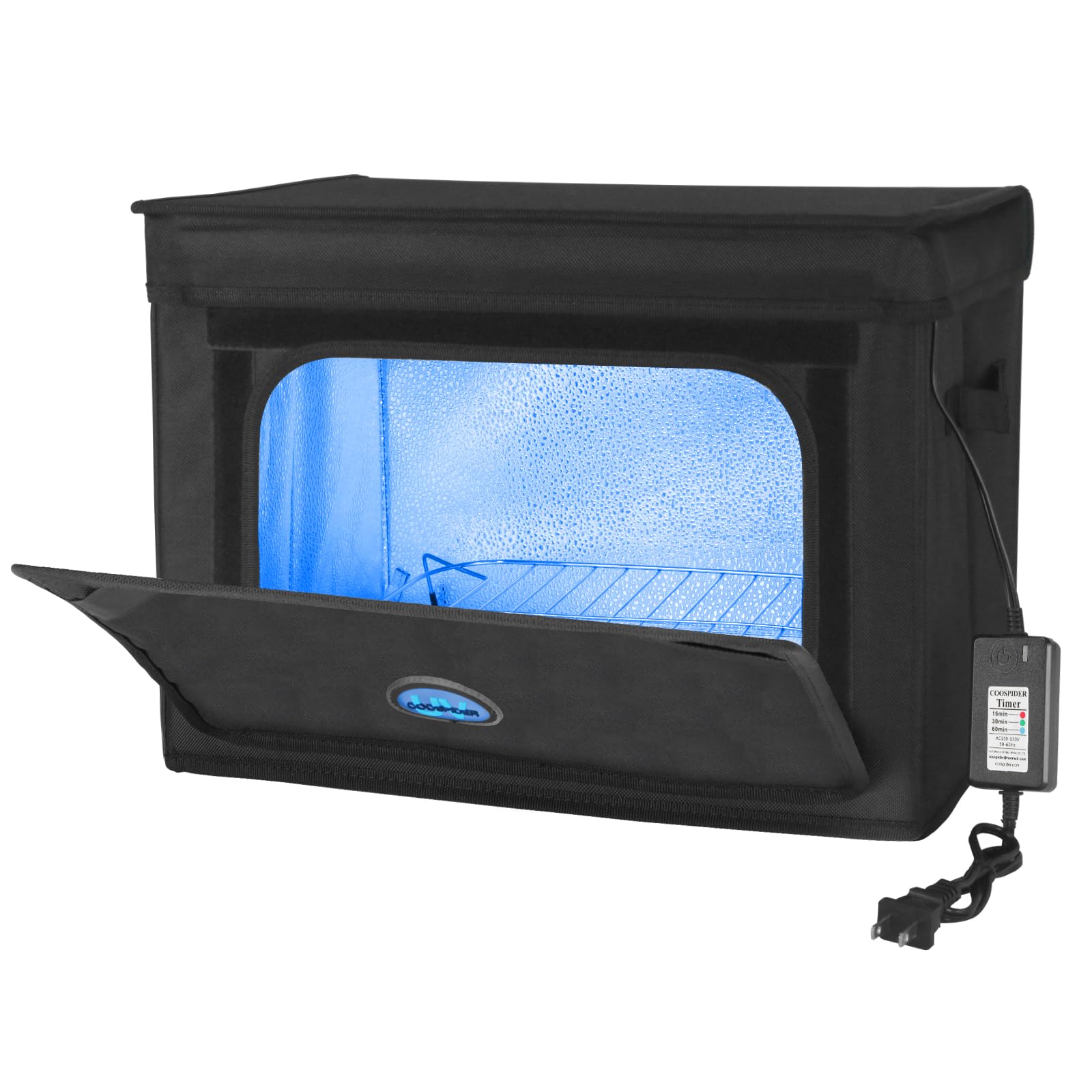
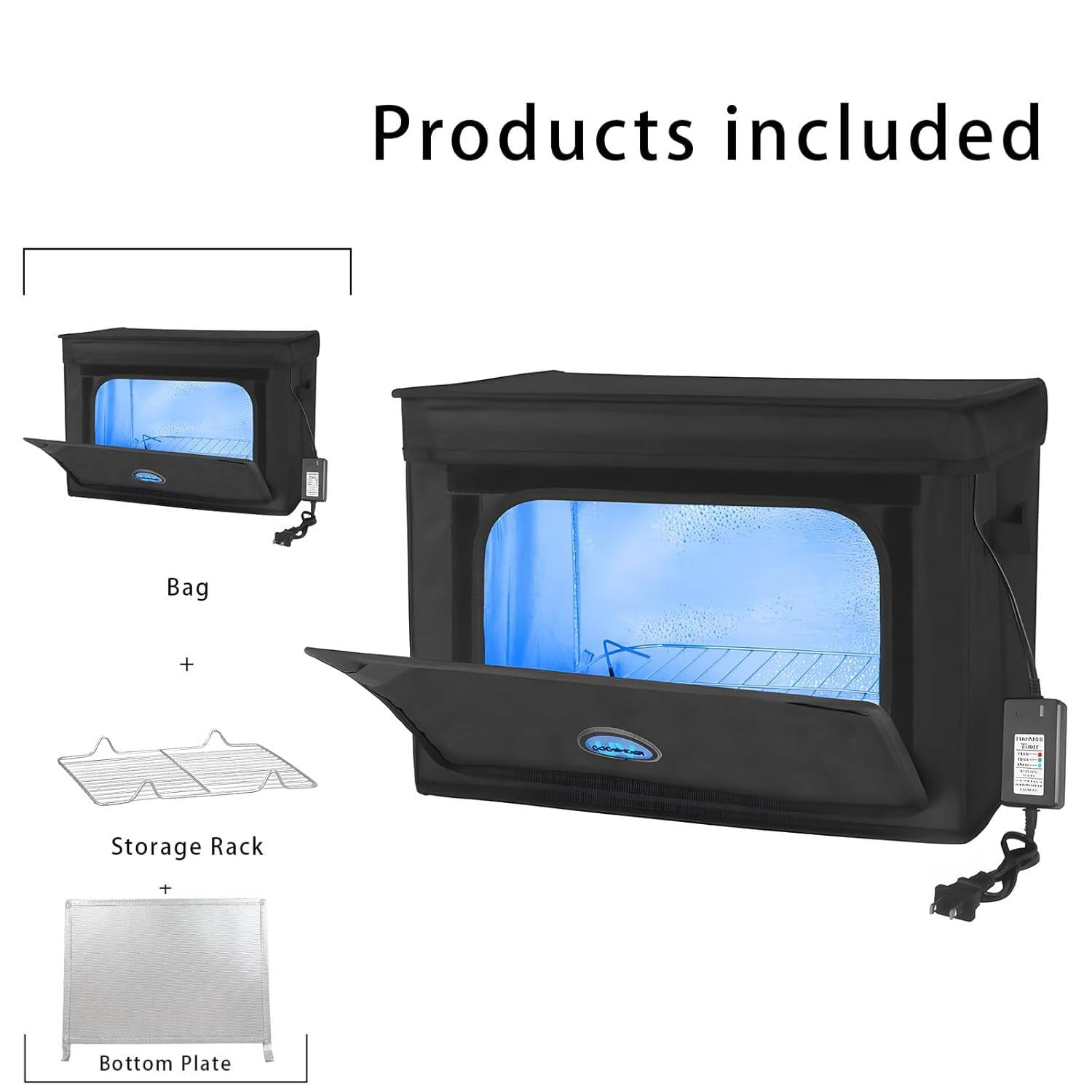
In recent years, UV light technology has emerged as a powerful, chemical-free solution for preventing mold growth in enclosed spaces. Once limited to hospitals and laboratories, UV disinfection is now accessible for everyday home use—including your closet.
This comprehensive guide explores how UV light works, why closets are vulnerable to mold, and how you can safely and effectively use UV lighting as a “secret weapon” to protect your clothes and storage spaces.
1. Why Closets Are High-Risk Zones for Mold
Closets may appear harmless, but they combine several mold-friendly conditions.
1.1 Darkness
Mold does not need light to grow. In fact, darkness protects it from natural UV exposure that would otherwise inhibit growth.
1.2 Poor Air Circulation
Closets are typically sealed or rarely opened, allowing moisture to linger in the air and fabrics.
1.3 Trapped Humidity
Humidity can come from:
-
Damp clothes stored too soon
-
Seasonal weather changes
-
Bathrooms or kitchens located nearby
-
Poor insulation inside walls
Once humidity exceeds 60%, mold growth becomes likely.
1.4 Organic Materials
Clothing, leather goods, paper boxes, and wooden shelves provide nutrients that mold feeds on.
2. The Impact of Mold on Clothing and Health
2.1 Damage to Fabrics
Mold can:
-
Permanently stain fabrics
-
Weaken fibers
-
Cause unpleasant odors that are hard to remove
-
Ruin delicate materials like silk, wool, and leather
2.2 Health Risks
Mold spores released into the air can cause:
-
Allergic reactions
-
Skin irritation
-
Asthma flare-ups
-
Headaches and fatigue
-
Long-term respiratory issues
Children, seniors, and people with compromised immune systems are especially vulnerable.
3. Traditional Mold Prevention Methods—and Their Limitations
Before UV light became popular, homeowners relied on traditional solutions.
3.1 Dehumidifiers
Effective but:
-
Consume electricity continuously
-
Require maintenance
-
May not fit inside small closets
3.2 Desiccants and Moisture Absorbers
Helpful but:
-
Only reduce moisture, not kill mold
-
Need frequent replacement
-
Limited coverage area
3.3 Chemical Sprays
Can kill mold, but:
-
Leave chemical residues
-
Damage fabrics
-
Pose health risks with prolonged exposure
3.4 Ventilation
Opening closet doors helps but is inconsistent and unreliable.
This is where UV light offers a modern, low-maintenance alternative.
4. How UV Light Prevents Mold Growth
4.1 Understanding UV Technology
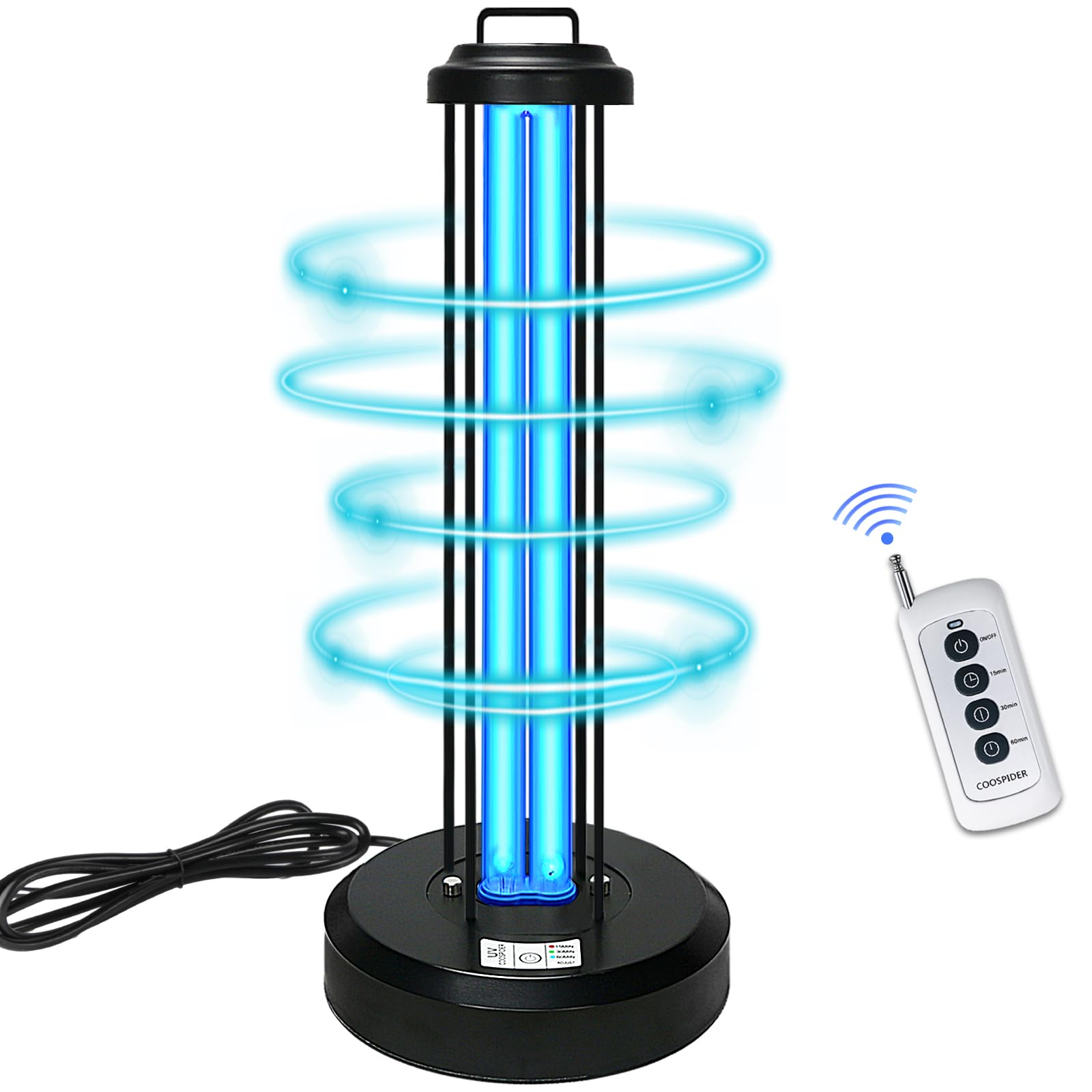
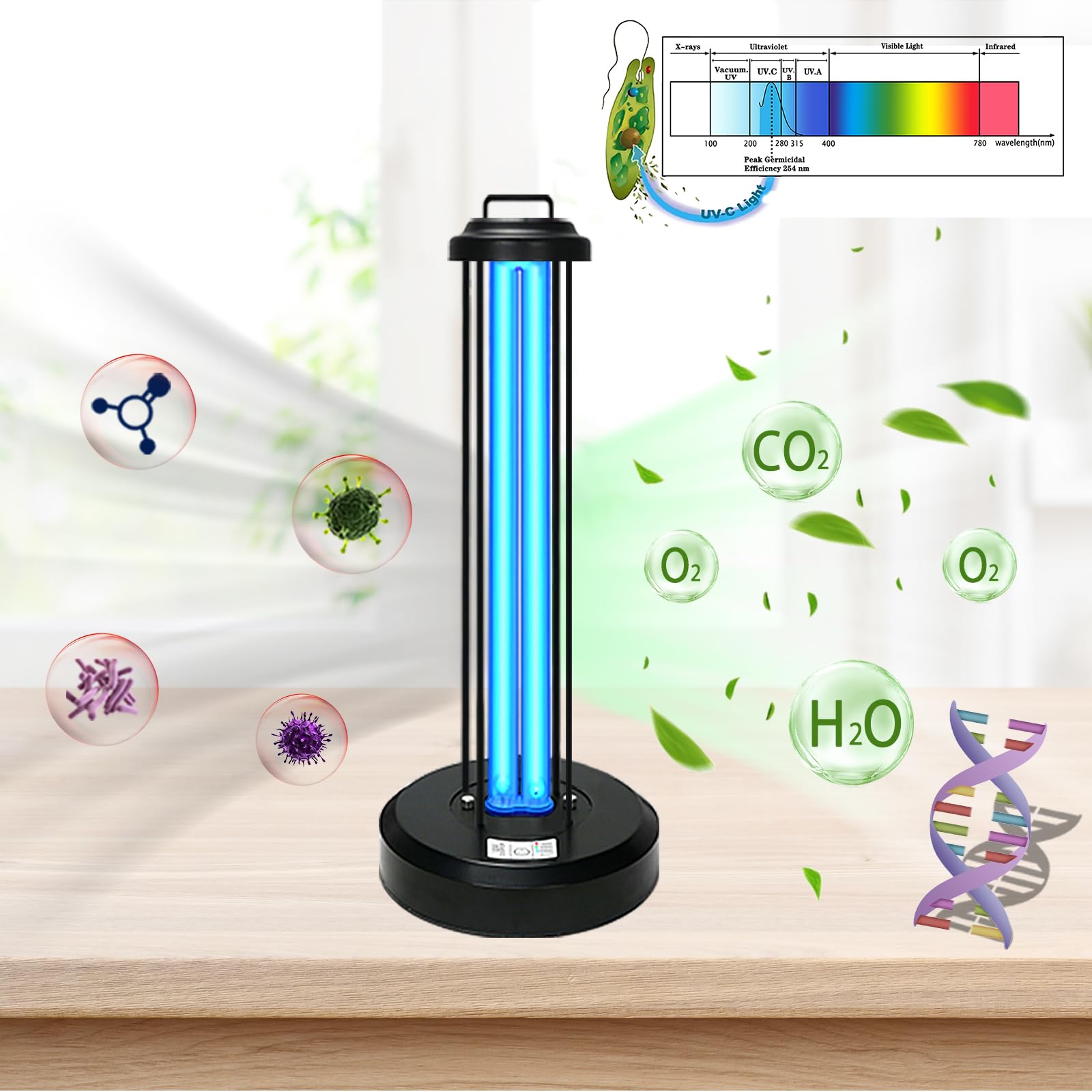
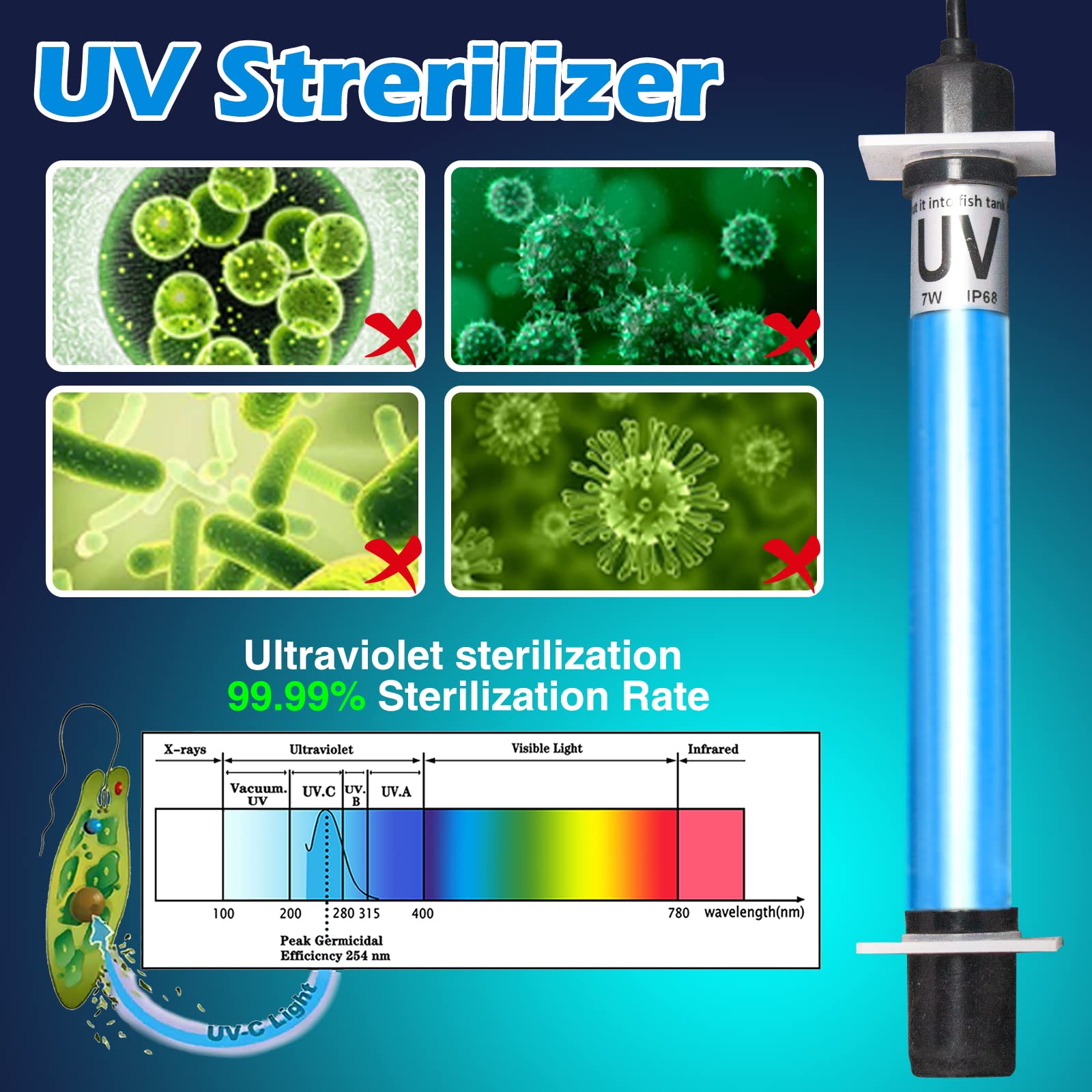
UV (ultraviolet) light is invisible to the human eye and exists in three main types:
-
UVA – low energy, minimal germicidal effect
-
UVB – moderate energy, limited disinfection
-
UVC – high energy, powerful germ-killing capability
For mold prevention, UVC light is the most effective.
4.2 How UVC Affects Mold
UVC light works by:
-
Penetrating mold spores
-
Disrupting DNA and RNA
-
Preventing reproduction
-
Rendering spores inactive
Unlike chemicals, UV light doesn’t mask mold—it neutralizes it at the cellular level.
4.3 Preventive vs. Reactive Use
UV light is most effective when used preventively, stopping mold before it spreads, rather than trying to remove heavy infestations.
5. Why UV Light Is Ideal for Closets and Storage Spaces
5.1 Chemical-Free Protection
UV disinfection leaves:
-
No residue
-
No odors
-
No fabric damage
This makes it ideal for clothing and textiles.
5.2 Low Maintenance
Once installed:
-
No refills required
-
Minimal cleaning
-
Long bulb lifespan
5.3 Silent Operation
UV closet lights operate quietly, making them perfect for bedrooms and living areas.
5.4 Compact and Discreet
Modern UV devices are:
-
Slim
-
Portable
-
Easy to hide inside closets or cabinets
6. Types of UV Devices Suitable for Closets
6.1 UV Closet Bars
Long, slim units installed horizontally or vertically.
Best for:
-
Walk-in closets
-
Large wardrobes
6.2 Portable UV Lamps
Small, rechargeable units.
Best for:
-
Seasonal storage
-
Travel cases
-
Small cabinets
6.3 Motion-Activated UV Lights
Automatically turn on when the closet is closed.
Best for:
-
Energy efficiency
-
Hands-free operation
6.4 Timer-Controlled UV Systems
Operate at scheduled intervals.
Best for:
-
Overnight disinfection
-
Consistent preventive use
7. How to Install UV Light in a Closet Safely
7.1 Choose the Right Placement
Ideal locations include:
-
Upper corners
-
Behind shelves
-
Along back walls
Avoid direct exposure to skin or eyes.
7.2 Maintain Clearance
Ensure:
-
No clothing touches the UV lamp
-
Adequate airflow around the unit
7.3 Use Shielded or Enclosed Units
Look for UV devices with:
-
Protective housings
-
Automatic shutoff when doors open
7.4 Follow Manufacturer Guidelines
Always adhere to:
-
Recommended usage time
-
Installation distance
-
Safety warnings
8. How Often Should UV Light Be Used in Closets?
Usage depends on environment:
Low-Humidity Areas
-
1–2 cycles per week
-
15–30 minutes per session
High-Humidity or Coastal Areas
-
Daily or every other day
-
30–60 minutes per session
Seasonal Storage
-
Run UV before storing clothes
-
Repeat monthly during storage
9. UV Light vs. Dehumidifiers: Which Is Better?
| Feature | UV Light | Dehumidifier |
|---|---|---|
| Kills mold | Yes | No |
| Controls humidity | No | Yes |
| Maintenance | Low | Medium |
| Energy use | Low | Medium |
| Fabric safety | High | High |
Best solution: Use both together for maximum protection.
10. Common Mistakes to Avoid
-
Running UV lights with the closet open
-
Overexposing fabrics unnecessarily
-
Using unshielded UVC lamps without protection
-
Ignoring humidity levels entirely
-
Installing UV too close to delicate materials
11. UV Light and Fabric Safety: What You Should Know
UV exposure over long periods can degrade certain fabrics. To avoid damage:
-
Use short cycles
-
Avoid direct, prolonged exposure
-
Choose indirect or reflected UV designs
-
Rotate clothing periodically
When used correctly, UV light is safe for most textiles.
12. Real-Life Scenarios Where UV Closet Lights Shine
Apartment Living
Limited ventilation makes UV ideal for compact spaces.
Seasonal Clothing Storage
Protect winter coats or summer linens from musty odors.
Luxury Wardrobes
Preserve leather bags, shoes, and designer clothing.
Basement Storage Rooms
Prevent mold on boxes, paper items, and fabrics.
13. The Future of Closet Hygiene: Smart UV Systems
Emerging trends include:
-
App-controlled UV units
-
Humidity-sensing activation
-
Integration with smart home systems
-
Energy-efficient LED-based UVC technology
Closet hygiene is becoming smarter, not harder.
Conclusion: A Clean Closet Is a Healthier Home
Closets may be out of sight, but they should never be out of mind when it comes to home hygiene. Mold doesn’t announce itself—it grows quietly, damages your belongings, and affects your health.
By incorporating UV light technology into your closet or storage space, you gain a powerful, invisible ally. It works silently, safely, and effectively to suppress mold growth, protect your clothing, and improve indoor air quality.
In a world where clean living matters more than ever, UV light is no longer just a laboratory tool—it’s the secret weapon your closet has been waiting for.