
Introduction: Your Smartphone Is Dirtier Than You Think
Your smartphone goes everywhere with you. It touches your hands hundreds of times a day. It rests on restaurant tables, office desks, gym benches, public transportation seats, and even bathroom counters. Yet, despite being one of the most frequently used objects in your life, it is also one of the least cleaned.
Numerous studies have shown that smartphones can harbor more bacteria than a toilet seat. While that comparison may sound alarming, it highlights an uncomfortable truth: our phones have become invisible carriers of germs, viruses, and pathogens that can impact our daily health.
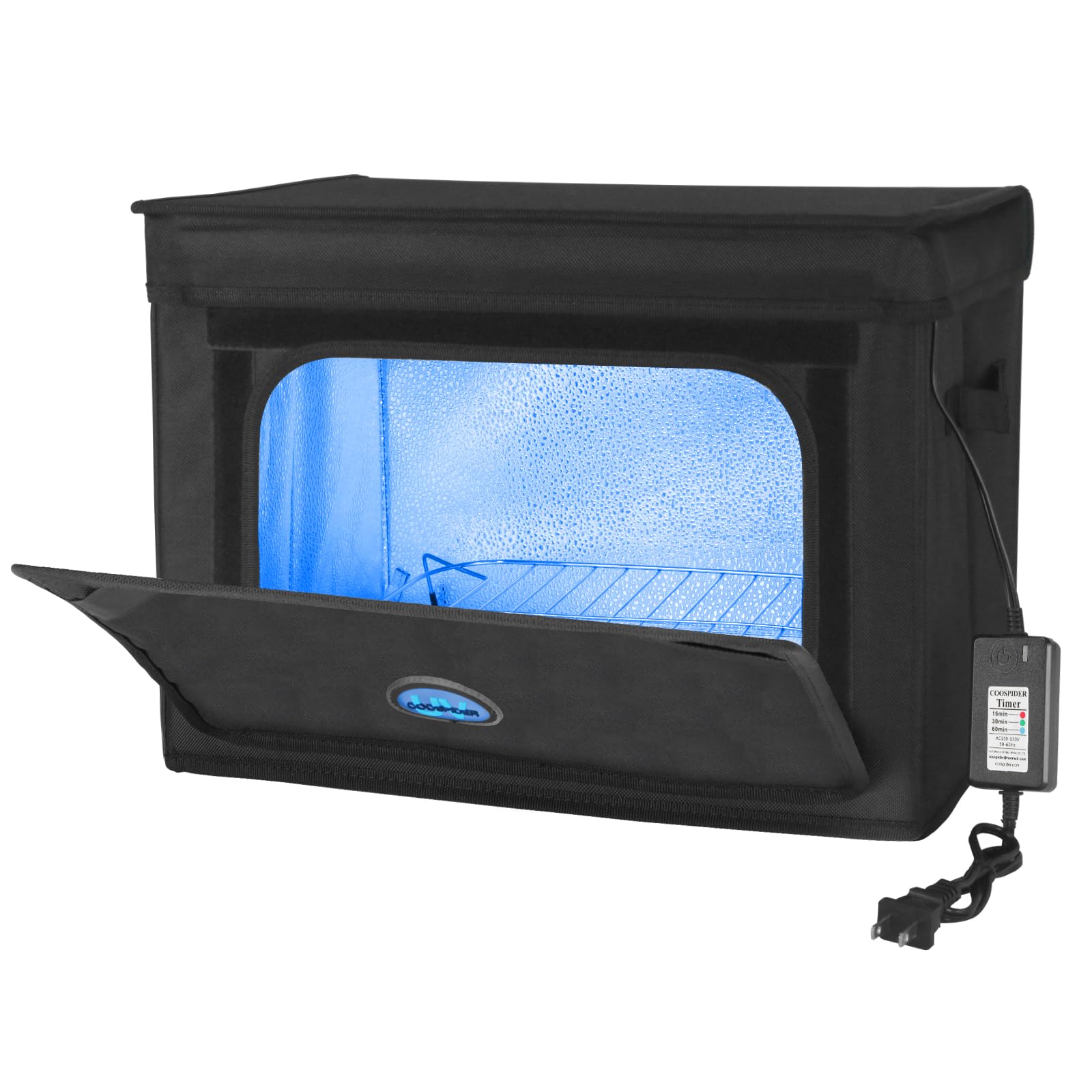
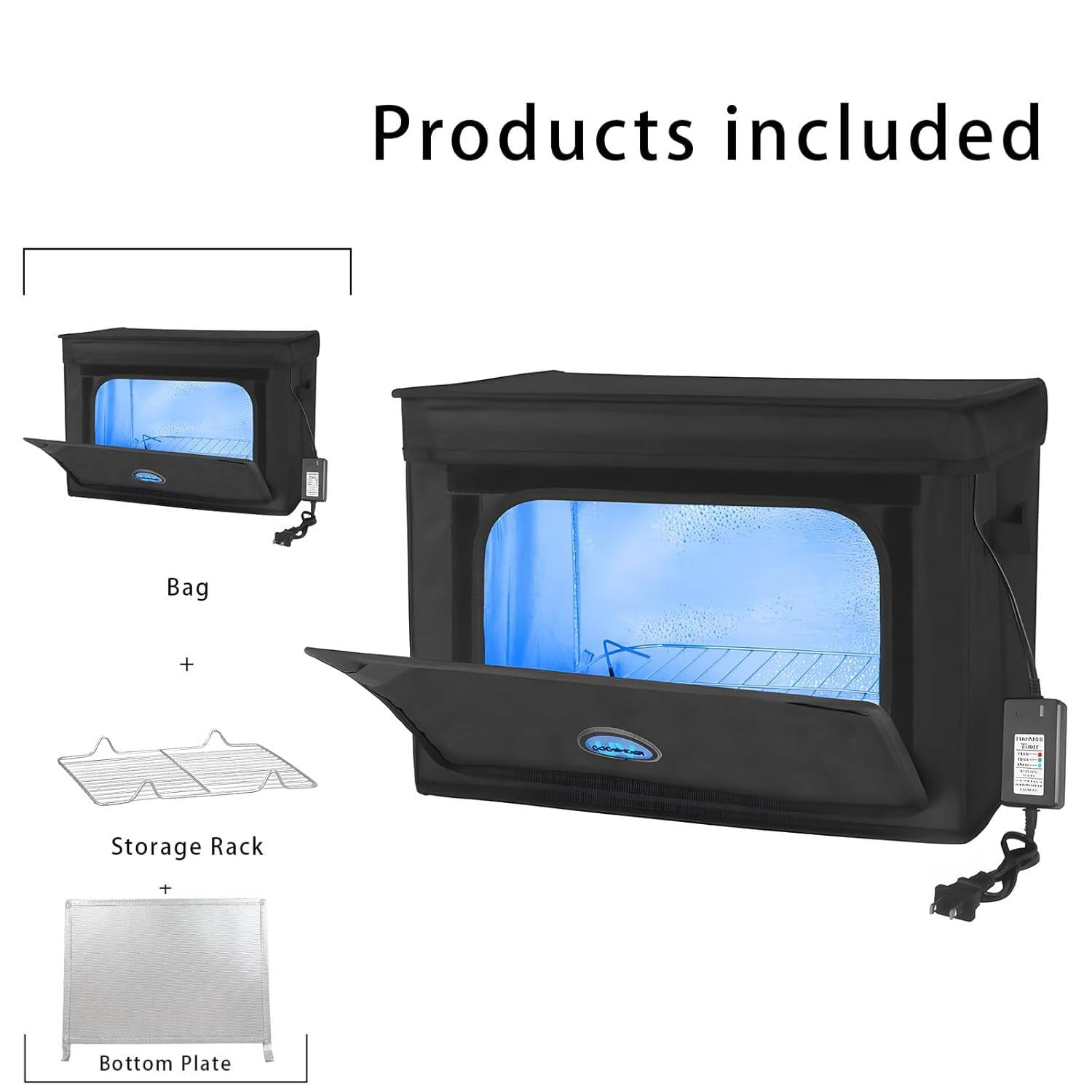
In recent years, UV phone sanitizing boxes have emerged as a popular solution—marketed as a fast, chemical-free, and effective way to disinfect smartphones and small personal items. But how dirty is your phone really? Which phones tend to carry the most bacteria? And does daily UV sanitation truly make a difference?
This in-depth guide will explore the smartphone germ ranking, explain how bacteria accumulate on phones, and show how a UV sanitizing box can give your device a daily “cleaning spa”, helping you build healthier habits in the digital age.
1. Why Smartphones Are a Perfect Breeding Ground for Germs
Smartphones combine several factors that make them ideal hosts for bacteria.
1.1 Constant Hand Contact
Your hands touch:
-
Door handles
-
Elevator buttons
-
Money
-
Shopping carts
-
Public railings
Every time you pick up your phone, you transfer microbes directly onto its surface.
1.2 Warm Operating Temperature
Phones generate heat while charging or running apps. Warmth creates an ideal environment for bacteria to survive and multiply.
1.3 Rarely Cleaned
Most people:
-
Clean their hands multiple times a day
-
Clean their desks weekly
-
Clean their phones rarely—or not at all
This imbalance allows bacteria to accumulate over time.
1.4 Close Contact with Face
Phones regularly touch:
-
Your cheeks
-
Lips
-
Nose
-
Ears
This direct contact increases the risk of transferring bacteria to sensitive areas of the body.
2. Smartphone Germ Ranking: Which Devices Are the Dirtiest?
While all phones collect bacteria, certain usage habits and environments significantly increase contamination levels.
2.1 Phones Used in Public Places
Smartphones frequently used in:
-
Public transportation
-
Airports
-
Shopping malls
tend to show higher levels of bacteria, including E. coli and Staphylococcus.
2.2 Gym Phones
Phones used at gyms often rank near the top in bacterial contamination due to:
-
Sweat
-
Shared equipment
-
Moist environments
Gym phones can carry bacteria linked to skin infections.
2.3 Work Phones in Healthcare and Service Jobs
Phones used by:
-
Healthcare workers
-
Restaurant staff
-
Delivery drivers
often show higher microbial diversity due to exposure to multiple environments.
2.4 Phones Used in Bathrooms
A surprisingly common habit is phone use in bathrooms. These phones are frequently exposed to:
-
Aerosolized bacteria
-
Fecal matter particles
Phones used in bathrooms consistently rank among the most contaminated.
2.5 Children’s Phones and Tablets
Devices used by children often carry:
-
Food residue
-
Saliva
-
Environmental bacteria
Because children are less mindful of hygiene, these devices can accumulate germs rapidly.
3. What Kind of Germs Live on Your Phone?
Phone surfaces can host a wide range of microorganisms, including:
-
Staphylococcus aureus – Linked to skin infections
-
E. coli – Indicates fecal contamination
-
Streptococcus – Can cause throat and respiratory infections
-
Fungal spores – Thrive in warm, moist conditions
-
Viruses – Including flu and cold viruses
While not all bacteria are harmful, the sheer volume and diversity increase the likelihood of illness.
4. Traditional Phone Cleaning Methods: Pros and Cons
Before UV sanitizers became popular, people relied on other methods.
4.1 Alcohol Wipes
Pros:
-
Effective against many bacteria
-
Inexpensive
Cons:
-
Can damage screen coatings
-
Leaves residue
-
Not suitable for frequent use
4.2 Disinfectant Sprays
Pros:
-
Broad antimicrobial coverage
Cons:
-
Liquid can seep into ports
-
Potential chemical exposure
-
Not phone-manufacturer approved
4.3 Dry Cloth Cleaning
Pros:
-
Safe for screens
Cons:
-
Removes smudges, not germs
These methods either pose risks to your device or fail to provide thorough disinfection.
5. How UV Phone Sanitizing Boxes Work
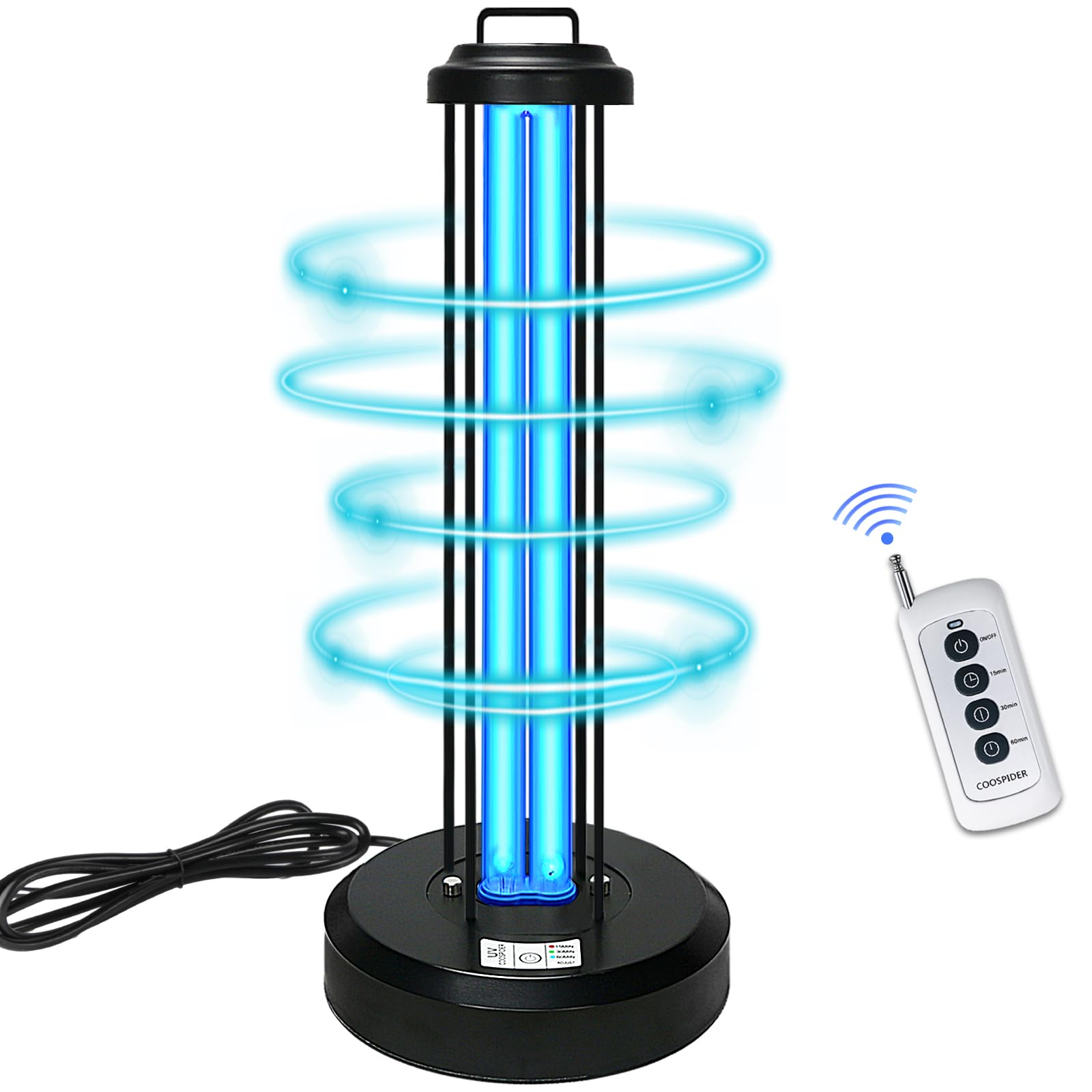
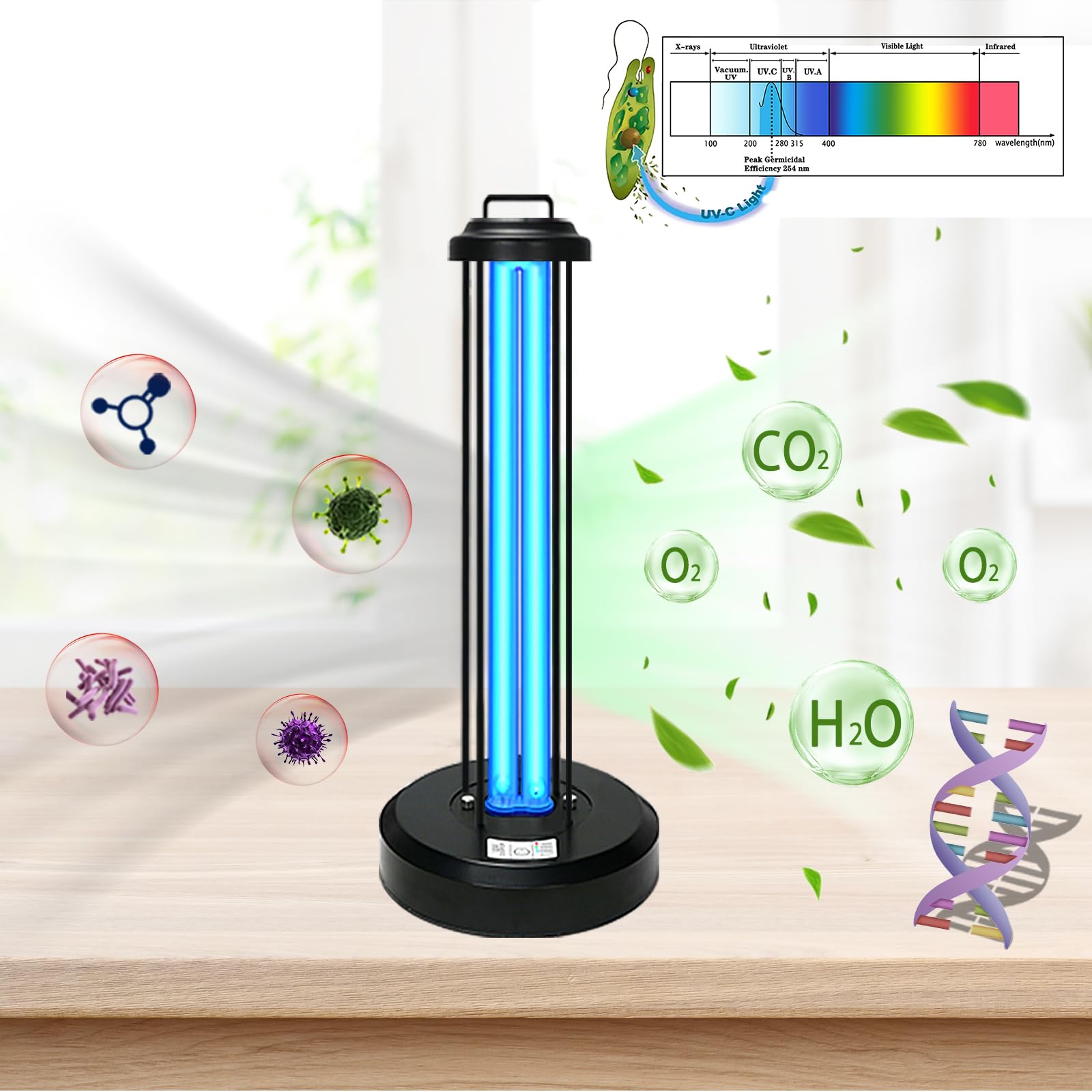
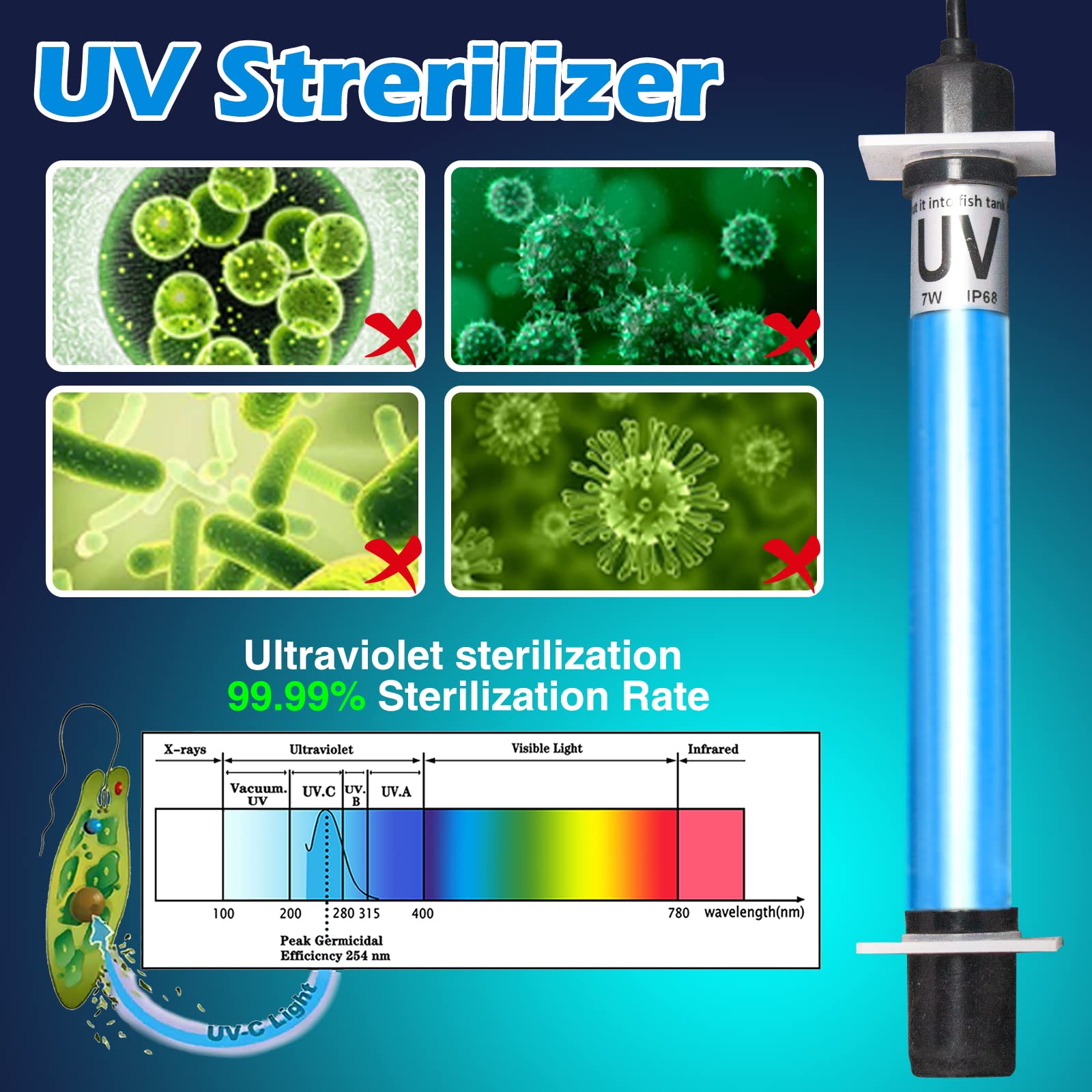
UV sanitizing boxes use UV-C light, a specific wavelength known for its germicidal properties.
5.1 The Science Behind UV-C Light
UV-C light:
-
Disrupts microbial DNA and RNA
-
Prevents bacteria and viruses from reproducing
-
Neutralizes pathogens without chemicals
5.2 Why UV Boxes Are Effective for Phones
-
Light reaches areas wipes may miss
-
No moisture involved
-
Safe for electronics
-
Fast disinfection cycles (usually 3–10 minutes)
5.3 What UV Boxes Can Sanitize
Besides phones, UV boxes can disinfect:
-
Earbuds
-
Smartwatches
-
Glasses
-
Keys
-
Credit cards
6. Daily “Cleaning Spa”: Building a UV Sanitizing Routine
Using a UV box is not about deep cleaning once a month—it’s about daily habit building.
6.1 Morning Sanitizing
Sanitize your phone while:
-
Brushing your teeth
-
Making coffee
-
Getting dressed
This removes overnight bacteria.
6.2 Post-Work Sanitizing
After returning home:
-
Place phone in UV box
-
Sanitize before placing it on furniture or bed
6.3 Nighttime Routine
Sanitizing your phone before sleep reduces:
-
Face contact contamination
-
Pillow and bedding exposure
7. UV Phone Sanitizers vs. Chemical Cleaning: A Comparison
| Feature | UV Sanitizing Box | Alcohol Wipes |
|---|---|---|
| Chemical-free | Yes | No |
| Safe for electronics | Yes | Risky |
| Time required | 3–10 min | 1–2 min |
| Long-term device safety | High | Medium |
| Ease of use | Very easy | Moderate |
UV sanitizers excel in convenience and consistency.
8. Are UV Phone Sanitizers Safe?
When used properly, UV boxes are designed to be safe.
8.1 Enclosed Design
-
UV light does not escape
-
Auto shut-off when opened
8.2 No Heat Damage
UV sanitizers operate at low temperatures.
8.3 Manufacturer Certifications
Quality products meet safety standards such as:
-
CE
-
FCC
-
RoHS
9. Who Benefits Most from UV Phone Sanitizing Boxes?
UV sanitizers are especially useful for:
-
Parents with young children
-
Healthcare workers
-
Frequent travelers
-
Office workers
-
Students
-
Fitness enthusiasts
Essentially, anyone who uses their phone daily.
10. Choosing the Right UV Phone Sanitizing Box
Key features to look for:
10.1 UV-C Wavelength
Look for 254–280 nm, the effective germicidal range.
10.2 Full Coverage Design
Mirrored interiors ensure:
-
Even light distribution
-
No shadowed areas
10.3 Automatic Timer
Prevents overexposure and ensures consistent cycles.
10.4 Multi-Item Capacity
Allows sanitizing accessories simultaneously.
11. Common Myths About UV Phone Sanitizers
Myth 1: “Phones don’t need cleaning.”
Reality: Phones accumulate bacteria faster than most surfaces.
Myth 2: “UV damages phone screens.”
Reality: UV-C used in enclosed boxes is safe for screens.
Myth 3: “One cleaning is enough.”
Reality: Germs accumulate daily—consistency matters.
12. UV Sanitizing as Part of a Healthier Lifestyle
Think of UV phone sanitation as:
-
Washing your hands
-
Brushing your teeth
-
Cleaning your glasses
It’s not a one-time task—it’s preventive care.
Conclusion: A Small Habit with Big Health Benefits
Your smartphone is an essential part of modern life—but it shouldn’t be a hidden source of germs. By understanding how bacteria accumulate on phones and incorporating a UV sanitizing box into your daily routine, you can significantly reduce microbial exposure without damaging your device or relying on harsh chemicals.
A daily “cleaning spa” for your phone takes just minutes, but the benefits—better hygiene, peace of mind, and healthier habits—last far longer.
In a world where our devices are always within arm’s reach, keeping them clean isn’t optional anymore. It’s a smart, simple step toward a healthier lifestyle.