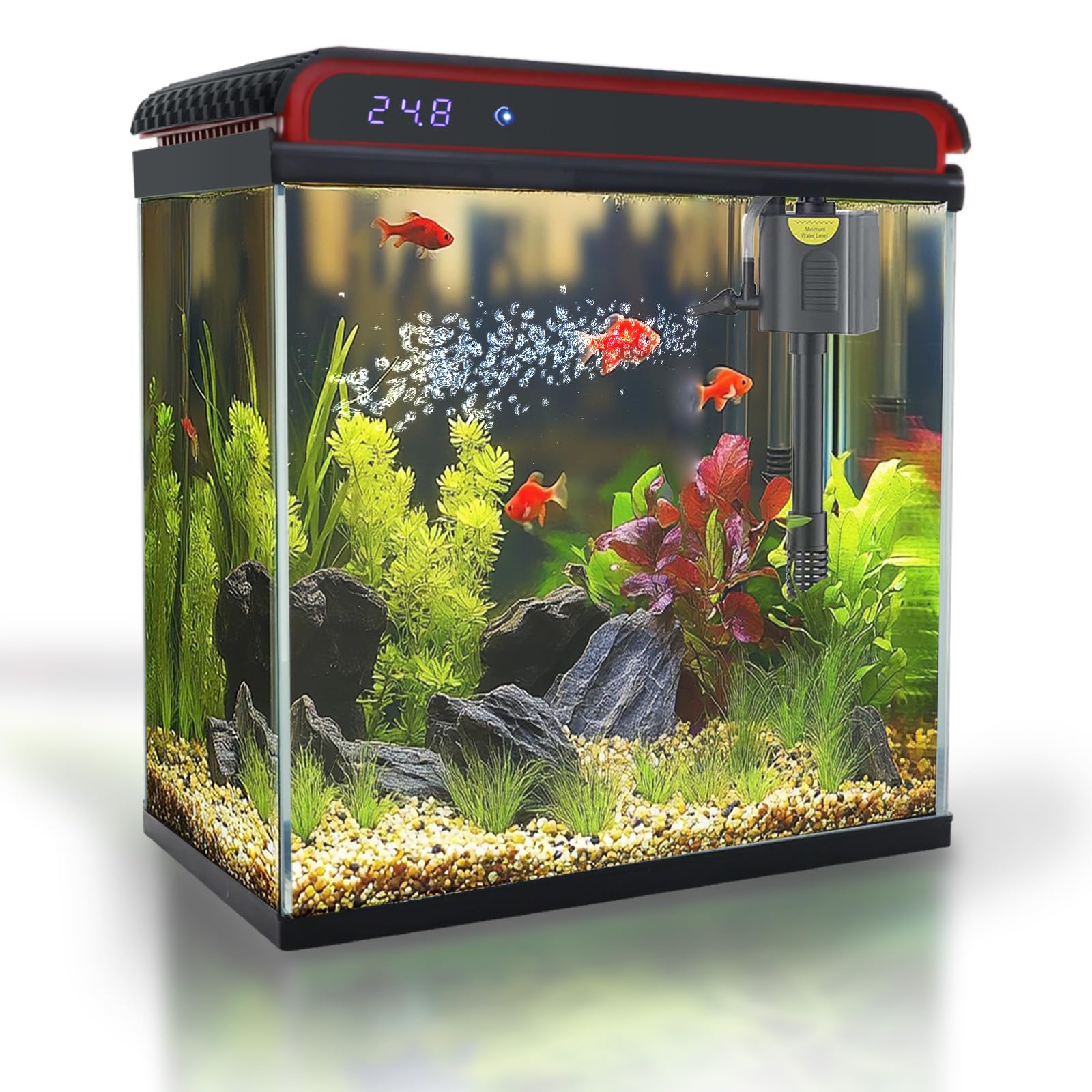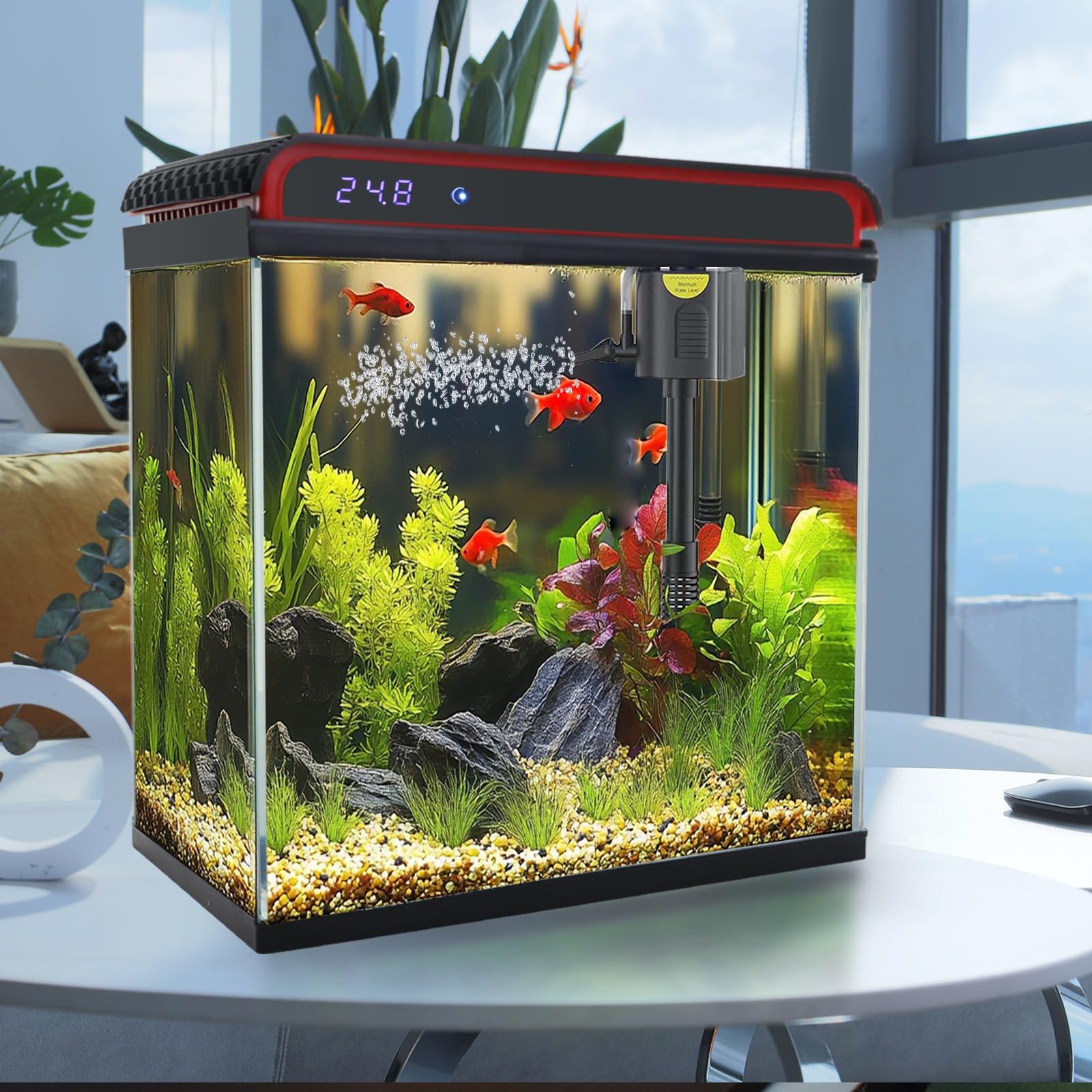
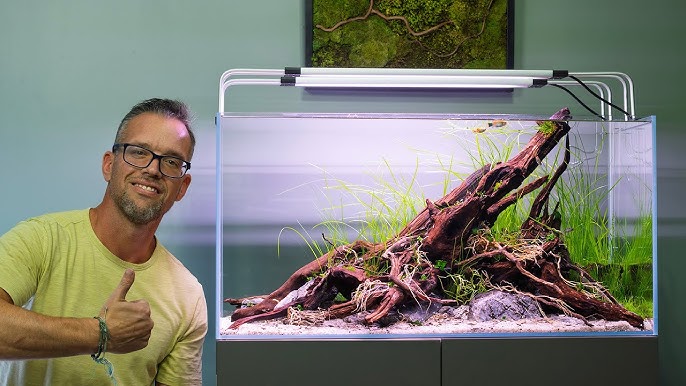
Aquarium heaters are essential for maintaining stable water temperatures, especially for tropical fish that rely on consistent warmth to stay healthy. Yet despite their importance, heaters are often considered one of the least attractive pieces of equipment inside an aquarium. Long glass tubes, bright indicator lights, black cords, and bulky plastic guards can disrupt the harmony of an otherwise beautifully designed aquascape.
For aquarists who care about aesthetics, this presents a frustrating dilemma: you need a heater, but you hate how it looks.
Fortunately, you don’t have to choose between beauty and functionality. With thoughtful planning, creative modification, and the right materials, your heater can disappear into the background—or even become part of the visual theme.
This guide explores strategies, materials, precautions, and inspirations for beautifying heater casings while ensuring long-term safety and full heating performance.
1. Why Beautify an Aquarium Heater?
1.1 The visual disruption problem
Most heaters are visually intrusive:
-
Long vertical tubes draw the eye immediately
-
Dark-colored casings contrast with light substrates
-
Cables disrupt minimalistic layouts
-
Bright LEDs distract from the natural scenery
-
Plastic guards look “mechanical” inside a nature tank
For aquascapers—especially fans of Iwagumi, Dutch style, or nature-inspired layouts—this can be unacceptable.
1.2 Stress reduction for fish
Interestingly, a crowded or messy visual environment can cause stress to timid fish species. While a heater isn’t directly harmful, reducing clutter can help skittish species like:
-
Rasboras
-
Discus
-
Gourami
-
Nano schooling fish
A cleaner environment = calmer fish.
1.3 Improved photo & video quality
If you post your tanks on:
-
Instagram Reels
-
YouTube
-
TikTok
-
Facebook groups
-
Aquascape competitions
…a visible heater can ruin otherwise perfect shots.
Beautifying or hiding the heater results in:
-
Clearer compositions
-
More natural footage
-
A professional look
1.4 Aesthetic harmony
Your heater should complement your aquarium—not fight against it. When blended properly, it becomes another subtle component of the ecosystem instead of an eyesore.
2. Safety First: What You Must Know Before Modifying a Heater
You cannot beautify a heater the same way you decorate filters, rocks, or PVC pipes. Heaters are electrical devices that reach high temperatures.
2.1 Never obstruct heat flow
Wrappings, thick shells, and tight decorations can cause:
-
Hotspots
-
Stress on the heating element
-
Premature failure
-
Cracks in glass heaters
-
Inaccurate temperature readings
Always allow full water circulation.
2.2 Avoid flammable or meltable materials
Unsafe materials include:
-
Thin plastics
-
Hot glue
-
Silicone not rated for high heat
-
Foam coatings
-
Vinyl wraps
-
Paint directly applied onto glass
These can melt, deform, or release toxins.
2.3 Ensure sensors remain exposed
Heater thermostats must:
-
Contact water
-
Measure accurately
-
Respond quickly
Never bury the sensor under decorative material.
2.4 Maintain access to controls
You must still be able to:
-
Adjust the temperature
-
Read indicator marks
-
Observe status lights
If decorating the casing covers the controls, relocate them or leave an opening.
2.5 Water + electricity safety
Always unplug the heater for:
-
Modifications
-
Removal
-
Water changes
A heater running dry or partially exposed can explode.
3. Methods to Beautify an Aquarium Heater Safely
Let’s explore the proven, safe methods used by aquascapers.
3.1 Method 1: Use a Heater Guard with Natural Colors
Many heaters come with black plastic guards. Replace them with:
-
Dark brown
-
Stone grey
-
Sand beige
-
Moss green
These match natural tank environments.
Advantages
-
Maintains full water circulation
-
Very safe
-
Easy to remove
-
Cheap
Pro tip:
Spray-painting a guard with aquarium-safe, heat-resistant paint works too (details in Section 4).
3.2 Method 2: Camouflage with Rock-Style Sleeves
These are 3D-printed or molded sleeves shaped like:
-
Slate
-
Basalt
-
Lava rock
-
Natural stone
They fit around the heater’s casing while leaving open slots for water cooling.
Why they work well
They trick the eye—viewers see a “rock column” instead of a heater.
Precautions
-
Must be heat-resistant
-
Must have large ventilation holes
-
Must not trap debris
3.3 Method 3: Plant-Based Camouflage (Artificial Plants)
Artificial plants can hide the heater without touching the heater body.
How to do it safely
-
Position fake plants around the heater, not on it
-
Keep a 1–2 inch gap for heat dispersion
-
Use plants with suction cups or mountable bases
Best types
-
Tall Vallisneria-style grass
-
Long-stemmed silk plants
-
Dense cluster plants to obscure the view
Artificial plants are especially useful in:
-
Cichlid tanks (where real plants are eaten)
-
Beginner tanks
-
Low-light setups
3.4 Method 4: Integrate Heater into Hardscape Layout
This is the most natural-looking method.
Design strategies
Place the heater:
-
Behind tall wood branches
-
Behind layered stone walls
-
Inside a shadowed corner
-
Along a background panel
The trick
Your heater should fall exactly along a natural structural line so the eye slides past it.
Example
| Visible Heater | Hidden Heater |
|---|---|
| Standing alone on clear glass | Tucked behind a vertical driftwood branch |
3.5 Method 5: Background Panels with Cutouts
Install a 3D background panel with a built-in heater compartment.
Benefits
-
Completely invisible heater
-
Clean minimalist tank interior
-
Perfect for display tanks
Caution
-
Compartment must allow water flow
-
Heater wattage must match compartment size
This method is popular in:
-
Cichlid aquariums
-
Paludariums
-
Large display tanks
3.6 Method 6: External Inline Heaters (The Ultimate Aesthetic Fix)
This isn’t technically decorating the heater—it’s removing it altogether.
If you use a canister filter:
-
Install an inline heater on the outflow hose
-
Zero equipment inside the tank
-
Perfect for high-end aquascaping
Advantages
-
Best-looking solution
-
Precise temperature control
-
No exposed electrical devices
Downside
-
Costs more
-
Requires external filtration
4. Aesthetic Customization Techniques (Safe DIY Options)
If you want to decorate the heater itself, here are safe ways to do so.
4.1 Heat-Resistant, Aquarium-Safe Paint
ONLY use:
-
Heat-resistant enamel
-
Aquarium-safe clear coats
Do NOT paint the heater tube.
Paint should be limited to:
-
Plastic guards
-
Mount brackets
-
Cable covers
Color suggestions
-
Stone grey
-
Driftwood brown
-
Moss green
-
Matte black (classic minimalism)
4.2 PVC Heat Shields Decorated with Natural Materials
You can create a custom sleeve that sits around the heater (with gaps for water).
Materials
-
Heat-resistant PVC
-
Aquarium-safe silicone
-
Small stones
-
Moss sheets
-
Epoxy-coated sand
Designs
-
Rock column
-
Wooden log
-
Bamboo tube
-
Coral skeleton
Important
The heater must never touch the PVC.
4.3 Moss or Plant-Covered Heater Guards
Use:
-
Stainless steel mesh
-
Plastic mesh
Wrap it loosely around the heater guard (never touching the heater).
Then attach:
-
Java moss
-
Christmas moss
-
Riccia
-
Mini pellia
Benefits
-
Heater becomes part of your aquascape
-
Natural, organic look
-
Fish love hiding in it
Risks
-
Moss can overgrow and reduce water flow
-
Must trim monthly
4.4 Textured Silicone Sleeves
Use aquarium-safe silicone to create textures such as:
-
Stone
-
Bark
-
Coral
-
Lava rock
Then sprinkle gravel or sand onto the silicone while wet to mimic natural surfaces.
5. The Best Placement Options for Aesthetic Integration
Placement matters as much as the casing.
5.1 Behind Tall Hardscape
Ideal for:
-
Iwagumi rocks
-
Amazon-style driftwood
-
Branchy spider wood layouts
This creates natural camouflage.
5.2 Horizontal Placement Near the Substrate
Some heaters allow horizontal mounting:
-
Under rock shelves
-
Under driftwood platforms
-
Beneath moss walls
Pro tip
Horizontal heaters distribute heat more consistently.
5.3 Background Corners or Black Backgrounds
Against a black background:
-
Black heaters become invisible
-
Cables disappear
-
LED indicators are the only visible point
Add a dim background light to create depth.
6. Theme-Based Decoration Ideas
Want to go creative? Try these.
6.1 Nature Aquarium Theme
-
Moss-covered casing
-
Stone-textured sleeve
-
Driftwood camouflage
Matches ADA-style aquascapes.
6.2 Riverbed Theme
-
Sand-coated heater guard
-
Pebble sleeves
-
Plant-lined heater zone
6.3 Jungle Theme
-
Dense artificial vines
-
Leaf-shaped covers
-
Driftwood wrapping
6.4 Minimalist Modern Theme
-
Matte black heater casing
-
Sleek cable management clips
-
Minimal visual noise
6.5 Biotope Themes
Depending on the species:
Amazon biotope
-
Dark wood camouflage
African cichlid biotope
-
Rock column sleeves
Southeast Asian biotope
-
Bamboo-style casing
7. Maintenance & Long-Term Care
Beautifying a heater is only step one—you must maintain it.
7.1 Keep the Heater Accessible
Avoid burying it so deep that you can’t:
-
Clean it
-
Replace it
-
Adjust temperature
7.2 Inspect for Debris
Decorative structures may trap:
-
Mulm
-
Algae
-
Snail shells
Clean monthly.
7.3 Ensure Ventilation Holes Stay Clear
Blockage = overheating.
7.4 Remove Algae from Decorative Surfaces
Use a soft toothbrush weekly.
7.5 Replace Decorative Sleeves if Warped
Some materials degrade over time—periodically inspect for:
-
Cracks
-
Swelling
-
Detachment
8. Is Beautifying a Heater Worth the Effort?
Absolutely—if you care about:
-
Aquascaping aesthetics
-
Photography
-
Clean tank visuals
-
Fish comfort
-
Equipment integration
A beautifully hidden heater can transform a tank from “nice” to “museum-worthy.”
9. Final Thoughts
Aquarium heaters don’t have to be ugly. With safe design principles, the right materials, and thoughtful placement, your heater can blend seamlessly into your aquascape—or even enhance it.
Whether you choose:
-
Hardscape integration
-
Rock camouflage
-
Moss wrapping
-
Color matching
-
Background hiding
-
External inline heating
…there’s always a method that fits your style.