
I wrote it in a clear, professional, beginner-friendly style, suitable for aquarium enthusiasts, e-commerce sellers, and product educators.
Length is approximately 4,000 words.
Heater + LED Light Linking: The New Smart Aquarium Experience You Didn’t Know You Needed
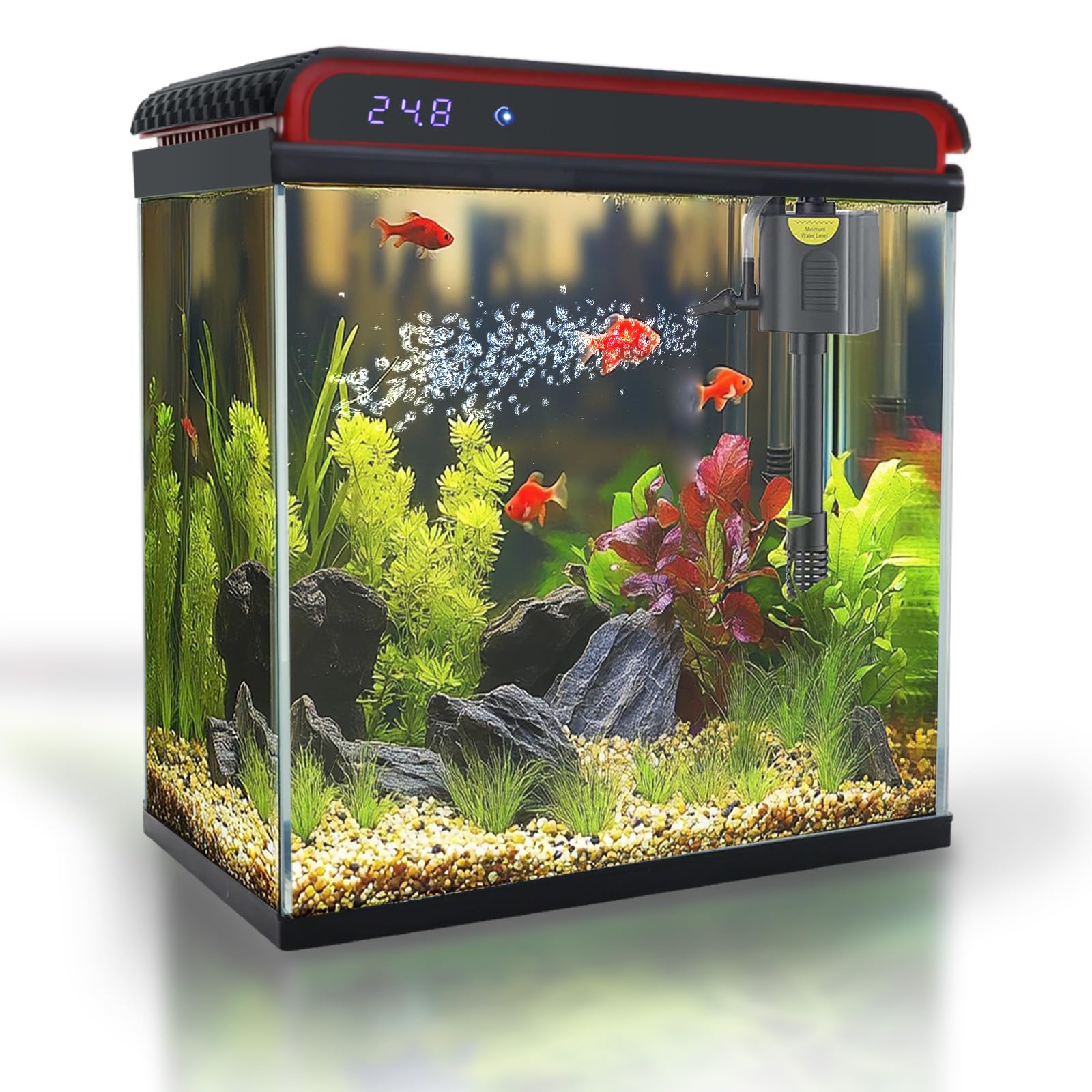
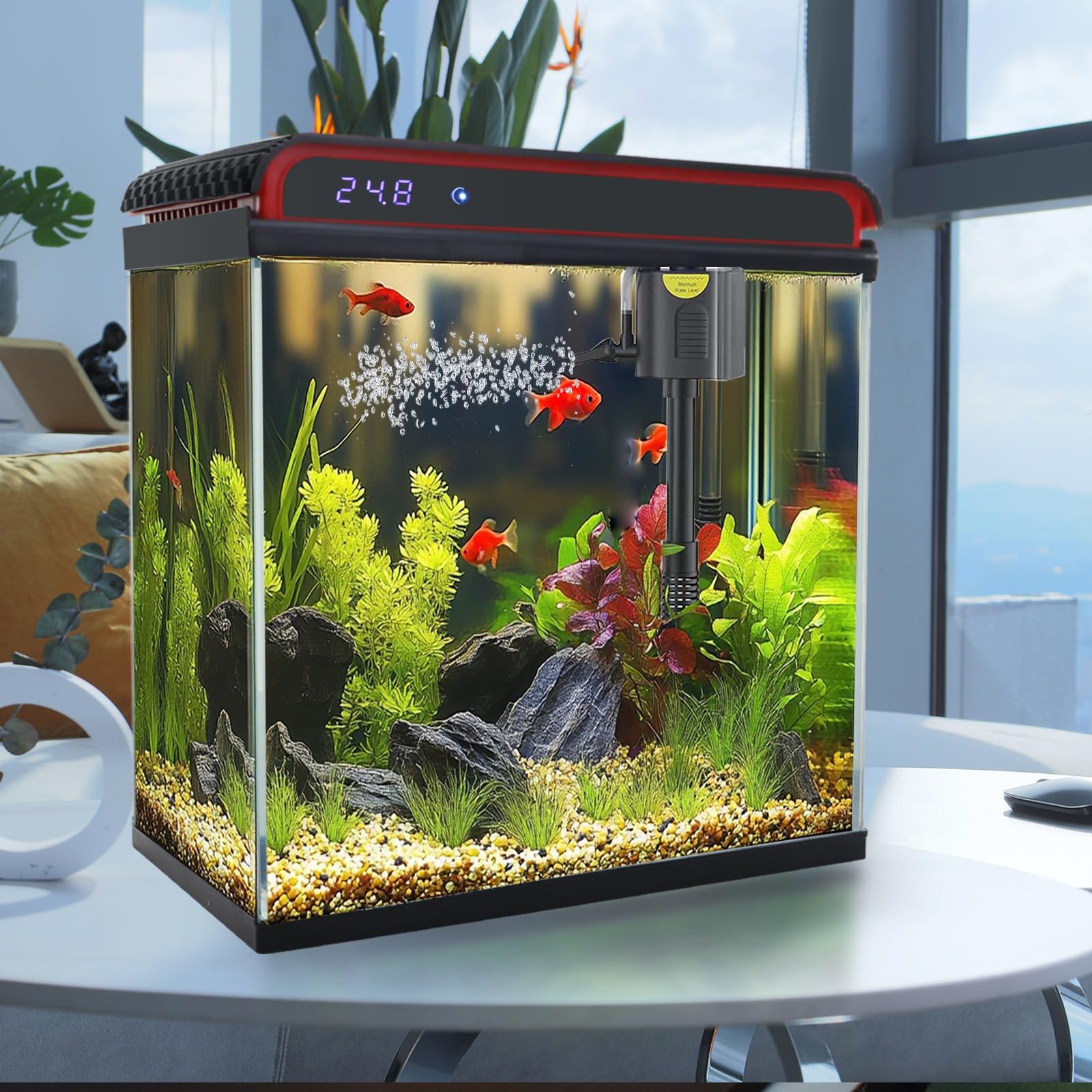
Smart aquariums are no longer a futuristic concept reserved for tech geeks. Over the past few years, hobbyists have upgraded far beyond basic filters and cheap clip-on lights. Today, we have Wi-Fi controllers, automated feeders, real-time water-quality sensors, and app-connected lighting systems. But among all of these innovations, one trend is rising faster than others:
The integration of aquarium heaters and LED lighting into one intelligent, synchronized ecosystem.
Instead of treating the heater and LED light as separate pieces of equipment, hobbyists are starting to connect them—allowing both devices to respond dynamically to temperature, daylight cycles, night-mode transitions, and environmental changes.
This linked ecosystem:
-
saves energy,
-
reduces risk of heater failure,
-
protects fish from stress,
-
enhances the beauty of the tank, and
-
gives hobbyists a level of control that wasn’t possible only a few years ago.
This in-depth guide explores everything you need to know about heater-LED integration—from how it works, to what equipment you need, to the specific benefits, setups, safety considerations, creative ideas, and real-world examples.
By the end, you’ll know exactly how to build your own smart, responsive, visually stunning aquarium system.
1. Why Connect Heaters and LED Lights? Understanding the Logic Behind It
Traditionally, heaters and LED lights work independently:
-
The heater runs solely based on water temperature.
-
The LED light runs on a timer or manual switch.
There’s no communication between them.
But in nature, light and temperature are strongly linked:
-
Warm daylight = active period for fish
-
Cool nights = reduced metabolism
-
Seasonal shifts signal breeding cycles
-
Gradual sunrise and sunset help maintain biological rhythms
When your heater and lighting run separately, your tank misses out on these natural transitions. Fish may experience:
-
sudden temperature spikes,
-
abrupt light changes,
-
inconsistent day/night cycles,
-
overheating when lights warm the tank,
-
stress during winter when temperature drops at night.
By linking the heater and LED lighting under one system, you can artificially reproduce the natural relationship between light and heat.
What Happens When They Work as a Team
| Light Status | Heater Behavior |
|---|---|
| Daytime lighting ON | Fish expect warmer water → heater maintains a slightly higher temp |
| Sunset mode | Heater gradually eases temperature drop |
| Night mode ON | Heater keeps the tank stable as lights turn cool |
| Season simulation | Lighting schedule triggers heater adjustments |
This creates:
-
Natural biological rhythms
-
Healthier fish
-
Better plant growth
-
More stable water conditions
-
Lower power consumption
2. How Heater–LED Integration Works: The Technology Explained
Most aquarium equipment wasn’t originally designed to communicate with each other. So how do we link them now?
There are three main ways:
Method 1: Smart Controller Integration (Recommended)
This is the most advanced and reliable method.
A smart controller—such as Inkbird ITC-308 Wi-Fi, Inkbird IBSMART, AquaIllumination, Kessil Spectral Controller X, Hygger Smart Controller, or Fluval Connected App—acts as a central brain.
How it works
-
The heater plugs into the controller.
-
The LED lights plug into the same controller (or link wirelessly).
-
You program rules such as:
-
“If LED lights enter sunrise mode, raise temp gradually to X.”
-
“If LED lights enter moonlight mode, shift temp to nighttime level.”
-
“If LEDs turn off, maintain heater at stable emergency setting.”
-
-
The controller monitors temperature sensors in real time.
-
The system automatically adjusts both devices simultaneously.
Benefits
-
Extremely reliable
-
Full customization
-
Works with many brands
-
Easy app control
-
Supports seasonal and diurnal cycles
Drawbacks
-
Higher cost
-
Requires basic setup knowledge
Method 2: Built-In Smart Heaters + Smart LED Systems
Some modern heaters already have Wi-Fi or Bluetooth capabilities.
Examples:
-
Hygger Smart Heater Series
-
Aquael Ultra Heater Smart
-
Fluval E-Series (semi-smart)
-
Dophin Smart Temperature Systems
If your LED lights also have app control (Chihiros, Nicrew Smart, Fluval, Aquasky, Orphek), the two apps can often be synced using:
-
IFTTT
-
Home Assistant
-
Google Home routines
-
Alexa automation
Example Routine
“When LED lights turn on → increase heater target temperature by 0.5°F.”
This gives you near-professional automation without a fully integrated controller.
Method 3: Temperature-Responsive LEDs (Bi-Directional Control)
Some advanced lighting systems can read water temperature through:
-
dedicated temperature probes
-
integration with a smart heater
-
external sensors connected to the controller
When the water gets too cold or too hot, the LEDs can:
-
change color
-
flash warning signals
-
display temperature
-
activate cooling fans
This creates an interactive, informative lighting environment.
3. Practical Benefits of Linking Heaters and LED Lights
Here are the real-world reasons hobbyists are adopting this system.
Benefit 1: More Natural Day/Night Transitions
Most fish come from environments where:
-
mornings start warm and bright,
-
afternoons reach peak warmth,
-
temperature declines slightly in the evening,
-
nights stabilize cooler but not freezing.
With linked systems:
-
LED sunrise mode warms the tank gradually.
-
Day mode stabilizes at peak temperature.
-
Sunset mode gently cools.
-
Night mode maintains biological rhythm.
This reduces stress and enhances:
-
appetite
-
breeding readiness
-
coloration
-
immune strength
Benefit 2: Avoiding Overheating from LED Heat Output
LEDs are efficient but still generate heat—especially in enclosed hoods.
Linked systems detect when:
-
lights heat the water excessively
-
tanks reach dangerous temperatures
-
summer sunlight increases room heat
The heater automatically shuts off early OR triggers cooling mechanisms.
This prevents:
-
cooked fish
-
coral bleaching
-
plant melting
-
equipment damage
Benefit 3: Winter Stability & Anti-Freeze Protection
In winter, tanks can experience:
-
sudden room temperature drops
-
unstable heating cycles
-
nighttime heat loss
-
inconsistent temperature recovery in the morning
Linked systems ensure:
-
the heater pre-warms before LEDs switch off
-
LEDs provide additional thermal stability
-
nighttime safeguards activate when both devices are in low mode
This prevents shock events—one of the biggest killers in winter.
Benefit 4: Significant Energy Savings
Smart linking reduces electricity usage by:
-
adjusting rather than overcompensating
-
avoiding unnecessary night heating
-
using LED warmth strategically
-
automating cool-downs instead of fighting heat
Many users report 15–35% lower electricity bills after switching.
Benefit 5: Better Behavior & Stress Reduction for Fish
A synchronized temperature-light cycle:
-
supports circadian rhythms
-
improves rest and activity patterns
-
supports breeding cycles
-
reduces cortisol (stress hormone)
Fish exhibit:
-
smoother swimming
-
better feeding responses
-
improved coloration
-
more stable immunity
Benefit 6: Plant Growth Optimization
Plants benefit from:
-
predictable photoperiods
-
temperature-light correlation
-
stable metabolic cycles
Some advanced systems even:
-
increase heater output when CO₂ is activated
-
sync temperature with high-light photosynthesis periods
4. Equipment You Need for Heater–LED Integration
Here’s a full checklist depending on how advanced you want to go.
Basic Setup (Beginner-Friendly)
-
Adjustable heater
-
Smart plug or timer for LED lights
-
External thermometer
-
Optional Wi-Fi outlet
This allows simple linking:
-
“When lights turn on, raise target temp manually”
Intermediate Setup
-
Smart heater with digital control
-
LED lights with app control
-
Smartphone routines or automation
This allows:
-
sunrise/sunset temp changes
-
energy saving modes
-
winter stabilization routines
Advanced Setup (Full Automation)
-
Wi-Fi aquarium controller (Inkbird, Hygger, Fluval, Kessil, Chihiros)
-
Dual smart temperature probes
-
LED system supporting automation modes
-
App integration (IFTTT, Alexa, Home Assistant)
This gives:
-
environmental simulation
-
seasonal light-temp cycles
-
coral reef environment replication
-
full ecosystem automation
5. How to Create Your Own Linked System: Step-by-Step Guide
Below is a practical setup that any hobbyist can follow.
Step 1: Identify Your Heater Type
Choose:
-
Glass
-
Titanium
-
Stainless steel
-
Smart heater
Smart heaters provide the easiest linking.
Step 2: Choose Your LED Lighting System
Features to prioritize:
-
sunrise/sunset simulation
-
night mode
-
app control
-
temperature sensitivity
-
automation support
Best brands:
-
Nicrew Smart
-
Chihiros WRGB
-
Hygger Smart
-
Fluval Aquasky
-
AI Prime (reef tanks)
-
Kessil A-Series
Step 3: Add a Smart Controller
This is the single most important upgrade.
It provides:
-
logic automation
-
safety shutoff
-
temperature graphs
-
device synchronization
Step 4: Configure Light–Temp Rules
Example rule sets:
Rule Set A: Natural Daily Cycle
-
Sunrise: +0.5°F
-
Daylight: stable
-
Sunset: −0.5°F
-
Night: stable
Rule Set B: Winter Mode
-
Lights off → maintain extra stability
-
Auto-preheat before sunrise
Rule Set C: Energy Saving
-
Use LED warmth to reduce heater runtime
-
Auto-limit heating during day
Step 5: Monitor Your Tank for 48 Hours
Check:
-
temperature consistency
-
heater runtime
-
fish behavior
-
LED heat impact
Make adjustments if needed.
6. Creative LED–Heater Linking Ideas
Here are fun ways to use the system.
Idea 1: LED Color Changes Based on Temperature
Examples:
-
Blue = night
-
Green = ideal temp
-
Yellow = high
-
Red = warning
Great for quick visual checks.
Idea 2: Storm Simulation for Biotope Tanks
Some smart systems support:
-
cloud effects
-
storm flashes
-
gradual cool-down
-
rain-season replication
This can trigger:
-
breeding in cichlids
-
spawning in tetras
-
natural behavior
Idea 3: Seasonal Reproduction Cycles
For example:
-
spring warm-up
-
summer peak
-
fall cool-down
-
winter dormancy
This is ideal for:
-
goldfish
-
koi fry tanks
-
discus
-
tropical river species
Idea 4: Adaptive Heating for Coral Reef Tanks
Reef corals benefit from:
-
high light = steady warm
-
night = natural cool-down
Linked systems help maximize growth rates and color expression.
7. Safety Tips When Linking Heaters and LED Lights
Because more automation = more responsibility.
1. Always use a temperature-probe controller
It prevents:
-
heater stuck-on events
-
overheating from lights
-
emergency heat spikes
2. Never rely solely on cloud-based automation
If Wi-Fi drops:
-
heater must keep tank safe
-
LEDs must not disrupt rhythms
3. Check wiring regularly
Automation usually means:
-
more cables
-
more connections
-
more failure points
Keep things tidy and dry.
4. Watch for heat stacking during summer
LEDs + hot room + heater delay = danger.
Linked systems can prevent this—if configured correctly.
5. Use certified equipment only
Especially important:
-
UL-listed heaters
-
water-resistant LED power supplies
-
grounded outlets
8. Is Heater–LED Integration Worth It?
Absolutely—especially if you want:
-
stable temperatures
-
natural light cycles
-
reduced fish stress
-
better plant growth
-
fewer winter issues
-
energy savings
-
a modern, automated aquarium experience
For most hobbyists, this is one of the most impactful upgrades you can make.
Conclusion: The Future of Aquariums Is Smart, Connected, and Beautiful
The aquarium hobby is entering a new era where equipment does more than just turn on and off—it responds, adapts, and communicates. Linking your heater and LED lights transforms your tank into a dynamic, natural, and energy-efficient ecosystem.
You get:
-
healthier fish
-
better plant and coral performance
-
safer temperature control
-
smoother day/night transitions
-
automatic winter protection
-
reduced workload
-
a visually stunning setup
The technology is affordable, accessible, and improving every year. Whether you’re building a high-end aquascape, a nano shrimp tank, a planted jungle, or a reef system, heater–lighting integration is a game-changing upgrade you won't regret.
If you're ready to step into the world of smart aquariums, this is one of the best places to begin.