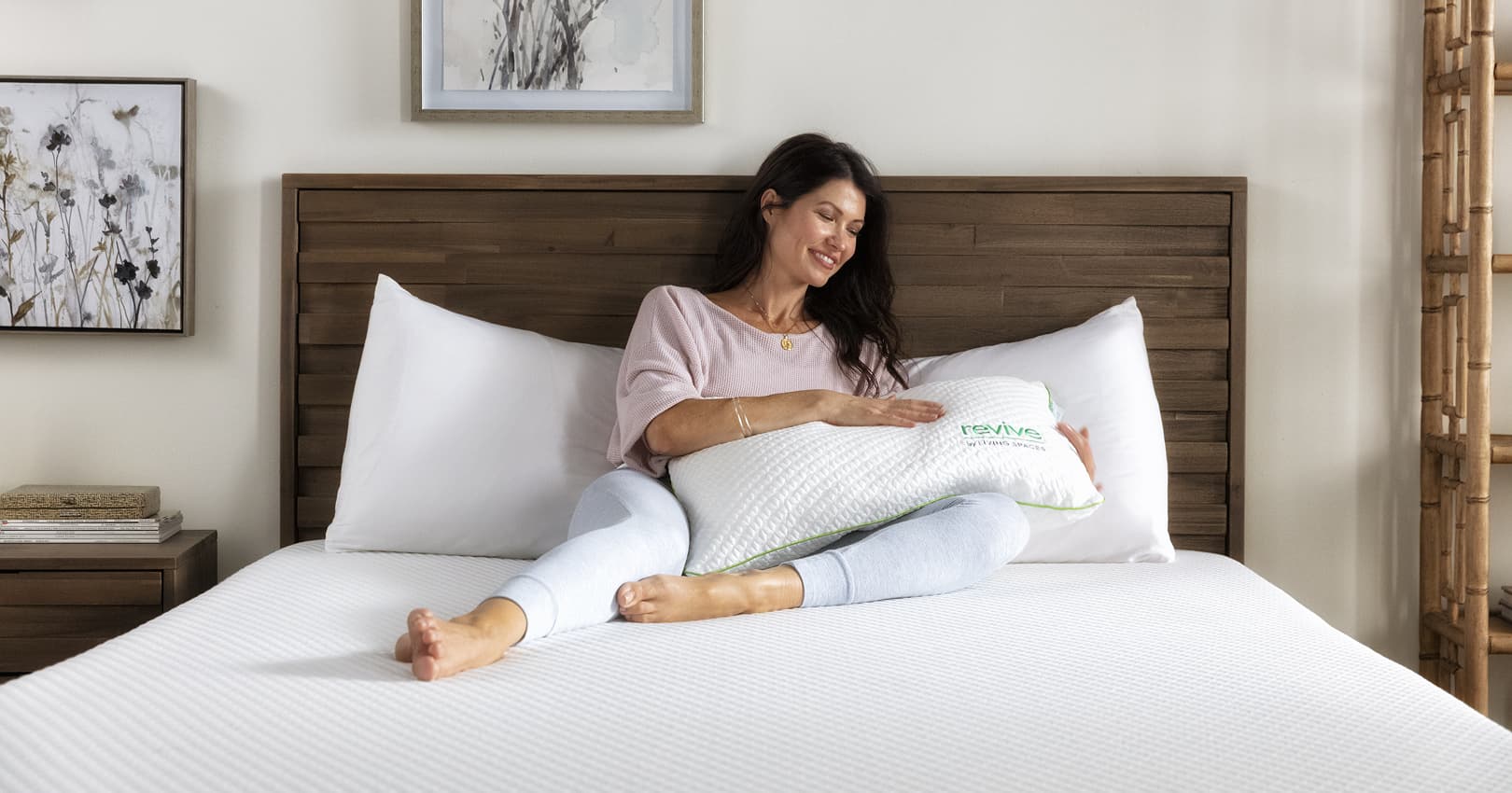
When we think about bedroom hygiene, most of us focus on washing sheets, vacuuming floors, or opening windows for fresh air. But what if the real threats to your health are hiding where you sleep every night—deep inside your mattress, pillows, and fabric furnishings? Dust mites, bacteria, mold spores, and viruses thrive in warm, humid, fabric-rich environments, making the bedroom one of the most overlooked hotspots for microbial growth.
This is where UV disinfection technology steps in as an invisible yet powerful guardian. Once reserved for hospitals and laboratories, UV lamps are now widely available for home use, offering an effective, chemical-free way to sanitize bedroom surfaces and textiles.
In this comprehensive guide, we’ll explore how UV lamps can help upgrade bedroom health, how to use them safely and effectively on mattresses, pillows, and fabric items, and how to choose the right UV device for home disinfection. If you care about sleep quality, allergy prevention, and long-term wellness, this guide is for you.
1. Why Bedroom Hygiene Matters More Than You Think
We spend nearly one-third of our lives sleeping. During that time, our bodies shed skin cells, sweat, and oils—perfect food sources for microorganisms.
1.1 What’s Really Living in Your Bed?
Scientific studies have shown that a typical mattress may contain:
Millions of dust mites
Bacteria such as Staphylococcus and E. coli
Mold spores in humid climates
Allergens trapped deep in fabric layers
Pillows and fabric headboards are even worse due to their porous structures.
1.2 Health Risks Linked to Poor Bedroom Hygiene
Long-term exposure to these contaminants can lead to:
Allergic reactions and asthma
Skin irritation and acne
Respiratory infections
Chronic sinus issues
Poor sleep quality
Traditional cleaning methods simply don’t reach deep enough.
2. Understanding UV Disinfection Technology
Before using UV lamps at home, it’s essential to understand how they work.
2.1 What Is UV Light?
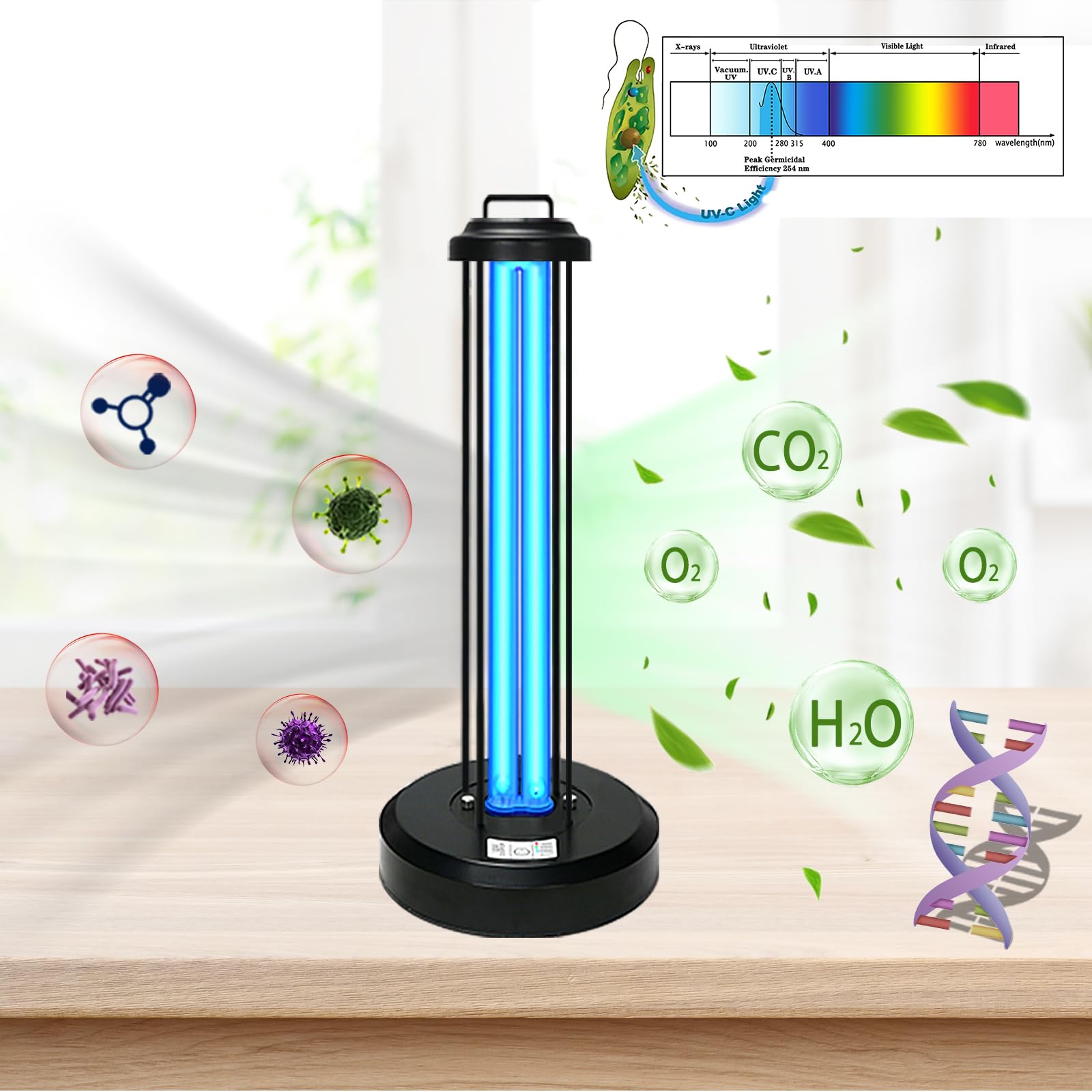
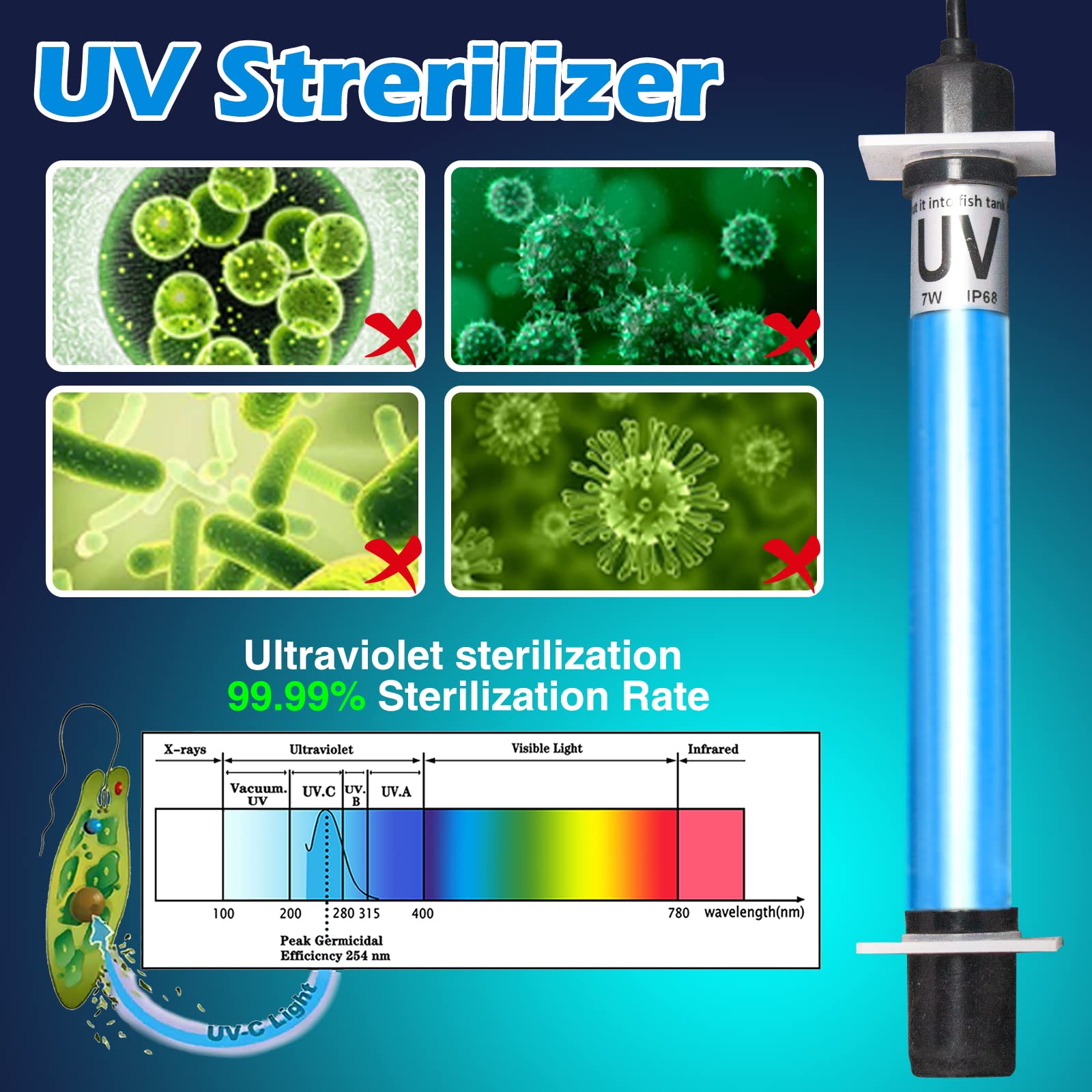
Ultraviolet (UV) light is a form of electromagnetic radiation with wavelengths shorter than visible light. For disinfection purposes, the most effective range is UV-C (200–280 nm).
2.2 How UV-C Kills Germs
UV-C light disrupts the DNA and RNA of microorganisms, preventing them from reproducing. This makes it effective against:
Bacteria
Viruses
Mold
Dust mites
Unlike chemicals, UV disinfection:
Leaves no residue
Doesn’t damage fabrics when used properly
Works instantly upon exposure
3. Why UV Lamps Are Ideal for Bedroom Textiles
Bedrooms contain many soft surfaces that are difficult to sanitize with liquids or heat.
3.1 Limitations of Traditional Cleaning
Washing pillows damages shape and structure
Mattresses can’t be washed
Sprays may leave chemical residues
Steam cleaning may cause moisture buildup
3.2 Advantages of UV Disinfection
UV lamps:
Penetrate fabric surfaces
Kill microbes without moisture
Are quick and reusable
Are safe when used correctly
This makes UV an ideal solution for mattress and fabric hygiene.
4. Choosing the Right UV Lamp for Bedroom Use
Not all UV lamps are suitable for home disinfection. Choosing the right device is critical.
4.1 Handheld UV Wands
Best for:
Pillows
Mattresses
Curtains
Sofas
Pros:
Portable
Affordable
Easy to control exposure
Cons:
Requires manual operation
Limited coverage area
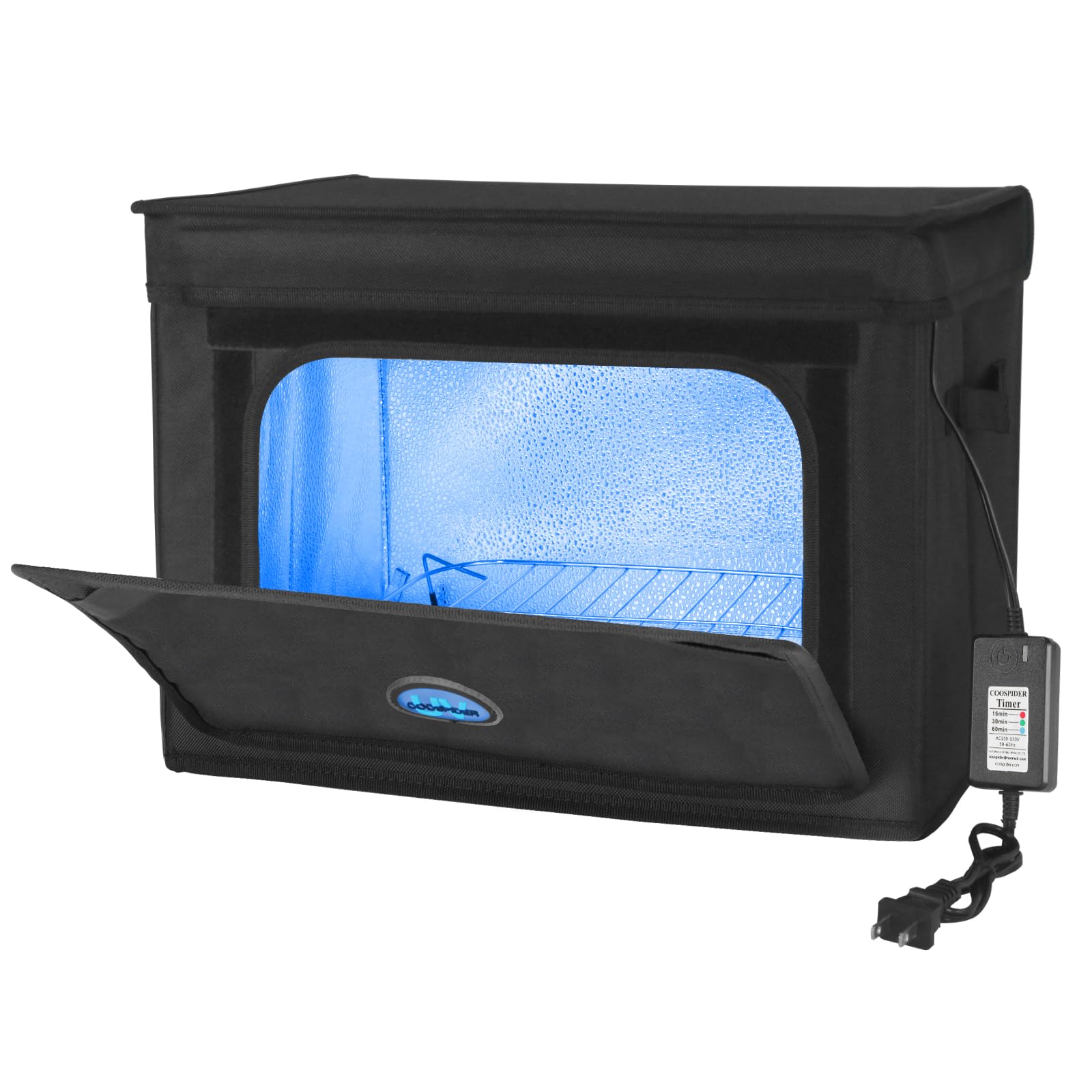
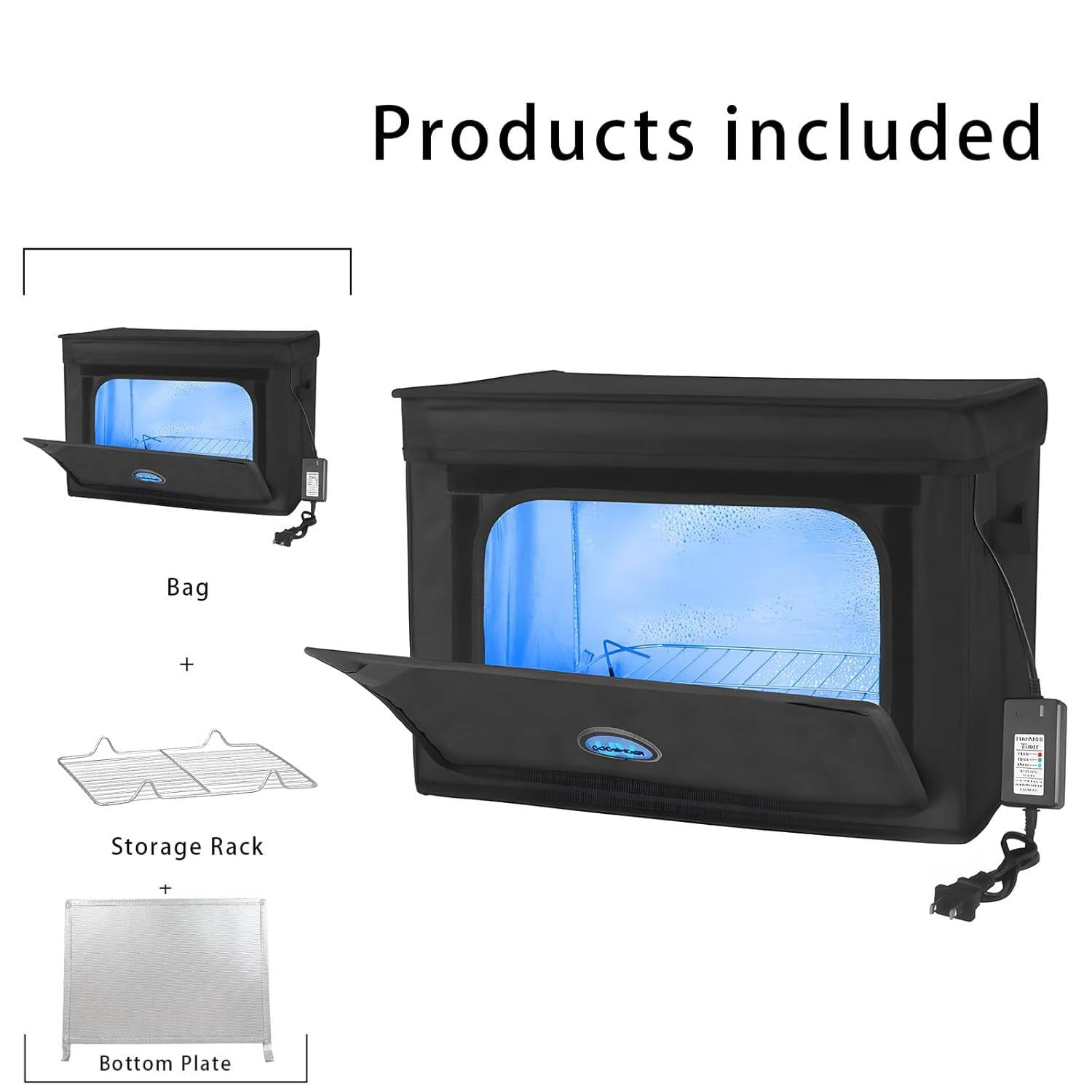
4.2 Enclosed UV Sanitizing Boxes
Best for:
Pillowcases
Small fabric items
Bedding accessories
Pros:
No direct UV exposure
Safe and automated
Cons:
Not suitable for large items
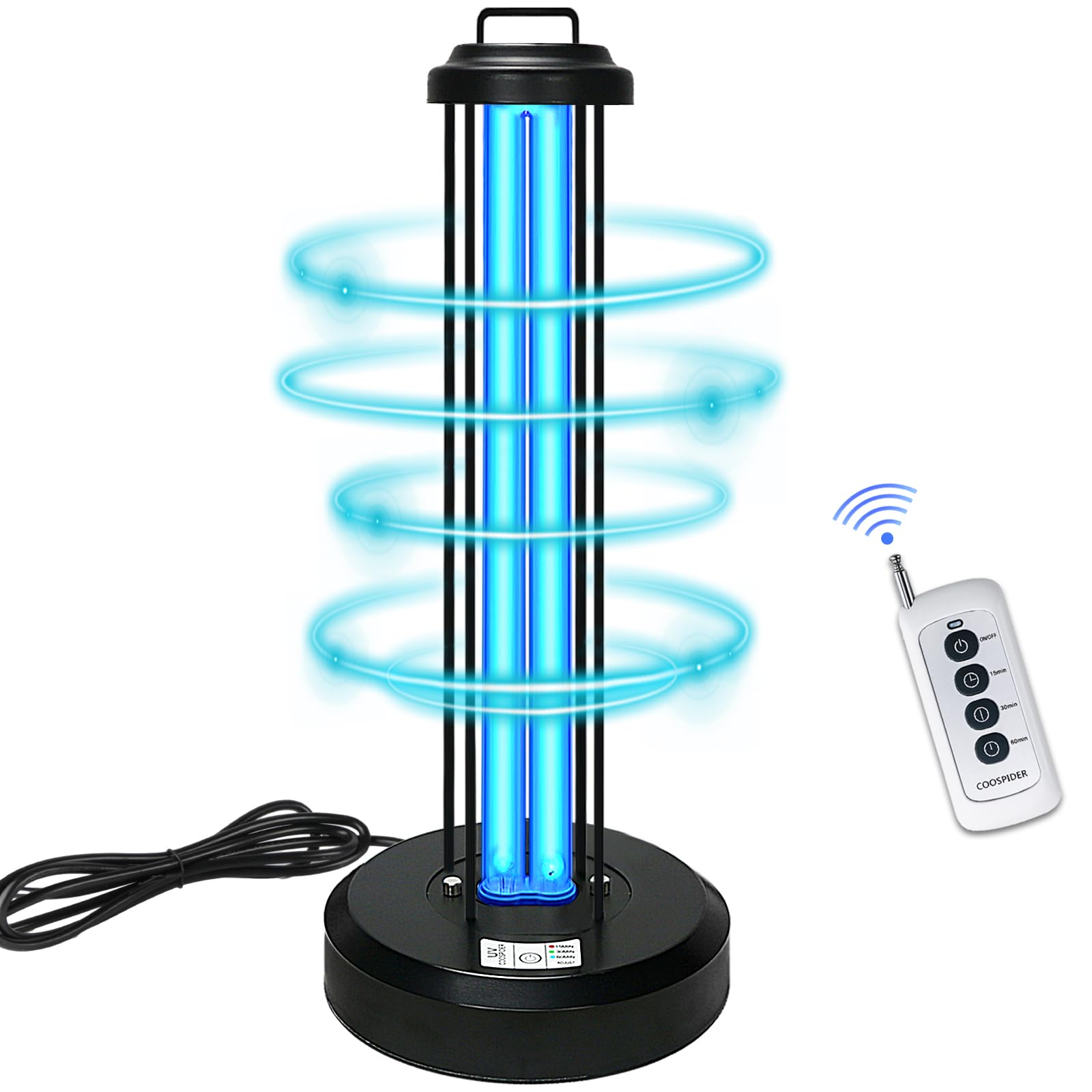
4.3 Room-Scale UV Lamps
Best for:
Whole-bedroom disinfection
Pros:
Covers large areas
Highly effective
Cons:
Must be used when room is unoccupied
Higher cost
5. Step-by-Step UV Disinfection Guide for Mattresses
5.1 Preparation
Before using UV light:
Remove all bedding
Vacuum the mattress thoroughly
Ensure the room is dry and well-ventilated
5.2 UV Treatment Process
Hold the UV lamp 1–2 inches above the surface
Move slowly, covering each section for 10–15 seconds
Pay extra attention to:
Seams
Edges
High-contact areas
5.3 Frequency
Once every 1–2 weeks for allergy sufferers
Once a month for general hygiene
6. UV Disinfection for Pillows and Cushions
Pillows are often the most contaminated items in the bedroom.
6.1 Why Pillows Need Special Care
Absorb sweat and oils
Trap skin flakes
Are rarely washed thoroughly
6.2 UV Treatment Tips
Treat both sides of the pillow
Focus on the center area
Use UV for 5–10 minutes per side
For foam or memory pillows, UV is especially beneficial since washing is not recommended.
7. Sanitizing Curtains, Upholstery, and Fabric Decor
Fabric furnishings are often overlooked but can harbor allergens.
7.1 Best Practices
Use handheld UV lamps
Treat from top to bottom
Maintain consistent distance
Avoid prolonged exposure to delicate fabrics
7.2 Ideal Use Cases
Curtains
Fabric headboards
Upholstered chairs
Decorative cushions
8. Safety Guidelines for Using UV Lamps in the Bedroom
UV light is powerful and must be used responsibly.
8.1 Personal Safety
Never look directly at UV light
Avoid skin exposure
Wear UV-protective glasses if needed
8.2 Room Safety
Ensure no people or pets are present
Close doors during operation
Follow manufacturer instructions strictly
8.3 Device Safety
Use lamps with automatic shutoff
Avoid damaged or cracked bulbs
Store devices safely after use
9. UV Disinfection vs Other Methods
Method Effectiveness Residue Fabric Safety
UV Light High None Excellent
Chemical Sprays Medium Yes Risky
Steam Medium Moisture Moderate
Washing High None Limited items
UV stands out for fabric-heavy environments like bedrooms.
10. Who Benefits Most from UV Bedroom Disinfection?
UV lamps are especially helpful for:
Allergy sufferers
Asthma patients
Families with children
Pet owners
Elderly individuals
Anyone focused on sleep quality
11. Common Myths About UV Lamps
Myth 1: UV damages fabrics
Used correctly, UV exposure is brief and safe for textiles.
Myth 2: UV replaces cleaning
UV complements cleaning—it doesn’t remove dust or stains.
Myth 3: All UV lamps are the same
Only UV-C is effective for disinfection.
12. Creating a Healthy Bedroom Routine with UV Lamps
A simple routine:
Weekly vacuuming
Monthly UV disinfection
Seasonal deep cleaning
This layered approach delivers the best results.
13. Future Trends: Smart UV for Home Health
Modern UV devices are evolving:
Motion sensors
Timers
Smart home integration
Remote control operation
These features make UV safer and easier for everyday use.
Conclusion: Invisible Protection for Better Sleep and Better Health
Your bedroom should be a sanctuary—not a breeding ground for allergens and bacteria. UV disinfection technology offers a powerful, science-backed way to elevate bedroom hygiene without chemicals or complicated routines.
By using UV lamps correctly on mattresses, pillows, and fabric furnishings, you can significantly reduce microbial load, improve air quality, and enjoy deeper, healthier sleep.
Think of UV light as the invisible guardian of your bedroom—quietly working behind the scenes to protect your health, night after night.