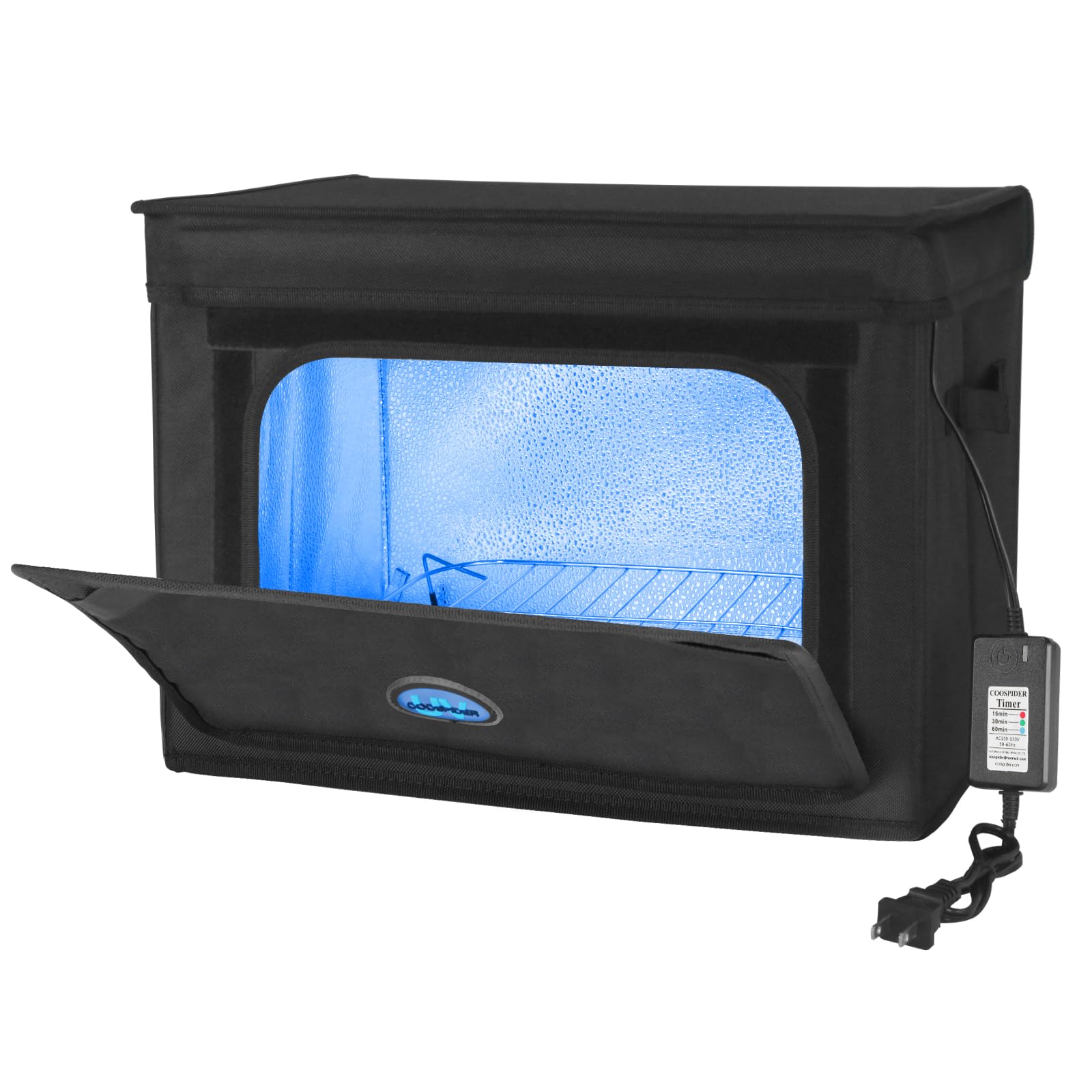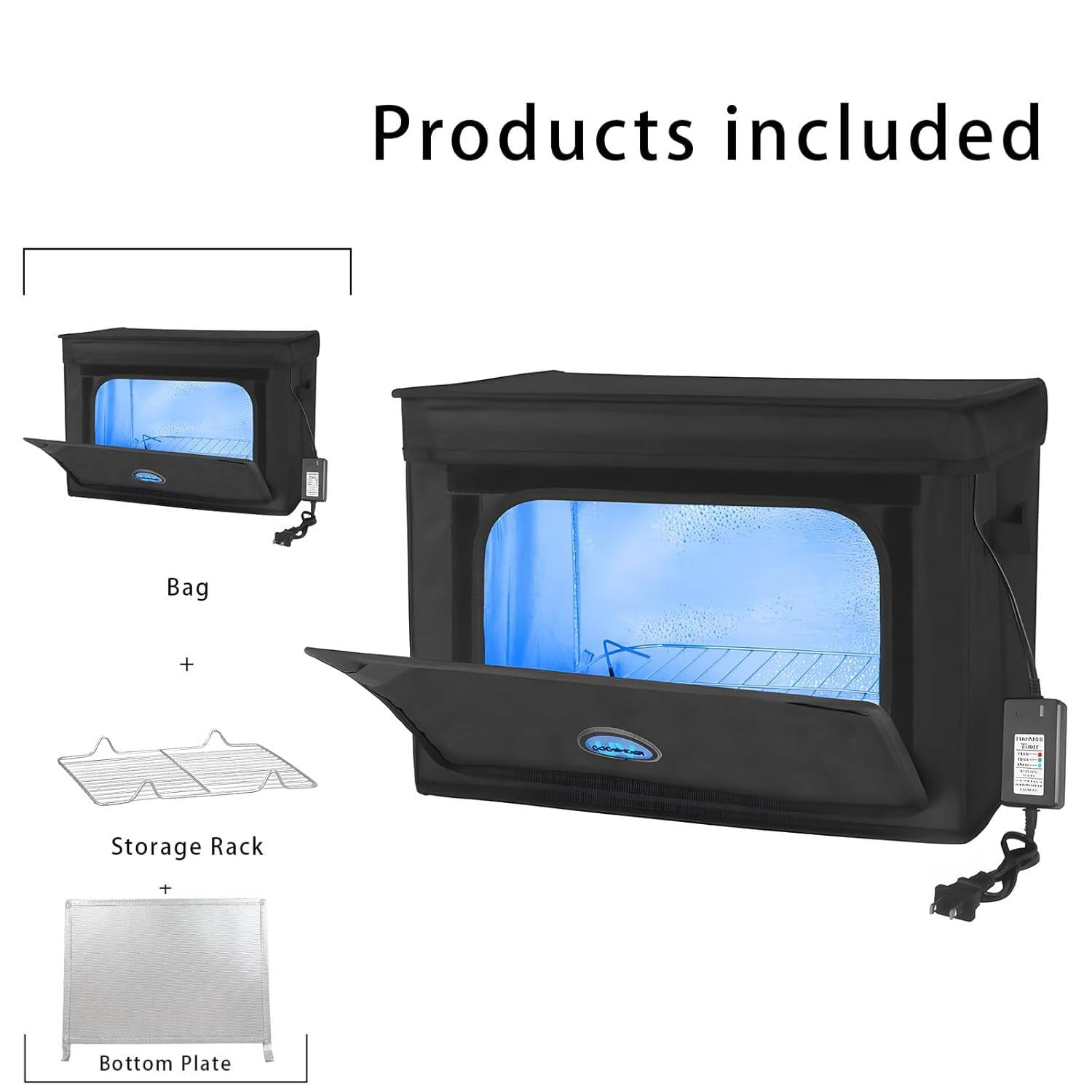
The kitchen is often described as the heart of the home—a place where families gather, meals are prepared, and memories are made. Yet beneath the comforting routines of cooking and dining lies a less visible reality: the kitchen is one of the most bacteria-dense environments in any household. From cutting boards and knife racks to sinks and drains, countless microorganisms thrive in warm, moist, food-rich conditions.
Traditional cleaning methods—soap, water, sponges, and chemical disinfectants—play an important role in kitchen hygiene. However, they often fail to reach microscopic pathogens hidden in pores, crevices, and hard-to-access surfaces. This is where UV light disinfection emerges as a powerful, modern solution.
In this in-depth guide, we explore how UV light acts as a kitchen bacteria terminator, focusing on deep disinfection of cutting boards, knife racks, and sinks. We’ll break down the science, practical applications, safety considerations, and best practices to help you build a cleaner, safer kitchen environment.
1. Why the Kitchen Is a Bacterial Hotspot
1.1 The Invisible Threat
Numerous studies have shown that kitchen surfaces often harbor more bacteria than bathrooms. Common kitchen pathogens include:
-
Salmonella
-
E. coli
-
Listeria monocytogenes
-
Staphylococcus aureus
-
Campylobacter
These bacteria can cause food poisoning, gastrointestinal illness, and in severe cases, long-term health complications—especially for children, the elderly, and immunocompromised individuals.
1.2 High-Risk Kitchen Surfaces
Certain kitchen items are particularly vulnerable to bacterial buildup:
-
Cutting boards, especially wooden or heavily scored plastic boards
-
Knife racks and utensil holders, which trap moisture
-
Sinks and drains, where food residue and standing water create ideal breeding grounds
Even with regular cleaning, these areas can remain contaminated due to microscopic cracks and biofilms that resist conventional sanitation.
2. The Limitations of Traditional Kitchen Cleaning
2.1 Soap and Water: Necessary but Not Enough
Soap removes grease and debris, but it does not always kill bacteria. Many pathogens survive routine washing, especially if cleaning time is short or water temperature is insufficient.
2.2 Chemical Disinfectants: Effective but Imperfect
While bleach and alcohol-based cleaners can kill germs, they come with drawbacks:
-
Chemical residue on food-contact surfaces
-
Strong odors and skin irritation
-
Environmental concerns
-
Inconsistent effectiveness when misused
Additionally, frequent chemical use can contribute to antimicrobial resistance.
2.3 The Need for a Non-Chemical Solution
Modern households increasingly seek chemical-free, residue-free disinfection methods. UV light meets this demand by providing powerful microbial inactivation without water, detergents, or toxins.
3. Understanding UV Light Disinfection
3.1 What Is UV Light?
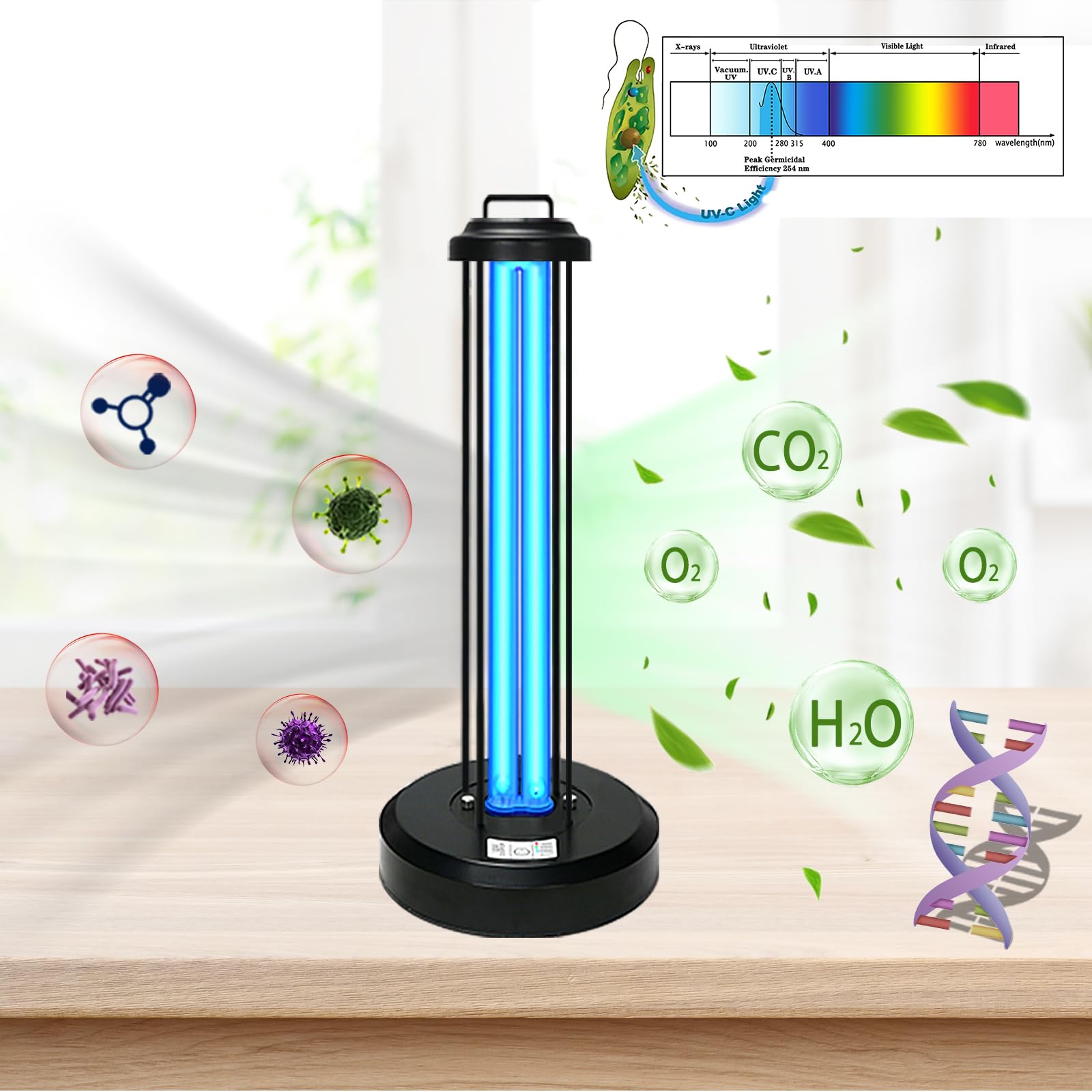
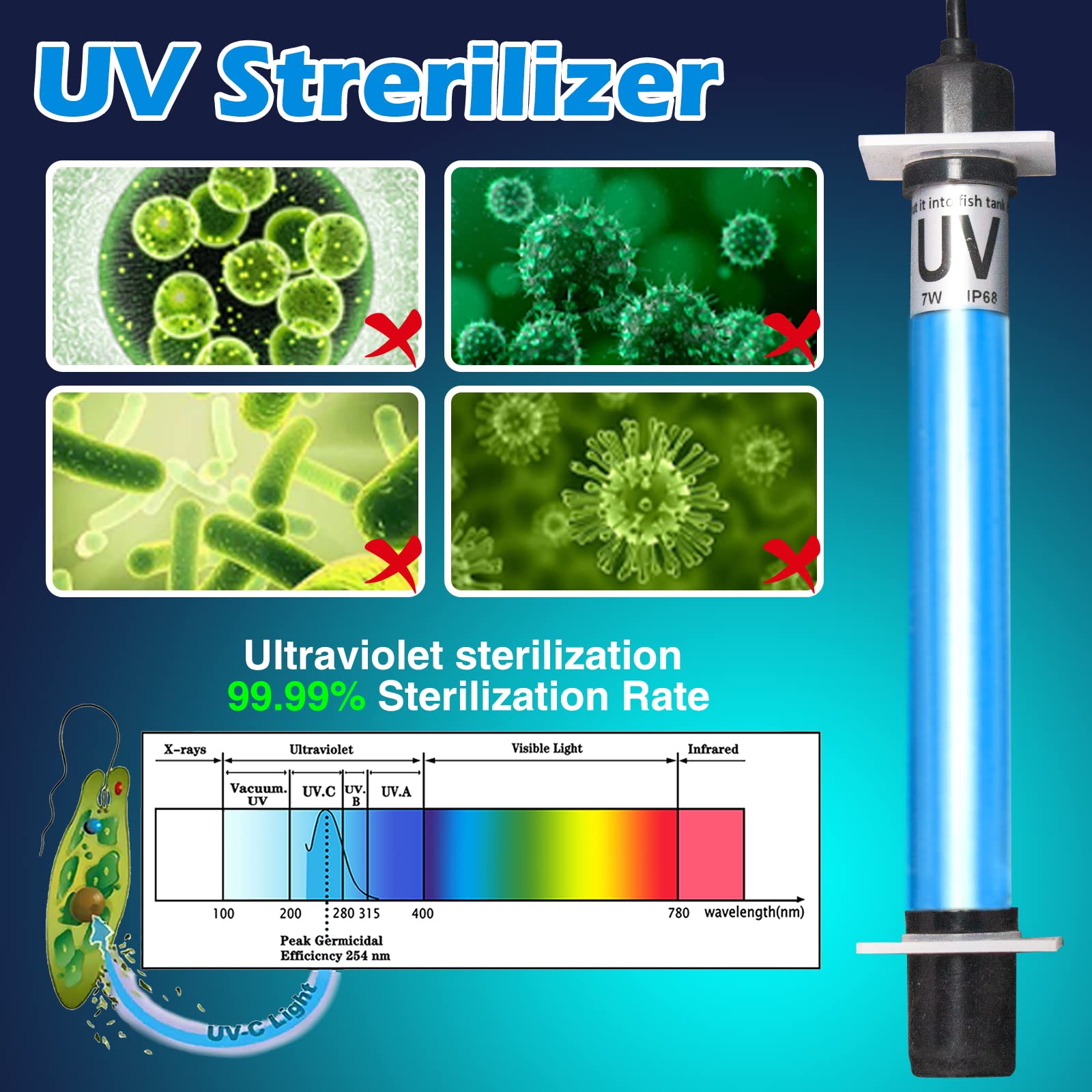
Ultraviolet (UV) light is a form of electromagnetic radiation with wavelengths shorter than visible light. It is divided into three main types:
-
UVA (315–400 nm) – Aging and tanning effects
-
UVB (280–315 nm) – Sunburn and DNA damage
-
UVC (200–280 nm) – Germicidal range
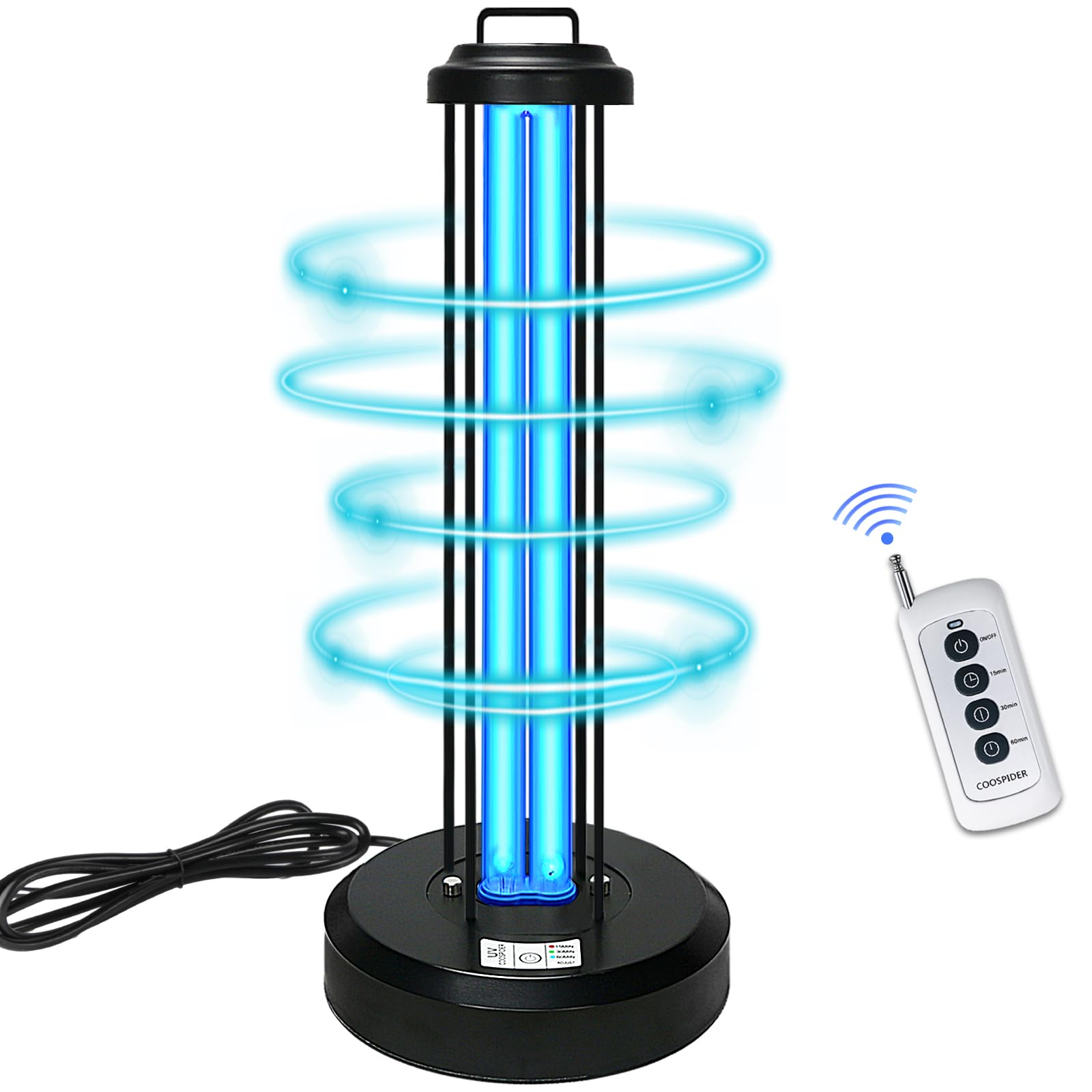
UVC light, particularly around 254 nm, is the most effective for killing bacteria, viruses, and mold.
3.2 How UV Light Kills Bacteria
UVC light penetrates microorganisms and damages their DNA and RNA. This prevents them from reproducing, effectively rendering them harmless.
Unlike chemical disinfectants, UV light does not rely on contact chemistry. Instead, it works through direct exposure, making it especially effective for surface disinfection.
3.3 Why UV Is Ideal for Kitchens
-
No chemicals or residues
-
Fast disinfection (seconds to minutes)
-
Effective against a broad spectrum of pathogens
-
Safe for food-contact surfaces when used correctly
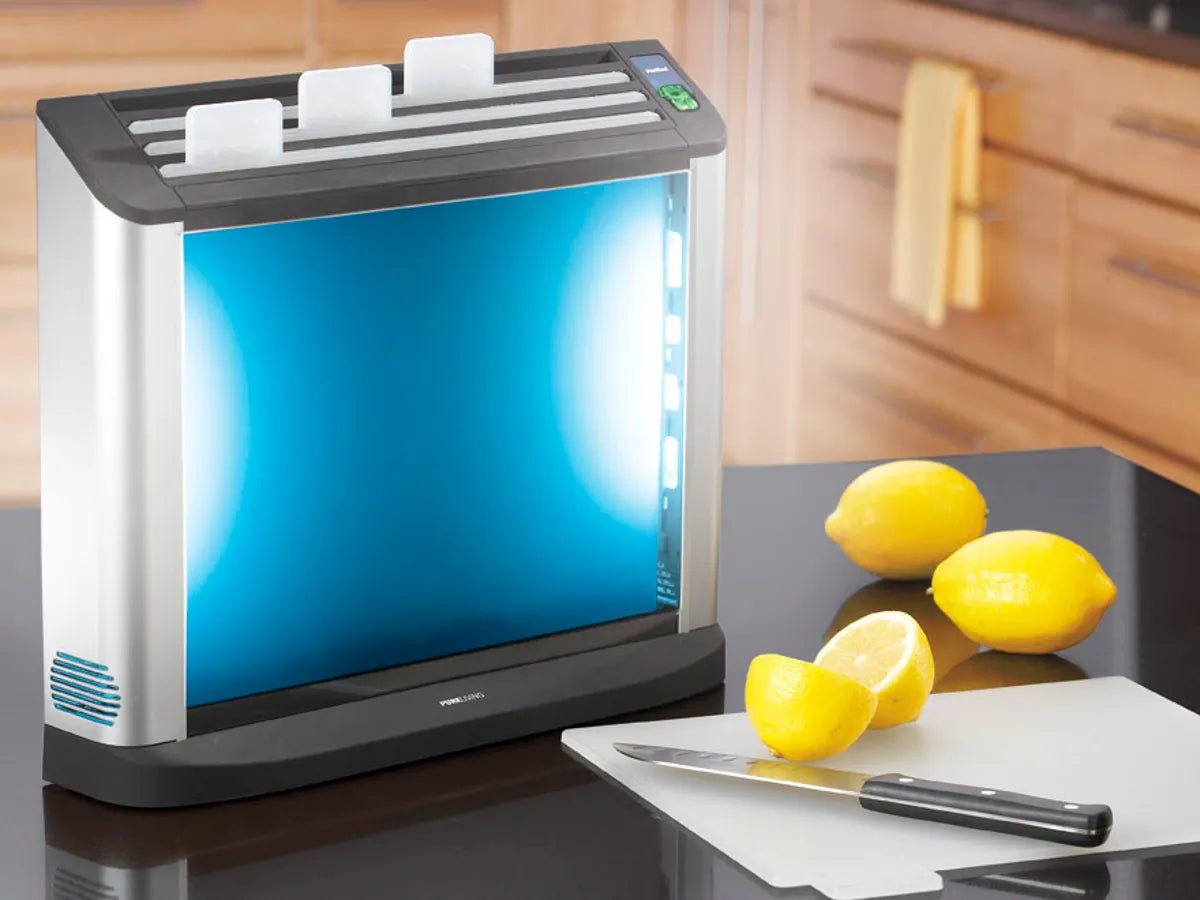
4. UV Disinfection for Cutting Boards
4.1 Why Cutting Boards Are High-Risk
Cutting boards absorb food juices and develop knife marks over time. These grooves trap bacteria that are nearly impossible to remove with scrubbing alone.
-
Wooden boards: Porous and moisture-retaining
-
Plastic boards: Develop micro-scratches
-
Bamboo boards: Dense but still absorbent
Cross-contamination from raw meat, poultry, and seafood is a major concern.
4.2 How UV Light Enhances Cutting Board Hygiene
UV light penetrates surface grooves and eliminates bacteria where brushes and sponges cannot reach.
Benefits include:
-
Deep disinfection without soaking
-
No warping or chemical damage
-
Extended lifespan of cutting boards
4.3 Best Practices for UV Disinfecting Cutting Boards
-
Wash the board with soap and water to remove debris
-
Dry the surface thoroughly
-
Expose both sides to UV light for the recommended time
-
Store in a clean, dry area
For households that prepare raw meat frequently, UV disinfection can dramatically reduce contamination risk.
5. UV Disinfection for Knife Racks and Utensil Holders
5.1 Hidden Germ Zones
Knife racks and utensil holders often go weeks or months without deep cleaning. Moisture trapped inside slots encourages bacterial growth.
Common problems include:
-
Mold inside wooden blocks
-
Bacteria on knife handles
-
Cross-contamination between utensils
5.2 UV Light as a Precision Tool
UV light excels at disinfecting hard-to-reach areas such as:
-
Knife slots
-
Narrow utensil containers
-
Multi-tool holders
Because UV does not require immersion, it protects materials from swelling or corrosion.
5.3 Implementation Tips
-
Remove knives and utensils before UV exposure
-
Position the UV source to reach interior surfaces
-
Rotate items to ensure even coverage
Some modern knife storage systems even integrate built-in UV sterilization for daily use.
6. UV Disinfection for Kitchen Sinks and Drains
6.1 Why Sinks Are Bacteria Magnets
Kitchen sinks are constantly exposed to:
-
Food waste
-
Standing water
-
Organic residue
This combination makes sinks one of the most contaminated areas in the home.
6.2 Biofilms: The Real Problem
Bacteria in sinks often form biofilms, which are slimy, protective layers that resist detergents and disinfectants.
UV light disrupts these biofilms by destroying bacterial DNA at the surface level.
6.3 How to Use UV in Sink Disinfection
-
Clean visible debris first
-
Dry the sink basin
-
Apply UV light to sink surfaces, corners, and drain openings
-
Repeat regularly for maintenance
UV disinfection complements traditional cleaning by addressing what chemicals often miss.
7. Safety Considerations When Using UV Light
7.1 Protecting Skin and Eyes
UVC light can be harmful with direct exposure. Always follow these safety guidelines:
-
Never look directly at an active UV source
-
Avoid skin exposure
-
Use enclosed or shielded UV devices
-
Operate in unoccupied spaces
7.2 Choosing Certified UV Devices
Look for UV products that meet recognized safety standards and clearly specify wavelength, exposure time, and intended use.
7.3 UV vs. Ozone-Producing Devices
Some UV systems generate ozone, which may require ventilation. For kitchen use, ozone-free UVC devices are generally preferred.
8. UV Light vs. Traditional Disinfection Methods
| Method | Chemical-Free | Deep Disinfection | Residue-Free | Ease of Use |
|---|---|---|---|---|
| Soap & Water | Yes | Limited | Yes | High |
| Chemical Sprays | No | Moderate | No | Moderate |
| Boiling Water | Yes | Moderate | Yes | Low |
| UV Light | Yes | High | Yes | High |
UV light stands out as a modern, efficient complement to everyday kitchen cleaning.
9. Integrating UV Disinfection into Daily Kitchen Routines
9.1 Daily Use Scenarios
-
After cutting raw meat
-
At the end of meal prep
-
During weekly deep cleaning
9.2 Ideal Users for UV Kitchen Disinfection
-
Families with children
-
Home cooks and meal preppers
-
Health-conscious households
-
Pet owners
-
Small food businesses and shared kitchens
10. The Future of Kitchen Hygiene
As smart home technologies evolve, UV disinfection is becoming more accessible, compact, and user-friendly. From portable UV wands to integrated kitchen systems, this technology is reshaping how we think about cleanliness.
In a world increasingly aware of microbial risks, UV light offers a science-backed, chemical-free way to protect your kitchen and your health.
Conclusion: A Cleaner Kitchen Starts with Invisible Protection
The kitchen may look clean, but bacteria often tell a different story. Cutting boards, knife racks, and sinks harbor invisible threats that traditional cleaning cannot fully eliminate.
By incorporating UV light into your kitchen hygiene routine, you gain a powerful ally—one that works silently, efficiently, and without chemicals. UV disinfection doesn’t replace good cleaning habits; it elevates them.
In the fight against kitchen bacteria, UV light is more than a tool—it’s the ultimate kitchen bacteria terminator.