
Introduction: Light as an Invisible Language
For decades, artificial lighting for pets was treated as a simple utility — something meant to illuminate enclosures so owners could observe their animals. A bulb was a bulb, brightness was the goal, and behavior changes were often attributed to temperament, diet, or habitat size rather than lighting itself.
Today, that perspective is rapidly changing.
Modern research and practical husbandry experience increasingly show that light is not merely visual. It is biological information. For exotic pets — reptiles, amphibians, birds, arachnids, and even certain small mammals — light acts as an environmental signal that regulates metabolism, mood, feeding behavior, reproduction, sleep cycles, and stress responses.
When lighting fails to replicate natural spectral conditions, animals may survive, but they rarely thrive.
Simulated natural spectrum lighting represents a shift from illumination to environmental replication. Instead of asking, “Can I see my pet clearly?” responsible keepers now ask, “Does my pet perceive this light as nature intended?”
This article explores how spectrum quality influences exotic pet behavior, why traditional lighting often falls short, and how biologically informed lighting systems are reshaping modern animal care.
Understanding Light Beyond Brightness
The Difference Between Intensity and Spectrum
Human perception biases how we design environments. Our eyes are most sensitive to green wavelengths, meaning lights optimized for human comfort often appear bright while lacking critical spectral components animals depend on.
Light consists of multiple wavelengths:
-
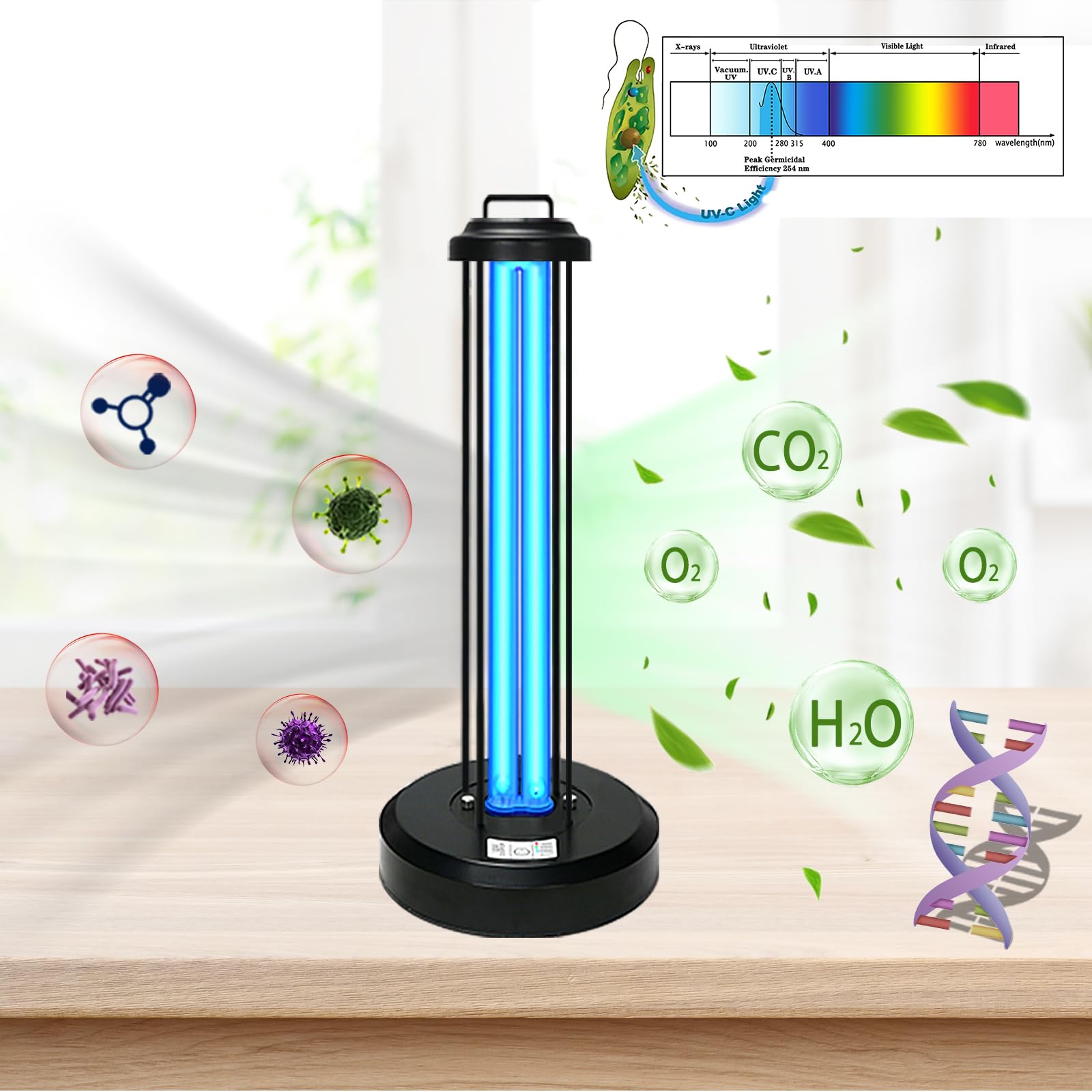
Ultraviolet (UV-A and UV-B)
-
Visible spectrum (violet through red)
-
Near infrared wavelengths
Each wavelength carries biological meaning.
For many exotic species, brightness alone provides almost no useful environmental information. Instead, animals interpret the ratio and distribution of wavelengths to determine:
-
Time of day
-
Seasonal changes
-
Safe basking conditions
-
Predator visibility
-
Feeding opportunities
A terrarium that looks perfectly lit to a human may appear biologically confusing to its inhabitant.
Evolution Designed Animals for Sunlight, Not Bulbs
Millions of Years Under Full-Spectrum Conditions
Exotic pets evolved under sunlight shaped by atmospheric filtering, geographic latitude, and ecological niche. Natural sunlight changes continuously throughout the day:
-
Morning light contains cooler tones and rising UV levels.
-
Midday sunlight delivers peak UV intensity and balanced spectrum energy.
-
Evening light shifts toward longer red wavelengths.
These gradual transitions regulate circadian rhythms through specialized photoreceptors.
Artificial lighting that remains static disrupts this environmental narrative.
Animals do not simply detect light — they interpret change.
The Hidden Sensory Systems of Exotic Pets
Photoreception Beyond the Eyes
Many exotic species possess light-sensitive cells outside traditional visual systems.
Examples include:
-
Reptiles with pineal glands responsive to UV exposure
-
Amphibians detecting light through skin receptors
-
Birds perceiving ultraviolet patterns invisible to humans
-
Invertebrates responding strongly to polarized light
These systems influence hormone production, especially melatonin and cortisol.
When spectral signals are inaccurate, animals may experience chronic low-level stress without obvious symptoms.
Behavioral signs often misinterpreted as personality issues may actually be lighting deficiencies.
Circadian Rhythm Regulation in Captive Environments
Why Day–Night Cycles Matter More Than You Think
Circadian rhythms control biological timing across nearly all species.
Proper rhythms regulate:
-
Sleep and wake cycles
-
Appetite
-
Immune function
-
Thermoregulation
-
Activity levels
Inconsistent or incomplete lighting spectrums confuse internal clocks.
Common consequences include:
-
Nocturnal animals becoming lethargic
-
Diurnal reptiles refusing food
-
Irregular shedding cycles
-
Increased hiding behavior
Simulated natural spectrum systems recreate gradual sunrise and sunset transitions, allowing endocrine systems to operate normally.
The result is not simply more active animals, but more predictable and species-appropriate behavior patterns.
UV Light and Behavioral Expression
UV-A: The Behavioral Trigger
UV-A light plays a significant role in perception and social signaling.
Many reptiles and birds see UV wavelengths as part of normal vision. Without UV-A:
-
Food may appear dull or unrecognizable.
-
Mate coloration signals disappear.
-
Territory markings become invisible.
Animals deprived of UV-A often show reduced curiosity and interaction with their environment.
Keepers frequently describe dramatic behavioral changes after introducing correct spectrum lighting:
-
Increased exploration
-
Improved feeding response
-
More natural posture and movement
The enclosure suddenly becomes readable again.
UV-B: Beyond Bone Health
UV-B is commonly associated with vitamin D3 synthesis, but its behavioral effects are equally important.
Proper UV-B exposure influences:
-
Basking motivation
-
Activity timing
-
Confidence levels
-
Spatial usage of habitat zones
Animals instinctively regulate exposure when gradients are available. Poor lighting removes their ability to self-regulate, forcing physiological compromise.
Natural-spectrum simulation restores behavioral choice — a cornerstone of animal welfare.
Color Temperature vs Biological Reality
Why Kelvin Ratings Are Misleading
Many lighting products advertise color temperature such as 5000K or 6500K as indicators of “natural” light.
However, Kelvin ratings describe human color perception, not spectral completeness.
Two lights with identical Kelvin ratings can have drastically different wavelength distributions.
For exotic pets, missing spectral peaks matter more than overall color appearance.
True biological lighting focuses on:
-
Spectral continuity
-
UV integration
-
Balanced wavelength energy
-
Gradual transitions over time
Brightness and color tone alone cannot achieve these outcomes.
Behavioral Case Studies Across Species
Reptiles: The Basking Intelligence
Reptiles actively select microclimates.
Under full-spectrum simulation, keepers observe:
-
Defined basking routines
-
Reduced glass surfing
-
More efficient thermoregulation
-
Consistent feeding schedules
Bearded dragons, for instance, often become more alert and display richer coloration when exposed to accurate daylight simulation.
The change reflects neurological activation rather than simple warmth preference.
Amphibians: Stress Reduction Through Light Stability
Amphibians are extremely sensitive to environmental inconsistencies.
Improved spectrum lighting has been associated with:
-
Increased nighttime activity
-
Reduced hiding
-
Improved hydration behavior
-
Enhanced breeding displays
Because amphibian skin participates in environmental sensing, spectral imbalance may create constant perceived instability.
Stable light cycles restore environmental predictability.
Birds: UV Vision and Social Interaction
Birds possess some of the most advanced visual systems in the animal kingdom.
UV-reflective feathers play roles in:
-
Mate selection
-
Dominance hierarchy
-
Species recognition
Without UV wavelengths, social cues vanish.
Pet birds under inadequate lighting may develop:
-
Aggression
-
Feather plucking
-
Vocalization changes
When natural spectrum lighting is introduced, many birds exhibit calmer social behaviors and increased engagement.
Invertebrates: Small Animals, Complex Responses
Tarantulas, mantises, and other invertebrates respond strongly to light gradients.
Correct spectral environments influence:
-
Hunting behavior
-
Molting timing
-
Burrow construction
-
Feeding confidence
Because many invertebrates rely on subtle environmental signals, lighting accuracy often determines whether behaviors appear natural or suppressed.
Psychological Welfare and Environmental Authenticity
The Concept of Environmental Legibility
Animals must understand their surroundings to feel secure.
In nature, light communicates safety:
-
Bright overhead light signals open daytime conditions.
-
Shifting angles indicate passing time.
-
Spectrum changes warn of dusk or dawn.
Flat artificial lighting removes temporal context.
Simulated natural spectrum restores environmental storytelling, allowing animals to predict what happens next.
Predictability reduces stress.
The Role of Dynamic Lighting Systems
Static Light vs Living Light
Traditional lighting systems operate on simple timers — on or off.
Natural environments never behave this way.
Dynamic spectrum systems now simulate:
-
Gradual sunrise ramps
-
Midday intensity peaks
-
Sunset spectral shifts
-
Seasonal day-length variation
These changes align biological processes with environmental cues.
Animals respond not just to light presence but to progression.
Feeding Behavior and Light Synchronization
Feeding responses are strongly linked to lighting conditions.
Incorrect lighting may cause:
-
Food refusal
-
Misaligned hunting instincts
-
Overfeeding or underfeeding patterns
Predatory species especially rely on visual cues tied to spectrum and angle.
When lighting mirrors natural conditions, feeding often becomes instinctive rather than conditioned.
Owners report reduced need for behavioral coaxing.
Reproductive Behavior and Seasonal Signals
Many exotic species require seasonal cues for breeding readiness.
Spectrum variation influences:
-
Hormonal cycling
-
Nesting behavior
-
Courtship displays
-
Egg production
Without seasonal light variation, reproductive systems may remain dormant or become irregular.
Advanced lighting systems now allow keepers to replicate seasonal transitions safely within controlled environments.
Stress Indicators Linked to Poor Lighting
Common behavioral signs of inadequate spectrum exposure include:
-
Persistent hiding
-
Hyperactivity or lethargy
-
Repetitive enclosure pacing
-
Appetite fluctuations
-
Abnormal aggression
These signs often lead keepers to modify enclosure décor or diet while overlooking lighting as the root cause.
Correcting spectrum quality frequently resolves multiple issues simultaneously.
Designing a Light Environment, Not Installing a Lamp
Key Principles for Keepers
-
Provide spectral diversity rather than uniform brightness.
-
Create UV gradients instead of uniform exposure.
-
Simulate natural daily transitions.
-
Match lighting cycles to species geography.
-
Replace bulbs before spectral degradation becomes visible.
Lighting should be approached as habitat architecture rather than accessory equipment.
The Future of Exotic Pet Lighting
Technological advances are rapidly transforming husbandry practices.
Emerging innovations include:
-
Programmable spectral curves
-
App-controlled seasonal simulation
-
Sensor-based environmental feedback
-
Integrated heat and light ecosystems
As understanding grows, lighting is becoming a central pillar of welfare science rather than an afterthought.
Ethical Implications of Spectrum Awareness
With increased knowledge comes responsibility.
If behavioral health depends on accurate environmental signals, providing biologically appropriate lighting becomes part of ethical animal care.
The goal shifts from maintaining life to supporting natural expression.
Animals displaying species-typical behaviors are not only healthier but more engaging companions.
Common Myths About Exotic Pet Lighting
Myth 1: Bright Light Equals Healthy Light
Reality: Spectrum matters more than intensity.
Myth 2: UV Is Only Needed Occasionally
Reality: Many species rely on daily exposure patterns.
Myth 3: All Full-Spectrum Bulbs Are Equivalent
Reality: Spectral distribution varies widely.
Myth 4: Behavioral Problems Are Personality Issues
Reality: Environmental mismatch is often the underlying cause.
Practical Transition Strategies
Switching to natural-spectrum lighting should be gradual.
Recommended steps:
-
Introduce new lighting alongside existing systems.
-
Observe behavioral adjustments over several weeks.
-
Monitor basking and resting patterns.
-
Adjust enclosure layout to support light gradients.
Animals often self-correct behaviors once environmental cues align.
Measuring Success: Behavioral Indicators
Signs that lighting improvements are working include:
-
Consistent daily routines
-
Increased exploration
-
Strong feeding responses
-
Improved coloration
-
Calm resting posture
These outcomes reflect neurological comfort rather than temporary stimulation.
Conclusion: Light as a Biological Ecosystem
Artificial lighting once served human convenience. Today, it serves biological understanding.
Simulated natural spectrum lighting transforms enclosures from illuminated containers into functioning ecosystems.
For exotic pets, light is not decoration. It is climate, timekeeper, communication system, and behavioral guide all at once.
When lighting aligns with evolutionary expectations, animals reveal behaviors many keepers have never witnessed — complex routines, confident movement, and authentic interaction with their environment.
The shift from illumination to simulation represents one of the most significant advances in modern exotic animal care.
And perhaps the most important realization is this:
We are not just turning on lights.
We are recreating a sun.