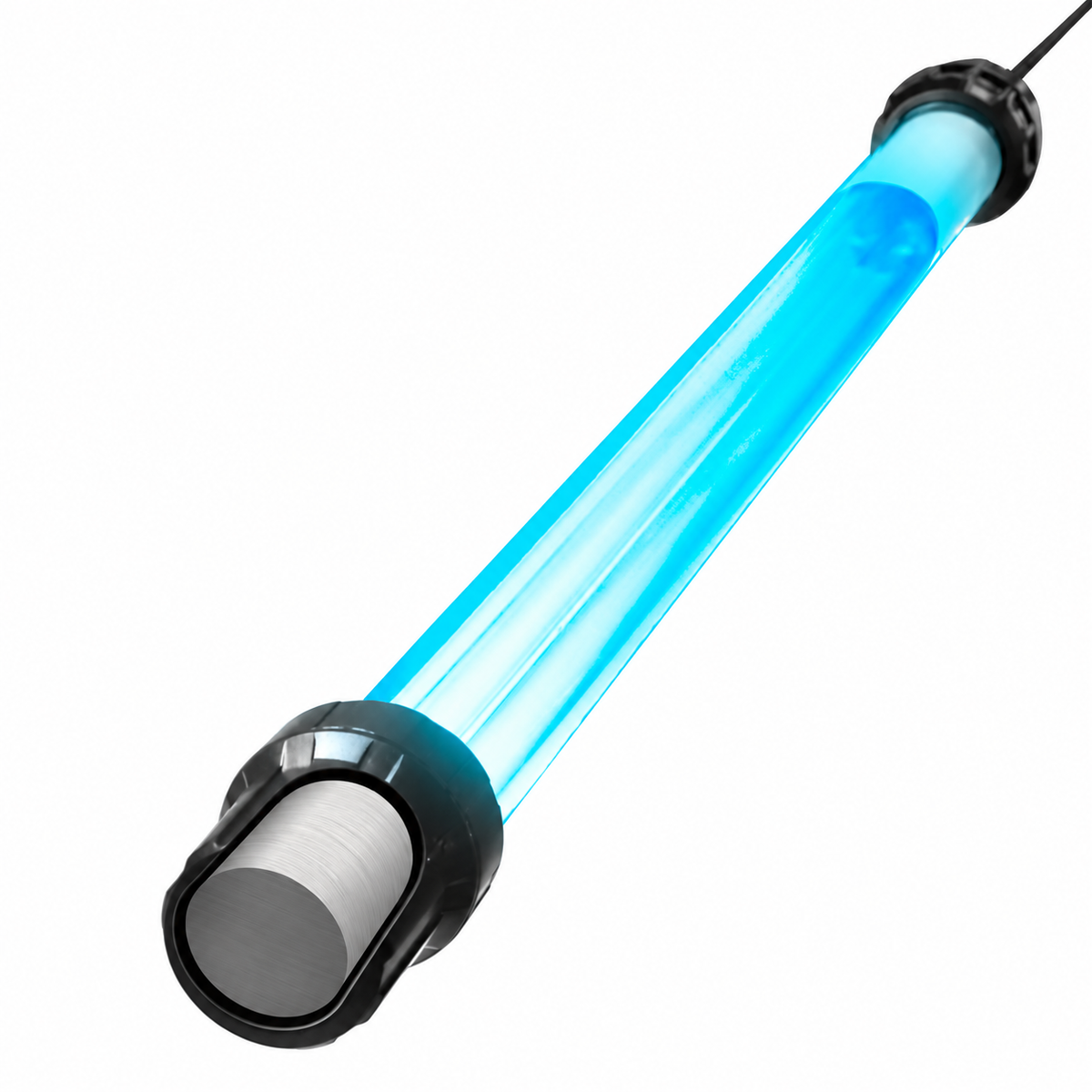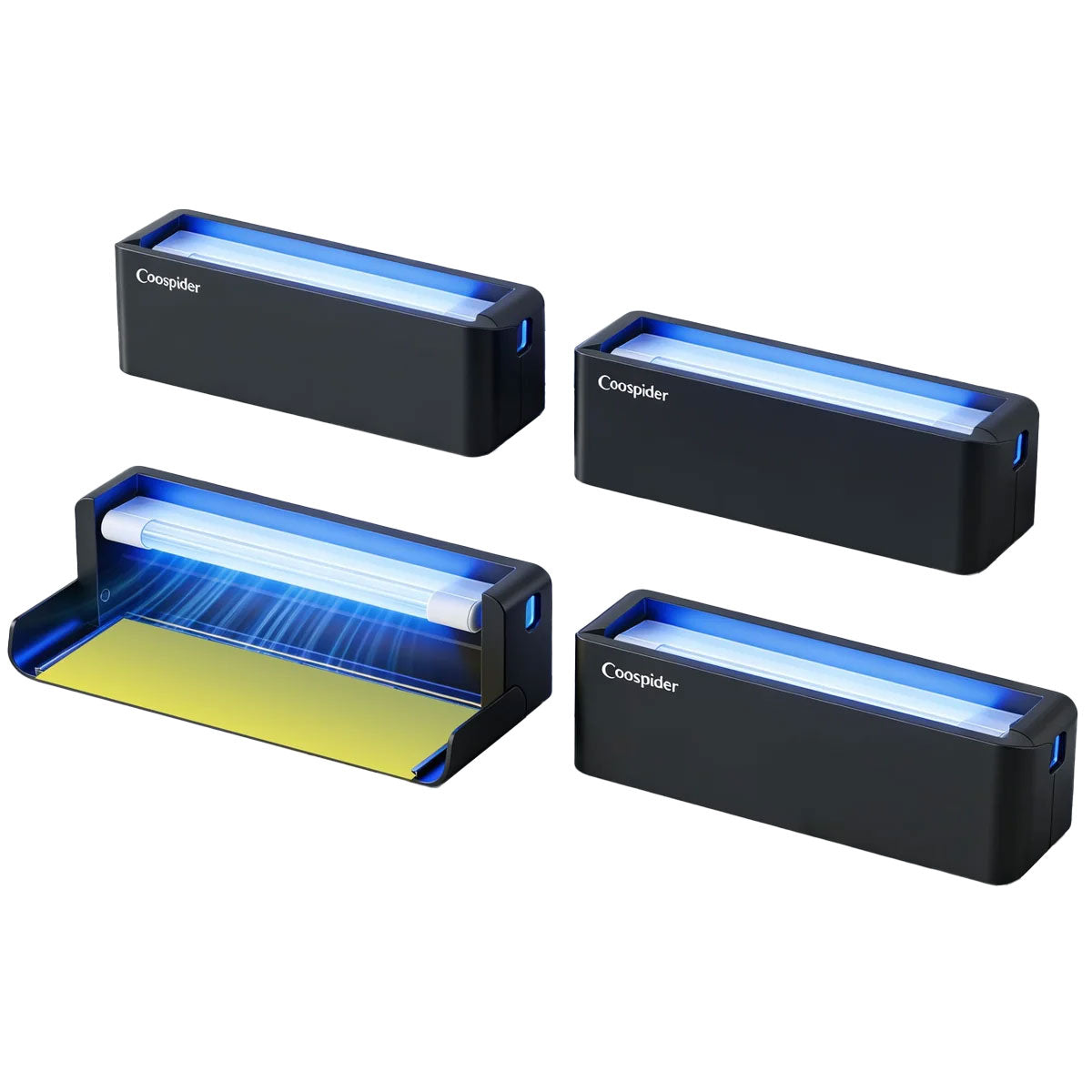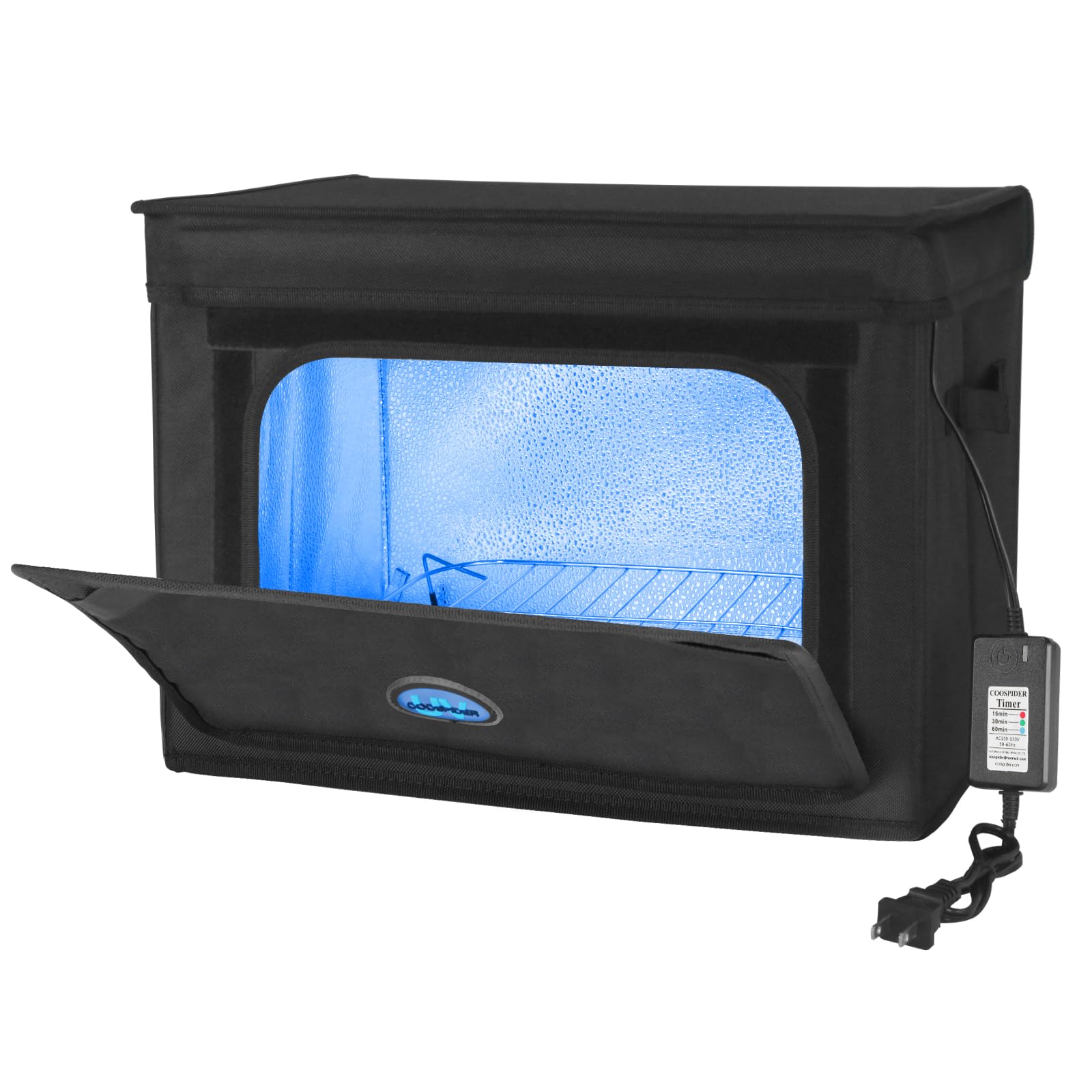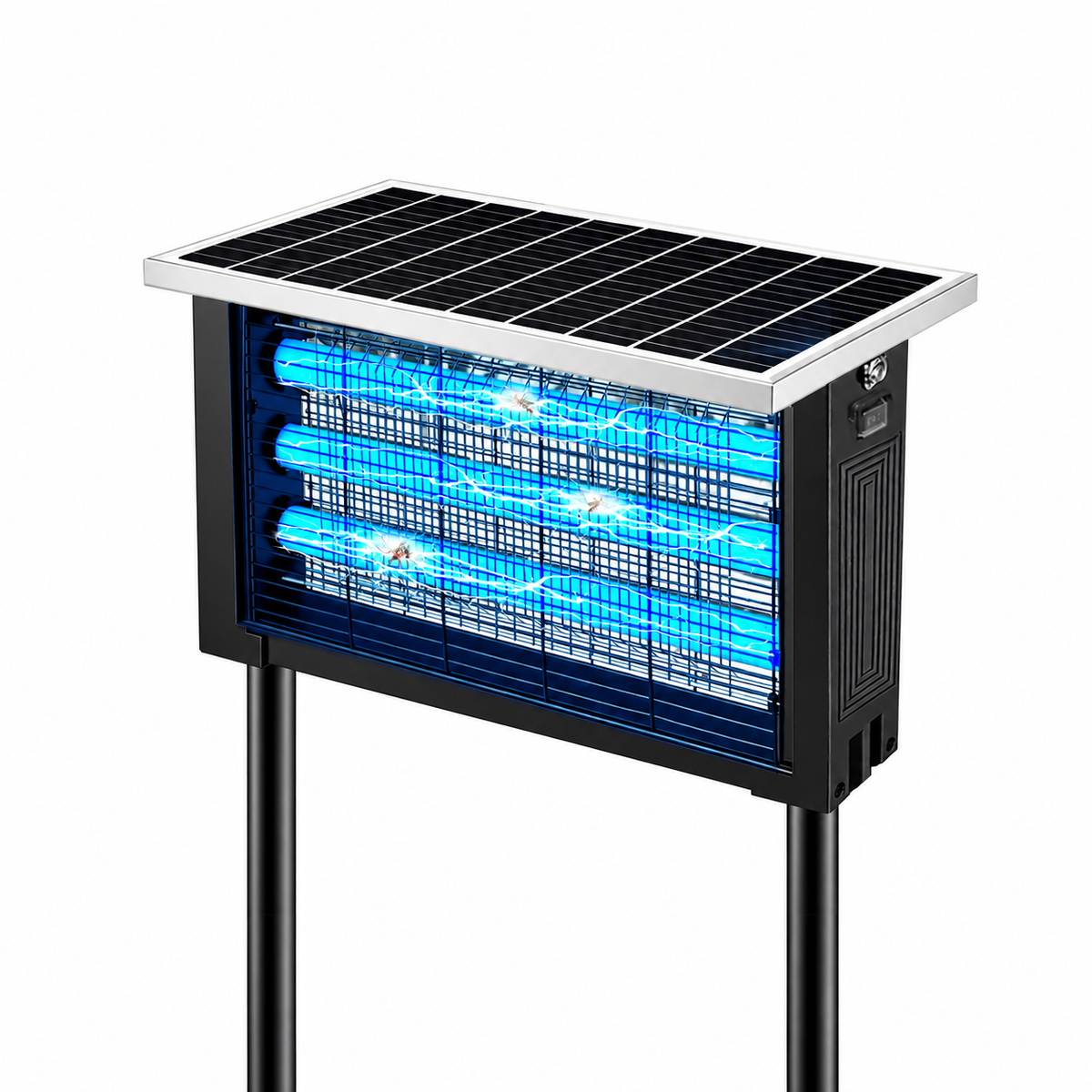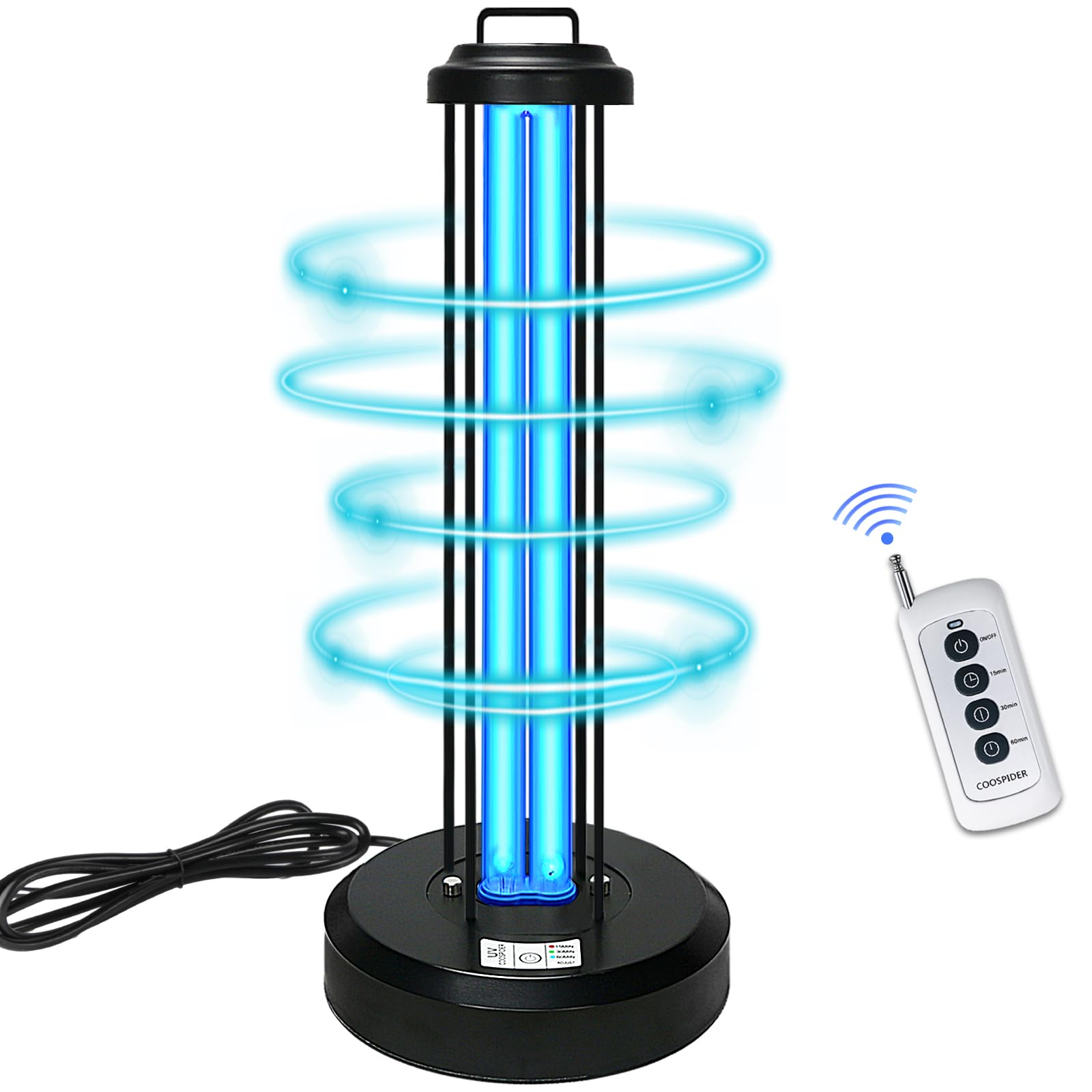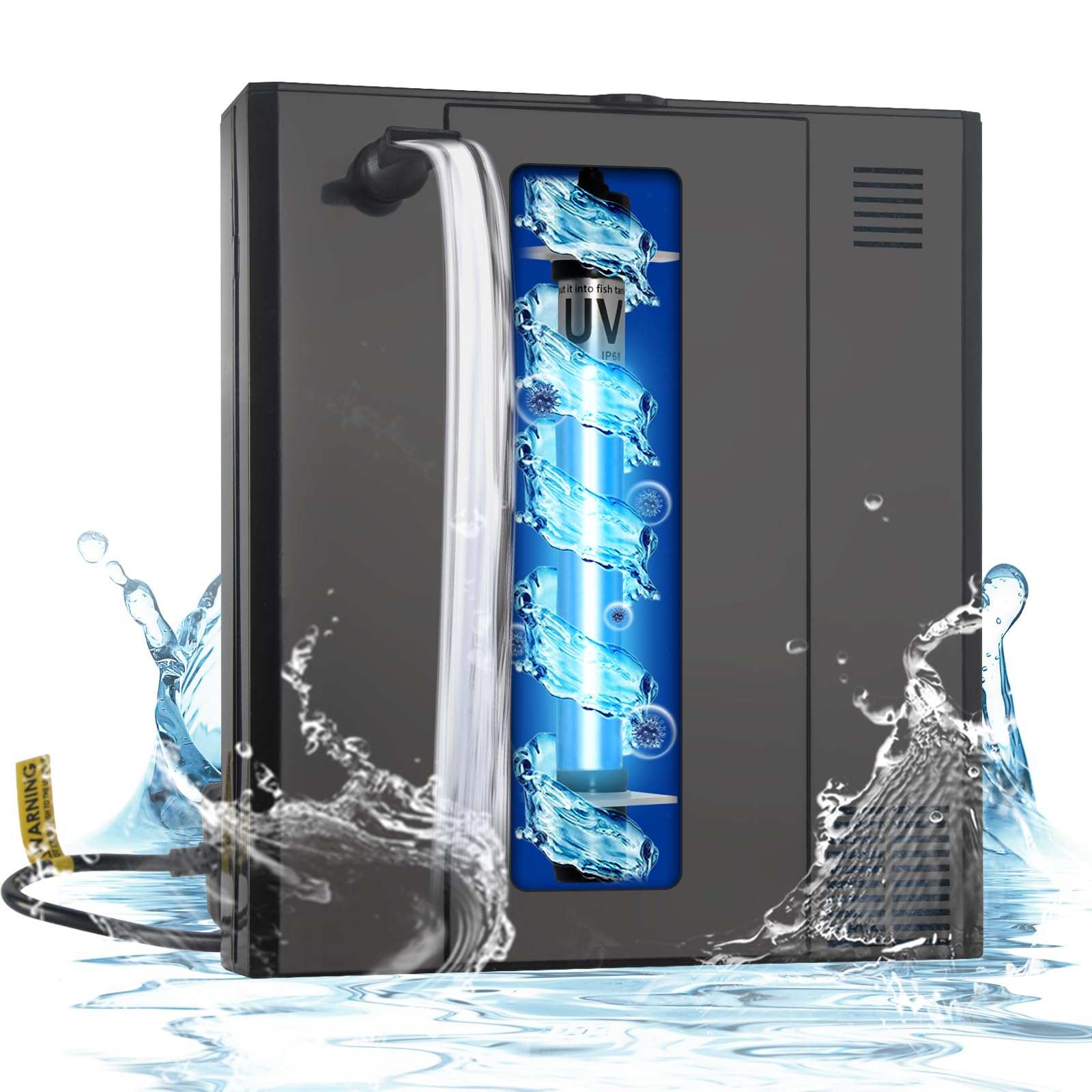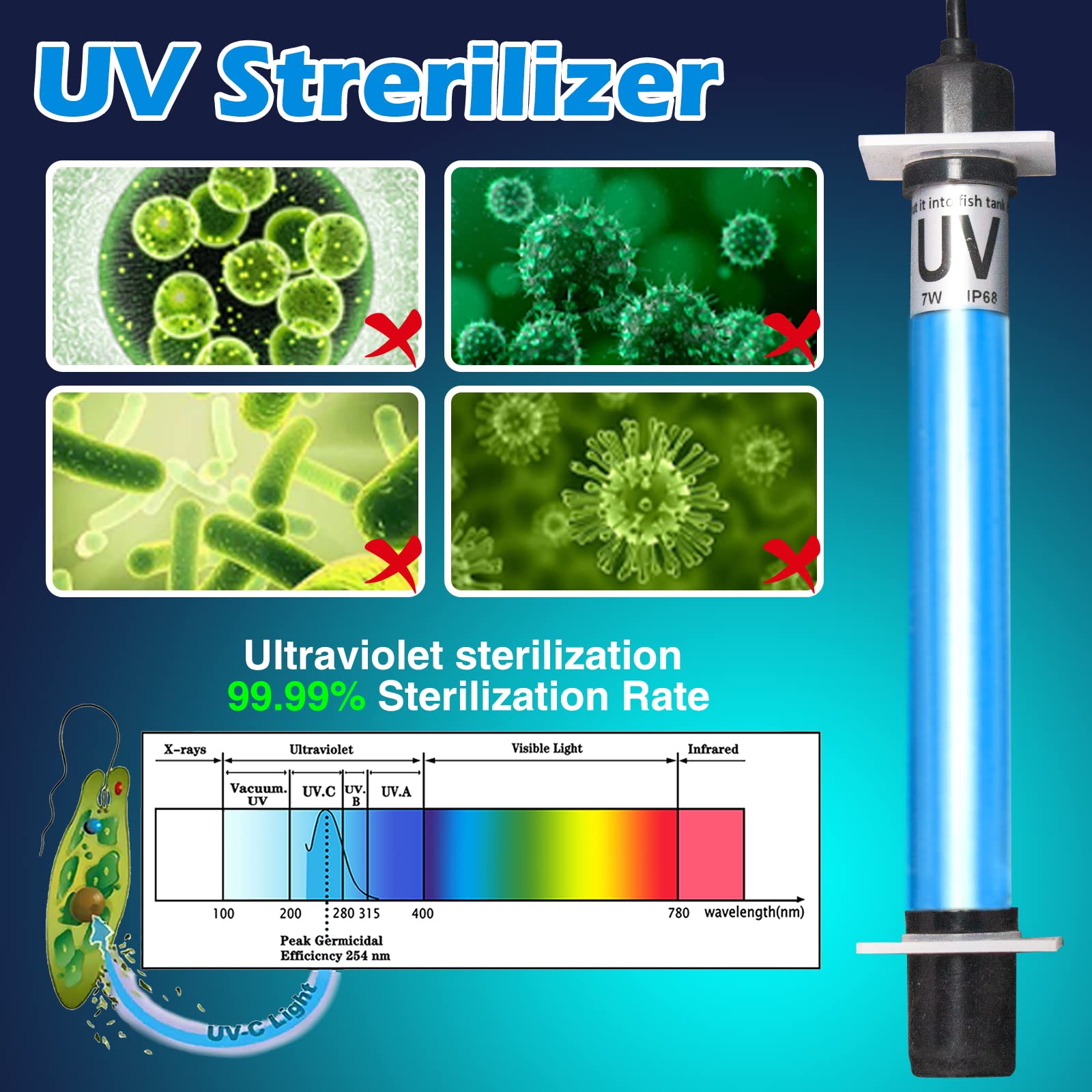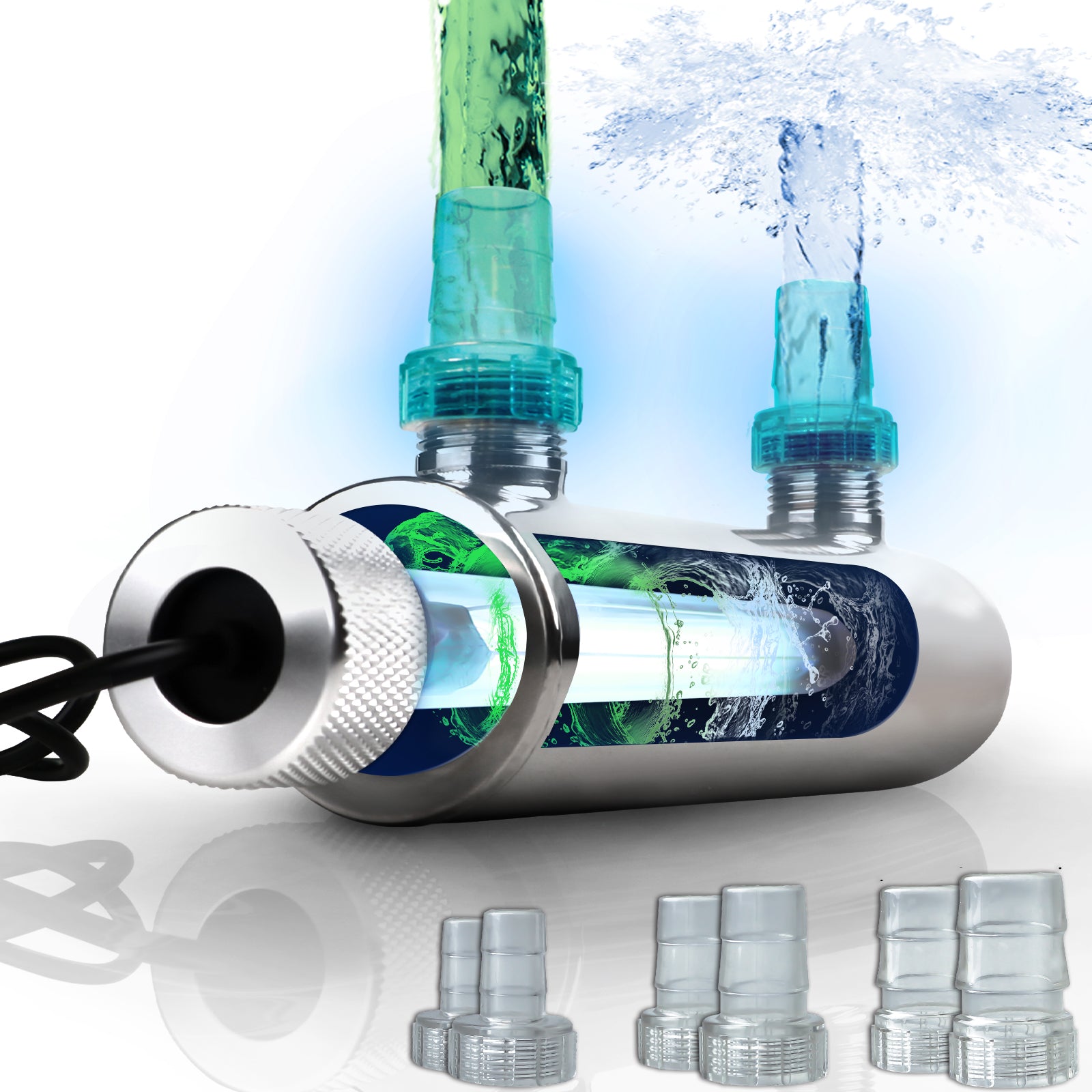
From handheld UV lamps and sterilization boxes to air purifiers and water treatment systems, ultraviolet disinfection is now marketed as a fast, chemical-free solution for modern hygiene needs. Unfortunately, where demand grows quickly, counterfeits and low-quality imitations inevitably follow.
Today’s UV market is flooded with products that claim to disinfect—but lack the engineering, materials, or real output required to do so safely and effectively.
The result?
-
False confidence
-
Ineffective sterilization
-
Potential safety risks
This article is designed to help consumers and buyers cut through the noise and learn how to distinguish high-quality, genuinely effective UV germicidal products from fake, underpowered, or misleading alternatives.
1. Why the UV Germicidal Market Is Especially Vulnerable to Counterfeits
UV Is Invisible—and That Creates Opportunity for Deception
Unlike visible light or heat, UV radiation cannot be seen or felt in real time. This makes it easy for dishonest manufacturers to:
-
Overstate performance
-
Mislabel wavelength output
-
Inflate power ratings
A device can look legitimate while producing little or no germicidal effect.
“Looks Like Technology” Is Not the Same as “Is Technology”
Many counterfeit UV products rely on:
-
Blue or purple LEDs to look like UV
-
Buzzwords like “99.9% sterilization”
-
Generic certifications without traceability
In reality, appearance and marketing language are meaningless without verified performance.
2. Understanding What “Effective UV Power” Actually Means
Germicidal Effect Is Not About Brightness
One of the most common misconceptions is that brighter light equals stronger disinfection.
In UV germicidal applications, effectiveness depends on:
-
Wavelength accuracy
-
Radiant intensity (µW/cm² or mW/cm²)
-
Exposure time
Visible brightness has little correlation with germicidal performance.
The Critical Wavelength Range
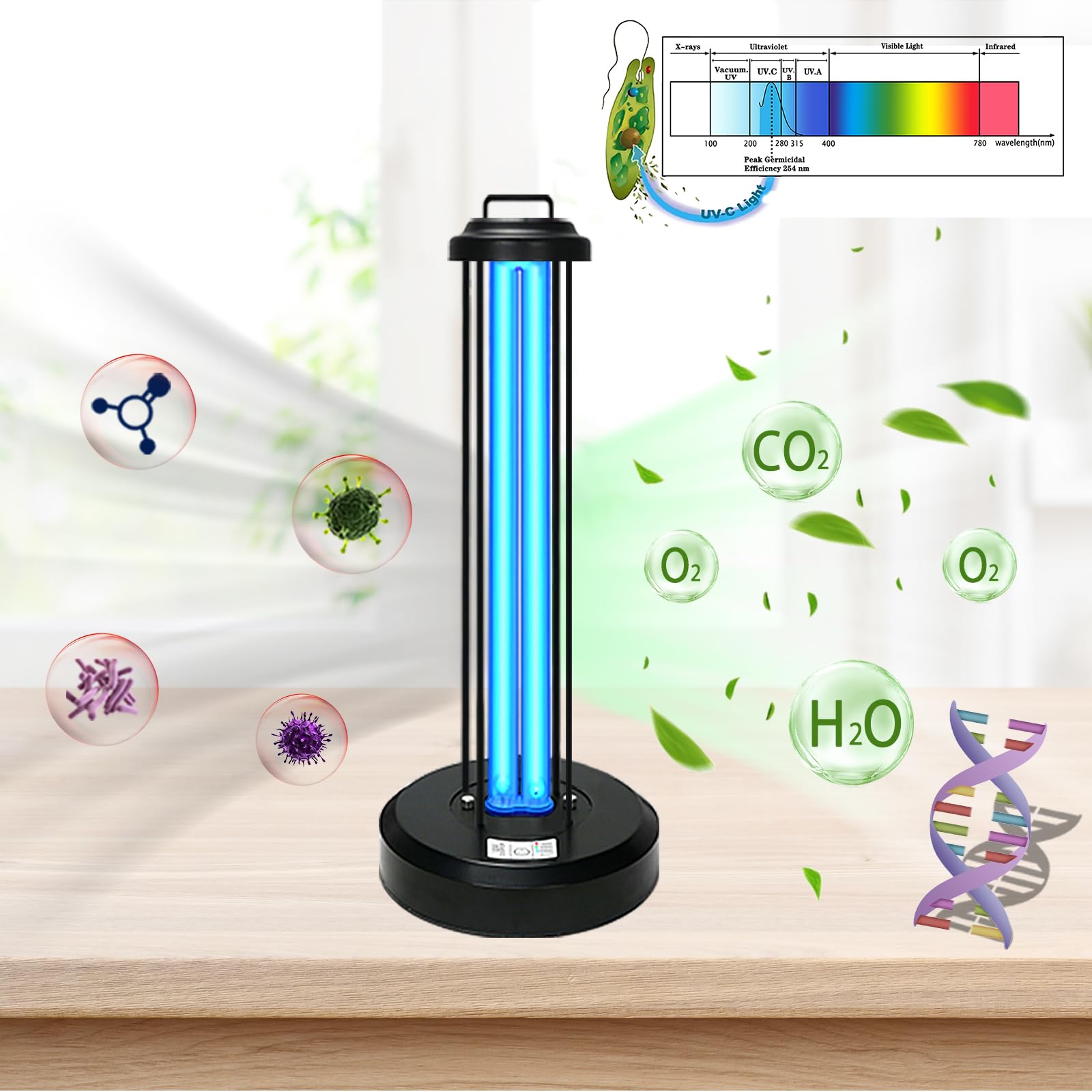
True germicidal UV operates primarily in the UV-C range (200–280 nm), with peak effectiveness around 260–265 nm, where DNA and RNA absorb UV energy most efficiently.
Products emitting primarily:
-
UV-A (315–400 nm)
-
Or blue visible light (around 400–450 nm)
Have little to no germicidal capability, regardless of marketing claims.
3. Common Tactics Used in Fake or Low-Quality UV Products
Tactic #1: Mislabeling UV-A or Blue LEDs as UV-C
Some products use:
-
UV-A LEDs
-
Or even standard blue LEDs
And market them as “UV sterilization.”
While these lights may look “UV-like,” they do not damage microbial DNA effectively.
Tactic #2: Inflated Wattage Claims
Advertised wattage often refers to:
-
Electrical input power
-
Not actual UV output
For example:
-
A “30W UV lamp” may emit only a fraction of that power as usable UV-C radiation
Without output measurement, wattage numbers are meaningless.
Tactic #3: Fake or Irrelevant Certifications
Common red flags include:
-
Certification logos without issuing body names
-
“FDA approved” claims where no approval exists
-
Generic “CE” marks without documentation
Legitimate certifications are traceable and specific.
Tactic #4: Unrealistic Sterilization Claims
Claims like:
-
“Kills all viruses instantly”
-
“100% sterilization in seconds”
Are scientifically implausible and signal low credibility.
4. How High-Quality UV Products Are Actually Engineered
Precision Matters in UV Technology
Real UV germicidal products are built around:
-
Precisely tuned light sources
-
Stable power supplies
-
Controlled heat management
-
Consistent output over time
UV-C emitters degrade faster than visible LEDs, making quality components essential.
Optical Design Is Not Optional
Effective UV systems incorporate:
-
Reflective chamber design
-
Controlled exposure geometry
-
Verified irradiation zones
An exposed bulb without optical engineering is rarely effective or safe.
5. How to Verify Real UV-C Output
Ask for Spectral Data
High-quality manufacturers can provide:
-
Emission spectrum graphs
-
Peak wavelength values
-
Output tolerance ranges
A real UV-C product should clearly demonstrate emission below 280 nm.
Look for Measured UV Intensity
Key indicators include:
-
µW/cm² or mW/cm² measurements
-
Test distance specifications
-
Exposure time recommendations
Vague descriptions like “high power” or “strong UV” are insufficient.
Third-Party Testing Is a Major Trust Signal
Independent lab testing adds credibility.
Look for:
-
Accredited testing laboratories
-
Repeatable test conditions
-
Transparent reporting
Self-claimed results are not enough.
6. Build Quality as an Indicator of Authenticity
Materials Matter
High-quality UV products often use:
-
UV-resistant plastics
-
Quartz glass (not ordinary glass)
-
Heat-tolerant components
Low-grade materials degrade quickly under UV exposure.
Thermal Management Is a Hidden Clue
UV-C sources generate heat.
Reliable products include:
-
Heat sinks
-
Ventilation design
-
Thermal protection circuits
Overheating reduces output and shortens lifespan.
7. Safety Features Separate Professionals from Pretenders
Real UV Products Respect Safety
Legitimate manufacturers build in:
-
Enclosures
-
Timers
-
Motion sensors
-
Automatic shutoff mechanisms
Fake products often lack safety controls entirely—or include nonfunctional ones.
Warning Labels and Instructions Matter
Clear safety instructions are a sign of responsibility, not liability avoidance.
Products with vague or missing warnings should raise concern.
8. Understanding Certification the Right Way
Certifications to Look For (Depending on Market)
-
Electrical safety certifications (e.g., UL, ETL)
-
EMC compliance
-
Material safety standards
While no single certification proves germicidal effectiveness, legitimate products are rarely uncertified across the board.
Beware of “Too Many Logos”
Ironically, products plastered with excessive certification icons often include fake or misused marks.
Fewer, verifiable certifications are better than many questionable ones.
9. Matching Product Claims to Use Scenarios
Home Consumer Products
Should emphasize:
-
Enclosed designs
-
Clear usage limitations
-
Conservative claims
Overpowered claims for home devices are a red flag.
Commercial and Professional Products
Should include:
-
Detailed technical specifications
-
Maintenance guidance
-
Replacement cycle information
Lack of documentation suggests consumer-grade imitation.
10. Price as a Signal—But Not the Only One
Why Real UV-C Isn’t Cheap
High-quality UV components:
-
Cost more to manufacture
-
Require quality control
-
Have shorter lifespans
Extremely low prices often indicate:
-
Incorrect wavelength
-
Insufficient output
-
Poor durability
But Expensive Doesn’t Automatically Mean Legitimate
Price alone is not proof.
Verification, documentation, and transparency matter more.
11. Questions You Should Always Ask Before Buying
-
What wavelength does this product emit?
-
Is UV output measured or just claimed?
-
Are test reports available?
-
What safety features are built in?
-
Who is responsible for compliance and support?
A trustworthy seller welcomes these questions.
12. Why Counterfeit UV Products Are More Than Just Ineffective
False Security Is the Real Danger
The greatest risk of fake UV products is not that they fail—but that users believe they are protected when they are not.
This can lead to:
-
Poor hygiene decisions
-
Reduced cleaning practices
-
Increased exposure risk
Ineffective UV is worse than no UV.
Conclusion: In UV Disinfection, Proof Matters More Than Promises
UV germicidal technology is powerful, elegant, and scientifically sound—but only when implemented correctly.
High-quality UV products are defined by:
-
Accurate wavelength output
-
Measured, verifiable power
-
Responsible engineering
-
Transparent documentation
In a market crowded with exaggerated claims and counterfeit designs, informed buyers have the strongest protection.
If a UV product cannot prove what it emits, how much it emits, and how safely it operates—then it isn’t a disinfecting tool.
It’s just a light.