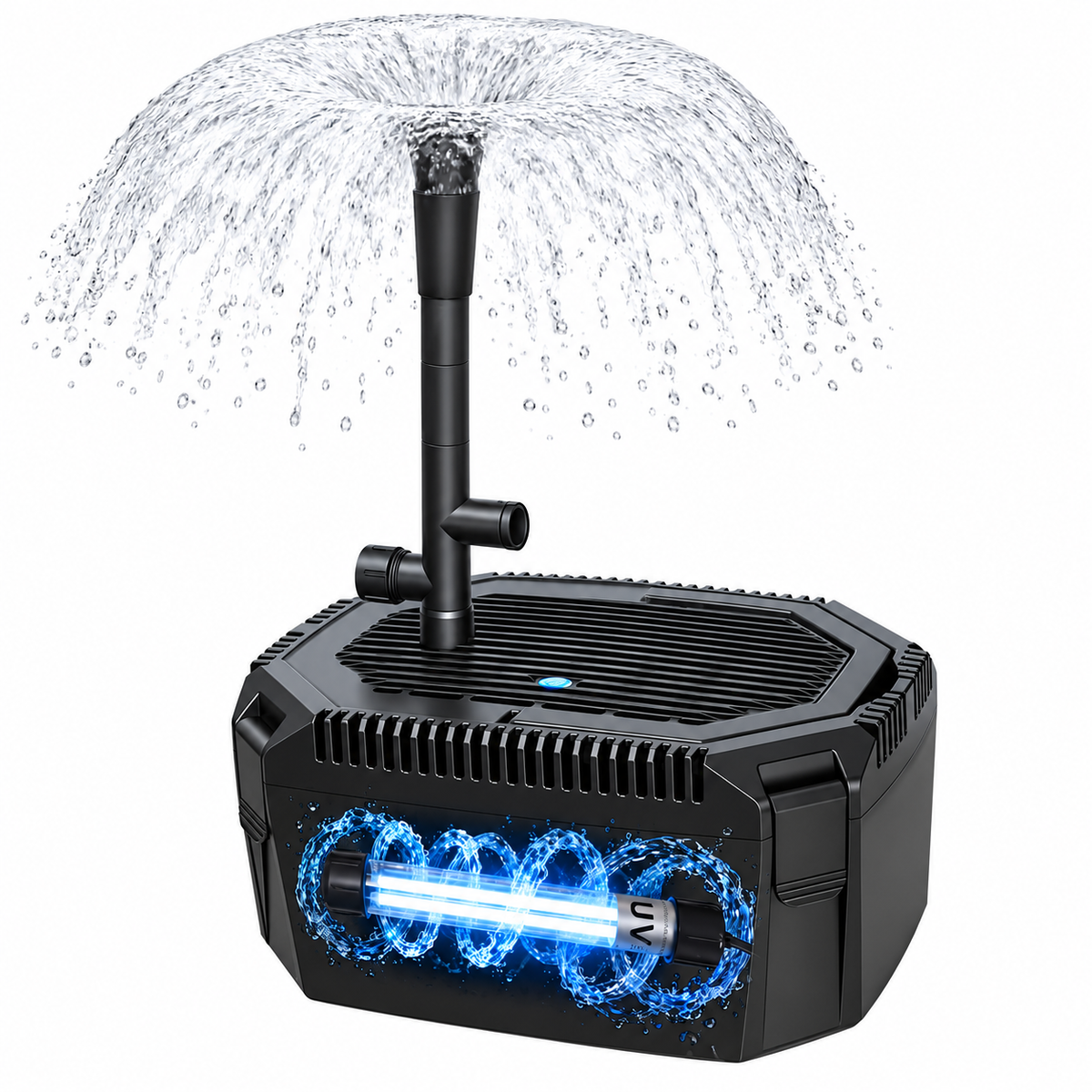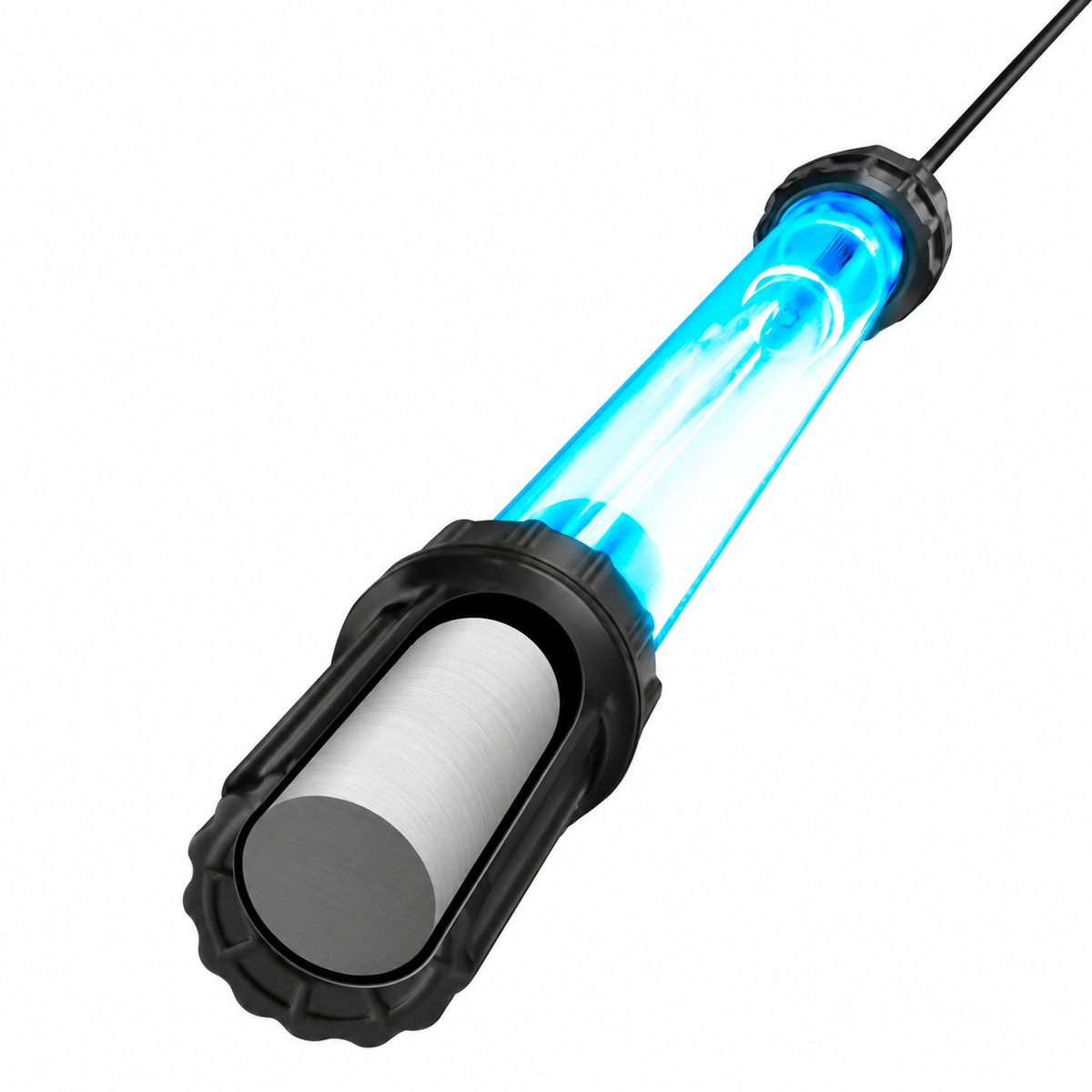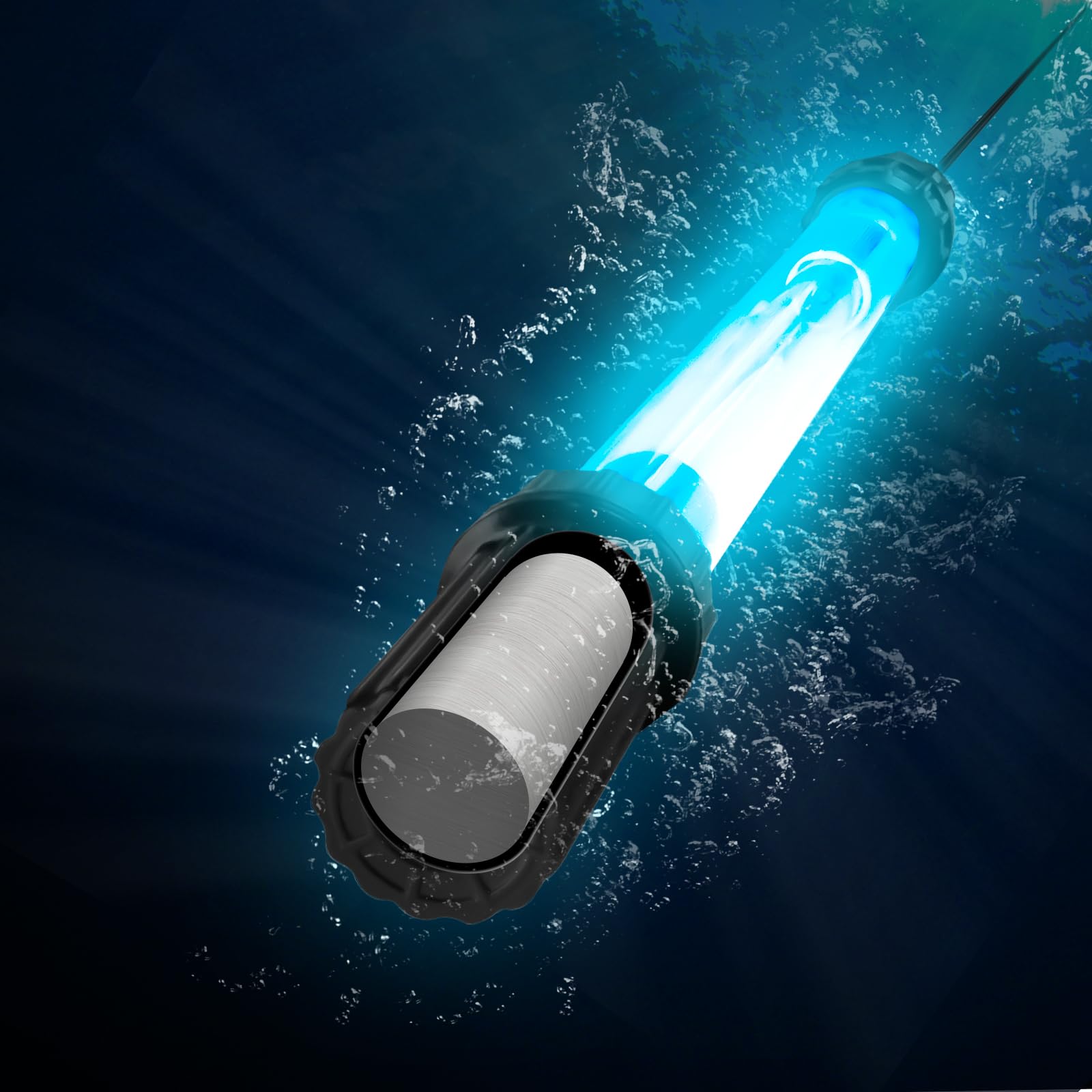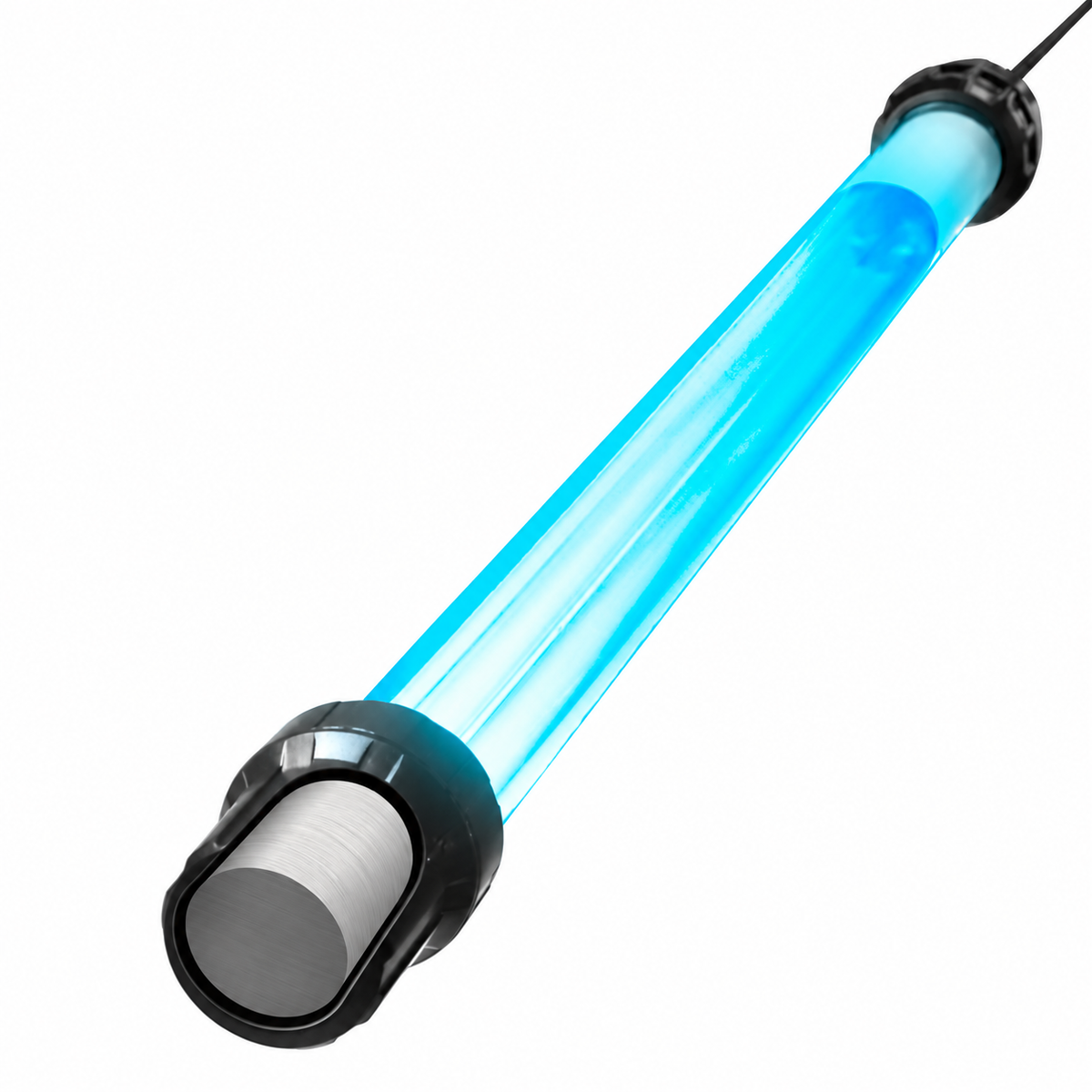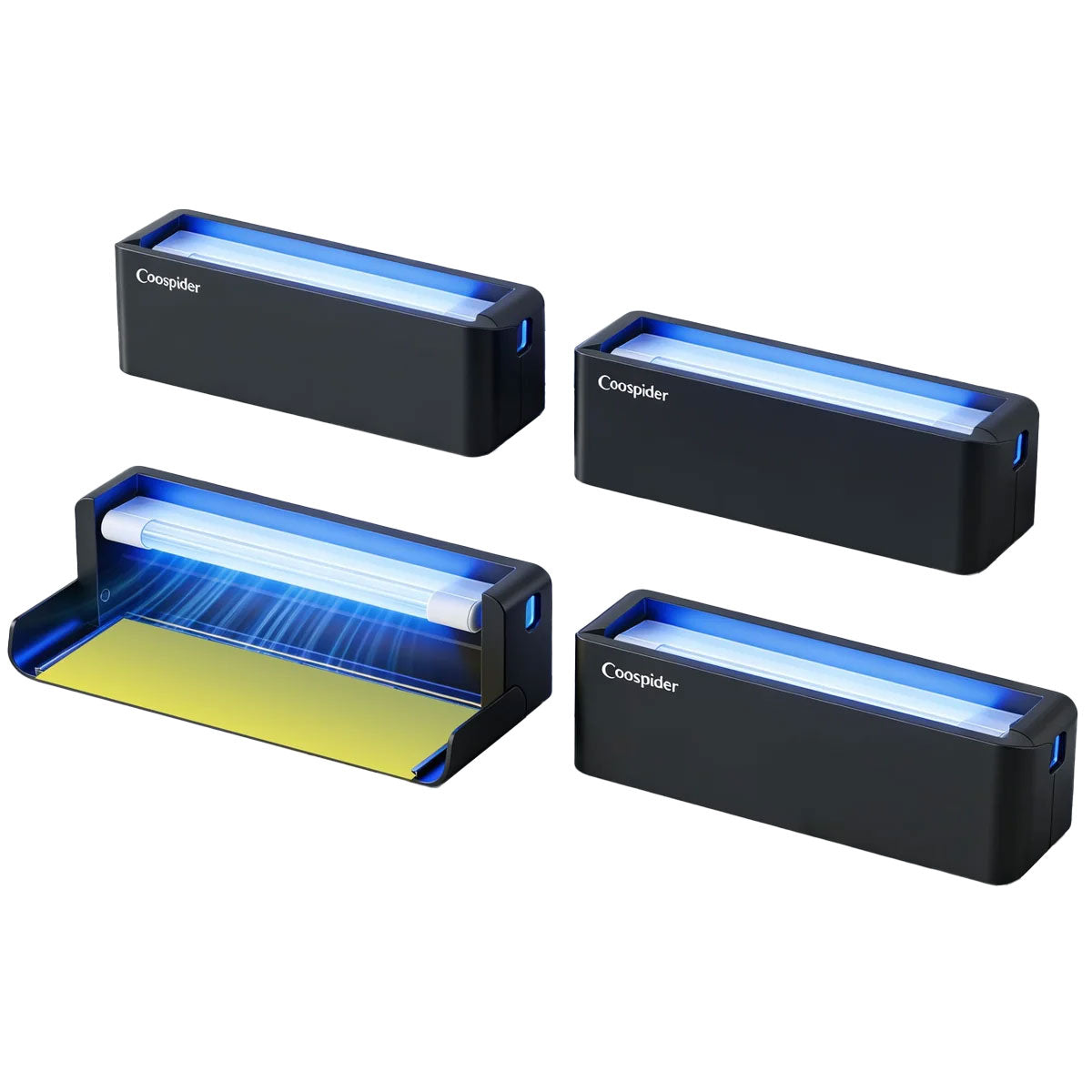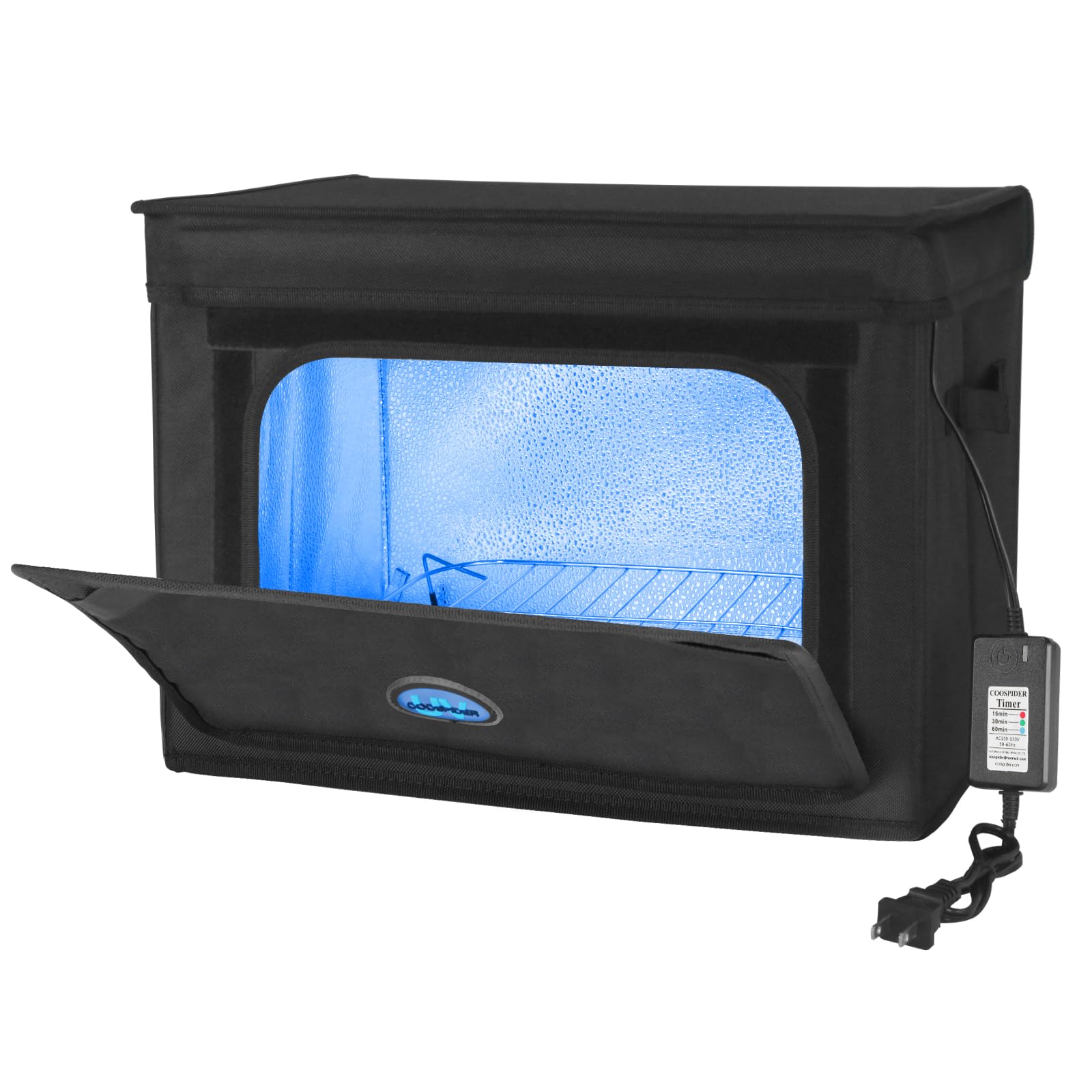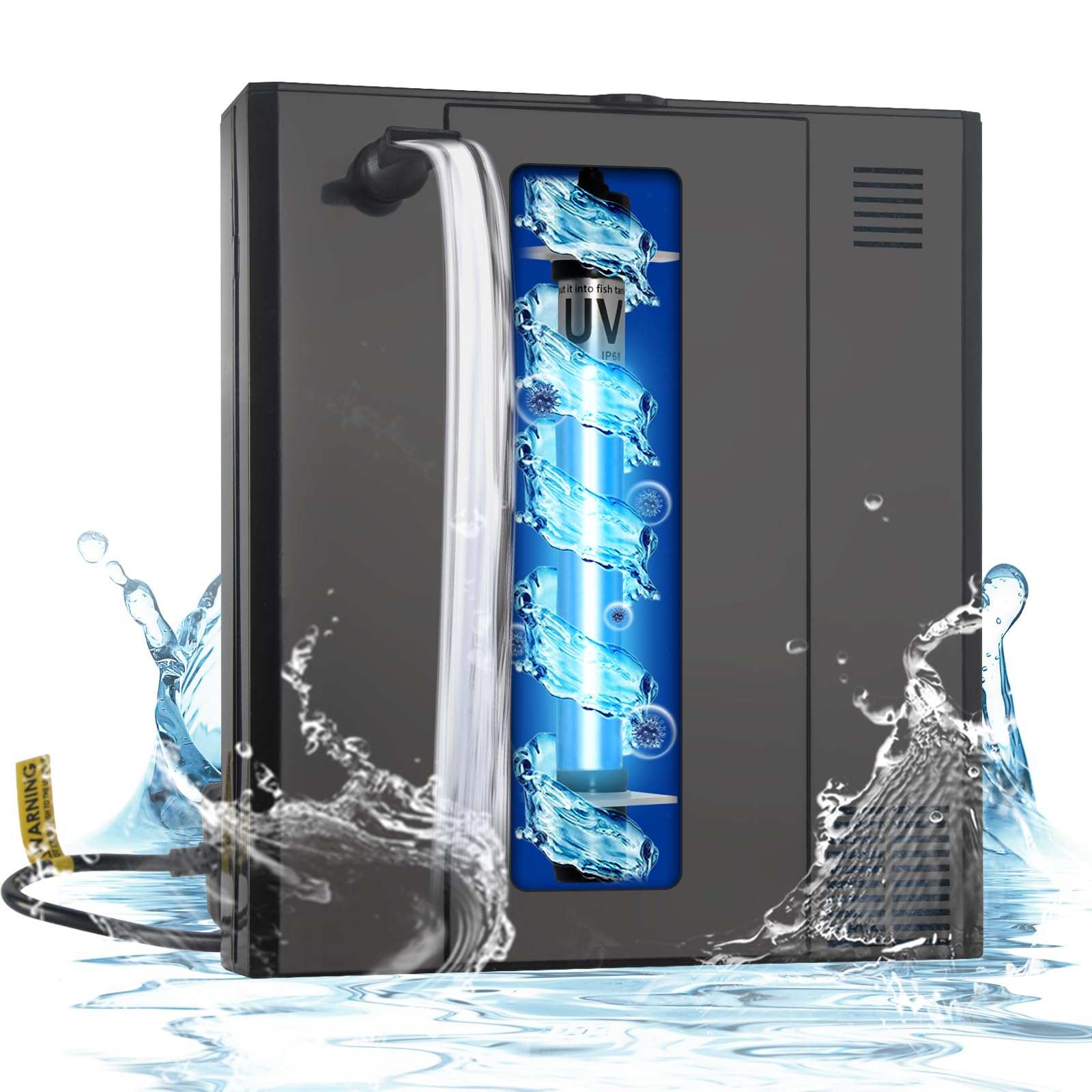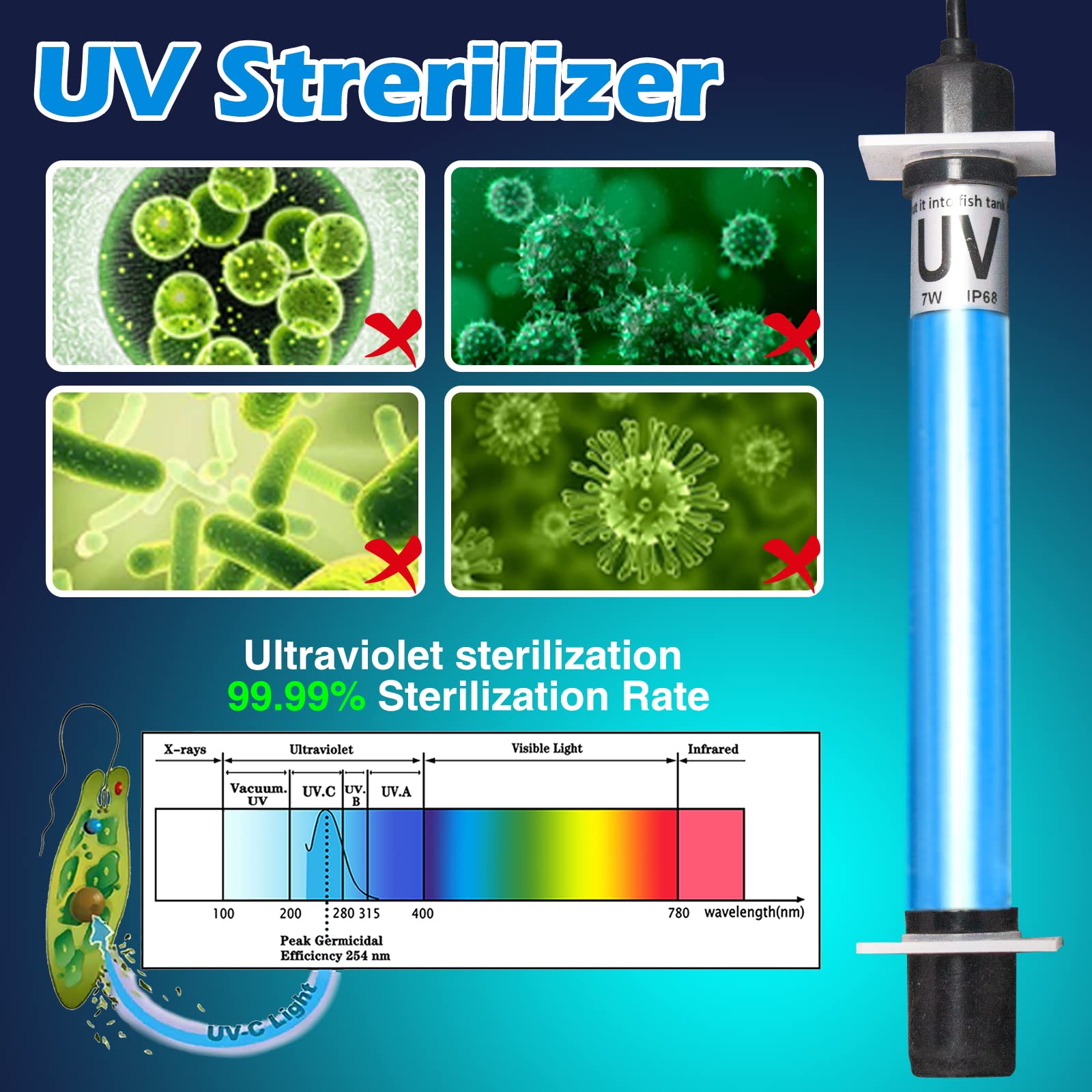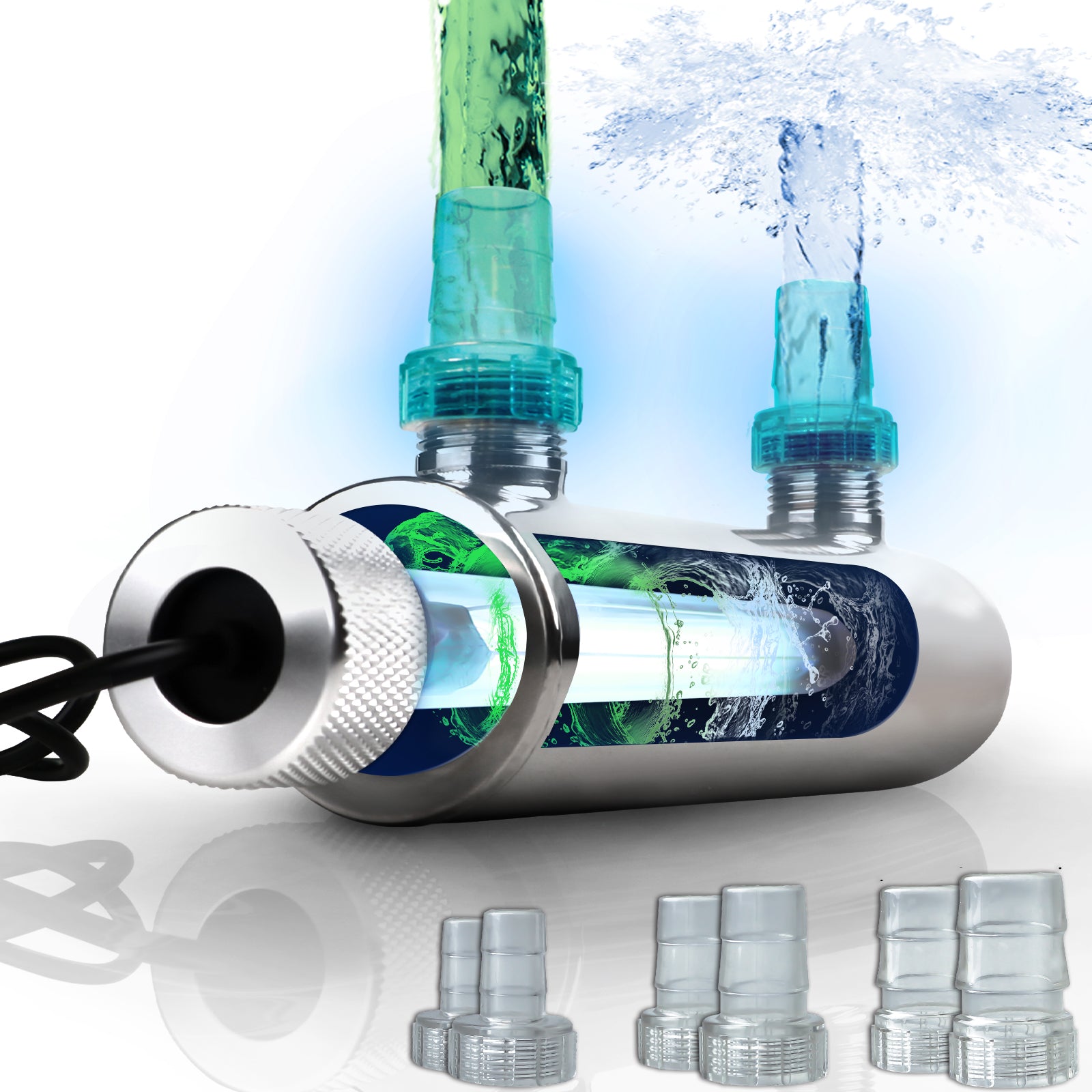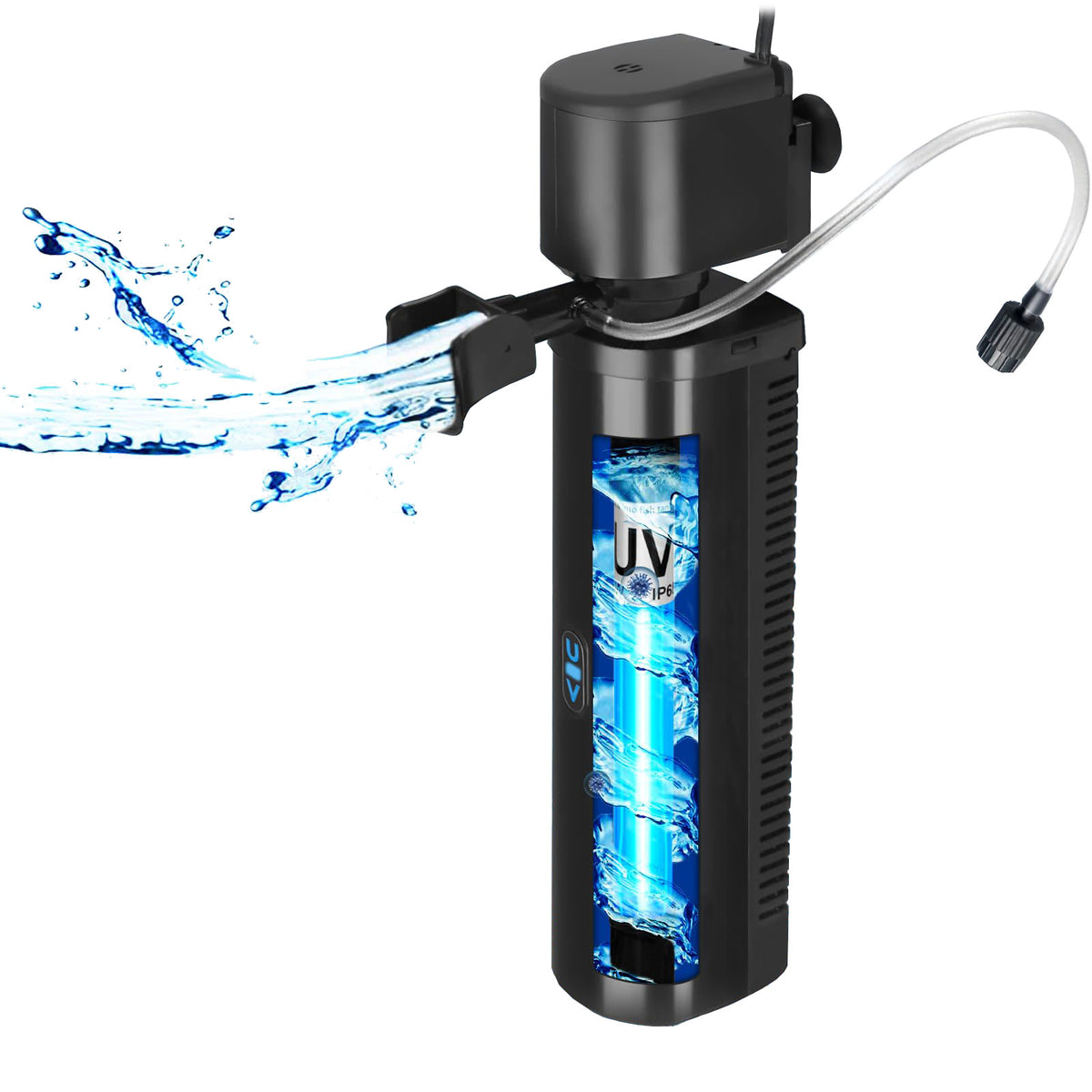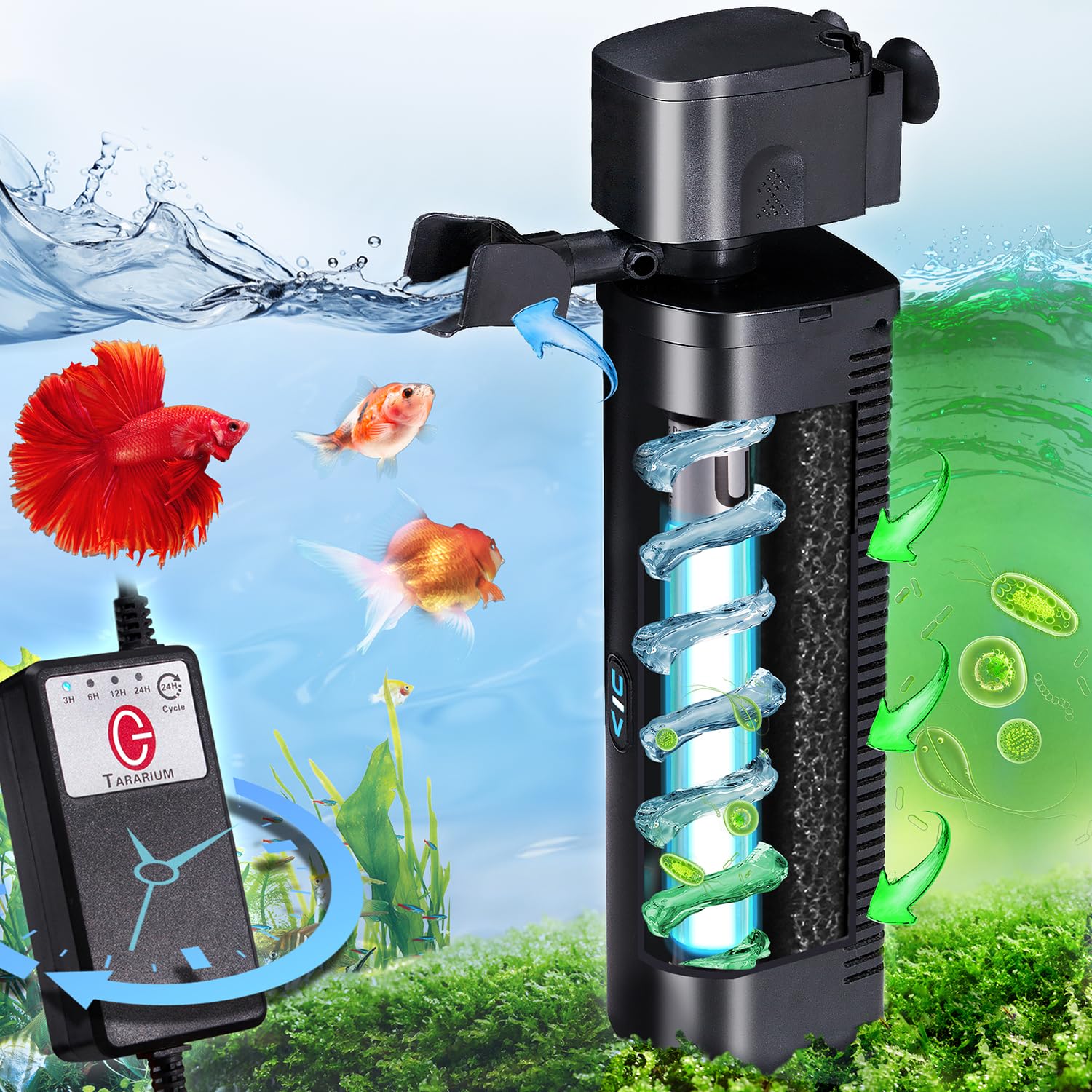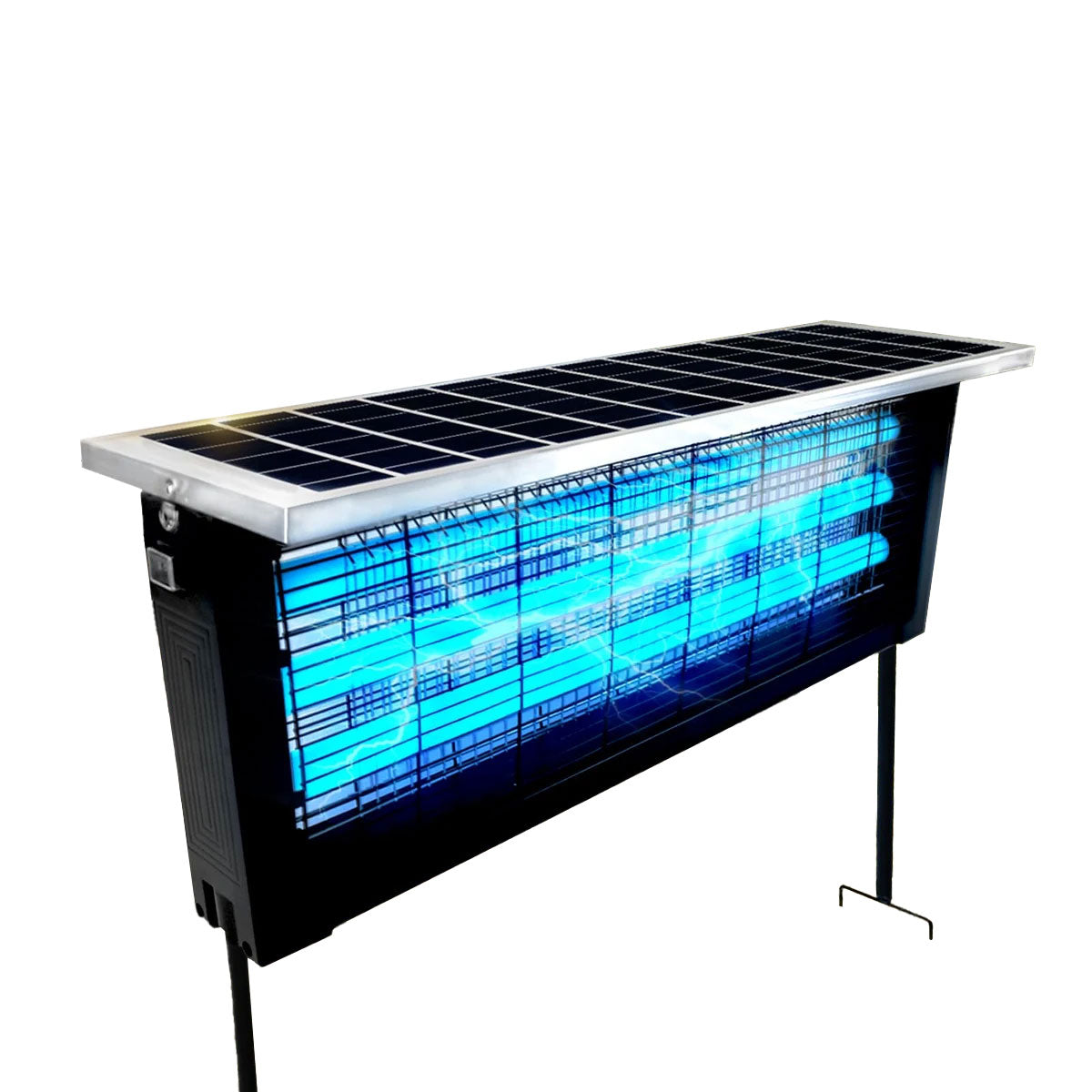
UV disinfection lamps have become a trusted solution for killing bacteria, viruses, and mold across homes, businesses, and industrial environments. From air purifiers and water systems to medical facilities and personal sanitizing devices, UV technology is widely regarded as fast, chemical-free, and highly effective.
But there’s a critical question many users overlook:
How long does a UV lamp actually remain effective—and when should it be replaced?
Unlike traditional light bulbs, UV lamps don’t “burn out” suddenly. They often continue to emit visible light long after their germicidal power has significantly declined. This silent degradation creates a dangerous illusion of protection.
In this comprehensive guide, we’ll explain:
-
How UV lamps work and why output matters more than brightness
-
The real lifespan of different types of UV lamps
-
How usage conditions affect replacement cycles
-
Warning signs your UV lamp is no longer effective
-
Best practices for replacement, safety, and performance
If you rely on UV disinfection for health, safety, or compliance, this article will help you protect what matters most—by replacing your UV lamp at the right time.
1. Why UV Lamp Lifespan Is About Effectiveness, Not Illumination
One of the most common misconceptions about UV lamps is that light equals disinfection.
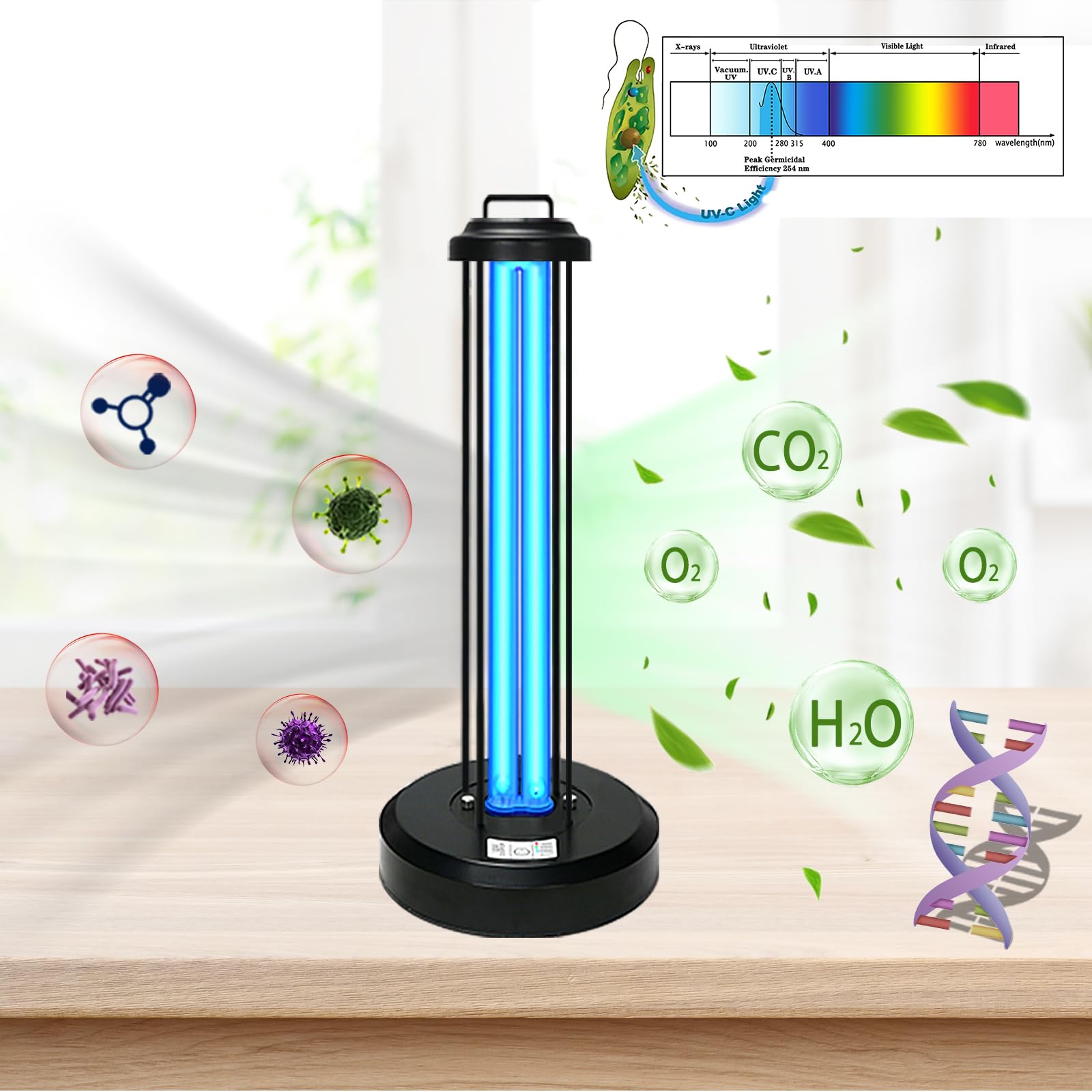
In reality, what kills microorganisms is UV-C radiation at specific wavelengths, primarily around 254 nanometers. As a UV lamp ages, it may still glow—but its UV-C output can drop dramatically.
A lamp emitting only 60–70% of its original UV output may:
-
Fail to inactivate bacteria effectively
-
Leave viruses partially intact
-
Allow mold spores to survive and reproduce
This makes replacement timing a matter of biological effectiveness, not electrical function.
2. How UV Disinfection Lamps Work (Quick Science Refresher)
UV-C light disrupts the DNA and RNA of microorganisms by breaking molecular bonds. Once damaged, bacteria and viruses lose their ability to replicate, rendering them harmless.
However, this process depends on three critical factors:
-
Wavelength (UV-C range)
-
Intensity (irradiance)
-
Exposure time
As UV lamps age, intensity decreases—even if exposure time remains unchanged.
3. The Typical Lifespan of UV Disinfection Lamps
UV lamp lifespan is usually measured in operating hours, not calendar years.
Here’s a general reference:
Low-Pressure Mercury UV Lamps
-
Typical lifespan: 8,000–10,000 hours
-
Common in: air purifiers, water sterilizers, HVAC systems
-
UV output drops gradually over time
Most manufacturers recommend replacement once output falls to 70–80% of the original level.
Compact UV Lamps for Household Devices
-
Typical lifespan: 6,000–8,000 hours
-
Common in: portable sanitizers, UV boxes, countertop units
These are often used intermittently, making calendar life longer—but degradation still occurs.
Amalgam UV Lamps (Industrial/Commercial)
-
Typical lifespan: 12,000–16,000 hours
-
Used in: large water treatment systems, industrial HVAC
Longer lifespan, but still require scheduled replacement.
UV LED Technology (Emerging)
-
Rated lifespan: 10,000–20,000+ hours
-
Still developing for true germicidal UV-C applications
UV LEDs degrade differently and are not yet a full replacement in high-demand environments.
4. Why “Still Turning On” Does Not Mean “Still Working”
This is the most dangerous assumption users make.
A UV lamp can:
-
Light up normally
-
Produce visible blue or purple glow
-
Feel warm to the touch
…and yet deliver insufficient UV-C intensity to disinfect effectively.
In professional environments, UV output is measured using specialized sensors—not the human eye.
5. Factors That Shorten UV Lamp Lifespan
Not all UV lamps age at the same rate.
1. Operating Hours
Continuous-use systems reach end-of-life faster than intermittent devices.
2. On/Off Cycling
Frequent switching shortens lamp life, especially for mercury-based lamps.
3. Temperature and Ventilation
Excessive heat accelerates degradation and reduces UV output.
4. Dust and Surface Contamination
Dirt, oils, and mineral deposits on the quartz sleeve block UV transmission.
5. Electrical Instability
Poor-quality ballasts or fluctuating voltage reduce lifespan.
6. How Often Should You Replace Your UV Lamp? (By Application)
Home Air Purifiers
-
Replacement cycle: Every 9–12 months
-
Even if used intermittently, degradation occurs over time.
Water Purification Systems
-
Replacement cycle: Every 12 months
-
Water safety depends on consistent UV dose—no exceptions.
HVAC UV Lamps (Commercial/Office)
-
Replacement cycle: Every 12–18 months
-
Often replaced on a fixed schedule for compliance.
Medical and Laboratory Equipment
-
Replacement cycle: As specified by manufacturer (often 6–12 months)
-
Performance must meet strict standards.
Portable UV Sanitizers
-
Replacement cycle: After rated hours or 1–2 years
-
Depends heavily on usage frequency.
7. Warning Signs Your UV Lamp Needs Replacement
While UV degradation is often invisible, there are indirect indicators:
-
Increased odors or microbial growth
-
Reduced effectiveness compared to earlier use
-
Failed water or air quality tests
-
Manufacturer timer or indicator alerts
-
Reaching rated operating hours
If your device has a built-in timer, trust it—it’s based on real degradation data.
8. The Role of Quartz Sleeves and Maintenance
Many UV systems use a quartz sleeve to protect the lamp.
Dirty or damaged sleeves can reduce UV transmission by 30–50%, making even a new lamp ineffective.
Best practices:
-
Clean quartz sleeves every 3–6 months
-
Replace cracked or cloudy sleeves immediately
Maintenance and replacement go hand in hand.
9. Why Delaying Replacement Can Be Risky
Using an expired UV lamp can result in:
-
False sense of security
-
Increased health risks
-
Regulatory non-compliance
-
Product liability issues
In critical environments, this risk far outweighs the cost of replacement.
10. Cost vs. Performance: Is Replacement Worth It?
Many users hesitate to replace UV lamps because:
-
The lamp still lights up
-
Replacement seems expensive
However, the cost of an ineffective UV lamp includes:
-
Illness
-
Contamination
-
Equipment downtime
-
Loss of trust
In comparison, scheduled replacement is a small, predictable investment.
11. How to Track UV Lamp Usage Accurately
Best methods include:
-
Built-in hour counters
-
Maintenance logs
-
Automated system alerts
Relying on memory or visual checks is unreliable.
12. Safety Considerations When Replacing UV Lamps
UV lamps require careful handling:
-
Wear gloves to avoid skin oils on quartz
-
Dispose of mercury lamps according to regulations
-
Avoid direct UV exposure during testing
Always follow manufacturer instructions.
13. Common Myths About UV Lamp Replacement
Myth 1: If it lights up, it works
Reality: UV output may be insufficient.
Myth 2: UV lamps last forever
Reality: All UV sources degrade.
Myth 3: Replacement is optional
Reality: Replacement is essential for effectiveness.
14. Planning a Replacement Schedule That Works
Smart users:
-
Align replacement with routine maintenance
-
Budget replacement costs annually
-
Keep spare lamps on hand
This prevents downtime and performance gaps.
15. The Future of UV Lamp Lifespan Technology
Advancements include:
-
Longer-life amalgam lamps
-
Smarter monitoring systems
-
Improved UV LED efficiency
But until UV LEDs fully mature, replacement remains unavoidable.
Conclusion: UV Disinfection Is Only as Strong as Its Lamp
A UV disinfection system doesn’t fail all at once—it fades.
The difference between effective sterilization and false protection often comes down to timely replacement.
If you depend on UV technology to protect:
-
Health
-
Water quality
-
Indoor air
-
Customers or family
Then replacing your UV lamp on schedule isn’t optional—it’s essential.
A UV lamp’s true lifespan ends not when it goes dark, but when it can no longer do its job.
Replace it before that happens.