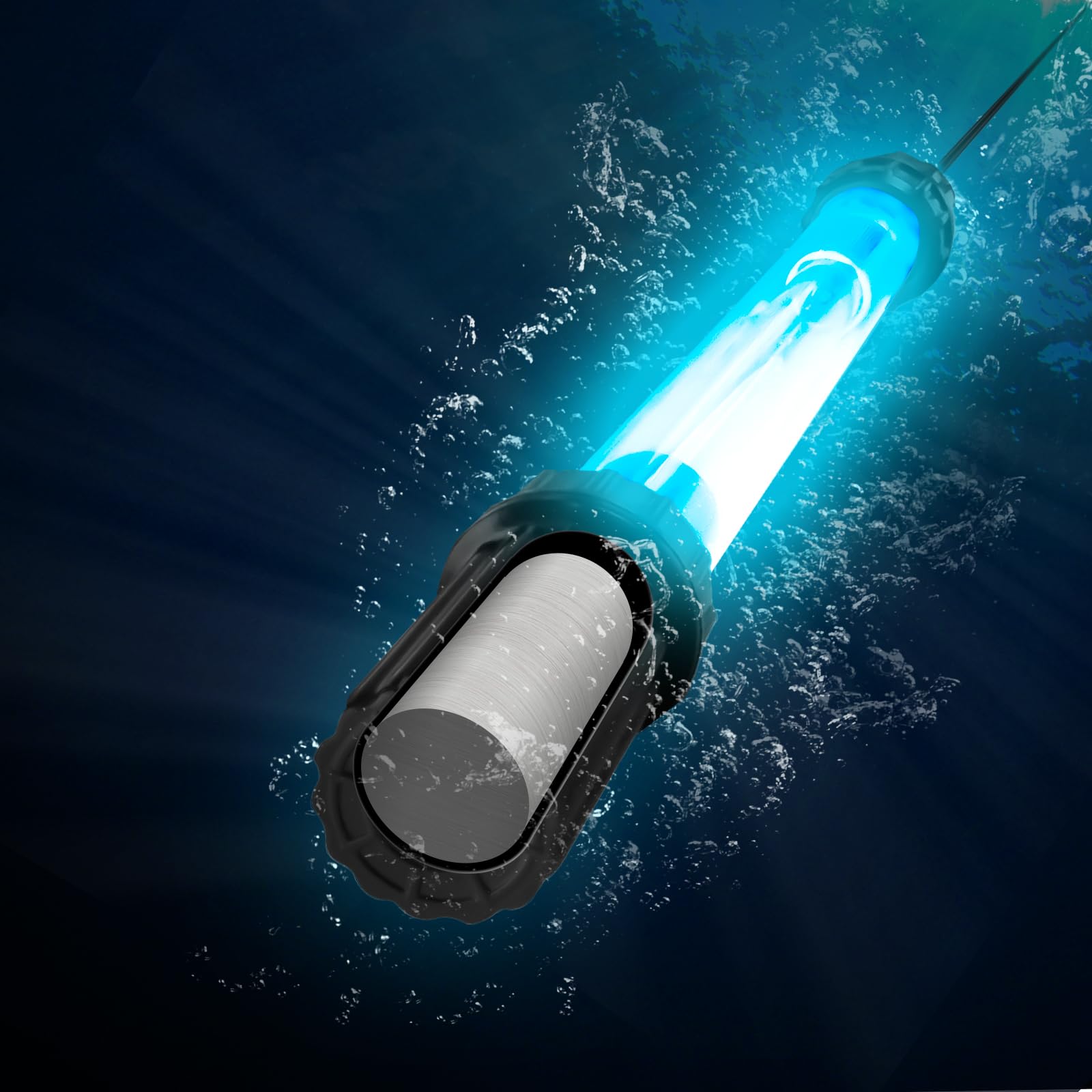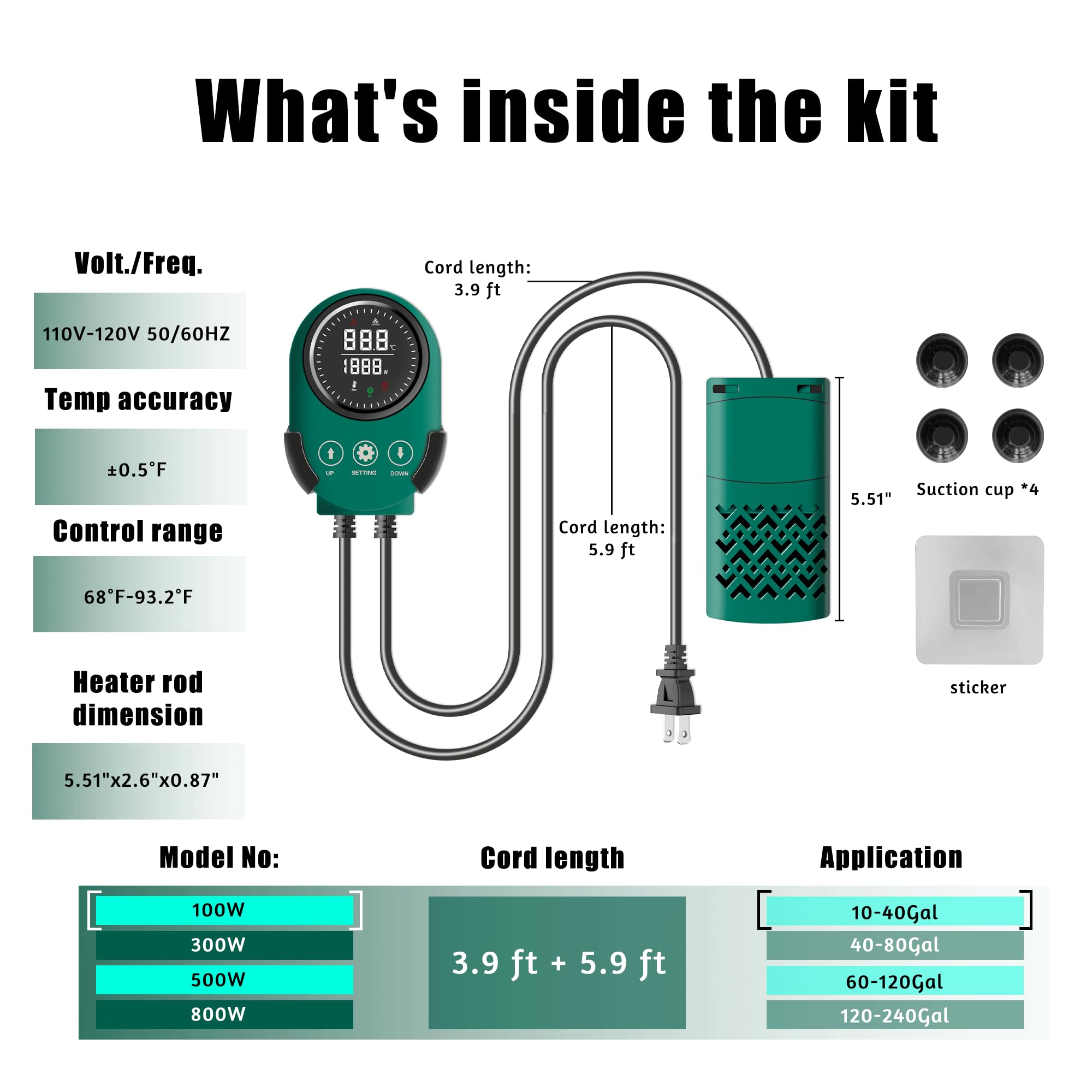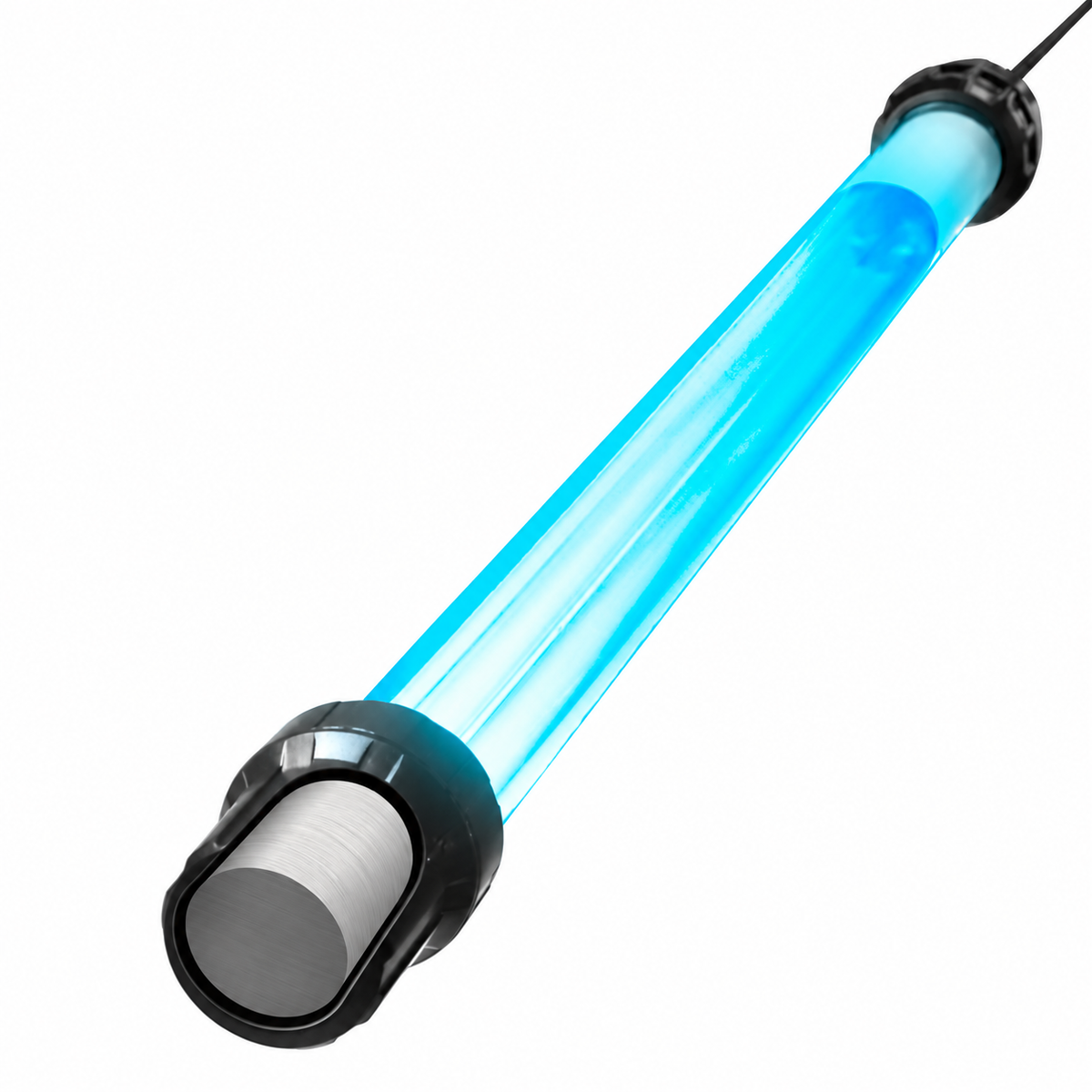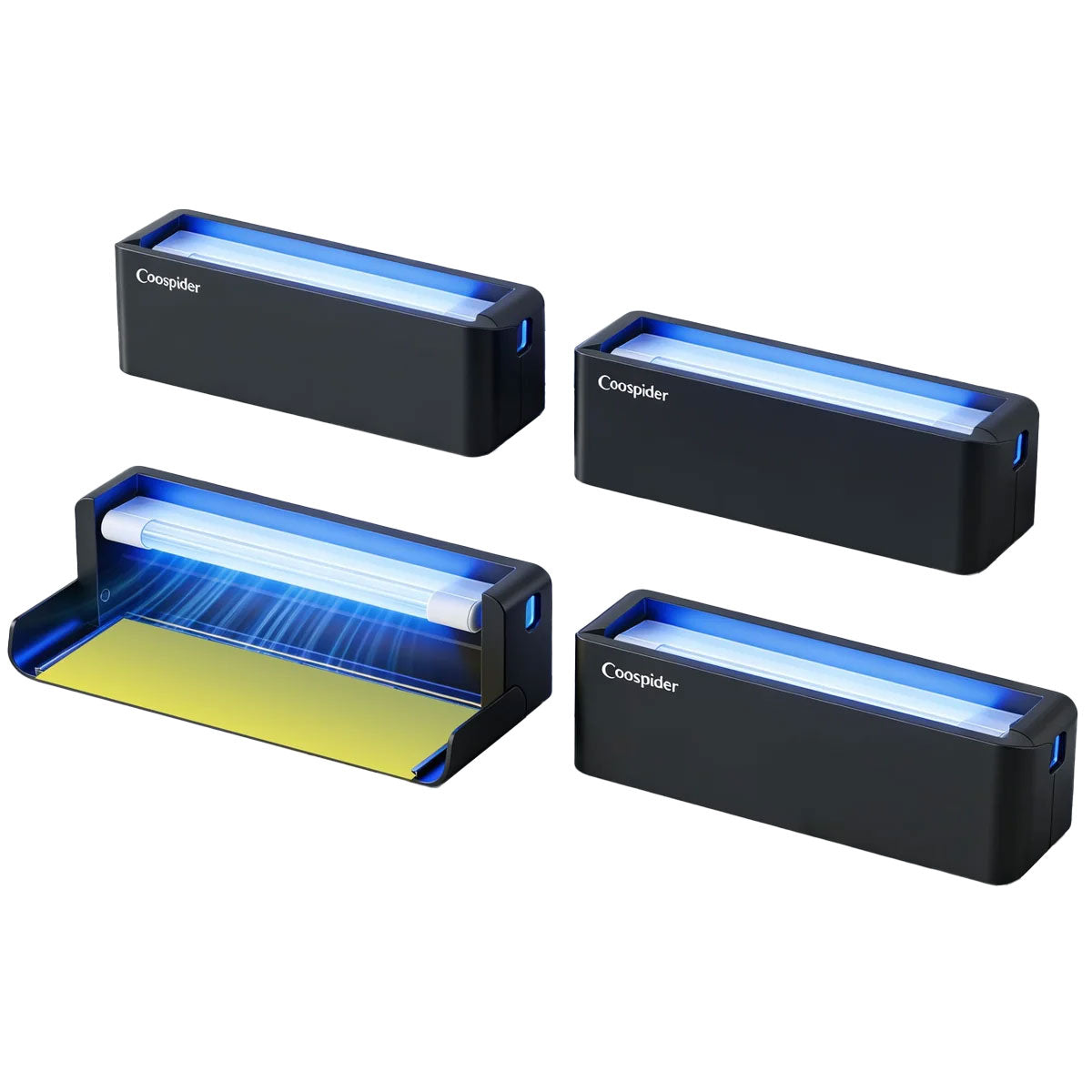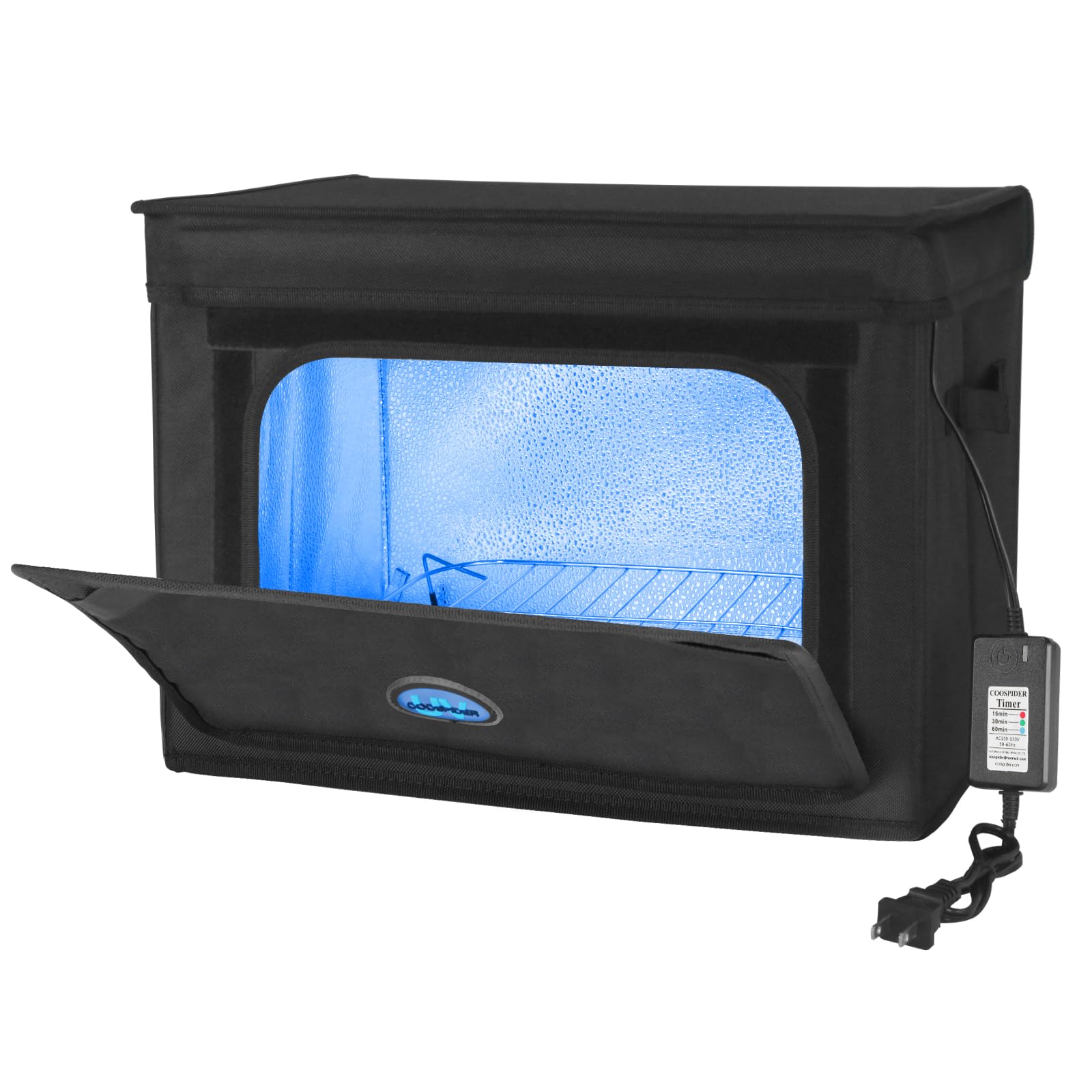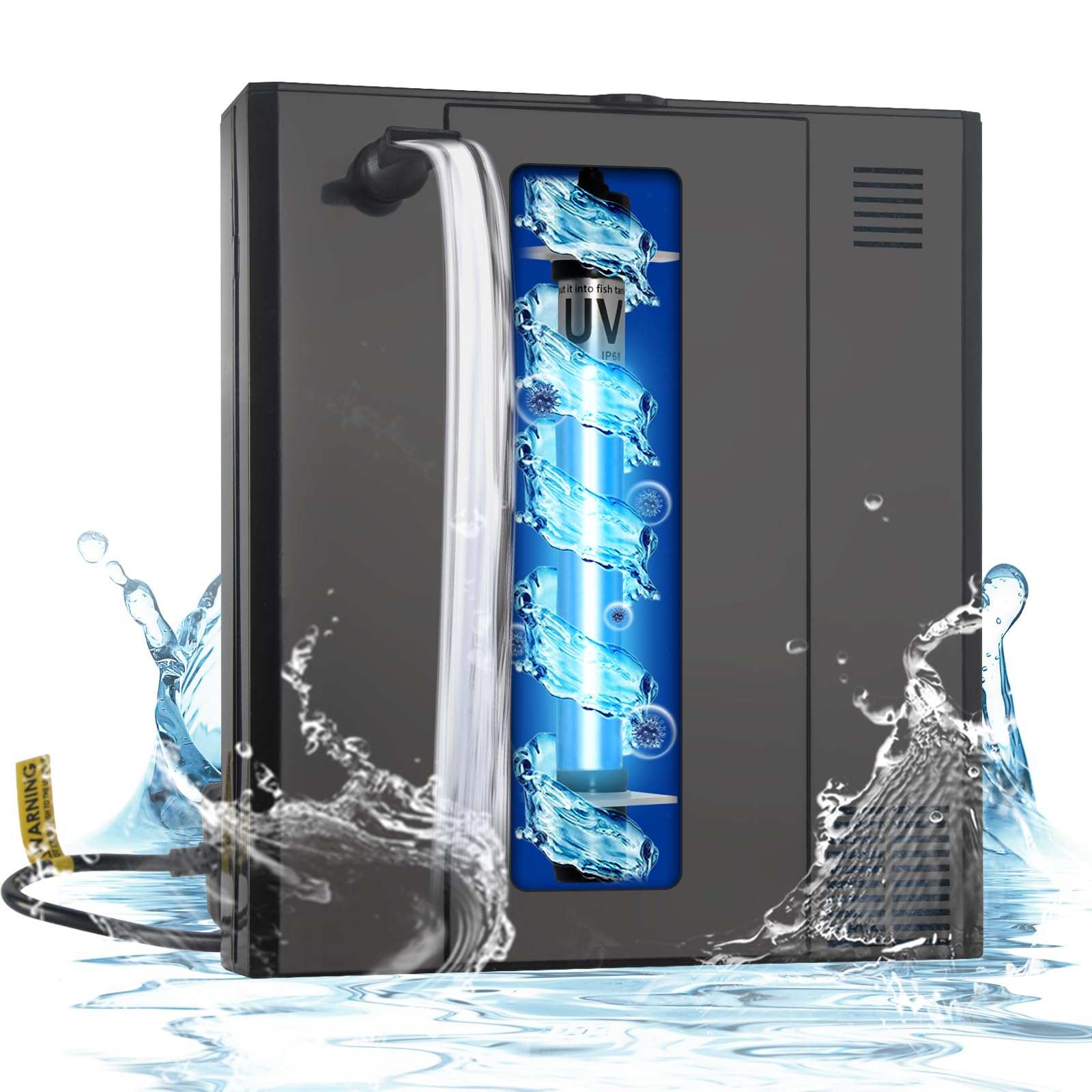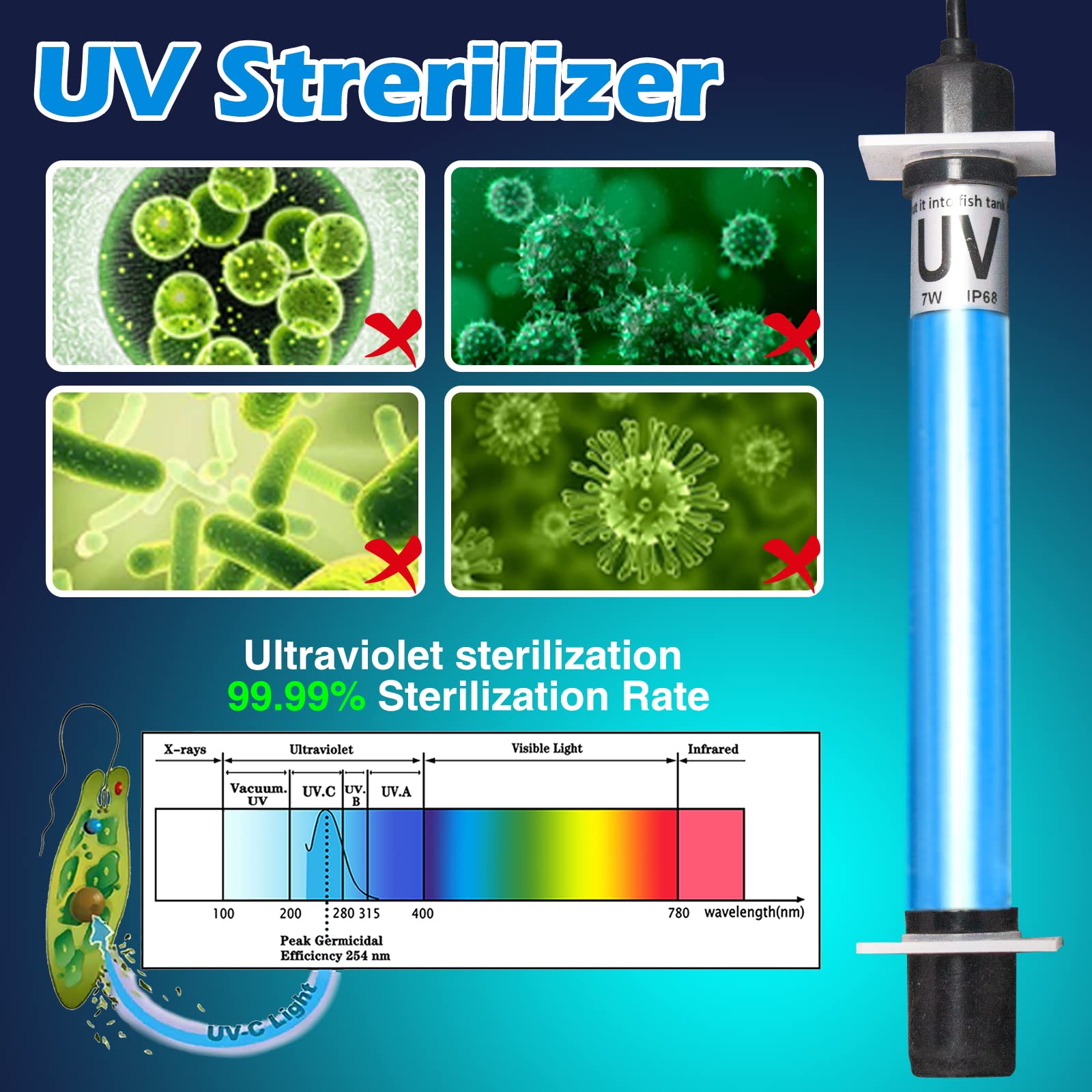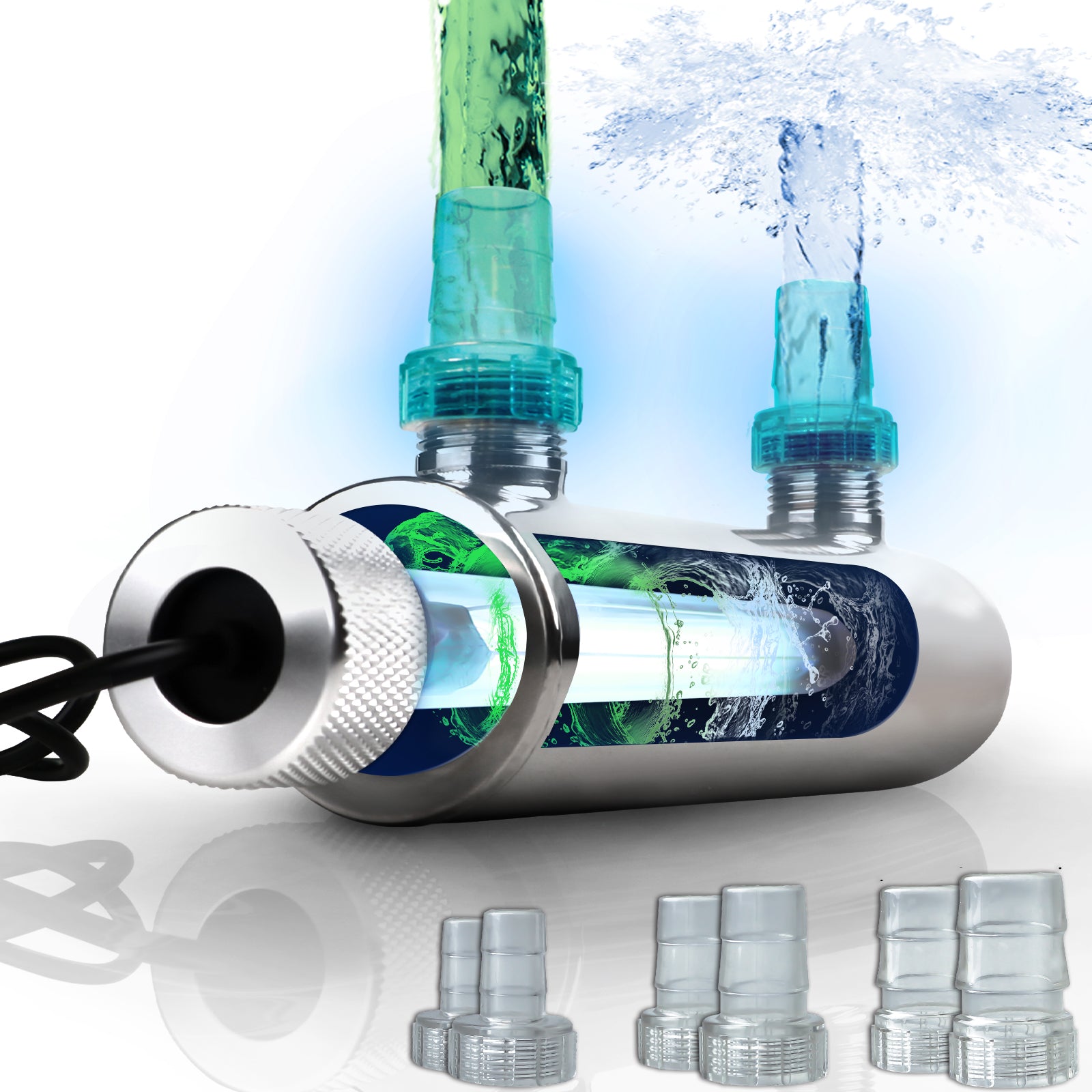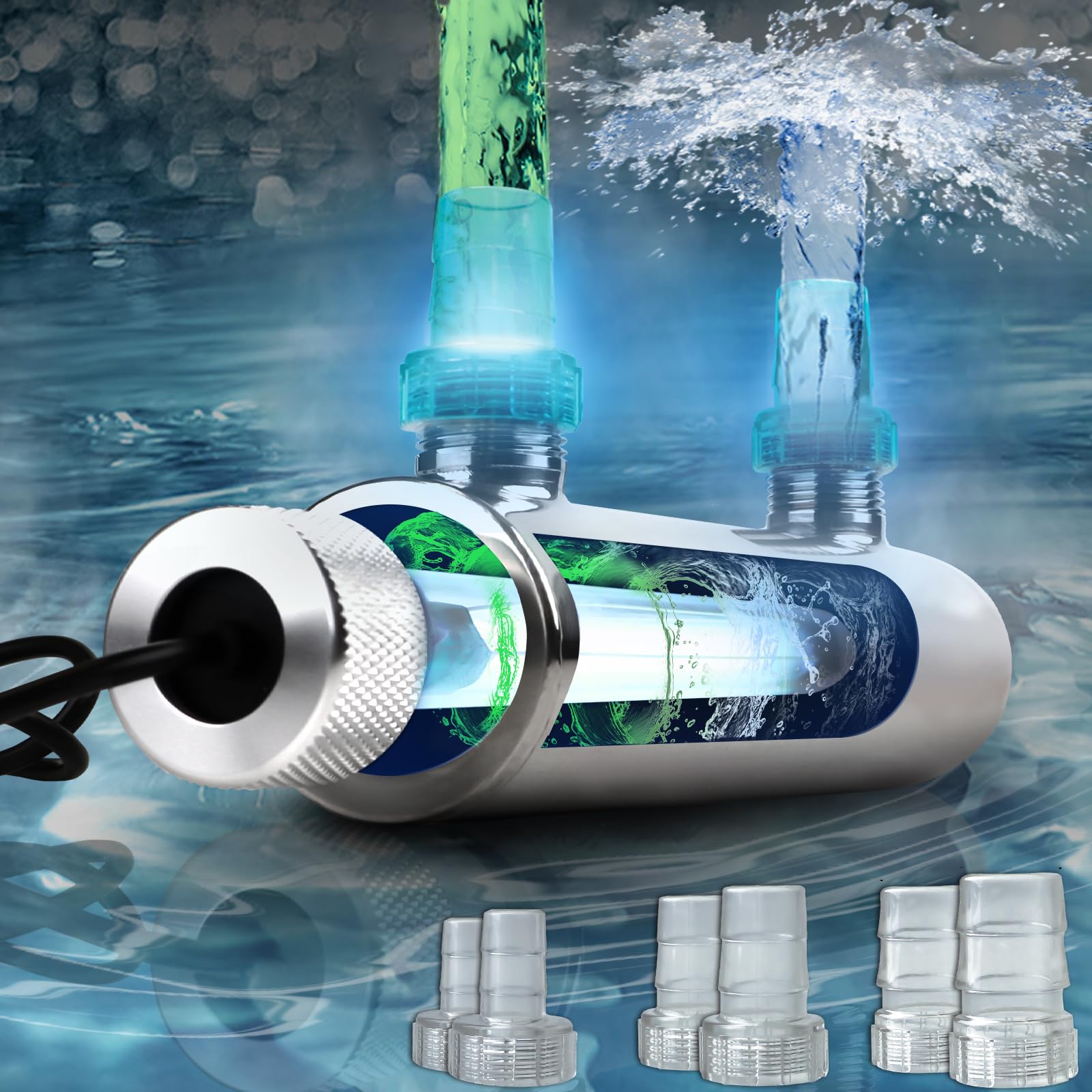
Ultraviolet (UV) germicidal lamps have rapidly moved from hospitals and laboratories into homes, offices, schools, and small businesses. They promise chemical-free disinfection, fast pathogen inactivation, and powerful sterilization performance.
But with that power comes responsibility.
UV disinfection is not dangerous by default—but misunderstood UV use can be. The problem is not the technology itself. The problem is incomplete knowledge, oversimplified marketing, and users treating UV lamps like ordinary household lights.
This article exists for one purpose: to put safety first.
By understanding how UV germicidal lamps interact with the human body—and by following five essential protection measures—you can use UV technology confidently, effectively, and responsibly.
1. Why UV Safety Deserves Serious Attention
UV Light Is Invisible—but Not Harmless
One of the most dangerous characteristics of ultraviolet radiation is that it is invisible. Unlike heat or bright visible light, UV exposure provides little immediate sensory warning.
You don’t feel UV burning your skin in real time.
You don’t see UV damaging your eyes as it happens.
This invisibility is exactly why safety protocols matter.
Germicidal UV Is Designed to Damage DNA
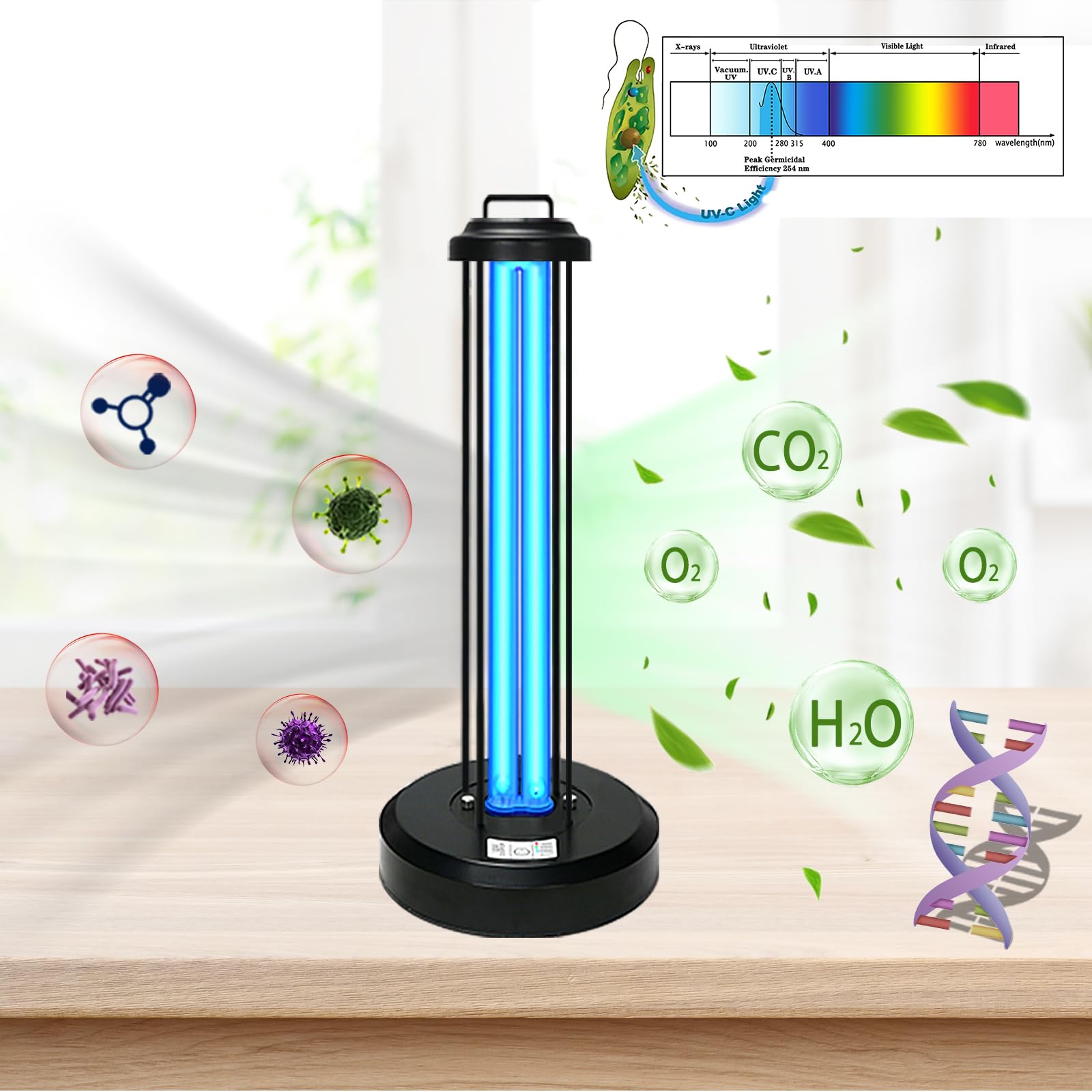
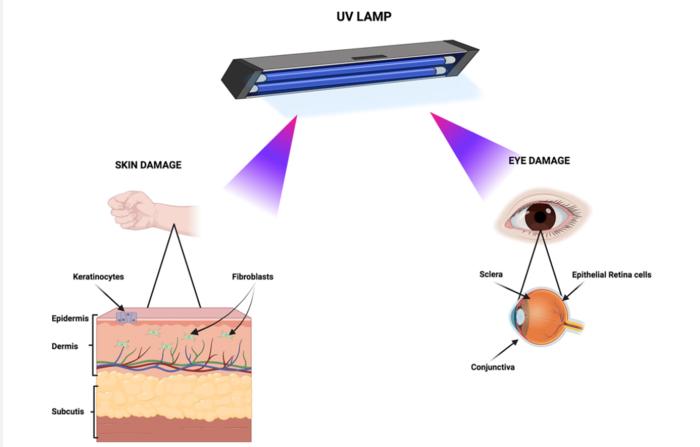
UV-C light works by damaging DNA and RNA. That’s what makes it effective against bacteria and viruses—but it’s also why human cells are vulnerable to improper exposure.
The same mechanism that disables microbes can damage:
-
Skin cells
-
Corneal tissue
-
Retinal cells
Safety is not optional. It is integral to correct use.
2. Understanding the Real Risks of UV Exposure
Skin Risks
Overexposure to UV-C can cause:
-
Erythema (UV-induced skin irritation)
-
Premature skin aging
-
Increased long-term cancer risk (with repeated exposure)
UV-C does not penetrate deeply into the skin, but surface damage accumulates.
Eye Risks
Eyes are significantly more vulnerable than skin.
Improper UV exposure may lead to:
-
Photokeratitis (corneal inflammation)
-
Conjunctivitis
-
Temporary vision impairment
-
Long-term ocular damage
Unlike skin, eye damage can occur quickly and without pain during exposure.
The Takeaway
UV lamps are not “toxic,” but they are biologically active tools. Treating them casually is the fastest way to create unnecessary risk.
3. Protection Measure #1: Never Allow Direct Human Exposure
The Golden Rule of UV Safety
No direct exposure to skin or eyes—ever.
This rule applies regardless of:
-
Exposure duration
-
Lamp size
-
Claimed safety features
If a UV lamp is operating in germicidal mode, people and pets should not be present unless the system is explicitly designed and certified for occupied spaces.
Common Exposure Mistakes
-
Turning on UV lamps “just for a minute”
-
Assuming reflected UV is harmless
-
Believing low-wattage lamps are safe to watch
UV damage is cumulative and unpredictable. There is no safe shortcut.
Best Practice
Use UV lamps:
-
In unoccupied rooms
-
Inside enclosed devices
-
Within shielded systems
If you can see the lamp operating, you should question whether exposure is properly controlled.
4. Protection Measure #2: Use Physical Barriers and Enclosures
Why Barriers Matter More Than Distance
UV intensity decreases with distance—but barriers eliminate risk entirely.
Proper UV systems rely on:
-
Enclosed chambers
-
Shielded housings
-
Opaque materials
Clear glass and plastic do not always block UV-C effectively.
Enclosed Systems Are the Safest Option
Examples include:
-
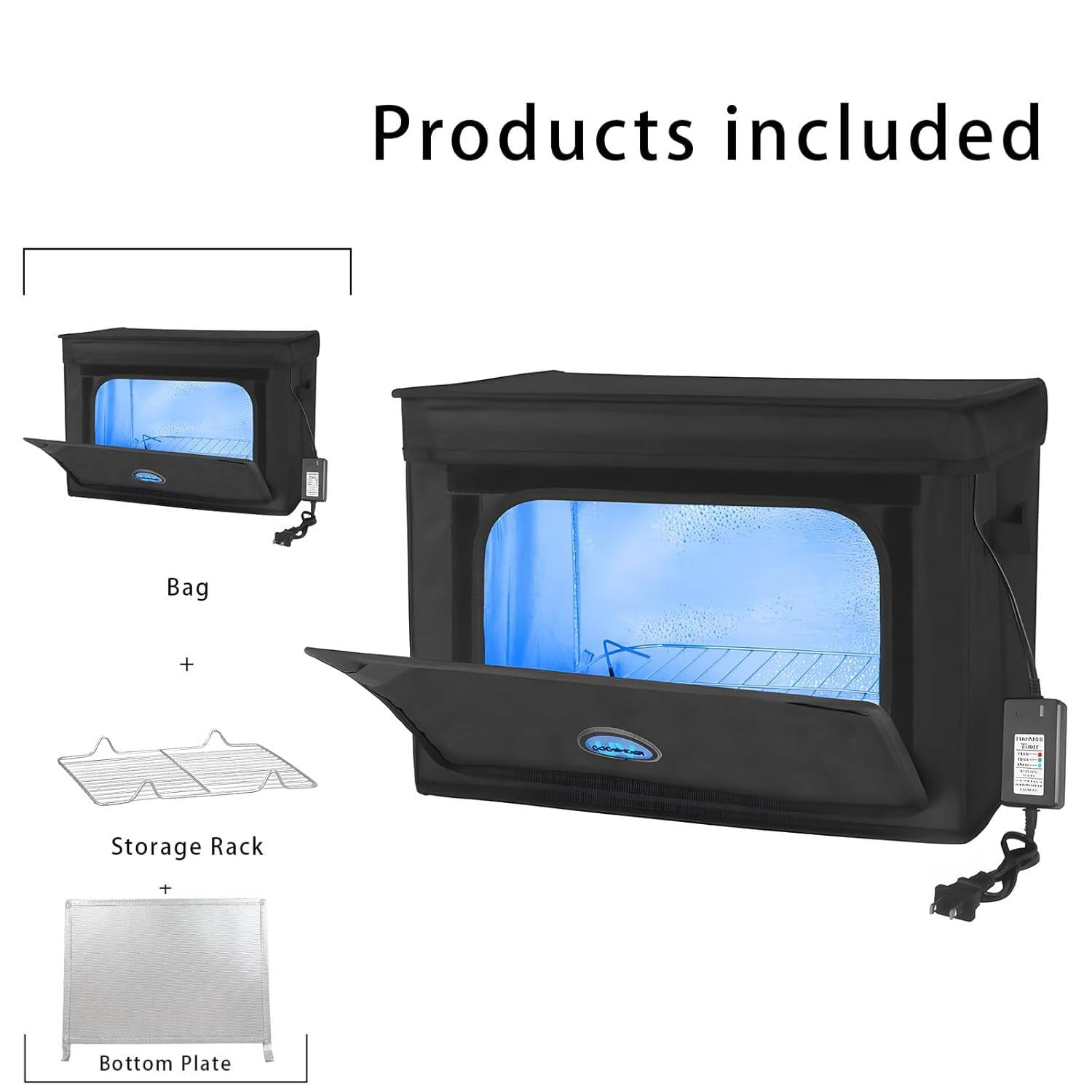
UV sterilization boxes
-
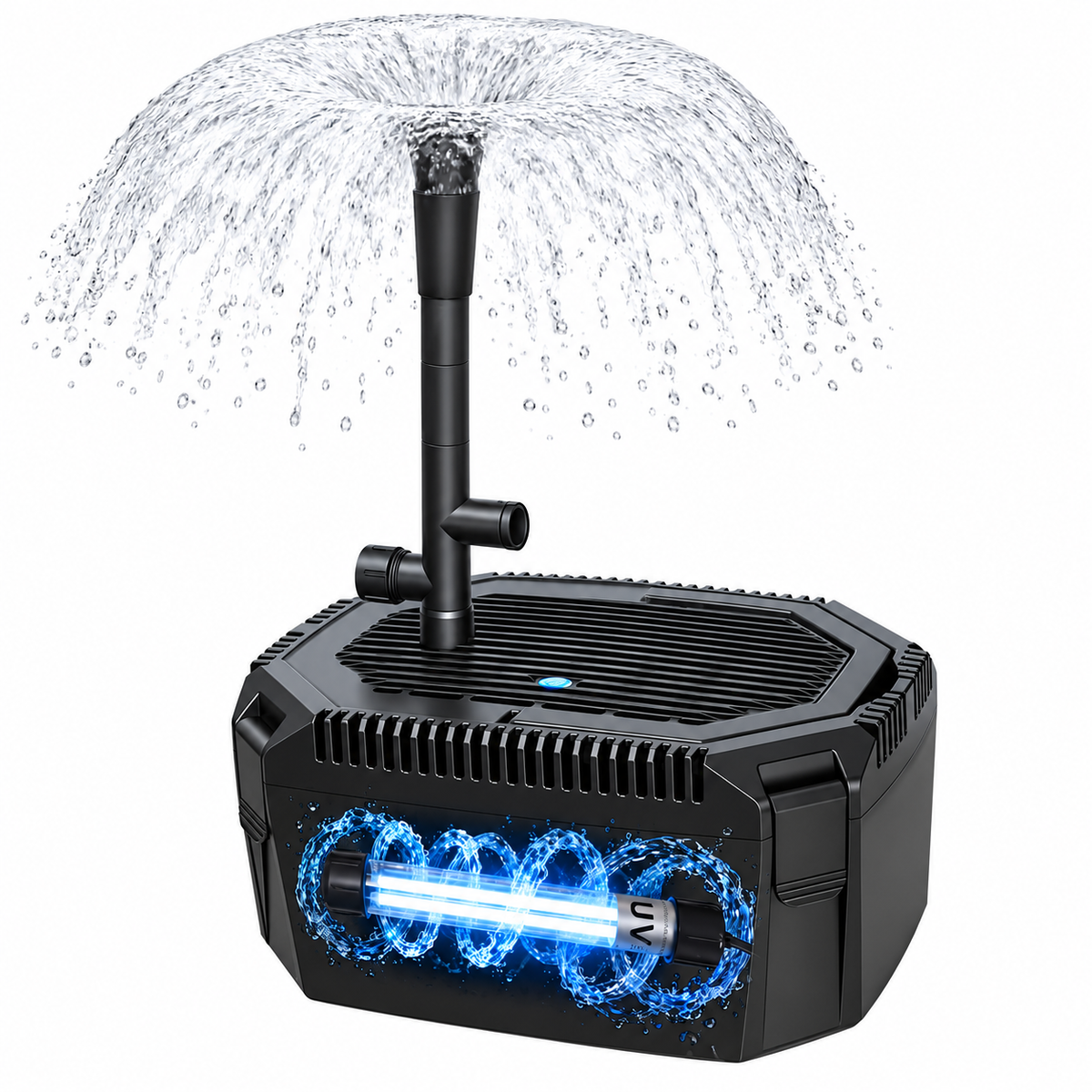
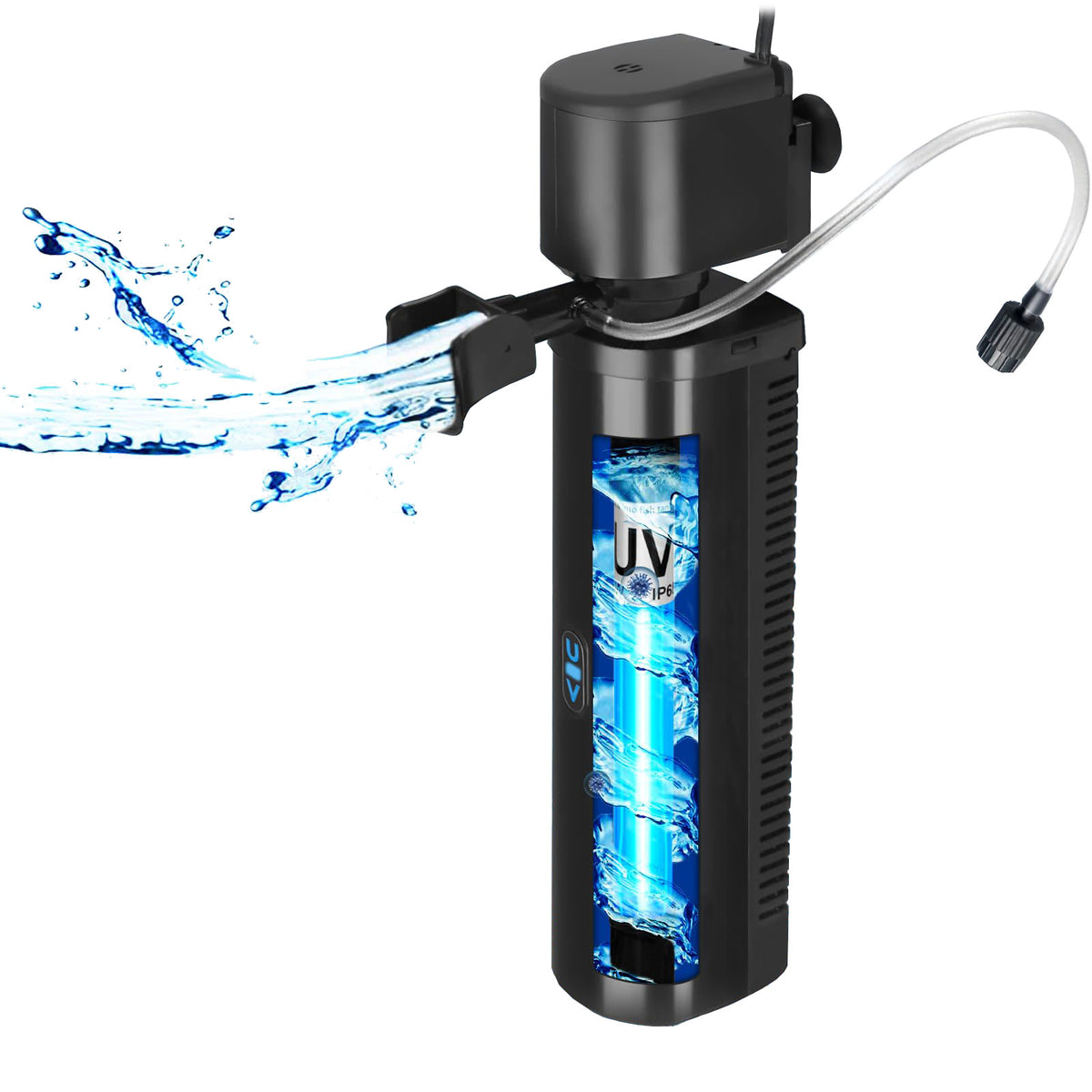
Enclosed air purifiers with internal UV
-
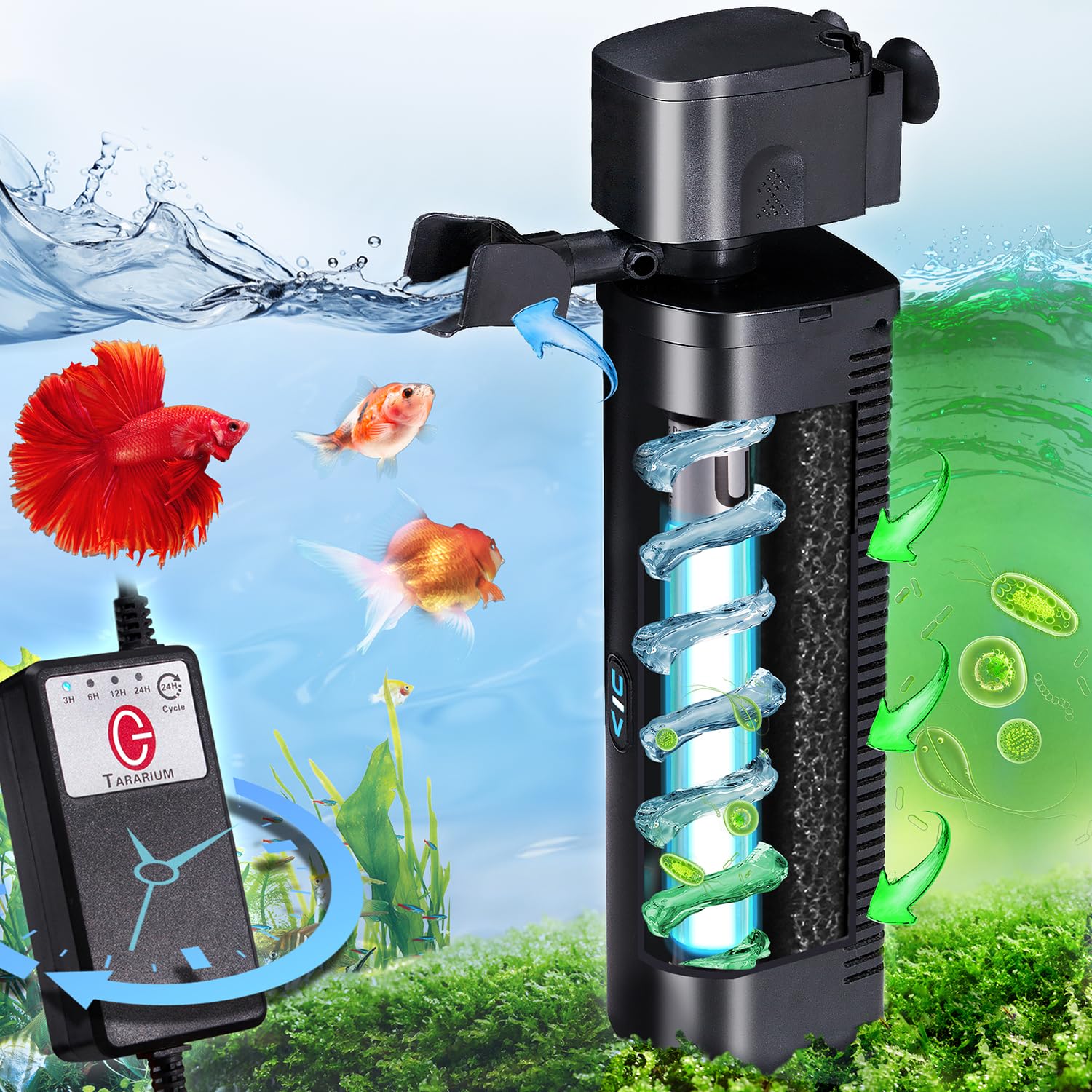
Water purification chambers
These designs ensure UV light never escapes into occupied space.
DIY Exposure Is a Red Flag
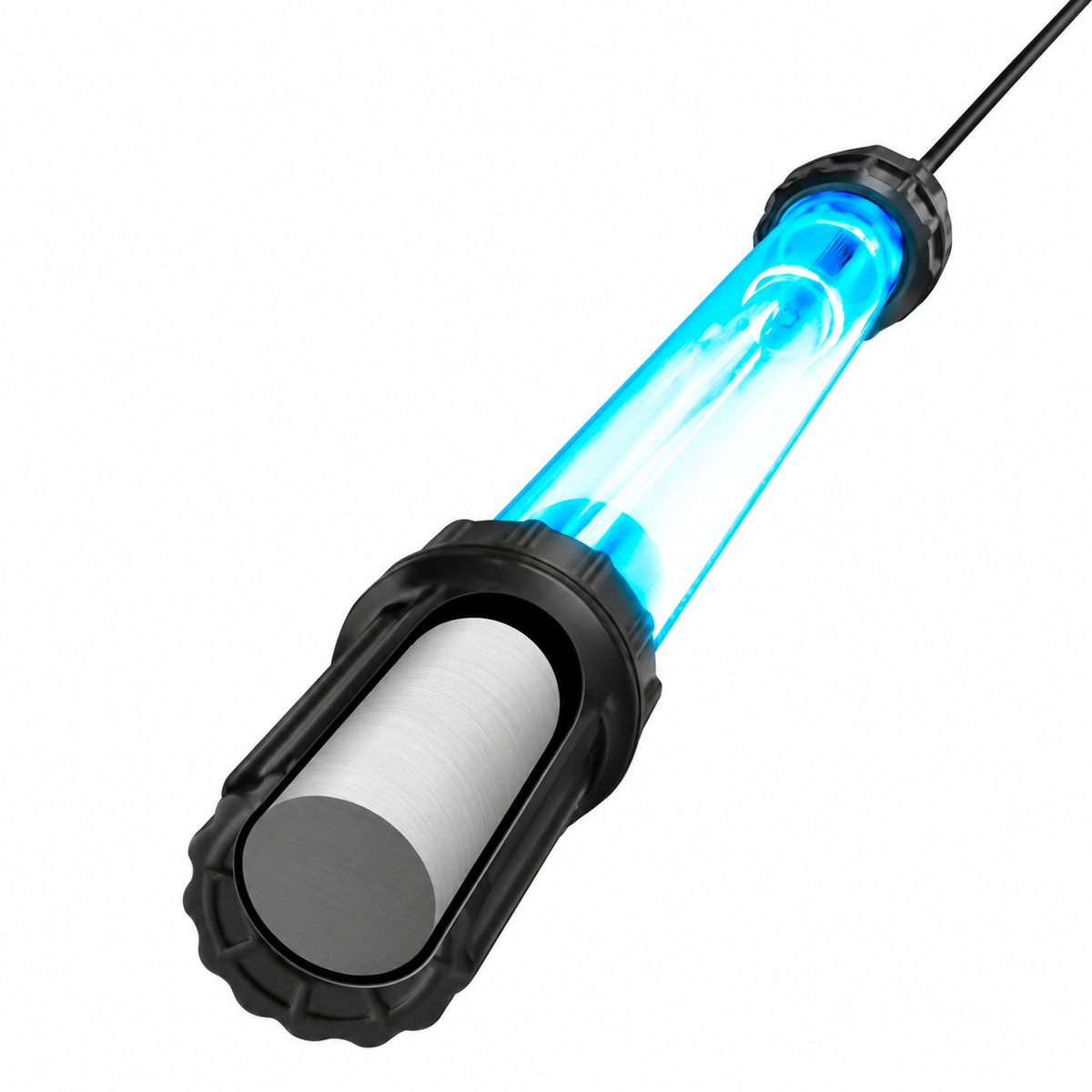
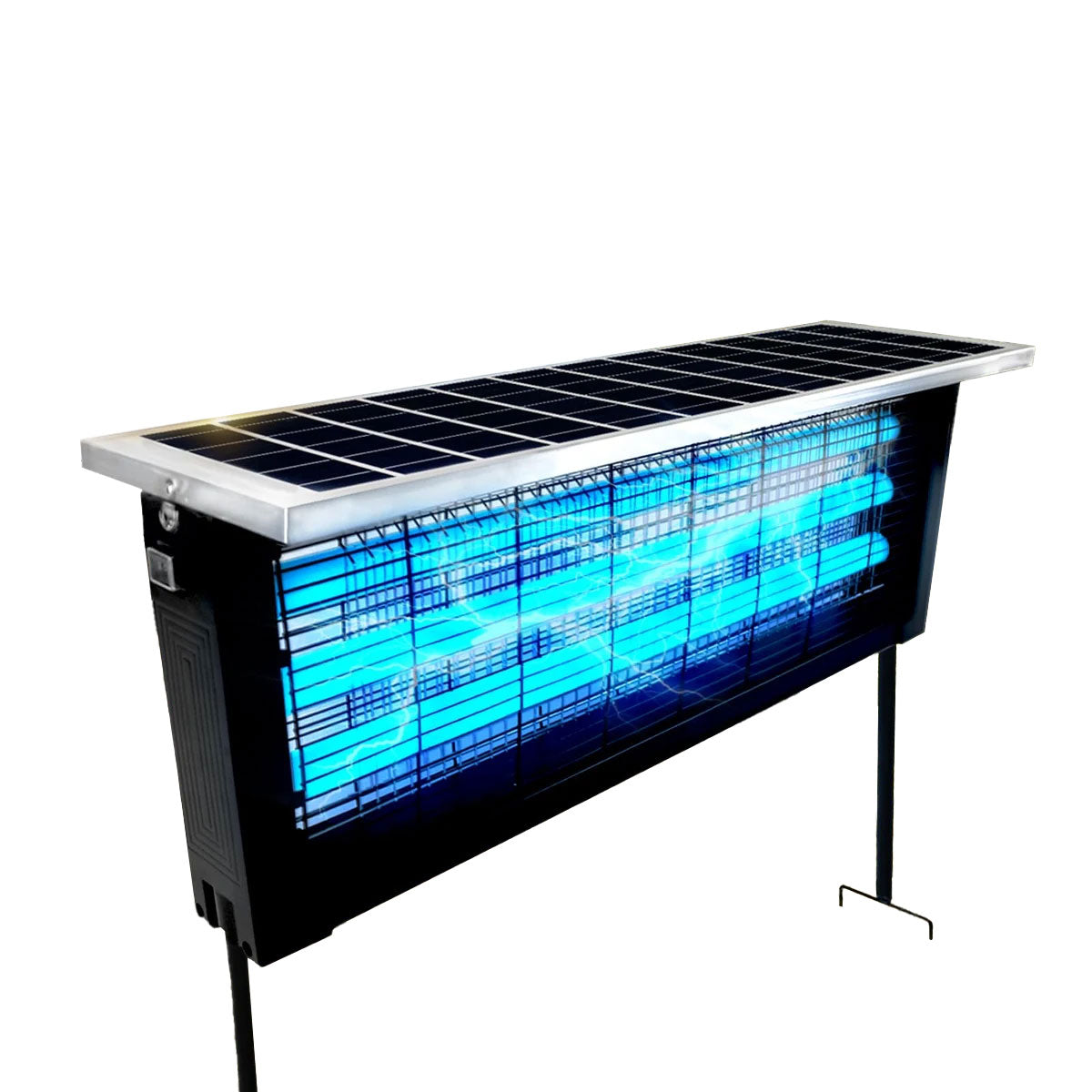
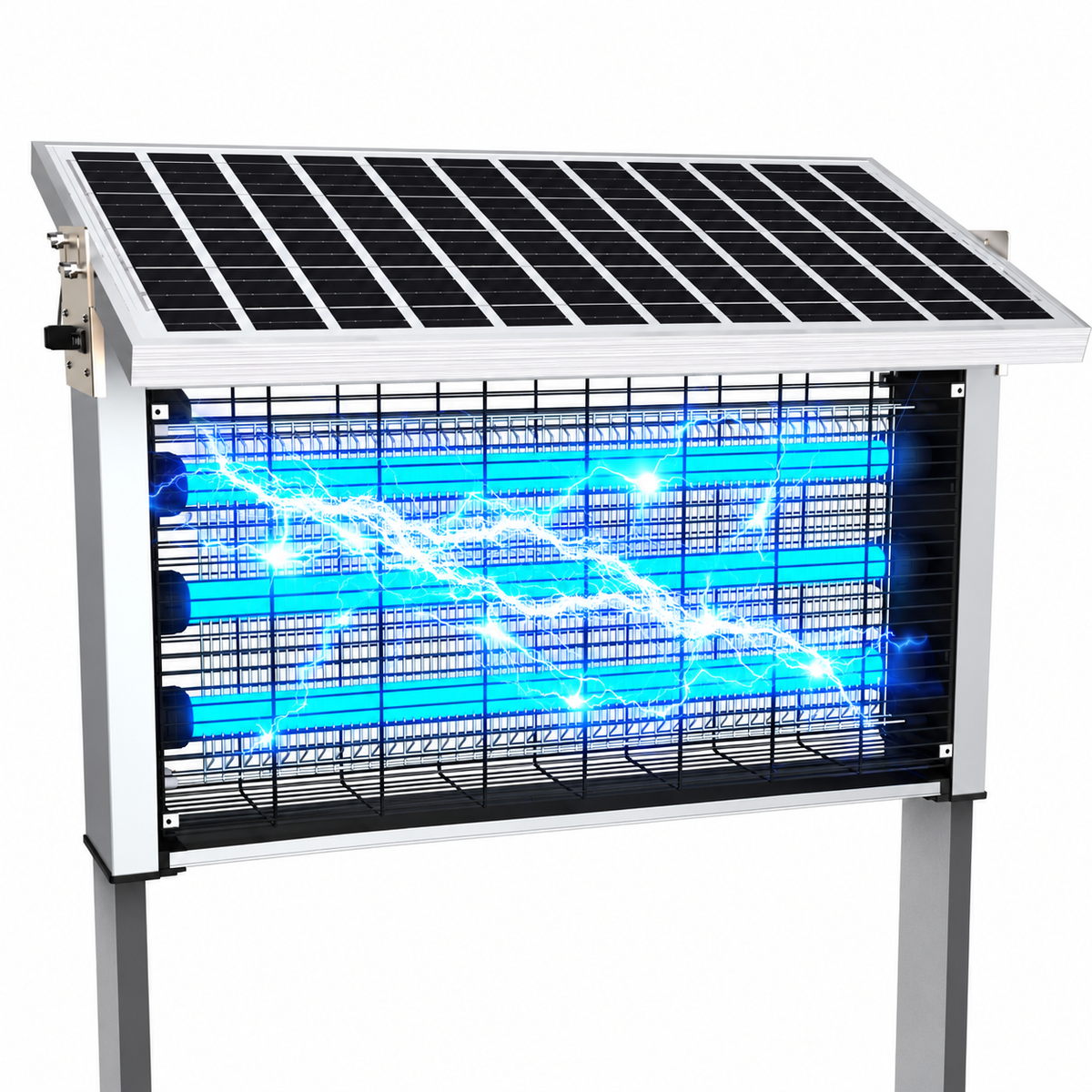
Improvised UV setups—open bulbs, handheld wands without shielding, or exposed fixtures—are the leading cause of accidental exposure.
Professional design exists for a reason.
5. Protection Measure #3: Always Use Proper Timing and Automation
Time Is a Safety Variable
UV effectiveness depends on exposure time—but human safety depends on limiting exposure time to zero.
That’s why modern UV systems incorporate:
-
Timers
-
Motion sensors
-
Automatic shutoff mechanisms
Manual operation increases risk.
Why Automation Reduces Human Error
Humans forget.
Humans misjudge time.
Humans take shortcuts.
Automation doesn’t.
A properly configured UV system should:
-
Shut off if motion is detected
-
Operate only for pre-set durations
-
Require intentional activation
Never Override Safety Controls
Disabling timers or sensors defeats the purpose of the system and voids its safety design.
Convenience should never override safety.
6. Protection Measure #4: Wear Certified Protective Equipment When Necessary
When PPE Is Required
In professional or maintenance scenarios where UV exposure may occur—such as:
-
Lamp installation
-
System servicing
-
Industrial UV environments
Personal protective equipment (PPE) is mandatory.
Essential Protective Gear Includes
-
UV-rated safety goggles or face shields
-
UV-blocking gloves
-
Long-sleeved protective clothing
Regular sunglasses and casual eyewear are not sufficient.
Certification Matters
Protective equipment should be:
-
Rated for UV-C protection
-
Tested to relevant safety standards
Assumptions are dangerous. Labels matter.
7. Protection Measure #5: Understand the Specific UV Type You’re Using
Not All UV Lamps Are the Same
UV safety depends heavily on wavelength.
-
UV-A: Lower energy, different risk profile
-
UV-B: Moderate energy, skin damage risk
-
UV-C: High energy, germicidal, highest safety requirements
Users must know:
-
Which wavelength their device emits
-
Whether it is shielded
-
What safety standards apply
Far-UV (222 nm) Is Not a Free Pass
Far-UV technology shows promise for safer human exposure, but:
-
Standards are still evolving
-
Certification is critical
-
Not all “far-UV” claims are legitimate
Until regulations are universally established, assume all UV-C requires protection.
8. Common UV Safety Myths—Debunked
“Short Exposure Is Safe”
False. Damage can occur quickly, especially to eyes.
“Low Power Means Low Risk”
False. UV effectiveness is wavelength-dependent, not just wattage.
“UV Only Works Up Close”
False. Reflected UV can still pose risk.
“If It Doesn’t Hurt, It’s Fine”
False. UV damage is often delayed.
9. Safety in Different Use Scenarios
Home Use
-
Prefer enclosed UV devices
-
Never operate open UV lamps in living spaces
-
Keep devices away from children
Office and Commercial Use
-
Use motion sensors and warning signage
-
Train staff on proper operation
-
Maintain documented safety procedures
Medical and Laboratory Use
-
Follow institutional UV safety protocols
-
Use certified PPE
-
Conduct regular safety audits
10. Responsibility Lies With Both Manufacturers and Users
Manufacturer Responsibility
-
Clear labeling
-
Honest marketing
-
Built-in safety features
User Responsibility
-
Read instructions
-
Respect warnings
-
Avoid improvisation
UV safety is a shared responsibility.
Conclusion: Respect the Tool, Reap the Benefits
UV germicidal lamps are powerful, efficient, and incredibly useful when used correctly.
They are not dangerous because they exist.
They are dangerous only when misunderstood.
By following these five essential protection measures:
-
Avoid all direct exposure
-
Use physical barriers and enclosures
-
Rely on timers and automation
-
Wear certified protective equipment when required
-
Understand the UV type you’re using
You transform UV disinfection from a risk into a reliable, controlled, and safe technology.
Safety is not an obstacle to effectiveness.
Safety is effectiveness—done right.