Clean, clear water is the foundation of every successful swimming pool and spa. But in today’s world, water quality is no longer just about appearance—it’s about health, sustainability, and user experience.
For decades, chlorine and other chemical disinfectants have dominated pool and spa water treatment. While effective, these chemicals come with growing concerns: harsh odors, skin and eye irritation, environmental impact, and the formation of harmful byproducts.
As both operators and consumers demand safer and more environmentally responsible solutions, UV disinfection technology has emerged as a powerful alternative—and complement—to traditional chemical systems.
This article explores how UV disinfection works in swimming pools and spas, why it’s considered an eco-friendly solution, and how it is reshaping modern aquatic water treatment.
1. The Changing Landscape of Pool and Spa Water Treatment
1.1 Rising Expectations for Water Quality
Today’s swimmers expect more than just “safe enough” water. They want:
-
Crystal-clear pools
-
No strong chemical smell
-
Gentle water on skin and eyes
-
Confidence in hygiene and safety
In spas and wellness centers, water quality is directly tied to the overall relaxation experience.
1.2 Environmental Pressure on Traditional Chemicals
Chemical-heavy water treatment systems raise concerns such as:
-
Chemical storage and handling risks
-
Increased water discharge pollution
-
Formation of disinfection byproducts (DBPs)
-
Higher chemical consumption over time
This has pushed the industry to explore greener, lower-impact technologies.
2. What Is UV Disinfection?
2.1 Understanding Ultraviolet Light
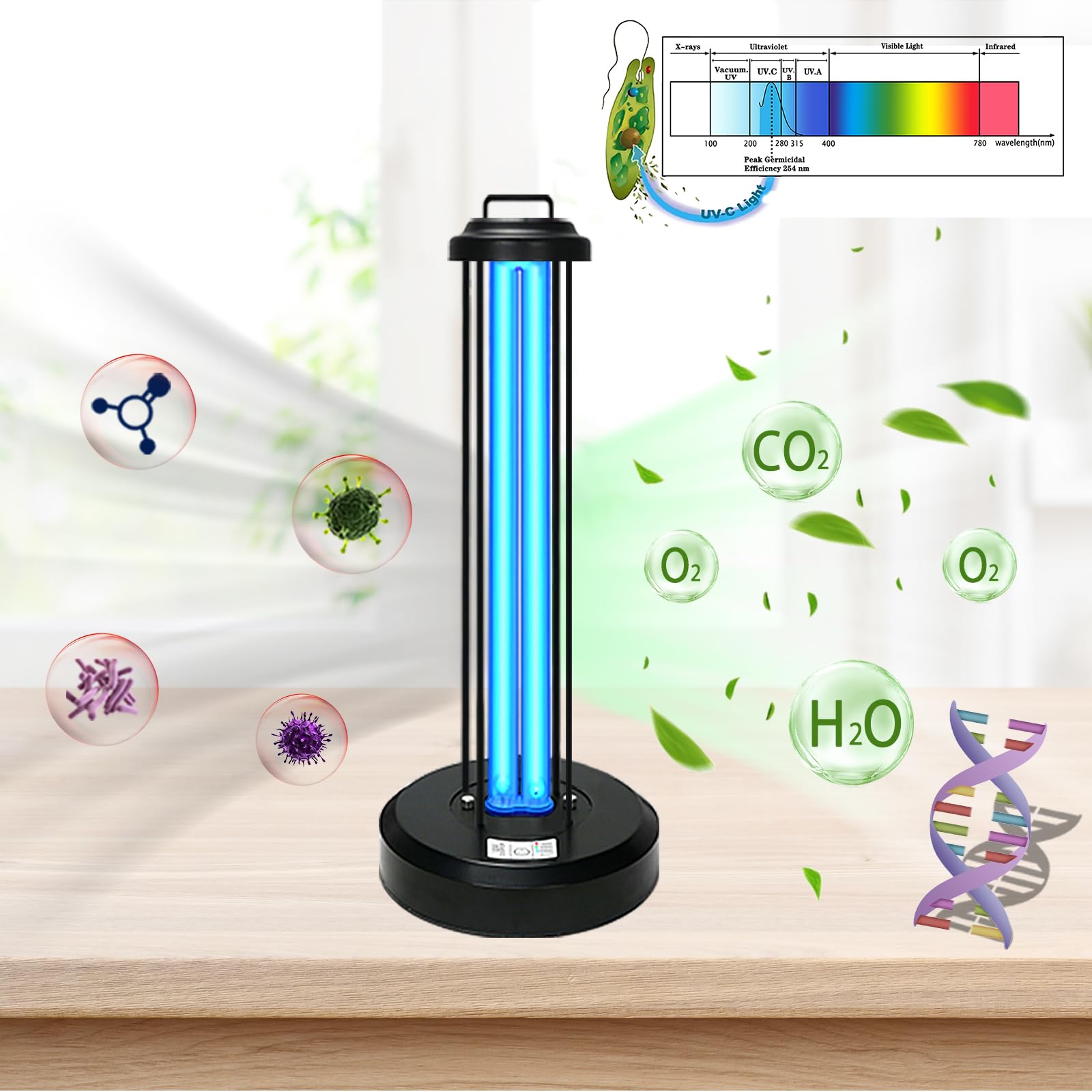
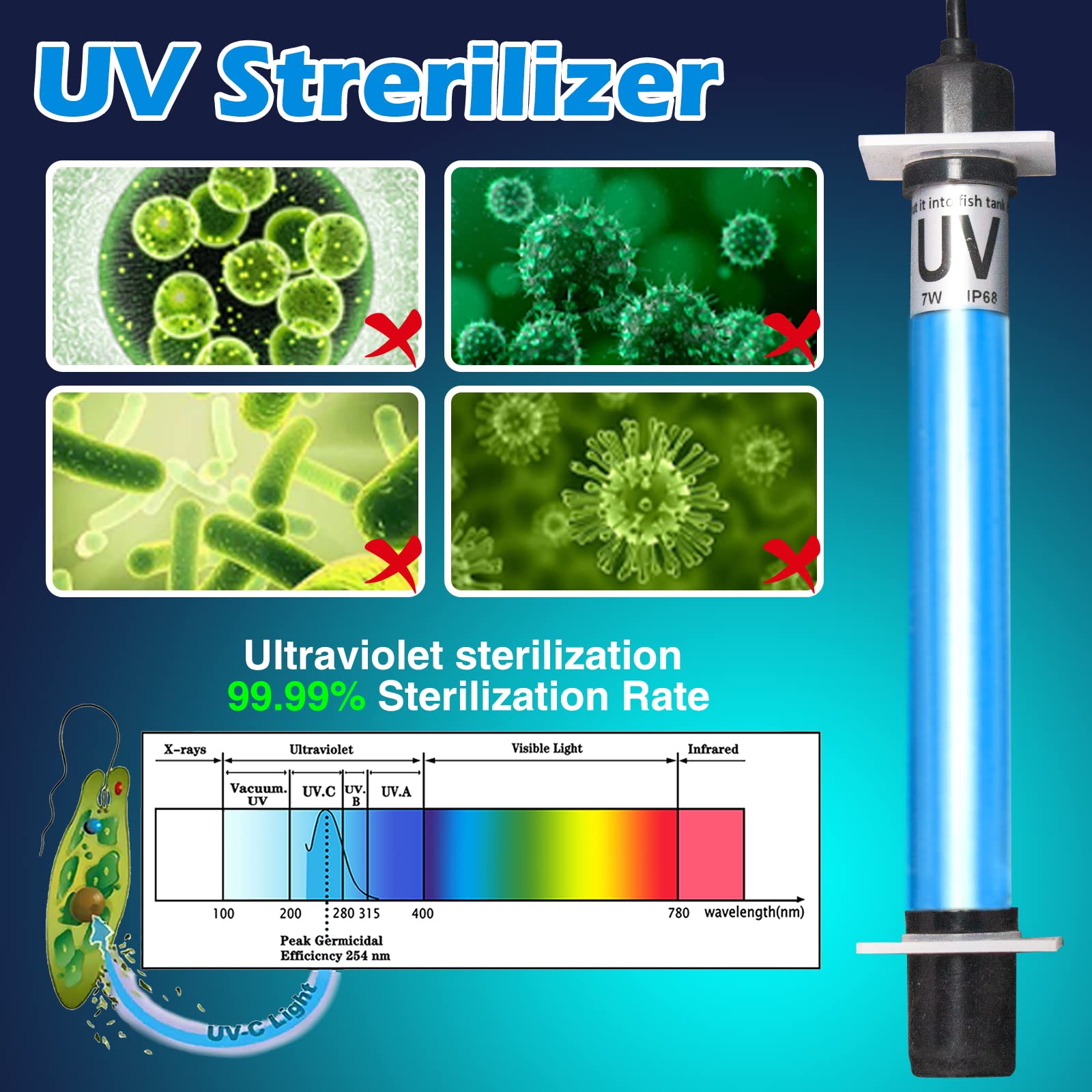
Ultraviolet (UV) light is part of the natural electromagnetic spectrum and is divided into:
-
UV-A
-
UV-B
-
UV-C
UV-C, with its short wavelength, is highly effective at neutralizing microorganisms.
2.2 How UV Disinfection Works in Water
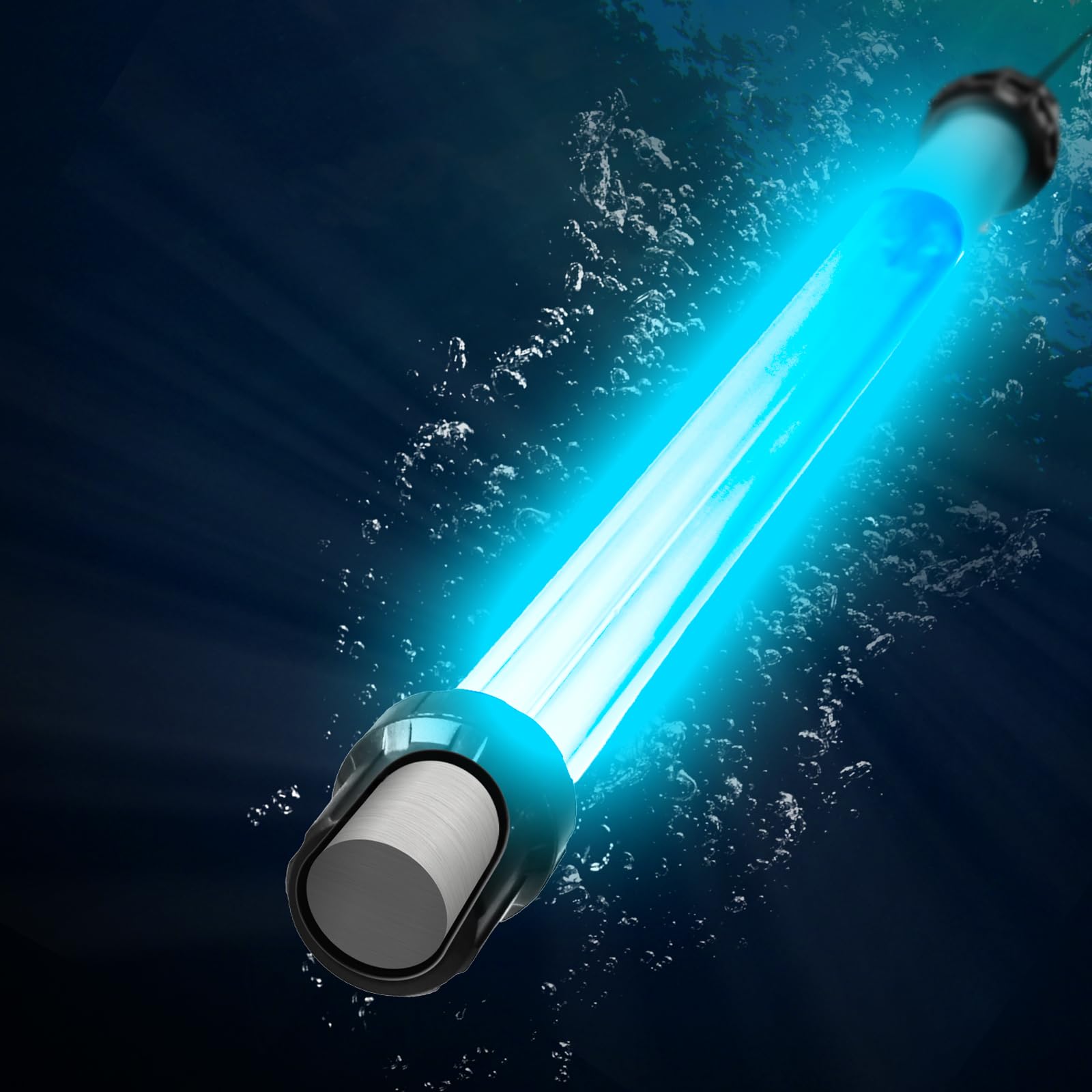
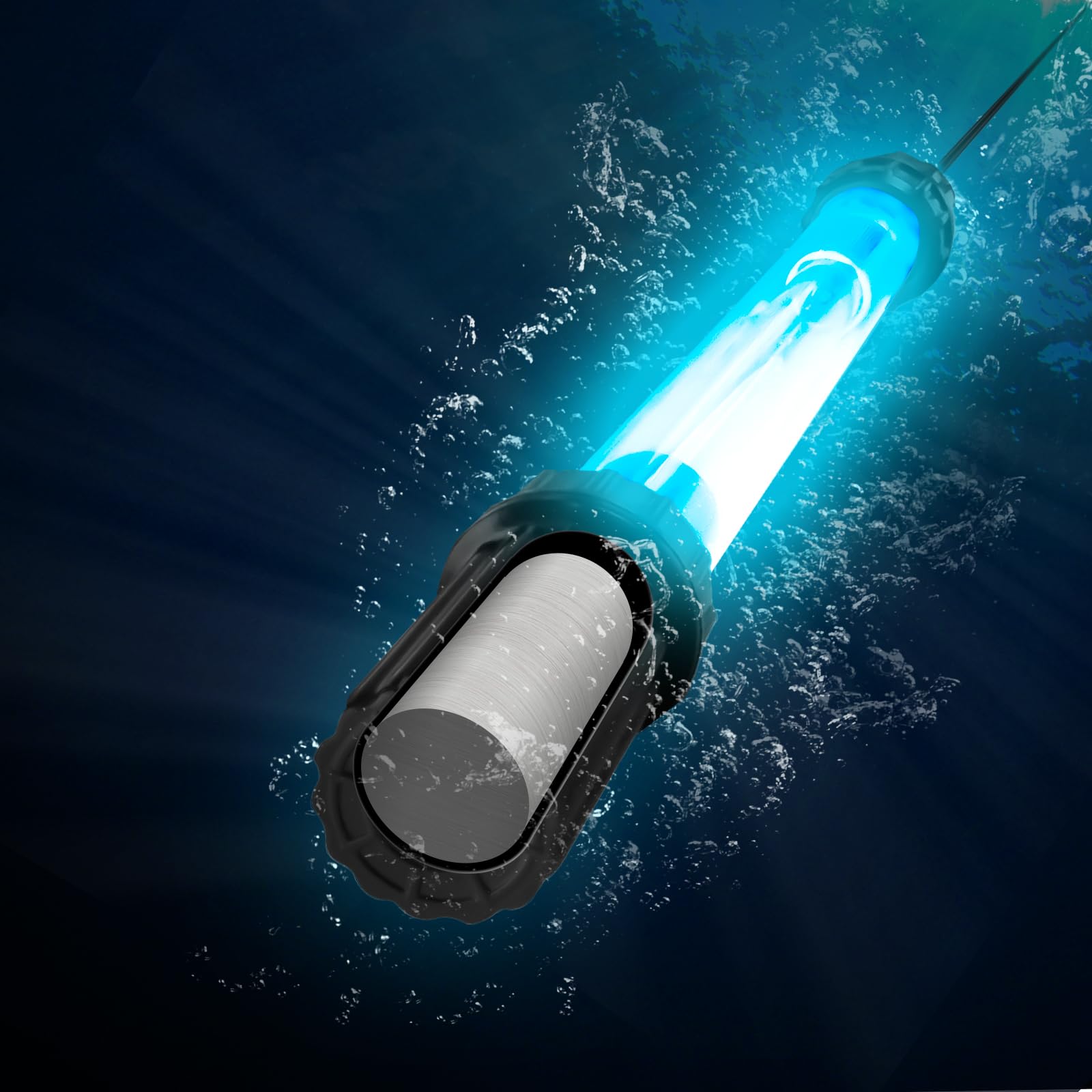
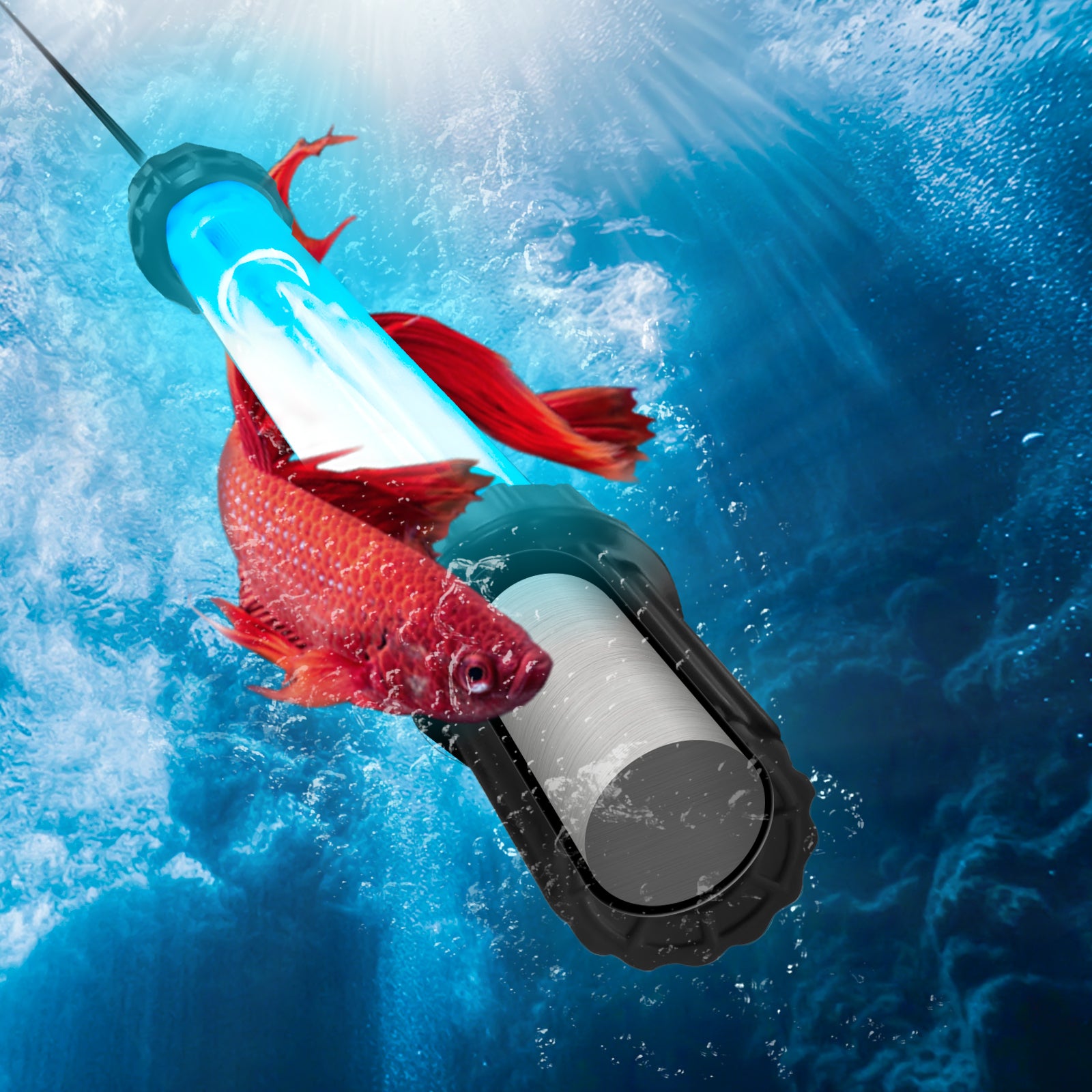
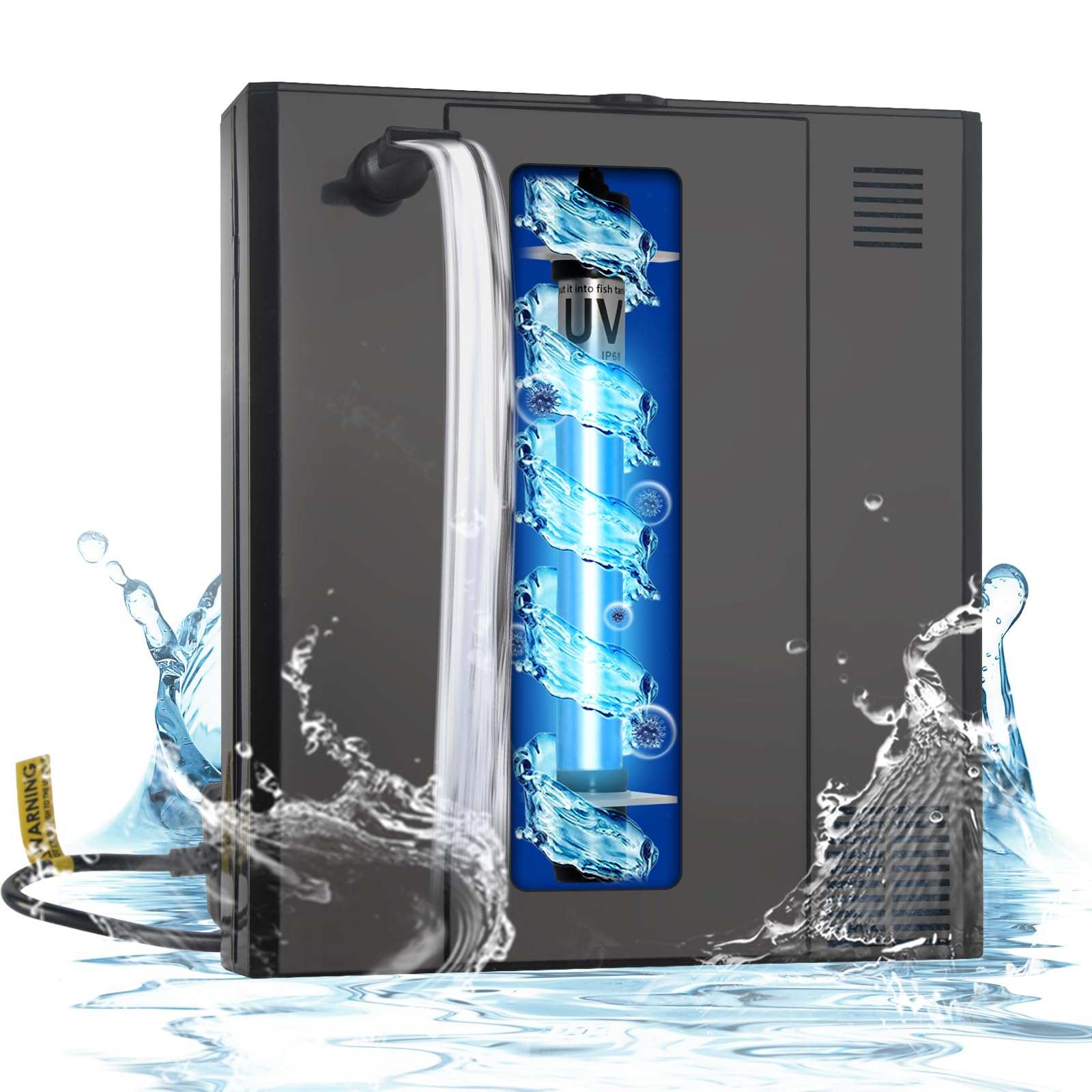
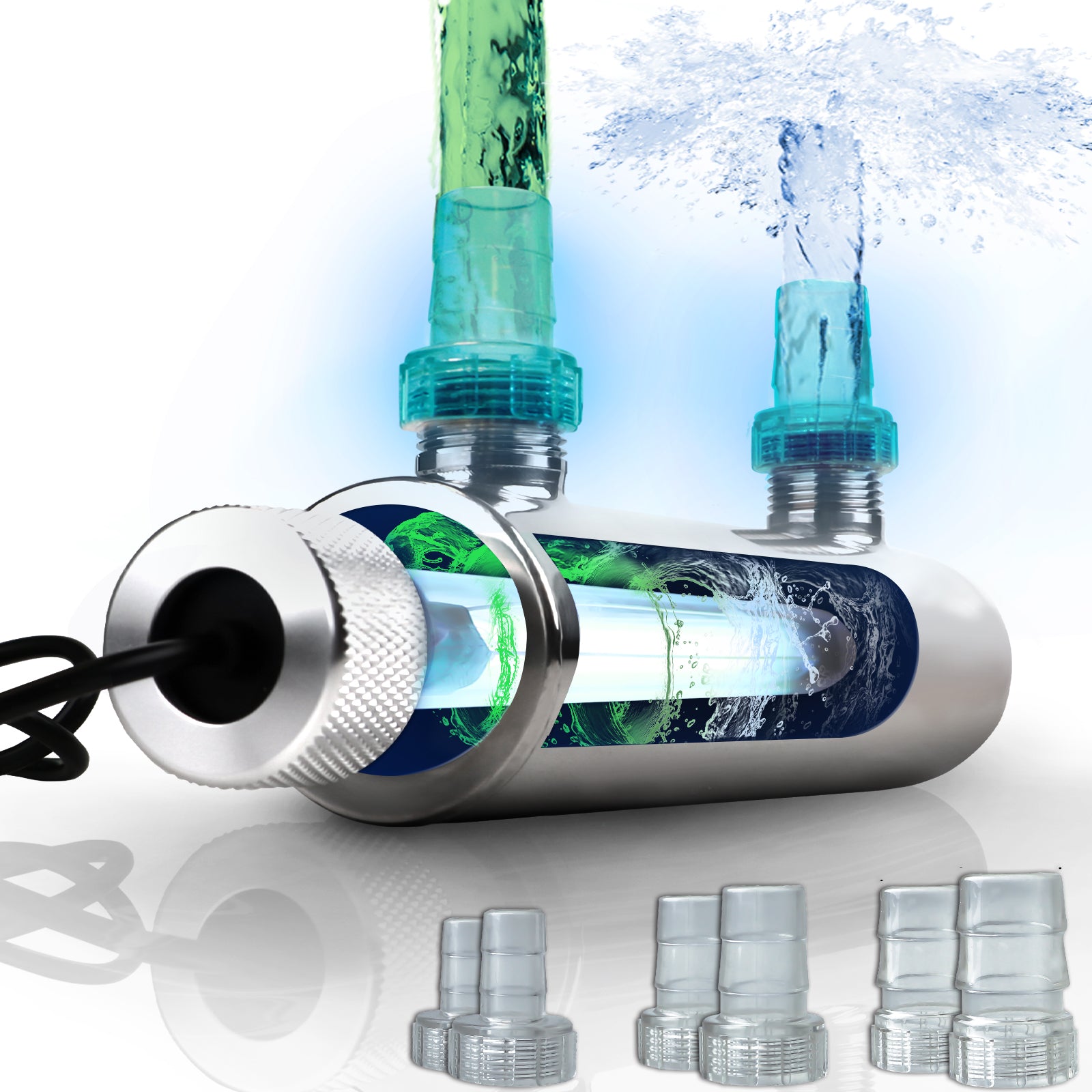
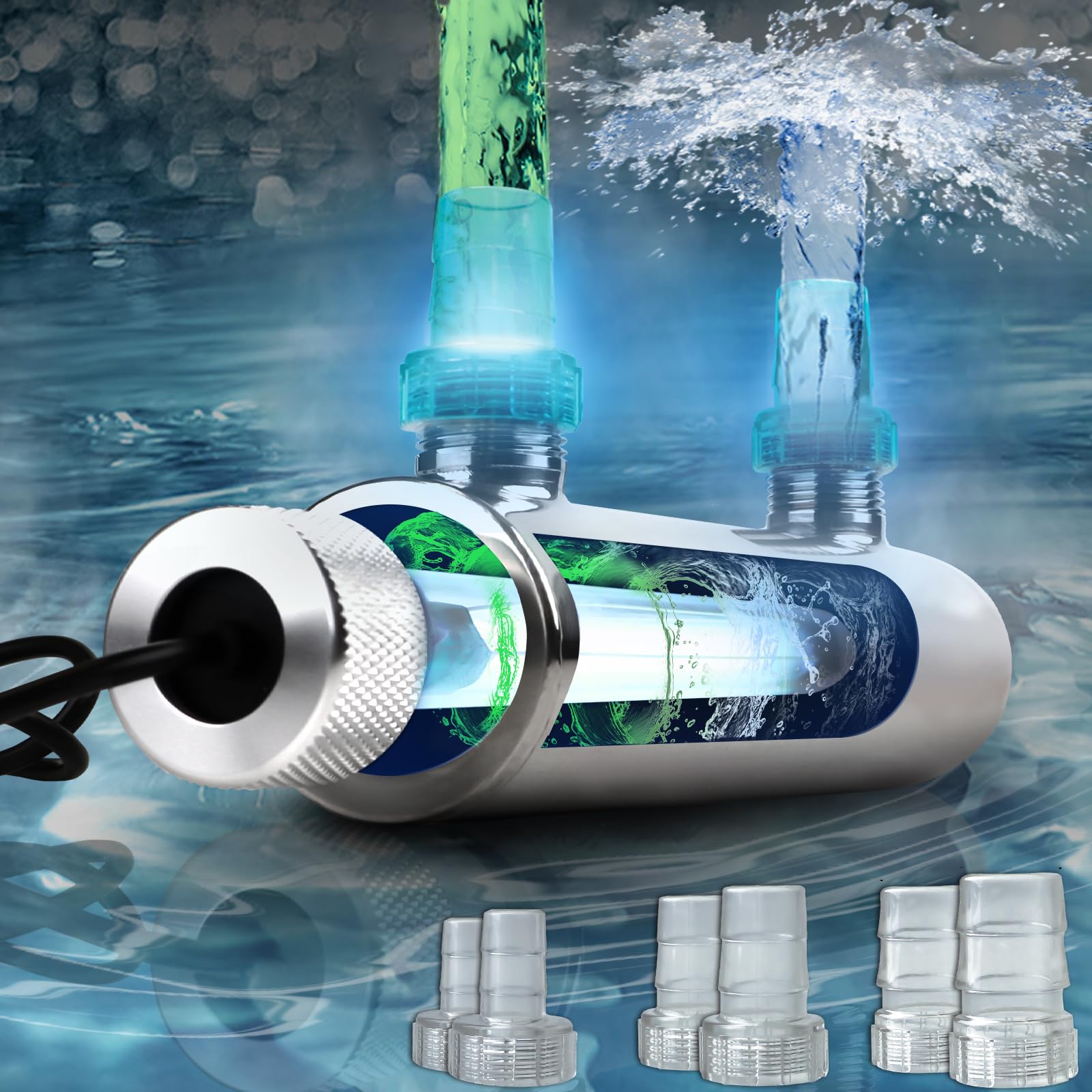
When pool or spa water passes through a UV chamber:
-
UV-C light penetrates microorganisms
-
DNA and RNA are damaged
-
Bacteria, viruses, and protozoa lose the ability to reproduce
Unlike chemicals, UV does not kill by poisoning—it inactivates microorganisms at the molecular level.
3. Why Traditional Chlorine Systems Face Limitations
3.1 Chemical Byproducts and Health Concerns
When chlorine reacts with organic matter, it forms byproducts such as:
-
Chloramines
-
Trihalomethanes (THMs)
These compounds are linked to:
-
Eye and skin irritation
-
Strong odors
-
Respiratory discomfort
-
Long-term health concerns
3.2 Chemical Dependency and Water Instability
Chemical-only systems often require:
-
Continuous dosing
-
Frequent water testing
-
Manual adjustments
Overuse can lead to:
-
Unbalanced water chemistry
-
Increased corrosion of pool equipment
-
Reduced swimmer comfort
4. UV as an Eco-Friendly Alternative
4.1 Chemical Reduction, Not Chemical Elimination
UV systems are typically used to:
-
Reduce chemical demand
-
Enhance overall disinfection
-
Improve water clarity
They allow operators to significantly lower chlorine levels while maintaining safety.
4.2 Lower Environmental Impact
UV disinfection:
-
Produces no chemical residue
-
Reduces harmful byproducts
-
Minimizes chemical discharge into wastewater systems
This aligns with sustainability goals in hotels, resorts, and public facilities.
5. UV Disinfection in Swimming Pools
5.1 Controlling Pathogens More Effectively
UV is highly effective against:
-
Chlorine-resistant microorganisms
-
Bacteria and viruses
-
Protozoa such as Cryptosporidium and Giardia
These pathogens are among the most concerning in public pools.
5.2 Improving Water Clarity and Aesthetics
By reducing organic contamination and chloramine formation, UV helps:
-
Maintain clearer water
-
Reduce cloudiness
-
Improve overall visual quality
Clear water builds trust with swimmers.
6. UV Technology in Spa and Wellness Environments
6.1 High-Risk Conditions in Spas
Spas operate under conditions that promote microbial growth:
-
Warm water
-
High bather loads
-
Organic residues (oils, lotions)
UV provides an added layer of protection where chemicals alone may struggle.
6.2 Enhancing the Spa Experience
With UV systems, spa operators can offer:
-
Softer-feeling water
-
Reduced chlorine smell
-
Less skin dryness and irritation
This directly supports the wellness promise of spa facilities.
7. How UV Systems Integrate Into Pool and Spa Circulation
7.1 Placement in the Treatment Line
UV systems are typically installed:
-
After filtration
-
Before water returns to the pool or spa
This ensures maximum UV exposure with minimal turbidity.
7.2 Continuous, Real-Time Disinfection
UV works:
-
Instantly
-
Continuously
-
Without altering water balance
Every circulation cycle adds another layer of protection.
8. Energy Efficiency and Operating Costs
8.1 Modern UV Systems Are Highly Efficient
Advancements in UV technology have led to:
-
Lower energy consumption
-
Compact designs
-
Longer lamp life
Energy costs are often minimal compared to chemical savings.
8.2 Reduced Long-Term Chemical Expenses
By lowering chemical demand, UV systems help:
-
Reduce purchasing costs
-
Minimize storage requirements
-
Lower handling risks
Over time, UV systems often pay for themselves.
9. Addressing Common Myths About UV Pool Systems
Myth 1: “UV Replaces Chlorine Completely”
False.
UV complements chlorine but does not replace residual disinfection in the pool.
Myth 2: “UV Is Only for Large Commercial Pools”
Incorrect.
UV systems are available for:
-
Residential pools
-
Boutique spas
-
Hotels and resorts
-
Public aquatic centers
Myth 3: “UV Makes Water Unsafe”
UV systems are enclosed and shielded, posing no risk to swimmers.
10. Health Benefits for Swimmers and Staff
Reduced chemical exposure leads to:
-
Fewer red eyes
-
Less skin irritation
-
Improved breathing comfort
-
Better overall pool experience
This benefits both guests and facility staff.
11. Regulatory Acceptance and Industry Standards
UV technology is:
-
Recognized by health authorities
-
Approved in many public pool standards
-
Widely adopted in Europe and North America
Its use continues to expand as regulations evolve.
12. UV vs Ozone: A Sustainability Comparison
While both are chemical-free:
-
UV systems are simpler to maintain
-
UV produces no residual oxidants
-
UV offers predictable, stable performance
This makes UV especially suitable for pools and spas.
13. Maintenance Requirements for UV Systems
Routine maintenance includes:
-
Replacing UV lamps on schedule
-
Cleaning quartz sleeves
-
Monitoring system indicators
Proper maintenance ensures consistent performance.
14. Case Scenarios: Where UV Delivers the Most Value
-
High-traffic public pools
-
Luxury hotel spas
-
Therapy and rehabilitation pools
-
Indoor aquatic centers
In each case, UV improves hygiene while reducing chemical stress.
15. Sustainability and Brand Image
Facilities using UV can:
-
Promote eco-friendly practices
-
Differentiate themselves in the market
-
Appeal to health-conscious guests
Sustainability is increasingly a competitive advantage.
16. Designing a Balanced Water Treatment Strategy
UV works best as part of a multi-barrier approach:
-
Filtration
-
Controlled chemical dosing
-
UV disinfection
-
Regular monitoring
Together, they create a stable and resilient system.
17. Future Trends in UV Pool and Spa Technology
Emerging developments include:
-
UV LED systems
-
Smart monitoring integration
-
Improved lamp efficiency
These innovations will further reduce energy and maintenance costs.
18. When UV Is Especially Recommended
UV is ideal when:
-
Chloramine issues persist
-
User comfort is a priority
-
Environmental impact matters
-
Long-term operational stability is desired
19. Limitations and Responsible Use
UV does not:
-
Replace filtration
-
Eliminate the need for residual disinfectants
-
Fix poor circulation design
It must be implemented correctly to deliver full benefits.
20. The Shift Toward Cleaner, Greener Water
Modern pool and spa management is moving away from heavy chemical dependence and toward balanced, environmentally responsible solutions.
UV disinfection plays a central role in this transition.
Conclusion: A Smarter, Cleaner Way to Treat Pool and Spa Water
UV disinfection is not just a technological upgrade—it’s a mindset shift.
By reducing chemical reliance, improving water quality, and supporting sustainability goals, UV systems offer a cleaner, safer, and more environmentally friendly approach to pool and spa water treatment.
For operators, it means lower long-term costs and happier guests.
For swimmers, it means clearer water and greater comfort.
For the environment, it means less chemical impact.
In the future of aquatic water treatment, UV is not a trend—it’s a responsible evolution.