Pets bring warmth, companionship, and personality into a home—but they also introduce an invisible ecosystem of microorganisms. Anyone who shares life with dogs, cats, rabbits, or other indoor animals knows the familiar cycle: wash the pet bed, enjoy freshness for a few days, then notice odors slowly returning.
Most pet owners assume smell is the main issue. In reality, odor is only the surface symptom. Beneath it lies a complex mix of bacteria, fungi, and microscopic biofilms thriving deep within bedding fibers.
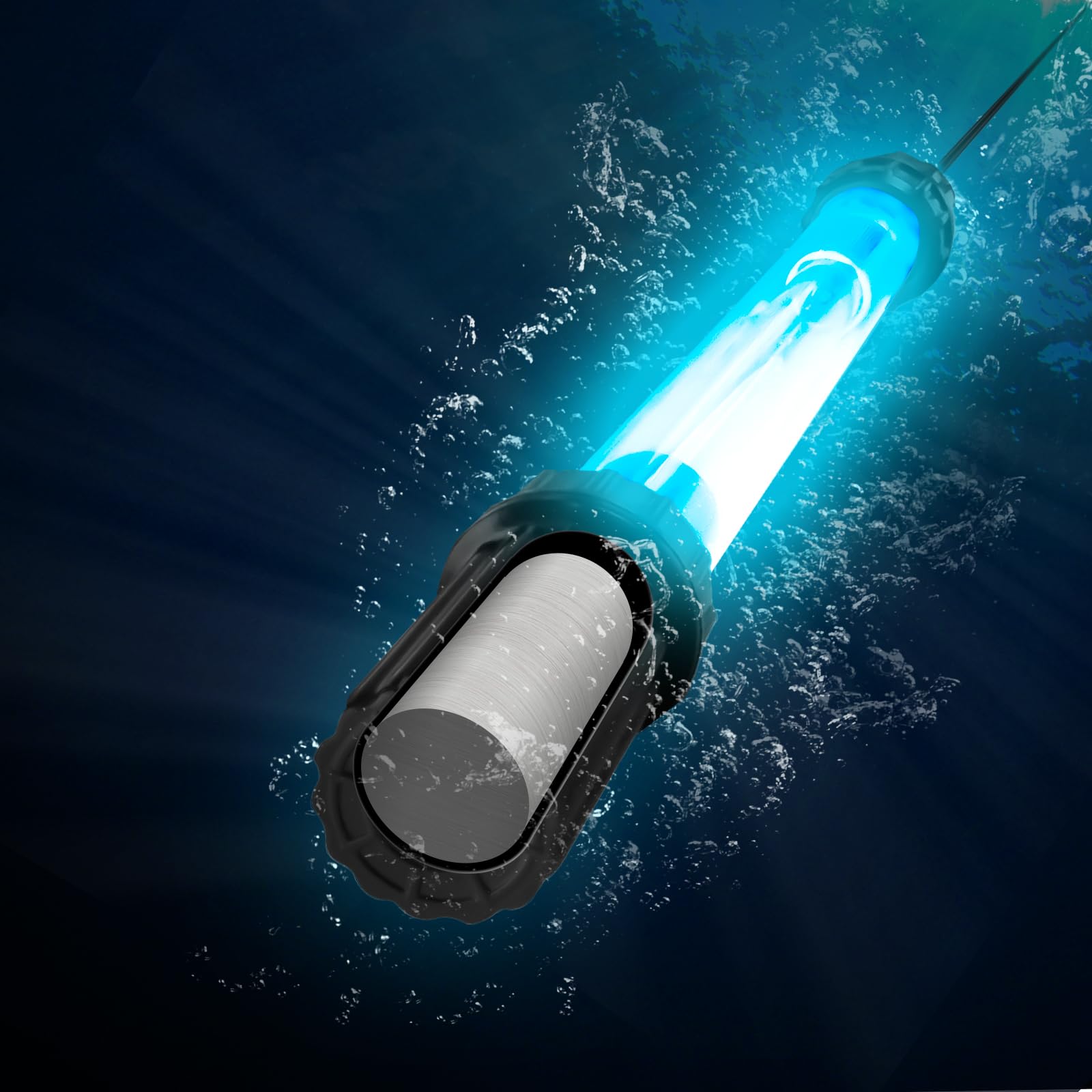
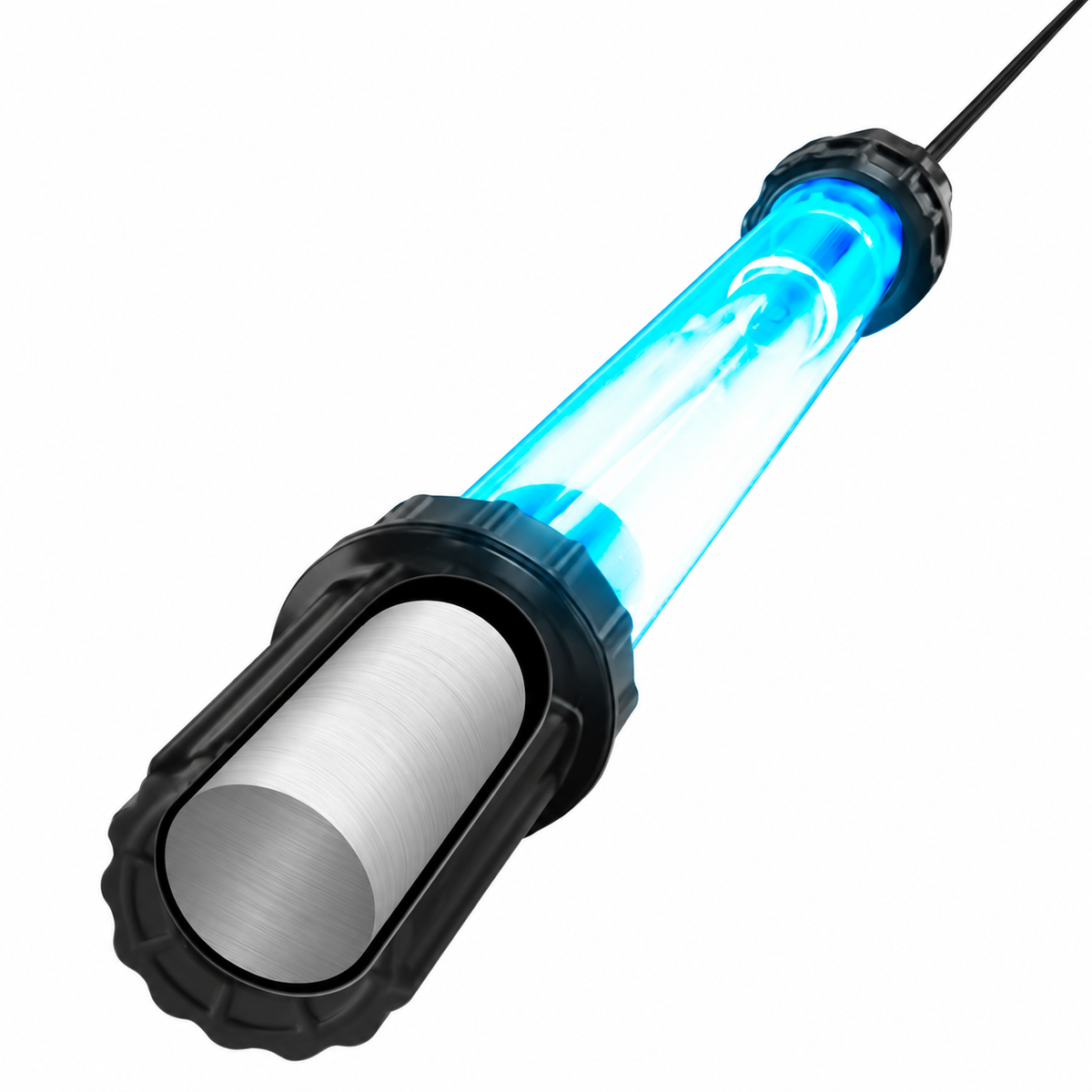
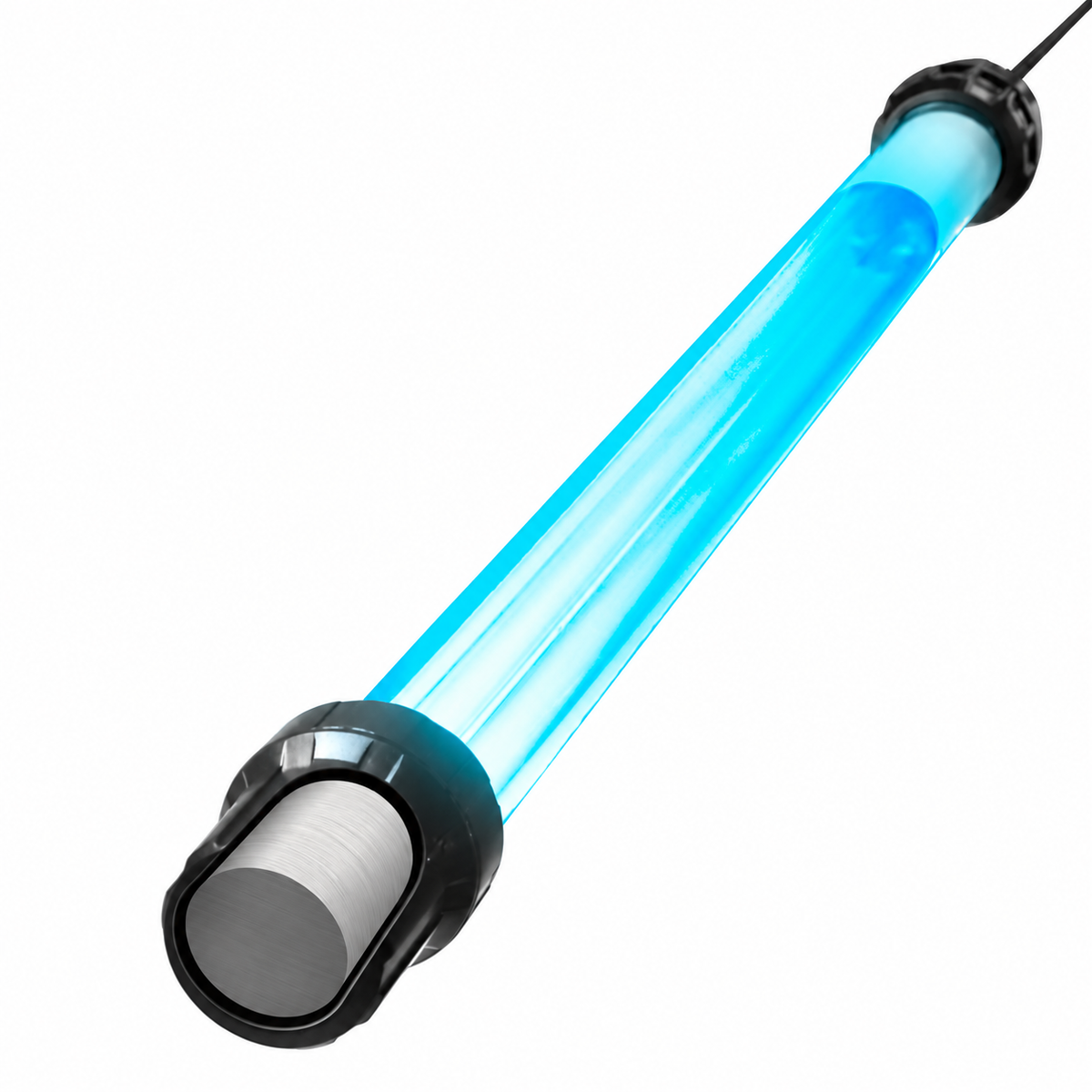
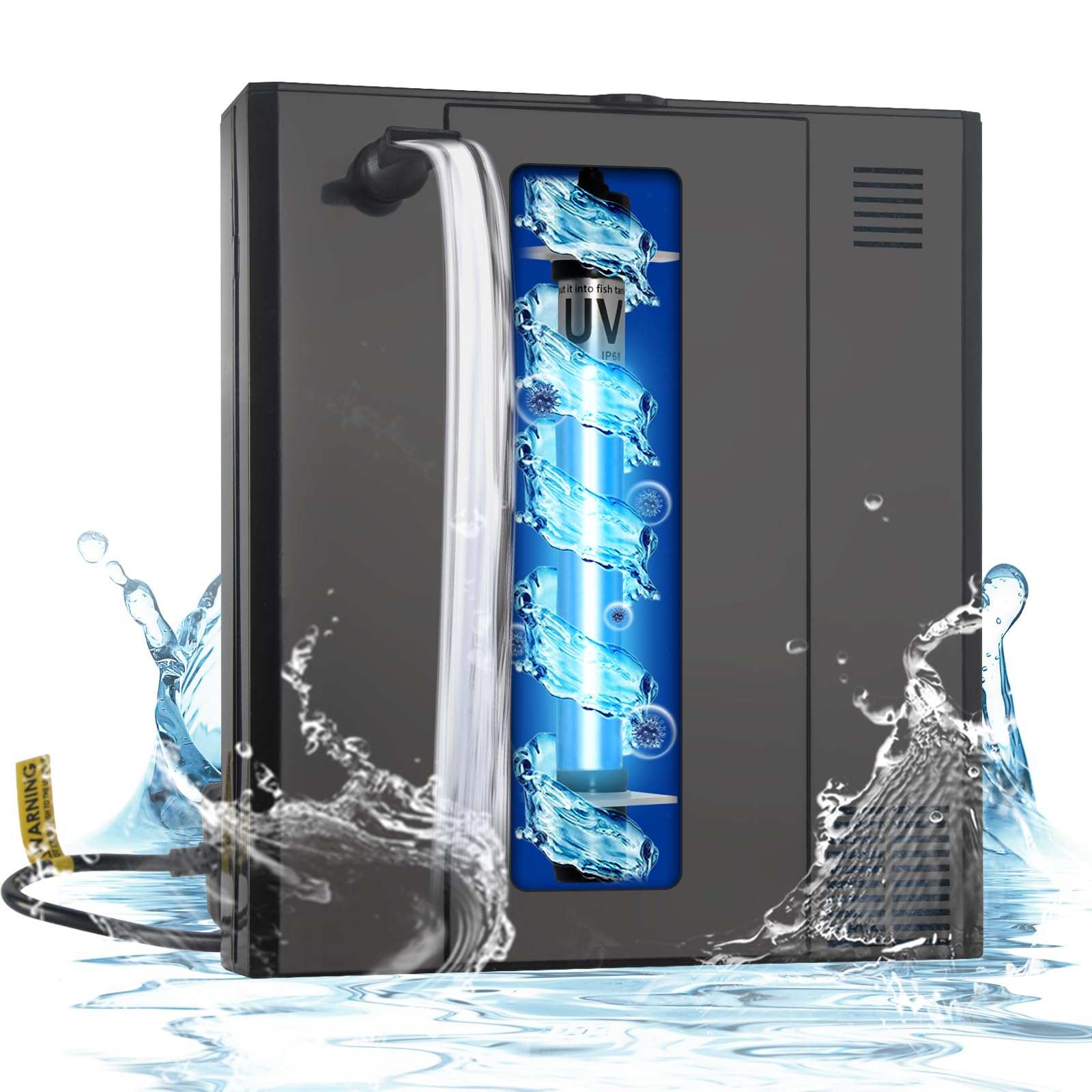
In recent years, UV-C sterilization lamps have moved from hospitals and laboratories into homes, offering a new approach to pet hygiene. When used correctly, these devices do far more than mask smells—they actively disrupt microbial growth at the biological level.
This guide explores how UV-C light works, why pet bedding becomes a microbial hotspot, and how to safely integrate UV-C sanitation into your cleaning routine for healthier pets and cleaner living spaces.
Why Pet Bedding Becomes a Microbial Hotspot
Pet beds appear soft and harmless, but structurally they resemble ideal incubation chambers for microorganisms.
Three conditions combine to create the problem:
1. Heat Retention
Animals naturally generate body heat. Bedding materials such as foam, fleece, and plush fabrics trap warmth, maintaining temperatures favorable for microbial growth long after your pet leaves the bed.
2. Moisture Accumulation
Even healthy pets release moisture through:
-
Breath
-
Saliva
-
Sweat glands (especially paw pads)
-
Damp fur after outdoor activity
Moist environments accelerate fungal reproduction and bacterial colonization.
3. Organic Nutrients
Pet bedding collects:
-
Shed hair
-
Skin flakes (dander)
-
Food residue
-
Outdoor contaminants
These materials act as nutrients for microorganisms, allowing colonies to expand rapidly.
The result is not just odor—it is a living microbial environment.
The Hidden Residents: What Actually Lives in Pet Bedding
Scientific sampling of household textiles consistently reveals diverse microbial populations. Common organisms found in pet sleeping areas include:
Bacteria
-
Staphylococcus species
-
E. coli
-
Pseudomonas
-
Skin-associated microbes transferred from pets and humans
Some bacteria produce volatile organic compounds responsible for persistent smells.
Fungi and Yeast
Fungal growth is often underestimated but plays a major role in recurring bedding contamination.
Common examples include:
-
Mold spores
-
Dermatophytes (associated with skin infections)
-
Yeasts that thrive in humid environments
Fungi are particularly resilient because spores survive standard washing cycles.
Dust Mites
Though not bacteria, dust mites feed on dander and thrive in similar conditions, contributing to allergies and irritation.
Why Washing Alone Isn’t Enough
Most pet owners rely on washing machines as the primary cleaning solution. While laundering removes surface debris, it has several limitations.
Fabric Thickness Limits Penetration
Dense foam cores and layered padding prevent detergent from reaching internal contamination zones.
Temperature Constraints
Hot water improves sanitation but can:
-
Damage fabrics
-
Shrink materials
-
Degrade waterproof linings
Many beds cannot tolerate high-temperature washing.
Rapid Recontamination
Even after washing:
-
Residual microbes survive.
-
Moisture remaining inside padding promotes regrowth.
-
Odor returns quickly.
This explains why freshly cleaned bedding sometimes smells again within days.
What Is UV-C Light and Why Is It Different?
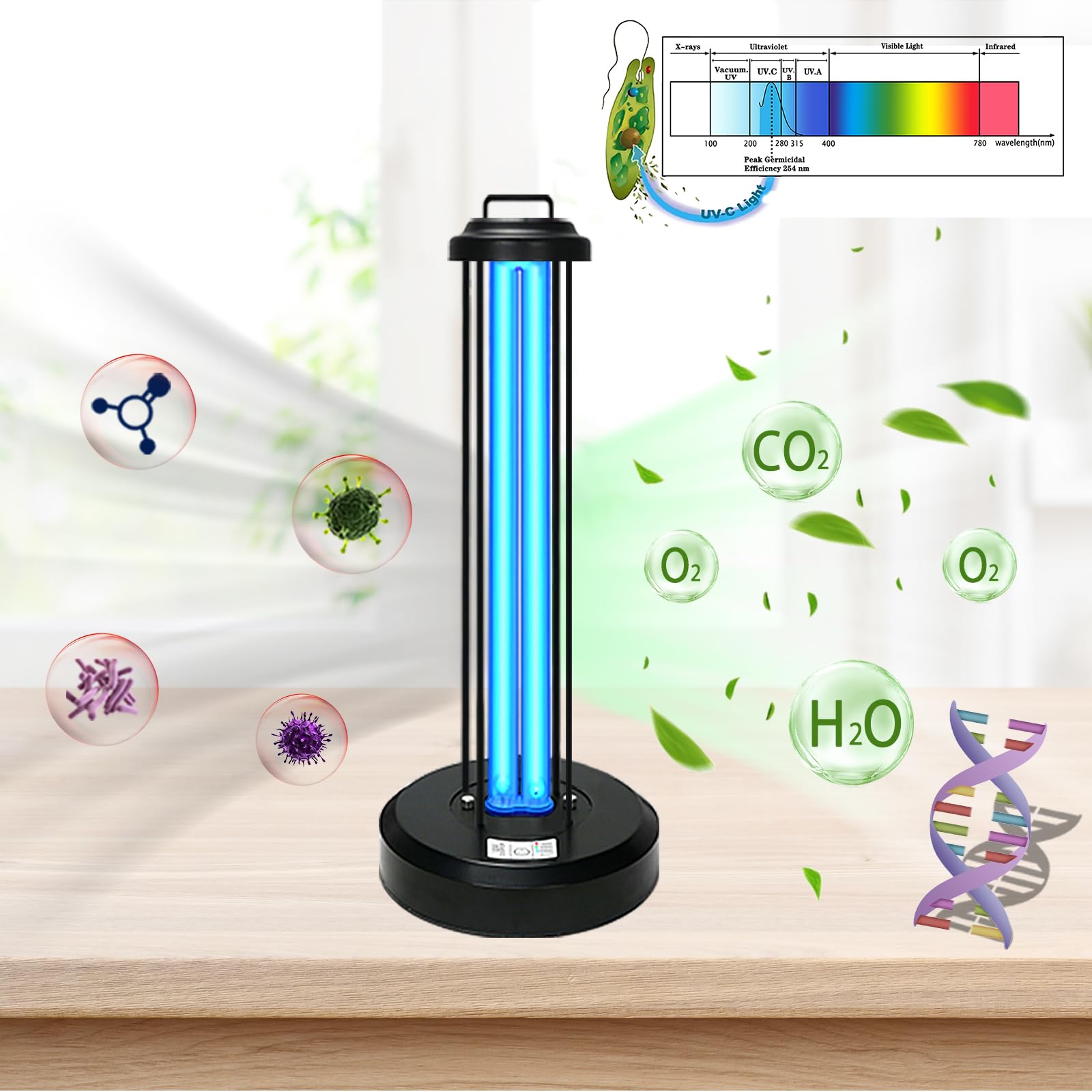
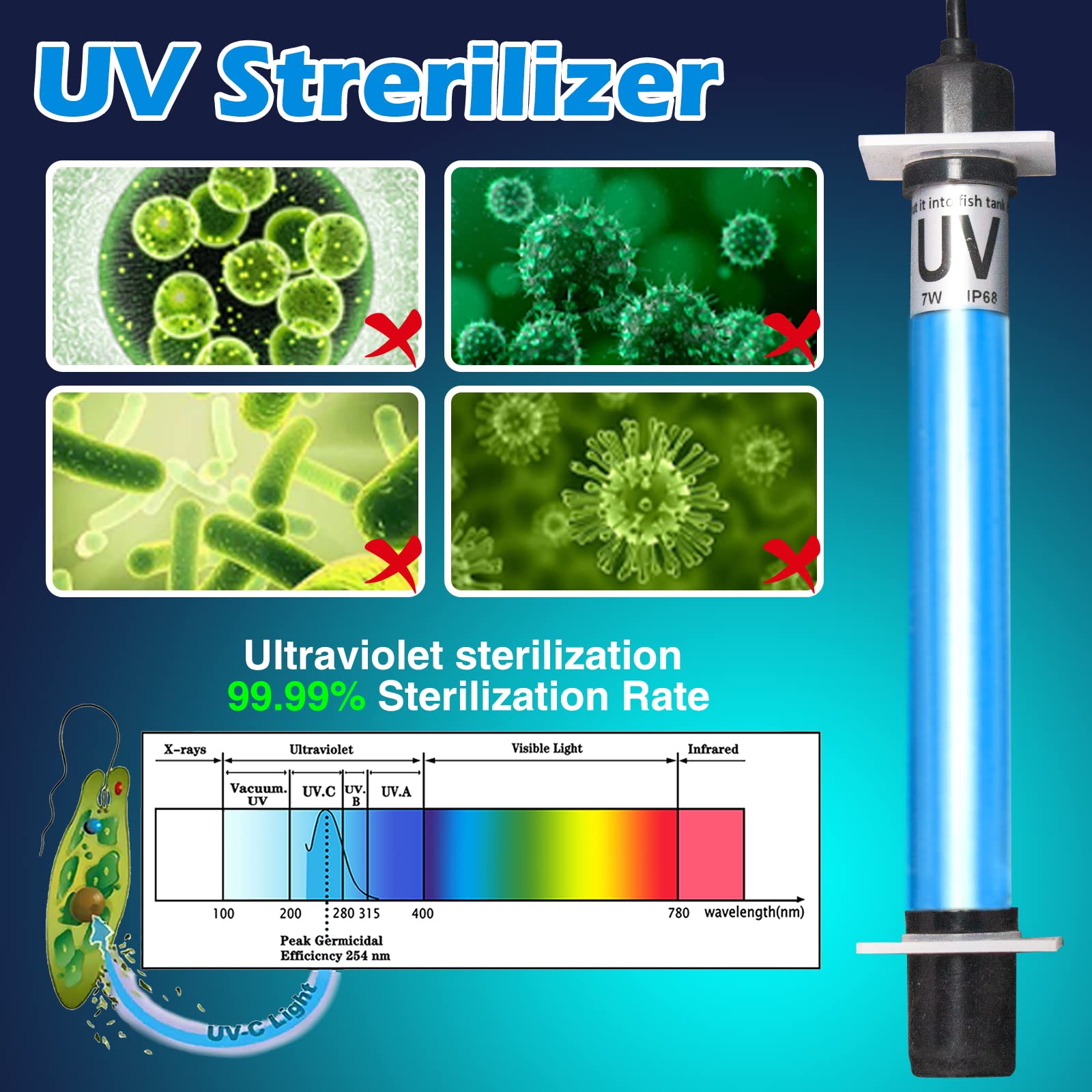
Ultraviolet light exists along a spectrum categorized by wavelength:
| Type | Wavelength | Common Use |
|---|---|---|
| UV-A | 315–400 nm | Tanning, black lights |
| UV-B | 280–315 nm | Sunburn effects |
| UV-C | 200–280 nm | Disinfection |
UV-C light possesses germicidal properties because it damages microbial DNA and RNA.
When microorganisms absorb UV-C energy:
-
Genetic material becomes disrupted.
-
Replication stops.
-
Cells lose the ability to reproduce.
Without reproduction, colonies collapse naturally.
Unlike chemical disinfectants, UV-C leaves no residue.
How UV-C Eliminates Fungus and Bacteria in Bedding
UV-C effectiveness comes from direct molecular interaction.
DNA Disruption
UV-C photons create thymine dimers—structural defects in microbial DNA strands. These defects prevent successful cell division.
Spore Inactivation
Fungal spores are notoriously resistant to cleaning chemicals. UV-C penetrates protective structures and interrupts reproductive capability.
Surface Sterilization Without Moisture
Because UV-C is light-based:
-
No soaking required
-
No drying time
-
No chemical sensitivity issues
This makes it ideal for thick pet bedding.
Odor Removal vs. Microbial Elimination
Many deodorizing products only mask smells.
Understanding the difference is critical:
| Method | Removes Odor | Eliminates Microbes |
|---|---|---|
| Air fresheners | ✔ | ✘ |
| Fabric sprays | Partial | Partial |
| Washing | ✔ | Limited |
| UV-C treatment | ✔ | ✔✔✔ |
Odor disappears permanently only when microbial sources are neutralized.
Why Fungus Control Matters for Pet Health
Fungal contamination isn’t just unpleasant—it can affect animal wellness.
Potential issues include:
-
Skin irritation
-
Persistent scratching
-
Ear infections
-
Respiratory sensitivity
-
Reinfection cycles after veterinary treatment
Pets with allergies or weakened immune systems are especially vulnerable.
Maintaining sanitized bedding reduces exposure dramatically.
Common Misconception: Waterproof Ratings Solve Hygiene
Many modern pet beds advertise waterproof covers or protective coatings. While helpful, these features address liquid penetration—not microbial growth.
Waterproof layers:
-
Prevent spills from soaking in
-
Do not kill bacteria
-
Do not stop fungal spores already present
Microorganisms still live on surfaces and seams.
UV-C complements physical protection rather than replacing it.
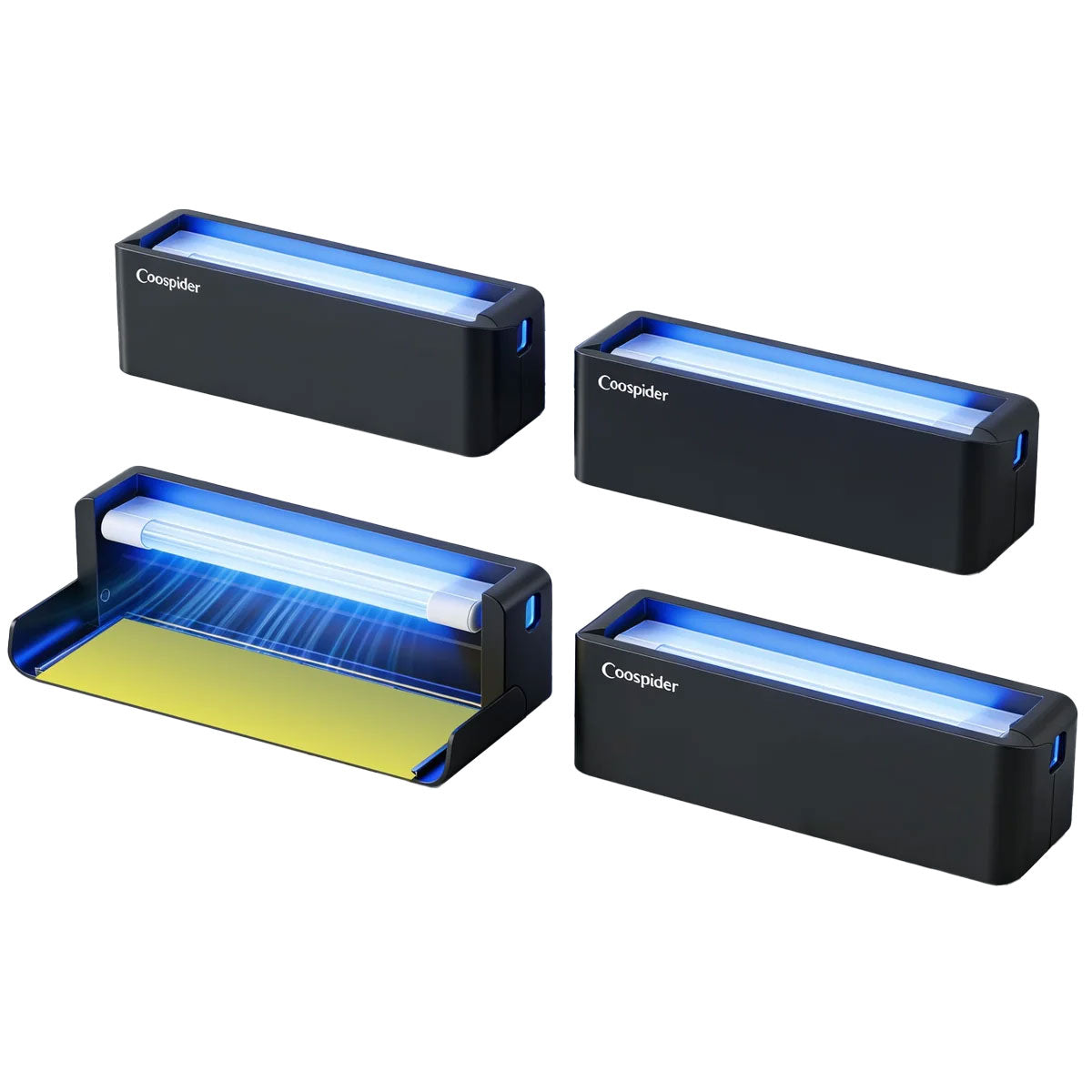
Choosing the Right UV-C Lamp for Pet Bedding
Not all UV devices deliver true germicidal performance.
Key considerations include:
Verified UV-C Wavelength
Effective disinfection typically occurs near 254 nm or equivalent germicidal output.
Coverage Area
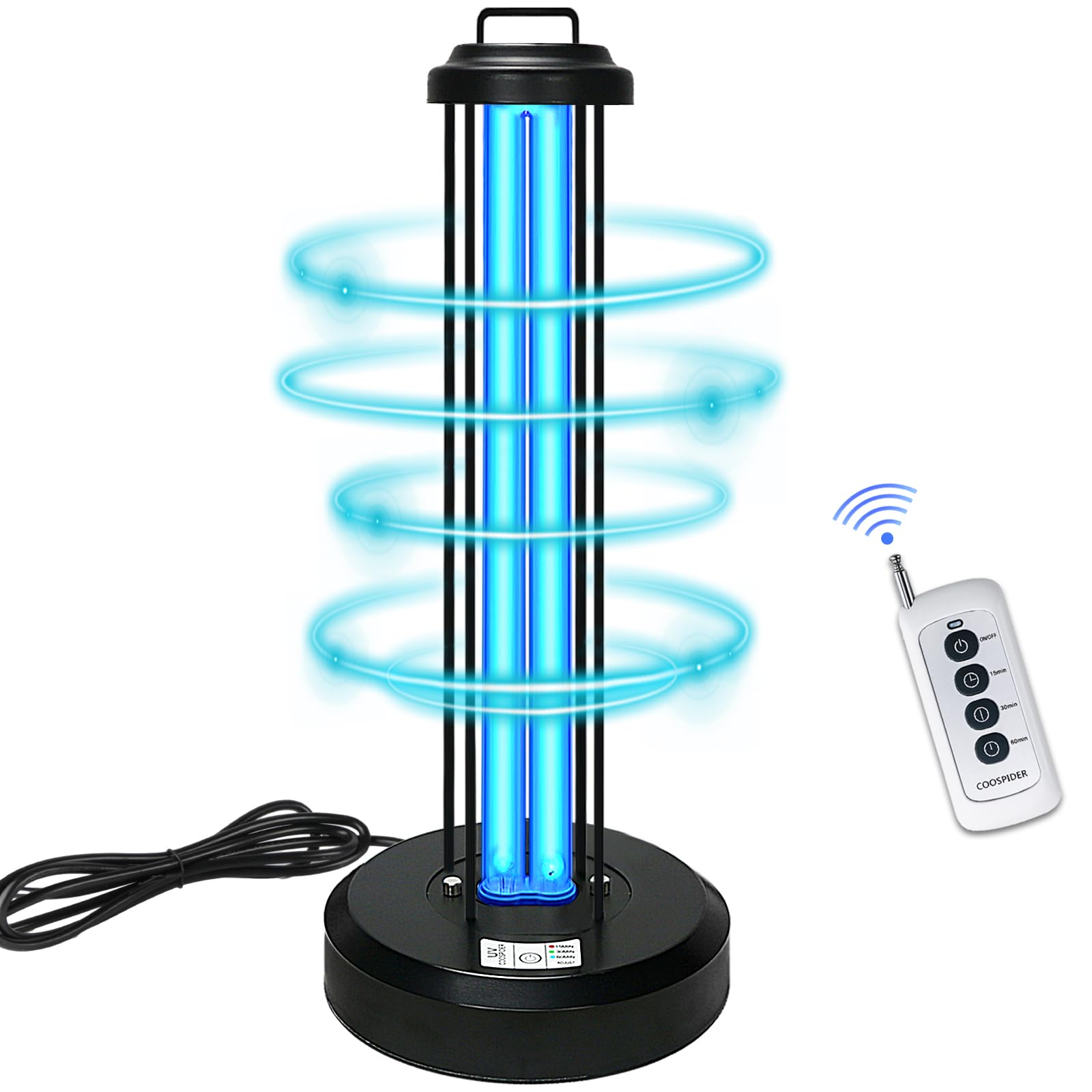
Pet beds require even exposure. Wide-angle lamps or panel designs reduce untreated zones.
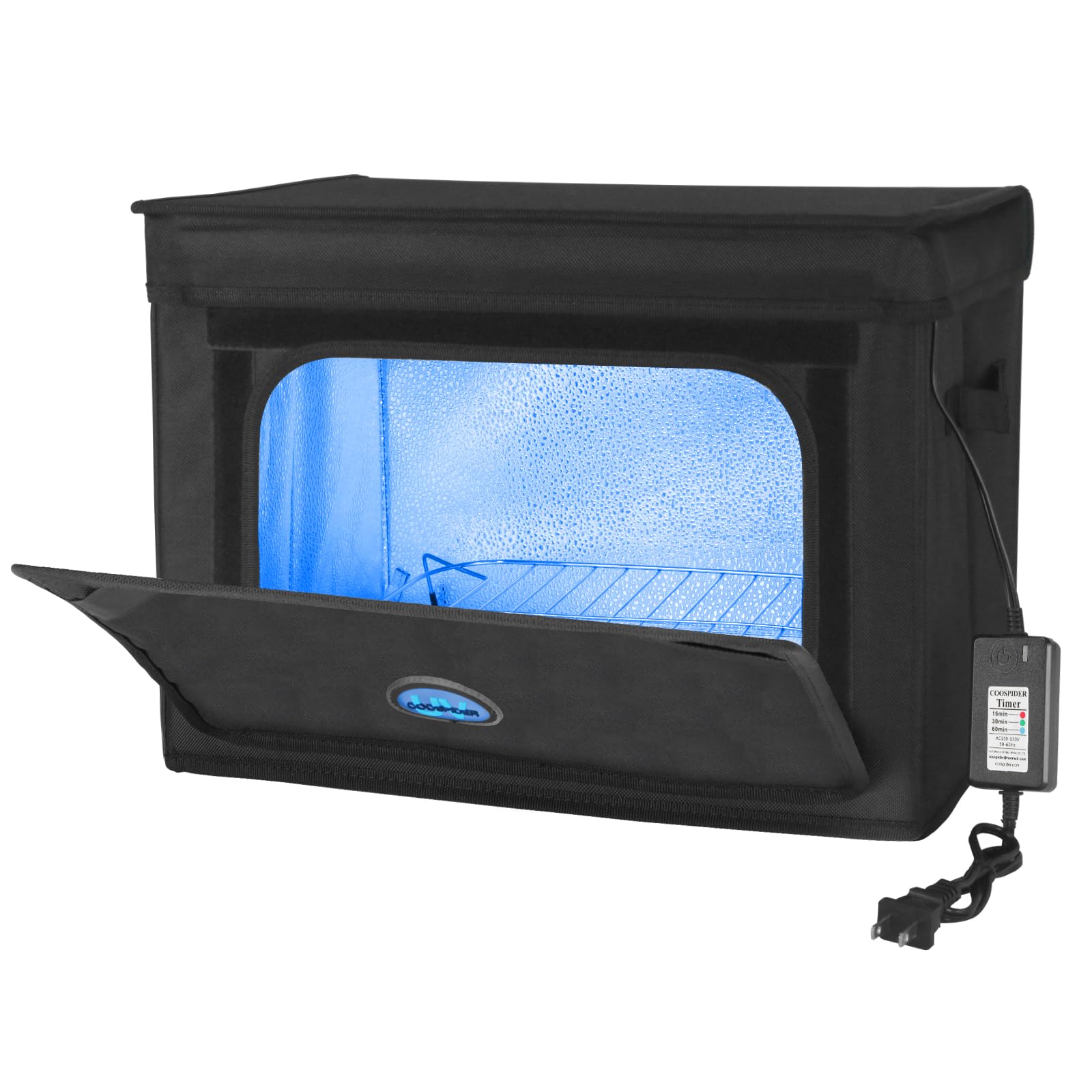
Safety Sensors
Modern units often include:
-
Motion detection shutoff
-
Timer operation
-
Enclosed chambers
These features prevent accidental exposure.
Power Output
Higher wattage does not always mean better results. Exposure time and distance matter equally.
Safe Usage Guidelines Every Pet Owner Should Follow
UV-C light is powerful and must be used responsibly.
Never Expose Skin or Eyes
Direct UV-C exposure can cause irritation or injury. Always operate lamps in empty rooms or enclosed systems.
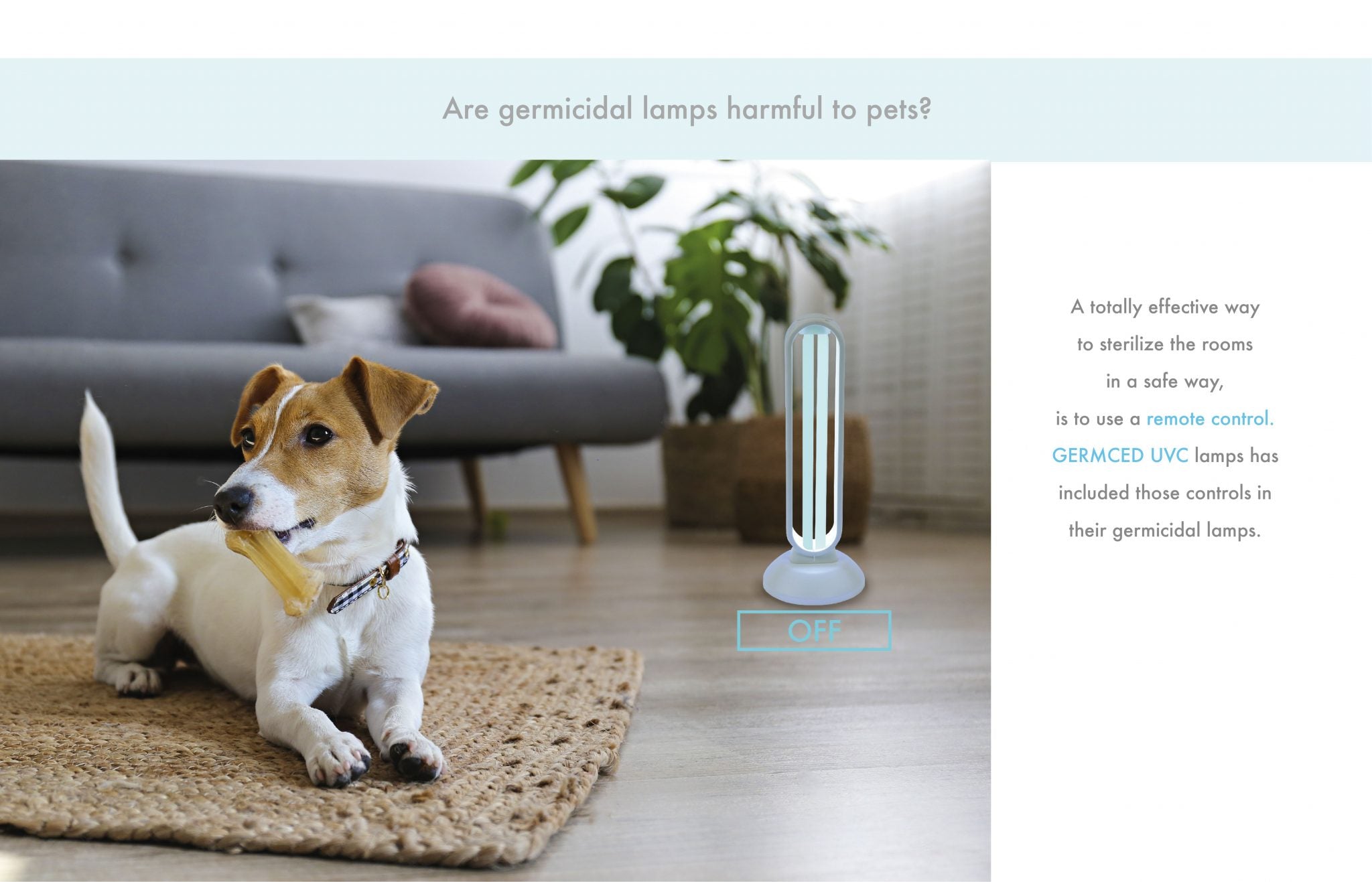
Remove Pets During Treatment
Animals should never remain in the room during operation.
Follow Manufacturer Timing Recommendations
Typical treatment times range from 5–30 minutes depending on device strength.
Flip Bedding for Complete Coverage
UV-C works only where light reaches. Treat both sides for full sanitation.
Weekly Cleaning Routine Using UV-C
A balanced hygiene routine combines mechanical cleaning with sterilization.
Step 1: Remove Loose Debris
Vacuum hair and dust first. UV-C works best on clean surfaces.
Step 2: Wash Covers
Machine wash removable covers as usual.
Step 3: Dry Completely
Moisture reduces UV effectiveness.
Step 4: UV-C Treatment
Expose:
-
Cushion surfaces
-
Seams
-
Undersides
Step 5: Air Out
Allow bedding to ventilate briefly before returning it to use.
Total weekly time investment: about 10–15 minutes.
Seasonal Deep Cleaning Strategy
During humid seasons or shedding cycles, increase sanitation frequency.
Recommended schedule:
-
Light UV-C treatment: weekly
-
Full wash + UV-C: monthly
-
Deep inspection: every 3 months
Replace bedding inserts showing structural breakdown.
Benefits Beyond Odor Control
Pet owners often notice unexpected improvements after adopting UV-C routines.
Reduced Allergens
Lower microbial load means fewer airborne irritants.
Cleaner Indoor Air
Less microbial activity reduces odor-causing gases.
Extended Bedding Lifespan
Reduced microbial degradation slows fabric breakdown.
Improved Pet Comfort
Animals naturally prefer cleaner resting spaces.
Mistakes That Reduce UV-C Effectiveness
Treating Dirty Surfaces
Dust blocks ultraviolet penetration.
Too Much Distance
Intensity drops rapidly with distance. Follow positioning guidelines.
Insufficient Exposure Time
Short treatments may not deactivate resistant organisms.
Ignoring Shadows
Folded areas and seams require repositioning.
Comparing UV-C With Chemical Disinfectants
| Feature | UV-C | Chemical Cleaners |
|---|---|---|
| Residue | None | Possible |
| Drying time | None | Required |
| Fabric wear | Minimal | Potential fading |
| Environmental impact | Low | Variable |
| Odor masking | No | Often yes |
UV-C works best as part of a combined hygiene system rather than a total replacement.
Multi-Pet Homes: Why UV-C Matters Even More
When multiple animals share spaces, microbial exchange increases dramatically.
Cross-contamination risks include:
-
Shared infections
-
Persistent odor buildup
-
Reinfection loops
Regular UV-C sanitation breaks transmission cycles.
Travel Beds and Outdoor Use
Portable pet beds accumulate additional contaminants such as:
-
Soil microbes
-
Pollen
-
Outdoor fungi
UV-C treatment after travel prevents bringing external microorganisms into indoor environments.
Integrating UV-C Into Smart Home Cleaning Systems
Modern households increasingly automate sanitation routines.
UV-C lamps can complement:
-
Robot vacuum schedules
-
Air purification systems
-
Dehumidifiers
-
Smart timers
Consistency, not intensity, produces long-term cleanliness.
Signs Your Pet Bedding Needs UV-C Treatment
Watch for subtle indicators:
-
Odor returning quickly after washing
-
Increased scratching
-
Damp smell
-
Discoloration spots
-
Allergy flare-ups in household members
These signs often reflect microbial buildup rather than dirt.
Environmental Advantages
Because UV-C reduces reliance on chemical cleaners, it contributes to:
-
Lower detergent consumption
-
Reduced wastewater pollutants
-
Less plastic packaging waste
It represents a shift toward light-based sanitation instead of chemical saturation.
Frequently Asked Questions
Does UV-C replace washing?
No. Washing removes physical debris; UV-C neutralizes microorganisms. Both are necessary.
How often should bedding be treated?
Weekly treatment works well for most households.
Can UV-C damage fabrics?
When used correctly, exposure levels are safe for most textiles.
Is it safe for sensitive pets?
Yes—provided pets are not present during operation.
The Future of Pet Hygiene
As households prioritize wellness and indoor environmental quality, sanitation technology continues moving toward non-chemical solutions.
UV-C systems are already used in:
-
Hospitals
-
Food processing
-
Water purification
-
Laboratories
Their adoption in pet care reflects growing awareness that cleanliness is not only about appearance—it’s about microbial balance.
Final Thoughts: Clean Bedding, Healthier Companions
Pet bedding hygiene has long been approached as a simple laundry problem. Modern understanding reveals a deeper reality: microorganisms embedded within fabrics continuously regenerate odor and contamination.
UV-C lamps change the equation by addressing the biological source rather than the symptom.
When integrated thoughtfully into regular cleaning routines, UV-C sterilization helps:
-
Eliminate fungi and bacteria
-
Reduce recurring odors
-
Improve indoor air quality
-
Support pet health and comfort
-
Extend the lifespan of bedding materials
Ultimately, cleaner bedding creates a healthier shared environment—for pets and the people who love them.
Because true freshness isn’t about covering up smells.
It’s about removing the invisible causes behind them.