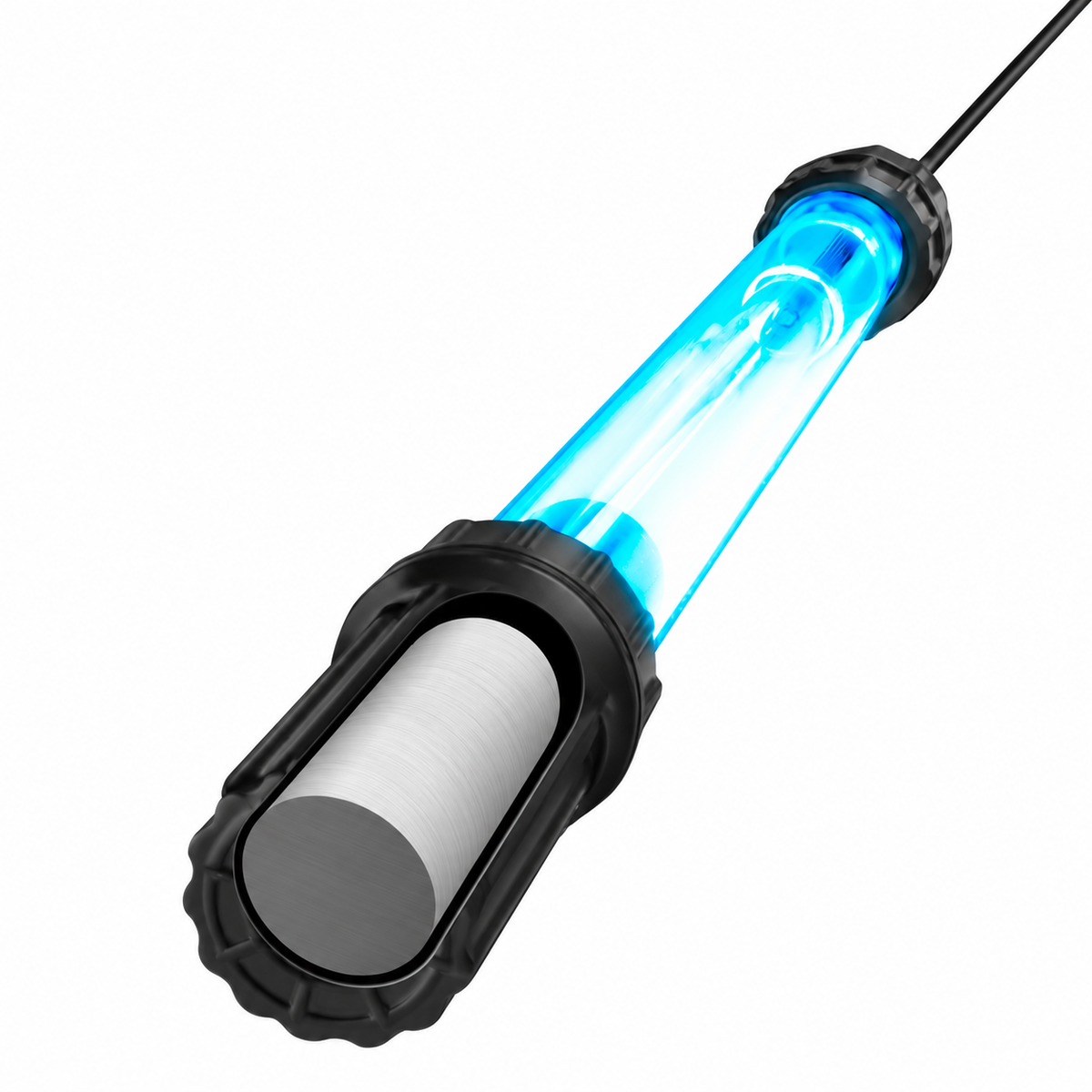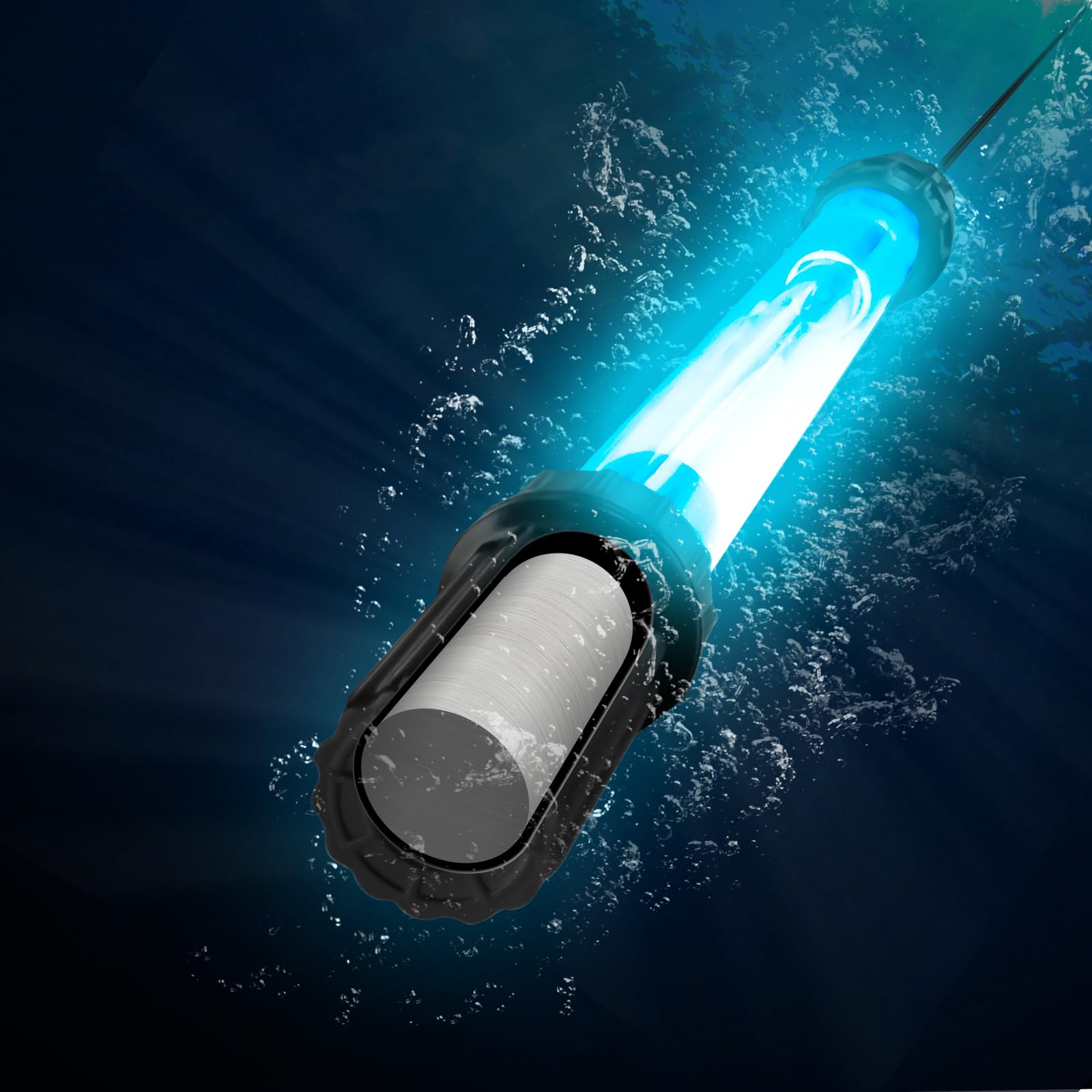
When winter arrives, many people start looking for UV lamps to support their homes, workplaces, aquariums, reptile habitats, and industrial applications. Shorter days, reduced natural sunlight, colder indoor environments, and seasonal maintenance needs can all increase interest in ultraviolet lighting. However, choosing the right UV lamp is not as simple as comparing wattage or selecting the product with the highest power rating.
One of the most common mistakes buyers make is assuming that a higher-wattage UV lamp will always deliver better results. In reality, wattage alone does not tell you what kind of ultraviolet radiation a lamp produces, what its intended application is, or whether it can meet your specific requirements.
UV-A, UV-B, and UV-C are three different regions of the ultraviolet spectrum. Each has distinct wavelength ranges, biological effects, operating characteristics, and applications. A UV-A lamp designed for curing materials, for example, is not interchangeable with a UV-C lamp intended for water disinfection. Similarly, a UV-B reptile lamp cannot simply replace a UV-A blacklight or a UV-C sterilization system.
Understanding these differences is essential before making a purchase, especially during winter, when people may use UV equipment more frequently or under different environmental conditions.
This guide explains what UV-A, UV-B, and UV-C mean, how they work, why wattage is only one part of the buying decision, and how to select a suitable UV lamp for your needs.
1. Why Wattage Should Not Be the First Thing You Compare
Wattage is one of the most visible specifications on a UV lamp's product label. It is often used in product titles, advertisements, and technical descriptions. Buyers naturally pay attention to it because higher wattage may suggest stronger output.
However, electrical power consumption and ultraviolet radiation output are not the same thing.
A lamp rated at 40 watts does not necessarily produce more useful ultraviolet radiation than every lamp rated at 20 watts. The actual output depends on several factors, including lamp technology, electrical efficiency, wavelength, optical design, operating temperature, and the condition of the light source.
For example, two lamps with identical electrical ratings may produce very different amounts of UV energy. One may emit UV-A radiation, while another produces UV-C. Even if their electrical power consumption is the same, their applications and safety requirements are completely different.
Electrical Wattage vs. UV Output
It is important to distinguish between three concepts:
Electrical wattage: The amount of electrical power consumed by the lamp or lighting system.
UV radiant output: The amount of ultraviolet energy emitted by the lamp, usually measured in watts of optical radiation.
Irradiance: The UV power received per unit of surface area, commonly expressed in watts per square meter or milliwatts per square centimeter.
These measurements answer different questions.
Electrical wattage tells you how much power the equipment uses. UV radiant output indicates how much ultraviolet energy the source emits. Irradiance helps determine how much UV energy actually reaches a target surface at a particular distance.
For many applications, irradiance is particularly important because the distance between the lamp and the target can significantly affect the delivered UV intensity.
A high-wattage lamp installed too far from the target may deliver less useful UV energy than a properly positioned lower-power system.
Why Higher Wattage Does Not Always Mean Better Performance
Several factors explain why wattage alone is insufficient.
First, different UV technologies convert electrical energy into ultraviolet radiation with different levels of efficiency.
Second, the wavelength determines how the radiation interacts with materials and biological systems. A high-output UV-A lamp cannot perform every task that requires UV-C radiation.
Third, lamp placement and exposure time influence the delivered UV dose.
Fourth, aging, contamination, temperature, and maintenance can reduce actual performance.
Finally, some applications require a specific wavelength range rather than simply the highest possible intensity.
The better buying strategy is to identify the required UV wavelength, useful output, irradiance, exposure conditions, and safety standards before comparing electrical wattage.
2. What Are UV-A, UV-B, and UV-C?
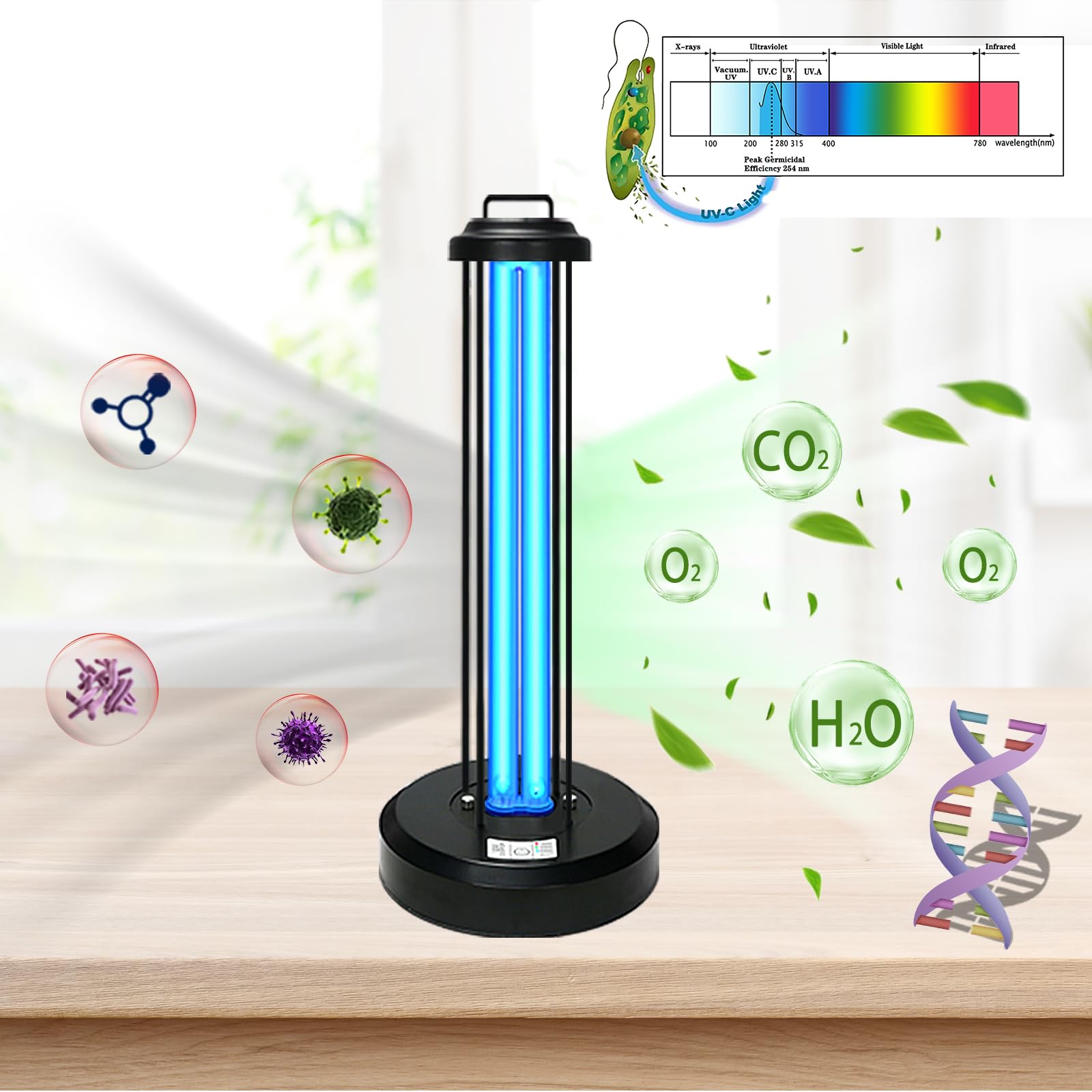
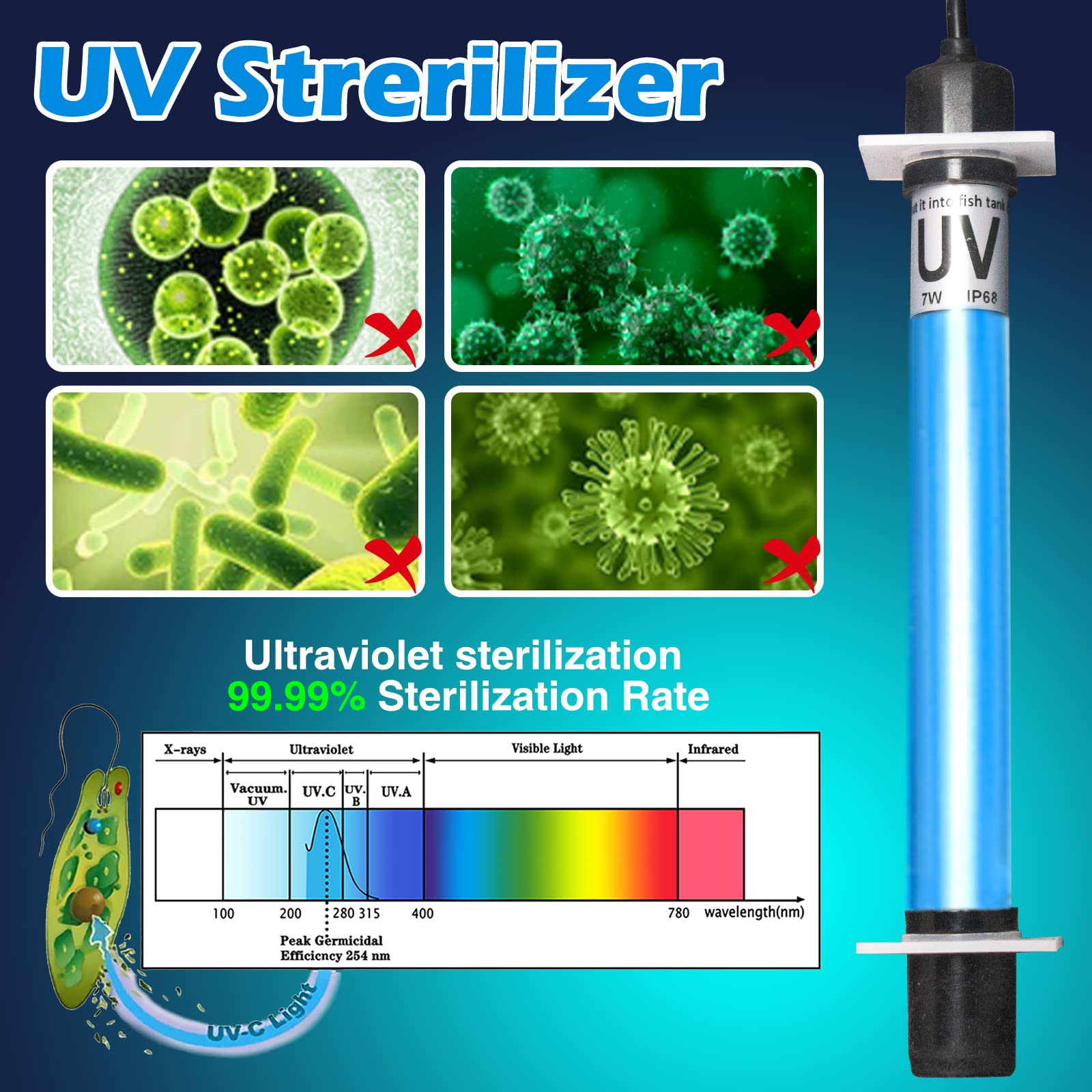
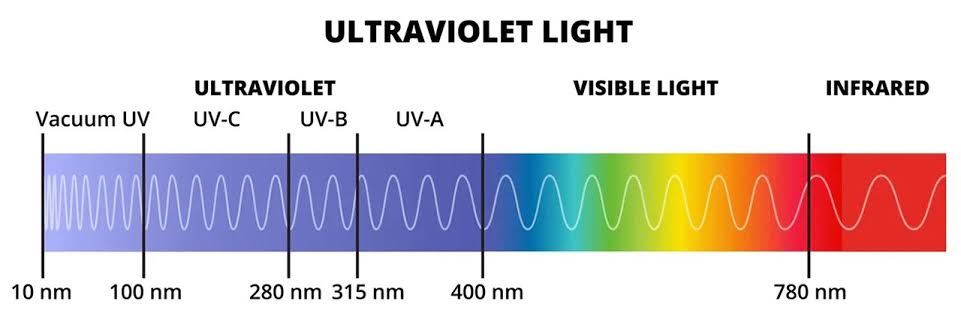
Ultraviolet radiation is part of the electromagnetic spectrum. It has shorter wavelengths than visible light but longer wavelengths than X-rays.
The ultraviolet spectrum is commonly divided into three major categories:
-
UV-A: Approximately 315–400 nanometers.
-
UV-B: Approximately 280–315 nanometers.
-
UV-C: Approximately 100–280 nanometers.
These wavelength ranges are widely used in lighting and scientific applications, although exact classification boundaries may vary slightly between standards and technical references.
<The most important distinction is that the three bands do not serve the same purpose. Their wavelengths determine how they interact with materials, organisms, and biological tissues.
UV-A: Long-Wave Ultraviolet Radiation
UV-A has the longest wavelength of the three major UV categories. It is also the portion of ultraviolet radiation most commonly associated with blacklights, fluorescent effects, certain curing processes, and specialized inspection applications.
UV-A generally penetrates biological tissues more deeply than UV-B and UV-C. It can contribute to skin aging and eye damage, particularly with excessive or poorly controlled exposure.
UV-B: Medium-Wave Ultraviolet Radiation
UV-B occupies the middle portion of the ultraviolet spectrum. It is important in certain biological processes, including vitamin D production in human skin and vitamin D synthesis in many reptile species.
UV-B is also associated with sunburn and DNA damage. Its use therefore requires careful attention to exposure levels, distance, duration, and the characteristics of the target organism or material.
UV-C: Short-Wave Ultraviolet Radiation
UV-C has the shortest wavelengths among these three categories. It is widely used in germicidal applications because certain UV-C wavelengths can damage the genetic material of microorganisms and prevent them from reproducing.
UV-C systems are used in applications such as water treatment, air disinfection, surface treatment, and industrial processing.
However, UV-C can also seriously injure human eyes and skin. Germicidal UV-C equipment must be designed, installed, operated, and maintained with appropriate shielding and safety controls.
3. UV-A Lamps: Common Uses, Advantages, and Buying Considerations
UV-A lamps are widely used because they support many specialized applications without serving the same germicidal role as UV-C systems.
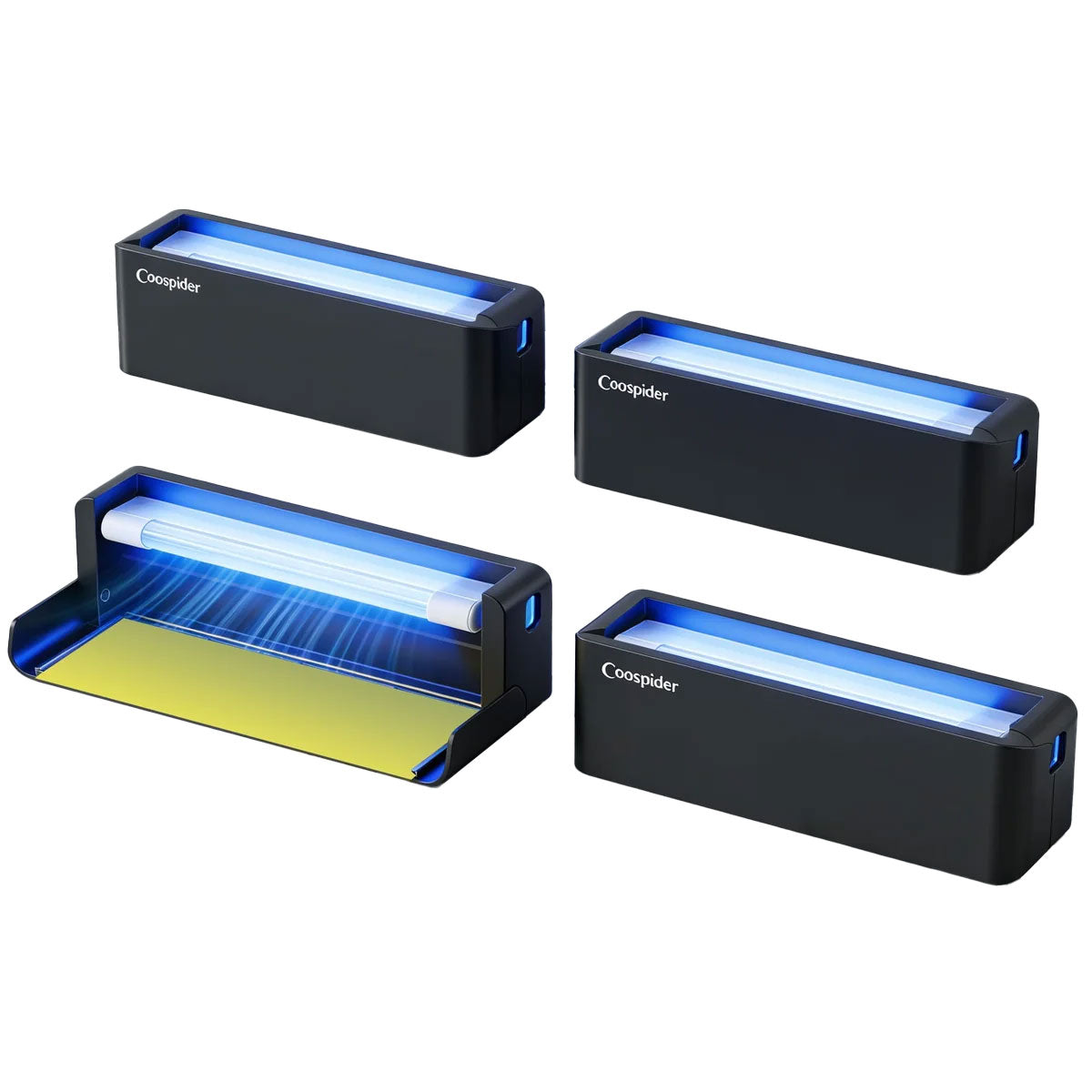
Their applications include industrial curing, fluorescent inspection, counterfeit detection, forensic examination, insect attraction, and decorative lighting.
Common Applications of UV-A Lamps
1. UV curing
UV-A lamps are used in some curing systems for inks, coatings, adhesives, and other light-sensitive materials.
When a compatible photoinitiator absorbs UV energy, it triggers a chemical reaction that causes the material to harden or cure.
This technology is used in printing, electronics manufacturing, woodworking, packaging, and other industrial processes.
The required wavelength depends on the chemistry of the material. A coating formulated for one UV wavelength may not cure effectively under a different source.
2. Fluorescent inspection
Some materials absorb UV-A radiation and emit visible light. This phenomenon is known as fluorescence.
It is useful for detecting certain contaminants, markings, leaks, residues, and material defects.
In industrial inspection, UV-A lamps can help make otherwise difficult-to-see features visible.
3. Counterfeit and security inspection
UV-A lamps can reveal fluorescent security features in banknotes, identification documents, labels, and other products.
The effectiveness of this inspection depends on the wavelength and the fluorescent materials used in the item being examined.
4. Insect attraction
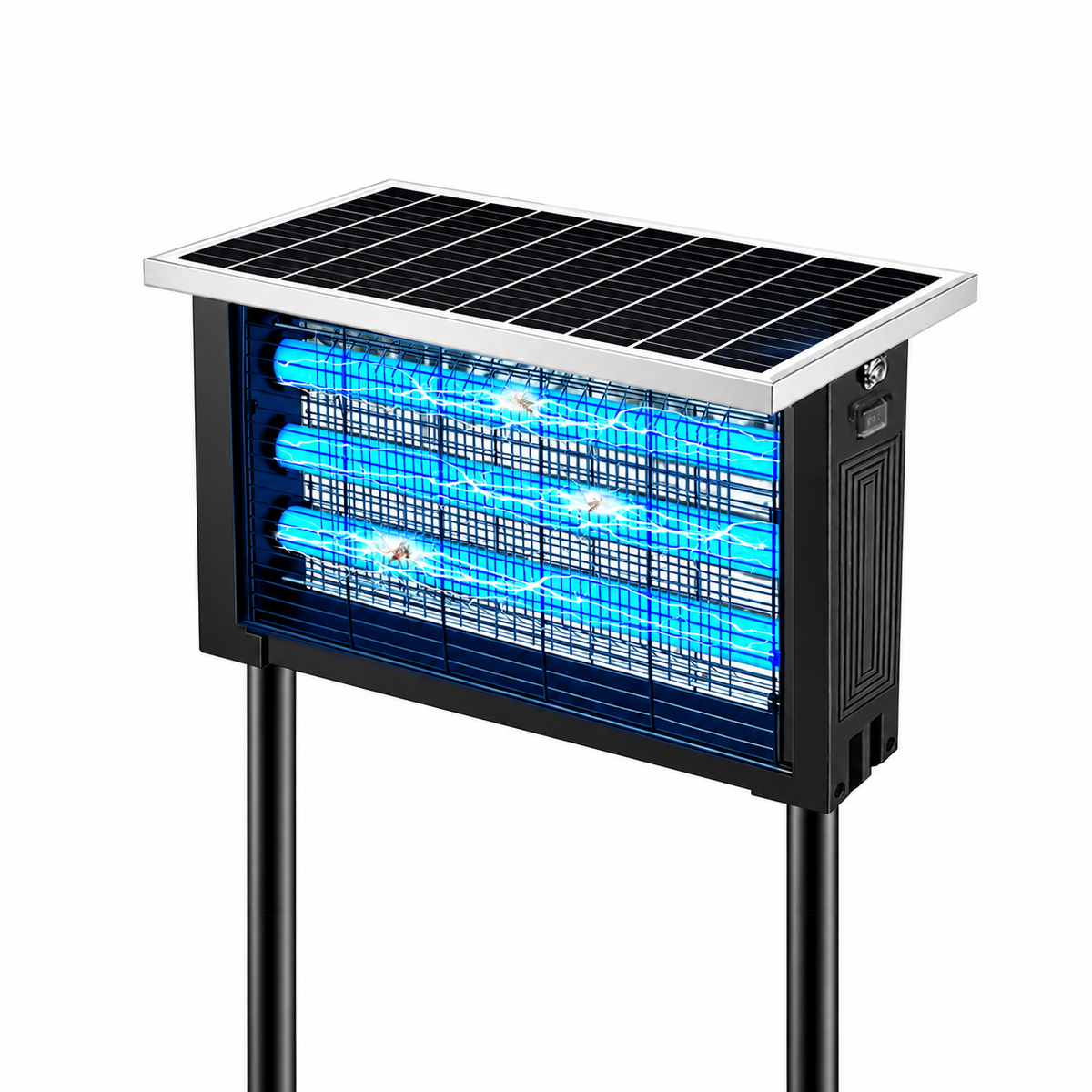
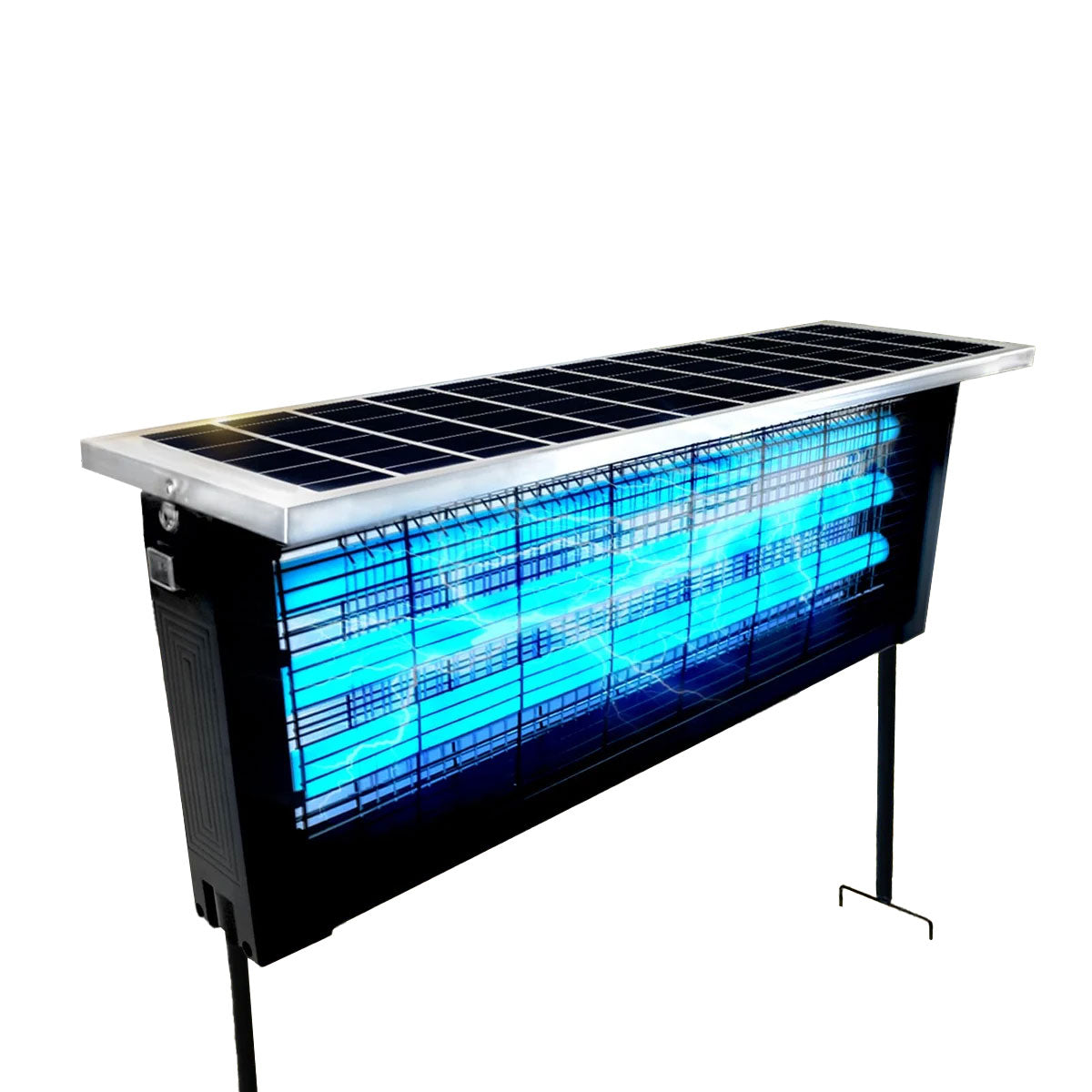
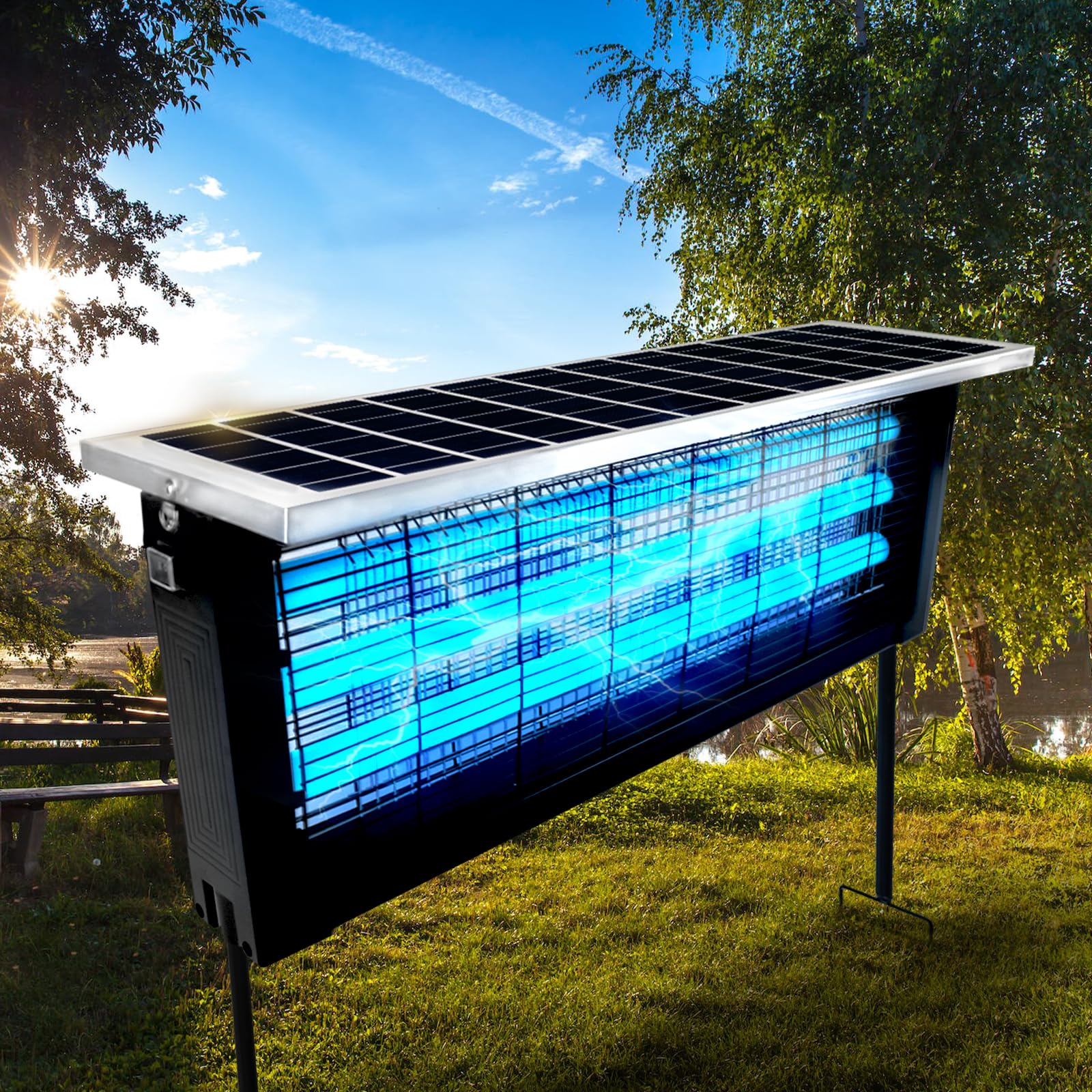
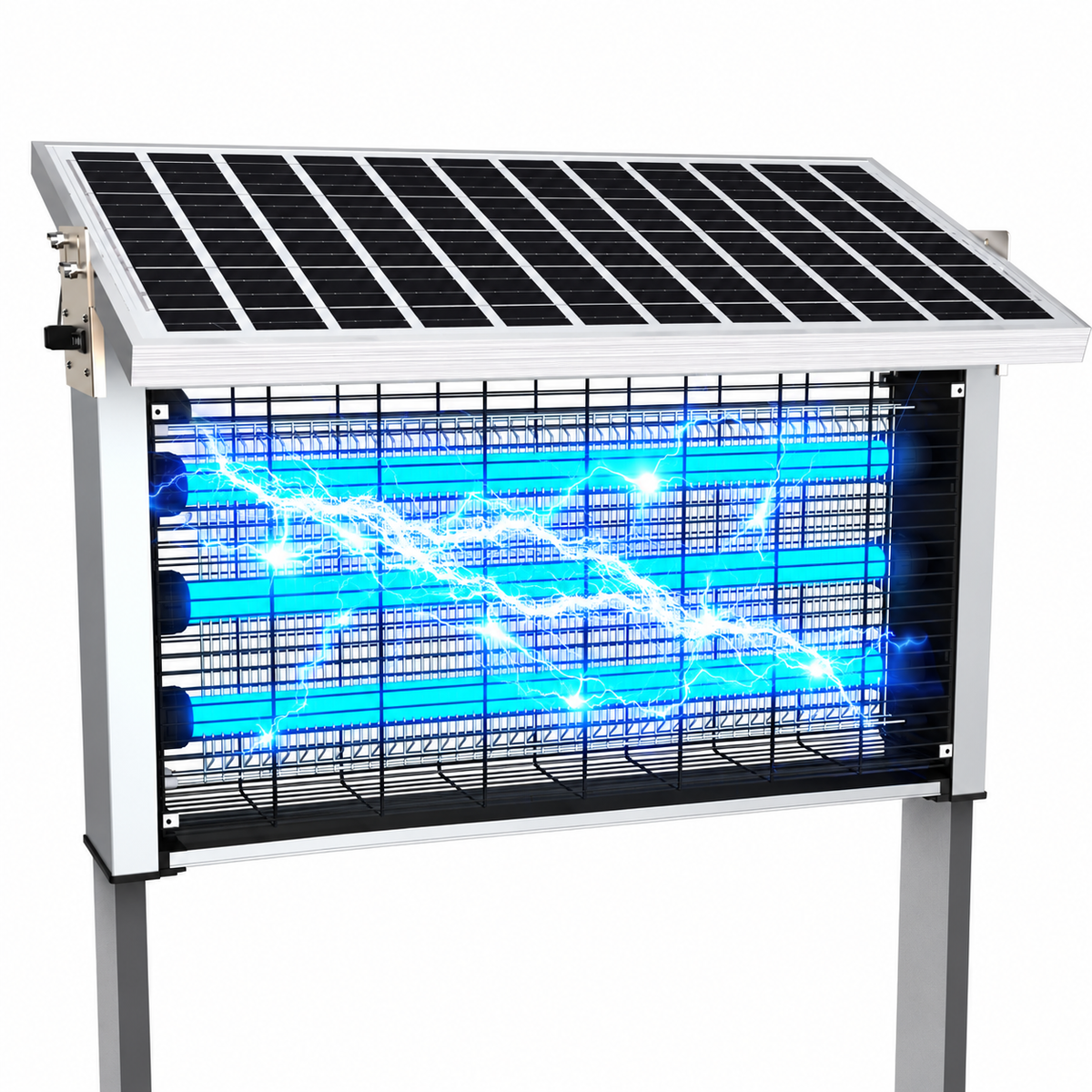
Certain UV-A wavelengths attract some flying insects. This is why UV-A light sources are used in some insect-trapping devices.
The lamp's wavelength, placement, surrounding lighting, and trap design all influence performance.
What Should You Look for When Buying a UV-A Lamp?
If you need a UV-A lamp, do not stop at the product's wattage rating.
Consider the following specifications:
-
Peak wavelength and emission range.
-
UV radiant output.
-
Irradiance at the intended working distance.
-
Beam angle or light distribution.
-
Operating temperature.
-
Expected service life.
-
Compatibility with the material or inspection process.
-
Electrical requirements and environmental protection rating.
For curing applications, wavelength compatibility is especially important. The photoinitiator in the ink, adhesive, or coating must respond to the lamp's emission spectrum.
A powerful UV-A lamp with an unsuitable wavelength may still produce poor curing results.
For inspection work, uniform illumination and sufficient irradiance may be more important than total electrical power.
4. UV-B Lamps: Important for Reptiles and Specialized Biological Applications
UV-B lamps are commonly discussed in reptile care because many reptiles rely on ultraviolet radiation as part of their normal biological processes.
In suitable species, UV-B exposure supports the production of vitamin D3 in the skin. Vitamin D3 helps the body absorb and regulate calcium, which is essential for healthy bones and normal physiological function.
When reptiles do not receive appropriate UV-B exposure, some species may develop metabolic bone disease and other health problems.
However, this does not mean that every reptile needs the same UV-B lamp or the same exposure level.
Why UV-B Matters for Reptiles
In natural environments, reptiles may receive UV-B radiation from sunlight. Their exposure varies according to species, habitat, time of day, season, behavior, and the amount of shade available.
Captive environments must provide an appropriate alternative.
A suitable UV-B lighting setup can help support natural behaviors and physiological needs. However, the correct setup depends on the animal's natural history.
Desert-dwelling reptiles, forest species, and animals that spend much of their time hiding under vegetation may have very different UV exposure requirements.
Choosing the Right UV-B Lamp
When selecting a UV-B lamp for a reptile habitat, consider:
1. UV-B output
Manufacturers may provide UV-B percentages, wavelength information, or other output measurements. These specifications should be interpreted carefully because a percentage alone does not establish how much usable UV-B reaches the animal.
2. UV Index
The UV Index, or UVI, is a useful way to describe biologically effective UV radiation at a particular location.
For reptile husbandry, UVI measurements can help keepers evaluate whether the basking zone provides an appropriate exposure level for the species.
A UV meter designed for reptile husbandry can be useful when setting up or checking a habitat.
3. Distance from the basking area
UV intensity generally decreases as distance from the source increases.
A lamp positioned too far away may provide insufficient exposure. A lamp placed too close may create excessive exposure.
Always follow the manufacturer's recommended installation distance and verify the actual conditions when possible.
4. Mesh and barriers
Screen covers, plastic panels, glass, and other barriers can reduce or block UV-B transmission.
A lamp that appears bright may still deliver very little usable UV-B through certain materials.
5. Replacement schedule
UV-B output can decline over time, even when a lamp continues to produce visible light.
Do not assume that a lamp is still effective simply because it turns on.
Follow the manufacturer's replacement guidance and use appropriate measurement equipment when necessary.
Why Winter Requires Extra Attention
During winter, natural sunlight exposure may decrease, especially for reptiles kept indoors.
Shorter days, colder outdoor temperatures, and reduced opportunities for safe natural basking can make artificial UV-B provision particularly important.
However, simply installing a stronger lamp is not the solution.
The enclosure must also maintain appropriate temperature gradients, basking conditions, humidity, and access to shade. UV-B exposure should be considered as part of a complete husbandry system rather than an isolated lighting upgrade.
A reptile must be able to move between exposed and shaded areas so it can regulate its own exposure.
5. UV-C Lamps: A Different Purpose for Disinfection and Industrial Applications
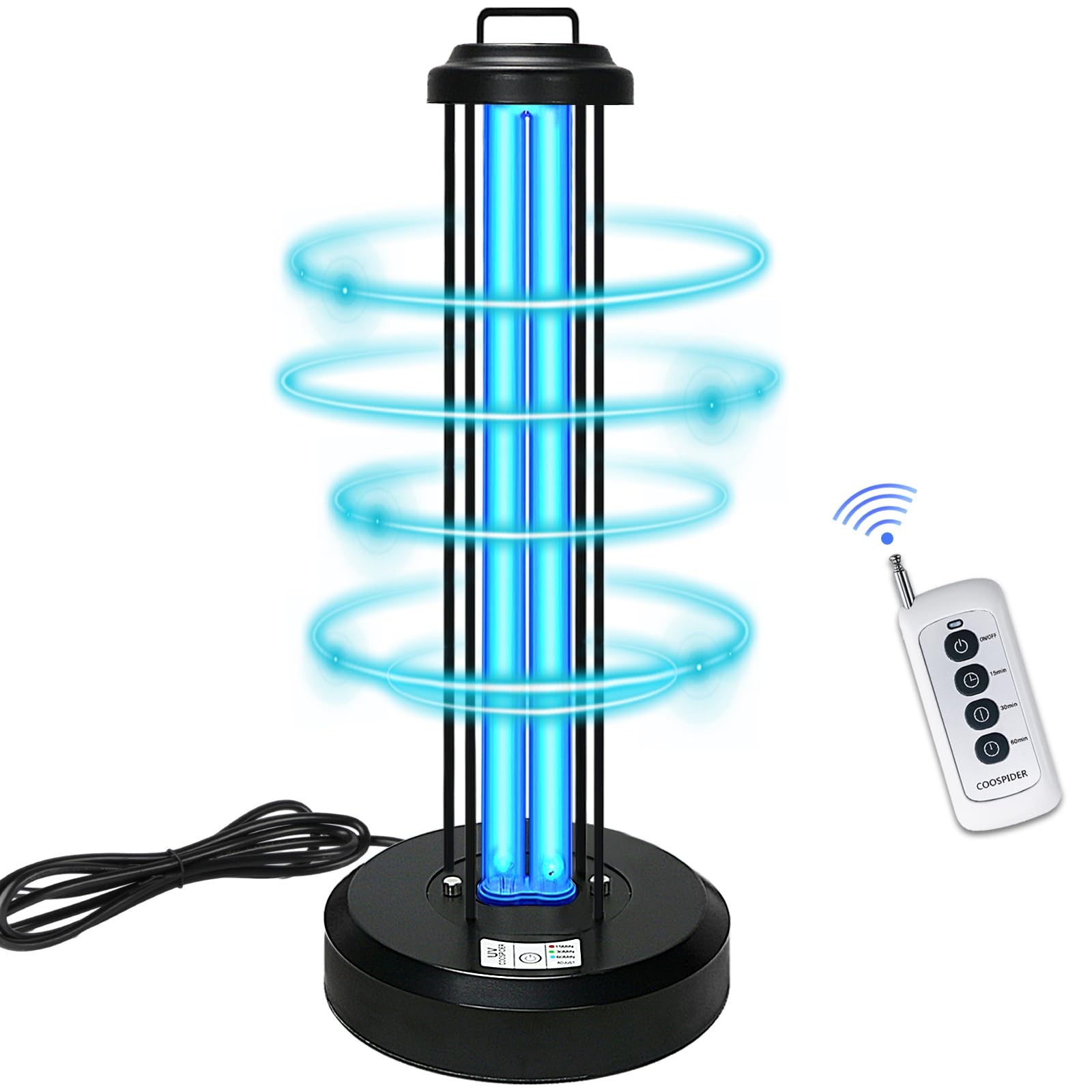
UV-C lamps are often described as sterilization lamps or germicidal lamps. They are designed for applications where ultraviolet radiation is used to inactivate susceptible microorganisms.
Unlike UV-A and UV-B lamps, UV-C systems are not primarily intended for decorative effects, reptile vitamin D support, or ordinary fluorescent inspection.
Their major applications include water treatment, air treatment, surface disinfection, and certain industrial processes.
How UV-C Disinfection Works
UV-C radiation can be absorbed by the nucleic acids of microorganisms, including DNA and RNA.
When sufficient UV-C energy reaches a microorganism, it can cause molecular damage that interferes with replication.
The microorganism may become unable to reproduce or may otherwise lose its ability to cause infection.
The effectiveness of a UV-C system depends on the delivered UV dose.
UV dose is generally calculated from irradiance multiplied by exposure time:
UV Dose = Irradiance × Exposure Time
For example, if a target receives a constant irradiance of 1 milliwatt per square centimeter for 10 seconds, the nominal dose is 10 millijoules per square centimeter.
This simplified relationship assumes stable irradiance and exposure conditions. Actual systems must account for factors such as flow patterns, shadowing, lamp aging, water clarity, and equipment geometry.
Common UV-C Applications
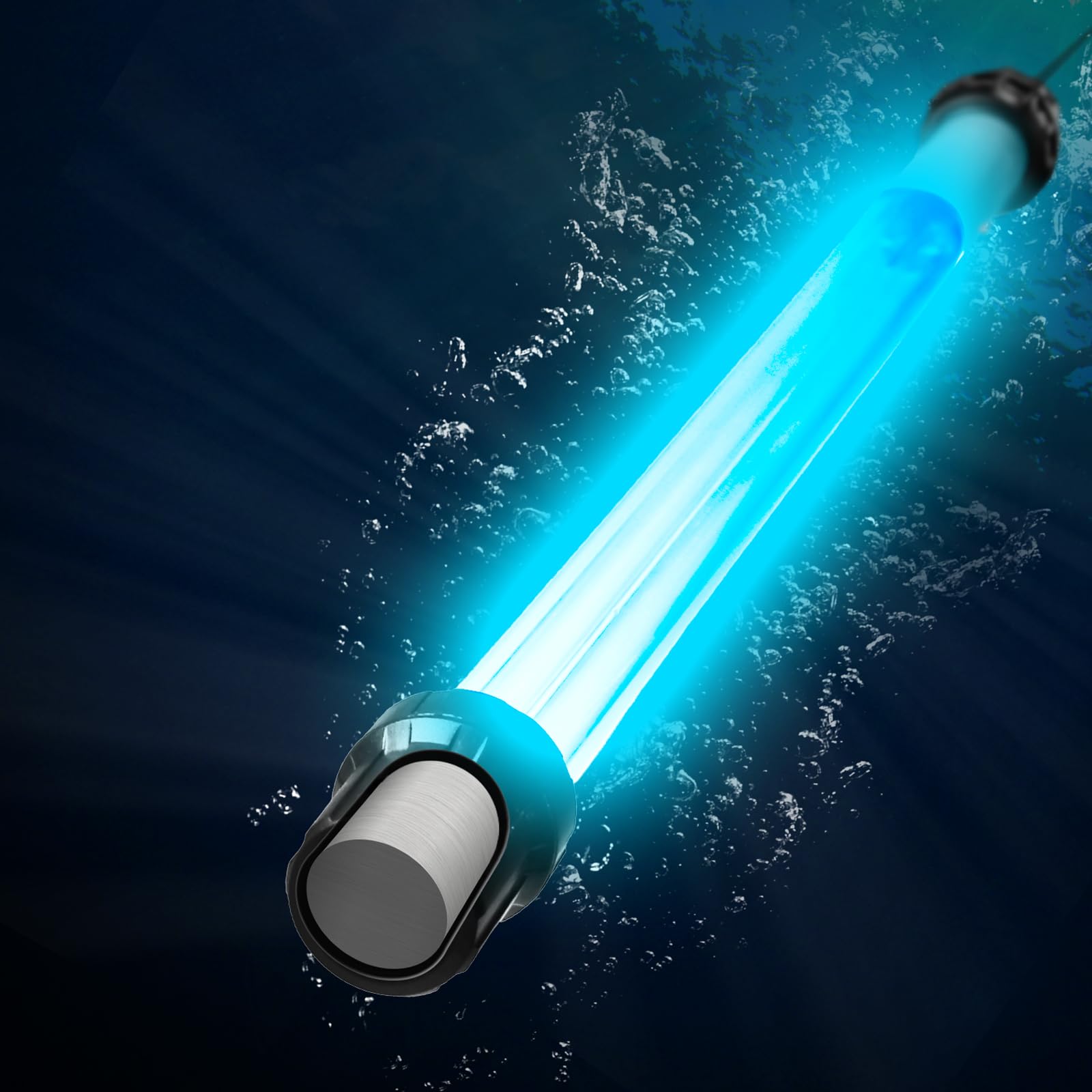
1. Water disinfection
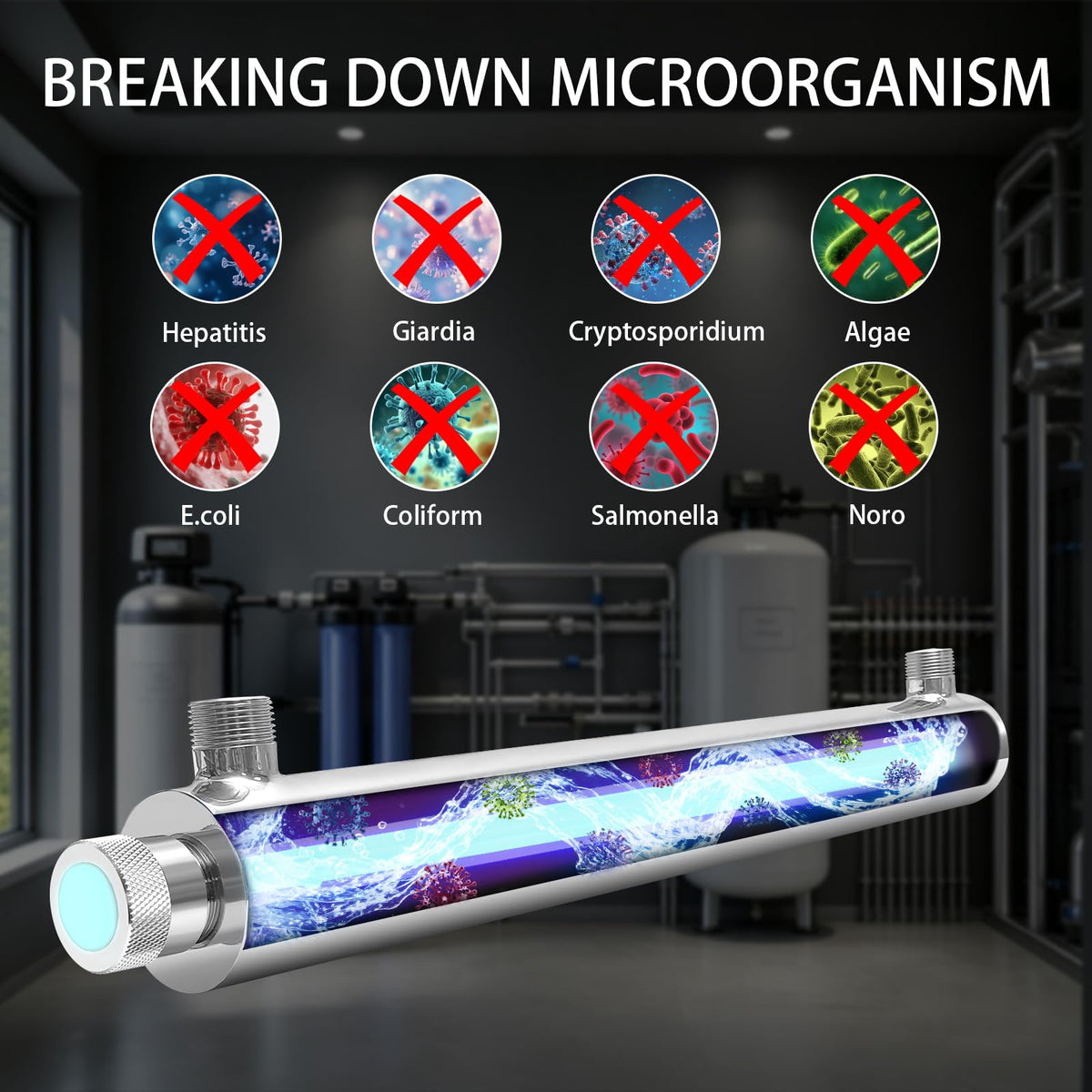
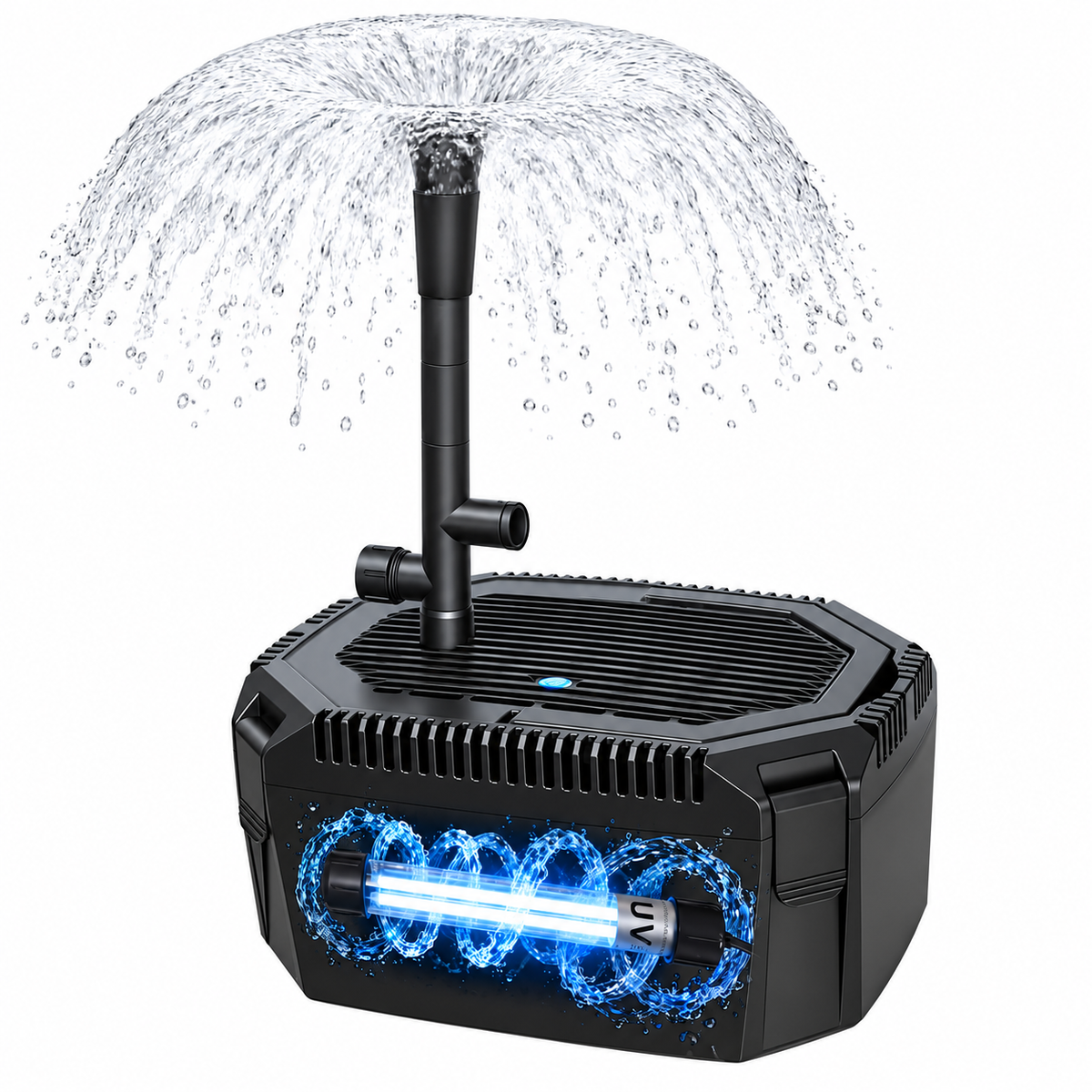
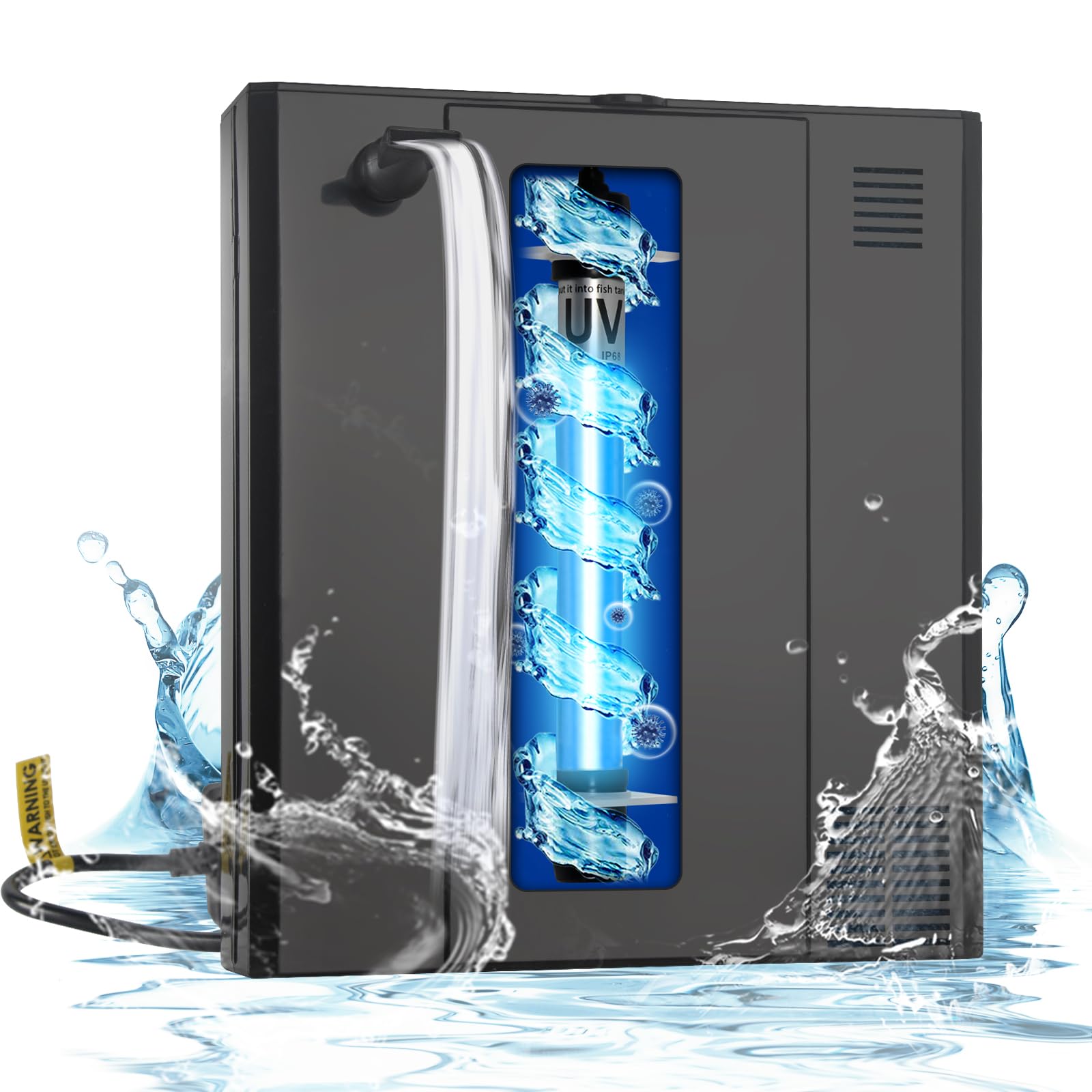
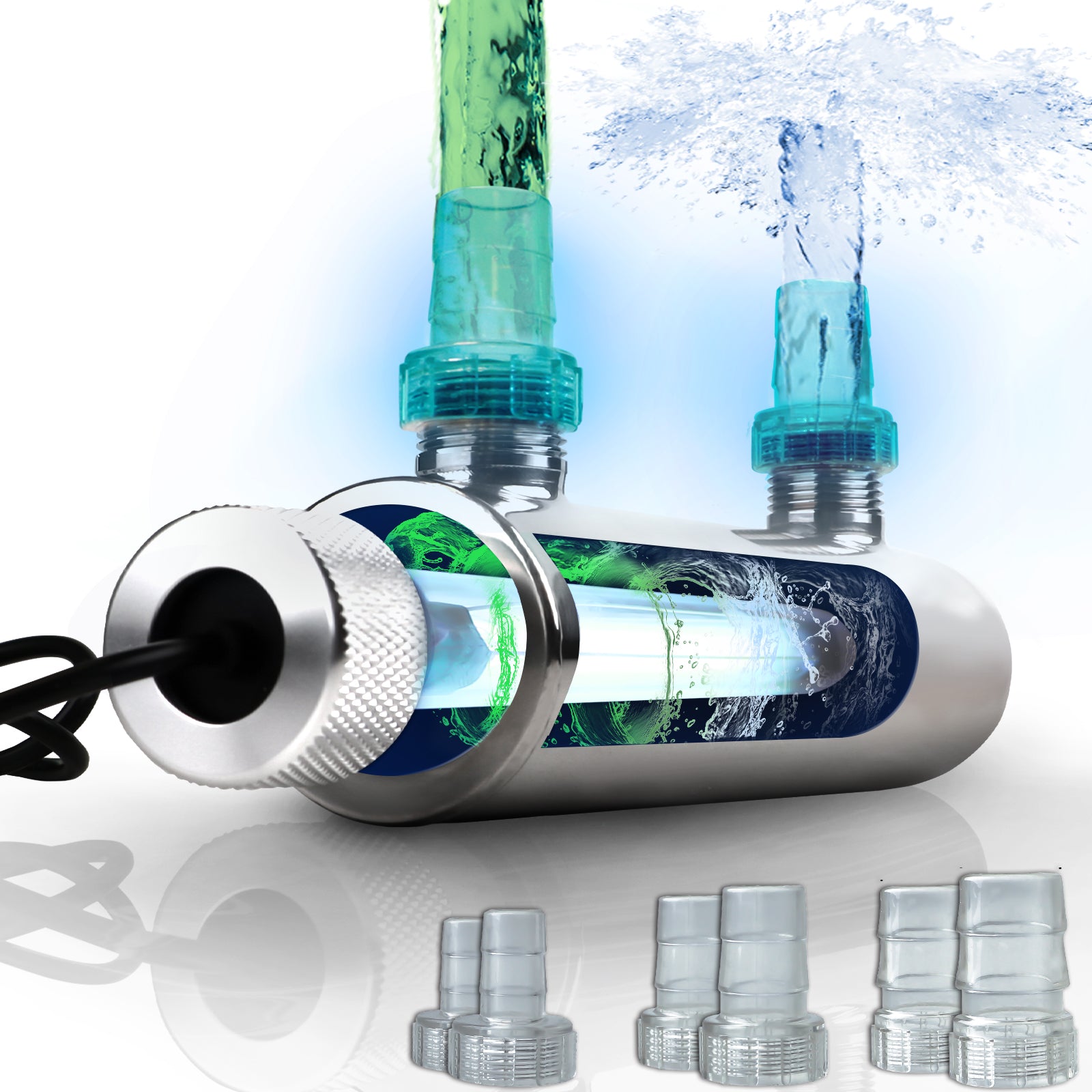
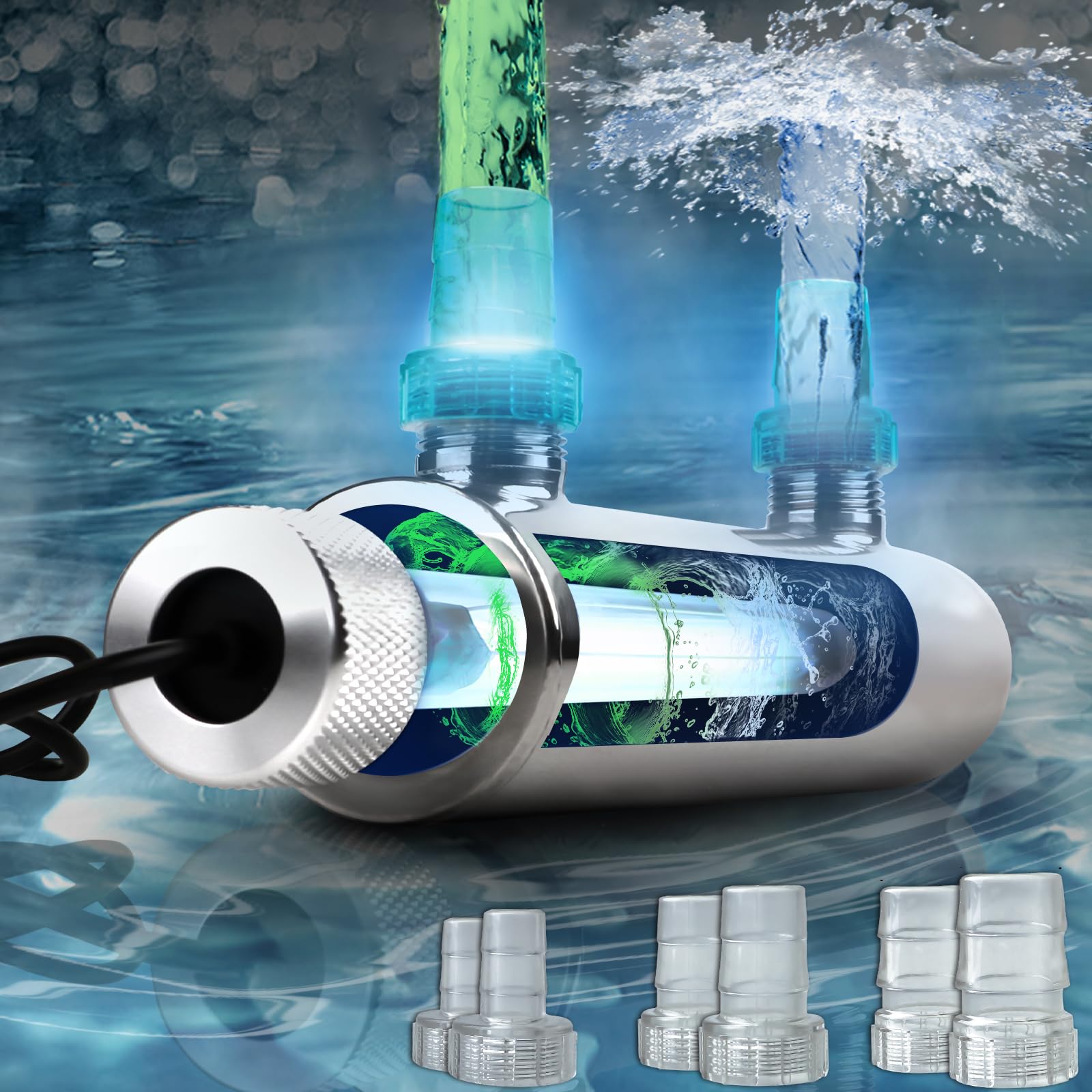
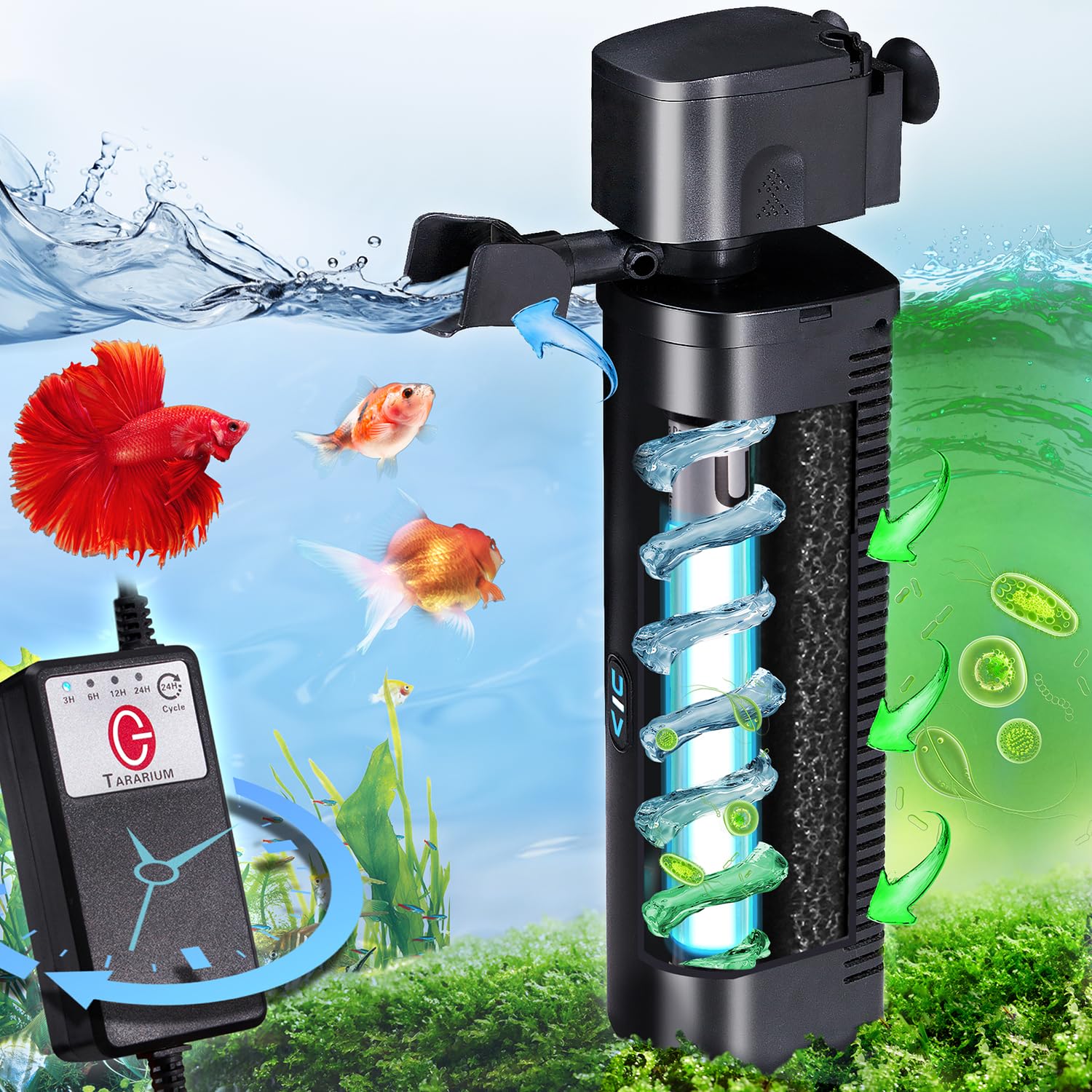
UV-C systems are used in water treatment equipment to inactivate susceptible microorganisms as water passes through a treatment chamber.
They are commonly found in aquarium systems, ponds, water treatment installations, and certain industrial processes.
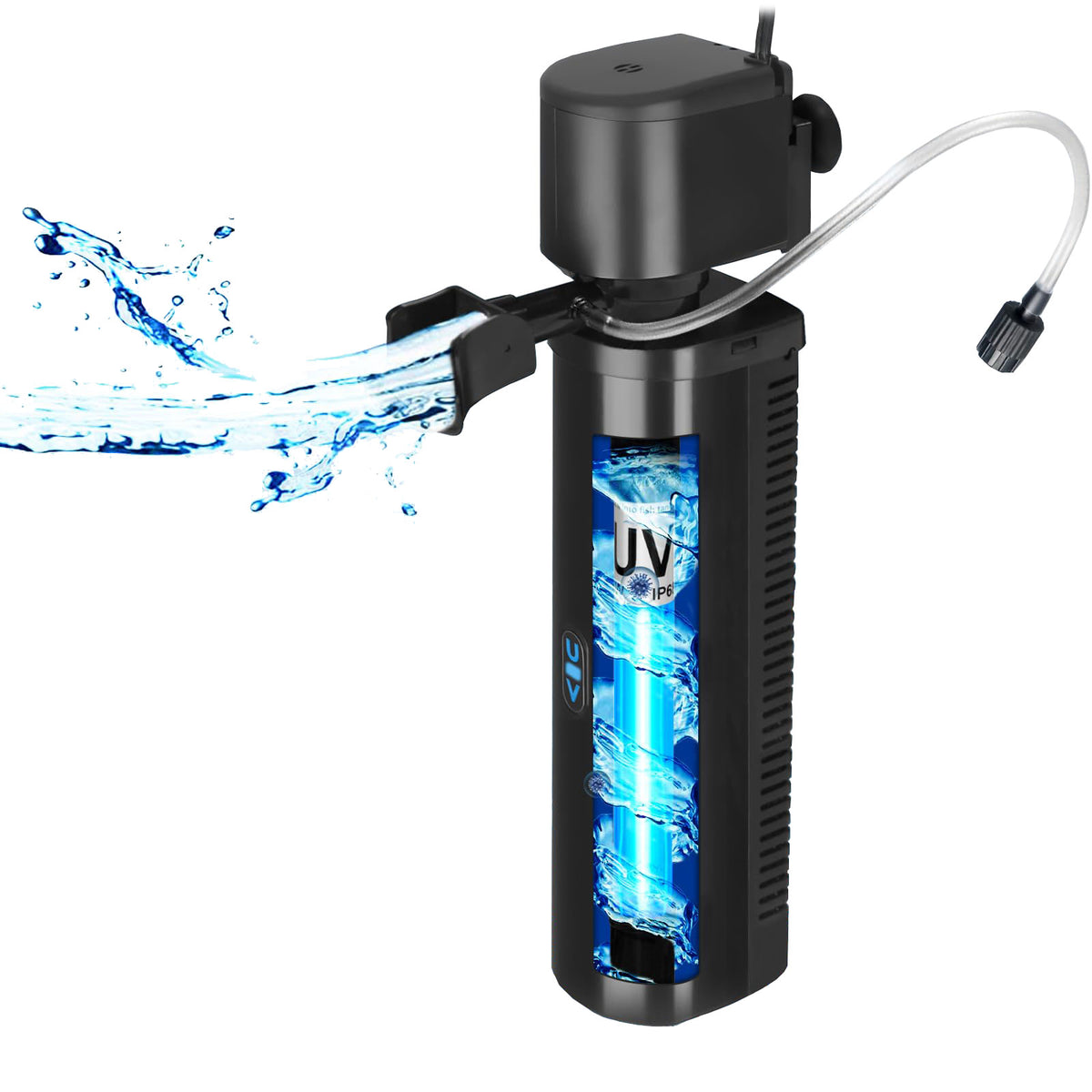
In aquariums, UV-C equipment can help reduce certain free-floating microorganisms and improve water clarity under suitable conditions.
However, UV-C does not remove ammonia, nitrite, nitrate, dissolved waste, or heavy metals. It does not replace biological filtration, mechanical filtration, or regular water changes.
2. Air disinfection
UV-C systems can be incorporated into HVAC equipment and specialized air treatment units.
When designed correctly, they can expose airborne microorganisms to an appropriate UV dose.
Some systems treat air inside enclosed ducts, while others use engineered upper-room configurations.
Airflow, exposure time, shielding, and system design are essential to performance.
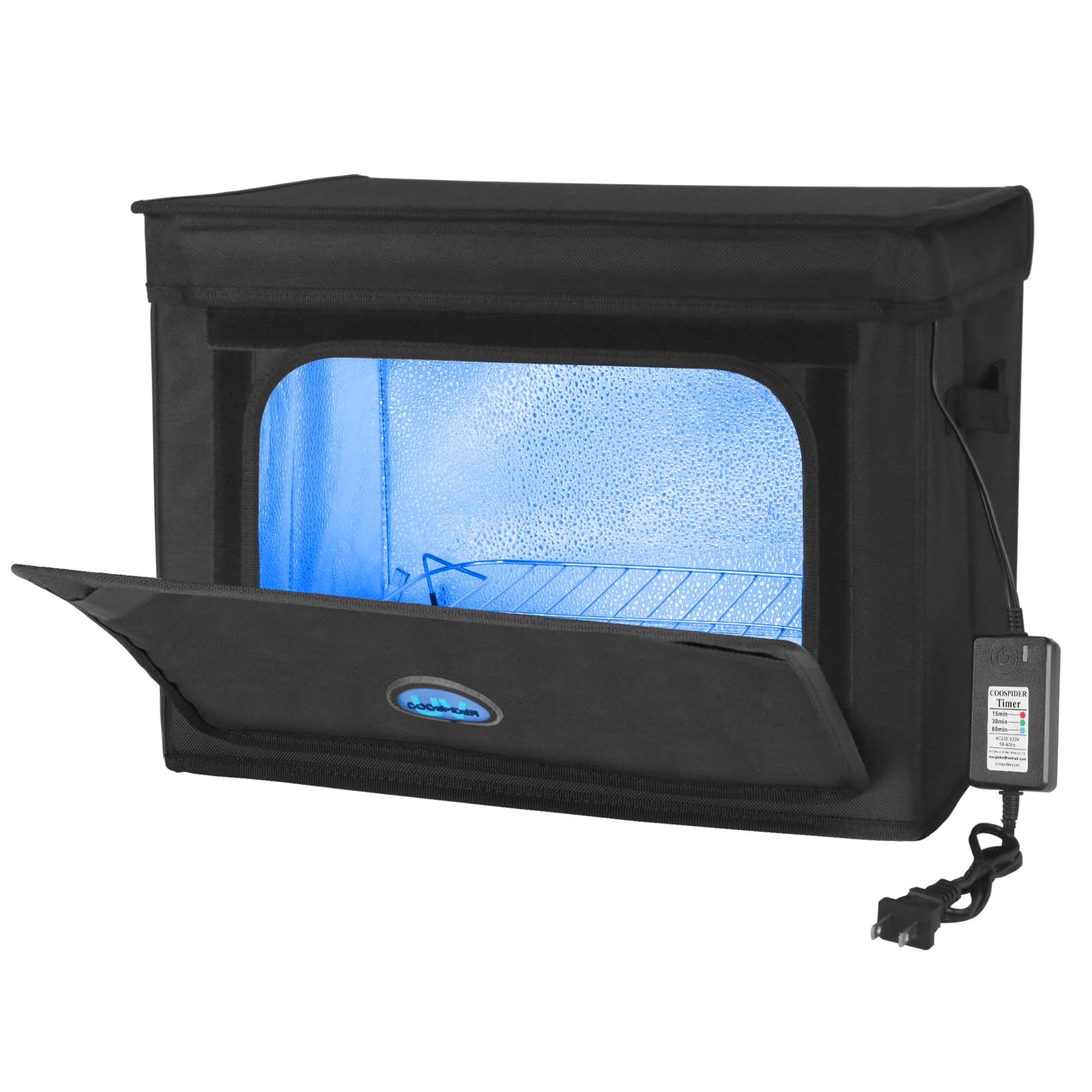
3. Surface disinfection
UV-C can be used to treat exposed surfaces in controlled environments.
However, UV-C radiation travels primarily in straight lines. Objects, dirt, folds, and shadows can prevent radiation from reaching parts of a surface.
Therefore, surface disinfection systems must be carefully designed and should not be assumed to disinfect every hidden or shaded area.
4. Industrial applications
UV-C is used in selected industrial processes involving water, air, materials, and specialized surface treatment.
The required wavelength and UV dose depend on the target organism, material, and process conditions.
What to Check Before Buying a UV-C Lamp
For UV-C equipment, important specifications include:
-
Emission wavelength.
-
UV radiant output.
-
UV dose under actual operating conditions.
-
Treatment chamber design.
-
Flow rate for water systems.
-
Airflow and exposure time for air systems.
-
Lamp service life.
-
Electrical and environmental protection ratings.
-
Safety interlocks and shielding.
-
Maintenance and replacement requirements.
A product advertised as a high-wattage UV-C lamp may still be unsuitable if its wavelength, output, or installation design does not match the application.
For example, a water treatment system needs an appropriate chamber and flow rate. Simply placing a powerful UV-C source beside a water tank does not guarantee effective treatment.
Important UV-C Safety Precautions
Direct exposure to germicidal UV-C can cause serious eye and skin injuries.
Never look directly at an operating exposed UV-C lamp. Never allow unprotected skin or eyes to receive direct germicidal UV-C exposure.
Do not use open germicidal UV-C lamps in occupied rooms unless the system has been specifically engineered and validated for safe operation under those conditions.
Use enclosed equipment, appropriate interlocks, protective shielding, warning labels, and manufacturer-approved procedures.
Some UV-C sources can also generate ozone. If ozone is a possible byproduct, the system must be selected and operated with appropriate ventilation and safety controls.
6. UV-A vs. UV-B vs. UV-C: The Main Differences at a Glance
Although all three categories belong to the ultraviolet spectrum, their practical uses are very different.
| Feature | UV-A | UV-B | UV-C |
|---|---|---|---|
| Approximate wavelength | 315–400 nm | 280–315 nm | 100–280 nm |
| Relative wavelength | Longest | Medium | Shortest |
| Common applications | Curing, inspection, fluorescence | Reptile lighting, specialized biological applications | Water, air, and surface disinfection |
| Typical purpose | Trigger fluorescence or photochemical reactions | Support selected biological processes | Inactivate susceptible microorganisms |
| Human exposure concerns | Skin aging and eye damage | Sunburn, DNA damage, eye and skin injury | Serious eye and skin injury |
| Main buying consideration | Wavelength compatibility and irradiance | Species-specific UV exposure and UVI | UV dose, system design, and shielding |
The table makes one point clear: UV lamps should be selected according to their intended function, not simply by their electrical power rating.
7. Why Winter Makes UV Lamp Selection More Important
Winter changes how people use UV lighting in several ways.
For households, reduced daylight may increase interest in specialized indoor lighting. For reptile owners, natural UV exposure may become less available. For aquariums, indoor equipment may operate continuously as part of a year-round maintenance routine. For industrial facilities, colder conditions may influence equipment installation and operating practices.
These situations create different purchasing requirements.
Reduced Natural Sunlight
During winter, shorter daylight hours can reduce the amount of natural sunlight available for certain outdoor activities.
For reptile owners, this makes it particularly important to maintain a suitable artificial UV-B setup.
However, artificial UV-B should be selected according to the species' requirements, not based on the assumption that winter automatically calls for a higher-output lamp.
Indoor Equipment Runs More Often
Some UV systems operate for extended periods, especially in aquariums, water treatment equipment, and industrial installations.
Longer operating schedules make lamp lifespan, energy efficiency, thermal management, and maintenance accessibility important purchasing factors.
A lamp that offers suitable UV output with reasonable power consumption may be a better choice than a higher-wattage model that generates unnecessary heat or requires more frequent maintenance.
Cold Environments Can Affect Equipment Performance
Not every UV lamp responds to temperature in the same way.
Certain discharge lamps require specific operating conditions to reach their intended performance. LED-based UV systems may also have temperature-related output and lifespan characteristics.
Before installing equipment in an unheated garage, outdoor enclosure, cold storage area, or industrial facility, check the manufacturer's specified operating temperature range.
Do not assume that a UV lamp designed for indoor use will work reliably in every winter environment.
Winter Maintenance Should Not Be Ignored
Cold weather can make maintenance less convenient, but neglecting UV equipment may reduce performance.
Dust, mineral deposits, moisture, and aging components can affect UV transmission and system efficiency.
A consistent inspection schedule helps ensure that the lamp continues to operate as intended.
8. Five Common Mistakes When Buying UV Lamps
Understanding the three UV categories is only the first step. Buyers should also avoid several common purchasing mistakes.
Mistake 1: Choosing the Highest Wattage Available
A high wattage rating does not automatically mean better UV performance.
The first question should be whether the lamp produces the correct UV wavelength for the intended application.
A 60-watt UV-A lamp is not a substitute for a UV-C disinfection unit. A high-power UV-C lamp is not an appropriate replacement for a reptile UV-B lamp.
Choose the right category first, then compare useful output and electrical consumption.
Mistake 2: Ignoring the Actual Wavelength
Product descriptions sometimes use broad terms such as ultraviolet, blacklight, germicidal, or full-spectrum UV.
These labels are not enough to determine suitability.
Ask for the wavelength range or peak emission wavelength. If the manufacturer cannot provide meaningful wavelength information, be cautious about relying on the product for a technical application.
Mistake 3: Confusing Visible Brightness With UV Intensity
Some UV lamps produce a visible glow, while others emit very little visible light.
The visible brightness of a lamp does not reliably indicate how much useful UV radiation it produces.
A lamp can appear bright while delivering insufficient UV output. Conversely, a source may produce substantial ultraviolet radiation without appearing especially bright.
Use suitable measurement instruments rather than judging performance by eye.
Mistake 4: Ignoring Installation Distance
UV intensity at the target depends heavily on distance and system geometry.
For reptile lamps, installation distance affects the UV exposure available in the basking area.
For curing systems, distance influences how much energy reaches the material.
For disinfection systems, the chamber design and exposure conditions determine the delivered dose.
Always follow installation instructions and verify actual operating conditions when the application requires precise exposure.
Mistake 5: Forgetting Maintenance and Replacement
UV lamps can lose useful output over time.
A lamp may continue to turn on even when its UV performance has declined.
This is especially important for UV-B reptile lighting and UV-C disinfection equipment, where insufficient output may compromise the intended result.
Check the manufacturer's recommended service life and replacement schedule. Where practical, use appropriate meters to evaluate output.
9. How to Choose the Right UV Lamp for Different Applications
A practical buying decision starts with the application rather than the product category.
If You Need a Lamp for Industrial Curing
Look for a UV-A or other application-specific UV source compatible with the coating, ink, or adhesive.
Check:
-
Required wavelength range.
-
Photoinitiator compatibility.
-
Irradiance at the working surface.
-
Exposure time.
-
Curing speed.
-
Uniformity across the production area.
-
Thermal effects on the material.
For production lines, consistency and process control are just as important as peak output.
If You Need a Lamp for Reptiles
Look for a UV-B product designed for the species and enclosure setup.
Check:
-
Species-specific UV requirements.
-
UVI at the basking zone.
-
Recommended installation distance.
-
Whether mesh or other barriers reduce UV transmission.
-
Access to shaded areas.
-
Replacement guidance.
Use a reliable reptile UV meter when appropriate, and consult qualified veterinary or husbandry guidance for species-specific requirements.
If You Need a Lamp for Aquarium Water Treatment
Look for a purpose-built UV-C aquarium sterilizer or water treatment unit.
Check:
-
Tank or pond volume.
-
Actual water flow rate.
-
UV-C output and wavelength.
-
Chamber design.
-
Water clarity and pre-filtration.
-
Recommended operating schedule.
-
Lamp replacement interval.
-
Safe installation and electrical protection.
A system that is too small or has an unsuitable flow rate may not deliver the intended treatment.
Remember that UV-C does not replace routine aquarium care, biological filtration, or water quality testing.
If You Need a Lamp for Air or Surface Disinfection
Choose a UV-C system designed specifically for the intended environment.
Check:
-
Target microorganisms and required performance.
-
UV dose under real operating conditions.
-
Airflow or exposure geometry.
-
Shielding and access controls.
-
Interlocks and warning systems.
-
Ozone generation characteristics.
-
Applicable safety and regulatory requirements.
For occupied buildings, professional system design is especially important.
10. UV Lamp Technology: Traditional Lamps vs. UV LEDs
In addition to choosing between UV-A, UV-B, and UV-C, buyers may need to decide between traditional lamp technologies and UV LEDs.
Both approaches have advantages and limitations.
Traditional UV Lamps
Traditional UV sources, including certain mercury-vapor and fluorescent lamp designs, have been used in industrial and commercial applications for many years.
Their advantages may include:
-
Established performance characteristics.
-
Availability in a range of wavelengths and power levels.
-
Mature equipment designs.
-
Suitability for certain high-output applications.
Their limitations can include warm-up requirements, heat generation, lamp fragility, replacement needs, and special handling or disposal requirements for products containing hazardous materials.
Some traditional UV lamps also have environmental and regulatory considerations that buyers should evaluate before purchasing.
UV LED Systems
UV LEDs produce ultraviolet radiation using semiconductor technology.
Their potential advantages include:
-
Compact designs.
-
Instant or near-instant operation.
-
Flexible wavelength selection.
-
Directional optical output.
-
Potentially lower energy consumption in suitable applications.
-
Reduced dependence on certain traditional lamp materials.
However, UV LED systems are not automatically better in every situation.
Their output, efficiency, thermal management, and lifespan vary by wavelength and product design.
UV-C LEDs, in particular, have different performance characteristics from traditional mercury-based germicidal lamps. Buyers should compare measured output and treatment performance rather than relying on general claims about LED technology.
Which Technology Is Better for Winter?
There is no universal answer.
For a small specialized inspection device, a UV LED may offer convenient size and instant operation.
For an industrial process requiring a particular high-output configuration, a traditional source may remain suitable.
For water disinfection, the best choice depends on the required UV dose, flow rate, chamber design, maintenance needs, and total operating cost.
The correct technology is the one that reliably meets the application's requirements.
11. Understanding UV Lamp Specifications Before Ordering
Before placing an order, review the technical data sheet rather than relying only on the product title.
The following specifications can help you compare products more accurately.
Peak Wavelength
Peak wavelength identifies the wavelength at which a source produces its strongest emission.
It is useful, but it does not describe the entire emission spectrum.
For applications that require a narrow wavelength range, ask for the full spectral distribution when available.
UV Radiant Power
This indicates how much ultraviolet energy the lamp emits.
It is different from electrical input wattage.
A reliable manufacturer should clearly distinguish optical UV output from power consumption.
Irradiance
Irradiance measures the UV power reaching a particular surface area.
It is often more useful than total lamp output when evaluating exposure at a working distance.
Make sure the measurement distance and test conditions are specified.
UV Dose
UV dose describes the amount of UV energy delivered over a period of time.
It is particularly important in curing and disinfection applications.
For disinfection, the required dose depends on the microorganism and treatment conditions. There is no single dose that guarantees the same result for every organism or environment.
Operating Temperature
Check the permitted ambient and operating temperature ranges.
Winter installations may expose equipment to colder conditions than those expected in a normal indoor environment.
Service Life
Service life may refer to the period during which the lamp remains operational or the period during which it maintains a specified level of output.
These are not necessarily the same.
Ask whether the stated lifetime is based on total operating hours, a defined output-maintenance threshold, or another test method.
Protection Rating
For equipment used around water, moisture, dust, or outdoor environments, check the enclosure's ingress protection rating.
A suitable protection rating helps reduce environmental risks, but it does not eliminate the need for correct installation and electrical safety practices.
12. How to Compare UV Lamps Based on Total Cost, Not Just Purchase Price
A low-cost UV lamp may look attractive at first, but the initial price does not always represent the best long-term value.
A more complete comparison should include:
Purchase cost: The initial price of the lamp or system.
Energy consumption: How much electricity the equipment uses during operation.
Replacement cost: The price of replacement lamps, modules, or other consumable components.
Maintenance labor: The time and resources required to clean, inspect, and service the equipment.
Performance stability: Whether the system can maintain the required output over its intended service life.
Downtime risk: The potential cost of interruptions if the equipment fails or performs below specification.
For industrial users, a UV system that maintains consistent performance and minimizes production interruptions may be more economical than a cheaper product with frequent maintenance requirements.
For home users, a reliable system with clear replacement instructions and accessible components may provide better long-term value.
The most useful question is not simply, "How many watts does this lamp have?" It is, "What performance can this lamp deliver for my application, and what will it cost to maintain that performance?"
13. A Practical Winter UV Lamp Buying Checklist
Before purchasing a UV lamp this winter, review the following checklist.
-
Identify the exact application.
-
Confirm whether you need UV-A, UV-B, or UV-C.
-
Check the wavelength range and peak wavelength.
-
Compare UV radiant output rather than electrical wattage alone.
-
Review irradiance at the required distance.
-
Determine the necessary exposure time or UV dose.
-
Check operating temperature requirements.
-
Confirm compatibility with your existing equipment.
-
Review safety features and installation instructions.
-
Check lamp lifespan and replacement availability.
-
Compare energy consumption and maintenance costs.
-
Confirm that the supplier can provide reliable technical documentation.
If you are purchasing for an industrial process, request a technical data sheet and discuss the actual working conditions with the supplier.
If you are buying for a reptile enclosure, confirm the species-specific UV requirements and measure the exposure where the animal will actually bask.
If you are purchasing a UV-C system, verify that it is designed for the intended water, air, or surface treatment application and that it includes appropriate safety controls.
14. Frequently Asked Questions About UV-A, UV-B, and UV-C Lamps
Q1: Is a higher-wattage UV lamp always stronger?
No. Electrical wattage measures power consumption, not necessarily useful UV output.
The actual performance depends on wavelength, optical efficiency, radiant power, distance, and system design.
Compare the specifications relevant to your application rather than choosing the highest wattage.
Q2: Can a UV-A lamp replace a UV-C lamp?
No. UV-A and UV-C have different wavelength ranges and applications.
A UV-A lamp used for curing or fluorescence inspection cannot be assumed to provide effective germicidal treatment.
If you need disinfection, select a properly designed UV-C system.
Q3: Can UV-C lamps be used to provide vitamin D?
No. UV-C is not a substitute for the UV-B radiation used in normal vitamin D synthesis in skin.
UV-C is primarily used in specialized germicidal applications and can be dangerous to exposed skin and eyes.
Q4: Do reptiles need UV-B lamps in winter?
Many commonly kept reptiles require appropriate UV-B exposure throughout the year.
Indoor environments may make artificial UV-B provision particularly important during winter. However, the correct setup depends on the species, habitat, diet, and husbandry conditions.
Q5: Does a UV lamp stop working when it no longer looks bright?
Not necessarily.
Some lamps continue to produce visible light even after their useful UV output has declined.
This is why manufacturers' replacement guidance and suitable measurement equipment are important.
Q6: Can UV-C lamps sterilize an entire room?
An exposed UV-C lamp should not be treated as a safe or reliable way to sterilize an occupied room.
UV-C effectiveness depends on dose, exposure, airflow, surface visibility, and system design. Direct exposure can injure people and animals.
Use properly engineered systems with appropriate shielding and safety controls.
Q7: Are UV LED lamps better than traditional UV lamps?
Not in every application.
UV LEDs can offer compact designs, flexible wavelength options, and convenient operation. Traditional lamps may offer advantages in certain established high-output systems.
Compare actual wavelength, radiant output, efficiency, thermal management, lifespan, and total operating cost.
Q8: Can I use the same UV lamp for an aquarium and reptile enclosure?
Generally, no.
Aquarium water treatment commonly uses UV-C, while reptile lighting requires appropriate UV-B exposure for many species.
These lamps have different purposes and must not be substituted for one another.
Q9: What information should I request from a UV lamp supplier?
At minimum, request the wavelength range, peak wavelength, electrical power consumption, UV radiant output, irradiance measurement conditions, operating temperature, expected service life, and applicable safety information.
For specialized applications, also request performance data under realistic operating conditions.
Q10: Is a UV lamp with a higher UV percentage necessarily better?
Not necessarily.
A percentage may describe a particular spectral characteristic, but it does not automatically indicate the UV intensity reaching the target.
For reptile lighting, actual UVI at the basking location is important. For curing and disinfection, wavelength compatibility and delivered dose are more useful performance measures.
Conclusion: Choose the Right UV Wavelength Before Comparing Wattage
Buying a UV lamp in winter requires more than comparing product prices and wattage ratings.
UV-A, UV-B, and UV-C serve different purposes. UV-A is widely used in curing, fluorescence, and inspection. UV-B plays an important role in certain biological processes, particularly reptile husbandry. UV-C is used in specialized disinfection systems for water, air, and exposed surfaces.
The most important purchasing decision is to identify the correct UV category for your application. After that, compare wavelength, radiant output, irradiance, UV dose, operating temperature, service life, safety features, and maintenance requirements.
A higher-wattage lamp is not automatically the best lamp. A suitable product is one that delivers the correct type and amount of ultraviolet radiation under the actual conditions in which it will operate.
Before placing an order, review the technical specifications, confirm compatibility with your equipment, and make sure the product meets the safety requirements of its intended application. This approach can help you avoid unnecessary purchases, improve operating reliability, and achieve more consistent results throughout the winter and beyond.
Have questions about choosing the right UV-A, UV-B, or UV-C lamp for your application? Leave us a message to discuss your requirements and request a quote.