Jungle hiking is one of the most rewarding outdoor experiences. Dense forests, rich biodiversity, hidden waterfalls, and untouched trails attract adventurers seeking a deeper connection with nature. However, alongside the beauty of tropical forests and wooded environments comes a range of small but potentially dangerous creatures that hikers often underestimate.
Among these, ticks and rove beetles are two of the most common concerns. While neither creature actively hunts humans, accidental contact can lead to painful skin reactions, infections, and in some cases serious health complications.
Many outdoor enthusiasts spend thousands of dollars on backpacks, hiking boots, camping gear, and navigation equipment while overlooking the importance of insect bite prevention. Unfortunately, a single tick bite or contact with a rove beetle can quickly turn an enjoyable hiking trip into an uncomfortable or even dangerous experience.
This comprehensive guide explains everything hikers need to know about preventing tick bites and avoiding rove beetle dermatitis while exploring forests, jungles, and wilderness trails.
Understanding the Threat: Why Hikers Should Care
Before discussing prevention strategies, it is important to understand why these insects deserve attention.
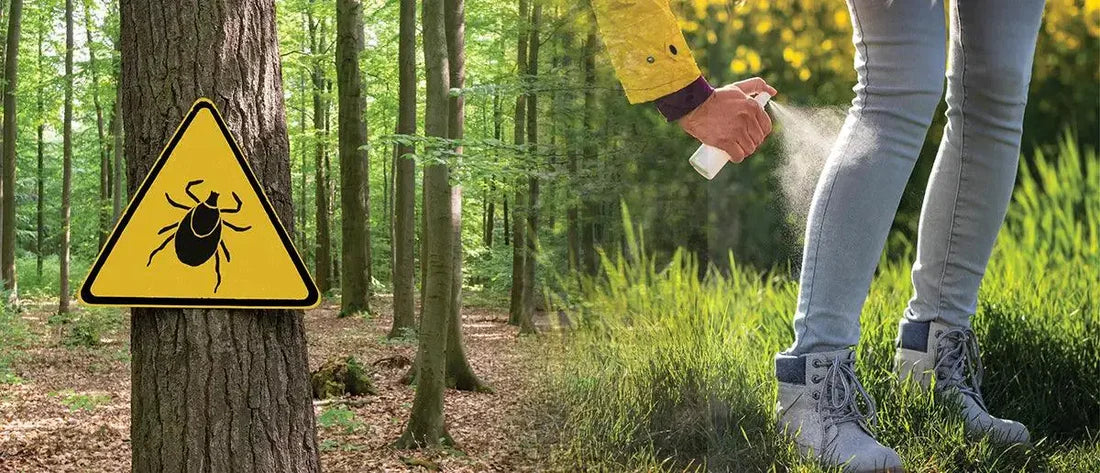
Ticks are blood-feeding parasites that attach themselves to animals and humans. They are capable of transmitting various diseases depending on the region.
Rove beetles, especially species belonging to the genus Paederus, do not bite or sting. Instead, they release a potent toxin called pederin when crushed against human skin. This toxin can cause severe skin irritation, blistering, and painful dermatitis.
The challenge is that both pests are easy to overlook:
-
Ticks are tiny and often remain unnoticed for hours or days.
-
Rove beetles are slender and harmless-looking.
-
Jungle environments provide ideal habitats for both.
-
Warm temperatures and humidity increase exposure risks.
Awareness is the first step toward effective prevention.
What Are Ticks?
Ticks are arachnids, making them relatives of spiders and mites rather than insects.
They survive by feeding on the blood of mammals, birds, reptiles, and occasionally humans.
Common Tick Habitats
Ticks thrive in:
-
Dense vegetation
-
Tall grass
-
Forest undergrowth
-
Leaf litter
-
Moist jungle environments
-
Shrub-covered trails
Contrary to popular belief, ticks do not jump or fly.
Instead, they use a behavior called "questing."
During questing, ticks climb onto vegetation and extend their front legs, waiting for a host to brush past.
Once contact occurs, they crawl onto clothing or skin and search for a suitable feeding site.
Health Risks Associated with Tick Bites
The dangers of ticks extend beyond the bite itself.
Depending on geographic location, ticks may transmit diseases such as:
-
Lyme disease
-
Rocky Mountain spotted fever
-
Ehrlichiosis
-
Anaplasmosis
-
Babesiosis
-
Tick-borne encephalitis
Symptoms may include:
-
Fever
-
Fatigue
-
Muscle aches
-
Joint pain
-
Headaches
-
Skin rashes
Early detection and removal significantly reduce risk.
What Are Rove Beetles?
Rove beetles are elongated insects characterized by short wing covers that leave much of the abdomen exposed.
While thousands of species exist worldwide, hikers are primarily concerned about Paederus species.
These beetles contain pederin, a powerful toxin found within their body fluids.
Importantly:
-
They do not bite.
-
They do not sting.
-
They do not inject venom.
Problems occur when the insect is crushed against the skin.
Understanding Rove Beetle Dermatitis
When a rove beetle is accidentally smashed, pederin is released onto the skin.
Within hours, hikers may experience:
-
Burning sensations
-
Red streaks
-
Blisters
-
Swelling
-
Painful lesions
-
Delayed skin irritation
Many people initially mistake the reaction for a chemical burn or severe insect bite.
The resulting skin condition is often called:
-
Paederus dermatitis
-
Rove beetle dermatitis
-
Nairobi eye (if toxin contacts the eye)
Recovery may take days or weeks depending on severity.
Why Jungle Environments Increase Exposure
Jungles create ideal conditions for both ticks and rove beetles.
Key factors include:
High Humidity
Moisture helps ticks avoid dehydration and supports insect populations.
Dense Vegetation
Thick foliage provides shelter and access to hosts.
Abundant Wildlife
Animals serve as carriers and reservoirs for ticks.
Warm Temperatures
Both pests remain highly active in warm climates.
Limited Visibility
Dense vegetation increases accidental contact.
For hikers, these environmental factors mean exposure risks are significantly higher than on open trails.
Choosing the Right Clothing for Jungle Hiking
Proper clothing is one of the most effective defenses.
Wear Long-Sleeved Shirts
Long sleeves reduce exposed skin and create a physical barrier.
Choose:
-
Lightweight fabrics
-
Moisture-wicking materials
-
Breathable hiking shirts
Wear Long Pants
Avoid shorts in dense vegetation.
Long pants help prevent:
-
Tick attachment
-
Skin contact with insects
-
Scratches from plants
Tuck Pants into Socks
This simple technique prevents ticks from crawling upward beneath clothing.
Many experienced hikers consider it one of the most effective preventive measures.
Choose Light-Colored Clothing
Light colors make ticks easier to spot.
Recommended colors include:
-
Khaki
-
Beige
-
Light gray
-
Tan
Dark clothing can hide crawling ticks.
Use Effective Insect Repellents
Repellents provide an additional layer of protection.
DEET-Based Repellents
DEET remains one of the most researched insect repellents available.
Benefits include:
-
Long-lasting protection
-
Broad insect coverage
-
Effective against ticks
Apply according to manufacturer instructions.
Picaridin
Picaridin offers another effective option.
Advantages:
-
Less odor
-
Non-greasy feel
-
Effective tick deterrence
Many hikers prefer it for extended outdoor use.
Oil of Lemon Eucalyptus
This plant-derived option provides moderate protection and may be suitable for shorter hikes.
Treat Clothing with Permethrin
Permethrin-treated clothing is widely used by outdoor professionals.
Unlike skin repellents, permethrin is applied to:
-
Shirts
-
Pants
-
Socks
-
Gaiters
-
Tents
Benefits include:
-
Repelling ticks
-
Killing ticks on contact
-
Long-lasting effectiveness
Many outdoor experts consider permethrin one of the most powerful tools against tick exposure.
Stay on Established Trails
One of the simplest prevention strategies is trail discipline.
Avoid:
-
Bushwhacking through dense vegetation
-
Walking through tall grass
-
Sitting directly on forest floors
Ticks are more likely to transfer when hikers brush against vegetation.
Staying centered on established paths reduces opportunities for contact.
Be Careful When Resting
Many tick exposures occur during breaks.
When stopping:
-
Use a groundsheet
-
Sit on rocks rather than leaf litter
-
Avoid dense vegetation
-
Keep backpacks elevated
A few minutes of caution can significantly reduce risk.
Managing Campsites Properly
For overnight jungle treks, campsite selection matters.
Choose:
-
Dry ground
-
Open areas
-
Locations with airflow
-
Sites away from dense undergrowth
Avoid:
-
Thick vegetation
-
Animal trails
-
Areas with heavy leaf accumulation
Regular campsite inspections help identify potential hazards.
How to Avoid Contact with Rove Beetles
Preventing rove beetle dermatitis requires different strategies than tick prevention.
Since rove beetles do not seek blood meals, the focus is avoiding accidental crushing.
Never Swat Unknown Insects
A common mistake is instinctively slapping insects found on skin.
If a rove beetle lands on you:
Do not crush it.
Instead:
-
Blow it away
-
Gently brush it off
-
Use a piece of paper
This simple habit prevents toxin exposure.
Reduce Attraction to Artificial Light
Rove beetles are strongly attracted to light.
At campsites:
-
Minimize unnecessary lighting
-
Use warm-colored lights
-
Keep tent doors closed
-
Avoid bright white lights when possible
Many nighttime encounters occur because beetles are drawn toward illuminated tents.
Inspect Sleeping Areas
Before sleeping:
-
Check tents
-
Examine sleeping bags
-
Inspect clothing
-
Shake out gear
A quick inspection can prevent accidental contact while sleeping.
Store Clothing Properly
Clothing left exposed overnight may attract insects.
Best practices include:
-
Keeping clothes inside tents
-
Using sealed bags
-
Shaking garments before wearing them
This is especially important in humid tropical regions.
Perform Regular Tick Checks
Tick checks should become routine during and after hikes.
Focus on:
-
Scalp
-
Neck
-
Behind ears
-
Underarms
-
Waistline
-
Groin area
-
Behind knees
-
Ankles
Ticks often migrate to warm, hidden locations.
Frequent inspections improve early detection.
Post-Hike Tick Inspection Routine
Immediately after hiking:
Shower Promptly
Showering helps remove unattached ticks.
It also provides an opportunity to inspect the body thoroughly.
Examine Clothing
Ticks may remain attached to clothing.
Inspect:
-
Cuffs
-
Socks
-
Waistbands
-
Backpack straps
Use a Dryer
High heat effectively kills many ticks.
Dry hiking clothes thoroughly before reuse.
How to Remove a Tick Safely
If a tick is found attached:
-
Use fine-tipped tweezers.
-
Grasp close to the skin.
-
Pull upward steadily.
-
Avoid twisting.
-
Clean the area afterward.
Do not:
-
Burn the tick
-
Apply petroleum jelly
-
Use nail polish
-
Crush it into the skin
Proper removal minimizes disease transmission risk.
What to Do After Possible Rove Beetle Contact
If you suspect contact with a rove beetle:
Wash Immediately
Use:
-
Soap
-
Plenty of water
Early washing may reduce skin reactions.
Avoid Touching Other Areas
Pederin can spread through accidental transfer.
Wash hands thoroughly.
Monitor Symptoms
Watch for:
-
Redness
-
Blisters
-
Burning sensations
Prompt treatment often improves recovery outcomes.
Essential Gear for Tick and Insect Protection
Experienced jungle hikers often carry:
-
Long-sleeved hiking shirts
-
Lightweight hiking pants
-
Tick removal tweezers
-
Insect repellent
-
Permethrin-treated clothing
-
First aid kit
-
Antiseptic wipes
-
Protective gaiters
These items add minimal weight but significantly improve safety.
Seasonal Considerations
Insect activity varies throughout the year.
Wet Season
Risks often increase due to:
-
Higher humidity
-
Dense vegetation growth
-
Increased insect populations
Dry Season
Exposure may decrease slightly but never disappears completely.
Always maintain preventive habits regardless of season.
Common Mistakes Hikers Make
Many insect-related incidents result from avoidable errors.
Examples include:
-
Wearing shorts
-
Skipping repellents
-
Ignoring tick checks
-
Sleeping in uninspected tents
-
Swatting unknown insects
-
Leaving clothing exposed overnight
-
Hiking through dense brush unnecessarily
Recognizing these mistakes can dramatically reduce risk.
Special Considerations for Campers and Backpackers
Multi-day adventures require additional vigilance.
Recommendations:
-
Conduct daily tick inspections
-
Reapply repellents regularly
-
Rotate and inspect clothing
-
Maintain campsite cleanliness
-
Keep sleeping gear protected
Consistency is crucial during extended trips.
Protecting Children During Jungle Hikes
Children face increased risk because they often:
-
Explore vegetation closely
-
Sit on the ground frequently
-
Miss early warning signs
Parents should:
-
Dress children in protective clothing
-
Perform frequent inspections
-
Teach them not to touch unfamiliar insects
-
Carry extra insect repellent
Education is a powerful preventive tool.
Protecting Dogs on Jungle Trails
Dogs can attract ticks easily.
Protective measures include:
-
Veterinary-approved tick prevention products
-
Regular fur inspections
-
Tick removal tools
-
Post-hike grooming
Pets may carry ticks back into campsites or homes.
Recognizing When Medical Attention Is Needed
Seek professional medical care if you experience:
After Tick Exposure
-
Fever
-
Expanding rash
-
Persistent fatigue
-
Severe headaches
-
Joint pain
After Rove Beetle Contact
-
Extensive blistering
-
Eye involvement
-
Severe swelling
-
Signs of infection
Early treatment often prevents complications.
Building a Long-Term Insect Safety Mindset
The safest hikers develop habits rather than relying on luck.
Key principles include:
-
Preparation before the trip
-
Awareness during the hike
-
Inspection afterward
-
Prompt response to problems
These habits eventually become second nature.
Conclusion
Ticks and rove beetles may be small, but they represent two of the most important health concerns for jungle hikers. Fortunately, the majority of incidents can be prevented through proper preparation, protective clothing, effective repellents, smart campsite management, and routine inspections.
Whether you are exploring tropical rainforests, dense woodland trails, remote wilderness routes, or multi-day backpacking adventures, understanding how these creatures behave gives you a significant advantage. Staying on established paths, treating clothing appropriately, performing regular tick checks, and avoiding the instinct to crush unfamiliar insects are simple practices that can dramatically improve outdoor safety.
A successful jungle hike is not only about reaching the destination—it is also about returning home healthy, comfortable, and ready for your next adventure. By making insect prevention a standard part of your hiking routine, you can enjoy the beauty of the wild while minimizing the risks posed by ticks and rove beetles.